
Home / Blog
Blog
0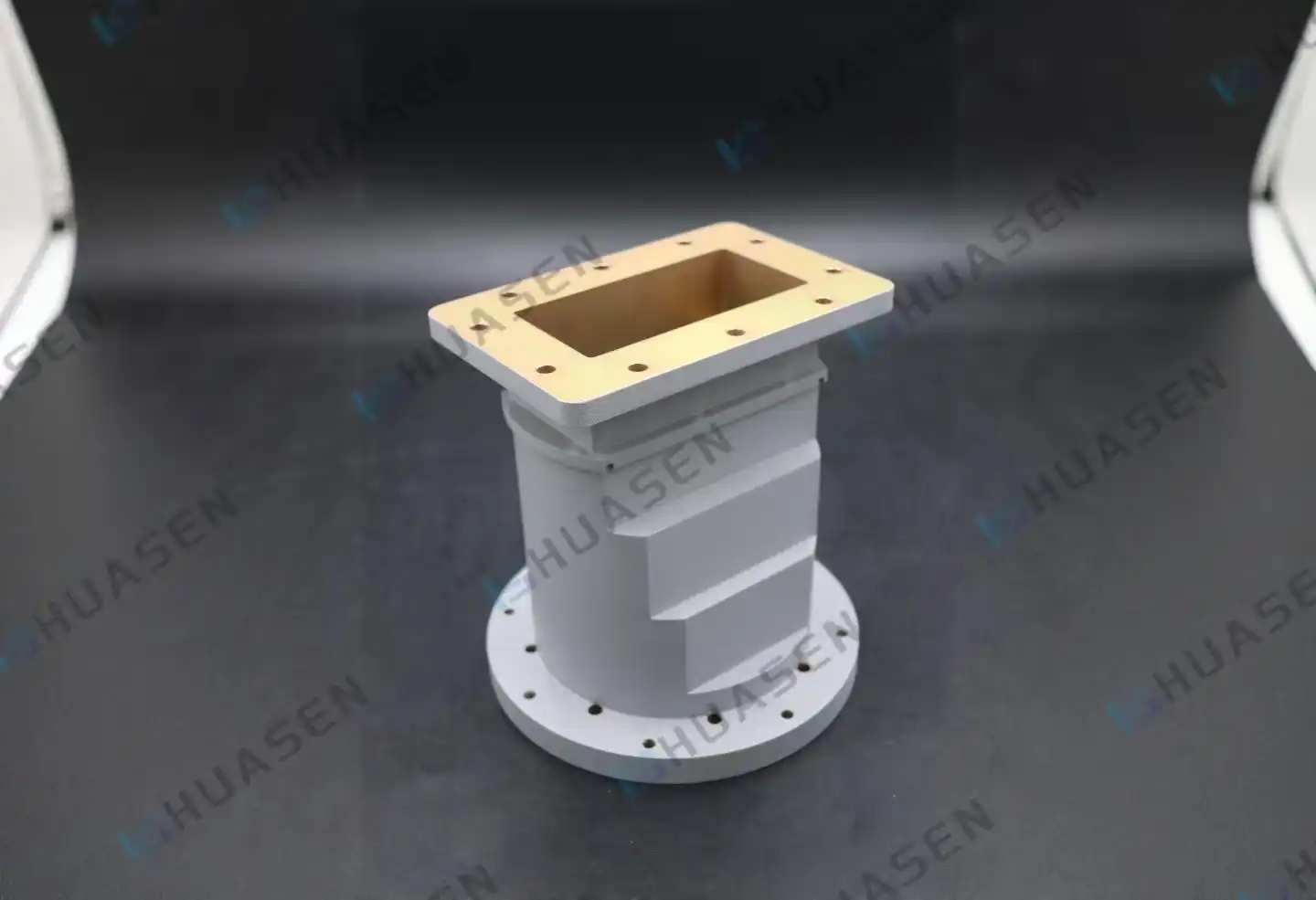
When to Use a Waveguide Transition in RF System Design?
When your RF system needs to transfer energy between various transmission line shapes while maintaining signal integrity, waveguide transition components become crucial. When you connect waveguides of different sizes or bridge between coaxial plugs and waveguide flanges, these passive devices fix impedance problems. They should be used whenever your design has to deal with sudden changes in the transmission medium. This is especially important for high-frequency uses above the X-band, where coaxial lines lose too much signal. Knowing when these parts are most useful helps buying teams avoid system failures that cost a lot of money and ensures that radar, satellite uplinks, and telecommunications equipment work reliably.VIEW MORE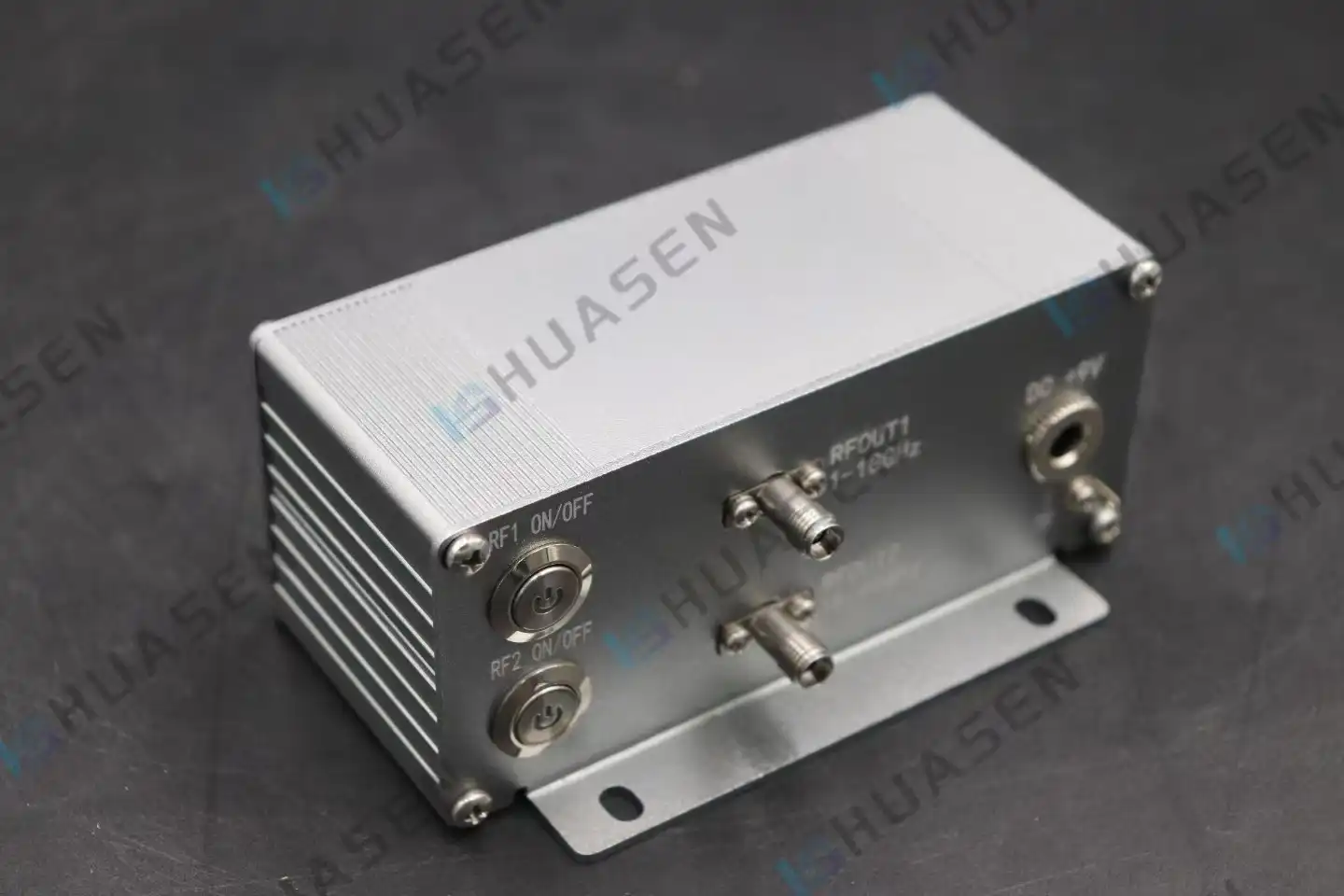
Power Amplifier Applications in Radar and Satellite Networks
These days, the most important part of radar and satellite transmission devices is the power booster. Radio frequency (RF) signals that aren't very strong are turned into high-power signals that can reach targets thousands of miles away. These specialised devices are not at all like regular audio amplifiers. They work at radio frequencies from MHz to GHz and can handle complex modulation schemes while still meeting strict standards for efficiency and linearity. Power amplifiers give radars the small bursts of power they need to find their targets. In satellite launch stations, signals are boosted to get around the huge loss of signal quality that happens when data is sent through space.VIEW MORE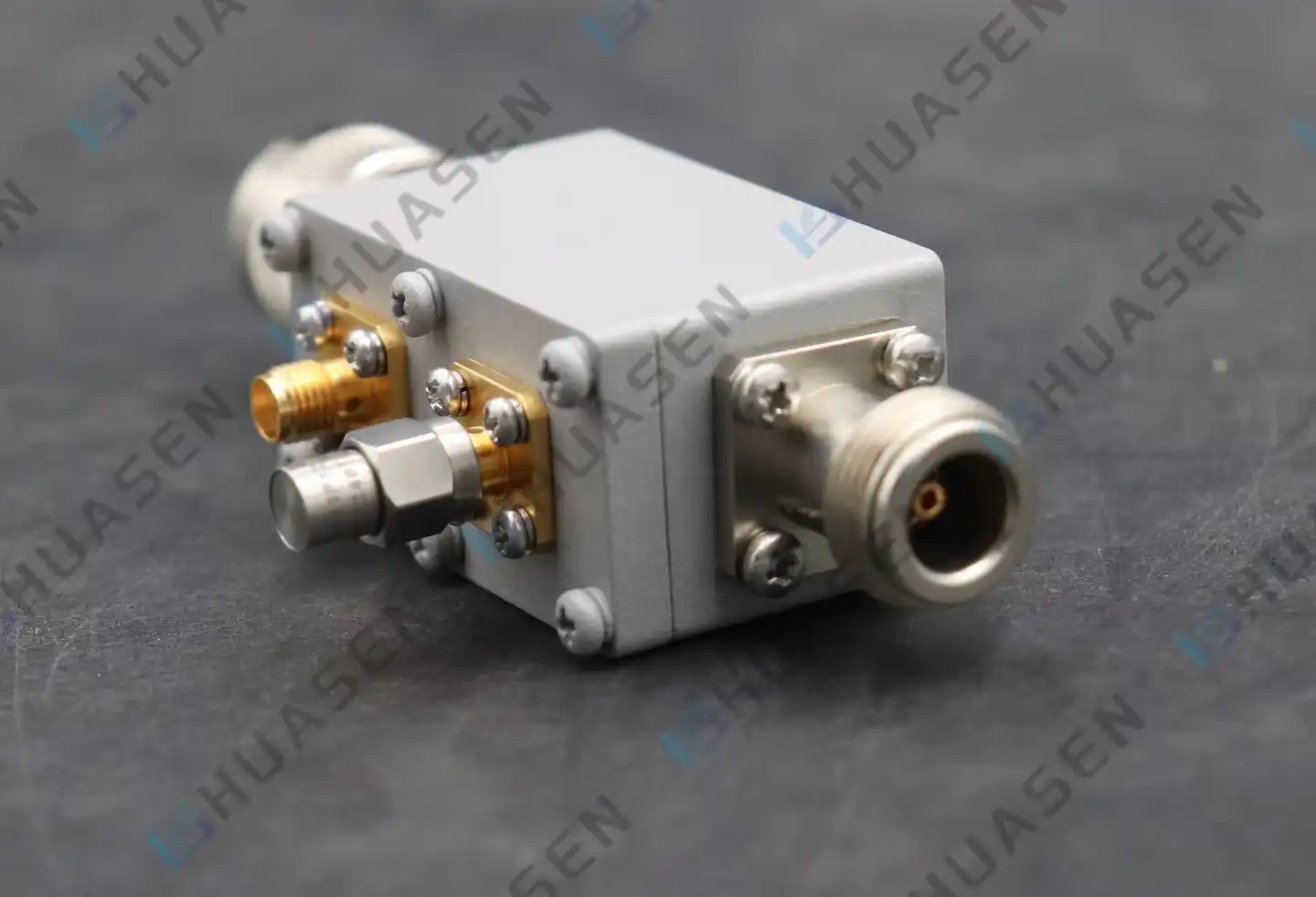
Why Choose a Coaxial Directional Coupler for RF Networks?
It is important to use the right signal tracking tool when planning or keeping RF networks for things like 5G base stations and aircraft radar systems. A coaxial directional coupler gives you the highest level of accuracy by sampling electromagnetic power moving in a specific direction without getting in the way of your main signal line. This passive device, unlike basic splitters, separates waves that come in and waves that come back. This lets you measure VSWR in real time, level power in amplifier loops, and control feedback, all while keeping low insertion loss and high directivity. This feature fixes important problems in the industry, like keeping signals strong, finding impedance mismatches, and making sure transmitters work the same way in harsh conditions.VIEW MORE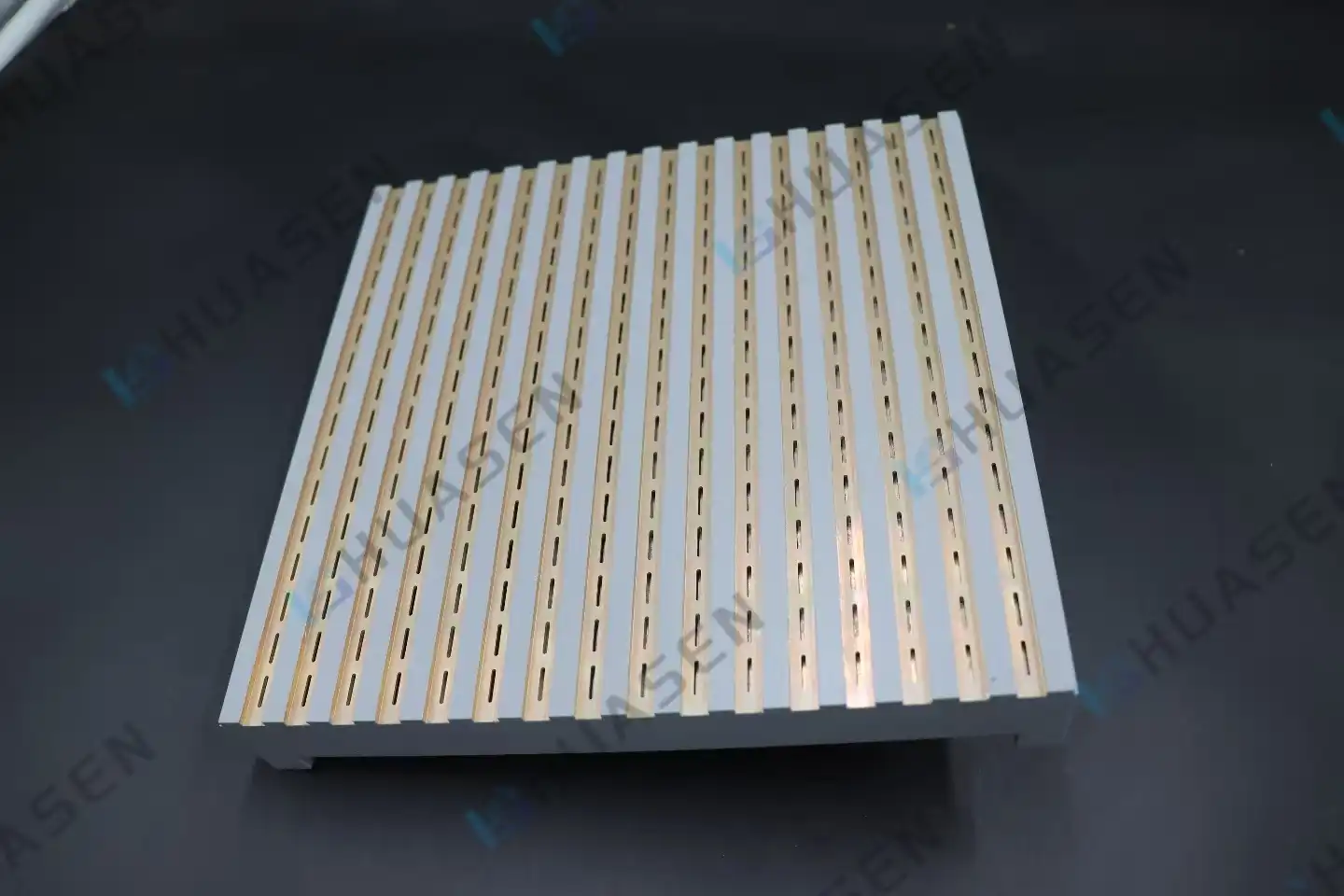
Radiation Pattern Control in Planar Slot Antenna Engineering
Controlling the radiation pattern in planar slot antenna engineering is a complex way to handle the spread of electromagnetic fields in high-frequency wireless systems. The planar slot antenna, which is made by cutting exact slots into waveguide structures, gives you complete control over the beam direction, side lobe suppression, and polarization features that are important for radar, telecommunications, and aerospace uses. Unlike most radiating elements, this design philosophy uses electromagnetic aperture theory to get very accurate patterns while keeping the size of the element very small. This meets important needs in places with limited space where signal integrity and aerodynamic profiles cannot be compromised.VIEW MORE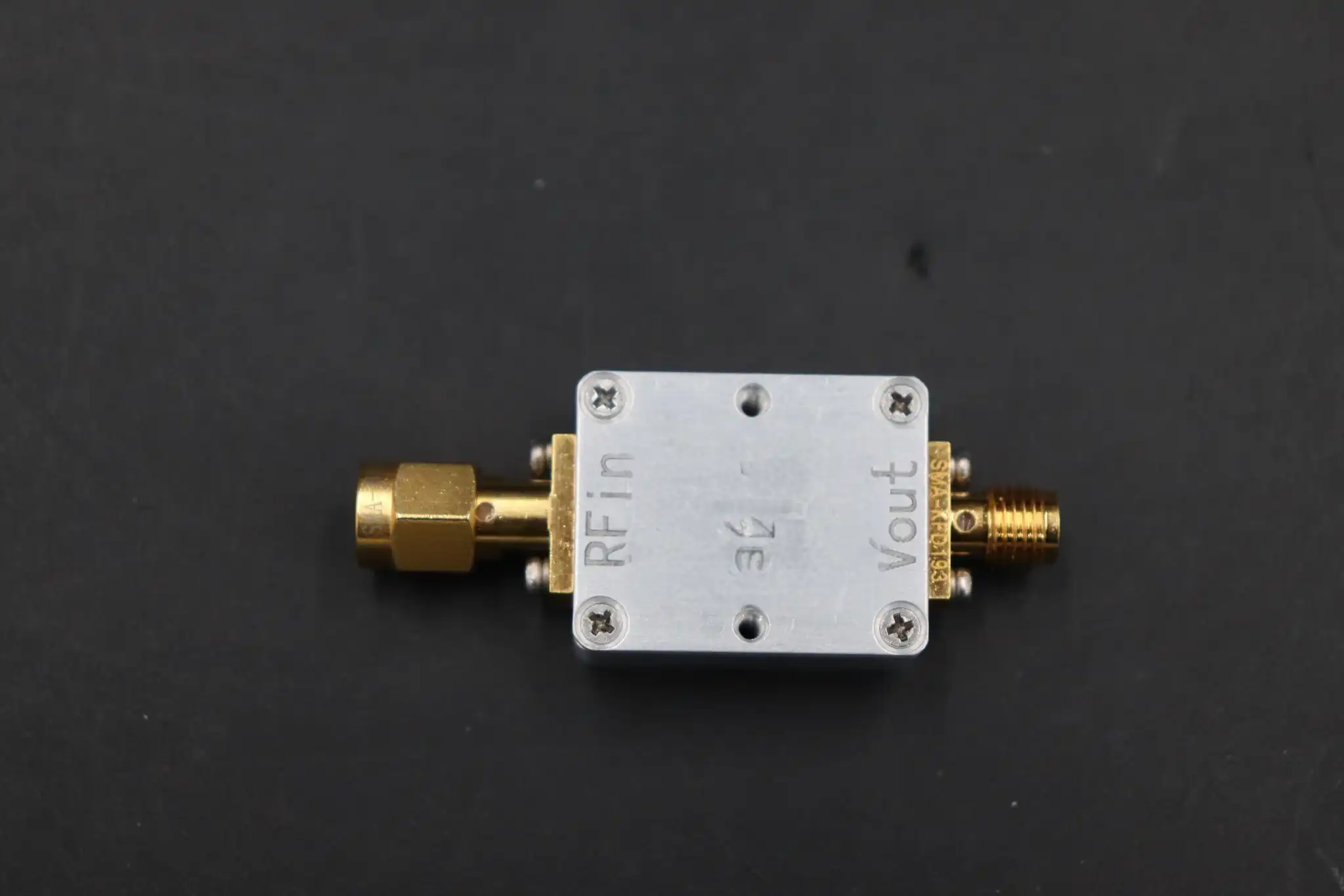
Broadband Coaxial Detector Role in Microwave Power Monitoring
Broadband coaxial detectors are the most important part of microwave power monitoring devices because they connect high-frequency radio waves to a measured DC output. These precise tools turn the radio power that comes in into a proportional voltage. This lets people in defence, aerospace, and telecommunications watch things in real time. They get accurate power readings from 0.1 GHz to 18 GHz by using advanced diode technology in coaxial transmission structures. This solves the main problem of keeping signals intact during continuous operation.VIEW MORE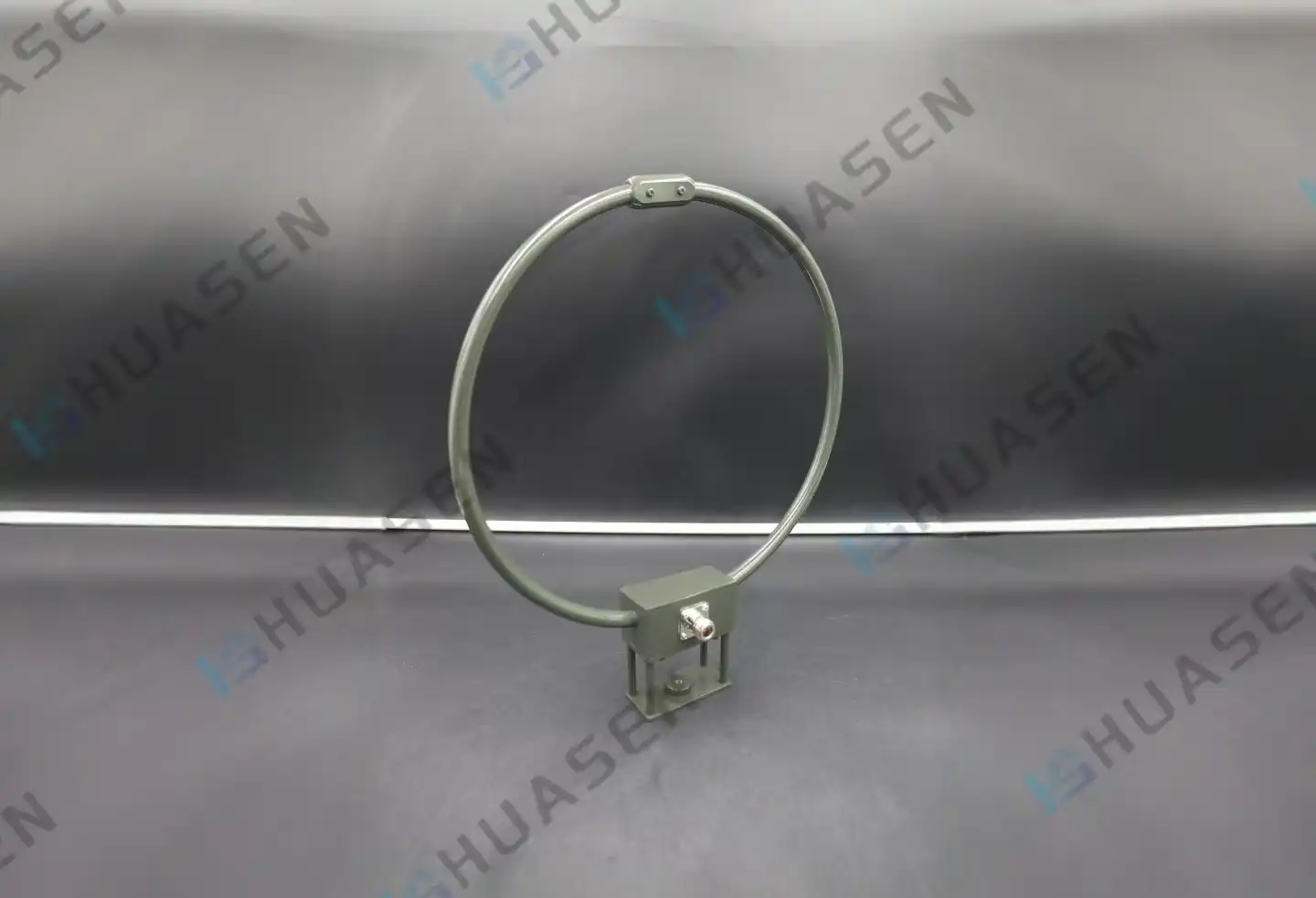
How Does a Loop Antenna Improve Signal Reception?
Loop antennas improve signal reception by using magnetic field coupling instead of electric field capture. This makes them less vulnerable to near-field electromagnetic pollution that is common in cities and factories. A loop antenna works through electromagnetic induction, which creates voltage from changing magnetic flux. This is different from normal dipole antennas, which respond mainly to electric fields. This feature of the antenna's design lets it block vertically polarised noise from things like switching power supplies, LED lights, and digital electronics, which makes the signal-to-noise ratios much better. The directional null pattern that is perpendicular to the loop plane lets operators physically spin the antenna to block out certain sources of interference. This is especially useful in crowded RF spectrum situations where many signals are competing for receiving clarity.VIEW MORE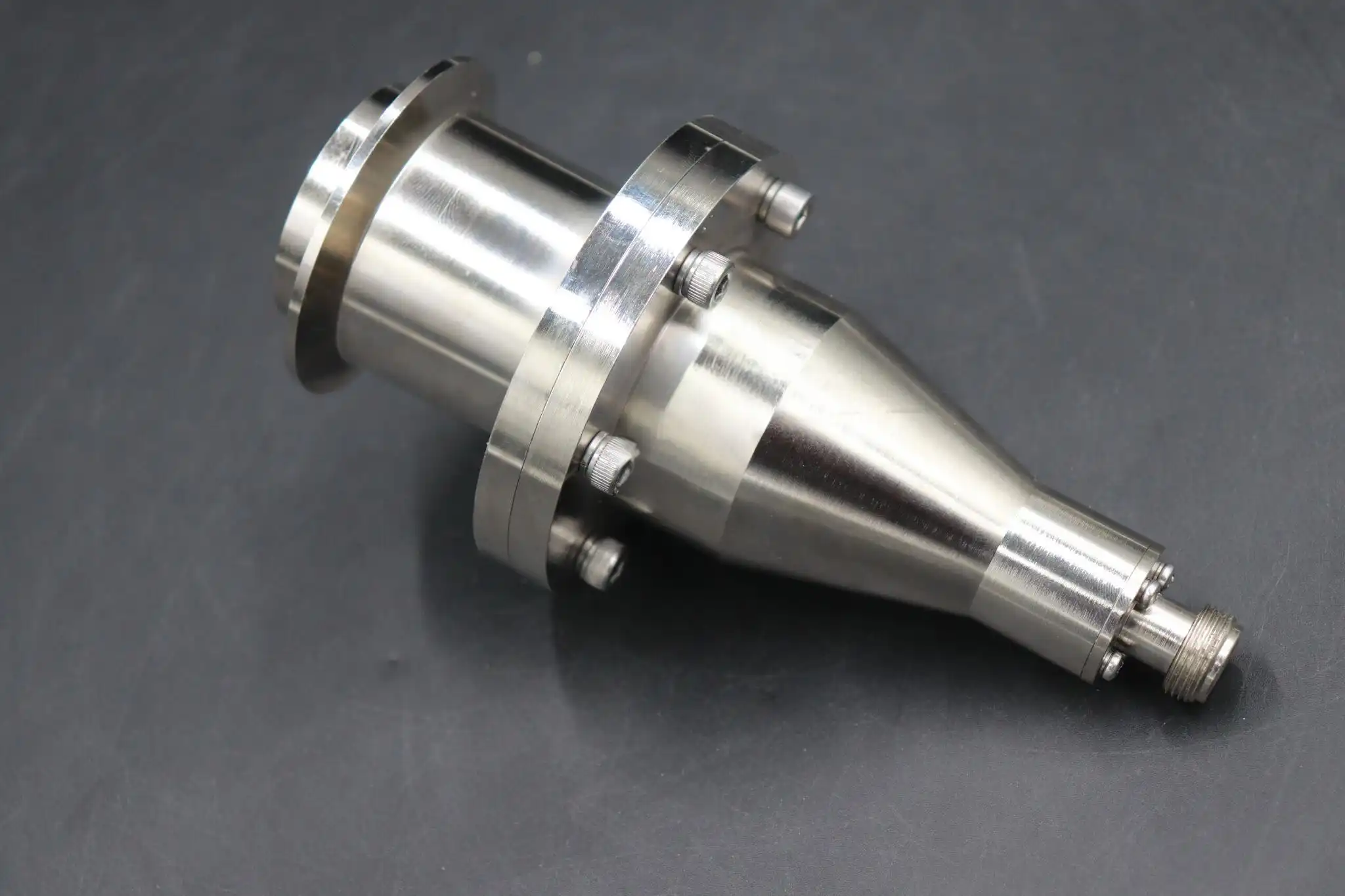
Coaxial Adapter Types and Their Applications Explained
A coaxial adapter is a precision-engineered inactive part that connects two RF connectors that don't work with each other. This lets signals flow smoothly between different connection series, genders, or impedance systems. These adapters keep the purity of the signal and solve problems with connectivity in tests, telephones, radar, and satellite communications. Coaxial adapters save you money by preventing expensive wire repairs and keeping important equipment ports from getting too worn out during high-frequency operations. They can connect SMA connectors to N-type connectors or switch between 50Ω and 75Ω systems.VIEW MORE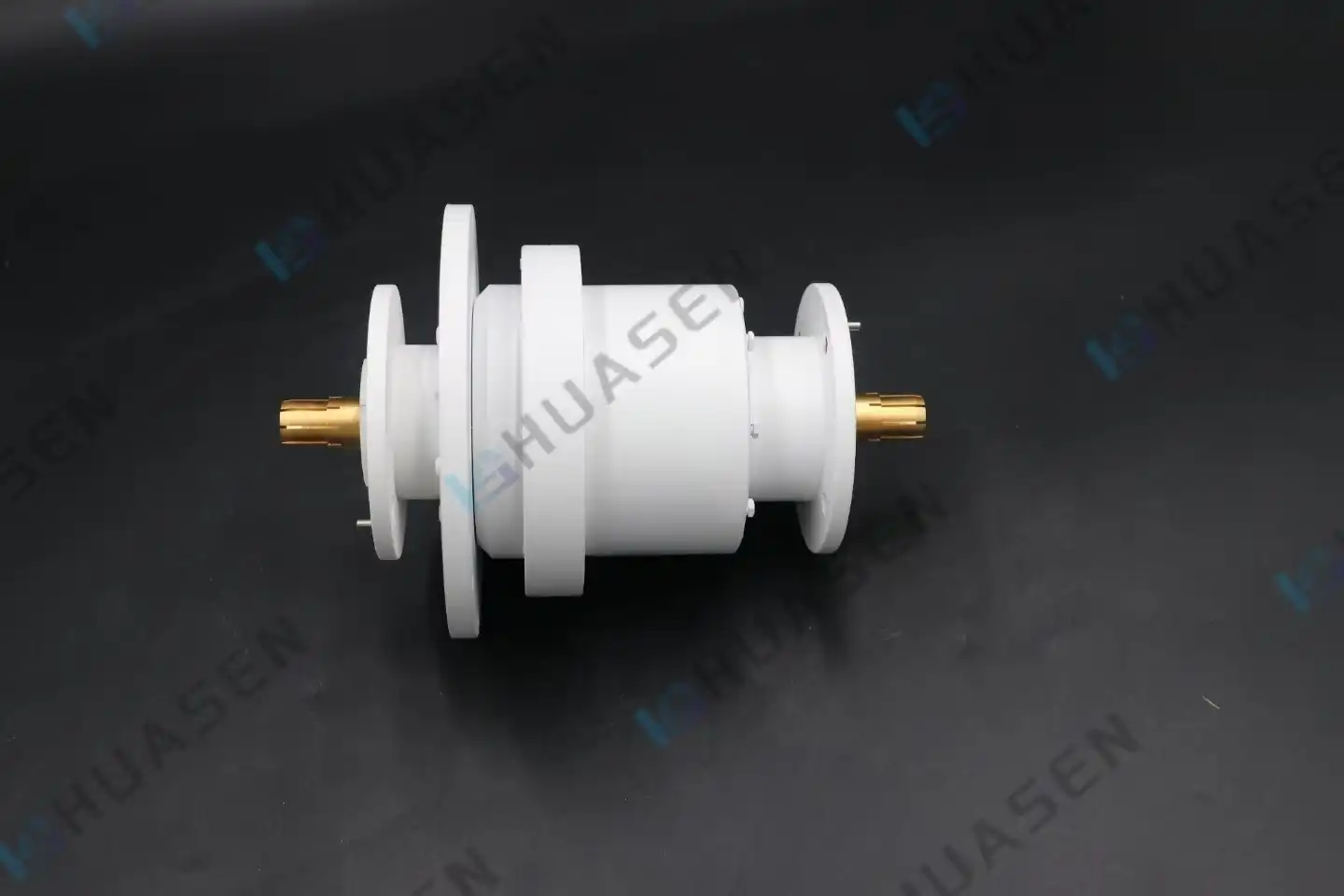
Single Channel Coaxial Rotary Joint: DC to 18 GHz Guide
There's a secret problem that comes up when your radar antenna or satellite dish keeps tracking moving targets across the sky: how do you keep RF signals going without breaking cables? The Single Channel Coaxial Rotary Joint is the answer. It is a precision-engineered part that can rotate indefinitely around an axis while keeping the signal strong from DC to 18 GHz. This device gets rid of the need to wrap cables in dynamic systems, so transmissions can go on without interruption for mission-critical uses in defense, aircraft, and telecommunications. Working with RF systems for a long time, I've seen how this seemingly simple part can fix complicated engineering issues that would have otherwise put whole communication networks at risk.VIEW MORE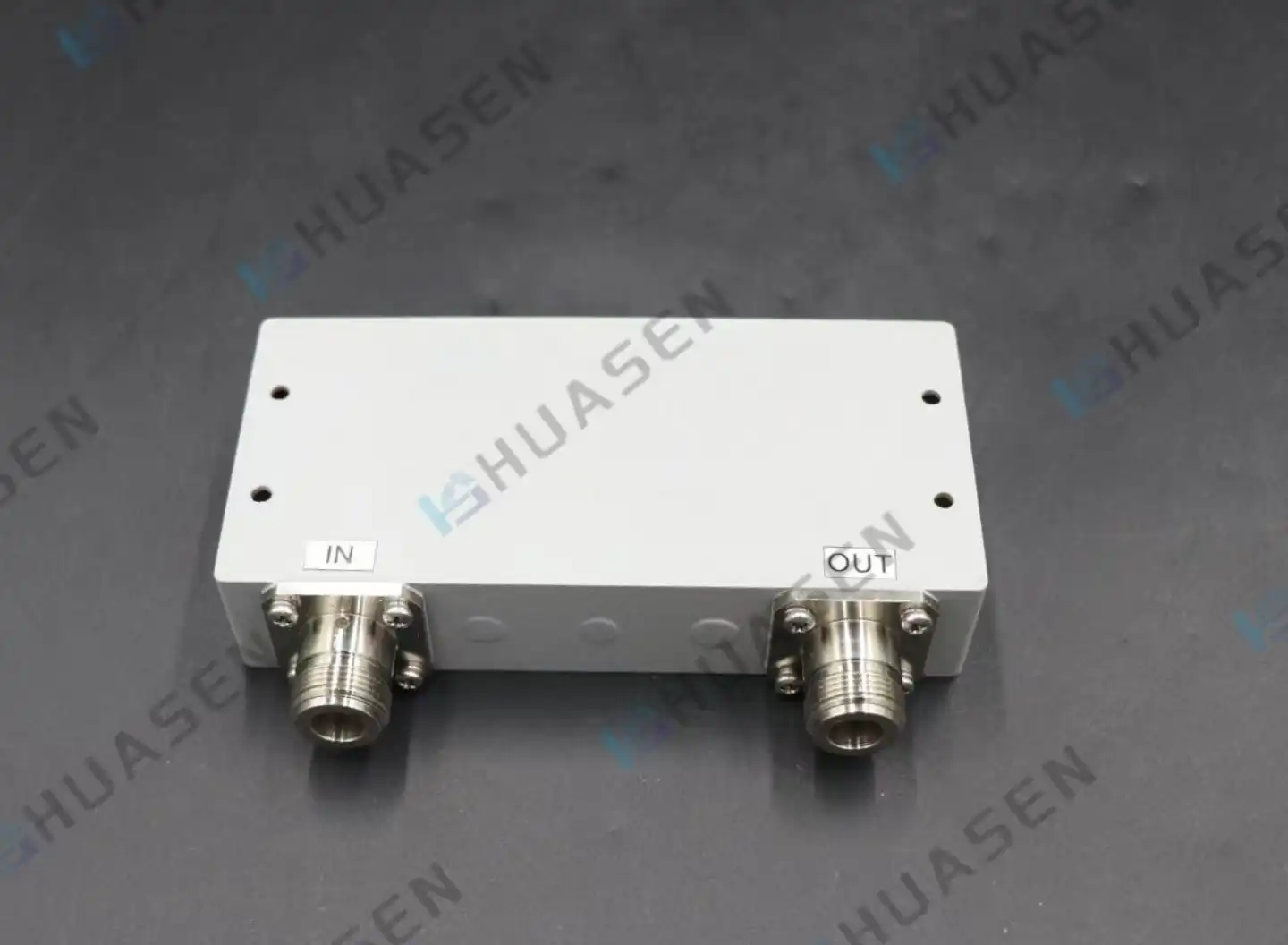
Coaxial Bandpass Filter: Insertion Loss & Selectivity Tips
For RF systems to work at their best, they need to be able to precisely control which bands get through and which ones get stopped. This is done by a coaxial bandpass filter, which uses TEM mode transmission through solid coaxial resonators to let the desired frequency bands pass through while blocking disturbance. Insertion loss and selectivity are the two metrics that describe how well a filter works. They directly affect how well the system works and how clear the signal is. Insertion loss measures how much power is lost in the passband, and selectivity measures how well the filter can block interference from adjacent channels. For people who work in procurement in the defence and telecommunications industries, knowing how to balance these factors against size, power handling, and cost limits can make link budgets much better and lower spectral congestion in crowded spectrum environments.VIEW MORE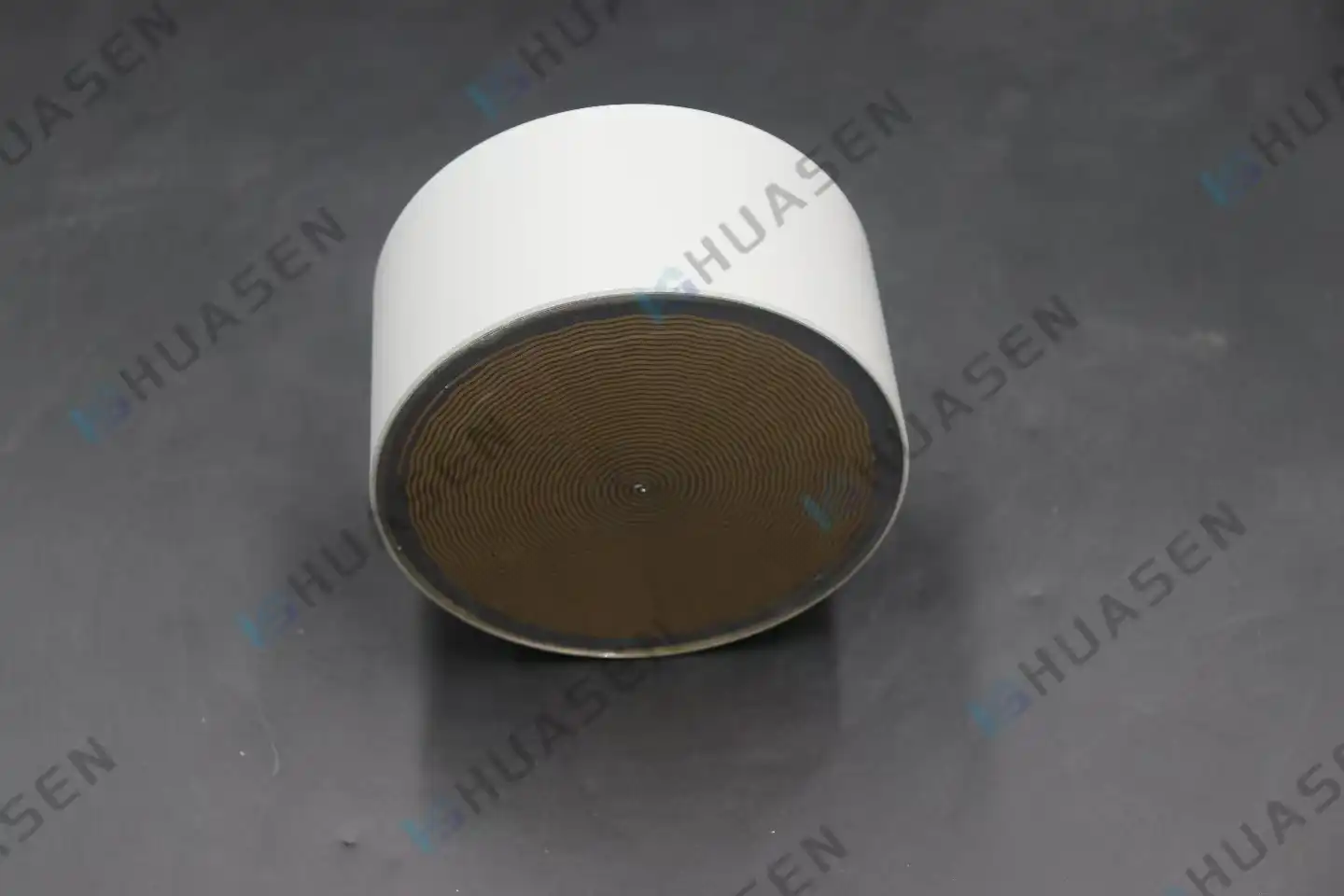
How Planar Helical Antenna Supports Deep-Space Communication Links
Deep-space missions demand antennas capable of maintaining stable signal transmission across millions of kilometers. Planar helical antenna technology addresses this challenge by combining ultra-wideband operation with circular polarization in a compact, low-profile format. These antennas sustain communication links where signal attenuation and polarization shifts threaten data integrity. Operating across frequency ranges spanning 0.2–18 GHz, they enable reliable telemetry and command reception for spacecraft and satellite systems, even under extreme environmental conditions where traditional antenna designs fail.VIEW MORE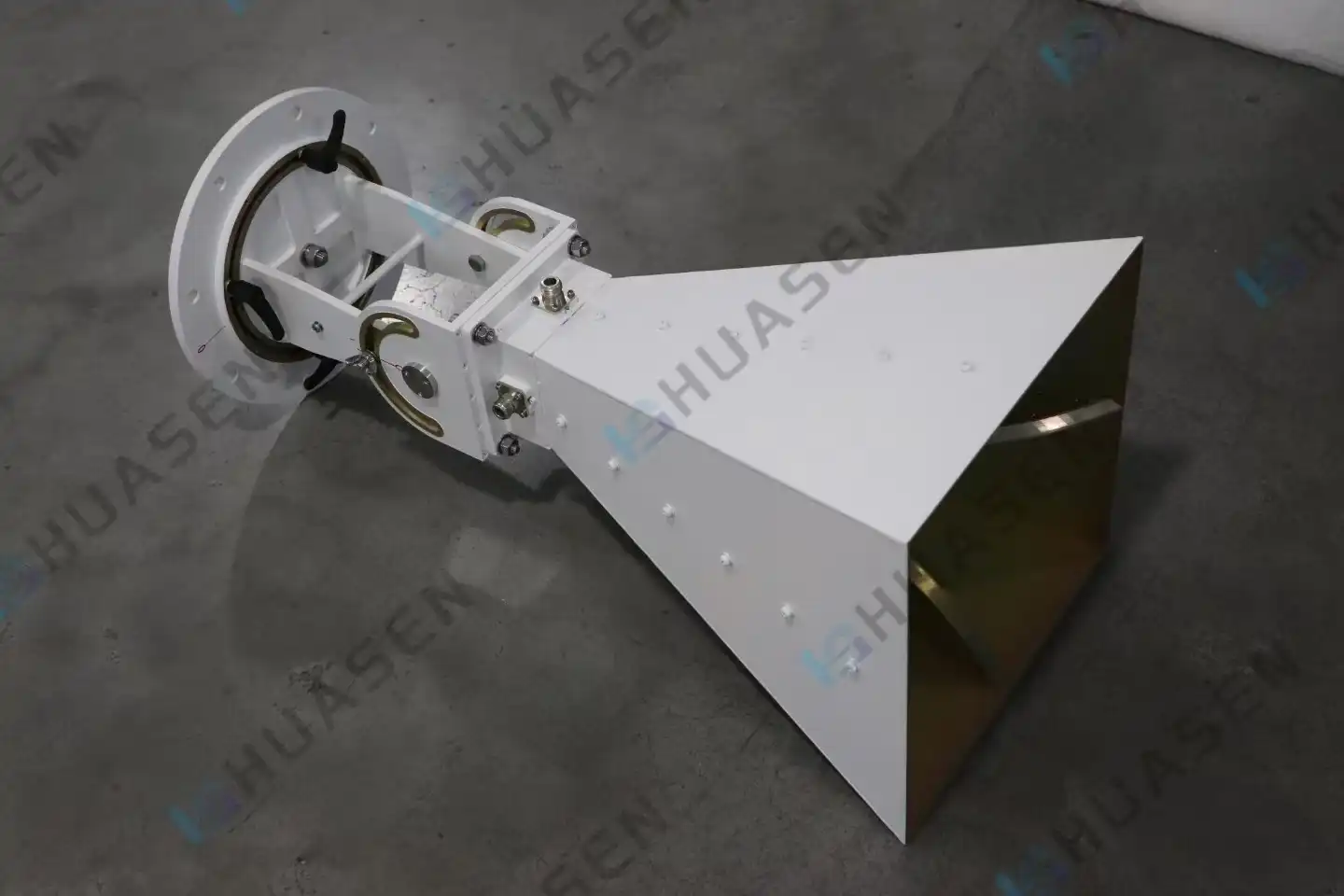
Quadridged Horn Antenna Behavior in Extreme Frequency Environments
The Quadridged Horn Antenna is very stable and flexible when it comes to working across very wide frequency ranges, from sub-GHz ranges to 40 GHz and beyond. This unique aperture antenna has four equally placed metallic ridges inside a curved waveguide structure. This allows for consistent impedance matching and dual-polarization across many octave bandwidths. In places like EMC testing laboratories, radar calibration laboratories, and satellite communication ground stations where frequency extremes make regular antenna designs hard to use, engineers rely on these devices. Procurement teams that are in charge of setting up next-generation wireless infrastructure need to know how these antennas keep the signal strong in such harsh conditions.VIEW MORE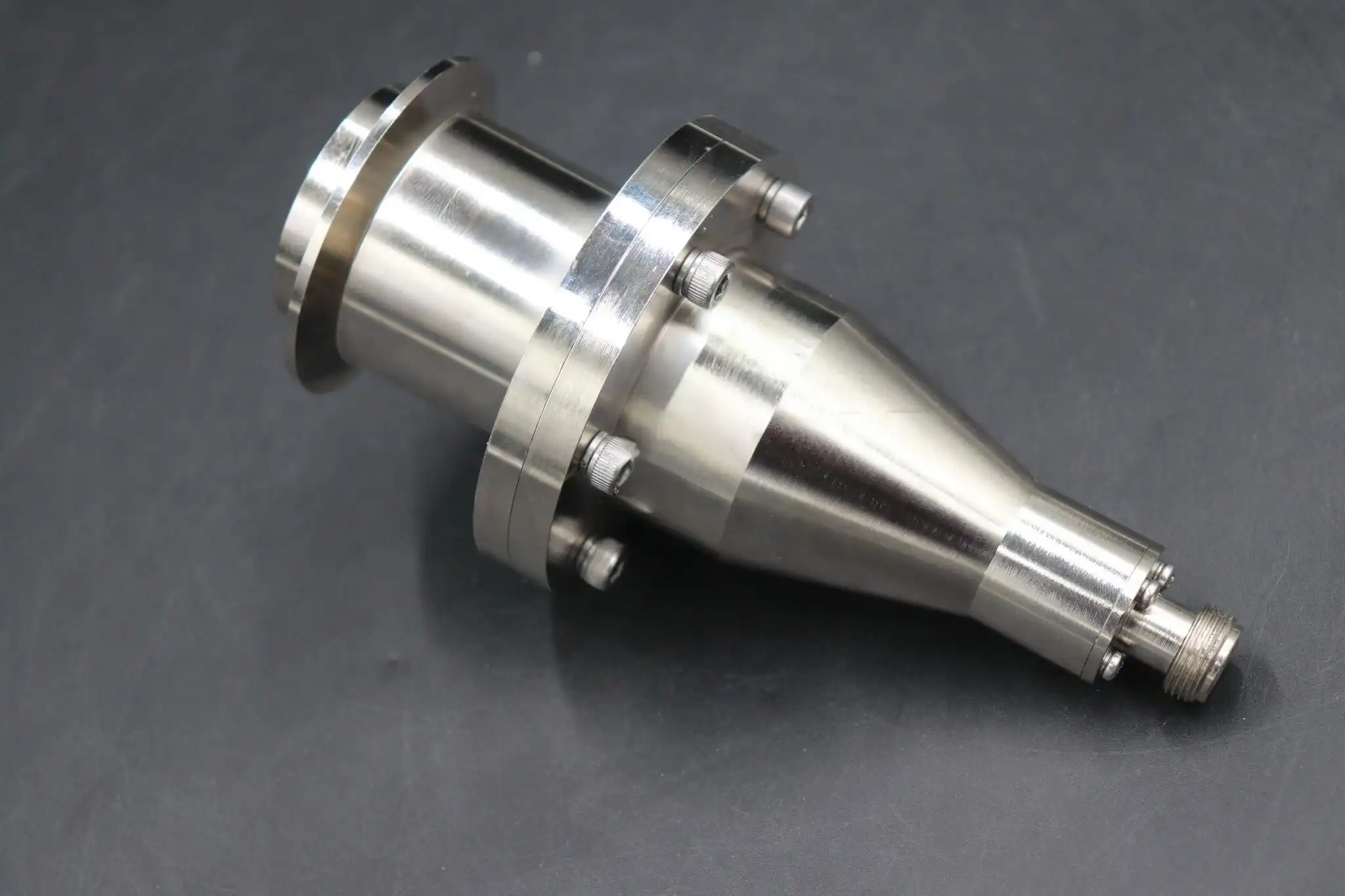
Coaxial Adapter Innovations for Modern RF Networks
Modern radio frequency (RF) networks need parts that are reliable and work well even when conditions are tough. The coaxial adapter is an important part of the interface because it lets engineers connect different types of connectors while keeping the signal integrity in test settings, radar sites, telecommunications systems, and satellite systems. Recent progress in material science, manufacturing accuracy, and environmental protection has turned these seemingly simple parts into complex ones that help system integrators and equipment manufacturers around the world deal with bandwidth issues, power handling needs, and installation problems.VIEW MORE
- 1
- 2
- 3
- 4
- 5
- 6
- 60
Total 60 pages
