Broadband Coaxial Detector Role in Microwave Power Monitoring






2026-07-14 16:57:38
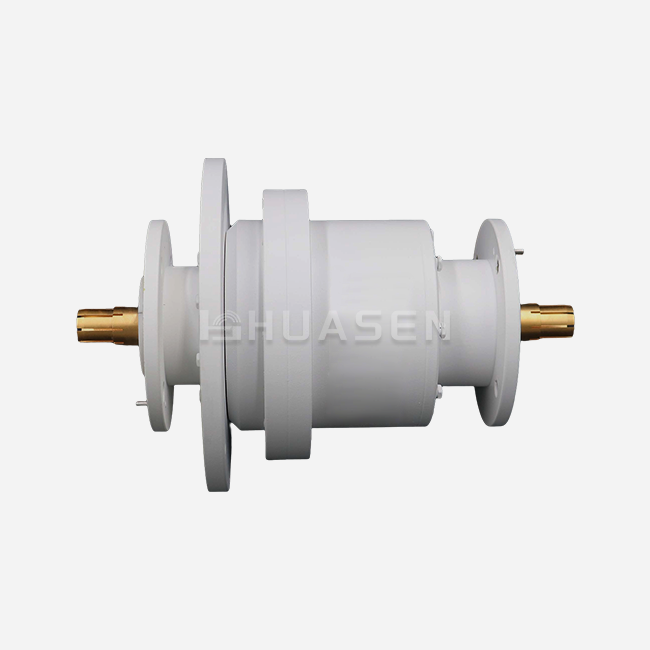
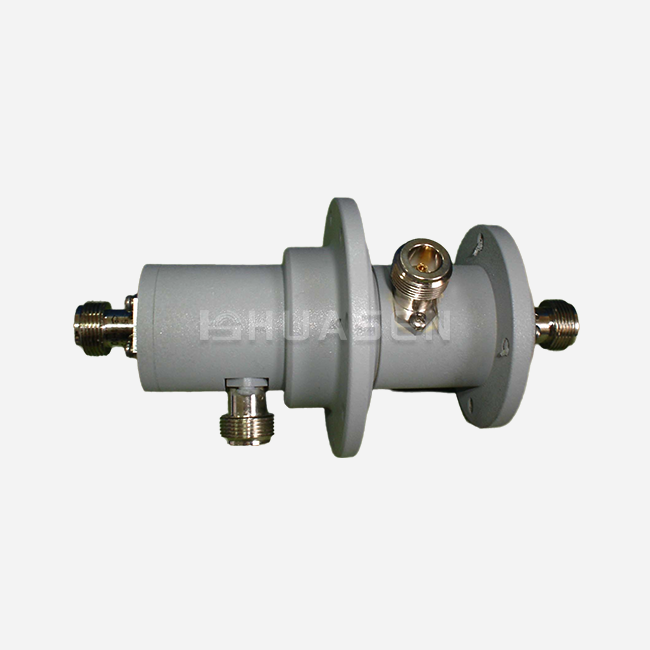
Broadband coaxial detectors are the most important part of microwave power monitoring devices because they connect high-frequency radio waves to a measured DC output. These precise tools turn the radio power that comes in into a proportional voltage. This lets people in defence, aerospace, and telecommunications watch things in real time. They get accurate power readings from 0.1 GHz to 18 GHz by using advanced diode technology in coaxial transmission structures. This solves the main problem of keeping signals intact during continuous operation.
Understanding Broadband Coaxial Detectors and Their Function in Microwave Power Monitoring
Core Operating Principles
Point-contact diode technology and special microwave broadband matching circuits are how broadband coaxial detectors work. When RF energy comes into the gadget, the diode changes the oscillating signal into a steady DC voltage that is equal to the amount of power coming in. This conversion takes place in a carefully designed coaxial structure that keeps the impedance matching throughout the whole operational bandwidth. These detectors react right away, unlike thermal sensors that need time to stabilise. This makes them essential for signal settings that change quickly and where frequency agility is important.
The design of the matching circuit keeps echoes to a minimum and guarantees steady performance even when the frequency changes. This feature is especially useful in broad situations, since narrowband detectors would need more than one unit to cover the same range. The engineering teams like how this consolidation makes system architecture easier to understand and the inventory less complicated.
Application in Telecommunications and Broadcasting
Keeping accurate power levels in 5G base station front-ends and backup lines has a direct effect on how reliable the network is. Broadband coaxial detectors constantly check the output of the transmitter and send feedback to automatic level control loops that keep the signal strength stable. This is very important when base stations work on multiple frequency bands at the same time, because even small changes in power can hurt service quality.
These devices are used by satellite communication ground stations to check the uplink power before transfer. This keeps equipment from breaking and makes sure that regulations are followed. Maritime communication systems are built to be tough, so they can handle the vibrations and extreme temperatures that are common on ships. Broadcasting stations use them to make sure that the transmitter output stays the same across the frequency range. This keeps transmission patterns similar.
Military and Aerospace Implementations
Radar systems on planes and drones need detectors that can profile pulse envelopes with rise times on the nanosecond scale. Engineers can check pulse width, repetition intervals, and modulation accuracy during electronic countermeasure activities with broadband coaxial detectors because they respond quickly. Defence companies value their ability to work reliably in harsh settings where changes in humidity, temperature, and mechanical stress can make it hard for parts to stay stable.
Advantages and Features of Broadband Coaxial Detectors in Microwave Power Monitoring
High-Precision Measurement Capabilities
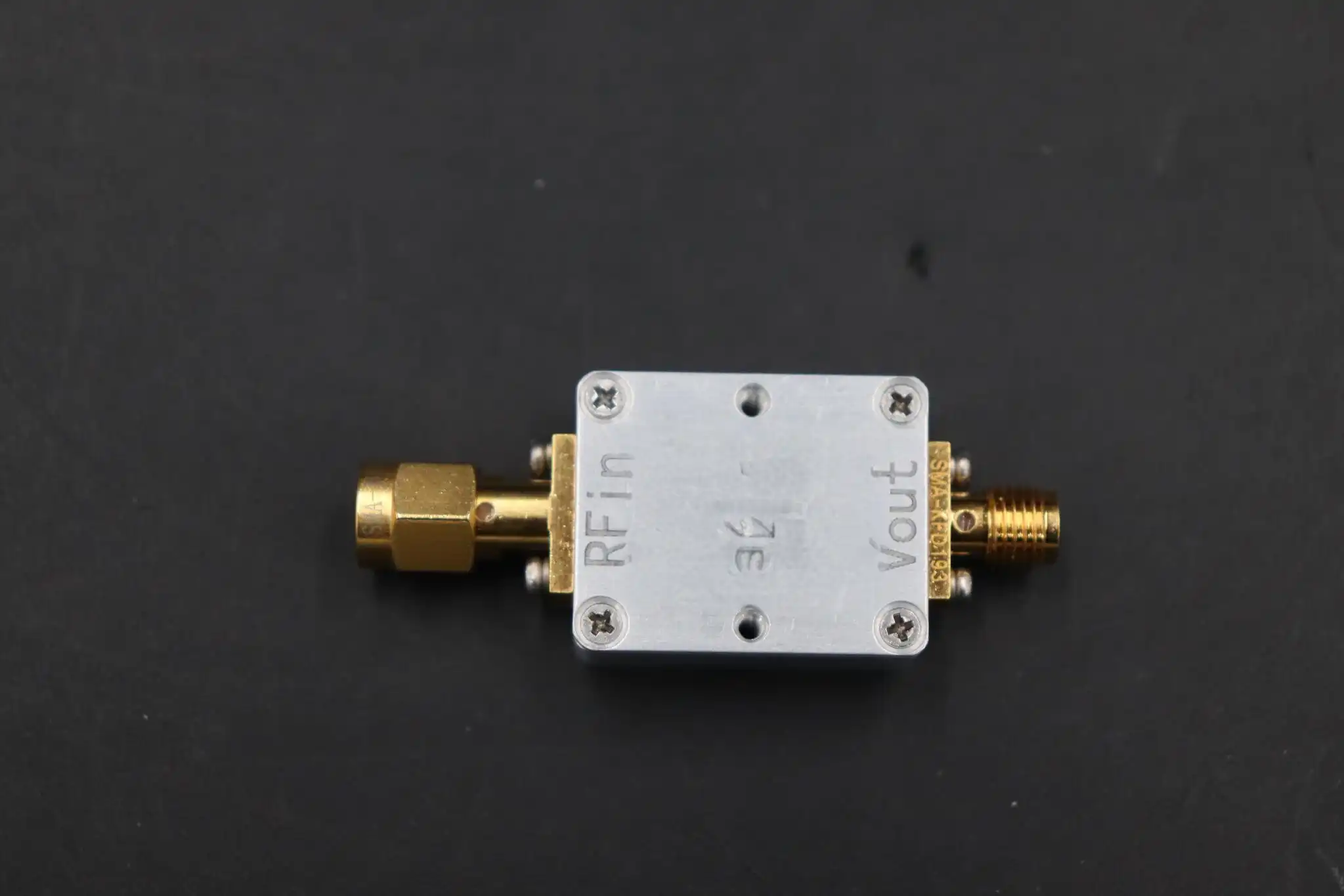
The accuracy of measurements is directly affected by how well modern detection systems work. The broadband coaxial detectors from Huasen Microwave show how technology has improved in this area, with features that meet strict industry needs.
These skills translate into real benefits for operations. The high sensitivity rate of the broadband coaxial detector is more than 0.15 mV/μW at low signal levels, so it can pick up on low-power leaks that other devices might miss. This sensitivity is very important for lab technicians who are testing parts like filters, amplifiers, and passive devices that need to measure insertion loss by picking up on small changes in power.
The overload capacity specification keeps things from getting damaged by accident while they are being tested. Technicians can work without worrying about power levels because the input can handle up to 20 mW. The steady DC output voltage makes it easier to connect to data-gathering systems because you don't need to use complicated signal conditioning hardware.
| Parameter | Specification | Benefit |
|---|---|---|
| Frequency Range | 0.1–18 GHz | Covers multiple bands with a single device |
| Sensitivity | >0.15 mV/μW | Detects low-power signals accurately |
| Overload Capacity | <20 mW input | Prevents damage during testing |
| Frequency Flatness | ±1 dB/Octave | Consistent wideband performance |
| Input Connectors | SMA-J/N-J | Compatible with standard equipment |
| Output Connector | BNC-K | Easy integration with monitoring systems |
Real-Time Diagnostics and Integration
Integrators who build communications infrastructure need parts that work well with test equipment that is already on the market. Standard input and output connectors (SMA and N-type for input and BNC for output) make sure that they work with spectrum analysers, power meters, and oscilloscopes that are already in use in facilities around the world. This standardisation gets rid of the need for custom wiring and speeds up the installation process.
The ±1 dB per octave anti-interference ability makes sure that measurements are accurate across the whole span. It is easy to use simple calibration tables and reasonable measurement uncertainty when testing a wideband antenna or filter because the surface is flat. Procurement experts like this feature because it lowers the cost of ongoing calibration while still maintaining traceability to national standards.
Field Durability and Operational Efficiency
Environmental flexibility makes parts last longer in difficult placement situations. The design of the coaxial housing naturally blocks electromagnetic interference and maintains mechanical strength. When installed outside, like on cell towers or satellite earth stations, equipment is exposed to changes in temperature, moisture, and physical vibration. Components that meet MIL-STD environmental specifications have been shown to work reliably in these conditions, which cuts down on failures in the field that stop service and cost more to fix.
When maintenance teams use detectors that have been proven to be safe for the environment, they report less downtime. Total cost of ownership goes down when you don't have to replace things as often. This is a metric that procurement departments use to carefully evaluate supplier proposals.
Comparing Broadband Coaxial Detectors: Making Informed Procurement Decisions
Performance Differentiation Among Test Instruments
The main job of coaxial cable tests is to make sure that the cables are physically connected and that the resistance matches. However, they are not accurate enough to measure power levels. While spectrum analysers offer more in-depth frequency-domain research, they are much more expensive and difficult to use. Broadband coaxial detectors are in the middle. They give exact readings of power without the cost or learning curve of more advanced tools.
| Instrument Type | Frequency Analysis | Power Measurement Accuracy | Relative Cost | Typical Application |
|---|---|---|---|---|
| Coaxial Cable Tester | Limited | Basic | Low | Installation verification |
| Broadband Coaxial Detector | Wideband coverage | High precision | Moderate | Power monitoring, ALC loops |
| Spectrum Analyzer | Detailed frequency domain | Very high | High | Signal characterization, interference analysis |
Selection Criteria for System Requirements
Different applications have different accuracy needs. For lab calibration to be valid, it must be able to be traced back to national measurement institutes and have an error level of less than 0.5 dB. When tracking in the field at cell sites, a little more uncertainty is okay, but toughness and long-term steadiness are more important. When procurement teams understand these trade-offs, they can better match detector specifications to operational needs without going overboard on precision and spending too much money on it.
Durability concerns of broadband coaxial detectors go beyond simple environmental scores. Vibration resistance is important for platforms that are in the air, where constant mechanical stress speeds up the wear and tear on parts. When used in spacecraft, where temperatures change quickly between sunlight and shadow, temperature stability is very important. When workers regularly connect and disconnect test equipment during maintenance procedures, the durability of the connectors affects how reliable they are in the field.
Supplier Evaluation and Warranty Considerations
If you choose certified manufacturers, you can be sure that they will follow international standards like MIL-STD for defense uses and RoHS for environmental rules. Authorized dealers sell real products that come with full manufacturer support, not fake parts that might break soon after being installed. The length of the warranty shows how confident the manufacturer is in the product's reliability; longer coverage periods show that the manufacturer used better quality control techniques during production.
The ability to provide technical help sets sellers apart in a big way. System integrators can get help from application engineers to make detector integration better during the design phase. Support for calibration data and test reports that can be tracked meets the quality system requirements for ISO-certified facilities. When problems arise during field rollout, responsive after-sales service cuts down on downtime as much as possible.
Procurement and Supply Chain Insights for Broadband Coaxial Detectors
Strategic Sourcing for Cost Optimization
When you buy broadband coaxial detectors in bulk from well-known makers, you can get big savings for large deployments. Base station builders who outfit hundreds of sites can get better prices on supplies because they buy in bulk. This saves money on projects and makes sure there is enough stock. Setting up framework agreements with suppliers locks in prices for multi-year programs, which keeps costs from changing in ways that make budget planning harder.
When you work with an OEM, you can change the types of connectors, frequency ranges, or sensitivity specifications to fit the needs of your specific system. Defense contractors who are making specialized radar systems can get custom solutions that aren't available in stores. A lot of the time, these partnerships include co-development deals where suppliers put in technical resources to meet strict requirements.
Logistics and International Supply Chain Management
When shipping precision RF components, they need to be carefully packed to keep them from breaking while in transit. Suppliers you can trust offer tough packaging made of anti-static materials and other materials that absorb shock. Order tracking systems that show information in real time help procurement teams make sure that deliveries don't clash with project plans. This keeps installation delays from affecting other parts of the building schedule.
To avoid delays at border points, customs paperwork for foreign shipments must correctly list parts under harmonized tariff codes. Suppliers with a lot of experience know the export rules that apply to secret technologies and make sure that the right paperwork is sent with packages to military or aerospace customers. Regional service centers that stock replacement parts and offer local technical help are part of comprehensive after-sales support.
Quality Assurance and Certification Requirements
Users of labs and research institutions demand strict quality records. Full-bandwidth sweep testing checks that the frequency response is flat across the given range, which shows that the detector works within the limits that have been published. Sensitivity calibration finds the exact conversion factor that connects input power to output voltage. This lets data be tracked and meet the standards of the accreditation body.
Using broadband coaxial detector vector network analyzers to measure VSWR makes sure that the matching of the input impedance meets the requirements. This stops signal reflections that cause measurement errors. Burn-in testing and temperature cycling look for early fails to make sure that only strong units get to customers. Hermetic seal inspection keeps moisture out of internal parts, which is very important for outdoor antenna monitoring uses, where condensation can hurt performance.
Conclusion
Broadband coaxial detectors are still the most important part of tracking microwave power in the research, defense, aerospace, and telecom industries. System integrators and equipment manufacturers can't work without them because they can provide accurate, real-time measurements over a wide frequency range and in harsh environments. To choose the right device, you need to know what the application needs, check out the skills of the suppliers, and weigh performance against cost. As wireless technologies get better at handling higher frequencies and more complex signals, new detectors will keep making the infrastructure that modern communications need reliable.
FAQ
1. What distinguishes broadband coaxial detectors from thermal power sensors?
Thermal sensors find power by sensing a rise in temperature in an absorptive load that takes a few seconds to level off. Broadband coaxial detectors that use diode technology can react in nanoseconds, which means they can be used to watch pulsed signals or sudden changes in power. While thermal sensors are more accurate across wide dynamic ranges, they are too slow for real-time control loops. Diode-based detectors are the only ones that can give you an instant response, which is what you need for applications that need fast feedback, like automatic level control in signal generators. Which one to use depends on the application and whether speed of measurement or ultimate accuracy is more important.
2. What effect does video bandwidth have on the ability to measure pulses?
How fast the detector output can follow changes in the RF envelope is set by the video bandwidth. Radar systems use fast rise-time pulses with pulse sizes of microseconds or less. High video bandwidth makes it possible to accurately reproduce these pulses. When there isn't enough video bandwidth, pulse forms get messed up, which means you can't check the accuracy of modulation or get an exact reading of peak power. When designers make radar systems, they choose devices whose video bandwidths match the fastest pulses that their systems make. This makes sure that measurements are accurate for uses like pulse profiling and envelope analysis.
3. Is it possible for detectors to work well with both CW and modulated signals?
The diode rectification principle is the same for both continuous wave and modulated signals, but the readout equipment is different. Digital voltmeters or data acquisition systems can directly read the steady DC output voltages that CW signals create. Pulsed or modulated signals make output waveforms that change over time. To get envelope information, you need an oscilloscope or a peak power meter. Although the detector doesn't care about the modulation format, users must choose reading equipment that works with their signal in order to get accurate results.
Partner with a Trusted Broadband Coaxial Detector Manufacturer
Every broadband coaxial detector that Huasen Microwave Technology makes is backed by our 30 years of experience in RF and microwave engineering. Our devices have a wide frequency range (0.1–18 GHz) and are very sensitive (above 0.15 mV/μW), so they can give you the accuracy you need for your communications, aircraft, or defense application. The unique design of the matching circuit keeps the level of accuracy within ±1 dB per octave, so measurements are accurate across the whole bandwidth without the need for complicated calibration steps. Standard SMA, N-type, and BNC plugs make sure that they will work with the test equipment you already have, which cuts down on the time and money needed for integration.
Our thorough quality control process includes full-bandwidth sweep testing, VSWR verification, and environmental screening to MIL-STD standards. This makes sure that every unit can handle the operational stresses your systems face. Our engineering team can help you with any application, from the first design review all the way through field deployment. This includes detectors for 5G base station tracking, satellite ground equipment, radar pulse profiling, or RF testing in the lab. We offer competitive pricing for bulk purchases and keep enough inventory on hand to meet your project deadlines. Email our technical sales team at sales@huasenmicrowave.com to talk about your specific needs and get full product specs for our Broadband Coaxial Detector line. As a well-known provider with the ability to ship goods all over the world, we offer reliable parts and quick customer service to keep your systems running.
References
1. Chen, W. K. (2018). Passive, Active, and Digital Filters (3rd ed.). CRC Press.
2. Collier, R. J., & Skinner, D. (2020). Microwave Measurements (4th ed.). Institution of Engineering and Technology.
3. Pozar, D. M. (2021). Microwave Engineering (5th ed.). Wiley.
4. Räisänen, A. V., & Lehto, A. (2019). Radio Engineering for Wireless Communication and Sensor Applications. Artech House.
5. Vendelin, G. D., Pavio, A. M., & Rohde, U. L. (2017). Microwave Circuit Design Using Linear and Nonlinear Techniques (3rd ed.). Wiley-Interscience.
6. White, J. F. (2016). High Frequency Techniques: An Introduction to RF and Microwave Engineering. Wiley-IEEE Press.
Send Inquiry