Coaxial Adapter Innovations for Modern RF Networks






2026-07-12 22:37:25
Modern radio frequency (RF) networks need parts that are reliable and work well even when conditions are tough. The coaxial adapter is an important part of the interface because it lets engineers connect different types of connectors while keeping the signal integrity in test settings, radar sites, telecommunications systems, and satellite systems. Recent progress in material science, manufacturing accuracy, and environmental protection has turned these seemingly simple parts into complex ones that help system integrators and equipment manufacturers around the world deal with bandwidth issues, power handling needs, and installation problems.
Understanding Coaxial Adapters and Their Role in RF Networks
Coaxial adapters connect connectors that don't work with each other, making it possible to integrate devices that use different RF designs without any problems. These precision-engineered parts keep the electrical continuity while keeping the impedance traits that are important for signal quality. They can connect old equipment to new 5G infrastructure or let test equipment talk to installations in the field.
Fundamental Functions in Signal Transmission
These passive devices send high-frequency electromagnetic signals from one socket type to another, like from SMA to N-Type or from 7-16 DIN to 4.3-10, without actively amplifying the signals. The main job is to keep the impedance path at 50Ω or 75Ω while reducing insertion loss and reflection as much as possible. Adapters fix equipment problems in base station deployments that would otherwise need expensive wire changes or system redesigns.
Connector Type Classifications
Gender changers change the direction of male-to-female connectors in the same family. This protects expensive equipment ports during mating cycles that happen a lot. Inter-series adapters make it possible to switch between different connector standards, so you can update your tools without having to redo your whole system. When there isn't much room in equipment racks or outdoor cages, right-angle and bulkhead designs can help. Knowing these differences helps buying teams choose parts that won't cause problems with compatibility before they are installed.
Signal Integrity Considerations
Voltage Standing Wave Ratio (VSWR) readings below 1.15:1 mean the performance is good enough for business use, while test cases that need accuracy need ratios below 1.05:1. In satellite ground stations and point-to-point microwave links, insertion loss requirements have a direct effect on link costs. Engineers have to compare these factors to frequency ranges. For example, a normal BNC adapter rated for 4 GHz will severely weaken signals when used in 5.8 GHz Wi-Fi systems, which will make the network behave in unpredictable ways.
Innovations Driving Performance Improvements in Coaxial Adapters
New technologies are making coaxial adapters work better. The old adapter designs had problems with breaking down in harsh environments, not being able to handle a lot of power, and frequency-dependent losses that made the system less effective. New materials and production methods have made recent technical advances possible that get around these problems.
Material Science Advancements
In test labs, bodies made of passivated stainless steel can now survive thousands of mating cycles, while bodies made of brass would wear out quickly. Gold-plated beryllium copper center contacts keep their low resistance even when the temperature changes a lot, like in flight uses. Virgin PTFE dielectrics have stable electrical properties from -55°C to +165°C, which is what MIL-STD-202 says military radar systems need. These materials don't rust when exposed to salt spray, so they can be used in marine communication systems for longer than ten years in harsh seaside settings.
High-Frequency Performance Engineering
To keep signals from leaking, millimeter-wave devices that work above 40 GHz need very tight mechanical limits. With precise CNC cutting, concentricity can be kept to within 0.001 inches, which is important for phased array antennas. Low-PIM (Passive Intermodulation) coaxial adapter designs get rid of magnetic materials and cut down on internal connections that cause problems in cellular networks with multiple carriers. Major telecom companies have confirmed that expensive low-PIM adapters cut uplink noise by 15 dB compared to standard designs. This directly increases network bandwidth.
Environmental Protection Technologies
Weatherproof connections with an IP67 rating have built-in O-ring seals that keep water out of outdoor spread antenna systems. In hot regions where standard parts break after a few months, conformal coatings protect internal connections from humidity. Designs that are resistant to vibration and meet MIL-STD-810 standards keep the electrical performance on ships and airplanes that are constantly under mechanical stress. These safety features shorten the time between upkeep and field breakdowns, which lowers the total cost of ownership for people who run infrastructure.
How to Choose the Right Coaxial Adapter for Your RF Network Needs?
To choose the right RF interconnect components, you have to balance electricity requirements with the budget and the surroundings. A structured review framework stops design mistakes that cost a lot of money and makes sure that the system will work well for a long time. First, make sure that the working frequency range is at least 20% wider than your highest signal frequency. Check the impedance specs. Putting together 50Ω and 75Ω parts causes reflections that hurt the signal quality and can even damage the output stages of the radio. Carefully look at insertion loss budgets. Each coaxial adapter in a signal line adds 0.1 to 0.5 dB of loss, which adds up quickly in test sets that are complicated. Check the peak and average power levels for high-power uses that use more than 100 watts to avoid damage from heat or arcing.
Electrical Performance Criteria
Outdoor locations require IP-rated security against water and dust entry. In laboratories, on the other hand, dimensional stability and mating longevity are more important. When working in uncontrolled settings, temperature cycling specs are important. Standard industrial grades can handle temperatures between 0°C and 70°C, while extended-range parts can handle temperatures between -40°C and +85°C. In seaside areas or industrial sites where chemicals are present, corrosion protection is very important. Match environmental ratings to the real placement conditions rather than over-specify, which raises costs for no reason.
Environmental Suitability Assessment
Matching environmental ratings to the real placement conditions is better than over-specifying. Budget-level adapters work well for short-term test sets or non-critical uses where replacing them every so often is fine. Mid-range choices work well for long-term setups that are exposed to mild environmental conditions. When failure causes a lot of downtime or safety worries in mission-critical systems, the higher prices of premium-grade parts are worth it.
Quality Tier Differentiation
Certification requirements, like RoHS for environmental laws or MIL-STD for defense uses, may set base standard levels that don't depend on cost. Match the quality tier to the specific needs of your application to ensure long-term reliability without unnecessary expenditure.
Leading Brands and Supplier Innovations in the Coaxial Adapter Market
Established makers use their decades of RF experience and coax connector expertise to create custom solutions that solve problems in the industry. Knowing the strengths of a supplier helps procurement pros match the skills of a source to the needs of a project. Times Microwave focuses on integrating wire assemblies and provides pre-configured coaxial adapter options that make installation faster on cell sites. Pasternack keeps a large store, which lets them ship urgent replacements the same day when the network goes down. TE Connectivity focuses on making sure that connected car systems work reliably in a wide range of temperatures. Amphenol RF specializes in making high-frequency precision adapters for aircraft test sites that need calibration data that can be tracked.
Large building projects can get discounts of more than 30% through bulk buying schemes from big distributors. Vendor-managed inventory plans make sure that the supply chain is always accessible without tying up operating capital in extra stock. Technical support teams help with unique requirements by giving 3D CAD models and S-parameter data that speed up the approval of system designs. When working on foreign projects, it's easier to coordinate logistics when you choose sellers with strong global distribution networks.
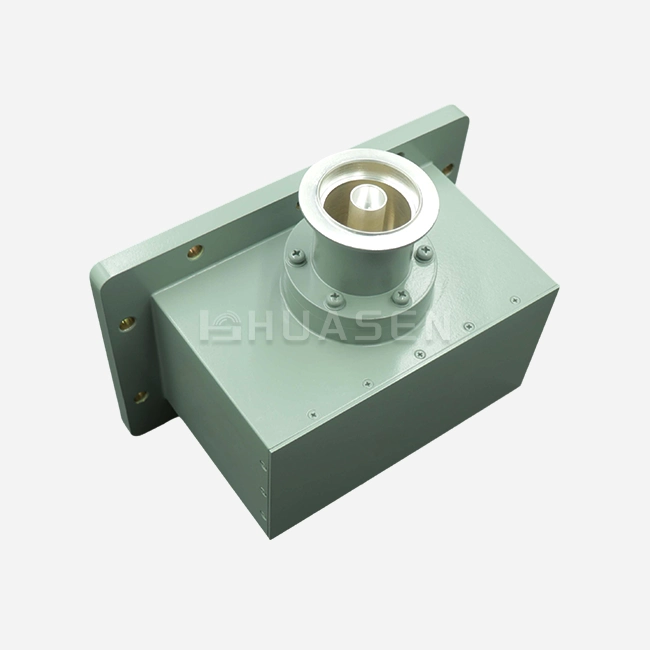
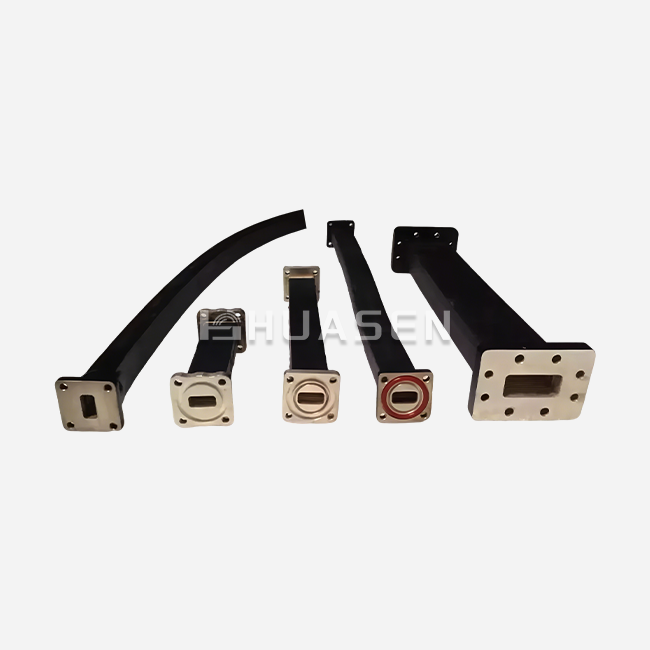
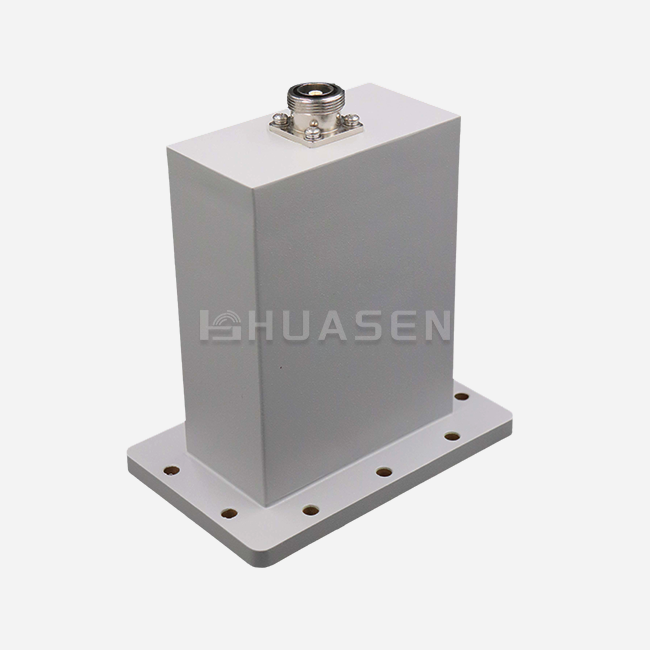
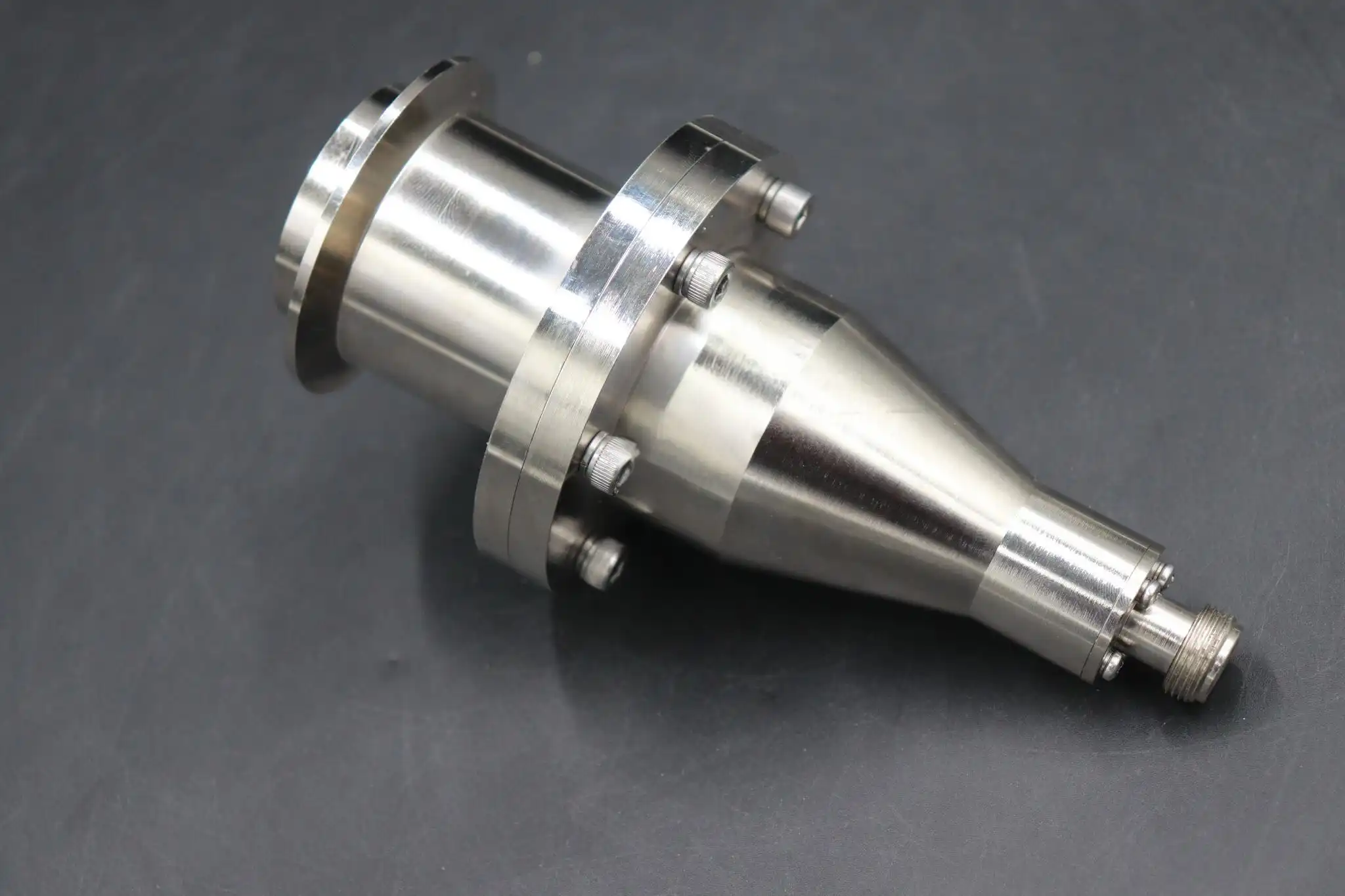
Huasen Microwave Technology has become a specialized company that fills the need for customized RF components. We have been engineers for more than 30 years, and our custom waveguide-to-coaxial adapter services can solve compatibility problems that normal catalog goods can't. When system builders run into non-standard frequency bands or interface requirements, off-the-shelf parts often need expensive solutions or perform worse than expected. This customized method has a number of strategic benefits, including:
- Custom-engineered products are great for non-standard equipment interfaces because they don't need multiple adapter steps that add up insertion loss and lower VSWR.
- Engineering modifications to current systems are lowered, which reduces the cost of materials and the number of hours worked during the integration steps.
- System debugging cycles are cut down by a huge amount when parts are made to work perfectly with each other instead of having to be modified to fit
- Overall integration efficiency goes up by optimizing signal routes and lowering component numbers.
Because of these benefits, the project will be finished faster, and the total cost of the system will be lower. For example, procurement teams working on satellite ground stations that need custom waveguide flanges, military radar upgrades that need old connector standards, or advanced 5G test beds with experimental interface specifications can benefit from solutions that are perfectly matched.
Best Practices and Applications: Maximizing the Value of Coaxial Adapters
When you place RF connection components correctly and plan your applications strategically, you can get the most out of them and avoid common failure modes. Before you try to install something, you should always check the connection genders and thread types. Forcing mismatched connectors together damages the threads and center contacts. Using measured tools, apply the right amount of torque: for SMA connectors, it's 7–10 inch-pounds, and for N-Type connectors, it's 12–15 inch-pounds. When you over-tighten something, you crush the insulating materials and permanently damage the electricity. Under-tightening lets water in and links to break sometimes. Before joining, check the position of the center pins visually. Bent pins show that the machine has been misused in the past, which makes the coaxial adapter less reliable in the future.
Installation and Compatibility Verification
Satellite TV systems use F-Type adapters to connect old RG6 cables to new digital devices. This way, expensive rewiring isn't needed in setups with multiple homes. Low-PIM 7-16 DIN connections are used between remote radio heads and antenna feedlines in telecommunications base stations to keep the signal pure in settings with a lot of other signals. Precision 3.5 mm adapters are used as plug guards on vector network analyzers in aerospace test facilities. These test facilities give up cheap adapters to protect equipment ports worth thousands of dollars.
Application-Specific Scenarios
For each use, the connector needs to have certain features that are compatible with the surroundings, frequency range, and power levels. Matching electrical contacts through proper installation ensures that reflections and signal degradation are avoided in high-performance environments.
Maintenance Strategies for Extended Lifespan
Adapters should be checked for physical damage, rust, or loosening caused by heat cycles on a regular basis. Using rubbing alcohol and lint-free swabs to clean the surfaces of coaxial cable connectors gets rid of the dirt and dust that raises insertion loss and VSWR. Keep track of the joining cycles on high-use test equipment adapters and replace parts that are getting close to the manufacturer's recommended limits before they break. Keep torque wrenches calibrated and train workers on how to fix things so that damage doesn't happen from bad handling. These preventative steps cut down on unplanned downtime and increase the time between repairs.
Conclusion
New developments in coaxial adapters have turned these basic RF parts into high-tech solutions that meet the needs of today's networks. Precision manufacturing supports millimeter-wave frequencies, advanced materials don't break down in the environment, and customization options solve problems with non-standard integration. Buying teams can get an edge over their competitors by choosing adapters that are right for the electricity needs, surroundings, and use cases. Strategic relationships with suppliers give you access to technical know-how, bulk discounts, and quick fulfillment, all of which shorten the time it takes to finish a project. As 5G networks grow and more satellite systems are installed, stable, high-performance link components become even more important. This makes smart adapter selection a key part of network success.
FAQ
1. How do I select compatible adapters for specific RF cables?
Connector types should match the ends of your cables. For example, RG58 usually uses BNC or SMA connectors, while LMR-400 uses N-Type or 7-16 DIN. Check the impedance consistency: signal echoes happen when 50 and 75 components are mixed. Make sure that the frequency values are at least 20% higher than your highest working frequency. Before you buy, make sure that the technical specs, such as thread types (threaded vs. bayonet), and gender requirements are met so that the items will fit together properly.
2. What methods minimize signal loss caused by adapters?
Each link adds 0.1 to 0.5 dB of insertion loss, so cut down on the number of adapters in signal lines. Choose high-quality parts that have better VSWR specs and contacts that are gold-plated. Keep the right amount of force on the installation to ensure the best electrical contact. Pick adapters that don't have a lot of internal breaks, and use types that are rated for your frequency range instead of ones that can be used for any frequency.
3. Are bulk purchasing options available with customization from leading brands?
Big makers offer savings for buying in bulk, starting at 50 pieces, and prices drop by up to 40% for orders over 500 units. Custom specs, such as non-standard plating, extended temperature ratings, or unique socket combos, need to be reviewed by an expert and usually require a minimum order quantity of 100 pieces. Lead times for special large orders range from 6 to 12 weeks, based on how complicated the order is and how busy the factory is right now.
Partner with Huasen Microwave for Custom RF Solutions
For RF network problems, off-the-shelf parts are not enough. Huasen Microwave is a specialised coaxial adapter maker with 30 years of experience in microwave engineering. They provide precision-engineered solutions for uses in telecommunications, aerospace, defence, and test measurement. Our custom waveguide to coaxial adapter services fix compatibility problems that regular goods can't, by making sure that they fit your exact frequency bands, interface requirements, and power needs. System integrators and equipment makers choose us because our designs are flexible, which lowers the cost of changes, speeds up testing, and improves the efficiency of integration. Our engineering team can help you with technical questions and has decades of experience in the field, whether you need low-PIM adapters for cellular infrastructure, high-frequency precision components for labs, or ruggedised solutions for tough outdoor installs. Get in touch with our sales team at sales@huasenmicrowave.com to talk about your radar front-end integration needs and get specific quotes from a company with decades of experience making microwave components.
References
1. Rizzi, Peter A. "Microwave Engineering: Passive Circuits." Prentice Hall International Editions, 1988.
2. Collin, Robert E. "Foundations for Microwave Engineering, Second Edition." IEEE Press Series on Electromagnetic Wave Theory, 2001.
3. Maury Microwave Corporation. "Understanding Precision RF and Microwave Connector Performance." Technical Application Note Series, 2019.
4. Institute of Electrical and Electronics Engineers. "IEEE Standard for Precision Coaxial Connectors at RF, Microwave and Millimeter-wave Frequencies." IEEE Std 287-2007.
5. Balanis, Constantine A. "Antenna Theory: Analysis and Design, Fourth Edition." John Wiley & Sons, 2016.
6. Radio Frequency Systems. "Passive Intermodulation (PIM) in Antenna Systems: Analysis and Mitigation Strategies." RFS Technical White Paper, 2020.
Send Inquiry