Coaxial Adapter Types and Their Applications Explained






2026-07-13 17:05:17
A coaxial adapter is a precision-engineered inactive part that connects two RF connectors that don't work with each other. This lets signals flow smoothly between different connection series, genders, or impedance systems. These adapters keep the purity of the signal and solve problems with connectivity in tests, telephones, radar, and satellite communications. Coaxial adapters save you money by preventing expensive wire repairs and keeping important equipment ports from getting too worn out during high-frequency operations. They can connect SMA connectors to N-type connectors or switch between 50Ω and 75Ω systems.
Understanding Coaxial Adapters: Definition, Function, and Key Benefits
What Defines a Coaxial Adapter?
Coaxial adapters are motorized connections that let high-frequency electromagnetic signals travel between different types of connectors with little loss. These parts work with frequencies from DC to 110 GHz. They have an electrical body made of brass or stainless steel that goes around a center contact made of beryllium copper or phosphor bronze. The dielectric insulator, which is usually new PTFE, keeps its electrical properties stable even when the temperature changes. This design makes sure that the impedance stays the same while allowing connections between devices that wouldn't normally work together.
Core Benefits for System Integration
In RF uses, signal purity is still very important. For business grades, good adapters have VSWR ratios below 1.15:1, and for measurement uses, they have ratios below 1.05:1. This means that there is very little power loss and reflection. When you can connect old equipment to new architectures, you can make infrastructure last longer and spend less on capital. Connector guards, which are special coaxial connections that are connected to Vector Network Analyzer ports, protect expensive measuring tools in the lab by absorbing mechanical wear and keeping the accuracy of the calibration. These advantages directly lead to less downtime, lower maintenance costs, and higher system reliability for base stations, satellite ground stations, and aerospace platforms.
Distinguishing Adapters from Connectors
Connect the ends of the wires and connect them to the equipment. Adapters, on the other hand, connect two current connections or change how the interface is set up. Connectors need to be installed correctly, such as by crimping or soldering, while adapters can be paired without any tools. This difference is important when buying things because picking the wrong type of component can slow down projects and cost more. Knowing these differences helps engineers correctly define parts and speed up the buying process.
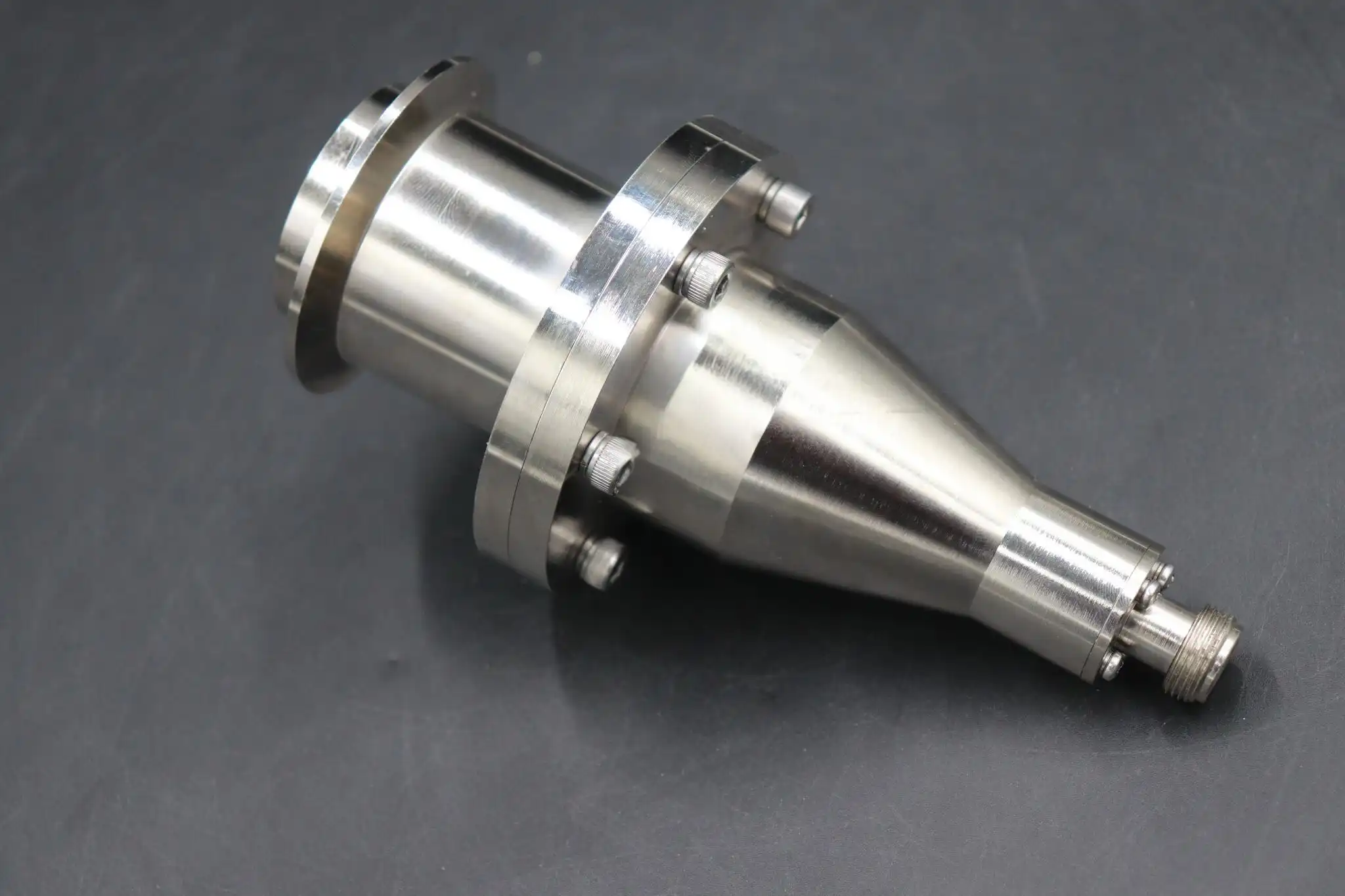
Types of Coaxial Adapters and Their Specific Applications
Gender and Polarity Configurations
Male-to-female adapters make links longer while keeping the same set of connectors. These are very important when cables get short during installations or when equipment ports are tucked away. With the straight-through design, signal characteristics are kept while mechanical flexibility is added.
Female-to-Female Couplers, also known as "barrel adapters," connect two wires with male ends. This lets you run longer cords without losing communication. Telecommunications workers use these for emergency fixes or short-term network extensions, especially in spread antenna systems where getting online right away is more important than how it looks.
Right-angle adapters change the direction of signals by 90 degrees. This makes it possible to place things behind panels on airplanes and ships that don't have a lot of room for equipment racks. These coaxial adapters keep the bend radius specifications that are important for signal integrity in tight spaces and keep the cables from getting stressed.
The table below outlines common adapter configurations across critical parameters:
| Adapter Type | Frequency Range | Typical VSWR | Primary Application | Material Construction |
|---|---|---|---|---|
| SMA Male-Female | DC-18 GHz | ≤1.15:1 | Test equipment, 5G fronthaul | Brass body, gold-plated contacts |
| N-Type Coupler | DC-11 GHz | ≤1.20:1 | Base station antennas | Stainless steel, weather-sealed |
| BNC Right-Angle | DC-4 GHz | ≤1.25:1 | Broadcast video, oscilloscopes | Nickel-plated brass |
| 7-16 DIN Adapter | DC-7.5 GHz | ≤1.10:1 | High-power cellular systems | Stainless steel, low-PIM |
Specialized Designs for Demanding Environments
Adapters that are waterproof and ruggedised have sealing ratings of IP67 and IP68, which protect links in marine communications, offshore platforms, and outdoor radar sites. As required by ASTM B117, these units can handle being exposed to salt water and can work in temperatures ranging from -55°C to +125°C. MIL-STD-348 compliance is needed for military and aircraft uses to make sure performance under shock, vibration, and sudden changes in pressure is adequate.
Low-PIM adapters fix passive intermodulation distortion in cell phone networks with more than one carrier. Interference is caused by bad internal links or magnetic contamination, and it makes LTE and 5G systems less sensitive to transmission signals. Low-PIM performance below -160 dBc is reached by using nonmagnetic materials, keeping internal junctions to a minimum, and machining with precision tolerances of less than 0.001 inches.
Installation Considerations
When torque is applied correctly to a coaxial adapter, damage is avoided and electrical contact is maintained. Most precise adapters say that SMA links should be 7 to 10 inch-pounds and N-type connections should be 12 to 15 inch-pounds. When you over-torque, the dielectrics get crushed, and the centre pins get deformed. When you under-torque, connections break, and the VSWR goes up. When installing something, using measured torque tools saves your investments and keeps your guarantee valid.
Comparison and Procurement Guide: Choosing the Right Coaxial Adapter for Your Needs
Critical Selection Metrics
The design structure starts with impedance matching at the top. If you mix 50Ω and 75Ω systems without the right impedance-transforming coaxial adapters, you will get a lot of reflection, which can show up as ghosting in video applications or even damage to the output stages of the transmission. To keep signal integrity, system makers have to check the resistance specs at all connection points.
Frequency response tells us how much bandwidth we can use. If you try to use a normal BNC connection designed for 4 GHz with WiFi apps that work at 5.8 GHz, the performance will be severely weakened and unreliable. To account for manufacturing flaws and the effects of time, procurement teams should ask for adapters that are ranked 20 to 30 per cent higher than the highest operating frequency.
Material selection strikes a balance between cost and the need for durability. Brass adapters plated with nickel are used in commercial settings where the number of mating cycles is limited to less than 100. In test labs that need more than 500 mating cycles or harsh industrial settings, construction made of stainless steel is required. Gold treatment on the centre contacts lowers the resistance of the contacts and stops them from oxidising. This is especially important in low-signal uses like satellite devices.
The following comparison highlights material trade-offs:
| Material | Durability (Mating Cycles) | Corrosion Resistance | Cost Multiplier | Best Application |
|---|---|---|---|---|
| Nickel-Plated Brass | 100-200 | Moderate | 1x | Indoor commercial |
| Stainless Steel | 500+ | Excellent | 2.5x | Test labs, military |
| Gold-Plated Contacts | 300-500 | Superior | 3x | Precision measurement |
| Passivated Stainless | 1000+ | Outstanding | 4x | Marine, aerospace |
Evaluating Suppliers and Brands
Well-known companies like Amphenol, Belden, Pasternack, and Times Microwave set standards for the industry by consistently producing high-quality products and keeping detailed records of their tests. Usually, their goods come with thorough datasheets that list entry loss, return loss, and third-party test certifications. When looking at different suppliers, make sure you ask for certificates of conformance, proof of ROHS compliance, and the ability to track back to manufacturing lot codes.
Strategies for buying things from businesses should give priority to sellers who: There are different levels of volume prices that lower unit costs for orders over 100 pieces while keeping lead times the same. Full disclosure of the supply chain, including the country of origin, certifications for manufacturing facilities, and the ability to track down individual parts. Technical support includes help with creation, sample review programs, and fixing problems after the sale. Manufacturers who offer warranties that last longer than 12 months show that they are confident in the product's durability.
Navigating Bulk Purchases
Building ties with wholesalers who keep a lot of stock is helpful for large telecommunications operations and system developer projects. Framework agreements with preferred pricing lock in costs for multi-year projects and make sure that parts will be available. Including obsolescence protection clauses makes sure that supplies will continue even as product lines change, which saves money by avoiding having to redesign things in the middle of deployment phases.
Practical Applications and Industry Insights: Use Cases of Coaxial Adapters in B2B Environments
Telecommunications Infrastructure Demands
Cellular network operators use 4.3-10 to N-type adapters to switch base stations from old equipment to new massive MIMO antenna arrays. To keep crosstalk from happening in areas with a lot of other signals, these links need to have low-PIM traits below -153 dBc. As we move to 5G millimeter-wave bands, coaxial adapters that can work above 40 GHz and have an insertion loss of less than 0.2 dB are needed. This requires new levels of material science and manufacturing precision.
Weatherproof DIN 7-16 adapters keep signals spread across hundreds of connection points in stadiums, airports, and commercial towers with distributed antenna systems. In a DAS network, a single hacked adapter can cause dead zones that affect thousands of users. This is why weather protection and stability are must-haves. Maintenance teams at sites keep standard types of adapters on hand so that they can be quickly replaced without having to shut down the system.
Test and Measurement Precision
On VNA test ports that cost $50,000 or more, RF labs use coax connector savers, which are high-precision 3.5mm to SMA adapters. These "sacrificial" adapters protect sensitive instrument ports and extend the time between calibrations by absorbing the wear and tear from repeated wire connections. Metrology-grade adapters keep phase stability within ±2 degrees even when temperatures change, which is very important for accurately measuring parts that will be used in aerospace and defense.
Adapters are built into automatic test systems by companies that make RF components. This lets the systems quickly switch between versions of the item being tested without any human work. Automating the linking process, this cuts down on the time needed to test each unit and eliminates the chance of human error. Consistency in quality adapters has a direct effect on production speed and lowers the number of false failures.
Custom Solutions for Specialized Integration
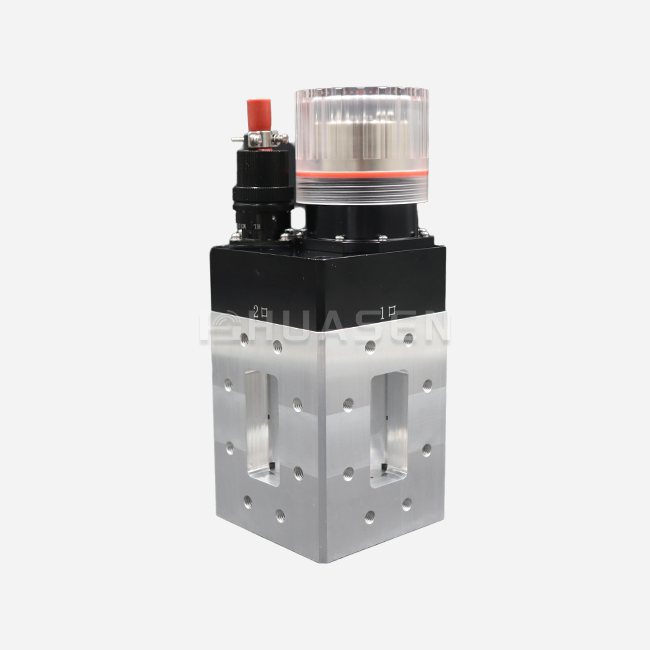
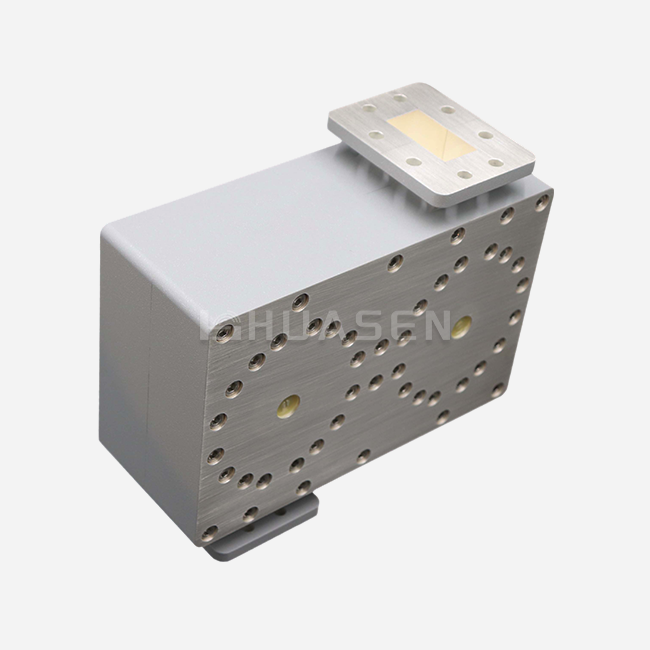
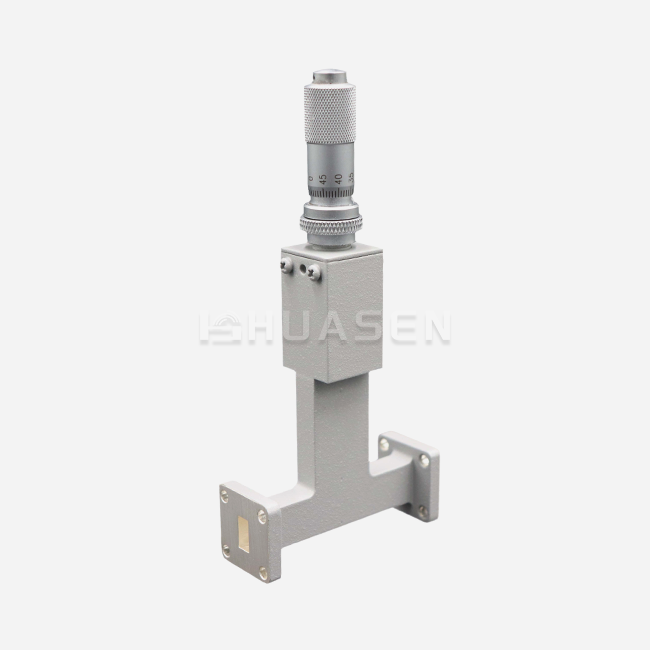
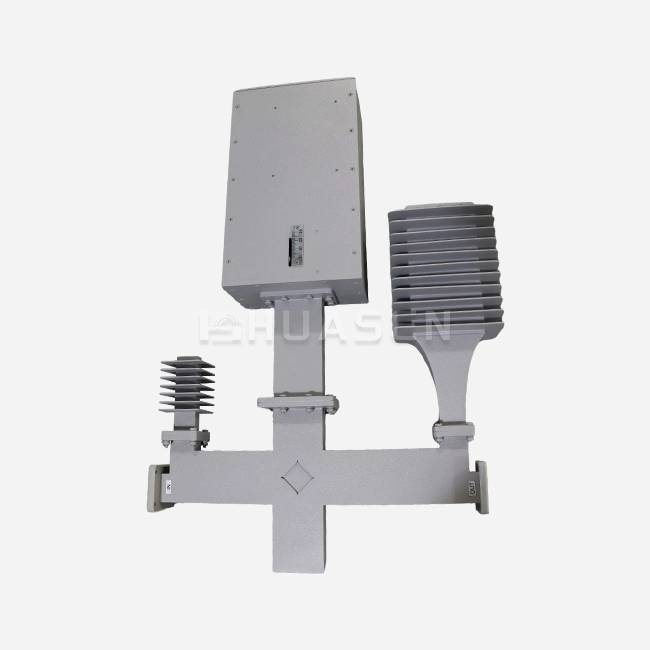
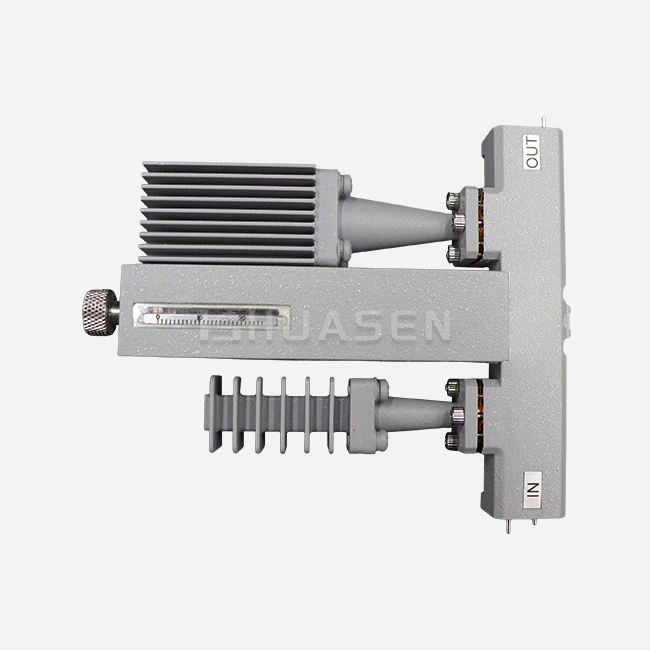
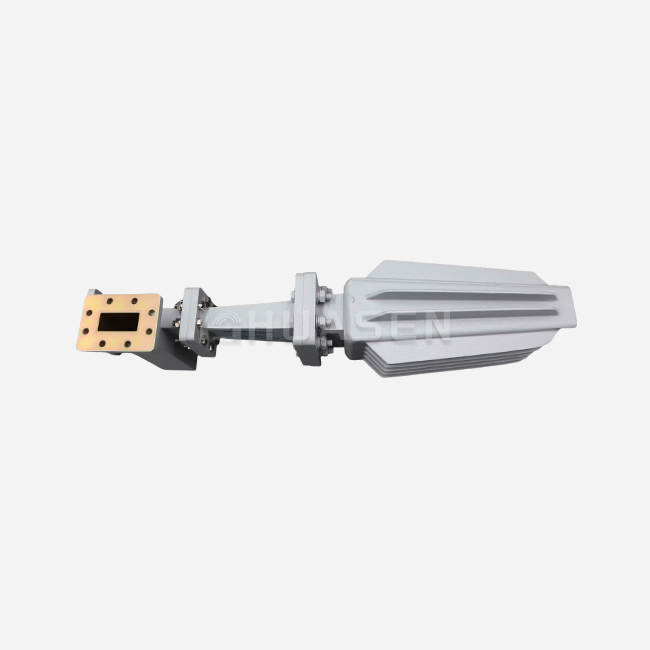
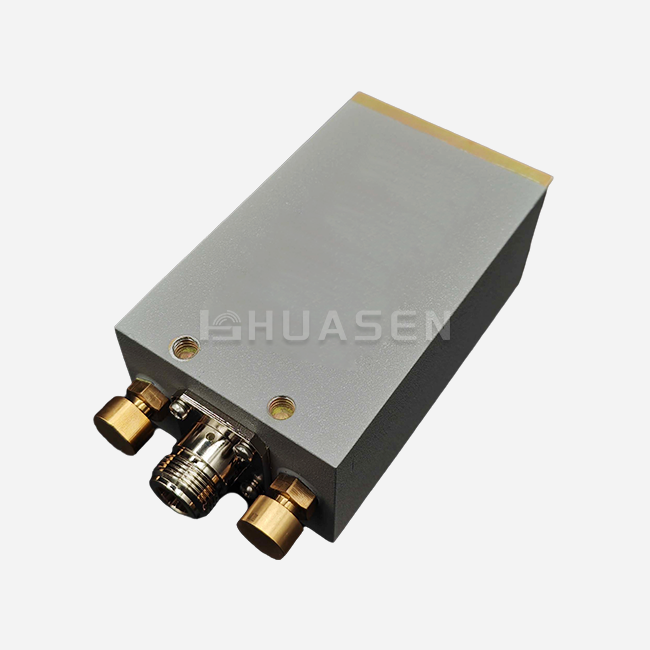
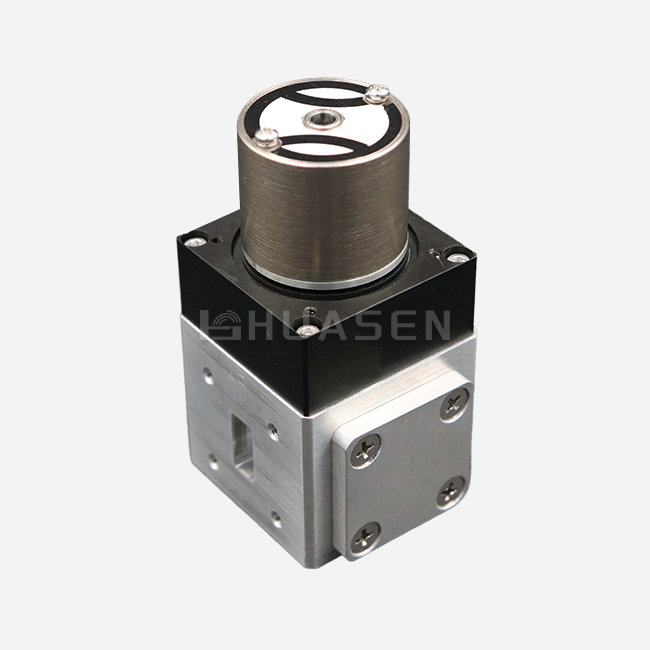
Huasen Microwave can make a custom waveguide-to-coax connector adapter for each customer, taking into account their needs for size, interface, or frequency band. We fix problems with general components not working with non-standard system designs by adapting to them. Customized goods work with non-standard equipment connections, which lowers the cost of modifications and speeds up the testing process. This method improves the overall efficiency of integration. It works especially well when connecting proprietary radar systems, old satellite ground stations, or specialized electronic warfare gear.
When defense companies use off-the-shelf parts in classified systems, they often need adapters with non-standard metal requirements, custom sizes to fit in tight areas, or frequency reactions that are optimized for classified bands. Working with makers who are ISO 9001 certified and follow ITAR rules makes sure that both quality and following the rules are met. During the design phase, these partnerships provide engineering support, prototype samples for validation testing, and documented test data to help with the certification process.
Future Trends and Innovations in Coaxial Adapter Technology
Advanced Materials and Coatings
Research into graphene-enhanced coatings promises improved conductivity and wear resistance beyond current gold-plating standards. Anodized aluminum formulations incorporating ceramic particles deliver corrosion protection exceeding 5,000 hours in salt spray testing while maintaining weight reductions critical for aerospace applications. These materials enable adapter designs that survive extreme environments without performance degradation, extending mean time between failures in remote installations where maintenance access remains limited.
Integration with Smart Infrastructure
IoT-enabled test equipment increasingly incorporates embedded sensors monitoring connection integrity in real-time. Future adapter designs may integrate RFID tags or miniature sensors tracking mating cycles, detecting contamination, and predicting maintenance requirements before failures occur. This predictive capability transforms passive adapters into active network health monitoring points, particularly valuable in distributed infrastructure like wind farms and pipeline monitoring systems.
Sustainability and Circular Economy
Manufacturers face mounting pressure to adopt recyclable materials and eliminate hazardous substances. Lead-free solder and nickel-free plating options accommodate increasingly stringent environmental regulations across European and North American markets. Modular adapter designs enabling field refurbishment and component replacement extend product lifecycles, reducing electronic waste while lowering the total cost of ownership. Some manufacturers now offer take-back programs, reclaiming precious metals and reducing environmental impact.
Cost Engineering for Volume Applications
Advances in precision CNC machining and automated assembly reduce manufacturing costs for coaxial cable connectors without compromising electrical performance. High-volume telecommunications deployments benefit from adapters incorporating polymer dielectrics that maintain specifications while cutting material expenses by 30-40% compared to PTFE alternatives. These cost reductions enable broader adapter deployment in applications previously relying on custom cable assemblies, simplifying logistics and reducing installation complexity.
Conclusion
Selecting appropriate coaxial adapters requires balancing electrical performance, mechanical durability, and environmental resilience against budget constraints and delivery timelines. Understanding impedance requirements, frequency specifications, and mating cycle expectations ensures procurement decisions support long-term system reliability. Whether addressing interface compatibility in 5G networks, protecting measurement equipment in laboratories, or enabling custom integrations in aerospace platforms, quality adapters serve as critical enablers of RF infrastructure. Partnering with experienced manufacturers offering engineering support, comprehensive testing documentation, and customization capabilities transforms component procurement from transactional purchasing into strategic supply chain partnerships that enhance system performance and reduce total ownership costs.
FAQ
1. How Do I Choose Between 50Ω and 75Ω Coaxial Adapters?
Match the adapter impedance to your system architecture. Telecommunications, radar, and data applications standardize on 50Ω impedance, while video broadcasting and cable television systems operate at 75Ω. Mixing impedances creates reflections quantified by VSWR exceeding 1.5:1, degrading signal quality and potentially damaging transmitters. If your system requires impedance transformation, specify minimum conversion loss adapters designed explicitly for this purpose rather than attempting direct connections.
2. What Distinguishes an Adapter from a Coupler?
Adapters change connector types or genders (SMA male to N-Type female), while couplers join identical connectors (N-Type female to female). Both maintain signal integrity but serve different integration purposes. During procurement, clearly specify whether you need inter-series adaptation or same-series extension to avoid ordering incorrect components.
3. When Are Waterproof Adapters Necessary?
Any outdoor installation, maritime application, or environment with moisture exposure demands IP67 or IP68-rated sealing. Unprotected adapters corrode rapidly in coastal environments, degrading connection reliability within months. Even temporary outdoor deployments benefit from environmental protection, preventing costly connection failures during critical operations.
Partner with Huasen Microwave for Your Custom Coaxial Adapter Requirements
Huasen Microwave Technology Co., Ltd., established in 1993, specializes in precision RF and microwave component manufacturing serving telecommunications, aerospace, and defense sectors. Our custom waveguide to coaxial adapter services address unique integration challenges across 5G infrastructure, satellite ground stations, and radar systems. As an experienced coaxial adapter manufacturer, we deliver solutions matching non-standard interfaces, reducing your modification costs while accelerating deployment schedules.
Our engineering team collaborates throughout design phases, providing prototype samples, detailed test data, and application-specific recommendations. Whether you require low-PIM adapters for cellular networks, ruggedized connectors for military platforms, or precision laboratory components, Huasen Microwave combines three decades of manufacturing expertise with responsive technical support. Contact our team at sales@huasenmicrowave.com to discuss your specific requirements, request product catalogs, or arrange a sample evaluation. We serve system integrators, equipment manufacturers, and research institutions seeking reliable, high-performance connectivity solutions backed by comprehensive quality certifications and competitive procurement terms.
References
1. Balanis, Constantine A. Advanced Engineering Electromagnetics, 2nd Edition. Wiley, 2012.
2. Poole, Ian and Westcott, Tim. Radio Frequency Connector Technology Handbook. Newnes, 2018.
3. Rohde & Schwarz. Measurement of Passive Intermodulation in RF Components. Application Note 1MA178, 2019.
4. U.S. Department of Defense. MIL-STD-348: Military Standard for RF Coaxial Connectors, General Specification. 2014.
5. Vizmuller, Peter. RF Design Guide: Systems, Circuits, and Equations. Artech House, 1995.
6. Whitaker, Jerry C. The RF Transmission Systems Handbook. CRC Press, 2017.
Send Inquiry