
Home / Blog
Blog
0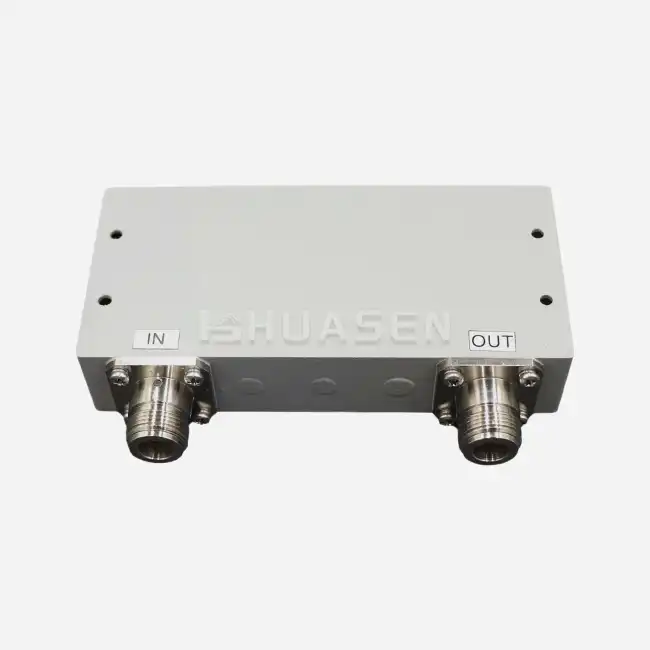
Waveguide Filter Usage Guide for 5G Base Station RF Systems
The appropriate waveguide filter for your 5G base station RF system may make or break signal continuity. These advanced components enable accurate frequency selection and block interference, ensuring your network meets contemporary telecommunications standards for speed and reliability. Understanding how waveguide filters work in millimetre-wave designs and evaluating performance indicators like insertion loss and Q-factor can help you optimise initial investment and long-term operational expenses. To help RF engineers and system integrators construct reliable, high-performance 5G infrastructure, this book covers everything from operating principles to deployment tactics.VIEW MORE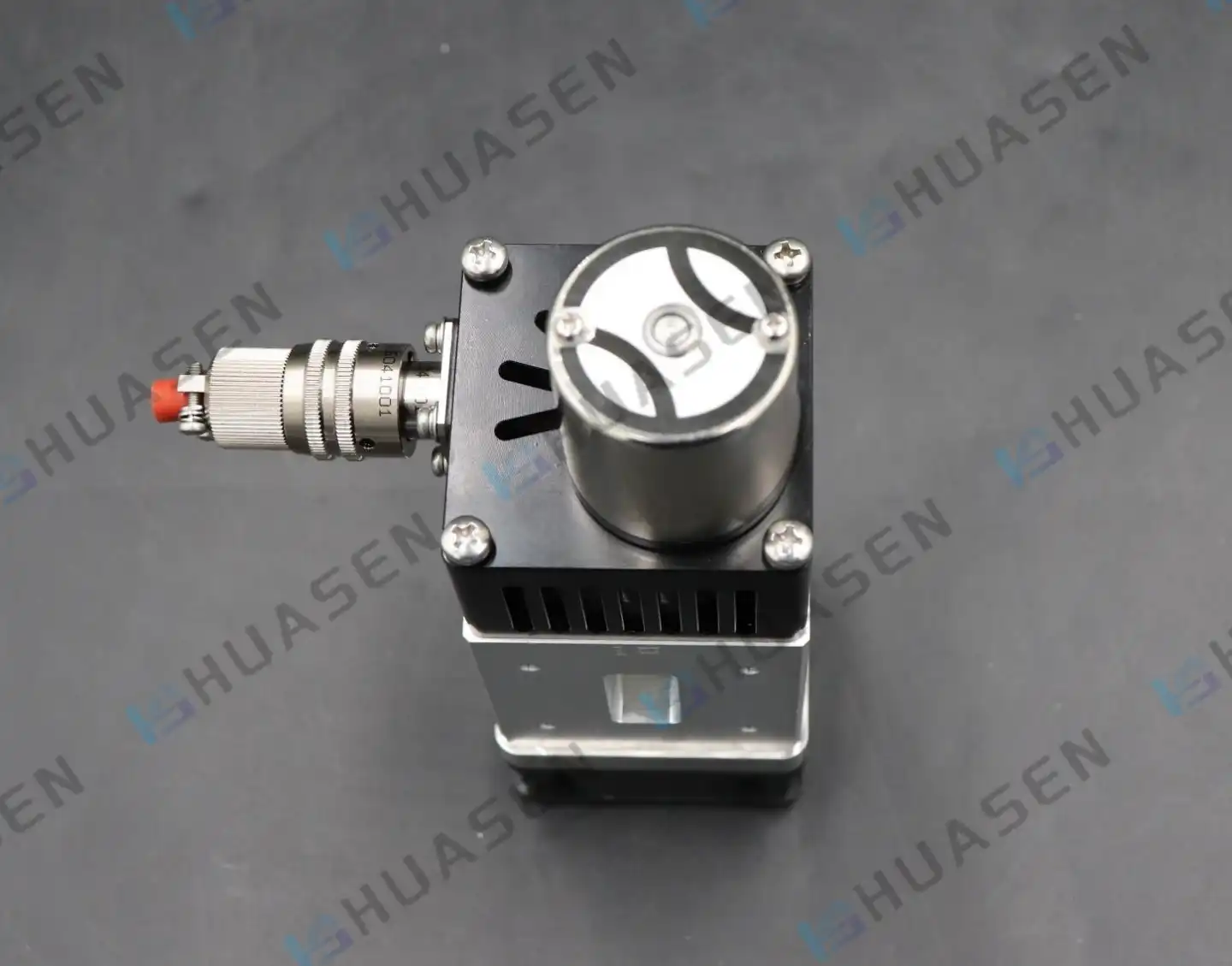
Military-Grade Electric Waveguide Switch Standards and Compliance
System integrators and defence contractors must comprehend military-grade requirements when choosing an electric waveguide switch for mission-critical applications. Precision electromechanical devices utilise hollow metallic waveguides to transmit high-frequency RF energy with little insertion loss (<0.05 dB) and superior isolation (>70 dB) for radar, satellite communications, and electronic warfare systems. Military-grade modules are tested under MIL-STD requirements for severe temperatures, stress, vibration, and electromagnetic interference to ensure durability in critical situations.VIEW MORE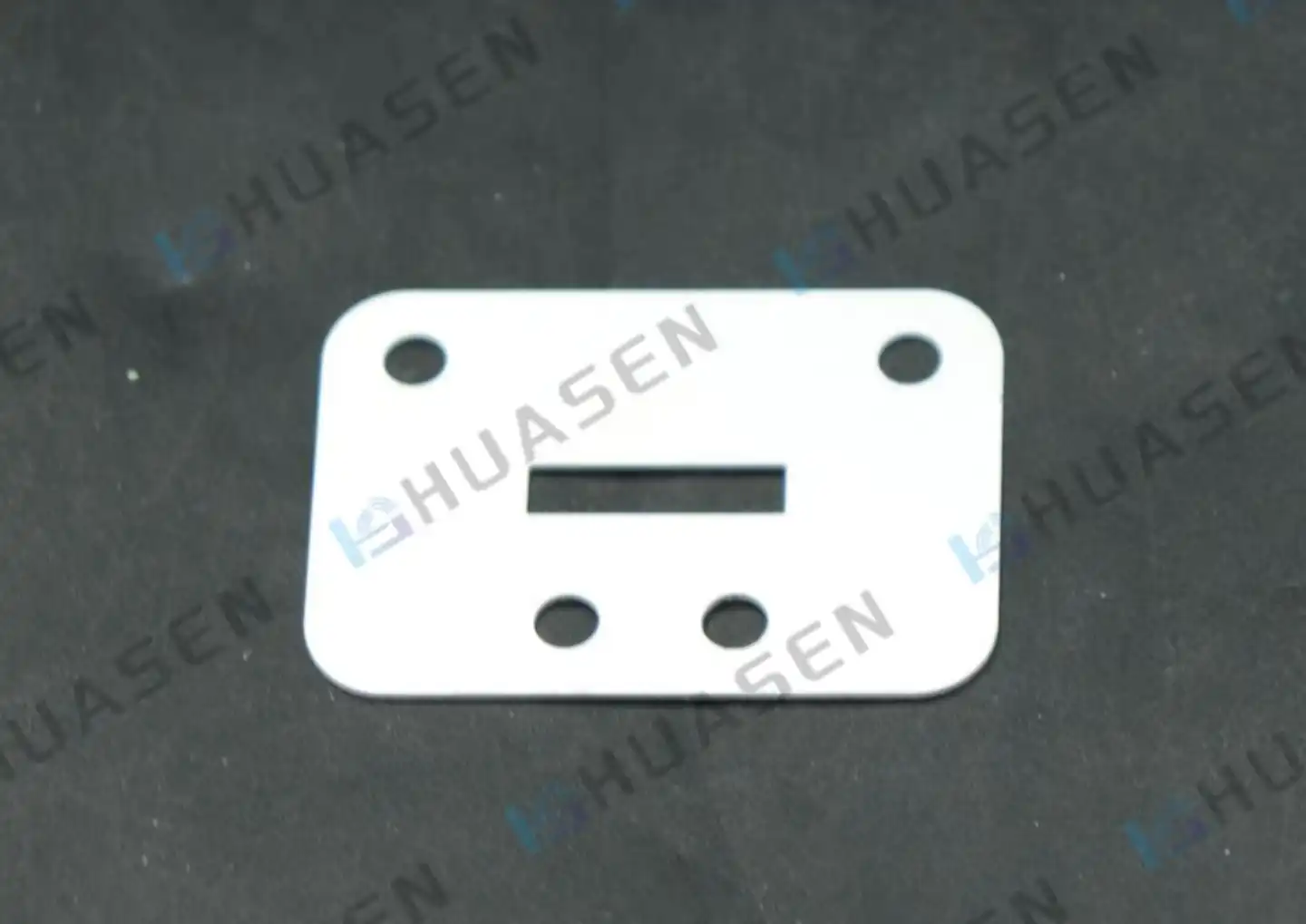
Installation Tips for Waveguide Gasket to Prevent Leaks
Installing waveguide gaskets correctly may prevent costly system breakdowns and ensure signal transmission. Gaskets seal moisture, dust, and pressure fluctuations and safeguard electromagnetic integrity. These specialised sealing components guarantee low VSWR and insertion loss for 5G base stations, satellite communication systems, and maritime radar installations when properly placed. RF leakage, environmental contamination, and premature component failure in demanding operational situations are prevented by installation basics.VIEW MORE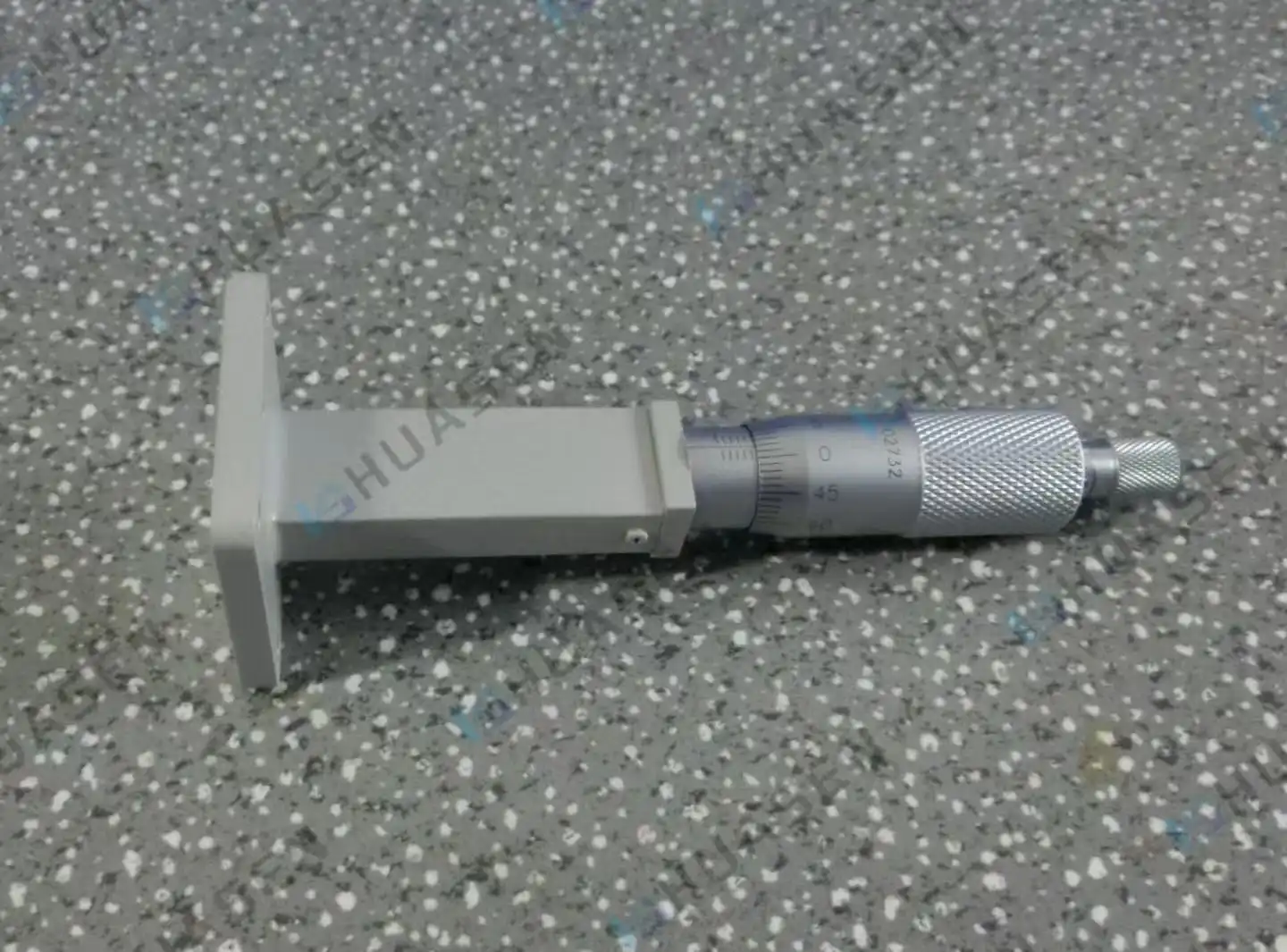
Choosing the Right Waveguide Sliding Short for High-Power RF
A high-performance waveguide sliding short is essential for accurate impedance adjustment in high-power RF systems. The Waveguide Sliding Short, a movable electrical short in waveguide assemblies, controls reflection phase for calibration, impedance matching, and system optimisation. We find that procurement professionals underestimate how a quality tunable shot affects system reliability and measurement accuracy, especially in radar, 5G infrastructure, and aerospace communications, where reflection coefficients and phase precision directly affect performance.VIEW MORE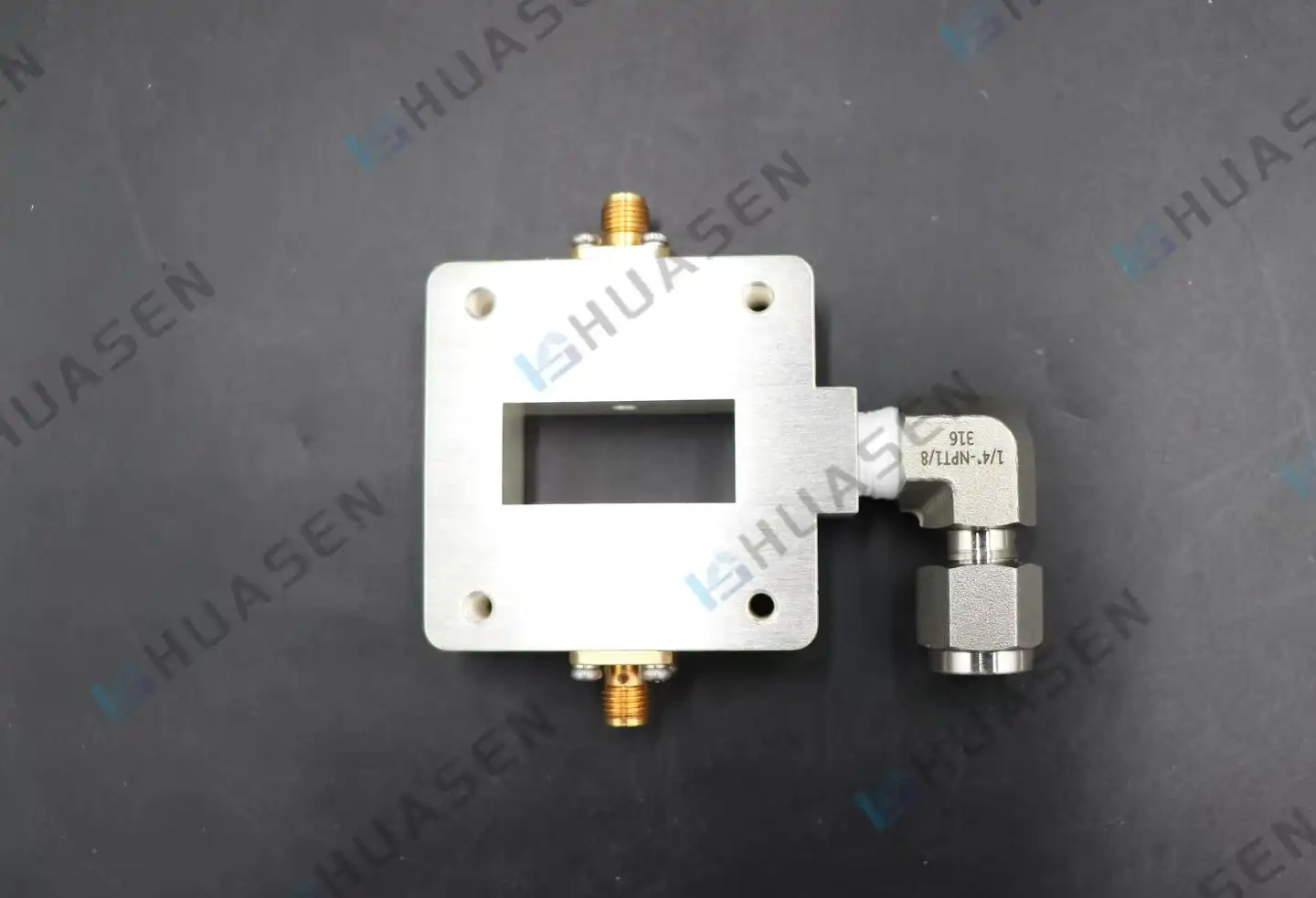
Waveguide Probe Coupler Design Considerations for Millimeter Wave Use
When working with millimeter wave systems at frequencies between 30 GHz and 300 GHz, building a waveguide probe coupler requires paying close attention to accuracy in measurements, choosing the right material, and making the coupling device work as well as it can. With very little reflection and insertion loss, these transition devices change electromagnetic energy from coaxial transmission lines into waveguide propagation modes. To get reliable signal transfer in challenging 5G base stations, satellite communication terminals, and radar calibration sets, engineers have to find the right mix between probe geometry, backshort positioning, and thermal stability. When buying teams, understand these basic design principles, they can choose parts that keep signals intact over a wide frequency range and can work in difficult conditions.VIEW MORE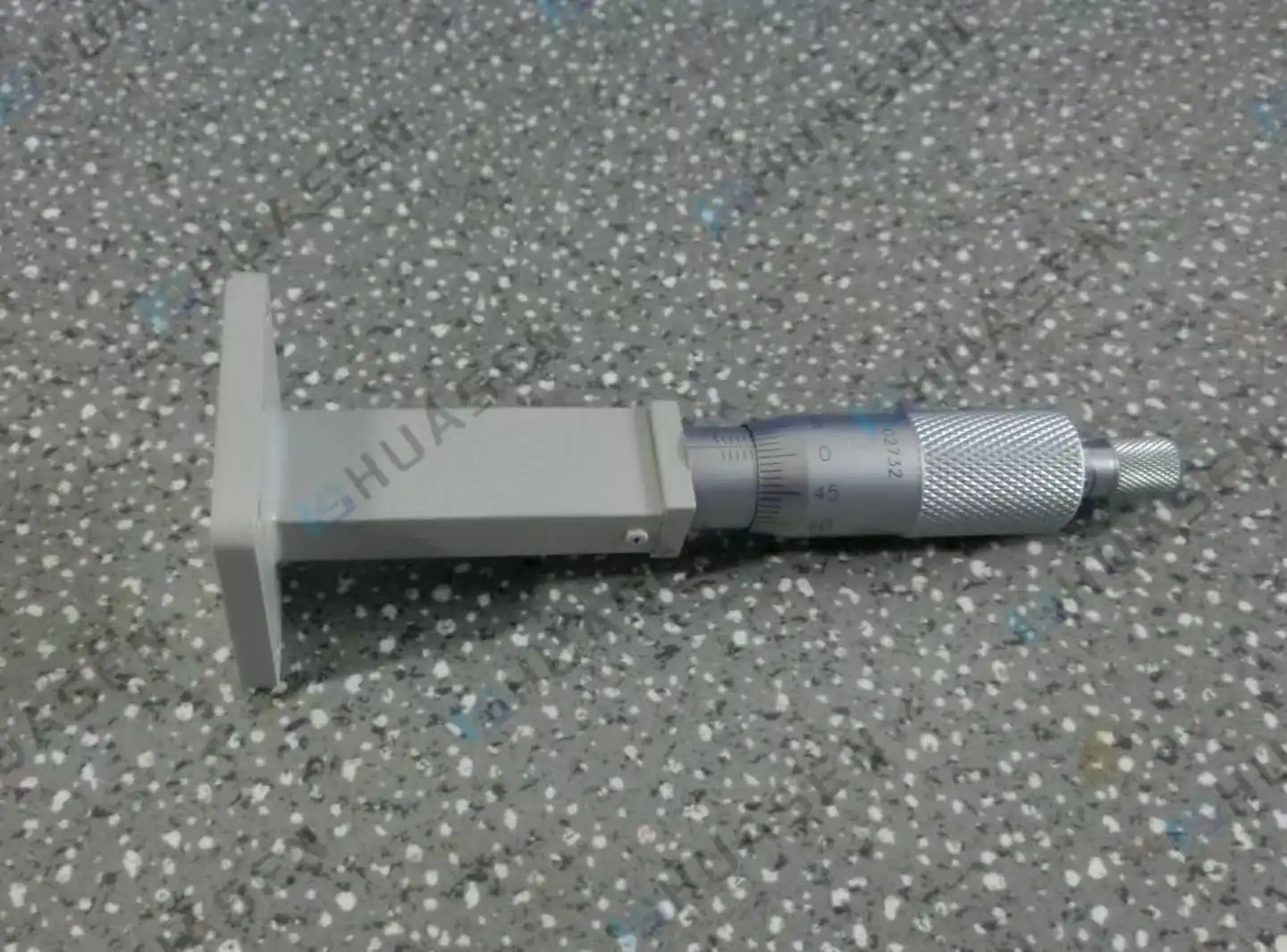
Waveguide Sliding Short vs Fixed Short: Pros & Cons
Engineers choosing waveguide termination components for RF and microwave systems must select between movable and fixed shorts. Different placements of the Waveguide Sliding Short alter the reflection phase. Precision is needed for calibration, impedance adjustment, and load-pull testing. Fixed shorts offer a robust, long-lasting closure for simple, low-cost static applications. Both are crucial for testing infrastructure, telecommunications, radar, and satellite communications, but they do distinct things that affect system performance, maintenance, and ownership cost. Understanding these variations helps procurement managers and system designers make sensible decisions for the project and how things function.VIEW MORE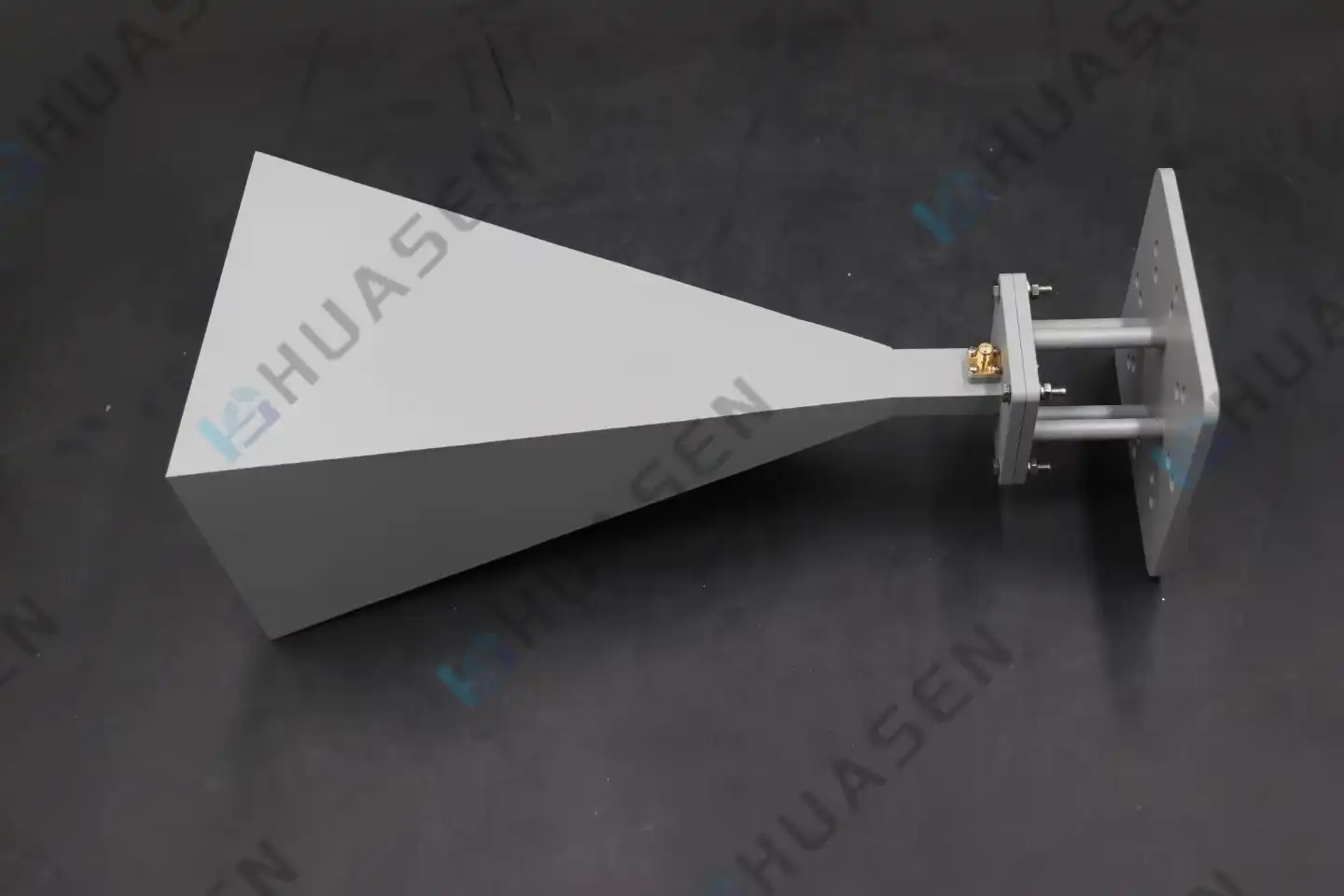
How Broadband Horn Antenna Improves Signal Coverage in Labs
Broadband Horn Antennas continually operate at high frequencies across vast regions, commonly from 1 GHz to 18 GHz and beyond, changing lab signal distribution. Multi-frequency testing requires frequent switching of narrowband antennas. However, these antennas offer consistent gain and obvious radiation patterns across their range. This functionality reduces measurement downtime by a lot while maintaining EMC/EMI compliance, antenna calibration, and RF validation accuracy. Ridged horns, particularly double-ridged ones, lower cutoff frequencies, and maintain impedance throughout several octaves. This addresses the crucial issue of delivering wideband signals in controlled test conditions.VIEW MORE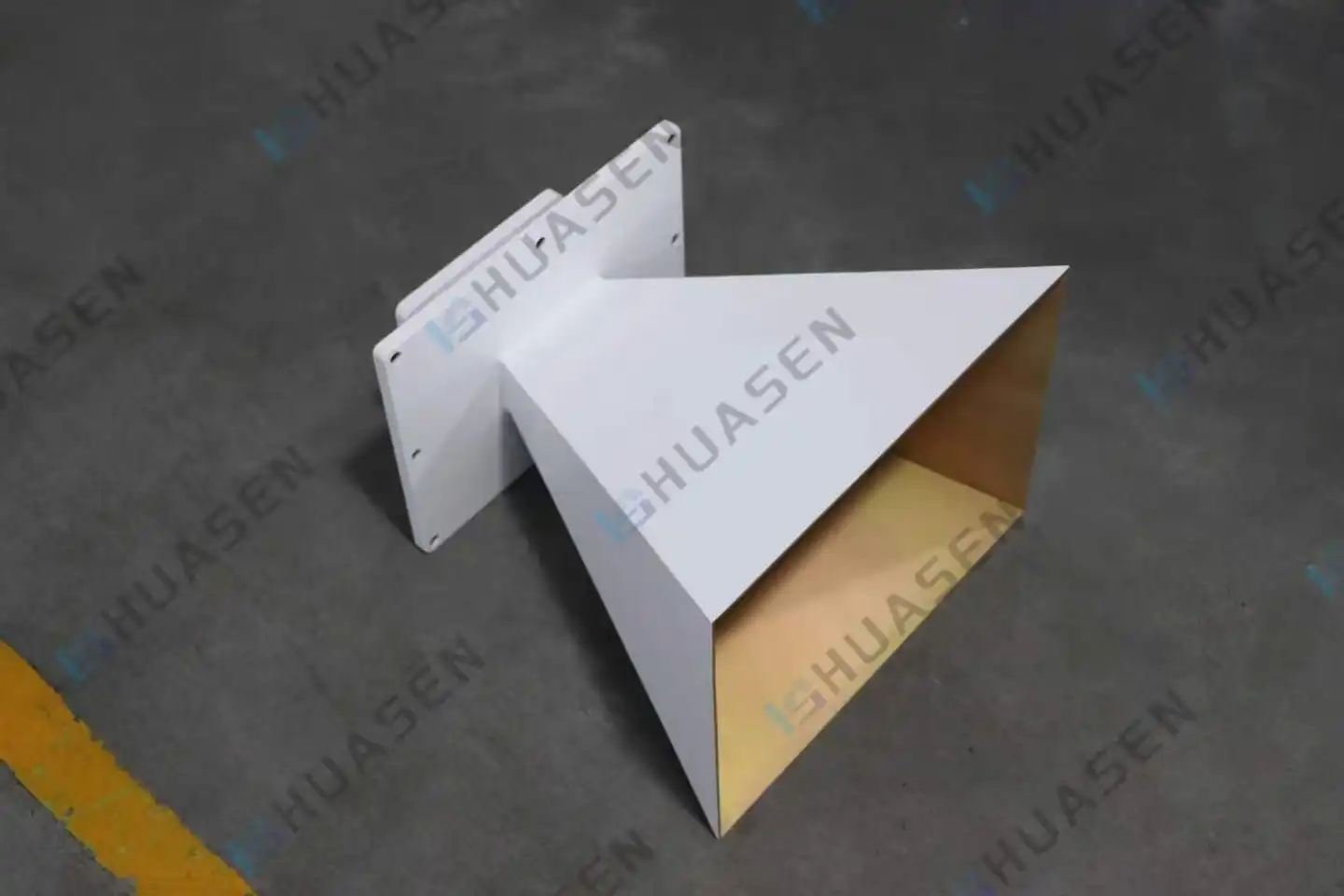
Pyramidal Horn Antenna Radiation Pattern and Gain Profile
Engineers and procurement professionals must understand the Pyramidal Horn Antenna's radiation pattern and gain profile to pick antennas for critical RF applications. Special aperture antenna for microwave and millimetre-wave bands. It emits electromagnetic radiation precisely while maintaining performance. The gain profile indicates how successfully the antenna concentrates signal power, while the radiation pattern illustrates how energy is distributed in space with main, side, and back lobes. These parameters affect communication range, measurement precision, and system dependability in 5G infrastructure, radar systems, satellite communications, and EMC compliance testing. By understanding these essentials, purchasing teams may pick antennas that match all technical criteria and maximise ROI.VIEW MORE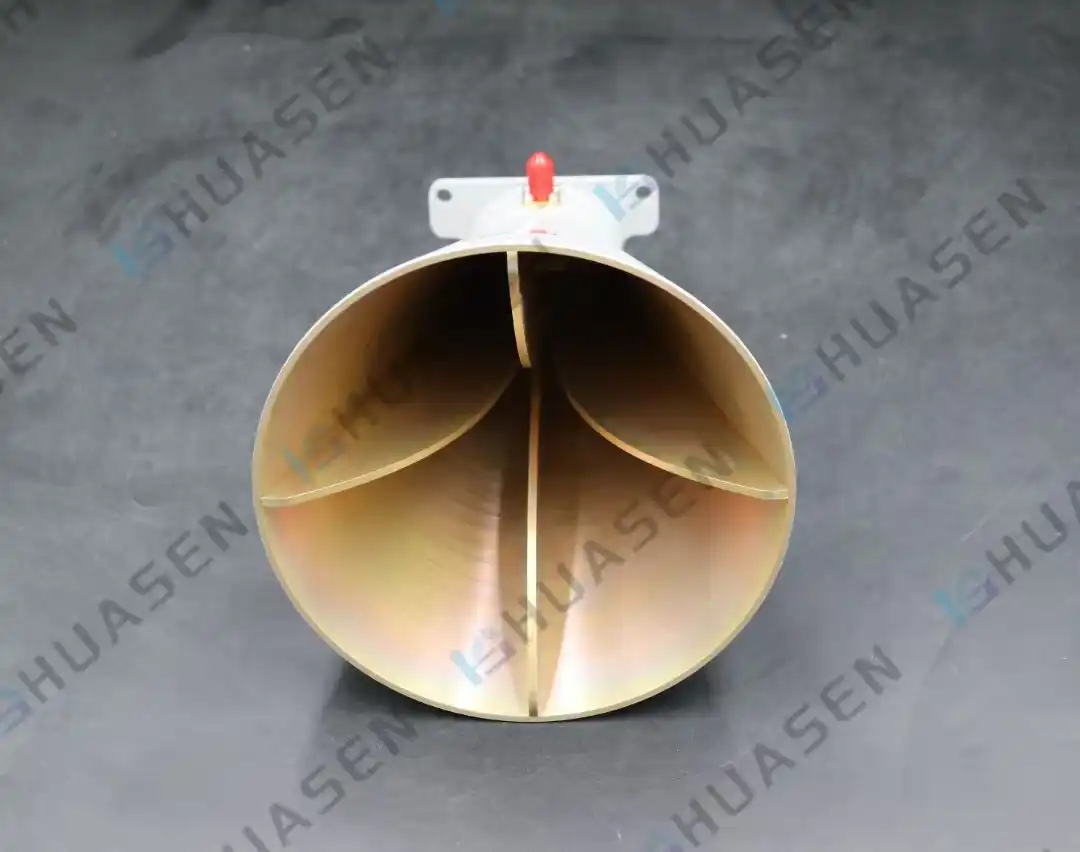
Why Use Dual Polarized Horn Antenna for Telecom Applications?
Telecom systems must be accurate, dependable, and adaptable. The Dual Polarized Horn Antenna sends and receives vertical and horizontal polarisation via a single aperture. This feature reduces hardware duplication and improves signal variety in radio frequency situations with many moving elements. Traditional single-polarized antennas are mechanically adjustable or contain many sections. However, Dual Polarised Horn Antennas incorporate both polarisation channels into a compact construction. This combination tackles three major industry issues: decreasing installation space on complete base station towers, cutting deployment costs, and increasing signal-to-noise ratios in multipath interference areas. Because they increase performance and simplify system design, mobile communications, satellite connections, and RF testing facilities are increasingly using these antennas.VIEW MORE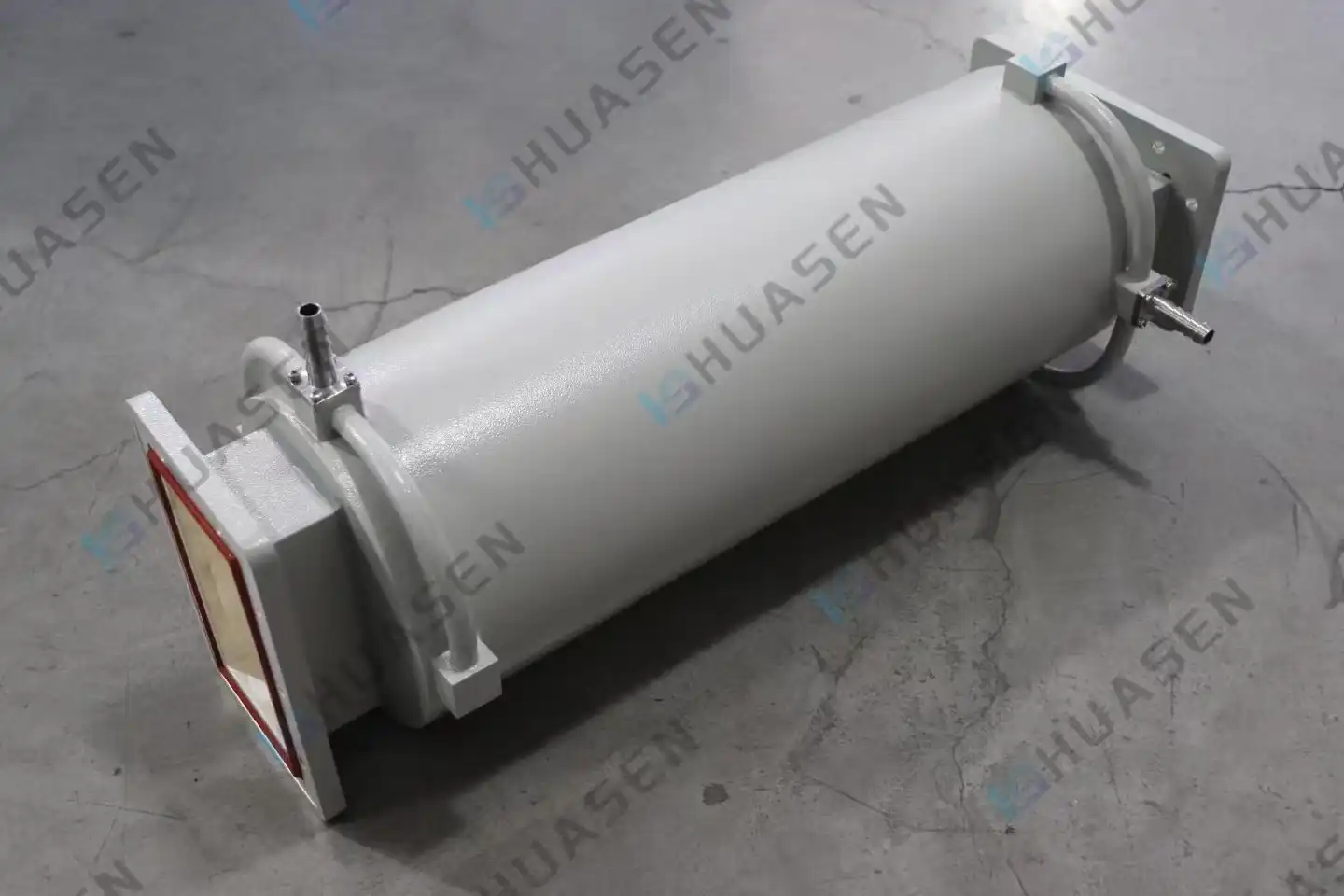
Water Cooled Twist Waveguide in Plasma Systems
Thermal loads become a major issue for plasma systems at high power levels, affecting reliability and performance. By combining active liquid cooling with polarisation rotation, the water-cooled twist waveguide efficiently dissipates heat while retaining signal integrity. High-duty-cycle applications requiring continuous operation under multi-kilowatt RF transmission circumstances require this specialist component to prevent thermal runaway, structural deformation, and electrical failure.VIEW MORE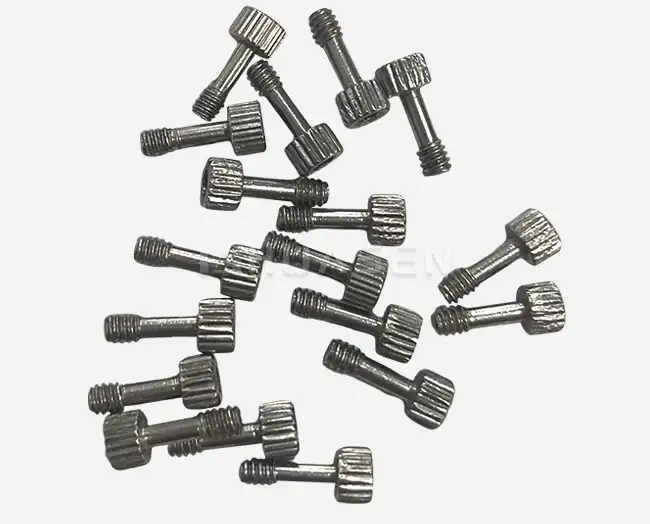
Waveguide Screw Compatibility Explained
Waveguide screw compatibility ensures mechanical connection and electromagnetic performance by matching fastening hardware with waveguide assemblies. Every screw must match the waveguide flange or cover plate's thread standards, material composition, and dimensional tolerances. Screws that meet these characteristics avoid signal leakage, preserve impedance, and ensure structural integrity under high-power transmission situations. Improper fasteners can cause insertion loss, return loss, and system dependability issues in radar, satellite, and 5G equipment.VIEW MORE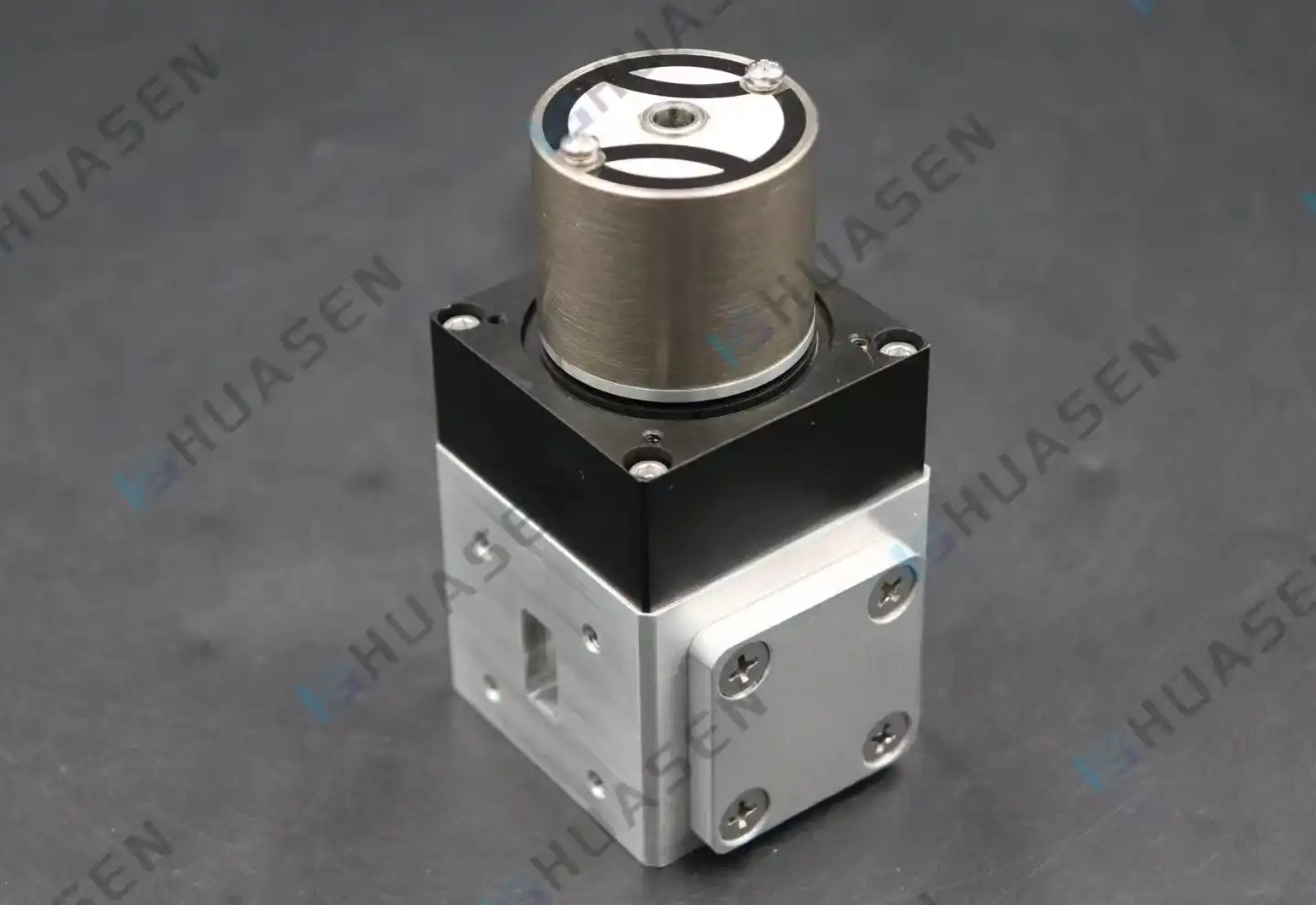
Manual Waveguide Switch Selection for RF Systems
System integrators and RF engineers in telecommunications, aircraft, radar, and laboratory testing must choose the proper waveguide switching component. Precision electromechanical devices like manual waveguide switches transport electromagnetic signals between waveguide ports with user involvement. These switches are dependable in power-off situations, eliminate complex control cabling, and provide tactile switch state confirmation, making them ideal for high-power radar installations, satellite communication redundancy, and calibration-sensitive test setups where dependability trumps automation.System integrators and RF engineers in telecommunications, aircraft, radar, and laboratory testing must choose the proper waveguide switching component. Precision electromechanical devices like manual waveguide switches transport electromagnetic signals between waveguide ports with user involvement. These switches are dependable in power-off situations, eliminate complex control cabling, and provide tactile switch state confirmation, making them ideal for high-power radar installations, satellite communication redundancy, and calibration-sensitive test setups where dependability trumps automation.VIEW MORE
- 1
- 17
- 18
- 19
- 20
- 21
- 60
Total 60 pages
