Military-Grade Electric Waveguide Switch Standards and Compliance






2026-05-22 22:06:10
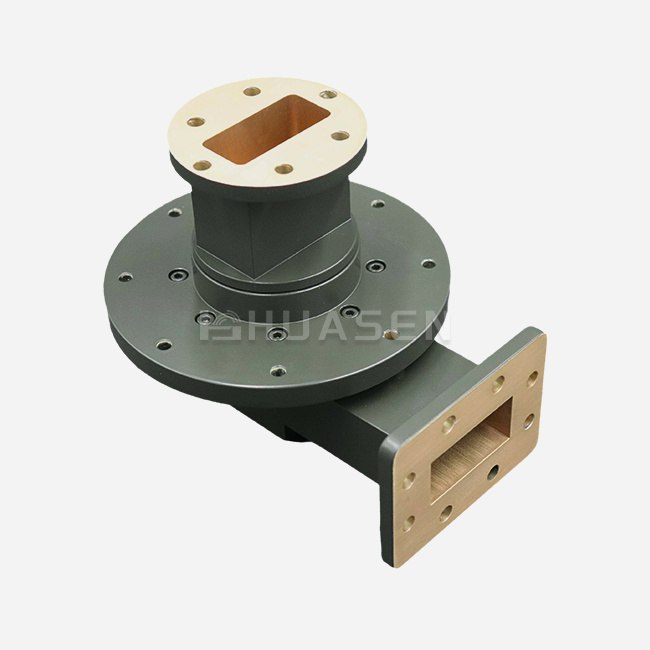
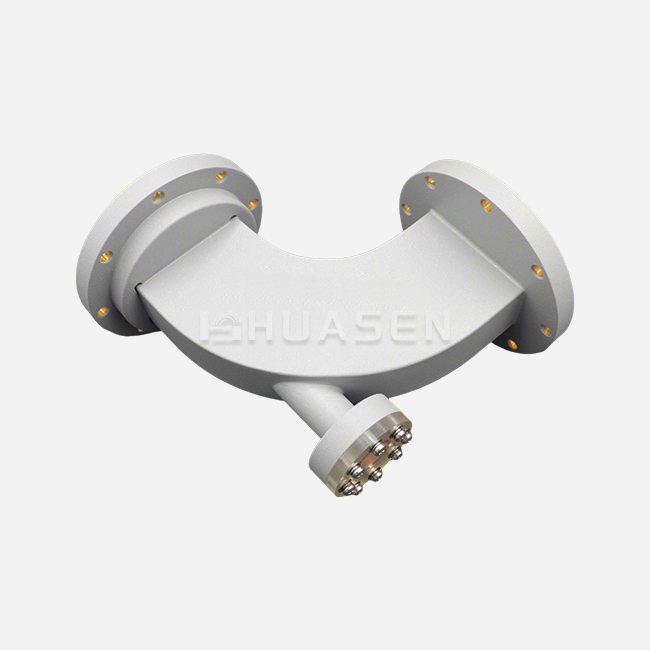
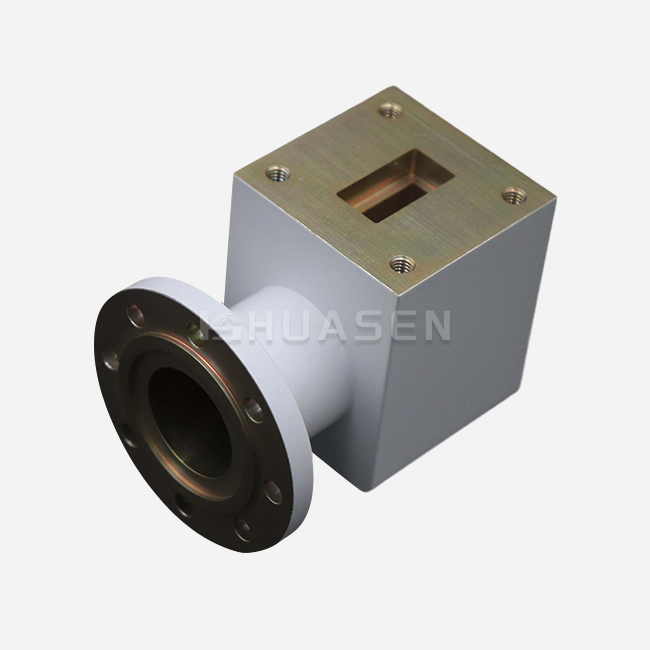
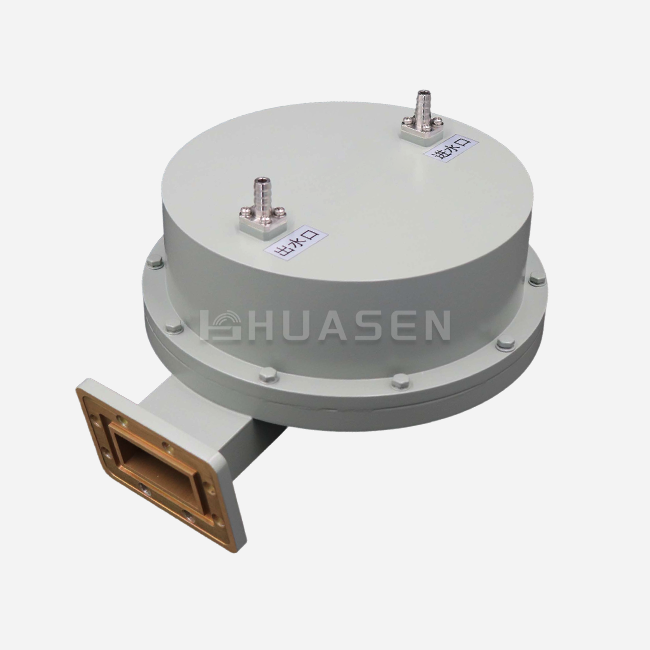
System integrators and defence contractors must comprehend military-grade requirements when choosing an electric waveguide switch for mission-critical applications. Precision electromechanical devices utilise hollow metallic waveguides to transmit high-frequency RF energy with little insertion loss (<0.05 dB) and superior isolation (>70 dB) for radar, satellite communications, and electronic warfare systems. Military-grade modules are tested under MIL-STD requirements for severe temperatures, stress, vibration, and electromagnetic interference to ensure durability in critical situations.
Understanding Military-Grade Waveguide Switches
Military-grade waveguide switches are technical marvels that work perfectly in the harshest defence and aerospace settings. These switches use materials and manufacturing methods that promote endurance and fault-free performance under harsh conditions, unlike commercial-grade components.
Operational Fundamentals and Materials Engineering
Electromechanical waveguide switches redirect microwave energy between ports without signal loss using a motorised rotor or shutter mechanism. The enclosure is precision-machined from aluminium alloys like 6061-T6 or copper-plated brass for marine and aerospace corrosion resistance and RF shielding. For decades of low-resistance contact and little oxidation, inside surfaces are plated in silver or gold.
The switching mechanism—stepper motor or solenoid actuator—is used for repeatability and mechanical stress tolerance. Naval components must withstand vibration and salt fog. Aerospace equipment must operate at altitude with low atmospheric pressure and intense thermal cycling between -55°C and +85°C.
Key Military Performance Criteria
Military system performance benchmarks exceed RF specifications. According to MIL-STD-810, sine sweep and random vibration profiles simulate helicopter rotor downwash and fighter jet operations to measure mechanical stress reliability. The shock resistance is confirmed with half-sine pulses above 40G.
MIL-STD-461 EMC testing assures the switch does not emit interference or succumb to external electromagnetic dangers. This is crucial in electronic warfare, as high-power jamming signals can link into control circuits.
Rigours Testing and Certification Processes
Manufacturing designs for military certification must undergo extensive testing. Environmental testing involves temperature shock, humidity exposure (95% RH at high temperatures for lengthy periods), and salt fog spray studies that simulate decades of coastal deployment in short timeframes.
Control circuit semiconductor components are tested for radiation resistance using MIL-STD-883 techniques for space-based systems. In lifecycle testing, hundreds of thousands of switching cycles under load confirm Mean Time Between Failures (MTBF) forecasts, frequently over one million operations.
Core Compliance Parameters for Waveguide Switches in Military Use
Defence procurement guidelines set specified performance criteria that affect system capabilities. Understanding these criteria helps engineers and procurement managers assess a switch's operating suitability.
Frequency Ranges and Secure Communications Requirements
Military communications vary from L-band (1-2 GHz) for long-range surveillance radar to W-band (75-110 GHz) for precise targeting and millimetre-wave imaging. Despite requiring several switches for distinct bands, wideband systems with octave or multi-octave coverage simplify logistics and decrease inventory.
Secure communications channels require 80 dB or superior port isolation to avoid signal leakage that might undermine operational security. In electronic countermeasures, isolation protects sensitive receiver front-ends from transmitter radiation.
Insertion Loss and Signal Integrity Benchmarks
Insertion loss affects link budgets, including that of a waveguide switch. Military requirements generally need less than 0.1 dB loss in the operating band. Every tenth of a decibel lost in switching reduces radar detection range or satellite data rates.
VSWR standards are quite strict, with 1.15:1 or greater being usual. Poor VSWR causes impedance mismatches that reflect power back towards amplifiers, damaging them and reducing efficiency.
Power Handling and Thermal Management
Peak and average powers of high-power radar transmitters are megawatts and kilowatts. These systems' waveguide switches must manage such power levels without arcing, which occurs when electric field concentrations ionise leftover gases or surface impurities, forming conductive plasma channels.
Thermal design matters when switching to high average power. Heat from contact must be adequately transmitted to prevent thermal runaway. Military units use heatsinks and, in severe circumstances, forced-air or liquid cooling.
Reliability Metrics and Lifecycle Performance
Military switch MTBF considers mechanical wear, electrical stress, and environmental exposure. Standard specifications may require MTBF beyond 500,000 hours under specified operational circumstances. This means decades of uninterrupted operation, matching defence platforms' 20-30 year service lifespan.
Choosing materials is crucial to meeting these goals. Stainless steel hardware is corrosion-resistant. After thousands of heat cycles, fluoropolymer seals remain environmentally friendly. Special coatings minimise friction and galling on bearing surfaces.
Comparison of Military-Grade Waveguide Switch Types and Their Compliance Profiles
Different switching technologies have benefits, and military applications often test them. Performance standards, environmental restrictions, and cost must be considered while choosing an architecture.
Electromechanical Switches: Robustness and Power Handling
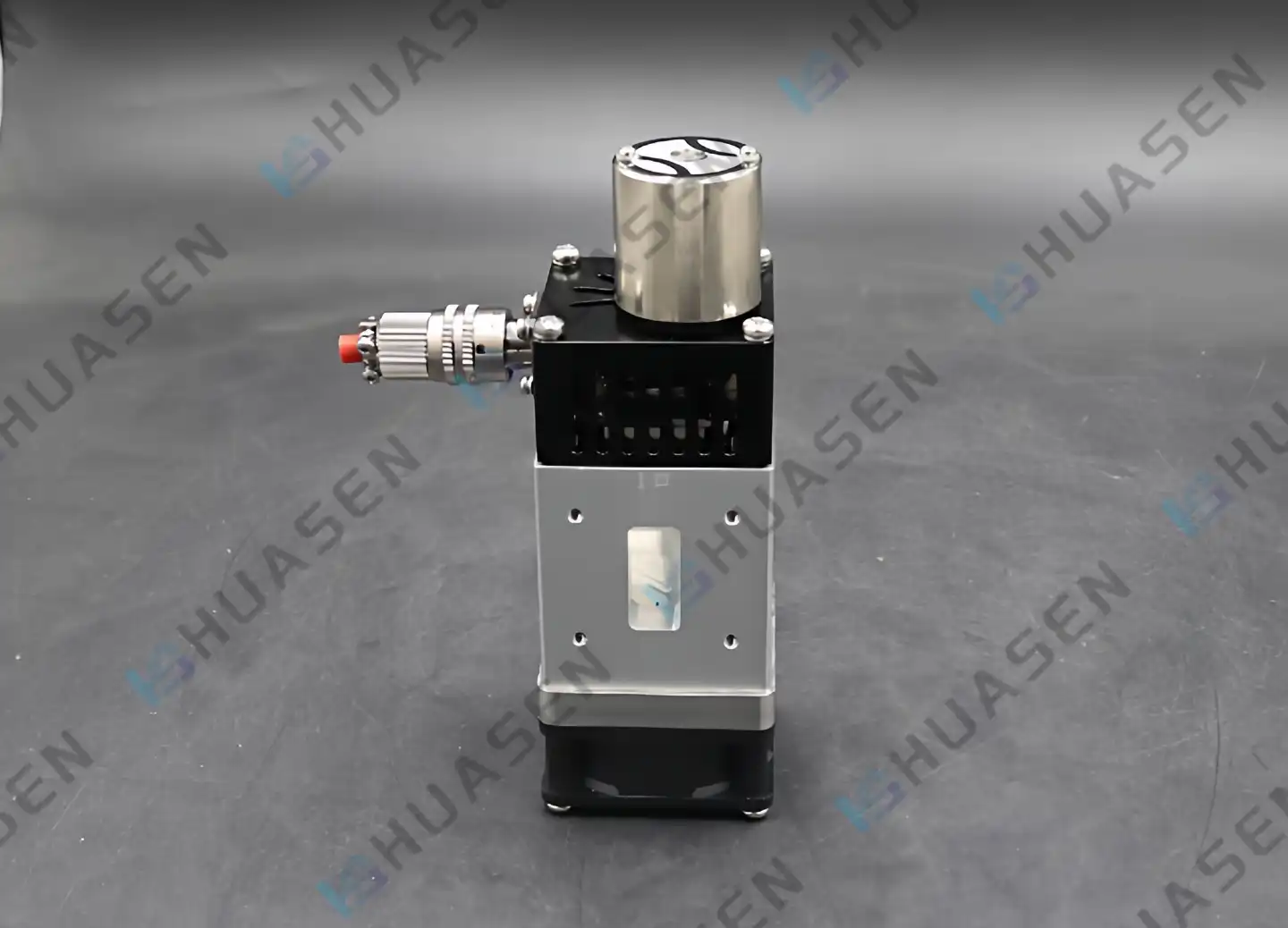
Electromechanical systems dominate high-power applications because of their metal-on-metal signal route and low insertion loss. A continuous, low-loss transmission line is created when the mechanical rotor aligns the waveguide segment with the port.
At satellite earth stations, these switches are ideal for instantaneous failover from a faulty high-power amplifier to a backup unit while maintaining uplink power. Switching speed—100 milliseconds to several seconds—and moving component wear after millions of cycles restrict them.
Ferrite Switches: Speed and Solid-State Reliability
Ferrite switches redirect energy without mechanical action by rotating electromagnetic wave polarisation with a magnetically saturated ferrite member. Phased array radars can use microsecond switching rates for pulse-to-pulse beam guiding.
Ferrite switches handle less peak power than electromechanical switches and have higher insertion loss (0.3-0.8 dB), but their lack of moving parts improves dependability in high-vibration settings. They need careful magnetic shielding to avoid component interference.
Solid-State PIN Diode Switches: Integration and Control Flexibility
PIN diode switches integrate well into microwave integrated circuits and switch in nanoseconds. Small size makes them appealing for space-constrained platforms like UAVs.
In high-power transmit routes, intermodulation distortion restricts their utilisation, while insertion loss grows with frequency. Electric Waveguide Switch. Solid-state switches are used for low-power control and signal routing in military applications, not kilowatt-level RF channels.
Installation, Maintenance, and Compliance Best Practices for Military-Grade Waveguide Switches
The operational readiness and compliance status of waveguide switching systems are maintained throughout their service lifetimes with proper installation and continuing maintenance. Deviating from processes might cancel certifications and lower performance.
Installation Protocols and Environmental Conditioning
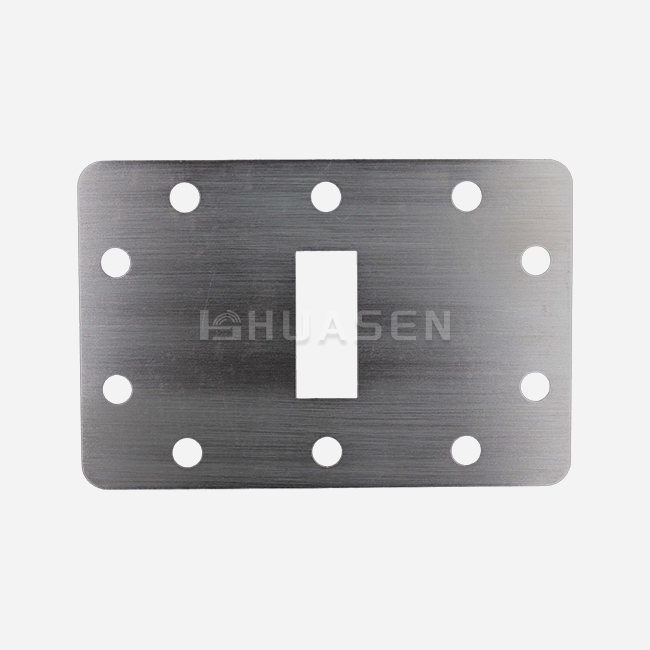
Calibrated wrenches are needed to verify torque standards for waveguide flange connections to assure gasket compression and electrical contact. Rotational misalignment can impair VSWR; therefore, alignment pins must engage properly. Outdoor installations require weatherproof enclosures with pressure equalisation valves and desiccant breathers to prevent moisture infiltration and accommodate temperature-induced pressure variations.
EMC rules require shielded cables grounded at single locations to eliminate ground loops in control cable routing. Power supply filtering removes transmitted emissions that interact with nearby systems.
Routine Inspection and Preventive Maintenance
Waveguide flanges are visually inspected regularly for key installations for corrosion or mechanical deterioration. Torque verification prevents heat cycling and vibration from loosening connections. Functional testing ensures control circuit switching times meet specifications.
Cleaning removes dust and salt deposits with certified solvents and lint-free materials. Seizure in space-rated equipment is prevented by vacuum-compatible greases on bearing surfaces.
Troubleshooting and Performance Degradation
Increasing insertion loss frequently suggests plated surface oxidation or waveguide channel pollution. Degraded isolation indicates worn seals or RF absorbers. Intermittent operation indicates motor or control circuit wear.
Maintenance interval network analyser readings assess performance trends, enabling predictive replacement before failures influence operations. Procurement lead times are included in spare unit stocking plans for outdated legacy system components.
Navigating Procurement and Supplier Compliance for Military Waveguide Switches
Military-qualified parts are more complicated than commercial ones. Procurement experts must check supplier capabilities, compliance documents, and platform sustainability relationships.
Essential Compliance Documentation and Supplier Audits
Request MIL-STD compliance test reports with temperature cycling, vibration profiles, and EMC findings. Certificates of Conformance should certify the production batch and reference military drawings. Traceability to raw material certificates prevents counterfeiting.
Supplier audits validate ISO 9001 or AS9100 aerospace quality management systems. Statistics must be used to document and monitor manufacturing process controls for crucial metrics like waveguide dimensional tolerances and plating thickness.
Lead Times, Customisation, and Technical Support
Specialised materials and thorough testing make military-grade waveguide switches, including electric waveguide switches, take 12-16 weeks. Premium pricing is available for rush orders, but qualification testing dates are set.
Customisation can satisfy platform needs such as non-standard frequency bands, UG, CPR, or custom flanges, or remote monitoring position sensors. During requirements formulation, experienced vendors discover design concerns before prototype manufacture.
Partnering with Proven Military-Grade Manufacturers
Established defence producers with decades of expertise have benefits. They speed up development with proven military solutions in their design libraries. Long-term availability agreements and obsolescence management prevent mid-lifecycle component unavailability.
After the sale, technical assistance includes field failure investigation, repair, and performance upgrades as platform needs change. Link budget analysis and interference studies use measurable data from responsive engineering teams on system integration problems.
Conclusion
Military-grade electric waveguide switches combine precision engineering and dependability. MIL-STD requirements guarantee these crucial components work perfectly in Arctic cold, desert heat, sea-level dampness, and stratospheric vacuum for defence and aerospace systems. Performance must be balanced against certification, lifespan costs, and supplier skills in procurement. When mission success depends on reliable RF signal routing, only qualified and tested switches provide the confidence.
FAQ
1. What distinguishes military-grade from commercial waveguide switches?
Military-grade waveguide switches undergo comprehensive environmental and mechanical stress testing per MIL-STD-810 and MIL-STD-461 to operate in harsh temperatures (-55°C to +85°C), strong shock (40G+), and severe vibration. They employ corrosion-resistant materials, redundant sealing, and 5-10 times greater MTBF than their commercial counterparts. Commercial switches may use cost-optimised materials unsuitable for defence.
2. How long does military qualification testing typically take?
Depending on design complexity and specification depth, qualification testing takes 6-12 months. Lifecycle testing may entail months of automated cycling under load, whereas environmental testing involves weeks of continuous exposure. Rush qualification schemes cannot shorten basic testing without affecting data veracity.
3. Can existing commercial switches be upgraded to military standards?
Often unsuccessful. Military compliance begins with material selection, mechanical architecture, and thermal management for specific settings throughout the design. Commercial retrofits can expose underlying flaws that require modification. To secure compliance solutions, organisations should involve certified vendors early in programme design.
Partner with Huasen Microwave for Certified Military Waveguide Switch Solutions
Huasen Microwave Technology has over 30 years of experience in high-frequency RF components and manufactures military-grade waveguide switches for demanding defence and aerospace applications. Our production capabilities include L-band to W-band modification for particular frequency, power management, and environmental needs. Each item is rigorously tested to international military standards and accompanied by comprehensive paperwork for procurement compliance. Our engineering staff works with system integrators throughout the design cycle, providing performance statistics, installation advice, and prompt after-sales support. Contact our experts at sales@huasenmicrowave.com or browse our product range to discuss your project needs. We are a reliable waveguide switch provider in radar, satellite communications, and electronic warfare systems.
References
1. "MIL-STD-810H: Department of Defense Test Method Standard for Environmental Engineering Considerations and Laboratory Tests," U.S. Department of Defense, 2019.
2. "MIL-STD-461G: Requirements for the Control of Electromagnetic Interference Characteristics of Subsystems and Equipment," U.S. Department of Defense, 2015.
3. Pozar, David M., "Microwave Engineering, Fourth Edition," John Wiley & Sons, 2012, Chapter 7: Microwave Resonators and Filters.
4. Saad, Theodore S., "Microwave Engineers' Handbook, Volume 2: Components and Subsystems," Artech House Publishers, 1971.
5. "MIL-STD-883K: Test Method Standard for Microcircuits," U.S. Department of Defense, 2019.
6. IEEE Standard 299-2006, "IEEE Standard Method for Measuring the Effectiveness of Electromagnetic Shielding Enclosures," Institute of Electrical and Electronics Engineers, 2007.
Send Inquiry