Installation Tips for Waveguide Gasket to Prevent Leaks






2026-05-22 22:06:08
Installing waveguide gaskets correctly may prevent costly system breakdowns and ensure signal transmission. Gaskets seal moisture, dust, and pressure fluctuations and safeguard electromagnetic integrity. These specialised sealing components guarantee low VSWR and insertion loss for 5G base stations, satellite communication systems, and maritime radar installations when properly placed. RF leakage, environmental contamination, and premature component failure in demanding operational situations are prevented by installation basics.
Understanding Waveguide Gaskets and Leak Prevention
In microwave and RF transmission systems from 1 GHz to 100 GHz, waveguide gaskets seal neither. These precise components block electromagnetic interference and safeguard the environment, unlike rubber O-rings.
The Core Function of Waveguide Sealing Components
Waveguide flange gaskets protect against external impurities and provide an electrical connection between metal surfaces. Microflange gaps radiate energy and degrade signal quality, like unintended slot antennas. This joint discontinuity increases VSWR and insertion loss, reducing system performance. Pressurised waveguide system RF experts know that internal gas pressure prevents voltage breakdown during high-power transmission, making environmental sealing as important as electromagnetic shielding.
Material Selection Impacts on Sealing Effectiveness
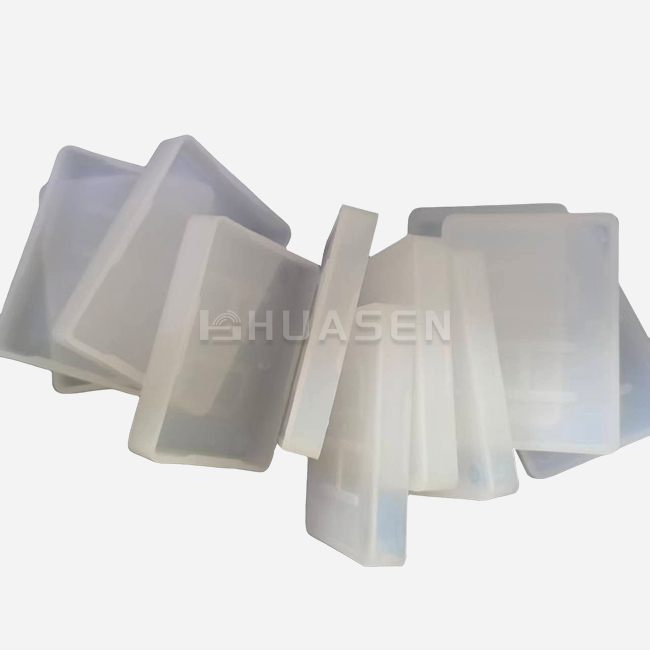
Material composition directly affects gasket performance in different operational settings. Outdoor installations benefit from conductive silicone elastomers with silver or nickel particles for EMI shielding and thermal expansion. Metal composite gaskets made of Monel, Inconel, or stainless steel withstand chemical corrosion better in marine situations, where salt fog degrades ordinary materials quickly. Beryllium copper gaskets provide superior spring properties and electrical conductivity for repeated flange connections without performance loss.
Unsuitable materials have fast effects in hostile conditions. Elastomer seals exposed to UV and temperature cycling lose compression set after months, providing leak routes. In contrast, metal gaskets without sufficient polish can scrape flange faces, causing lasting damage that requires costly repairs.

Key Factors Influencing Waveguide Gasket Installation Success
Controlling seal integrity and electromagnetic performance factors matters for installation success. System integrators and installers must manage several interconnected elements.
Addressing Surface Preparation and Alignment Challenges
Contact quality and sealing depend on flange surface condition. Gasket compression is disrupted by oxidation, scratches, and contaminants, creating leak routes. Precision alignment becomes more important as frequency increases because dimensional tolerances tighten correspondingly. A 0.002-inch misalignment is insignificant at L-band but causes a considerable Ka-band impedance mismatch.
Most sealing surfaces must be flat within 0.001 inch for frequencies exceeding 18 GHz. Waveguide assembly procurement specialists should check supplier's surface finish paperwork for these strict standards. Machine markings perpendicular to the gasket compression seal better than facing concentric circular patterns with a gasket.
Torque Application and Compression Control
Proper fastener torque produces consistent gasket compression without overstressing flange materials or deforming the gasket beyond recovery. RF leakage and environmental intrusion occur when connections are under-torqued, whereas high torque deforms metallic gaskets or extrudes elastomeric ones. Torque ratings for standard WR-series waveguide flanges vary from 15 to 60 inch-pounds depending on size and fastener count.
The gasket perimeter is compressed equally by sequential tightening patterns. Four-bolt flanges work well with star designs, but bigger ones require numerous laps around the bolt circle. Torque wrenches calibrated within six months avoid seal-compromising under- or over-tightening.
Environmental Factors in Material Selection
Select gasket materials based on temperature, pressure, and chemical exposure. Materials must be elastic for satellite ground station equipment's -40°C to +70°C temperature fluctuations. Corrosion-resistant metal composites are needed for shipboard radar systems due to salt spray exposure.
At 15 PSI internal pressure, waveguide gaskets must resist compression to avoid extrusion under sustained stress. Long-term dependability and maintenance intervals depend on material selection based on laboratory and field performance data.
Step-by-Step Installation Guide for Waveguide Gaskets
Methodical installation reduces mistakes and ensures consistency between assemblies. Documented protocols standardise important steps for technical teams.
Surface Preparation and Inspection Protocol
Clean flanges using isopropyl alcohol or authorised solvents to remove oils, oxidation, and particulates. Non-lint cleanroom wipes reduce fibre deposits that cause leaks. Before gasket insertion, appropriate illumination reveals scratches, corrosion, or damage that must be repaired. Straightedge or optical flatness checks ensure surface flatness.
Removal of gasket material from surface imperfections without scratching is necessary. Aluminium or brass flanges in lower-frequency waveguides may be cleaned using plastic scrapers or brass brushes without hurting them.
Gasket Positioning and Alignment Techniques
Place the gasket concentrically on the flange face with alignment features or locating pins engaged. Asymmetric gaskets have orientation indications to prevent reversed installation and impedance discontinuities. Adhesive-backed gaskets facilitate placement but need surface preparation following removal.
Check gasket dimensions against flange specs before installing. Flange gaskets with mismatched diameters or thicknesses generate compression difficulties that resist bolt tightening or gasket extrusion. Quality gasket providers give measurement-based dimensional verification documents.
Fastener Tightening Sequence and Torque Application
First, hand-tighten fasteners to ensure smooth threading without cross-threading. Use calibrated torque at 30%, 60%, and 100% of the specification. While preventing rapid distortion, gasket material flows into surface imperfections gradually.
Mark fastener locations after final torque application to visually verify loosening during vibration or heat cycling. Elastomeric gasket compression set relaxation torque connections after 24-hour settling.
Post-Installation Verification Methods
Pressure testing with dry nitrogen at 110% operating pressure demonstrates pressurised waveguide hermetic sealing. Seals operate well at decay rates below 0.5 psi per hour. RF VSWR and insertion loss testing confirm electromagnetic continuity and reveal faulty installation impedance mismatches.
Inspection of gasket extrusion, fastener alignment markings, and regular flange gaps quickly determines installation quality. Torque figures, gasket lot numbers, and test results facilitate defence and aerospace traceability.
Troubleshooting Common Issues and Maintenance Best Practices
Proactive maintenance prolongs gasket life and prevents major failures. Early seal loss intervention is possible with failure mode knowledge.
Identifying Early Warning Signs of Gasket Failure
RF leakage at flange joints causes system performance to decline by raising VSWR or decreasing antenna gain. Corrosion around flanges indicates seal failure and moisture infiltration. Condensation or discolouration in internal waveguides indicates environmental seal failure, necessitating gasket replacement.
Scheduled maintenance torque checks detect vibration or heat cycling-induced fastener loosening. Retorquing or gasket replacement is required for torque loss over 20% of the specification value, depending on compression set.
Preventive Maintenance Strategies
Quarterly visual examinations reveal environmental deterioration before seal breakdown. Surface cracking or colour changes indicate UV-induced elastomer hardening. Reduced gasket thickness under unloaded conditions indicates compression set loss from temperature cycling.
Outdoor installations in severe areas are replaced annually to avoid breakdowns. Indoor laboratories with controlled temperature and humidity enhance gasket service life beyond three years when seal integrity is checked.
Cleaning and Replacement Procedures
Remove contaminants using gasket-safe procedures. Mild detergents fail on rusted metal surfaces, and aggressive solvents degrade elastomers. Material Safety Data Sheets (MSDS) list recommended cleaning agents that prevent deterioration.
A flange gasket is incorporated into the flange surface condition evaluation as part of the installation methods during replacement. Multiple installations cause wear patterns on flange faces that require refinishing when flatness exceeds tolerance. Procurement teams quickly replace extra gaskets during maintenance periods to minimise system downtime.
Choosing Trusted Suppliers and Procurement Tips for Waveguide Gaskets
Long-term system reliability and Total Cost of Ownership (TCO) depend on supplier selection. Multiple factors should influence procurement decisions beyond unit pricing.
Evaluating Supplier Capabilities and Certifications
Quality gasket manufacturers are ISO 9001-certified for process control and traceability. Defence and aerospace applications need AS9100 certification for industry-specific quality. Material certifications verify specification compliance by recording composition, mechanical qualities, and environmental tests.
Customisation meets system needs beyond catalogue offers. Engineering-supporting suppliers optimise gasket design for frequency, power, and environmental conditions. Prototype sample programmes provide validation before mass manufacturing.
Managing Procurement Logistics and Lead Times
Bulk ordering saves money and ensures availability during planned maintenance. Minimum order numbers vary greatly between standard and special setups, influencing inventory investment. Standard WR-series gaskets take two weeks, whereas unique designs require twelve weeks for tooling development.
Supplier stocking programmes reduce emergency procurement lead times from weeks to days by storing common gaskets at regional distribution hubs. Long-term supply agreements lock prices and allocate capacity during peak demand.
Technical Support and After-Sales Service Value
Experienced suppliers teach field technicians to reduce installation errors. Application engineering optimises gasket selection for difficult settings when typical methods fail. Warranty programmes for premature failure show supplier confidence in product quality and manufacturing.
Technical help answers installation queries and fixes performance issues, reducing system downtime. Technical documentation from suppliers, including installation techniques, material specifications, and test data, aids procurement and installation decision-making.
Conclusion
Surface preparation, material selection, torque application, and post-installation verification are needed for waveguide gasket installation. Proper processes avoid RF leakage and environmental pollution that degrade telecommunications, radar, and satellite systems. Gaskets suitable for operational circumstances and established installation techniques increase service life and signal integrity. Working with professional gasket manufacturers gives technical expertise, customisation, and quality assurance for long-term reliability.
FAQ
1. What causes waveguide gasket leaks in outdoor installations?
Elastomeric gaskets deteriorate over time due to UV radiation, temperature cycling, and moisture intrusion. Silicone compounds harden during UV cross-linking, minimising compression against flanges. Stress cycles enhance compression set development due to daily temperature changes, causing gasket and flange differential expansion. Salt spray in marine conditions electrochemically corrodes conductive filler particles, lowering EMI shielding and producing crack propagation sites. These degradation mechanisms cannot cause system failures with proper material selection and replacement intervals.
2. How does gasket thickness affect RF performance?
Impedance matching at the flange contact is directly influenced by gasket thickness. Too much thickness causes a capacitive discontinuity, degrading VSWR, while too little thickness inhibits stable electrical contact. Manufacturers use thicknesses that balance mechanical sealing and electromagnetic performance. Thickness fluctuations beyond ±0.005 inches result in performance disparities above 18 GHz, highlighting the importance of dimensional tolerances.
3. What torque specifications apply to different waveguide flange sizes?
Flange and fastener diameter determine torque. For WR-90 flanges with four #4-40 screws, 15 inch-pounds is required, whereas WR-650 flanges with eight #10-32 screws require 45. Aluminium flanges require less torque than stainless steel to prevent thread stripping. Specific flange and gasket materials are specified in the manufacturer's literature.
Partner with Huasen Microwave for Superior Waveguide Sealing Solutions
Huasen Microwave Technology manufactures precise waveguide gaskets with 30 years of RF component experience. Our gasket line covers WR-series waveguide flanges from 1 GHz to millimetre-wave frequencies and is optimized for telecommunications, defence, and aerospace applications. We provide bespoke sealing solutions for distinct environmental conditions with minimal insertion loss and high EMI shielding. We offer ISO 9001 quality processes, fast technical assistance, and competitive gasket supplier prices to procurement teams. Contact our technical staff at sales@huasenmicrowave.com for waveguide sealing advice and gasket selection.
References
1. IEEE Standard 1785-2012: Waveguide and Coaxial Transmission Lines - Definitions and Test Methods
2. MIL-DTL-85520: Gaskets, Preformed, Conductive, EMI/RFI General Specification
3. Johnson, R.C. Antenna Engineering Handbook, Fourth Edition, McGraw-Hill Professional, 2007
4. Pozar, D.M. Microwave Engineering, Fourth Edition, Wiley, 2011
5. ASTM F36: Committee Standards on Gaskets, Seals, and Packings Material Testing Methods
6. IPC-2221B: Generic Standard on Printed Board Design - Section on RF Interconnection Performance
Send Inquiry