
Home / Blog
Blog
0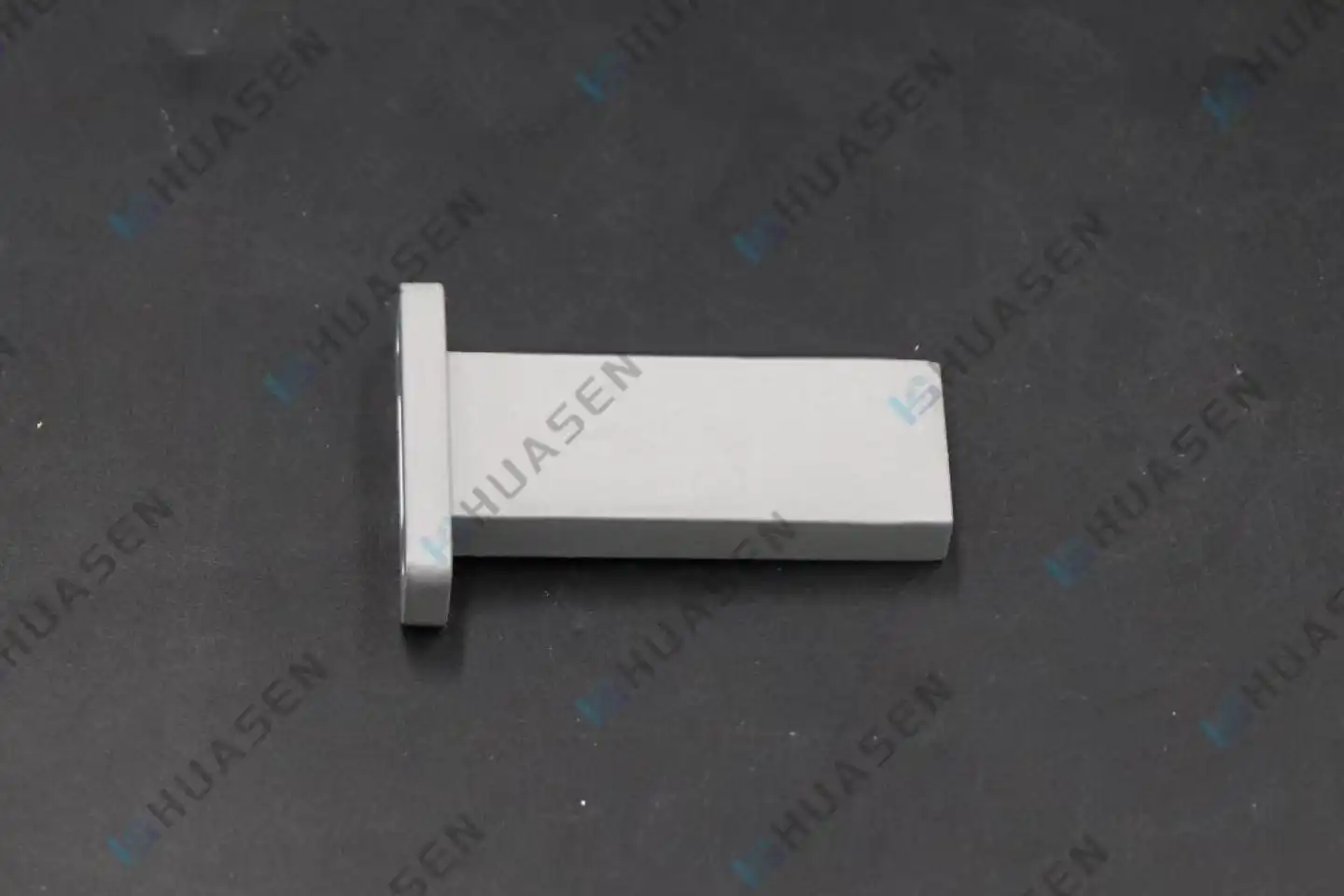
Materials Used in Waveguide Matching Load
RF and microwave termination devices, waveguide matching loads, absorb electromagnetic energy with little signal reflection to safeguard equipment and signal integrity. Electrical performance, power handling capacity, thermal stability, and endurance depend on these components' materials. To fulfil 5G infrastructure, satellite communications, radar systems, and laboratory instrumentation demands, modern matching loads use absorptive media, dielectrics, metal housings, and protective coatings. Understanding the material science behind these devices helps procurement professionals and system engineers specify components that operate reliably from 0.32 GHz to 330 GHz in harsh environmental conditions and high continuous wave power levels.VIEW MORE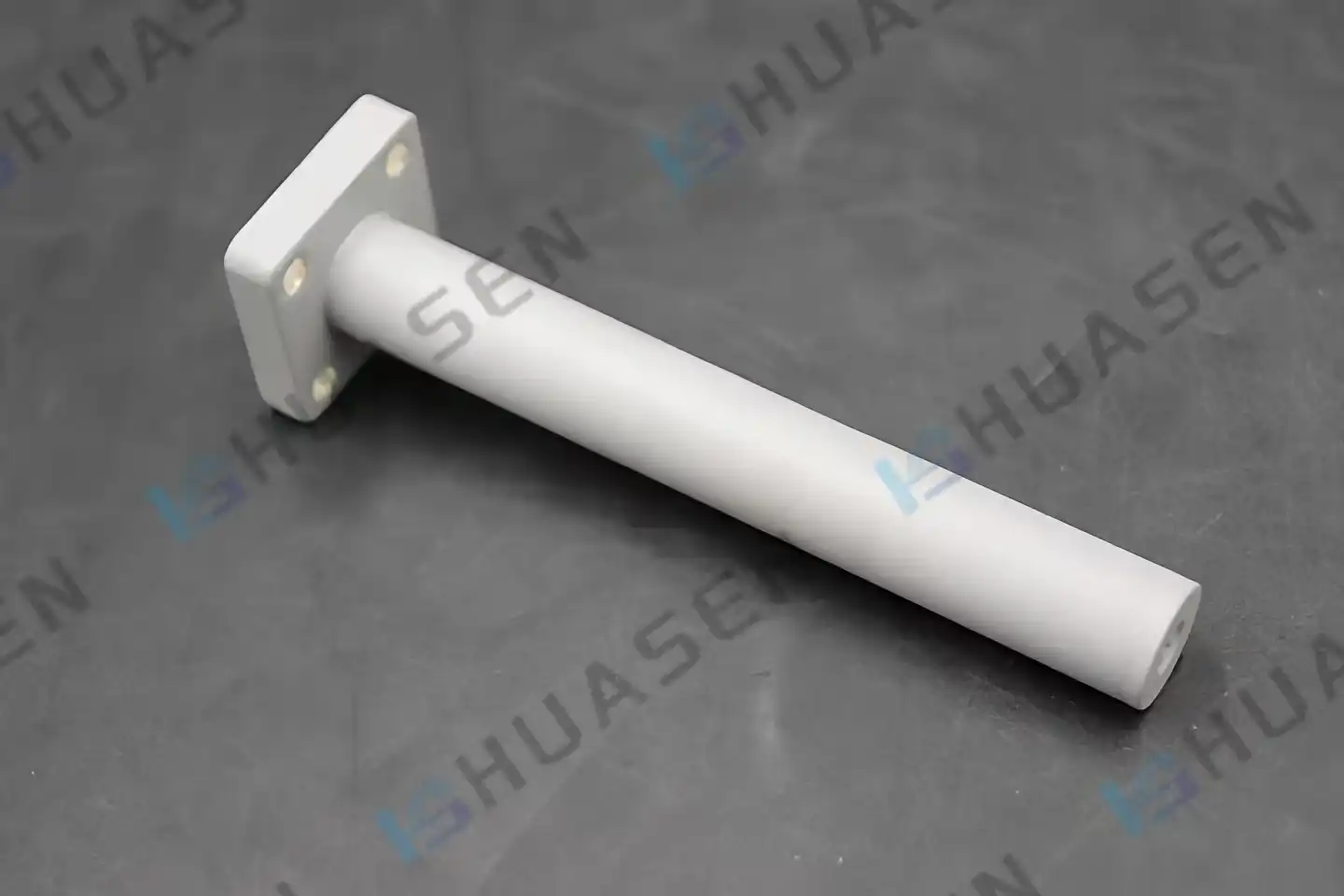
Choosing Waveguide Termination for High Power
High-power applications require the correct waveguide termination to safeguard sensitive RF sources from catastrophic reflection damage and ensure measurement precision and system dependability. These passive components convert electromagnetic energy to heat with minimum reflection in high-frequency situations. The optimum termination fits your waveguide's characteristic impedance, minimising standing wave ratio mismatches that can damage magnetrons, klystrons, TWTAs, and solid-state power amplifiers. When designing 5G base stations, satellite uplinks, or radar calibration systems, termination specifications—power handling, VSWR, thermal management, and mechanical compatibility—help you make procurement decisions that optimise performance and minimise downtime.VIEW MORE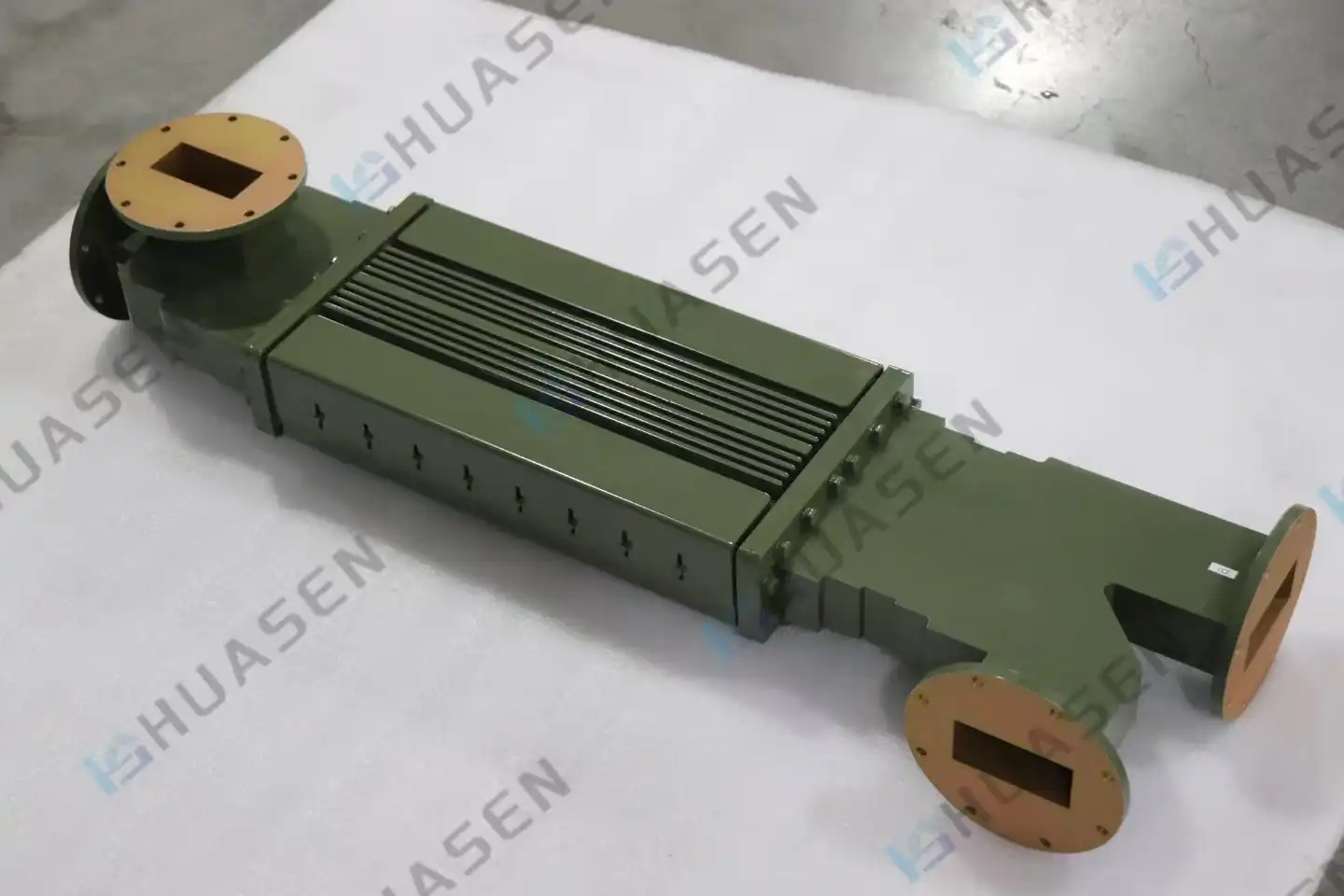
Waveguide Circulator Working Principle Explained
Waveguide circulators use magnetised ferrite materials' gyromagnetic characteristics to steer microwave signal flow. RF energy entering Port 1 is routed entirely to Port 2, Port 2 to Port 3, and so on, with negligible reverse leakage. Faraday rotation at the ferrite junction, where a DC magnetic bias field breaks electromagnetic wave propagation symmetry, causes this non-reciprocal behaviour. The passive device shields high-power transmitters from damaging reflected signals and allows simultaneous transmission and reception through shared antenna systems in radar, satellite, and 5G infrastructure.VIEW MORE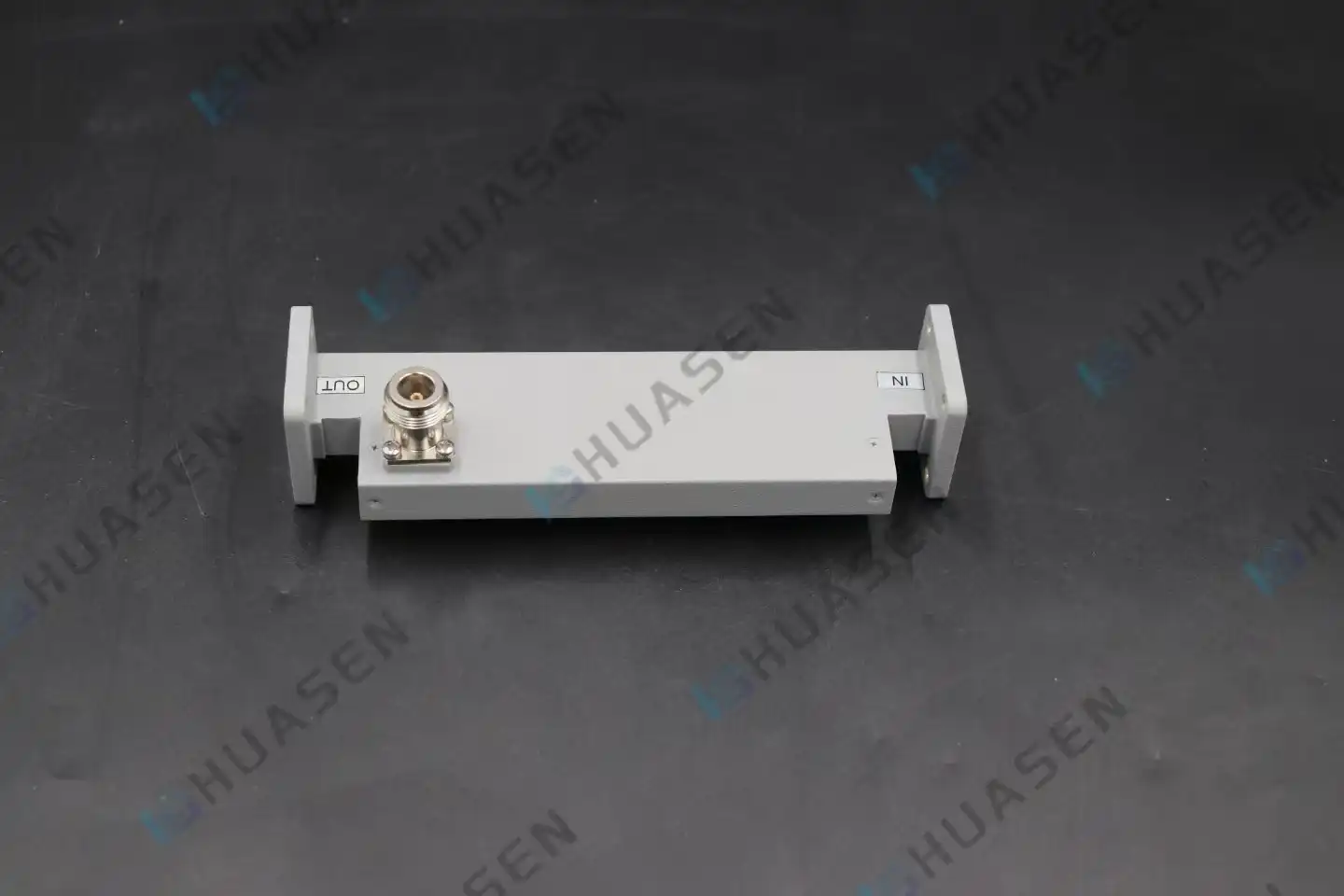
Best Directivity Coupler Design Practices for Millimeter Wave Applications
Designing millimetre wave systems with precise signal separation between forward and reflected waves is difficult. Precision directivity couplers separate these signals with minimum interference, allowing engineers to quantify power and reflection from 30 GHz to 100 GHz. At high frequencies, even modest design defects cause measurement inaccuracies that degrade system performance. These passive components meet 5G infrastructure, satellite communications, and aerospace radar high directivity, low insertion loss, and thermal stability requirements through rigors design techniques, from material selection to topology optimisation.VIEW MORE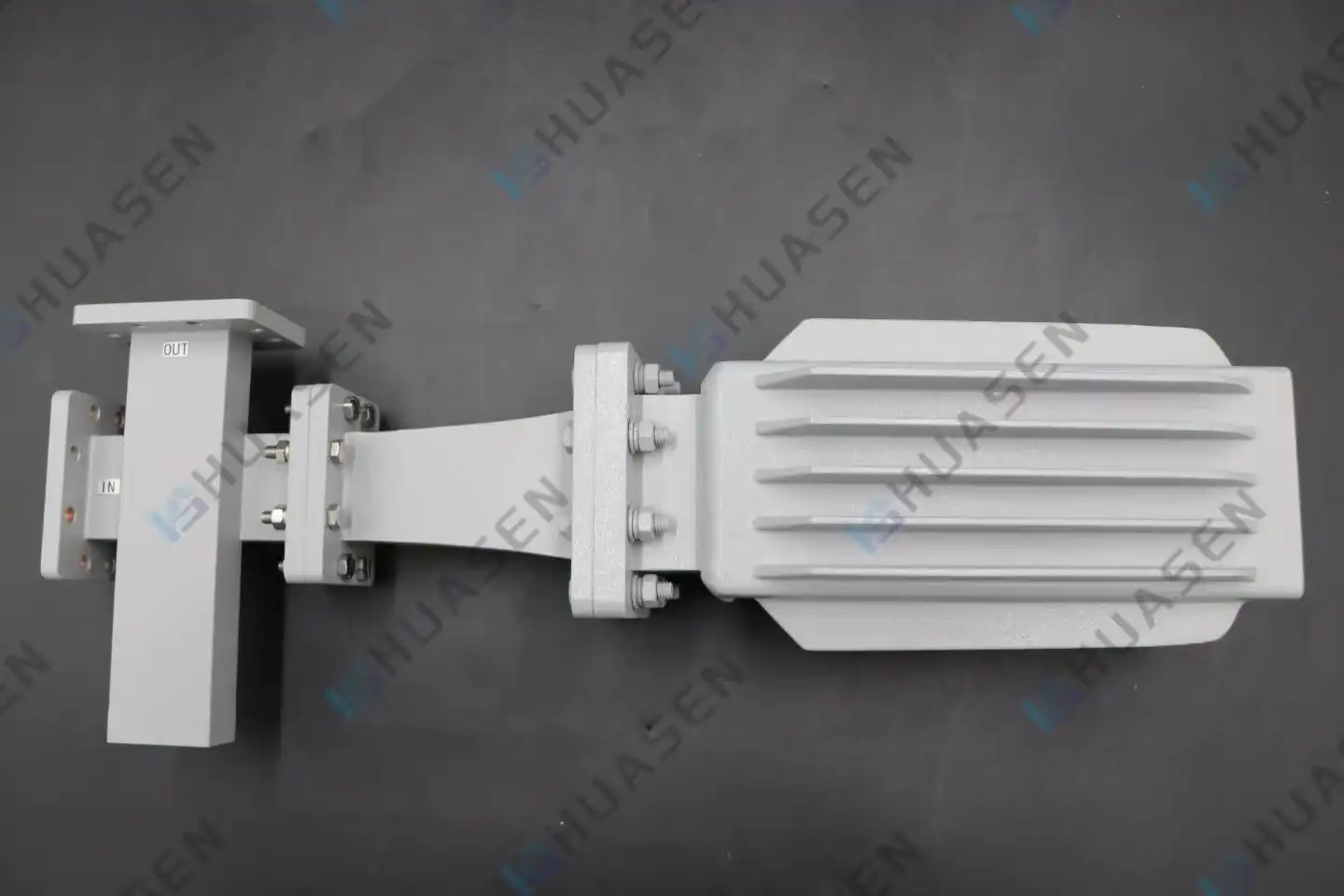
Choosing Waveguide Attenuator for Radar and Satcom
Technical parameters and deployment demands must be balanced when choosing a waveguide attenuator for radar and satellite communication systems. These passive microwave components adjust waveguide transmission line signal amplitude to protect sensitive receivers and ensure measurement accuracy. Whether you're integrating components into AESA radar test benches or calibrating satellite earth station uplink chains, attenuation range, power handling capacity, and frequency compatibility ensure system reliability under demanding conditions. This guide includes key selection criteria to match component capabilities to operational needs.VIEW MORE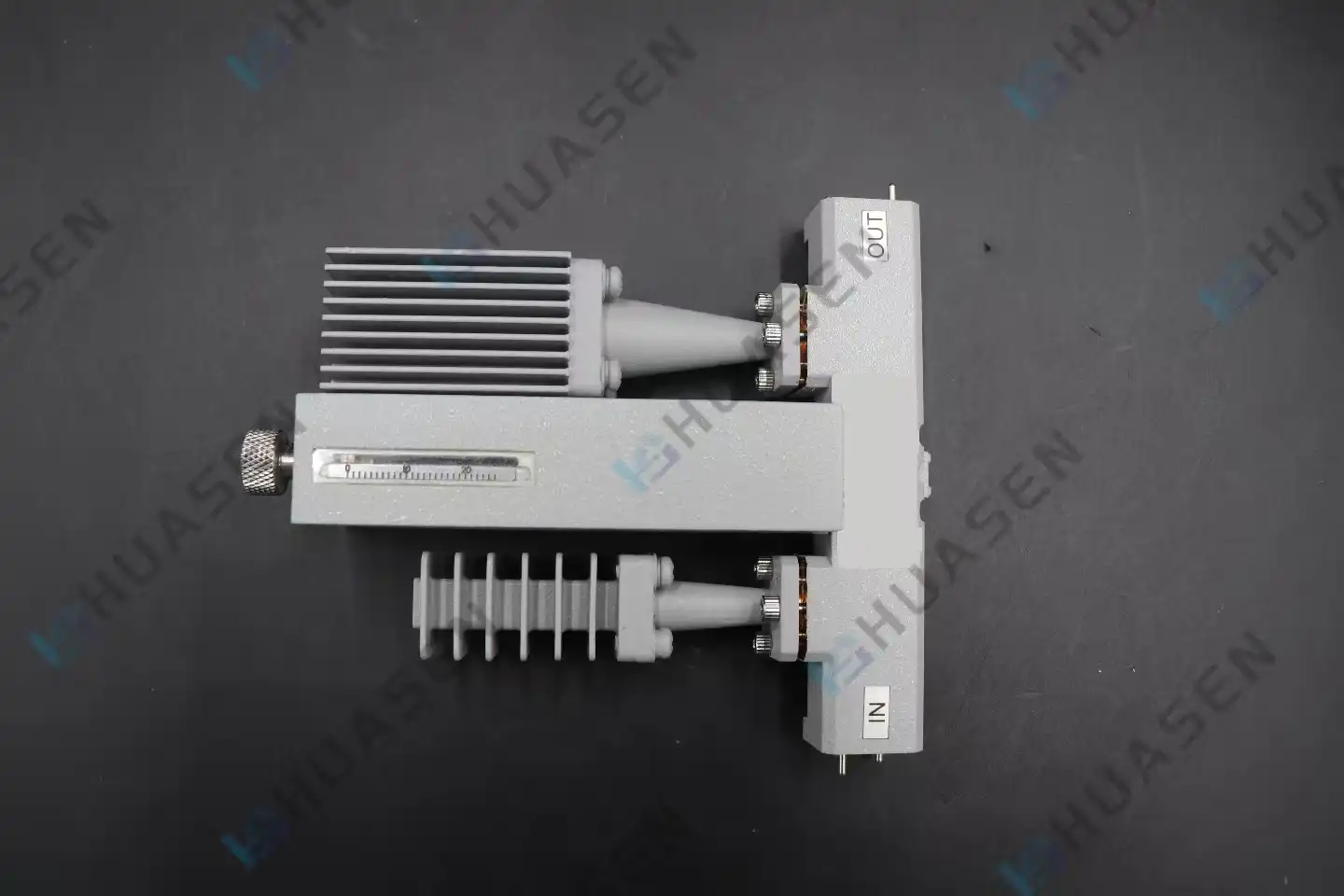
Industrial Uses of Variable Waveguide Attenuator
Variable waveguide attenuators serve as essential signal control components in high-frequency microwave and millimetre-wave systems, enabling precise amplitude adjustment without disrupting frequency integrity or phase stability. These devices allow engineers to dynamically manage signal strength in waveguide transmission lines, addressing critical challenges in sectors like satellite communications, radar calibration, and RF testing. By providing adjustable attenuation from 0 to 30 dB across frequencies spanning 0.96 GHz to 112 GHz, they solve specific pain points such as preventing receiver saturation, simulating environmental signal degradation, and protecting sensitive measurement instruments from high-power damage.VIEW MORE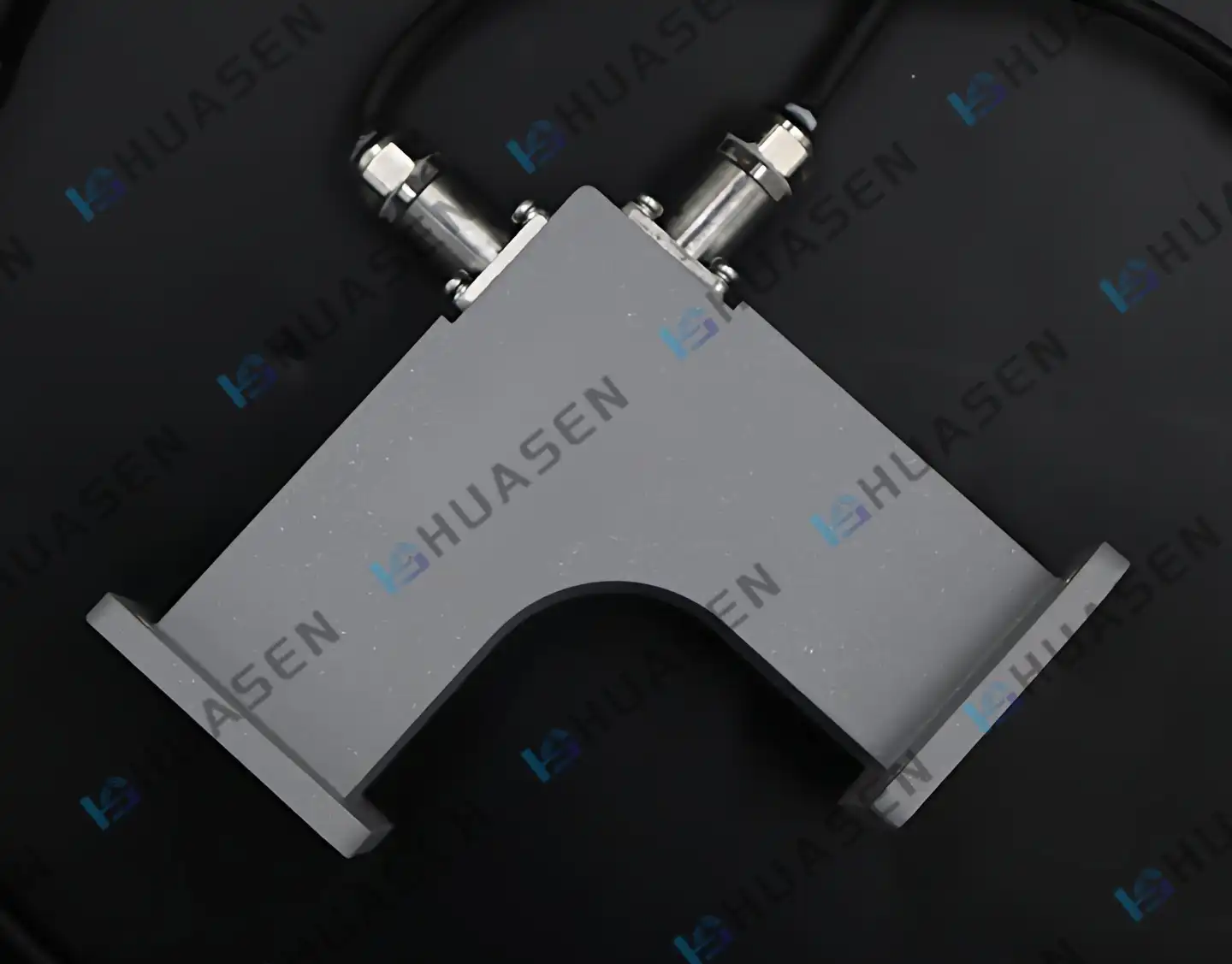
Waveguide Detection Sensors: Types and Applications
Waveguide detection sensors use electromagnetic wave propagation to detect structural defects, power transmission irregularities, and arc formation in high-frequency systems. Instead of surface-based inspection instruments, waveguide detection integrates directly into microwave and RF transmission pathways to prevent catastrophic failures in radar installations, satellite communication networks, and industrial plasma equipment in real time. This technology helps system integrators and equipment manufacturers meet accuracy and operational continuity requirements in contexts where downtime means mission failure or considerable financial loss.VIEW MORE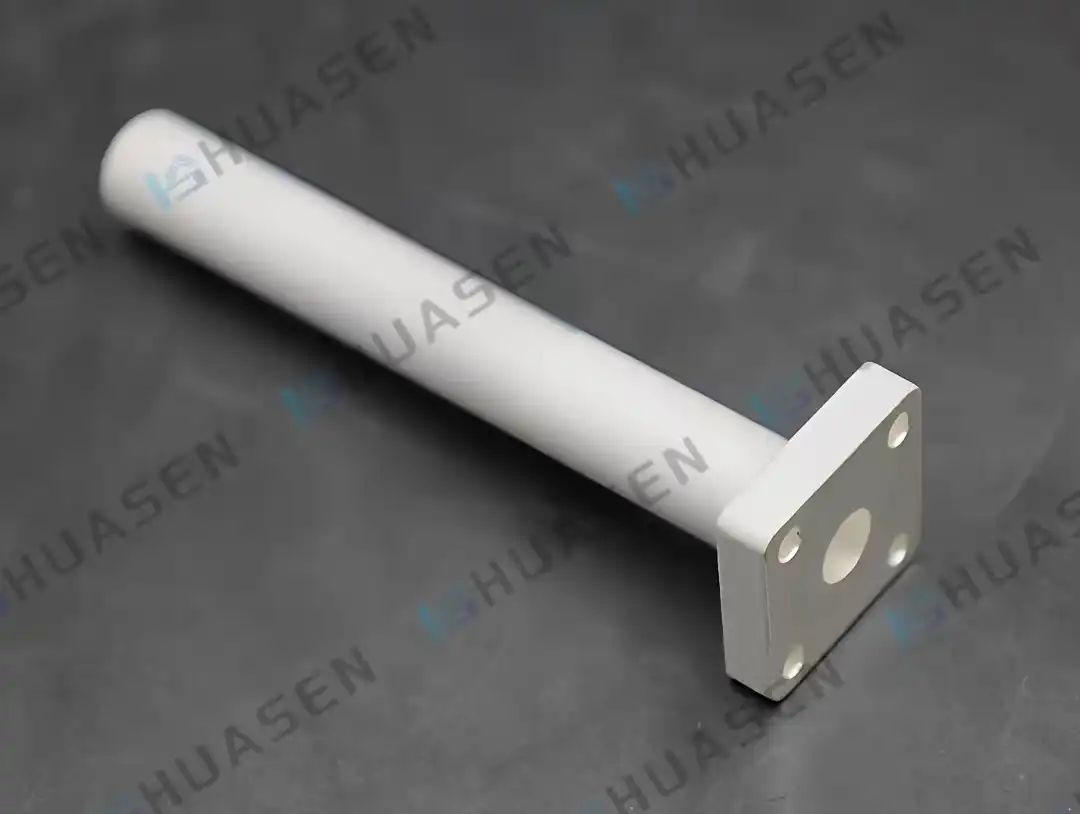
Buying Circular Waveguide Termination for Harsh Environments
When obtaining components for mission-critical RF systems in harsh environments, waveguide termination strength is crucial. Precision-engineered circular waveguide Termination collects leftover electromagnetic radiation and maintains signal integrity in harsh situations. Circles outperform coaxial and rectangular designs in power management, mode propagation efficiency, and environmental durability, making them ideal for aerospace, defence, and telecommunications applications where failure is not an option. Huasen Microwave's conical construction with bulk absorption material regulates many electromagnetic modes, ensuring stable performance under extreme temperature, mechanical, and atmospheric loads.VIEW MORE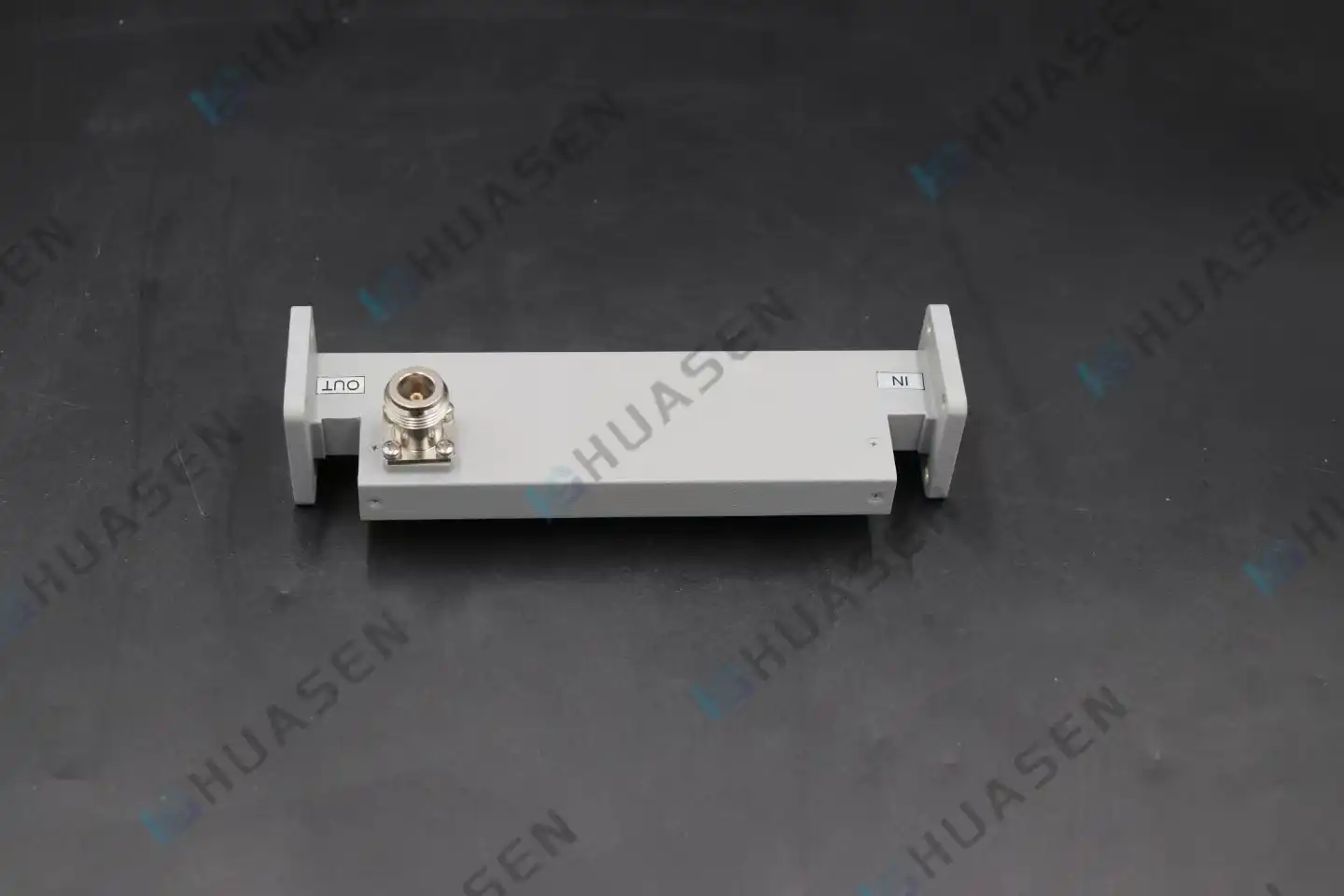
Improving Directivity Coupler Performance for 5G Base Station Systems
It has never been more important to have high-performance RF components as 5G networks continue to grow across the United States. Telecommunications experts and procurement workers who work with next-generation base station systems face a major challenge: how to improve the performance of Directivity Couplers. These carefully made gadgets are the most important parts of 5G infrastructure for protecting systems, measuring power, and keeping an eye on signals. Better directivity performance directly leads to better signal integrity, lower measurement error, and higher network stability in tough outdoor conditions.VIEW MORE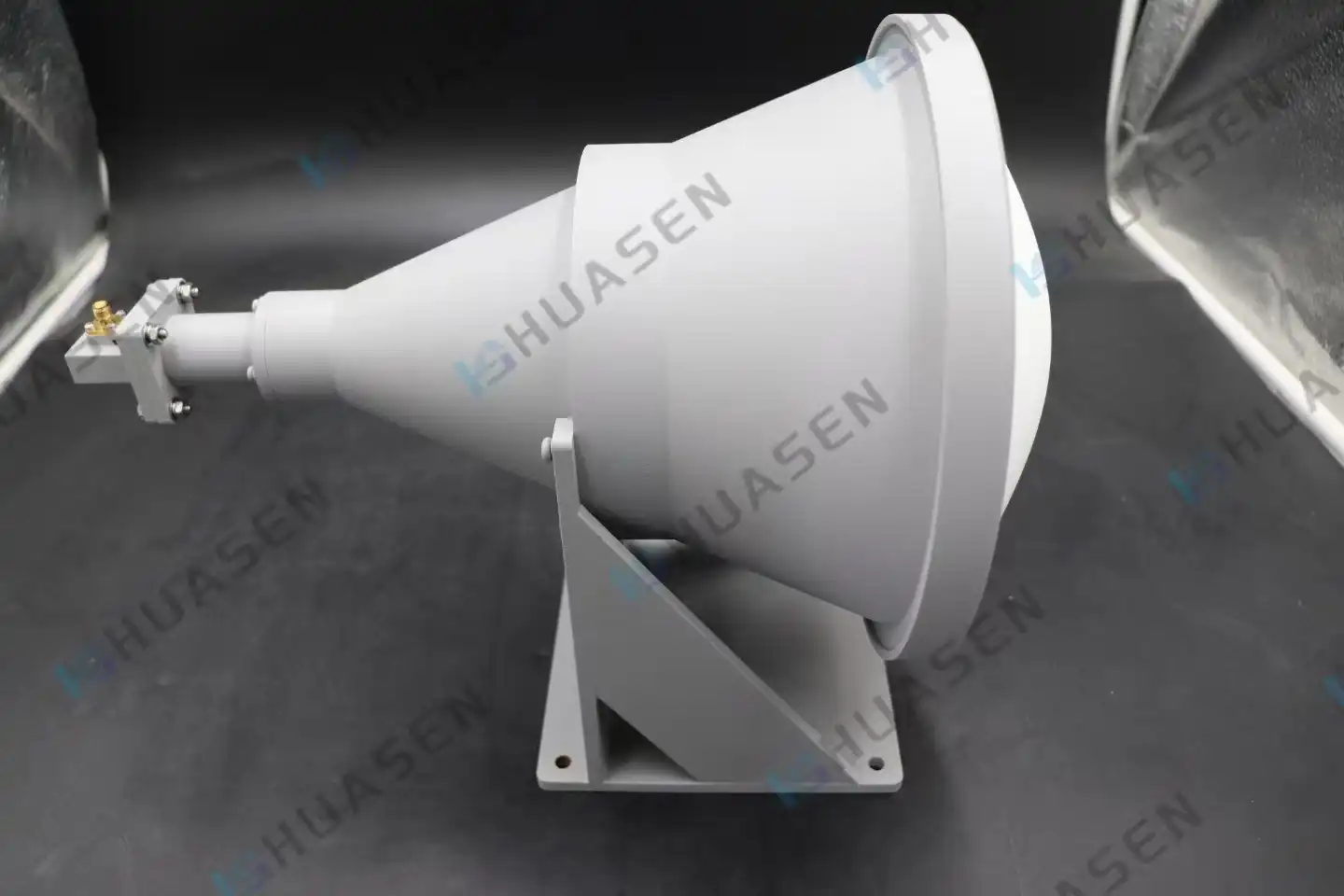
How Lens Horn Antenna Improves Beam Focus and Directivity?
Lens Horn Antennas revolutionize beam focus and directivity by incorporating precision dielectric lenses into traditional horn apertures, transforming spherical wavefronts into planar configurations. This innovative design dramatically reduces phase errors that typically limit gain and increase sidelobes in conventional horn antennas. The integrated lens system enables exceptional directional control while maintaining compact dimensions, making these antennas invaluable for high-frequency applications requiring superior beam shaping capabilities and enhanced signal quality in industrial communications and radar systems.VIEW MORE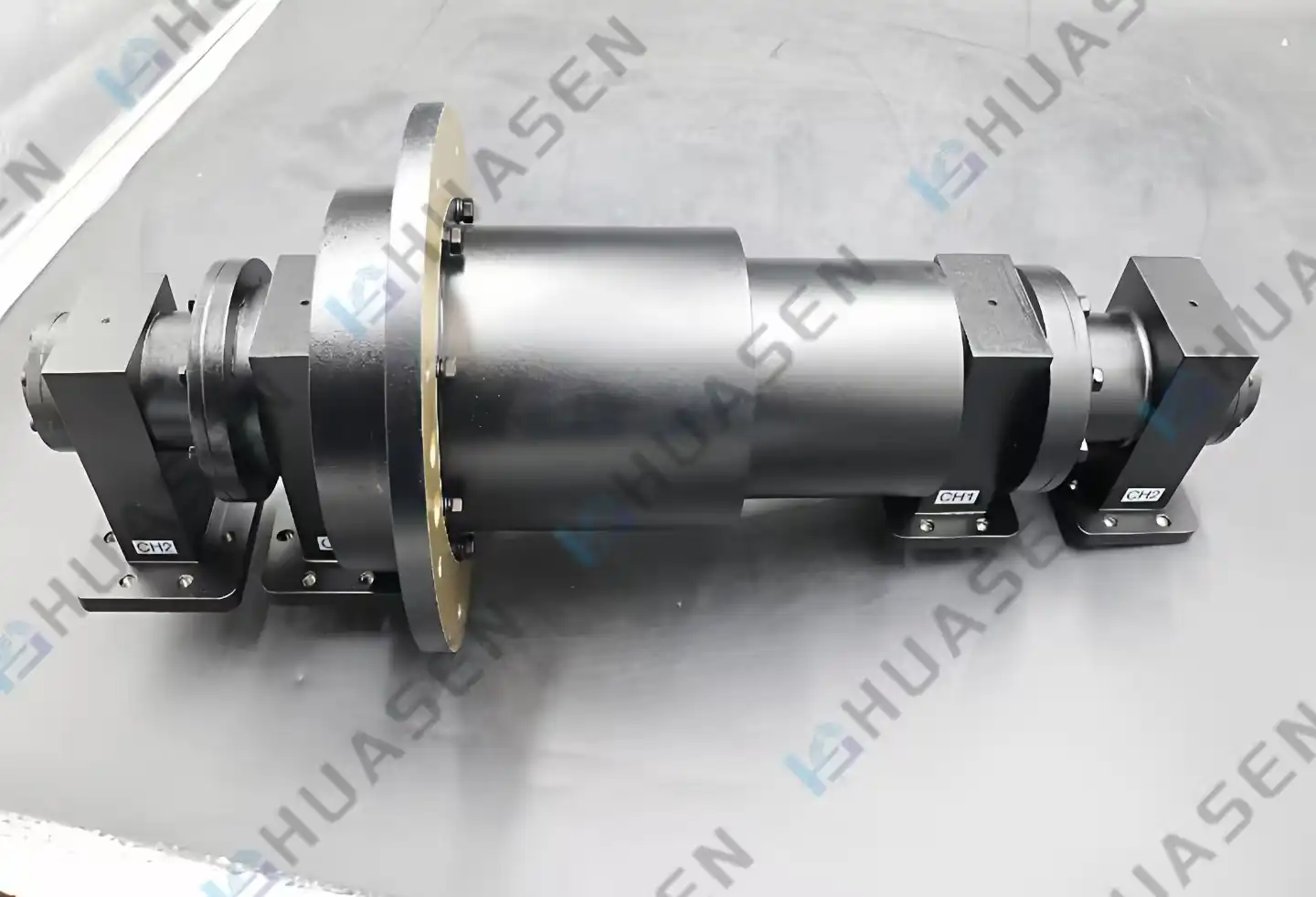
Waveguide Rotary Joint vs Slip Ring for Radar Antenna Rotation?
When designing radar antenna systems that require continuous 360-degree rotation, selecting the appropriate rotary interface becomes mission-critical. A waveguide rotary joint transmits high-frequency RF signals through hollow metallic waveguide structures utilising non-contacting electromagnetic coupling, ensuring minimal signal loss and high power-handling capacity. Slip rings, conversely, rely on physical brush contacts to transfer electrical signals and power across rotating assemblies. For radar applications operating at microwave and millimetre-wave frequencies—particularly in demanding environments like maritime surveillance, air traffic control, and military defence systems—the waveguide rotary joint consistently outperforms slip rings in signal integrity, reliability, and longevity, making it the preferred choice among system integrators and equipment manufacturers.VIEW MORE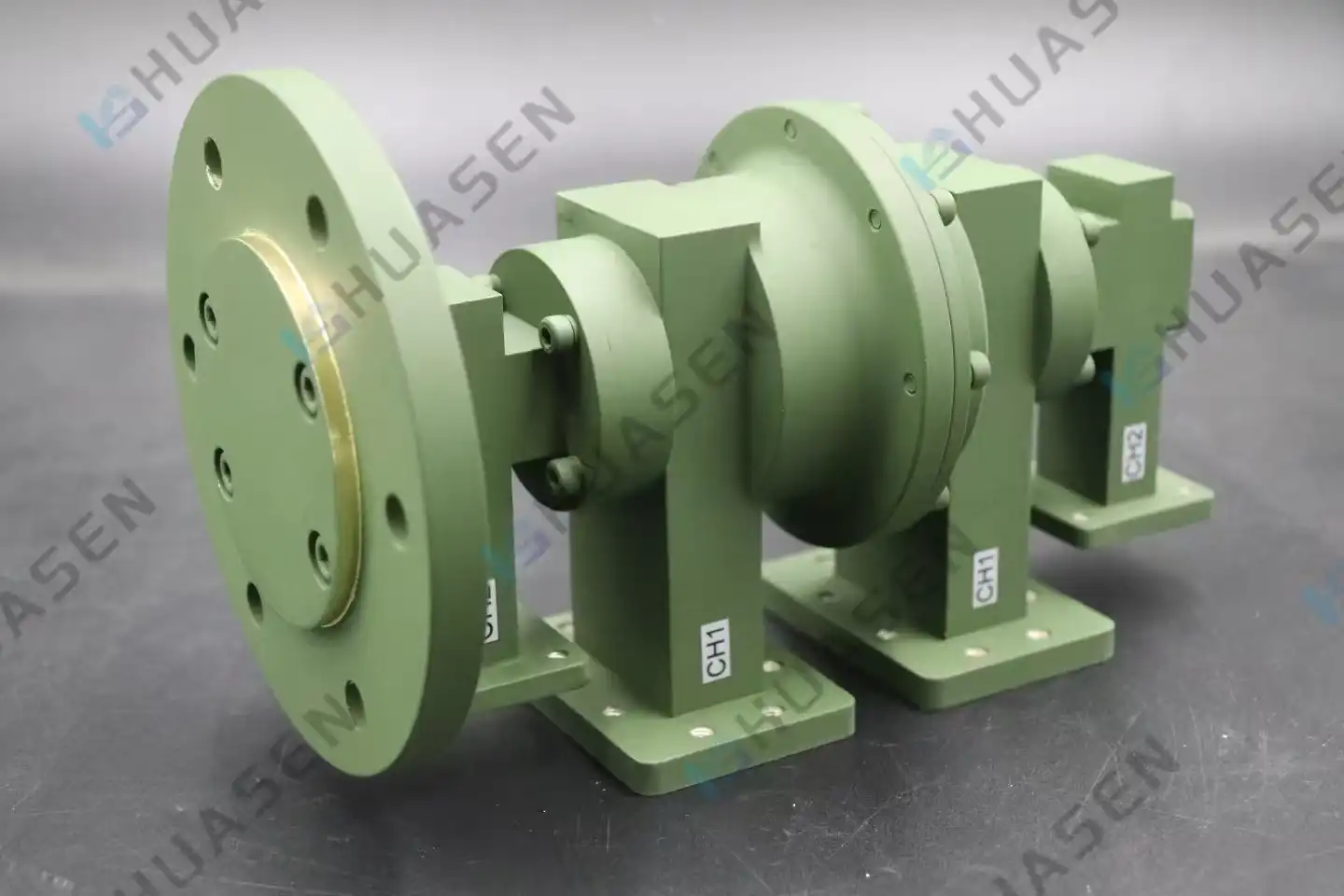
Dual Channel Rotary Joint Applications in Aerospace and Defense
How can you transmit two distinct RF signals or fluids without cable tangling or signal loss when radar systems spin continually to follow targets or satellite terminals swivel to maintain signal lock? Dual channel rotary joints allow simultaneous transmission of two signals, such as transmit and receive frequencies or vertical and horizontal polarisations, across a revolving interface. Modern aerospace and defence systems that must preserve space restrictions, signal integrity, and mission dependability require these electromechanical components' strong isolation and minimal insertion loss during 360-degree rotation.VIEW MORE
- 1
- 15
- 16
- 17
- 18
- 19
- 60
Total 60 pages
