Waveguide Rotary Joint vs Slip Ring for Radar Antenna Rotation?






2026-05-27 21:46:45
When designing radar antenna systems that require continuous 360-degree rotation, selecting the appropriate rotary interface becomes mission-critical. A waveguide rotary joint transmits high-frequency RF signals through hollow metallic waveguide structures utilising non-contacting electromagnetic coupling, ensuring minimal signal loss and high power-handling capacity. Slip rings, conversely, rely on physical brush contacts to transfer electrical signals and power across rotating assemblies. For radar applications operating at microwave and millimetre-wave frequencies—particularly in demanding environments like maritime surveillance, air traffic control, and military defence systems—the waveguide rotary joint consistently outperforms slip rings in signal integrity, reliability, and longevity, making it the preferred choice among system integrators and equipment manufacturers.
Understanding Radar Antenna Rotation Interfaces
Signal transmission must continue during mechanical rotation in radar antenna systems. This presents a unique engineering challenge: how can we transfer electromagnetic energy from fixed transmitter equipment to a continually rotating antenna assembly without signal degradation or mechanical failure?
What is a Waveguide Rotary Joint?
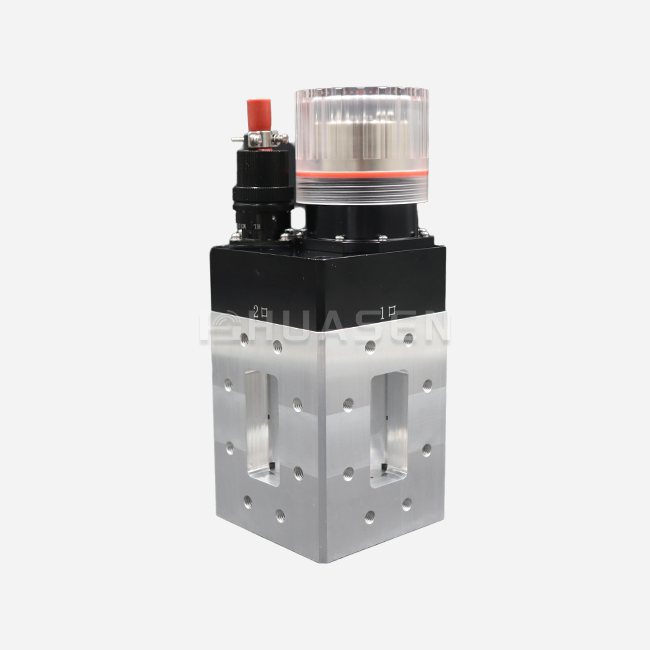
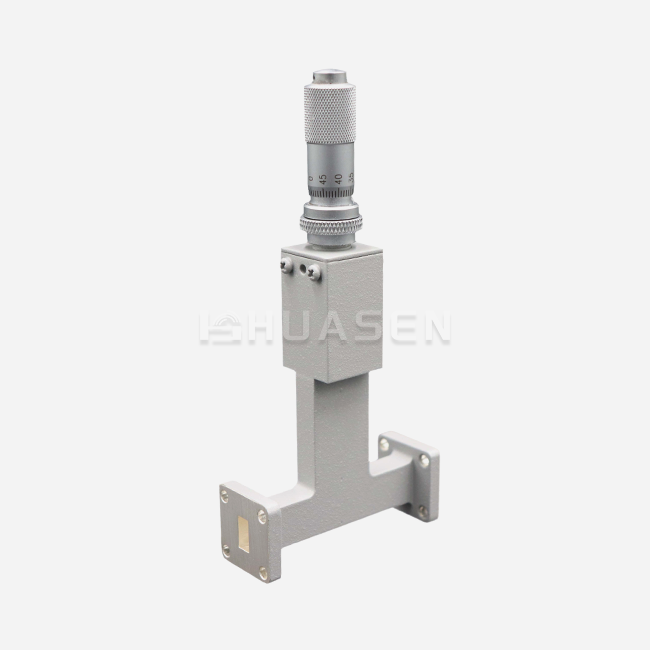
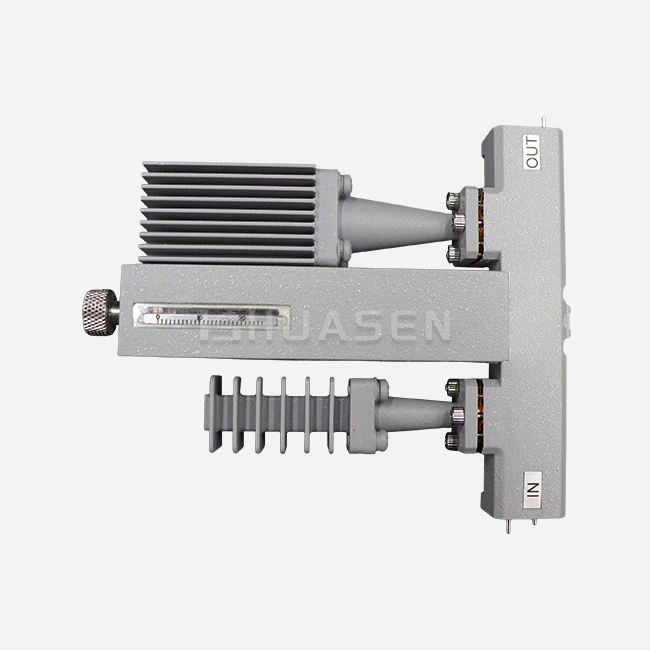
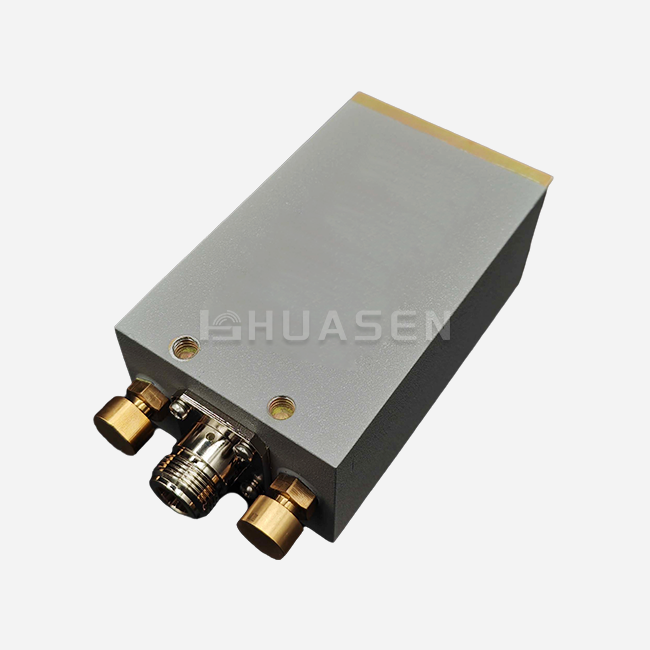
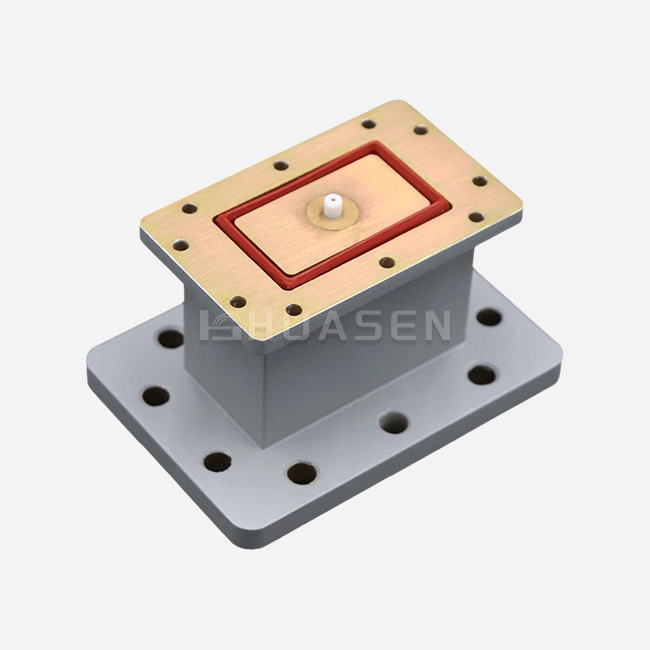
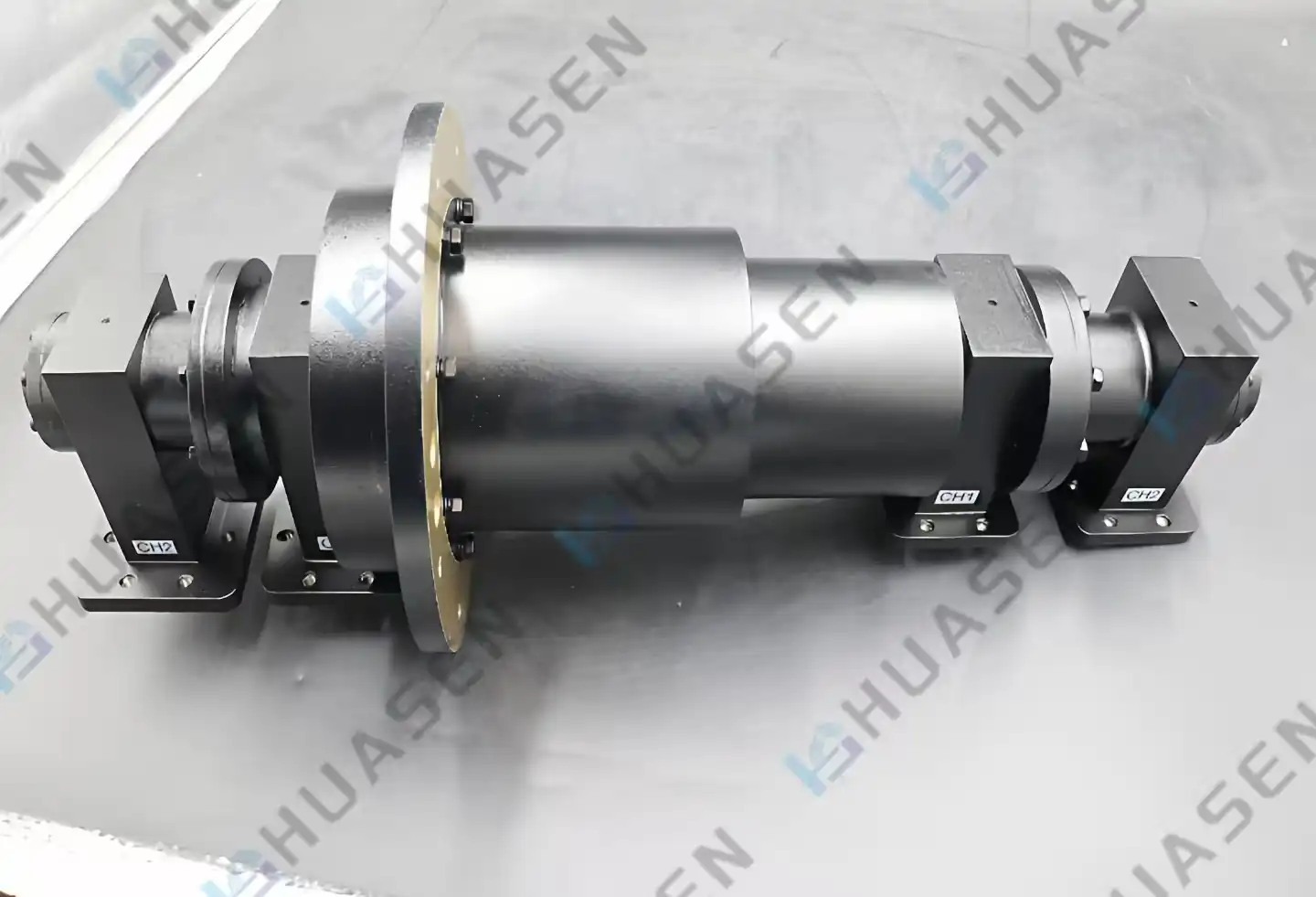
A waveguide rotary joint is a precise electromechanical interface for high-frequency microwave energy transfer between fixed and revolving platforms. Waveguide joints transmit electromagnetic waves through hollow metallic tubes, unlike coaxial cables. These devices usually transform rectangular waveguide modes like radar feedline TE10 into rotationally symmetric circular modes like TE11 or TM01. The electromagnetic field pattern remains steady, independent of rotational position, after this conversion. From L-band (1-2 GHz) to Ka-band (26.5-40 GHz) and beyond, these couplings prevent mechanical stress and signal loss caused by twisted cables during rotation.
How Slip Rings Function in Rotating Systems?
Slip rings are distinct because they use spring-loaded brushes or rolling contacts to link conductive rings on the spinning shaft. This mechanical contact approach works well for DC power distribution and low-frequency control signals like antenna location feedback and motor power, but it suffers from high-frequency RF transmission. Physical connections cause electrical noise, impedance discontinuities, and wear that decreases performance over time. Radar pedestal slip rings handle supplementary duties, not core RF signal channels.
Performance and Design Principles: Waveguide Rotary Joint vs Slip Ring
Understanding each technology's technical underpinnings explains why performance differences expand drastically at higher frequencies and power levels.
Signal Integrity and Frequency Performance
The contactless electromagnetic connection of waveguide rotary joints preserves signal quality. Choke design with carefully carved grooves that produce quarter-wavelength resonant chambers keeps RF energy inside the waveguide structure rather than leaking over the spinning interface. Quality waveguide joints have insertion loss below 0.3 dB and VSWR below 1.2:1 over their bandwidth. These parameters stay steady after millions of rotating cycles since moving components do not touch each other.
Physical constraints prevent slip rings from working at microwave frequencies. Impedance mismatches at the brush-ring interface reflect signal energy, while contact bounce causes phase noise and amplitude swings. Above 1 GHz, insertion loss approaches 3-5 dB, and VSWR decreases below precision radar standards. Mechanical friction causes electrical noise that reduces the system signal-to-noise ratio in sensitive receiver circuits.
Power Handling Capabilities
Pulsed radar transmitters generate kilowatts of peak power. Because the hollow waveguide construction spreads electromagnetic fields across a vast cross-sectional area, waveguide rotary joints manage high power levels without voltage breakdown. Pressurisation with dry air or sulphur hexafluoride (SF₆) gas increases power-handling capability to tens of kilowatts on average and megawatts at peak in many configurations. Avoiding physical touch minimises arcing dangers.
In contrast, slip ring contacts concentrate current flow through tiny brush-ring contact regions. Unlike a waveguide rotary joint, this current density causes resistive heating, limiting continuous power handling to fewer than 10 watts at RF frequencies. At higher voltages, contact arcing causes electromagnetic interference and wear.
Maintenance Requirements and Service Life
Waveguide rotary joints' contactless functioning extends service life and requires no maintenance. Quality devices from known manufacturers often last 10–20 years without degrading. No worn parts means no planned maintenance, and sealed bearing assemblies safeguard internal components from environmental contamination.
Slip rings need constant maintenance. Brush wear requires examination and replacement every 1,000–5,000 working hours, depending on rotational speed and climate. Brush-wear carbon dust must be cleaned to avoid electrical shorts. Contact surfaces rapidly oxidise in harsh marine settings, necessitating frequent service to preserve electrical continuity.
Applications and Use Cases in Radar Systems
Real-world deployments show waveguide rotary joints' better applicability for demanding radar applications.
Primary Surveillance Radar for Air Traffic Control
Air traffic control radars track aircraft locations by scanning 360 degrees every few seconds. These mission-critical installations use S-band frequencies (2-4 GHz) with peak transmit power over 1 megawatt. Over millions of revolutions, the rotary joint must retain signal integrity despite temperature extremes, wind stress, and moisture.
Slip ring and waveguide technologies were compared for a large international airport's primary surveillance radar upgrade. Testing showed slide ring assemblies caused signal loss and phase instability that reduced target detection range by 15%. The waveguide rotary joint solution contributed to flight safety by maintaining performance criteria for 18 months without maintenance.
Naval Fire Control and Navigation Radar
Military ships have rotating radars for threat detection, fire control, and navigation. These installations endure seawater spray, weapons-fire shock, and ship-motion vibration. X-band radar systems (8-12 GHz) used for aiming send several kilowatts over the rotary interface.
A naval equipment manufacturer reported slip ring failures after 6-12 months of deployment owing to seawater corrosion and accelerated contact wear. Switching to waveguide rotary joints with IP67 environmental sealing increased operational service life beyond 10 years and eliminated unplanned maintenance that took radar systems offline during crucial missions. Hermetically sealed waveguides prevent moisture infiltration, which would cause instantaneous arcing and catastrophic failure.
Satellite Communication on the Move (SOTM)
For connectivity while moving, mobile satellite terminals on vehicles and watercraft must constantly relocate the antenna. These systems require accurate targeting and steady RF performance at Ku-band (12-18 GHz) and Ka-band (26.5-40 GHz).
A commercial SOTM system integrator used slip rings for the Ka-band uplink route to cut costs. Field testing showed that contact noise caused bit errors that required frequent retransmission, lowering data speed by 40%. Links dropped often during fast antenna movement due to signal instability. Slip rings were replaced with precision waveguide rotary joints to restore full-bandwidth operation, showing that apparent cost reductions evaporated when system performance was reduced.
Procurement Considerations: Selecting the Right Rotary Interface for Your Radar System
Multiple technical and business considerations beyond unit cost must be considered for informed procurement decisions.
Technical Requirements Assessment
Document your system's exact operational settings, including rotary waveguide joints/waveguide joints. Regular waveguide diameters include WR-340 for S-band, WR-90 for X-band, and WR-28 for Ka-band, depending on frequency range. Peak and average power demand affect waveguide size and pressurisation. Extreme temperatures, humidity, vibration profiles, and corrosive compounds must be considered in environmental standards.
VSWR specs deserve attention. When reflected power exceeds design limitations, travelling wave tubes (TWTs) and klystrons become unstable or damaged in radar transmitters. A rotary joint with a VSWR exceeding 1.3:1 may reflect enough power to shut down the transmitter or fail the component, incurring hidden costs that significantly outweigh any immediate savings from poorer quality components.
Supplier Evaluation and Customisation Capabilities
Not all waveguide rotary joint manufacturers are technically proficient. Technical data containing measured insertion loss, VSWR across frequency and temperature ranges, and full mechanical drawings with tolerance standards shows knowledge from established vendors. System integrators with space limits or unusual integration needs benefit from manufacturers that provide quick customisation—adjusting flange types, mounting interfaces, or frequency sub-bands.
Before ordering production quantities, request integration testing samples. Quality manufacturers offer assessment programmes that let engineers test performance in real systems. Technical support responsiveness during assessment generally anticipates production and field deployment help.
Total Cost of Ownership Analysis
Waveguide rotary joints cost more than slip ring assemblies, although cost analysis favours them for radar. Calculate the total cost of ownership by including maintenance labour, planned replacement parts, system downtime, and performance deterioration during the radar installations' 15-20 year service life.
Slip ring maintenance required 12 technician-hours per installation for cleaning and brush replacement, costing $2,400 in direct labour and distant site travel, according to a defence radar system integrator. Emergency calls totalling $8,000-15,000 were made every three years due to unscheduled breakdowns. Slip rings cost 280% more than waveguide rotary joints after 15 years, despite the latter's triple-greater beginning cost.
Installation, Troubleshooting, and Maintenance Best Practices
Installation Guidelines for Optimal Performance
Precision mechanical alignment of fixed and spinning waveguide components is crucial to performance. To avoid flange distortion, mounting surfaces must be flat—usually within 0.002 inches across the flange face—and bolt torque must match manufacturer requirements. Mechanical load on bearing assemblies and electromagnetic discontinuities from misalignment diminish VSWR.
Check all waveguide flanges for pressurisation gaskets or O-rings before activating the system. Measure swept-frequency VSWR over the operational band to document baseline performance. This first categorisation aids troubleshooting and identifies installation difficulties before system integration.
Preventive Maintenance Strategies
Waveguide rotary joints require less maintenance than slip rings, but a preventative maintenance programme improves service life and prevents unexpected failures. Visual inspections should evaluate exterior surfaces for corrosion, environmental sealing, and mounting hardware torque annually. Sealed bearing assemblies have lifetime lubrication, eliminating regreasing.
Measure VSWR thoroughly every 3-5 years and compare outcomes to installation baseline data. Gradual VSWR decline may indicate bearing wear or seal failure, enabling moisture contamination. Instead of responding to urgent operational emergencies, early identification permits scheduled replacement during specified maintenance windows.
Troubleshooting Common Issues
Signal quality issues at the rotary joint usually cause insertion loss or VSWR deterioration. Isolate the joint from the system and measure it with precision test equipment to start troubleshooting. If isolated tests are fine but system operation causes difficulties, check for vibration or thermal expansion-induced dynamic misalignment.
Mechanical binding or unusual rotational noise signals a rotary waveguide joint/waveguide joints, or bearing issues requiring prompt care. Operating damaged bearings promotes wear and risks catastrophic collapse. When troubleshooting goes beyond normal maintenance, contact the manufacturer's technical support team—unauthorised disassembly violates warranties and may introduce contamination that permanently damages performance.
Conclusion
Selecting waveguide rotary joints or slip rings for radar antenna rotation entails more than just hardware procurement. System performance, reliability, and lifespan costs depend on the option. Waveguide rotary joints provide unparalleled signal integrity at microwave frequencies, manage high power levels for long-range detection, and operate in severe conditions for decades without maintenance. Slip rings work well for low-frequency control signals but not for principal RF signal routes in professional radar systems. System integrators, equipment makers, and procurement specialists should consider the total cost of ownership rather than initial pricing since component selection affects mission success and operating performance.
FAQ
1. Can slip rings effectively handle high-frequency radar signals?
Physical restrictions make slip rings unsuitable for frequencies beyond 1 GHz. Phase noise from contact bounce and impedance discontinuities from mechanical brush contacts reflect RF energy. At microwave frequencies, insertion loss surpasses 3-5 dB, and frictional electrical noise reduces receiver sensitivity. Slip rings work effectively for DC power and low-frequency control circuits but not key radar signal transmission pathways.
2. What are typical lead times for custom waveguide rotary joints?
Standard catalogue waveguide rotary joints from known manufacturers arrive in 4-6 weeks. Custom configurations—modified frequency ranges, flange types, or mounting interfaces—take 8-12 weeks to supply. Complex multi-channel designs or systems requiring certifications might take 14-16 weeks. Communicating clear specs early and working closely with technical teams reduces delays.
3. How do power handling capabilities compare between the two technologies?
Because electromagnetic fields spread over the waveguide's wide cross-sectional area, waveguide rotary joints handle kilowatts of average power and megawatts of peak power. Pressurised designs boost capacity. Resistive heating and arcing concerns restrict RF power handling to under 10 watts using slip ring connections. Waveguide joints are the only option for radar transmitters.
Partner with Huasen Microwave for Premium Waveguide Rotary Joint Solutions.
Choosing reliable components under difficult operational circumstances affects radar system performance. Since 1993, Huasen Microwave Technology has manufactured precise waveguide rotary joints for defence contractors, telecommunications infrastructure providers, and aircraft system integrators worldwide. Our single-channel and double-ridge waveguide rotary joints have insertion loss below 0.3 dB, VSWR under 1.2:1, and power handling above 10 kilowatts on average spanning L-band to Ka-band.
Our engineering staff supports your application from idea to production, whether it requires conventional catalogue goods or entirely bespoke solutions for particular integration needs. Network analyser characterisation throughout temperature and MIL-STD mechanical standards documentation are among our test capabilities. As a renowned waveguide rotary joint provider, we know procurement decisions must balance performance, delivery timelines, and budget. Contact our technical sales team at sales@huasenmicrowave.com to discuss your needs, request datasheets, or arrange evaluation samples to show how our waveguide rotary joints benefit mission-critical radar antenna systems.
References
1. Balanis, Constantine A. Antenna Theory: Analysis and Design, 4th Edition. Wiley-Interscience, 2016.
2. Skolnik, Merrill I. Introduction to Radar Systems, 3rd Edition. McGraw-Hill Education, 2001.
3. Pozar, David M. Microwave Engineering, 4th Edition. Wiley, 2011.
4. Clarricoats, P.J.B. and Olver, A.D. Corrugated Horns for Microwave Antennas. IET Electromagnetic Waves Series, 1984.
5. Leong, K.W. and Weinreb, S. "Circular Waveguide to Coaxial Rotary Joint for High-Power Radar Applications." IEEE Transactions on Microwave Theory and Techniques, Vol. 46, No. 11, 1998.
6. Uher, Jiri et al. Waveguide Components for Antenna Feed Systems: Theory and CAD. Artech House Microwave Library, 1993.
Send Inquiry