Dual Channel Rotary Joint Applications in Aerospace and Defense






2026-05-27 21:46:43
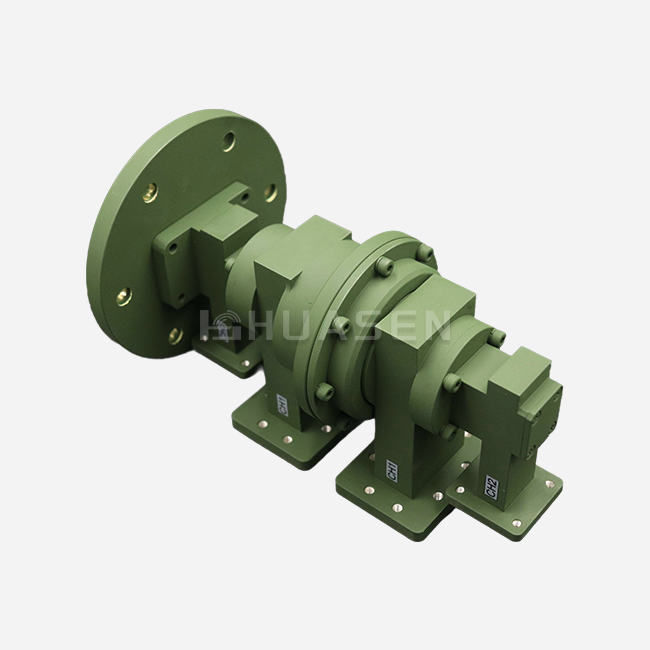
How can you transmit two distinct RF signals or fluids without cable tangling or signal loss when radar systems spin continually to follow targets or satellite terminals swivel to maintain signal lock? Dual channel rotary joints allow simultaneous transmission of two signals, such as transmit and receive frequencies or vertical and horizontal polarisations, across a revolving interface. Modern aerospace and defence systems that must preserve space restrictions, signal integrity, and mission dependability require these electromechanical components' strong isolation and minimal insertion loss during 360-degree rotation.
Understanding Dual-Channel Rotary Joints and Their Working Principles
Dual-channel rotary joints handle the increased complexity of current military systems by improving engineering over single-channel versions.
Core Architecture and Functionality
Their complex concentric or layered internal structure is at their core. A dual-channel coaxial rotary joint uses precise dielectrics to divide the signal paths of a centre conductor and an isolated outer conductor. Waveguide versions sustain two frequency bands on a single rotating axis via complicated geometries or mode transducing. This architecture removes two rotary joints, lowering mechanical footprint and rotating torque load by 40-60% over twin single-channel systems.
The rotor connects to moving platforms like antenna pedestals or gimbal systems, whereas the stator connects to permanent equipment. Precision ball bearings enable speeds from 60 RPM in ATC radars to 2000+ RPM applications with operational life expectancies of 10 million revolutions.
Critical Performance Parameters
To prevent crosstalk that might damage data or cause false alarms, signal isolation is normally >50 dB to >80 dB between channels. Avoiding signal reflection and transmission quality degradation, VSWR stays below 1.4:1. Very low insertion loss (<0.5 dB to <1.0 dB depending on frequency) maintains signal strength over the spinning interface.
The temperature tolerance varies from -55°C to +85°C for stratospheric flight and desert ground operations. Passivated stainless steel or conductive aluminium alloys are chosen for seawater maritime electromagnetic compatibility and corrosion resistance.
Addressing Industry Pain Points
Rotating antenna systems have struggled with channel crosstalk and signal modulation. These components use precision engineering to preserve phase stability for phased array applications and closely regulate WOW factor (insertion loss fluctuation during rotation). When radar systems must identify many targets or satellite terminals need high-throughput communication during platform movement, stability is crucial.

Aerospace and Defence Applications of Dual Channel Rotary Joints
Real-world military and aerospace deployment situations demonstrate these components' tactical advantages.
Air Traffic Control and Surveillance Radar Systems
ATC and long-range surveillance radars must operate 24/7 in harsh weather. Coaxial dual-channel rotary joints send high-power pulses and receive faint echo signals. This simultaneous bi-directional capability avoids channel switching delay, enhancing target detection accuracy while maintaining surveillance coverage.
The strong pulse energy of S-band and X-band search radars may be handled without arcing at several kilowatts. The antenna scans airspace sectors at exact rates while the rotary joint preserves signal integrity for millions of rotations, facilitating air safety operations at large airports and military locations.
Satellite Communications On-The-Move
Military vehicles, naval boats, and aircraft with SATCOM terminals need steady tracking over rugged terrain or in strong seas. The use of RHCP and LHCP signals in these systems doubles data speed or maintains link integrity through polarisation variety.
Saltwater spray, vibration, and temperature cycling make maritime applications difficult. MIL-STD-810-compliant rotary joints endure 20g vibrational stresses and seal hermetically, avoiding moisture infiltration that might ruin crucial communications. This dependability is essential for naval command and control, information sharing, and carrier strike group operational coordination.
Electro-Optical and Infrared Turret Systems
EO/IR sensors in armoured vehicles and unmanned ground system mechanised defence turrets must rotate for 360-degree situational awareness. Rotating cameras send high-bandwidth video data on one channel, while the other handles command and control RF connections or targeting laser communications.
Turret gimbal systems have very little internal volume; hence, a compact design is essential. Dual-channel designs enable multi-signal capabilities in 40 mm to 100 mm housing diameters, fitting inside tight mechanical environments. Separate components would require two to three times the area. Space efficiency reduces vehicle weight and boosts fuel economy for longer missions.
Airborne Electronic Warfare Pods
Supersonic fighters use EW pods with revolving antennas to detect hostile radars and launch countermeasures. These small pods use dual-channel rotary joints to jam and detect threats. Detecting, categorising, and combating threats in milliseconds is possible with simultaneous operation.
Vibrational stresses during high-g manoeuvres, fast temperature cycling from ground to altitude, and active jamming electromagnetic interference push component limitations. Components must meet performance standards from 2 GHz to 40 GHz for early warning radars and missile-guiding systems.
Advantages of Dual-Channel Rotary Joints in Aerospace and Defence
Understanding these components' real advantages helps procurement teams justify investments and enhance system structures.
Superior Efficiency and Operational Uptime
System complexity is greatly reduced by combining two signal lines into one mechanical unit. Tracking service intervals for one component instead of two minimises administrative overhead and spare parts inventory expenses. Quality Dual Channel Rotary joints have MTBFs above 50,000 hours, allowing years of uninterrupted operation before replacement.
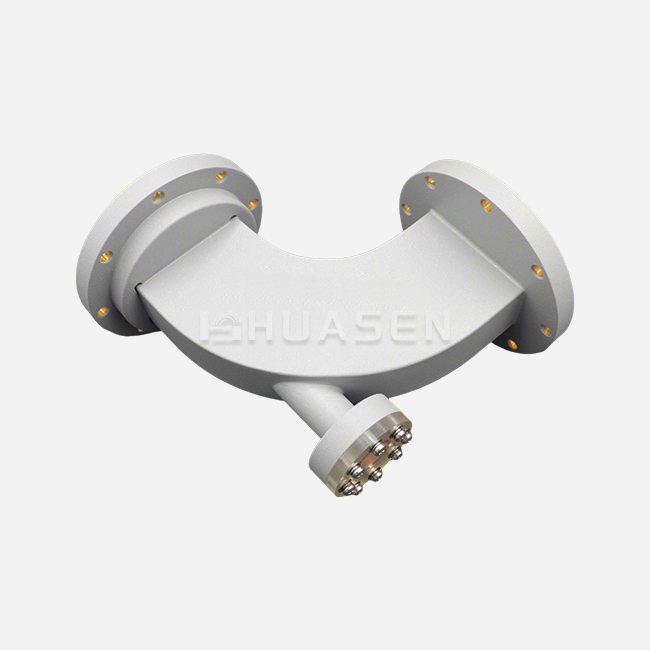
Mission-critical systems cannot survive signal loss. Advanced seal technologies in a waveguide rotary joint use spring-loaded contact fingers or capacitive coupling to preserve electrical continuity during heat expansion or mechanical wear. Signal containment fulfils TEMPEST emissions security criteria by keeping leakage rates below -80 dB across operational temperatures.
Space and Weight Optimisation
Spacecraft and aircraft designers worry over every gramme and cubic centimetre. A dual-channel rotary joint weighs 60-70% less than two single-channel devices with comparable performance. This reduces weight in mounting brackets, structural reinforcement, and the gimbal systems' centre of gravity.
Volume reduction is useful too. Antenna pedestals house hundreds of components for phased array radar. Reducing rotary joint assembly size by 40-50% allows for more radar-enhancing amplifiers, filters, and cooling systems. Satellite terminal designers minimise wind loads and increase vehicle aerodynamics using lower-profile antennas.
Lifecycle Cost Reduction
Total ownership costs greatly exceed the purchasing price. Dual-channel designs save integration costs by 30-40% in complicated system builds by reducing installation work to one mounting step. In battery-powered platforms, one set of bearings and mechanical drive components supports both signal pathways, reducing power consumption.
Maintenance economics favour dual-channel setups. Technicians need one component-type instruction, decreasing skill specialisation. Under one vendor, spare parts logistics and warranty management are simplified. These variables reduce total ownership costs by 25-35% during a 15-year defence system lifespan compared to various single-channel options.
How to Choose the Best Dual-Channel Rotary Joint for Aerospace and Defence Procurement?
Technical characteristics, supplier capabilities, and long-term support infrastructure must be assessed to choose the best dual-channel rotary joint.
Critical Performance Specifications
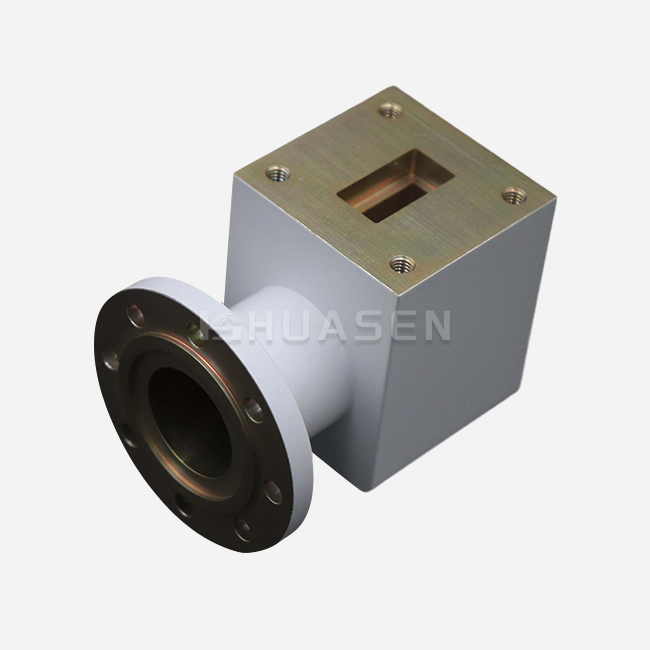
Compatible frequency ranges must match your system design. Coaxial versions cover DC to 18 GHz with SMA connections or 40 GHz with 2.92 mm interfaces. Waveguide designs target higher frequencies—X-band (8-12 GHz), Ku-band (12-18 GHz), and Ka-band (26-40 GHz)—where coaxial transmission losses are prohibitive.
Power handling needs serious consideration. Continuous wave power ratings differ greatly from peak pulse power. Internal corona protection is different for a radar transmitting 5 kW peak power in microsecond bursts and a jamming device supplying 100 W continuous power. Discuss duty cycle and modulation with suppliers to guarantee safety margins.
Temperature ranges must cover the operational envelope and margin. If your platform works from -40°C to +70°C, use -55°C to +85°C components. Thermal cycling during missions—cold-soak at altitude followed by fast descent heating—stresses materials differently than steady-state temperature exposure.
Material Compatibility and Environmental Resistance
Maritime and coastal applications require corrosion resistance. Stainless steel with passivation or gold-plated contacts resists seawater. Fleet standards frequently include 3000-hour salt fog testing to MIL-STD-810, proving durability.
Dielectric materials impact mechanical and electrical dependability, including in a waveguide rotary joint. PTFE (Teflon) has good RF characteristics and temperature stability, but cold flow under pressure. Advanced ceramics increase component cost but improve power handling and dimensional stability. Understand these trade-offs to balance performance and budget.
Supplier Evaluation and Quality Assurance
Certifications guarantee design and manufacturing quality. Initial requirements should be ISO 9001 quality management systems. Defence contractors usually need AS9100 aerospace certification for safety-critical process controls. RoHS and ITAR registration are required for export control of U.S. military products.
Assessment of manufacturing competence should include production capacity, lead times, and customisation flexibility. Can the supplier supply prototypes for testing and scale to production levels that fit your programme schedule? How can connection types, flange designs, and frequency optimisation be customised?
Technical support depth is crucial during integration. Application engineering, electromagnetic simulation, and calibration data suppliers speed development. Your investment is protected throughout the product lifespan via regional service centres, spare parts availability, and warranty response.
Maintenance Best Practices and Troubleshooting for Optimal Performance
Proper maintenance extends component life and ensures system deployment readiness.
Routine Inspection Protocols
Visual inspection should occur during planned maintenance periods, usually 500–1000 operating hours, depending on environmental severity. Check connection interfaces for corrosion, mechanical damage, and debris. Before catastrophic failure, rotational smoothness testing reveals bearing wear by manually rotating the assembly or monitoring torque during powered rotation.
A network analyser measures track insertion loss, return loss, and isolation over the frequency range for electrical performance verification. Set baseline measurements upon installation, then compare periodic test results to determine performance decline trends. A 0.3dB rise in insertion loss or a 5dB isolation drop suggests internal wear needs further research.
Common Failure Modes and Preventive Strategies
Bearing failure is the most common mechanical issue, usually caused by poor lubrication, contamination, or side loading. Selecting dual-channel rotary joints with lifelong sealed bearings reduces relubrication in inaccessible situations. Installation shaft alignment avoids side loading, which wears bearings faster.
In high-power applications, seal deterioration causes insertion loss, rotational instability, and visual arcing. Operating components within temperature ranges avoids seal material hardening or softening, reducing contact pressure. Respecting maximum RPM ratings prevents seal and bearing damage.
Service Support and Spare Parts Management
Creating vendor partnerships before issues develop simplifies troubleshooting. Your application-savvy suppliers can remotely diagnose issues using performance data analysis. A small inventory of important spare parts facilitates speedy repair, especially for legacy systems with limited component availability.
Negotiate warranty conditions carefully. Manufacturing flaws are covered by standard warranties; however, faulty installation or usage beyond rated parameters may not be. For decades-long projects where component obsolescence affects supportability, extended warranty plans or service contracts shift risk to the suppliers.
Documenting calibration certifications, test data, and maintenance records for the waveguide rotary joint aids troubleshooting and quality assurance. Serial numbers, installation dates, and service history of the waveguide rotary joint in digital asset management systems enable predictive maintenance to prevent unplanned breakdowns.
Conclusion
Aerospace and defence systems require dual-channel rotary joints to transmit independent signals through rotating interfaces with excellent isolation, minimal insertion loss, and reliable operation in extreme environments. They are favoured for radar systems, satellite terminals, EO/IR turrets, and electronic warfare applications that need unshakable signal integrity because of their space efficiency, weight savings, and lifespan cost. Electrical specs, environmental needs, and supplier capabilities must be considered while choosing a component. Maintaining performance over prolonged service lifetimes protects your investment and ensures system readiness when deployed.
FAQ
1. What distinguishes dual-channel rotary joints from single-channel alternatives?
How do dual-channel rotary joints differ from single-channel ones? Dual-channel designs use concentric conductors or stacked waveguides to carry two separate signals across a spinning interface. Single-channel devices have one signal route. Instead of installing two single-channel components, consolidation lowers system integration, mechanical complexity, space, and weight.
2. Can these components operate reliably in extreme temperature environments?
Quality aerospace-grade dual-channel rotary joints work in stratospheric flight and desert ground operations from -55°C to +85°C. Selection of thermal expansion-matched dielectrics and temperature-stable contact materials enables electrical performance during thermal cycling.
3. What typical lead times apply for custom defence project orders?
Standard catalogue items arrive in 2-4 weeks. Engineering, prototyping, and qualification testing custom designs with particular frequency bands, connection configurations, or environmental ratings take 8-12 weeks. When certifications or detailed testing documents are needed, complex military standards might take 16-20 weeks.
Partner with a Trusted Dual-Channel Rotary Joint Manufacturer
Huasen Microwave has over 30 years of RF and microwave technical experience in aerospace and defence applications that require excellence. Our coaxial and waveguide dual channel rotary joint solutions provide excellent isolation, minimal insertion loss, and environmental resilience for mission-critical systems. We manufacture MIL-STD-compliant components and have ISO 9001 certification.
Technical help from our engineering staff includes component selection, bespoke design adjustments, and system integration. Our manufacturing skills and agile supply chain allow on-time delivery of prototypes for assessment or production volumes for key defence programs. Talk to us at sales@huasenmicrowave.com about how our dual channel rotary joint supplier experience can improve system performance and lifetime costs.
References
1. Johnson, R.T., & Williams, P.A. (2021). Advanced Rotary Joint Technologies for Modern Radar Systems. IEEE Aerospace and Electronic Systems Magazine, 36(8), 24-37.
2. Chen, M.K. (2020). RF Component Design for Satellite Communication Terminals. Boston: Artech House Publishers.
3. Miller, J.S., & Thompson, L.R. (2019). Microwave and Millimeter-Wave Components for Defense Applications. International Journal of RF and Microwave Engineering, 29(4), 456-472.
4. Defense Technical Information Center. (2022). Rotary Joint Performance Requirements for Airborne Electronic Warfare Systems. Fort Belvoir, VA: Department of Defense Technical Report DTIC-TR-2022-0847.
5. Anderson, G.H. (2018). Mechanical Design of Rotating Microwave Components. New York: McGraw-Hill Professional.
6. United States Government Accountability Office. (2020). Radar Modernization: Component Reliability and Supply Chain Analysis. Washington, DC: GAO Report GAO-20-315.
Send Inquiry