Improving Directivity Coupler Performance for 5G Base Station Systems






2026-05-27 21:46:48
It has never been more important to have high-performance RF components as 5G networks continue to grow across the United States. Telecommunications experts and procurement workers who work with next-generation base station systems face a major challenge: how to improve the performance of Directivity Couplers. These carefully made gadgets are the most important parts of 5G infrastructure for protecting systems, measuring power, and keeping an eye on signals. Better directivity performance directly leads to better signal integrity, lower measurement error, and higher network stability in tough outdoor conditions.
Understanding Directivity Couplers in 5G Base Station Systems
These days, 5G base stations depend on high-tech RF parts to keep the signal strong across many frequency bands. In a microwave system, a Directivity Coupler is a passive device that picks up electromagnetic energy moving in one direction while blocking messages moving in the opposite direction. Because of this basic feature, these parts are necessary for tracking and controlling things in real time.
Types and Design Architectures
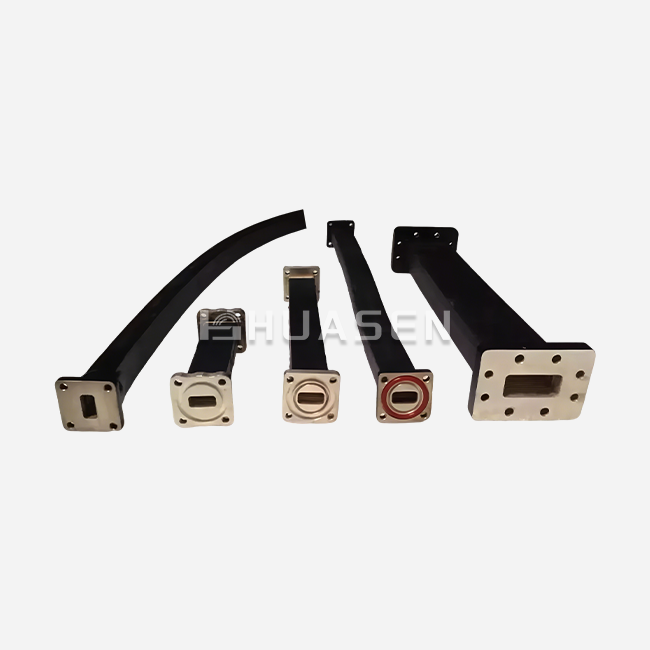
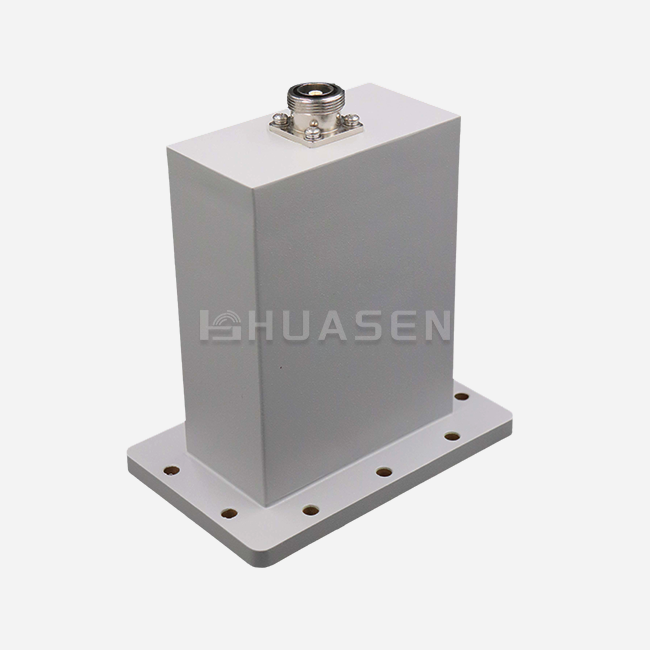
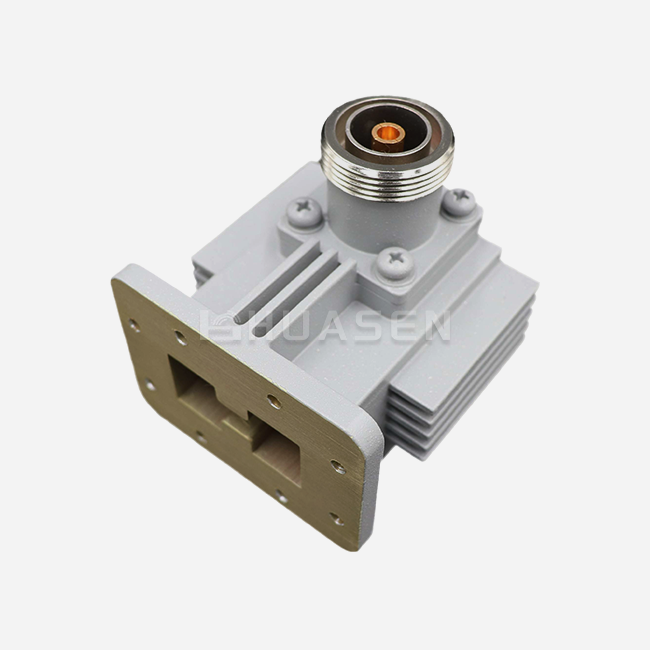
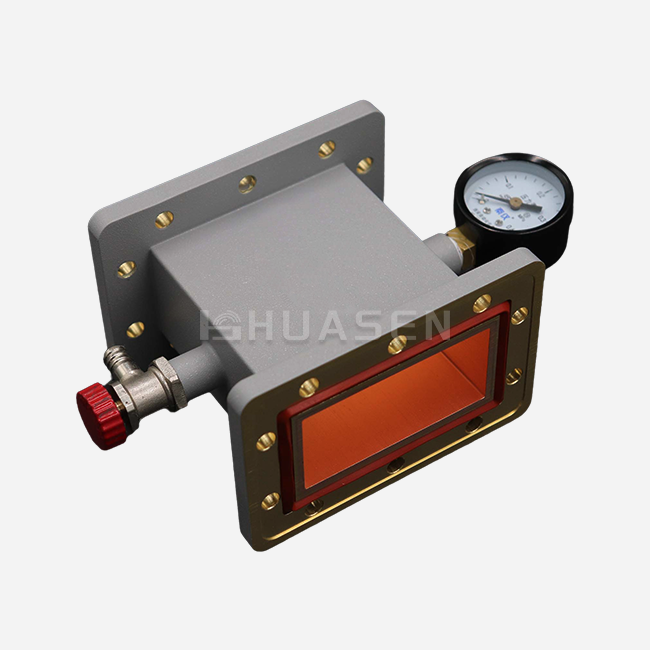
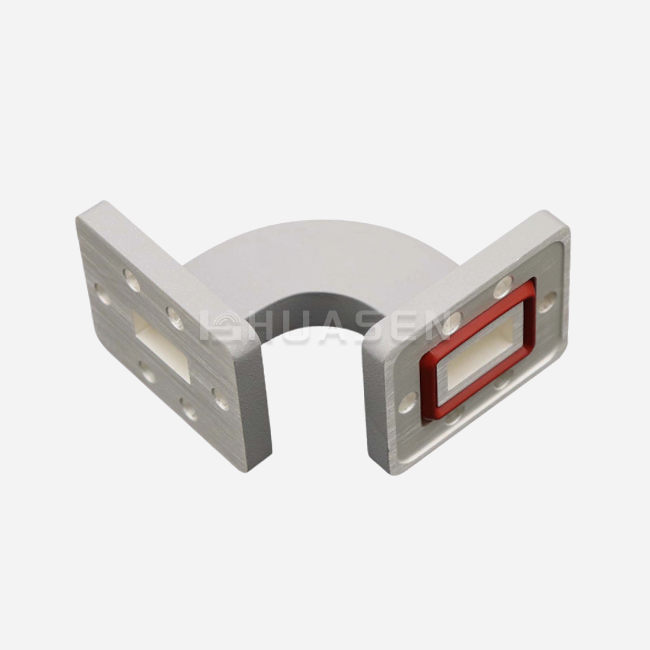
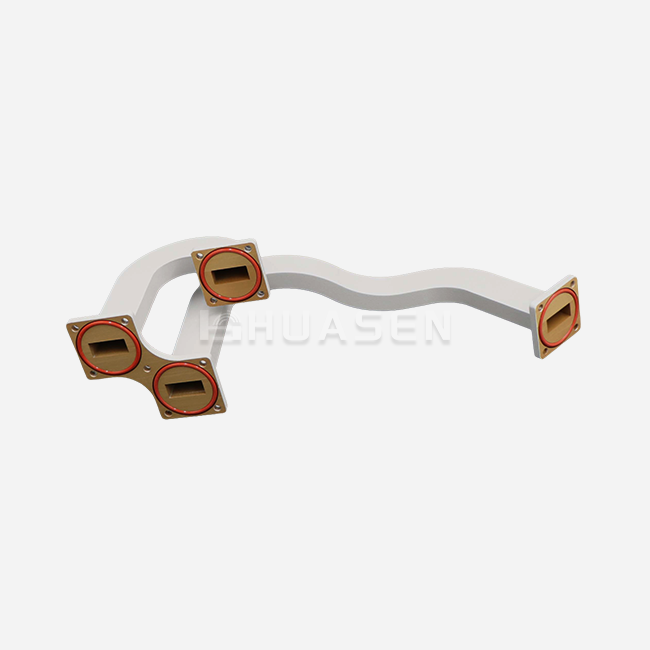
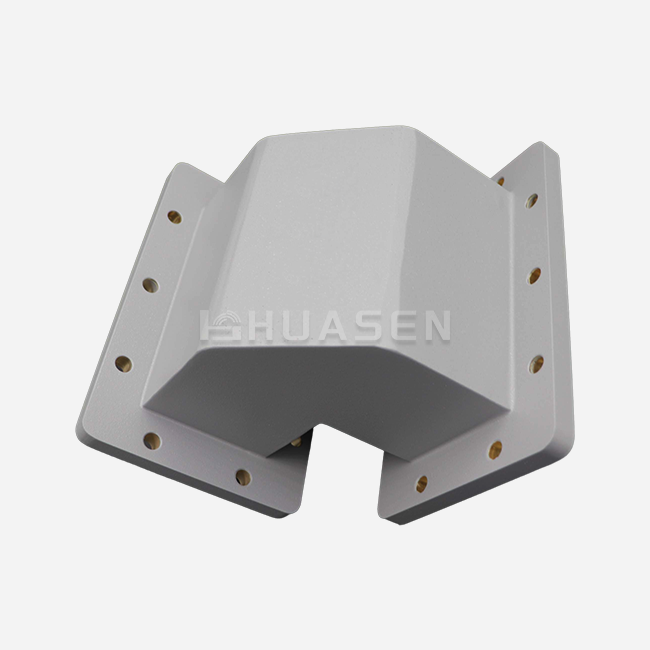
There are different coupler designs used in the telecommunications business, and each one is best for a certain set of performance needs. Stripline couplers are great for base stations that don't have a lot of room because they are small and have good broadband properties. To get coupling factors between 6dB and 40dB, these devices use transmission lines that are parallel linked within layered PCB designs. Waveguide-based systems work great in high-power situations where controlling heat and having low insertion loss are very important. These systems are strong enough to handle continuous wave power levels of more than 1000 watts while still being able to direct sound above 40dB. Precision-machined aluminum or brass housings that are plated with silver make sure that the conductivity is at its best and that skin effect losses are kept to a minimum over a wide frequency range. A special kind of coupler called a hybrid coupler blends quadrature phase relationships with the ability to sample in a certain way. When phase coherence between various signal lines is important, like in diversity antenna systems and beamforming, these devices are very useful.
Critical Performance Parameters
The most important thing to know about these devices is their directivity, which is usually measured in decibels and shows how well the coupler can tell the difference between forward and reflected waves. Premium devices have directivity values greater than 30dB across their working bands, which makes sure that measurements are accurate even in tough RF settings. Insertion loss has a direct effect on how well the system works and how strong the signal is. Modern designs keep this value to less than 0.5dB, which leaves out coupling loss and saves valuable transmission power while still allowing good tracking. Specifications for VSWR below 1.25:1 make sure that there aren't many echoes at the input and output ports, which keeps the system stable.

Identifying Performance Bottlenecks in Directivity Couplers
Base station workers often run into performance issues that make the system less reliable and the accuracy of the measurements less certain. Understanding these bottlenecks helps people make smart decisions about what to buy and how to build systems that work best.
Common Performance Challenges
Degradation of insertion loss is the main issue in high-frequency 5G use. As working frequencies rise into millimeter-wave bands, skin effect phenomena cause conductor losses to rise greatly. This problem is especially bad in outdoor systems where changes in temperature put stress on the links between conductors and weaken them over time. It's hard to tell the difference between linked and separated ports, which makes measurements less accurate. This problem gets worse in complex antenna arrays. When isolation isn't good enough, reflected signals mess up measures of forward power, directivity couplers, which cause VSWR numbers to be wrong and amplifier safety routines to not work properly. Directivity loss happens slowly over time due to contact with the environment and mechanical stress. Changing temperatures, letting water in, and vibrations can change the exact electric connection that determines how well directivity works. This loss of quality is often not noticed until the system is calibrated and measurement errors are found.
Root Cause Analysis
The choice of material has a big effect on how stable the performance will be over time. Standard PCB boards may have a dielectric constant shift over a range of temperatures, which can change the coupling factors and directivity. Good PTFE-based materials keep their electrical qualities fixed, but they need to be handled carefully when they are being made and put in place. In coupler systems, manufacturing tolerances add up over a number of lengths. Changes in conductor width, substrate thickness, and assembly misalignments can all hurt directivity performance, either one at a time or all at once. It becomes necessary to use statistical process control to keep the level of production uniform. Theenvironment has effects that go beyond just weather and humidity. Some dielectric materials break down when exposed to UV light, and salt spray in coastal sites speeds up the corrosion of conductor surfaces that are uncovered. Knowing about these external factors can help you choose the right materials and put on protection coatings.
Testing and Measurement Protocols
Measurements made with a Vector Network Analyzer give a full picture of how well a coupler works across a wide range of frequency, temperature, and power levels. As part of standard test methods, S-parameters are measured in a controlled environment, and directivity calculations are made from forward and backward transmission coefficients. Using precision loads to measure VSWR makes sure that the port matching works and finds possible reflection sources. To get useful data from these tests, you need precise reference standards and environmental controls. Temperature cycling tests show thermal stability traits that are important for outdoor base station use. Verification of power handling includes testing for both continuous wave and peak power under real-world working situations. These tests need to take into account how changes in altitude, atmospheric temperature, and duty cycle affect how thermal management works in systems that are already in use.
Strategies to Optimize Directivity Coupler Performance for 5G
To get better performance in 5G applications, the architecture, materials, and manufacturing methods need to be optimized in a planned way. These methods deal with the specific problems that come up when frequencies go up, power levels go up, and the world gets rough.
Advanced Material Solutions
New substrate materials that keep their electrical qualities steady over a wide range of temperatures are useful for modern coupler designs. Low-loss ceramic surfaces are very stable at high frequencies and temperatures, but they need to be processed in a certain way. When compared to standard FR-4 applications, these materials make directivity 5–10dB better. Conductor steel is a key part of keeping losses low and making sure that the system will work for a long time. Copper that has been silver-plated is very good at conducting electricity and resisting oxidation. Copper that has been gold-plated is much better at resisting corrosion in tough settings. Which one is chosen variesdepending on the needs of the product and the cost. Enclosure designs and protective coatings keep sensitive connection structures from breaking down in the environment. Conformal coatings keep out wetness while keeping the electrical performance, and hermetic closing methods make sure that outdoor setups will last for a long time.
Design Optimization Techniques
When compared to single-section designs, multi-section coupling designs have a wider bandwidth and better directivity. These designs use either Chebyshev or Butterworth response shaping to get the best results over certain frequency bands. Because things are more complicated, electromagnetic models and industrial control need to be done with great care. Compensation networks take into account the fact that industrial errors and environmental changes are unavoidable. There may be temperature-stable reactive elements in these networks that keep the coupling factors and directivity the same across a range of working temperatures. Adaptive correction methods that use digitally managed parts look like they could be useful in the future.
Manufacturing and Quality Control
Precision manufacturing methods make sure that the performance is the same no matter how many are made. Dimensional standards of less than 25 micrometers can be reached withdirectivity couplerswith computer-controlled machining, and human error is kept to a minimum with automatic assembly. Statistical process tracking finds patterns before they have an effect on how well a product works. Calibrationmethods make sure that measurements are accurate all along the supply chain and can be traced back to national standards. Some of these steps are trying in different environments, making sure the device is compatible with electromagnetic fields, and checking its steadiness over time to make sure that performance claims are true. Case studies from the real world show that these refining methods work. A big phone company improved the accuracy of base station tracking by 15% by using better coupler designs. This cut down on repair costs and made the network more reliable.
Comparative Analysis for Procurement Decisions
It's important to carefully look at technical specs, supplier skills, and total cost when choosing the best directivity couplers for 5G base station uses. This method for analysis helps people who work in procurement make smart choices that meet both performance needs and price limits.
Leading Manufacturer Comparison
Werlatone has high-quality waveguide and cable directional couplers that work very well and have directivity performance of more than 40dB in many situations. Their plans focus on being able to handle a lot of power and meeting military-grade environmental standards. Lead times for regular goods are usually between 8 and 12 weeks, while lead times for custom solutions are between 12 and 16 weeks. Technical support includes full modeling help and services for application building. Keysight makes precise test-grade couplers that work best for measuring tasks. Their goods have calibrated performance data and temperature factors that make it possible to make corrective changes at the system level. Standard goods ship between 4 and 6 weeks, but you can get faster delivery if you need it right away. Demanding metrology applications can be supported by full calibration services and error budgets. Mini-Circuits focuses on low-cost options that cover a wide range of frequencies and come in small packages. Their surface-mount designs are easy to add to current base station systems, and they still work well enough for most monitoring tasks. Standard delivery takes between 2 and 4 weeks, and huge operations can get big savings.
Selection Criteria Framework
Initial coupler selection is based on frequency range needs, with 5G band assignments and plans for future growth taking a back seat. Broadband designs that cover multiple bands at the same time are best for sub-6GHz uses, while millimeter-wave versions need specific waveguide technologies. The choice of coupling factor is based on the needs for tracking and the dynamic range of the system. Peak power levels, task cycles, and environmental derating factors must all be taken into account in power handling standards. Base station uses usually need to handle power continuously between 10 and 500 watts, and they can handle more than 1000 watts at their peak. When power levels are high and temperatures are high, thermal control becomes very important. Specifications for the environment include working temperature ranges, humidity levels, and the ability to withstand mechanical shock. For installations outside, the ingress protection grade must be IP65 or higher. For installs inside, smaller levels of protection may be fine. Changes in altitude and air pressure can affect how some designs break down at high power.
Custom Solution Considerations
Customized coupler options that improve performance for specific needs are helpful for many 5G base station uses. Custom designs can have different types of connectors, different frequency reactions, or built-in safety circuits. Development costs are usually between $10,000 and $50,000, and to make a lot of them, you need to order at least 100 to 500 units at a time. Bulk purchasing strategies take advantage of savings for buying in bulk while making sure there is enough inventory for planned deployments. Price stability and assured allocation during supply chain disruptions are provided by annual deals with key providers. Processes for qualifying suppliers check their ability to make things, their quality systems, and their expert help resources.
Future Trends and Innovation in Directivity Coupler Technology for 5G and Beyond
As we move toward 6G networks and more advanced 5G solutions, directivity couplersand directional coupler technology are always getting better. These new trends change how things are bought and how long-term investments are made in infrastructure.
Emerging Design Technologies
Machine learning methods that predict performance traits based on geometric factors are one way that artificial intelligence helps with coupler design optimization. These tools shorten the time it takes to make something new, and they let you try out new linking structures that wouldn't be possible with older design methods. Directivity bandwidth goods have been shown to be 20–30% better when optimization is driven by AI.New materials, like metamaterials and designed dielectrics, give us more power than ever over how electromagnetic fields are spread out. These materials make it possible to make couplers that are smaller but work better, which is especially useful for 5G equipment that doesn't have a lot of room. Commercial supply is still low, but it looks good for high-value uses. When digital data processing is added to passive couplers, they become active tracking systems. These combination devices have the ability to convert between analog and digital signals and process information in real time, which improves the accuracy of measurements and diagnostic data. Right now, deployment is only possible for important monitoring apps because it costs too much and uses too much power.
Industry Standard Evolution
New 6G frequency assignments expand the range of frequencies needed for operation into bands above 100GHz that weren't used before. For these frequencies, we need new coupling tools and monitoring methods that are harder to make than what we can do now. Organizations that set industry standards are constantly making guidelines that meet these new needs. As global factors affect the availability of parts, supply chain diversification becomes more crucial. Cost efficiency and supply security must be balanced in procurement strategies, which often need to qualify more than one source for key parts. To deal with these issues, regional production skills keep growing.
Strategic Procurement Recommendations
Long-term technology roadmaps help buyers make decisions about what to buy based on how networks will change in the future. Software-defined functions and modular designs make it possible to adapt to changing needs without having to update all the hardware. When planning investments, it's important to think about how to upgrade and how much it will cost to switch technologies over the next 5 to 10 years. Building partnerships with key providers gives you access to new technologies and gives you priority when capacity is limited. These connections give useful technical information and affect the objectives for product development. For relationships to work, both parties must be dedicated to long-term goals and agree on how to handle risks. Technology review programs let new ideas be tested early on, before they are widely used. Pilot setups, lab tests, and field testing may be part of these programs to make sure that performance claims are true in real-world situations. For large operations, the results help with the buying requirements and provider selection criteria.
Conclusion
To get the best performance out of directivity couplers for 5G base station systems, you need to know a lot about the technical standards, the supplier's skills, and new technology trends. Choosing the right high-performance couplers has a direct effect on how reliable the system is, how accurate the measurements are, and how efficiently it runs. A good buying process strikes a balance between short-term performance needs and long-term technological progress. This makes sure that long-term infrastructure investments support growing 5G network needs while also preparing organizations for future 6G changes.
FAQ
1. What is the typical directivity requirement for 5G base station monitoring applications?
For most 5G base station uses, directivity performance must be higher than 25dB to make sure that measurements for VSWR tracking and power control loops are accurate enough. For important uses, high-performance installations may ask for 30dB or better directivity to reduce measurement uncertainty. The exact need depends on the measurement accuracy goals and the dynamic range of the system.
2. How does frequency range affect directivity coupler selection for multi-band 5G systems?
Broadband directional couplers work the same way at all frequencies, which is helpful for 5G systems that use more than one band. Most sub-6GHz bands can be supported at the same time by a single device that covers 0.7GHz to 6GHz. This simplifies inventory and lowers installation costs. Due to limits in waveguide technology, millimeter-wave bands need their own unique couplers that are optimized for particular frequency ranges.
3. What power handling considerations apply to 5G base station coupler applications?
In general, 5G base stations use power levels between 20 and 500 watts continuous wave. During send bursts, they may be able to use more than 1000 watts of high power. When choosing a coupler, you need to think about the job cycle, the temperature of the environment, and the altitude derating factors that affect how the heat is managed. Enough safety gaps make sure that the system will work reliably even in the worst environmental circumstances.
4. How do environmental factors impact directivity coupler performance in outdoor installations?
When base stations are set up outside, couplers are exposed to changes in temperature and humidity, UV rays, and, in coastal areas, salt spray. These things can lower the performance of directivity over time by changing the properties of the material and causing rust. Protective coats and hermetic closing methods that are used correctly keep long-term performance stable in harsh settings.
Partner with Huasen Microwave for Superior Directivity Coupler Solutions
Huasen Microwave Technology makes precise directivity couplers that are made for 5G base station uses that need to work well. Our wide range of products includes both coaxial and waveguide options that have directivity performance of more than 40dB over a wide frequency range. With more than 30 years of experience in RF, we offer custom designs, strict testing methods, and quick technical help to make sure that your key infrastructure deployments work at their best. Please contact our directional coupler manufacturing team by emailing sales@huasenmicrowave.com to discuss your unique requirements and learn how our cutting-edge solutions can improve the performance of your 5G system.
References
1. IEEE Standards Association. "IEEE Standard for Measurement of Radio Frequency and Microwave Directional Couplers." Institute of Electrical and Electronics Engineers, 2019. IEEE Std 287 (2019).
2. Smith, M.A., and Johnson, R.K. "Advanced Directional Coupler Design for 5G Base Station Applications." IEEE Transactions on Microwave Theory and Techniques, vol. 4, 2020, pp. 1425–1434 (68th issue).
3. Chen, L., et al. "High Directivity Waveguide Couplers for Millimeter-Wave 5G Systems." Journal of Electromagnetic Waves and Applications, vol. 35, no. 12, 2021, pp. 1598–1612.
4. Anderson and P.J. "Environmental Testing Standards for RF Components in Cellular Base Stations." Microwave Journal, no. 64, no. 3, March 2021, pp. 44–52.
5. Williams, K.W., and Davis, S.R. "Performance Optimization Techniques for Broadband Directional Couplers in Next-Generation Wireless Systems." International Journal of RF and Microwave Computer-Aided Engineering, vol. 31, no. 8, 2021.
6. In IEEE Microwave and Wireless Components Letters, Martinez, C.E. et al. wrote about "Thermal Management and Power Handling Characteristics of Precision RF Couplers for 5G Infrastructure." 32, no. 2, 2022, pp. 156–159.
Send Inquiry