Buying Circular Waveguide Termination for Harsh Environments






2026-05-28 21:31:59
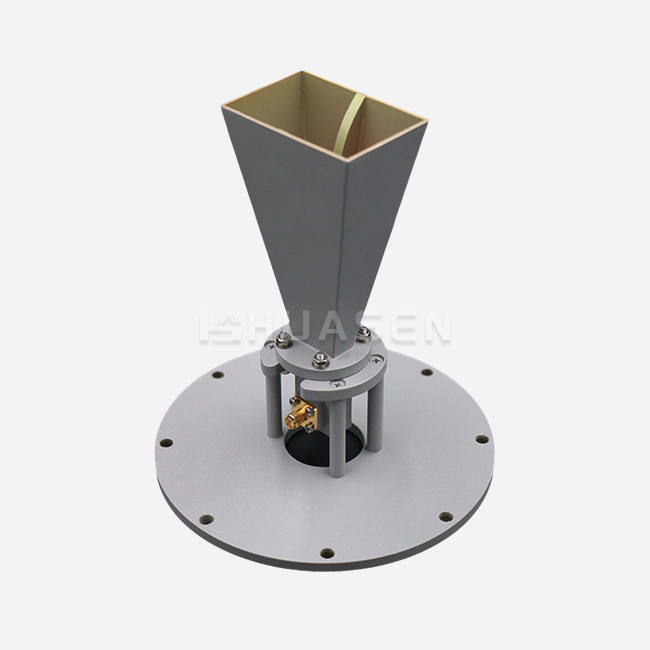
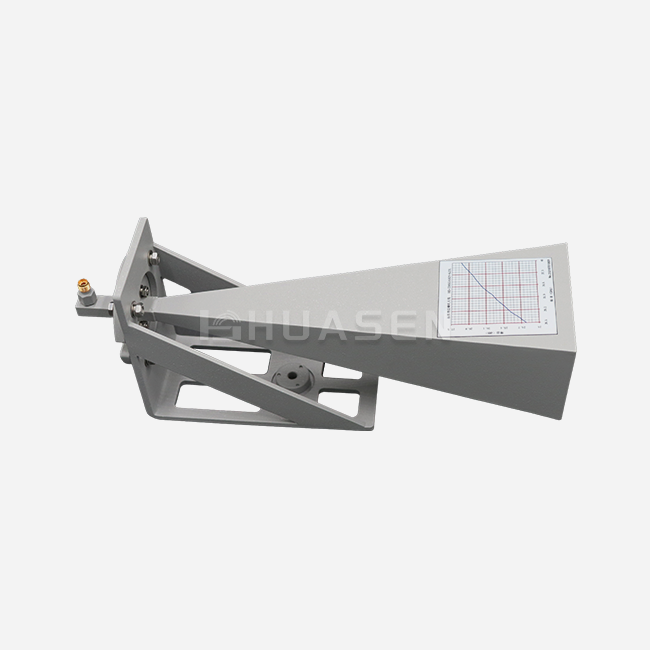
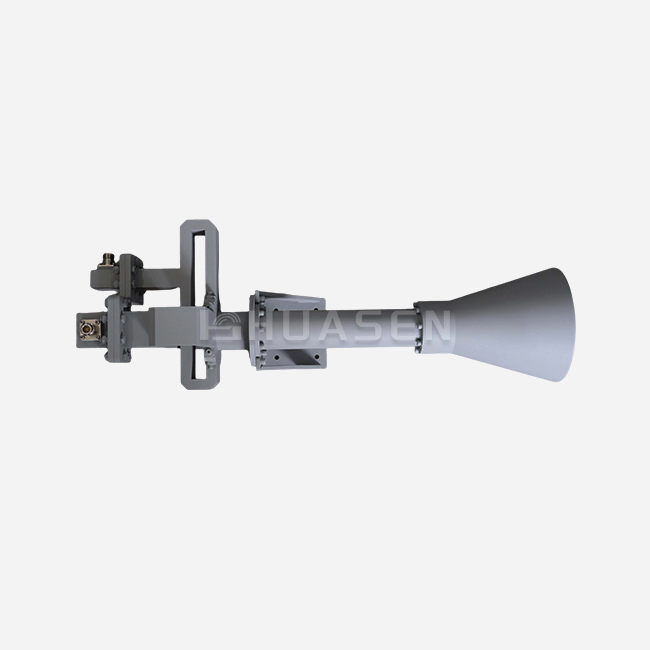
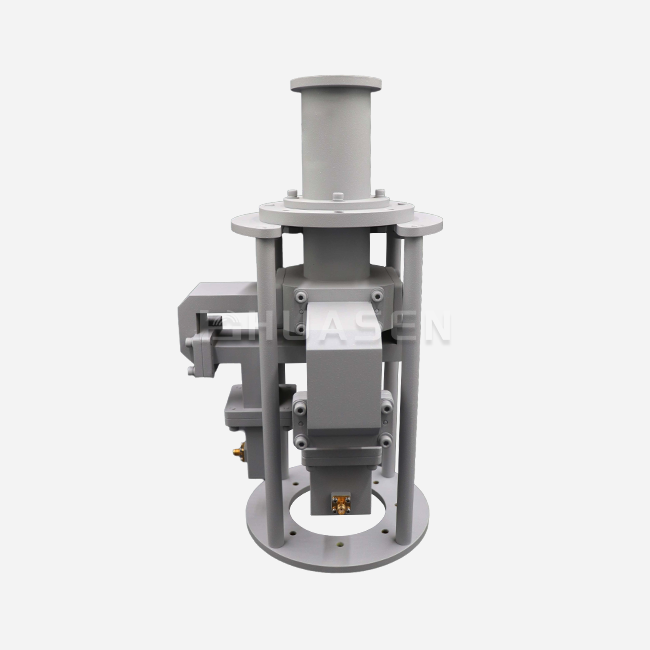
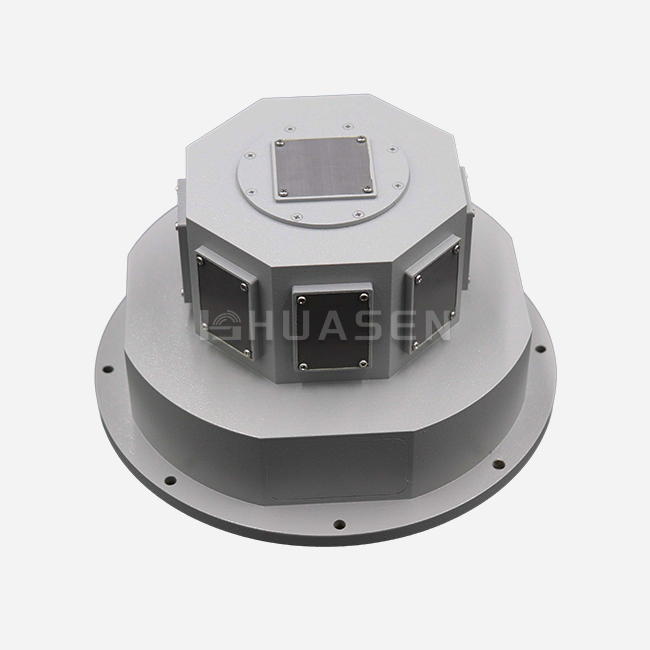
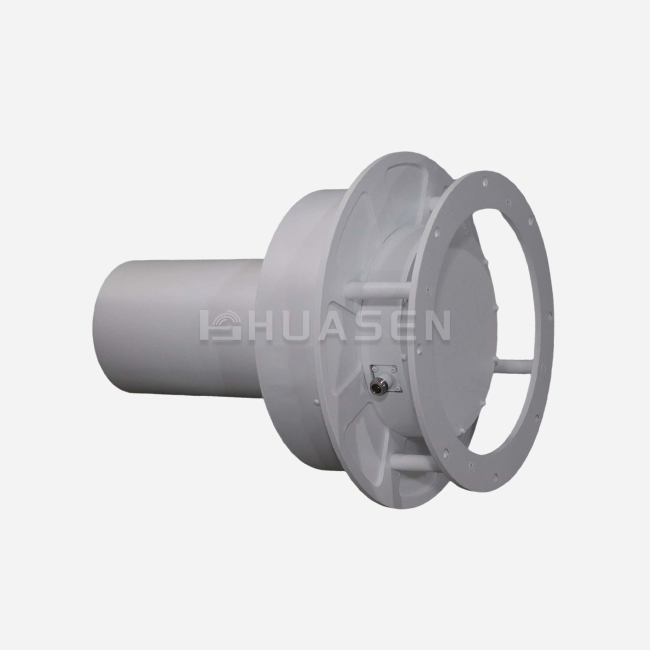
When obtaining components for mission-critical RF systems in harsh environments, waveguide termination strength is crucial. Precision-engineered circular waveguide Termination collects leftover electromagnetic radiation and maintains signal integrity in harsh situations. Circles outperform coaxial and rectangular designs in power management, mode propagation efficiency, and environmental durability, making them ideal for aerospace, defence, and telecommunications applications where failure is not an option. Huasen Microwave's conical construction with bulk absorption material regulates many electromagnetic modes, ensuring stable performance under extreme temperature, mechanical, and atmospheric loads.
Understanding Circular Waveguide Termination in Harsh Environments
Working Principles and Electromagnetic Advantages
Using specialised absorbing materials, circular waveguide terminations transform electromagnetic energy into heat, eliminating damaging reflections that degrade system performance. The circular cross-section allows dual polarisations and less attenuation over long transmission distances than rectangular waveguides. This shape is ideal for radar and satellite communication platform rotary joint applications.
Our work with defence contractors shows that ultra-low voltage standing wave ratio (VSWR) demands precise impedance matching across the frequency spectrum. Huasen Microwave's conical absorption structure progressively transfers impedance from waveguide characteristics to free space, eliminating reflections. This design concept achieves VSWR performance of ≤1.15 from 1.76 to 116 GHz, addressing signal integrity challenges in radar calibration and satellite uplink systems.
Material Construction for Environmental Extremes
Careful material and construction methods provide harsh environment endurance. Premium terminators use oxygen-free copper or silver-plated aluminium waveguide bodies for structural integrity and low insertion loss. Silicon carbide ceramics or epoxy composites with steady dielectric characteristics from -55°C to +85°C make up the absorbing element.
Salt spray and humidity make corrosion resistance essential for marine communication systems and offshore radar stations. Passivation and protective coatings prevent mating surface oxidation, ensuring electrical continuity for decades. Huasen Microwave's adjustable inner diameter parameters fulfil waveguide standards and tight geometric dimensioning criteria to avoid RF leakage at connectivity locations.

Comparing Circular Waveguide Termination Solutions for Harsh Environments
Performance Trade-offs Across Termination Types
System designers have several termination technology alternatives, each with operational benefits. Standardised WR-series flanged rectangular waveguide terminators dominate frequency band-covering applications. However, circular waveguide termination, alongside these options, performs better with rotating antenna feeds and numerous propagation modes.
Premium circular waveguide terminations handle power better. High-power radar transmitters and electronic warfare systems use Huasen Microwave's 20 kW continuous wave rating to protect terminations from peak power pulses that might cause dielectric failure or thermal stress fractures. This capacity exceeds many commercial-grade equivalents restricted to a few kilowatts, offering military and aerospace safety margins.
Coaxial terminations are small but suffer from millimetre-wave power dissipation and environmental sealing. Circular waveguide termination technologies are ideal for aerial platforms and naval vessels because they naturally resist vibration and shock loads.
Specialised Circular Termination Configurations
Different applications require customised terminations. For continuous high-power operation in fusion research facilities or industrial plasma systems, liquid-cooled versions are needed. Dry air-cooled types are suitable for benign laboratory settings and modest power levels. Spacecraft communication systems use vacuum-compatible terminators with low-outgassing materials and unpainted surfaces for ultra-high vacuum integrity.
In gyrotron systems and modern particle accelerators where the TM01 mode predominates, Huasen Microwave's Circular Waveguide Terminations meet special demands. From conventional CPR-series interfaces to unique designs mandated by defence prime contractors, custom engineering may fit almost any circular waveguide standard.
Key Design Principles and Testing for Reliable Performance
Advanced Design Methodologies for Impedance Matching
Complex electromagnetic modelling and iterative prototyping are needed for excellent return loss performance. Engineers adjust taper shape using finite element analysis to balance absorption efficiency and physical length. To reduce ultra-wideband reflections, the conical transition shape must gradually change impedance.
Thermal control is another important design factor. High-power operation creates significant heat in the absorbing material, requiring heat sinking to external cooling surfaces. Poor thermal design causes hotspots, causing material deterioration and failure. Huasen Microwave's bulk absorption material uniformly distributes thermal loads across the conical structure, reducing localised overheating and preserving electrical performance within the specified power envelope.
Material bonding affects long-term dependability. Despite thermal expansion mismatches and mechanical vibration, the absorbing element must touch the waveguide body. Deployed systems operate for decades without maintenance thanks to advanced bonding and material compatibility testing.
Essential Testing Protocols and Quality Assurance
Validation ensures circular waveguide terminations, including Waveguide Circular Termination, fulfil specifications before field deployment. A vector network analyser scans over the complete operational spectrum to detect resonance irregularities that indicate manufacturing or design problems in VSWR performance. High-power burn-in testing stresses equipment to maximum rated power for long durations, verifying thermal stability and material bonding.
Terminators undergo temperature cycling, humidity exposure, vibration profiles, and salt spray testing to mimic decades of operational wear in short periods. Accelerated life testing finds hidden faults that conventional inspections miss. Military standards like MIL-DTL-3928 give procurement assurance that components will operate reliably over time.
Precision measurement shows flange tolerances and waveguide inside profiles meet requirements. Minor variances might decrease electrical performance or cause system integration mating issues. Huasen Microwave's quality control methods include detailed documentation packages with test data for each production lot, meeting aerospace and defence contract traceability standards.
Procurement Guide: How to Choose and Buy Circular Waveguide Termination?
Defining Technical Requirements and Environmental Parameters
Good procurement starts with detailed, application-specific requirements. Engineers must determine operational frequency ranges, VSWR performance levels, average and peak power handling, and propagation modes to terminate. Material selection and protective coating needs depend on temperature, humidity, vibration profiles, and possible corrosives.
Installation limits affect physical configuration. Weight, mounting space, and flange interface requirements limit alternatives. Vacuum-compatible systems need expensive low-outgassing materials and surface treatments yet are important for spacecraft and semiconductor fabrication.
Budgeting includes the overall cost of ownership, not just unit pricing. Premium Circular Waveguide Terminations cost more but last longer and are more reliable, decreasing replacement frequency and system downtime. Negotiating volume pricing with Huasen Microwave might save money on large orders while assuring quality.
Evaluating Suppliers and Certification Standards
Supplier selection should prioritise harsh environment component knowledge and quality management systems. ISO 9001-certified and military supplier-qualified manufacturers have systematic systems that ensure product quality. Design help, sample assessment programmes, and calibration data services speed integration and decrease risk.
Customisation flexibility is essential when commercial off-the-shelf solutions fail to meet system needs. Customers work with Huasen Microwave's technical team to customise inner diameter, flange, and power ratings. Capable producers are more responsive than catalogue providers that cannot meet particular needs.
For programmes with multi-year components, manufacture, delivery reliability and supply chain stability must be assessed, including waveguide circular termination. Establishing manufacturer connections with inventory buffers and redundant production capacity reduces schedule risks. Requesting references from comparable industry customers shows supplier performance consistency and after-sales support quality.
Conclusion
Technical, environmental, and commercial factors must be considered when buying circular waveguide termination for difficult operational situations. Circular designs excel in power management, mode adaptability, and environmental resistance, making them ideal for aerospace, defence, and telecommunications applications. Huasen Microwave is a trusted partner for mission-critical RF systems due to our precision-engineered terminators with excellent VSWR performance throughout ultra-wideband frequencies. Thorough specification definition, supplier evaluation, and quality verification guarantee that selected components work for decades under the toughest conditions.
FAQ
1. What frequency bands do circular waveguide terminators cover?
Premium circular waveguide terminations cover 1.76–116 GHz microwave and millimetre-wave frequencies. This coverage includes satellite communications, radar systems, and advanced 5G infrastructure applications in C-, X-, Ku-, Ka-, and W-bands. Huasen Microwave's VSWR criterion of ≤1.15 assures constant performance across the spectrum, avoiding the requirement for frequency-specific components.
2. How do circular terminators handle high-power applications?
Absorbing material's thermal characteristics and heat dissipation routes affect power handling. Huasen Microwave's conical bulk absorption design evenly distributes heat loads, allowing 20 kW continuous wave operation without performance loss. Megawatt-class fusion research and industrial processing applications benefit from liquid cooling. Effective thermal management reduces dielectric breakdown and improves operating longevity beyond poorly cooled alternatives.
3. Can circular waveguide terminators be customised for proprietary interfaces?
Absolutely. Nearly every circular waveguide termination standard or unique design may have custom inner diameters, flanges, and power ratings. Our technical team works with clients to optimise termination geometry for propagation modes and environments. Defence missions and specific industrial applications where commercial off-the-shelf products fail require this flexibility.
Partner with Huasen Microwave for Superior Waveguide Solutions
For over 30 years, Huasen Microwave has made high-performance Circular Waveguide Terminations for the world's most demanding applications. We manufacture terminators that surpass MIL-STD standards using precise engineering and quality control for aerospace, defence, and telecommunications companies. Our conical absorption design, configurable inner diameter, and 20 KW power handling answer system integrators' biggest problems. Our technical staff at sales@huasenmicrowave.com can provide customised suggestions based on test results and application assistance.
References
1. Marcuvitz, N. (1986). Waveguide Handbook: Electromagnetic Theory and Microwave Components. IET Press.
2. Collin, R. E. (1991). Field Theory of Guided Waves: Passive Microwave Components. IEEE Press.
3. Montgomery, C. G., Dicke, R. H., & Purcell, E. M. (1987). Principles of Microwave Circuits: Waveguide Components and Termination Design. Peter Peregrinus Ltd.
4. Baden Fuller, A. J. (1990). Microwave and Millimetre-Wave Ferrite Components: Including Circular Waveguide Applications. Research Studies Press.
5. Saad, T. S. (1985). Microwave Engineers' Handbook Volume 2: Passive Microwave Components and Terminations. Artech House.
6. Pozar, D. M. (2011). Microwave Engineering: Waveguide Theory and High-Power Terminations. John Wiley & Sons.
Send Inquiry