Home / Blog
Blog
0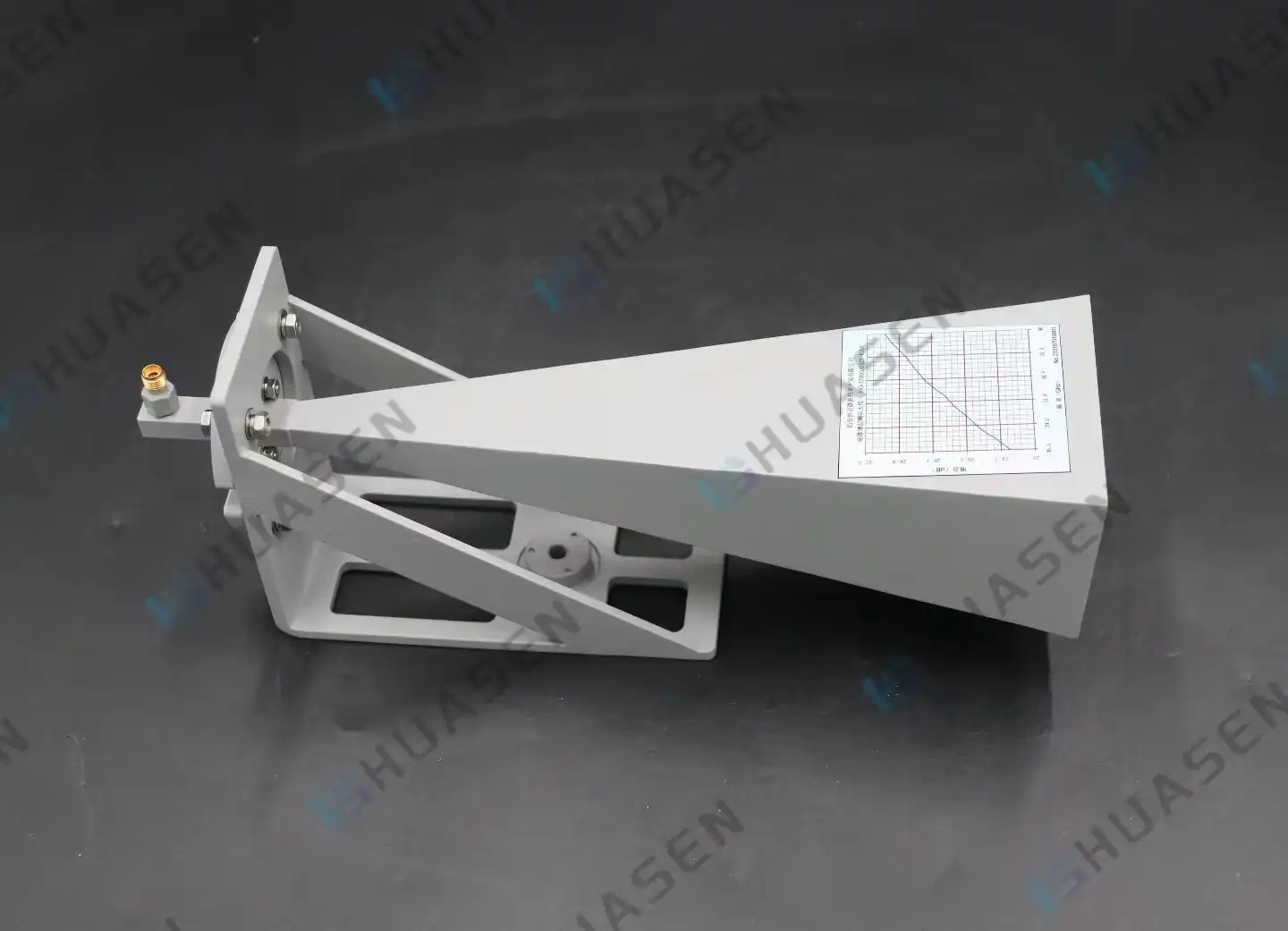
standard gain horn antenna Material and Construction Explained
When choosing a standard gain horn antenna for tough RF tasks, the main question isn't just about performance specs; it's also about what makes that performance stable over years of constant use. The accuracy of these reference antennas depends only on how they are built. Material selection, grinding tolerances, and surface processes have a direct effect on how accurate the gain is, how stable the VSWR is, and how well it works in harsh environments. When buying teams know how structural composition affects electromagnetic behavior, they can choose parts that give consistent testing results, can handle rough field conditions, and can still be traced back to national measurement standards like NIST or NPL.VIEW MORE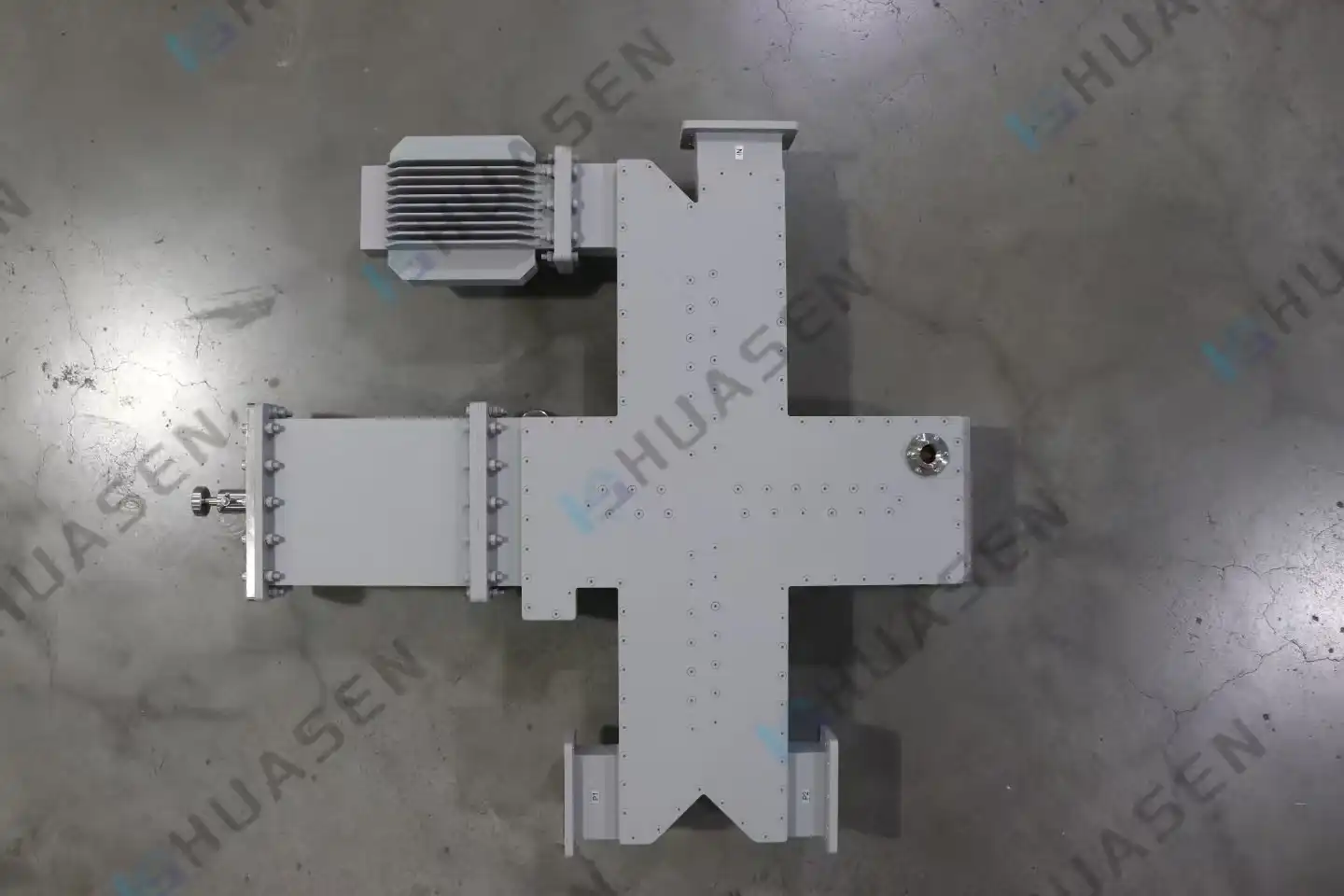
Waveguide Power Divider Selection Tips for High-Frequency Applications
It takes more than just looking at the specs to choose the right waveguide power divider for high-frequency systems. Engineers and acquisition teams that work with frequencies from L-band to W-band know that insertion loss, power handling, and reliability in harsh environments all have a direct effect on how well a system works. When making 5G base station frontends, satellite ground terminals, or phased array radar, it's important to know how these passive parts split signals while keeping phase coherence. Not knowing this can mean the difference between a successful project and one that needs to be redone at a high cost. This guide gives you useful information to help you understand technical details, what your provider can do, and how to apply it in the real world.VIEW MORE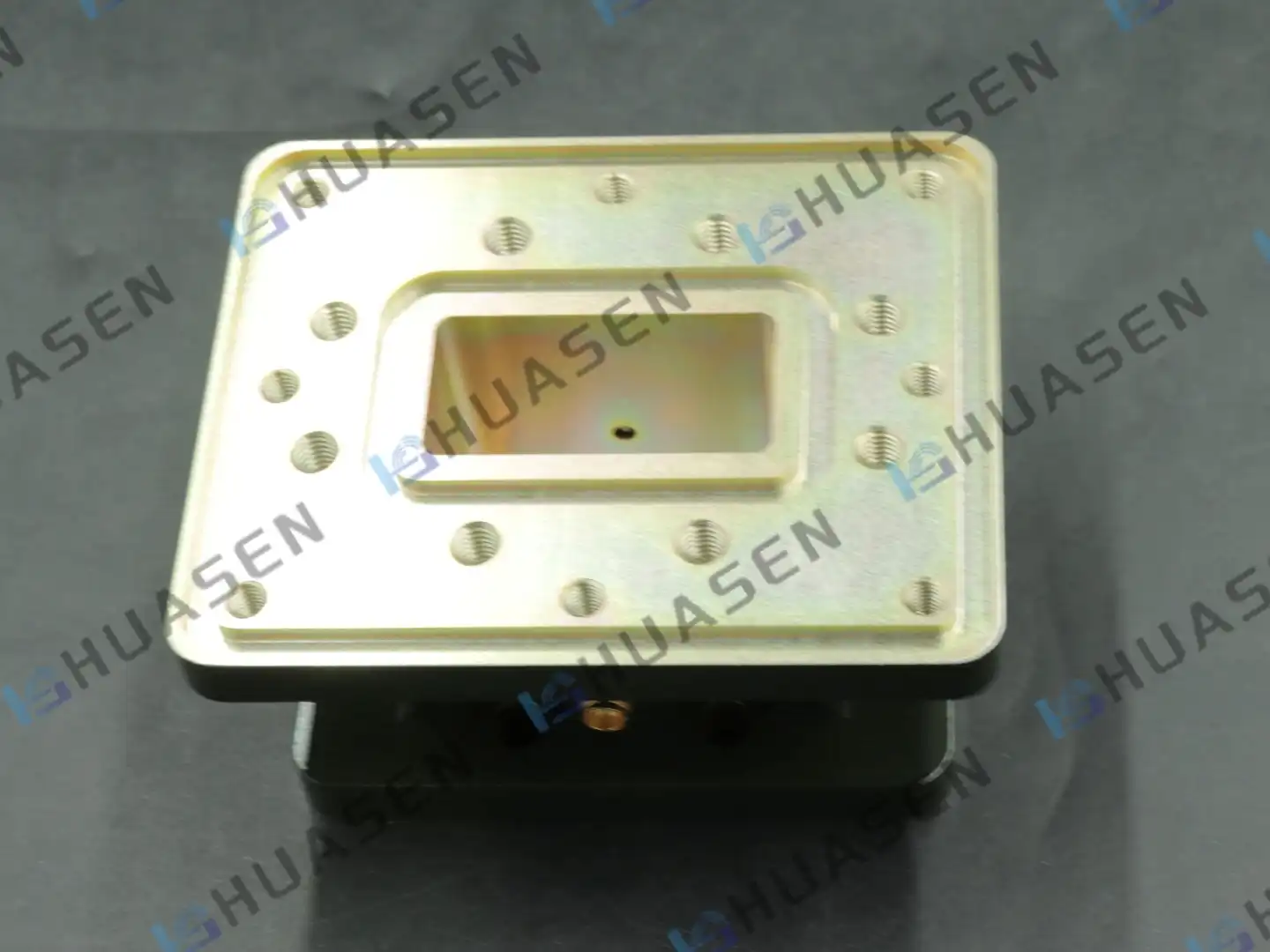
Waveguide Window vs Pressure Barrier: Which to Choose
This is a detailed guide to help B2B procurement managers and engineers make decisions. When picking parts for RF and microwave transmission systems, the long-term dependability of the system is often based on whether a waveguide window or a pressure barrier is used. People sometimes use these terms to refer to the same thing, but they actually refer to different design methods with different engineering goals. A waveguide window usually focuses on electromagnetic transparency, which means lowering insertion loss and VSWR while keeping the surroundings sealed. On the other hand, pressure barriers put mechanical strength and airtight integrity ahead of RF performance when the difference in pressures is very high. Your choice will depend on whether the most important thing to you is keeping the signal transfer clean or withstanding hard mechanical and environmental stresses. When procurement managers and RF engineers understand these basic differences, they can choose components that meet the needs of mission-critical applications. This keeps systems from breaking down or costing a lot to fix.VIEW MORE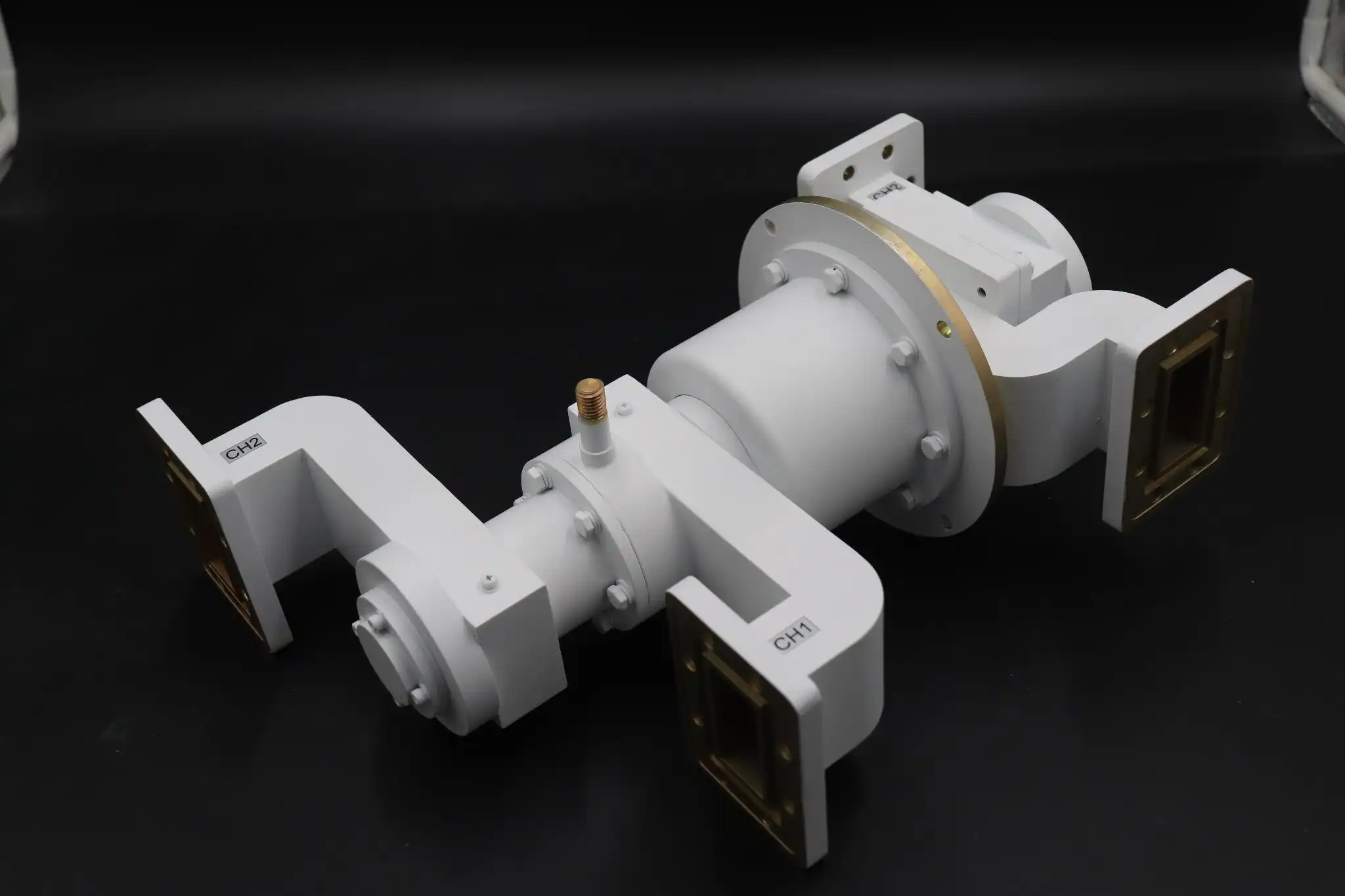
OEM Waveguide Rotary Joint Solutions for Custom RF and Radar Systems
A waveguide rotary joint is what makes it possible for radar stations to send high-power signals while spinning all the time or for satellite terminals to follow moving objects across the sky. These carefully made parts solve a basic problem: how to send microwave and radio frequency signals between fixed equipment and moving platforms without messing up the signals or getting the cables tangled up. Defense radar, aerospace communication systems, and advanced 5G/6G infrastructure all rely on waveguide rotary joints because, unlike traditional slip rings, they keep exceptional signal integrity even under constant spinning. If you choose the right OEM partner, your custom RF and radar systems will work well, be reliable, and hold their value over time.VIEW MORE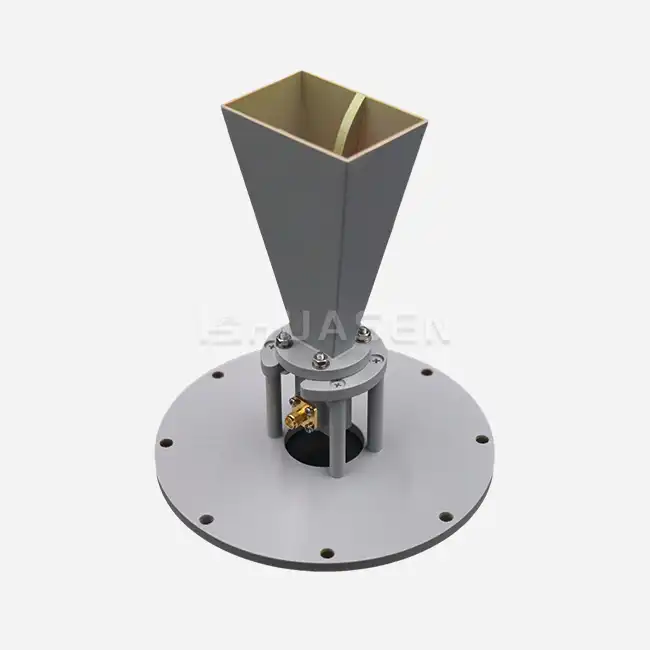
Why Choose Broadband Horn Antenna for EMC and OTA Testing?
For precision measurement applications, the broadband horn antenna is the best antenna solution for electromagnetic compatibility and over-the-air testing. The ridged waveguide design provides impedance stability throughout bandwidths from 1 GHz to 40 GHz, and its multi-octave frequency coverage eliminates antenna swaps during testing sequences. This approach solves test engineers' biggest problem: reproducible, traceable measurements without calibration drift between frequency sweeps. Shorter testing cycles and better data quality affect certification delays and operating expenses.VIEW MORE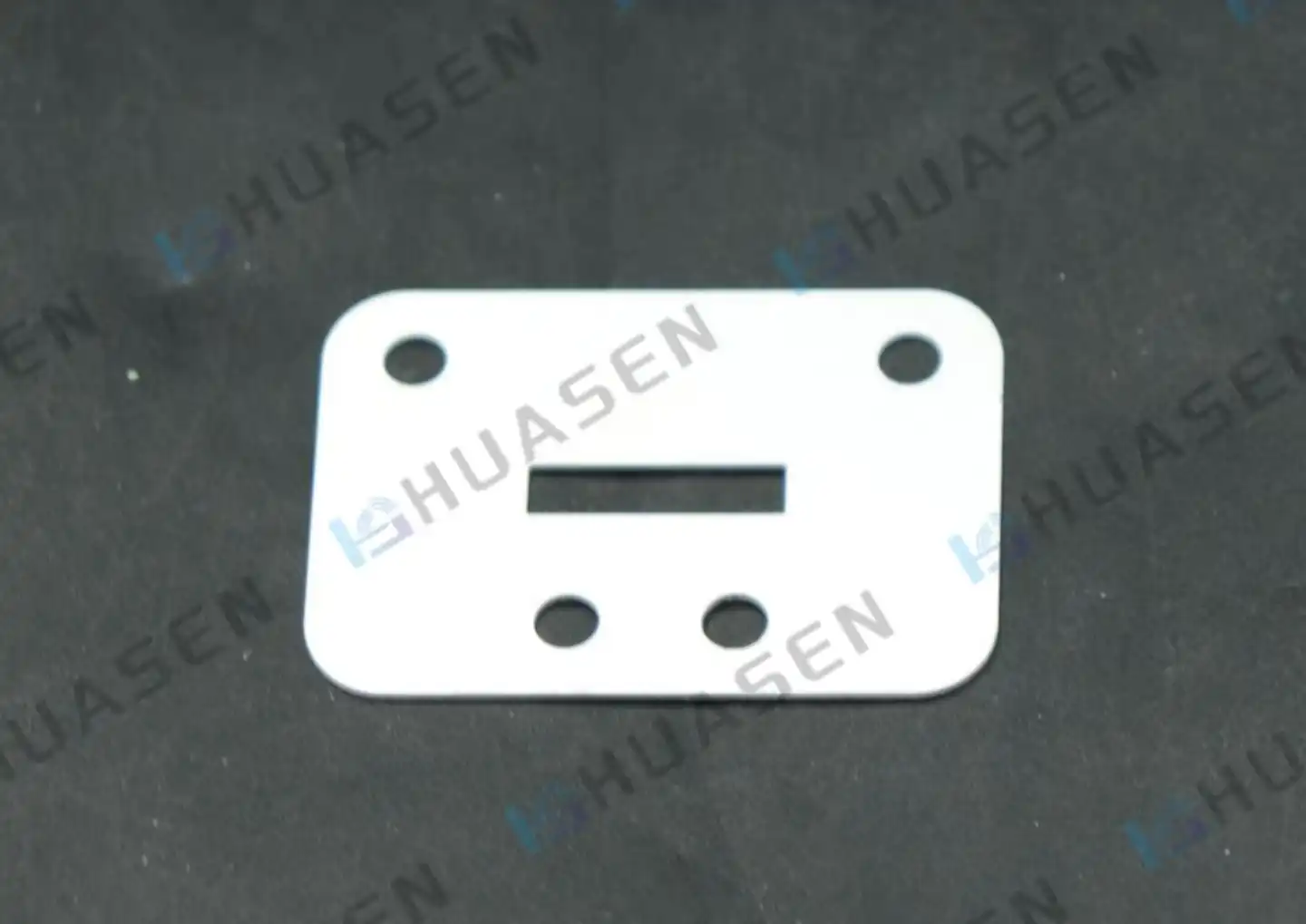
Waveguide Gasket Selection Guide for RF Sealing & Reliability
To choose the correct waveguide gasket, you have to balance the needs for RF performance with those for sealing against the surroundings. Engineers have to look at how conductive a material is, how it compresses, and how well it works with the working conditions. The best seal keeps the electricity flowing between flanges while stopping wetness from getting in and EMI from leaking out. This guide talks about the important factors that system designers and equipment makers need to think about when choosing closing solutions for high-frequency uses, such as base station infrastructure and aircraft radar systems.VIEW MORE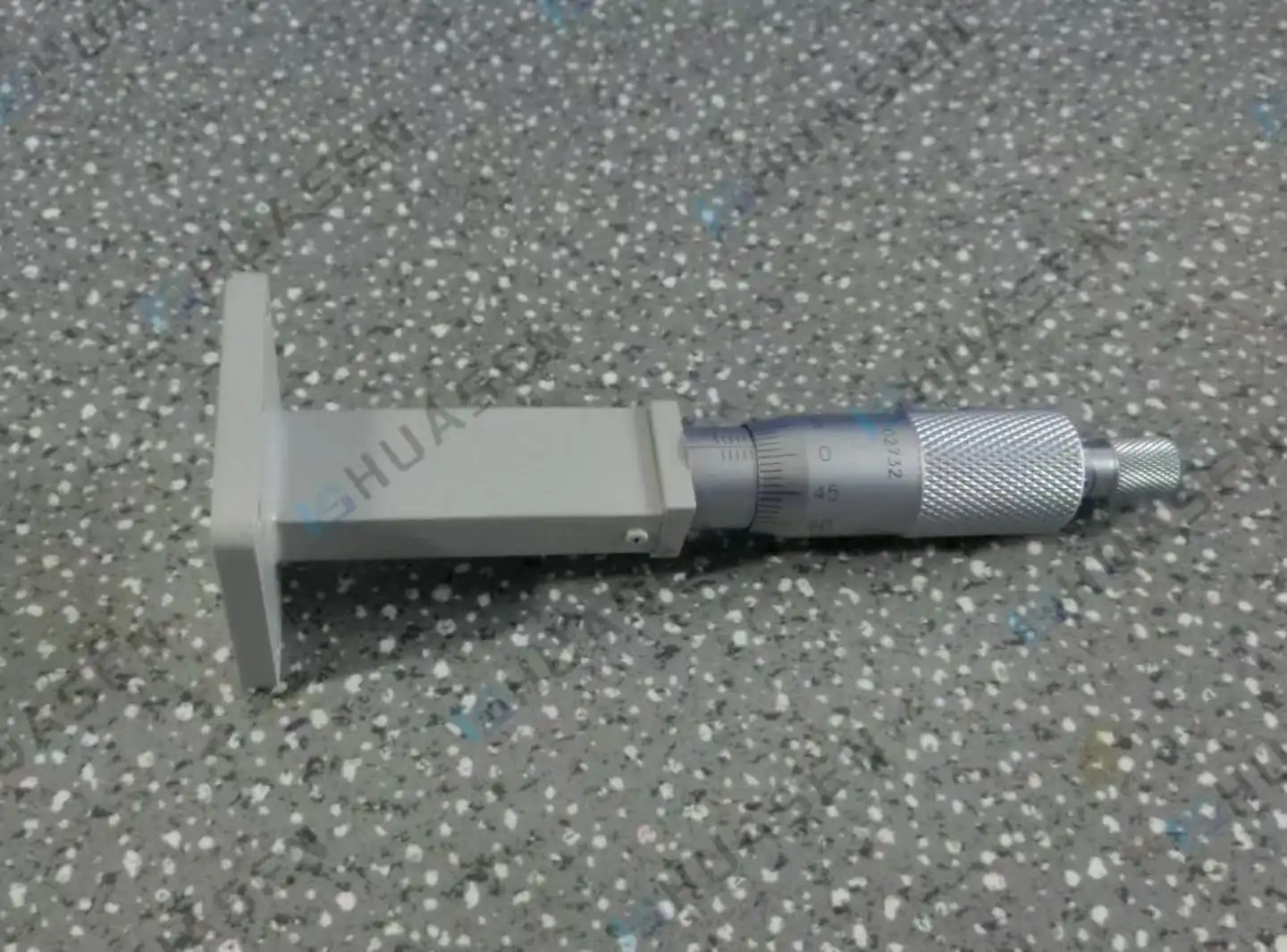
Waveguide Sliding Load Setup and Operation Guide
How accurate your high-frequency readings are depends on how well you set up a Waveguide Sliding Load. This precise microwave device has an absorbing element inside a waveguide section that can be changed manually. This lets engineers change the reflection phase angles while keeping the reflection magnitude the same. For the fitting to go smoothly, the flanges must be lined up, the micrometre must be calibrated, and the surroundings must be stable. Knowing the steps involved, from initial placement to measurement processes, will make sure that your calibration methods produce results that meet metrology standards. This guide walks you through every important step you need to take to get the best performance and most accurate measurements.VIEW MORE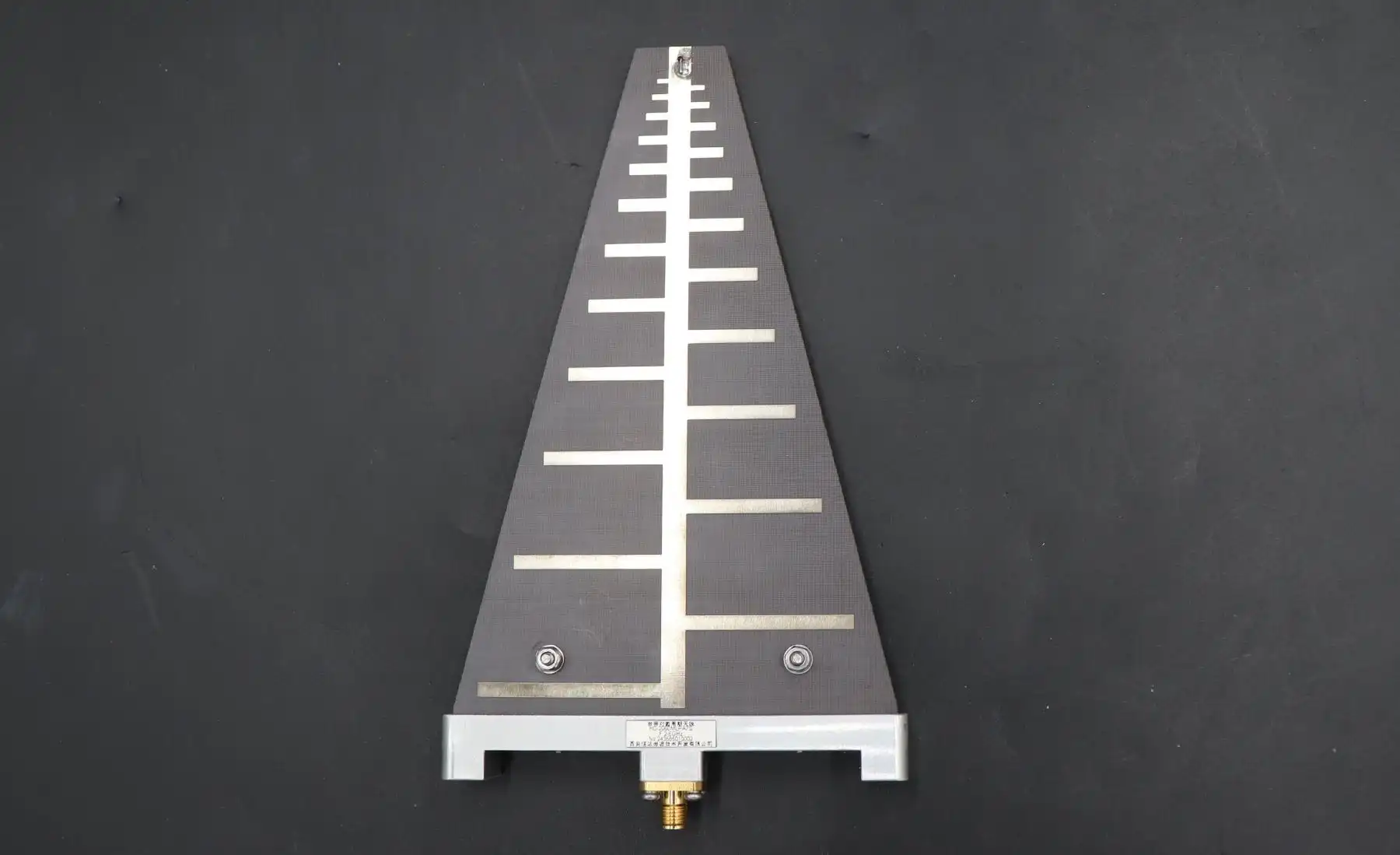
Log Periodic Antenna vs Yagi: Key Performance Differences
Engineers often compare the pros and cons of Log Periodic Antenna and standard Yagi designs when choosing directional antennas for transmission systems. The main difference is the antennas' bandwidth: Log Periodic Antenna antennas work well across a wide range of frequency bands, while Yagi antennas are better at giving bigger gains within smaller frequency ranges. System designers, RF engineers, and equipment makers can make choices that are best for their business needs and rollout settings when they understand these key performance differences.VIEW MORE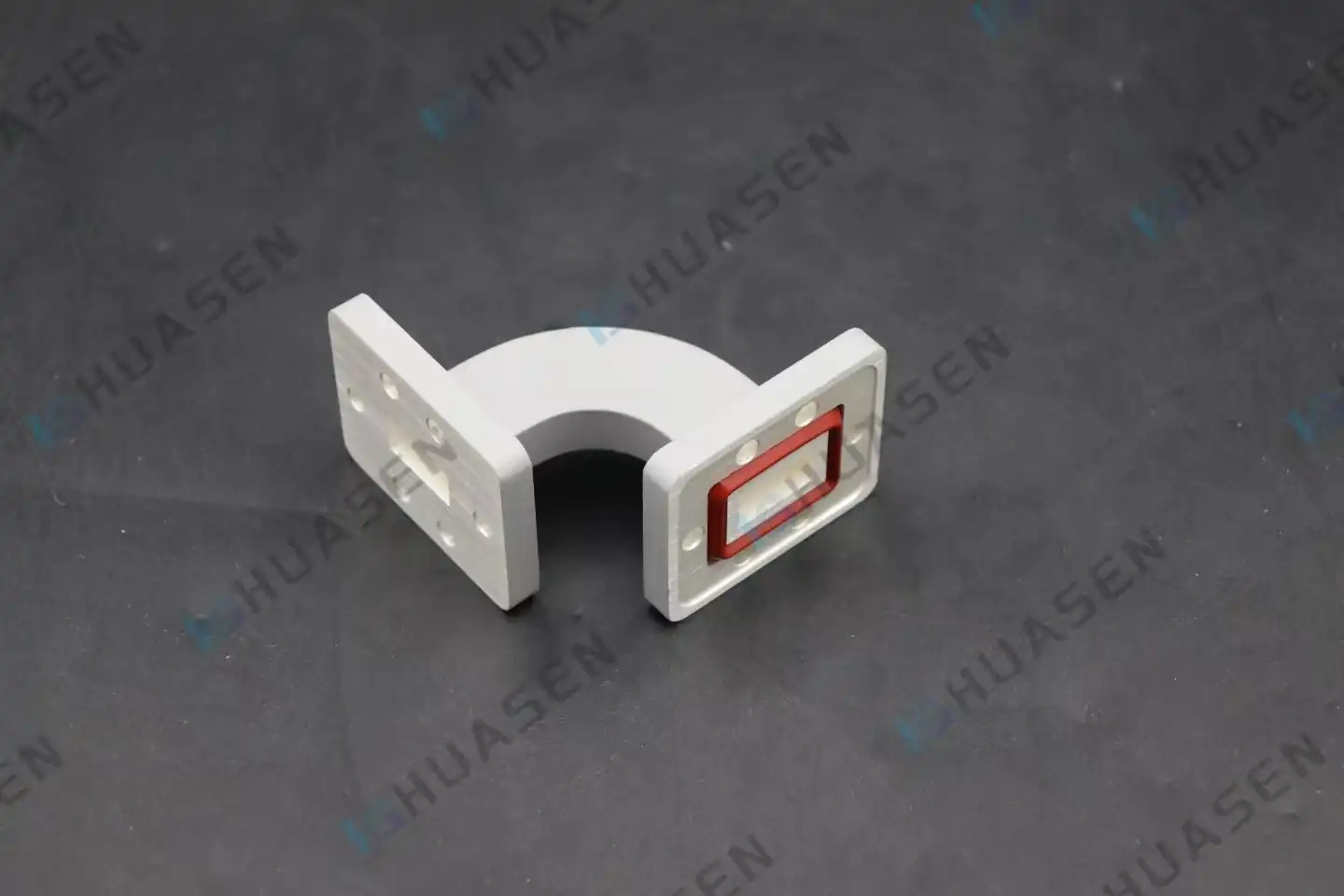
Bend Waveguide Radius Selection Guide
Choosing the right bend radius for waveguide parts has a direct effect on how well the system works, how easily it can be installed, and how reliable it will be in the long run. RF experts can use a Bend Waveguide to send electromagnetic energy through small areas without messing up the signal. The important balance is between how small something is and how well it works electrically. Tight radii save space but risk higher insertion loss and VSWR degradation, while wide radii keep the best gearbox properties but require bigger installation areas. In this guide, the technical trade-offs and useful selection factors for E-plane and H-plane bends in radar, satellite, and telecommunications are made clear.VIEW MORE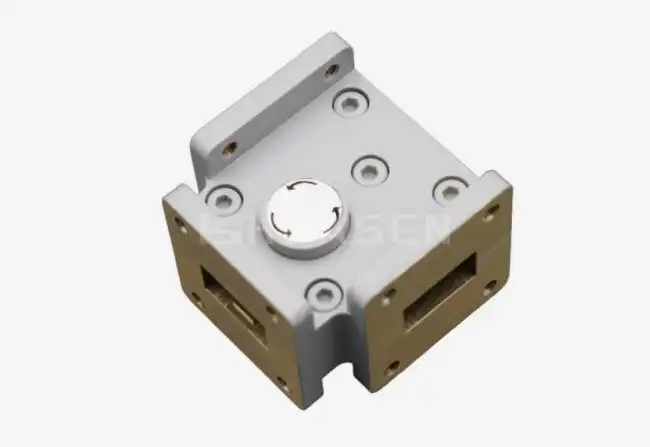
What Is Waveguide Wideband Circulator Used For?
A waveguide wideband circulator is a one-way device that sends electromagnetic information in a certain direction through its ports while keeping them separate from each other. This RF repeater is very important for engineers because it manages high-power data across multiple frequency bands at the same time. It is used in radar systems, satellite communications, and telecommunications infrastructure. System designers can combine equipment, lower insertion loss, and keep the purity of the signal in tough settings where narrow-band components fail because of the broadband performance.VIEW MORE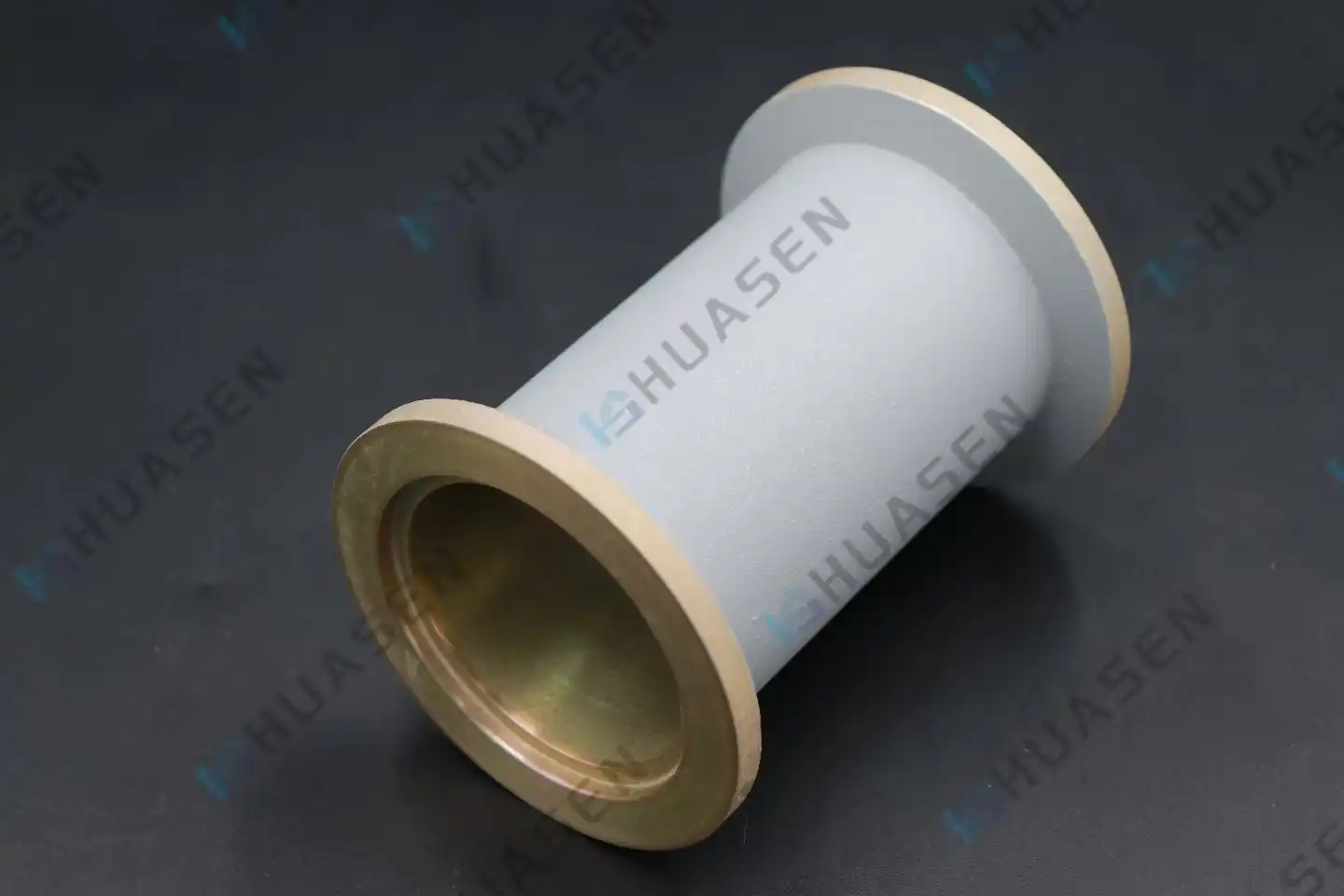
Benefits of Circular Straight Waveguide in Microwave
Circular straight waveguides, a staple of microwave transmission, meet the performance needs of 5G infrastructure, satellite communications, radar systems, and aerospace applications. Hollow metallic tubes with precise circular cross-sections guide electromagnetic waves with little loss and enable dual polarisation better than rectangular equivalents. Their rotational symmetry allows them to handle circularly polarised signals and rotating joint assemblies, which are necessary for radar antenna rotation, without signal deterioration. Circular straight waveguides' greater power handling and electromagnetic efficiency help system integrators overcome satellite feed polarisation mismatch and high-frequency connection attenuation.VIEW MORE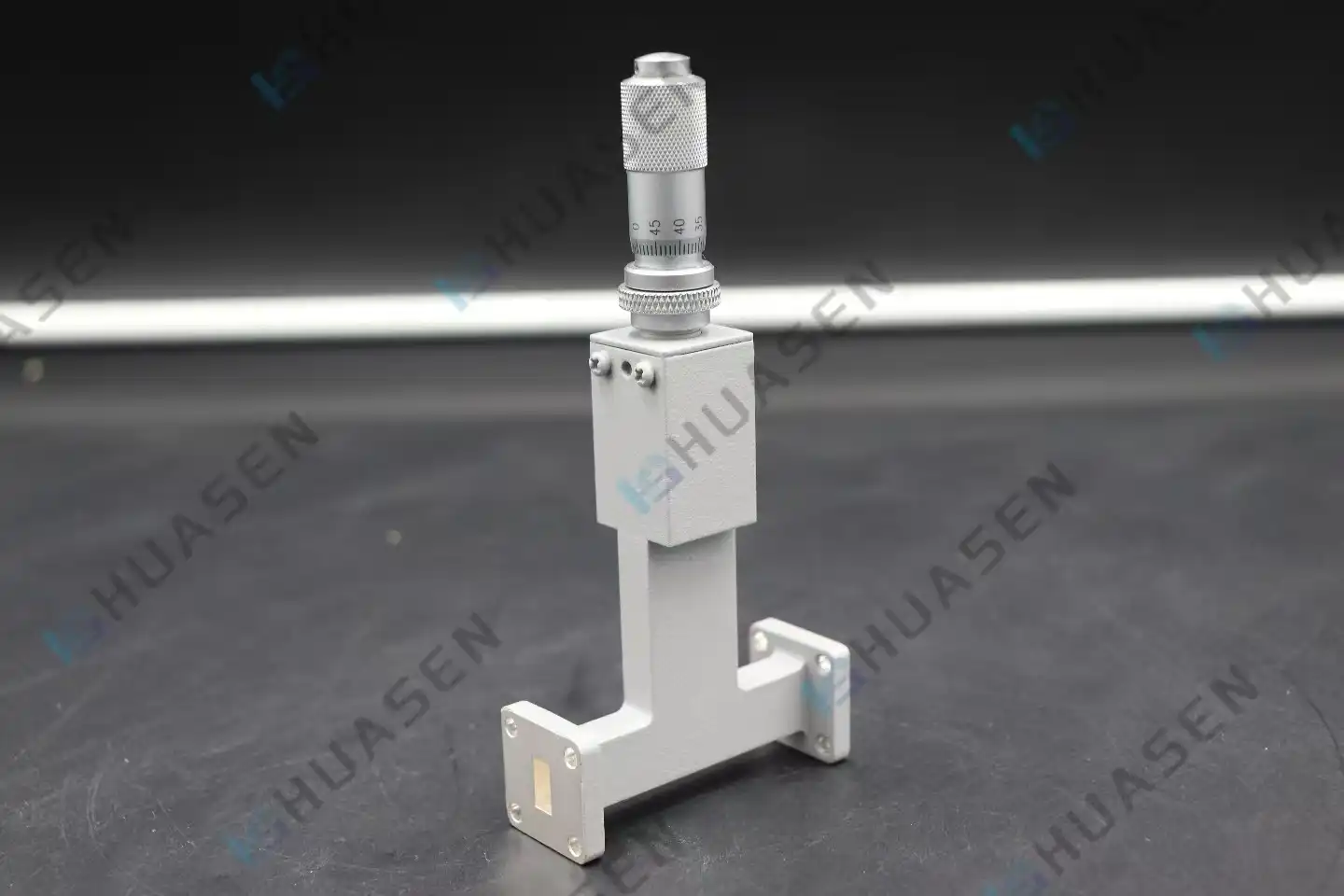
Top Manufacturers of High-Speed Digital Phase Shifters
When buying precise RF components for telecommunications infrastructure or aircraft radar systems, choosing the proper digital phase shifter manufacturer is crucial. Due to its microsecond-level switching rates and high repeatability, high-speed digital phase shifters have altered beamforming networks in 5G base stations and active electronically scanned arrays (AESA). They work consistently in difficult operational conditions thanks to logic-driven designs, unlike analogue components that suffer from thermal drift and control voltage sensitivity. Leading manufacturers in this domain use novel semiconductor technology and strict quality standards to service satellite communications and defence applications, where component dependability affects mission success.VIEW MORE
- 1
- 14
- 15
- 16
- 17
- 18
- 60
Total 60 pages