What Is Waveguide Wideband Circulator Used For?






2026-06-01 22:31:31
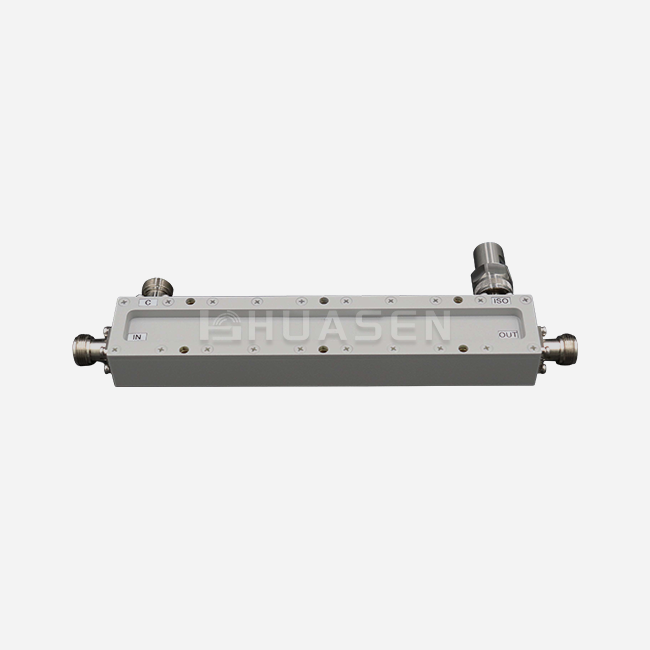
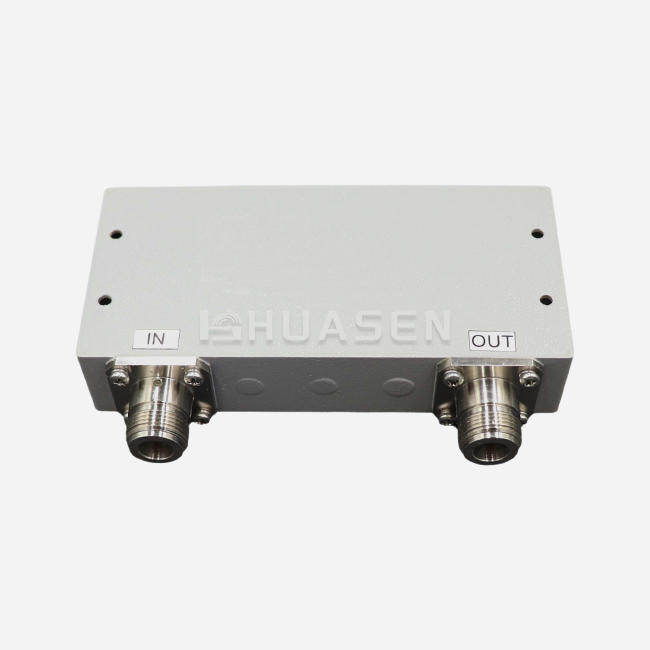
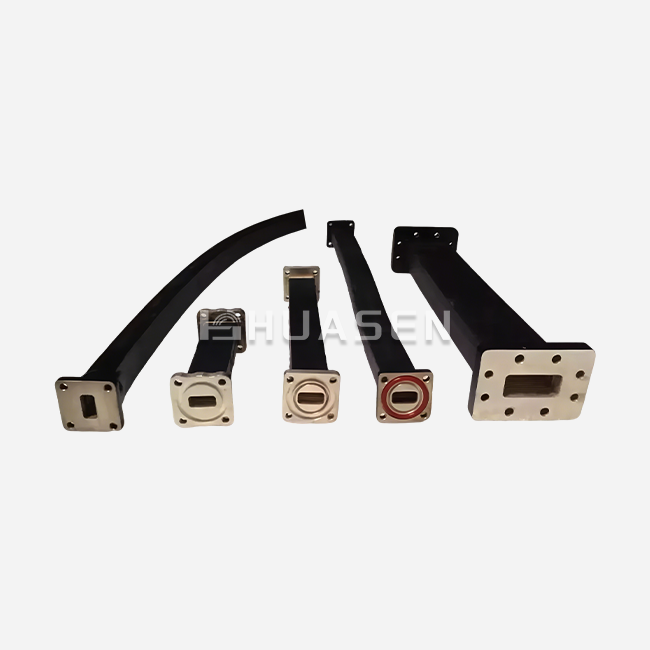
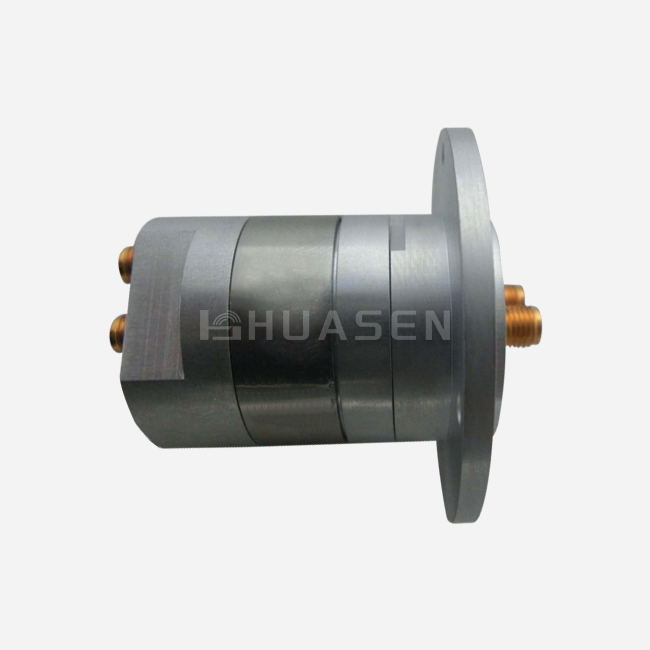
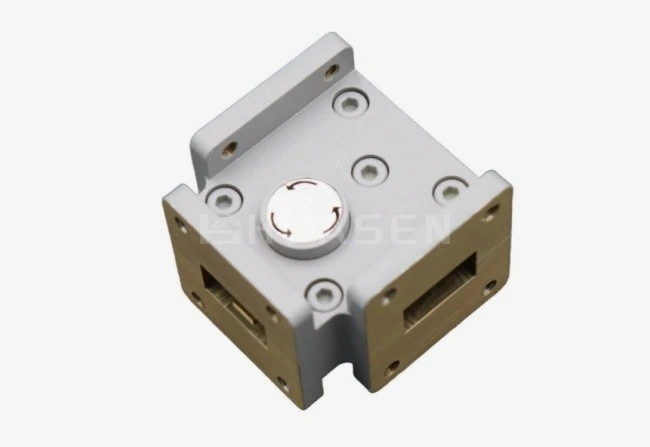
A waveguide wideband circulator is a one-way device that sends electromagnetic information in a certain direction through its ports while keeping them separate from each other. This RF repeater is very important for engineers because it manages high-power data across multiple frequency bands at the same time. It is used in radar systems, satellite communications, and telecommunications infrastructure. System designers can combine equipment, lower insertion loss, and keep the purity of the signal in tough settings where narrow-band components fail because of the broadband performance.
Understanding the Core Functionality of Waveguide Circulators
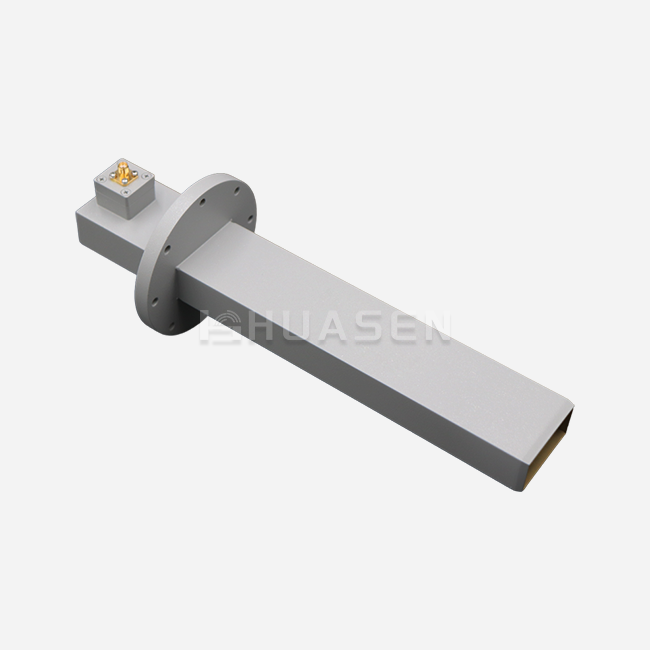
I was amazed by how beautiful these specialised radio parts were when I first saw them during a job to improve a base station. A waveguide circulator uses ferrite materials in a magnetic field to control the flow of signals based on the Faraday rotating principle. Waveguide models are better than coaxial circulators for high-frequency design tasks above 18 GHz, where power handling is very important.
The wideband circulator is different because it matches the resistance across octave or multi-octave bandwidths. Most circulators work in the 200–300 MHz range, but wideband circulators can work in the 2–18 GHz range or even wider. This feature changes the structure of a system by getting rid of the need for multiple narrow-band devices. This saves room and lowers the number of places where something could go wrong.
Precise substrate integration is needed for the internal shape where ferrite discs interact with electromagnetic fields. During development, engineers use electromagnetic modelling tools and optimisation methods to find the best mix between bandwidth, separation, and insertion loss. As a result? A small design that can handle kilowatts of power and keep signals separate by more than 20 decibels across the working band.
Seven Essential Applications That Solve Real-World Challenges
Protecting Transmitters in Base Station Infrastructure
Mobile phone networks use waveguide wideband circulators to keep reflected energy from damaging their expensive power amps. If there are mismatches in the signals that a 5G base station sends through an antenna, they move back toward the emitter. This can happen because of bad weather or physical damage.
These dangerous reflections are sent to a matched load by the circulator. The energy is lost as heat instead of hurting sensitive electronics. This safety is especially helpful for backup lines where equipment is always running at full power. System integrators who put together base station front-end systems make sure that these parts meet strict dependability standards. They do this because they know that a single amplifier failure could cost thousands of dollars in fixes and service delays.
Because it is broad, one waveguide circulator can cover more than one frequency band at the same time. One unit could cover the n77, n78, and n79 5G bands, which would make it easier for makers to keep track of their supplies and lower the cost of buying it.
Enabling Full-Duplex Operation in Telecommunications
For telecommunications systems to work, broadcast and response must happen at the same time on bands that are close to each other. To do this, a waveguide mixer links port 1 to the emitter, port 2 to the antenna, and port 3 to the receiver. Signals that are sent go from port 1 to port 2 and out through the antenna. Signals that are received at port 2 go to port 3 and the receiver.
Isolation between ports 1 and 3 is usually greater than 20 to 25 dB, which keeps broadcast noise from being too loud for the receiver's sensitive input stages. In marine communications, where ships use single-antenna systems to stay in touch over hundreds of nautical miles, this signal separation is very important.
People who use laboratories to do RF tests like how wideband circulators let them change frequencies quickly without having to change any parts. A research centre that is looking into how 6G signals travel can test an antenna's performance across 24-40 GHz with just one circuit, rather than having to swap out parts dozens of times.
Radar Systems Requiring High Power Handling
For radar uses, parts must be able to handle high power levels of up to megawatts during burst operation. Waveguide circulators are used in military radar, weather tracking units, and air traffic control systems because they can handle more power than cable options.
The non-reciprocal device sends pulses to the receiver and sends echoes it receives to electronics that process them. During pulse transfer, the circulator has to handle a lot of power without breaking down or losing its effectiveness. It must provide enough separation between pulses to pick up faint returns from faraway targets.
Electronic defence systems have to meet similar needs, but they have to do so while also having to deal with frequency agility. A wideband circulator lets radar jump between different frequency bands to avoid getting jammed. This gives it more working freedom than narrow-band components. When instrument makers make test tools for radar developers, radar developers ask for these circulators to make sure the system works well across the whole working range.
Satellite Communication Ground Stations and Terminals
Waveguide technology is most common in bands like Ka (26.5-40 GHz) and Ku (12-18 GHz), where satellite lines work. When ground stations use common aperture antennas, they use wideband circulators to separate the uplink and downlink signals. The small size makes the towers less loaded, which is a big problem for big earth station antennas.
Both spacecraft and aeroplanes have to deal with even tighter weight and space limits. Waveguide circulator technology makes it possible for more integration density, which is good for communications or radar systems on ships, planes, drones, and spaceships. If you replace three or four narrow-band parts with a single waveguide circulator part, you might save two to three kilograms, which immediately translates to more cargo or longer flight time.
When waveguide parts are properly built, they can adapt to different environments. This means that they can work reliably through launch vibrations, temperature cycling in orbit, and the toxic atmosphere at coastal ground stations. Defence companies that are building satellite stations need makers that meet MIL-STD standards and offer long-term durability promises and stable supply chain agreements.
Wireless Bridging and Point-to-Multipoint Networks
Point-to-point wireless communications link buildings or faraway sites together by using circulators to get the most out of the link budget. Every tenth of a decibel in insertion loss changes the range or the amount of power that needs to be sent. Wideband circulators that have insertion loss below 0.5 dB throughout their operating range improve performance in a way that can be measured.
Wideband designs offer full coverage, which is helpful for broadcasting and TV distribution networks that use multiple channels. A transmitting site that handles UHF channels 14–51 (470–698 MHz) can use a single circuit instead of channel-specific filtering, which makes system upkeep easier and increases system stability.
Communications system designers who work on building wireless networks in growing areas, like how component consolidation helps them keep costs down. Fewer part numbers make it easier to buy parts, keep extra parts on hand, and train technicians. This lowers the total cost of ownership, even though wideband components cost more per unit than narrowband components.
Component Evaluation and RF Testing Laboratories
Manufacturers of instruments like spectrum analysers, network analysers, and signal processors use circulators to make measurements more accurate. Source echoes can't mess up readings because the test equipment is separate from the devices being tested. This is very important when characterising high-performance amplifiers or filters.
Millimetre-wave transmissions are being studied by research schools, but market parts are hard to come by. Custom wideband circulators made through technical support agreements make it possible for cutting-edge tests that help the whole industry move forward. Innovation cycles move faster when researchers can ask for factors like frequency, polarisation, form, and power to be changed based on their unique needs.
Calibration labs that offer measures that can be tracked need parts whose performance has been proven and whose steadiness over time is guaranteed. Manufacturers who give support for calibration data, thorough test results, and metrological tracking help these centres keep their approval and provide good customer service.
Defense and Security Communications Systems
Communications security systems protecting sensitive information employ circulators to prevent signal leakage that could compromise operations. The isolation characteristics ensure minimal coupling between system elements, reducing electromagnetic signatures that adversaries might exploit.
Military applications combine the most demanding requirements: wide bandwidth, high power, environmental extremes, compact size, and absolute reliability. A communications system on a naval vessel must function through shock from nearby weapons fire, saltwater spray, temperature swings from Arctic to tropical deployment, and years without maintenance.
Defence contractors specify waveguide wideband circulators that meet stringent military standards because failure isn't an option. The combination of robust mechanical design, temperature-stable ferrite materials, and proven reliability testing gives program managers confidence that systems will perform when needed most.
Key Performance Benefits That Drive Adoption
Users sensitive to antenna gain, polarisation performance, and signal-to-noise ratio recognise that every passive component in the signal path either helps or hurts system performance. Low VSWR across the operating band ensures maximum power transfer, which directly improves link margins in both directions.
The mechanical size advantage becomes obvious when comparing waveguide circulators to alternatives like coaxial ferrite devices at millimetre-wave frequencies. Compatible connector standards, including WR-series waveguide flanges, ensure straightforward integration with existing infrastructure.
Large enterprises requiring stable and reliable components value the quality assurance processes that established manufacturers implement. Compliance with ISO quality standards, RoHS environmental regulations, and industry-specific certifications provides procurement departments with the documentation they need to approve specifications for waveguide wideband circulator products.
Delivery cycles for standard products from specialised manufacturers typically run 4-8 weeks, with expedited options available for urgent requirements. Custom designs require additional engineering time, but responsive manufacturers maintain development capabilities that turn concepts into tested prototypes within reasonable timeframes.
Why Technical Support Makes the Difference
Design assistance proves invaluable when integrating these sophisticated components. Engineers new to waveguide technology benefit from application notes, reference designs, and direct consultation with experienced technical staff. Sample trials allow system validation before committing to production volumes.
The relationship between the component supplier and the system developer should extend beyond the initial sale. After-sales service addressing field issues, performance optimisation, and design revisions for next-generation systems builds partnerships that benefit both parties.
Outsourcing vendors and system integrators particularly value manufacturers willing to collaborate on challenging applications. A supplier who understands the end application can suggest alternatives, optimise specifications, and sometimes identify approaches the customer hadn't considered.
Environmental Adaptability for Harsh Conditions
Outdoor installations face rain, ice, dust, temperature extremes, and UV exposure. Properly designed waveguide assemblies with appropriate sealing, surface treatments, and materials selection provide the waterproofing, corrosion resistance, and temperature stability that infrastructure requires.
Vibration resistance matters for mobile platforms like vehicles, ships, and aircraft, where mechanical stress accompanies electromagnetic performance requirements. Shock resistance becomes critical in military applications where nearby explosions or weapons firing create transient accelerations.
The passive nature of circulators contributes to their reliability compared to active components. No power supplies, control signals, or adjustments mean fewer failure modes and longer mean time between failures.
Conclusion
Waveguide wideband circulators solve fundamental challenges in modern telecommunications, radar, and satellite systems by enabling signal routing, transmitter protection, and simultaneous transmit-receive operation across broad frequency ranges. Their ability to handle high power levels while maintaining low insertion loss and excellent isolation makes them indispensable in infrastructure, from 5G base stations to defence radar systems. Understanding the applications, performance benefits, and selection criteria empowers engineers to specify the optimal solution for their unique requirements, knowing that established manufacturers offer the technical support and reliability needed for success.
FAQ
1. What frequency ranges do wideband circulators typically cover?
Wideband circulators commonly span octave or multi-octave bandwidths. Common ranges include 2-18 GHz for broadband defence applications, 26.5-40 GHz for Ka-band satellite communications, and specialised designs covering 6-18 GHz or 18-40 GHz depending on application requirements. The bandwidth represents a tradeoff with other performance parameters, so engineers select the minimum range that satisfies system needs.
2. How does insertion loss affect system performance?
Insertion loss directly reduces transmitted power and received signal strength. A circulator with 0.3 dB insertion loss consumes roughly 7% of signal power as heat. In a transmit-receive system, signals pass through the circulator twice, doubling the loss impact. Minimising insertion loss improves link budget, reduces power consumption, and can extend communication range or reduce required transmitter power.
3. Can circulators handle both continuous wave and pulsed signals?
Yes, but specifications differ. Continuous wave power handling depends on thermal management and sustained temperature rise in the ferrite material. Pulsed power handling relates to peak field strength and breakdown mechanisms. A circulator might handle 100 watts continuous but 10 kilowatts peak in pulsed operation with an appropriate duty cycle. Always verify that both specifications match your application.
4. What determines isolation performance?
Isolation depends on ferrite material properties, magnetic field uniformity, junction geometry, and impedance matching across the frequency band. Manufacturing tolerances in assembly, temperature variations during operation, and component aging all influence isolation. Quality manufacturers specify minimum isolation across the operating band and temperature range with a margin for production variation.
Partner with Huasen Microwave for Your Waveguide Wideband Circulator Requirements
Huasen Microwave brings three decades of specialised experience developing high-frequency microwave and millimetre-wave components, including waveguide wideband circulator products, for the world's most demanding applications.
As a trusted waveguide wideband circulator manufacturer, we combine advanced electromagnetic simulation capabilities, precision manufacturing, and rigorous testing to deliver components that meet your specifications. Our engineering team provides design support from concept through production, with customisation capabilities covering frequency ranges from L-band through W-band. Contact our technical sales team at sales@huasenmicrowave.com to discuss your project requirements and discover how our solutions can optimise your system performance.
References
1. Helszajn, J. (2008). Principles of Microwave Ferrite Engineering. Institution of Engineering and Technology Press.
2. Baden Fuller, A.J. (1987). Ferrites at Microwave Frequencies. Peter Peregrinus Ltd, London.Linkhart, D.K. (2009). Microwave Circulator Design (2nd ed.). Artech House Publishers.
3. Pozar, D.M. (2011). Microwave Engineering (4th ed.). John Wiley & Sons.
4. Collin, R.E. (2001). Foundations for Microwave Engineering (2nd ed.). IEEE Press.
5. Ishii, T.K. (1995). Handbook of Microwave Technology: Components and Devices (Vol. 1). Academic Press.
Send Inquiry