Benefits of Circular Straight Waveguide in Microwave






2026-05-29 22:00:38
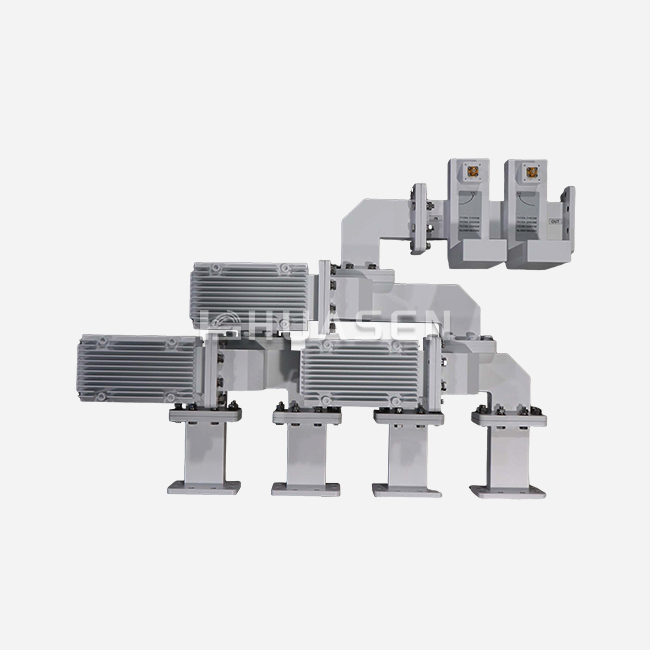
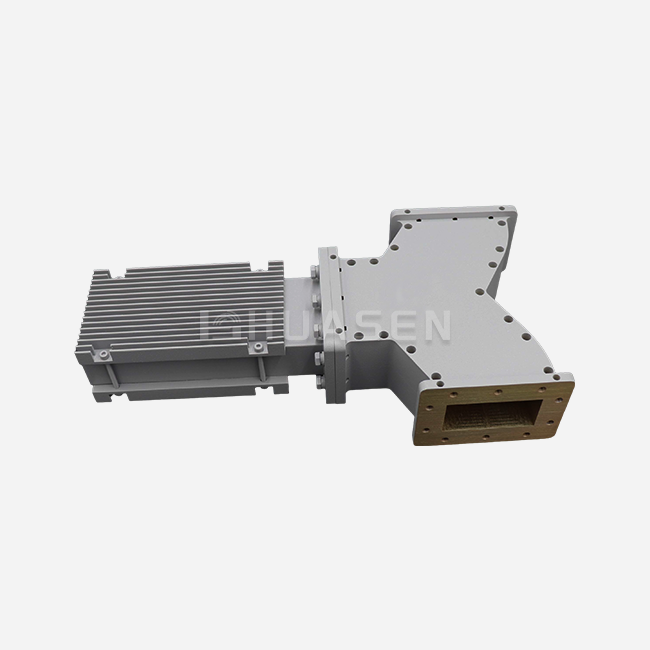
Circular straight waveguides, a staple of microwave transmission, meet the performance needs of 5G infrastructure, satellite communications, radar systems, and aerospace applications. Hollow metallic tubes with precise circular cross-sections guide electromagnetic waves with little loss and enable dual polarisation better than rectangular equivalents. Their rotational symmetry allows them to handle circularly polarised signals and rotating joint assemblies, which are necessary for radar antenna rotation, without signal deterioration. Circular straight waveguides' greater power handling and electromagnetic efficiency help system integrators overcome satellite feed polarisation mismatch and high-frequency connection attenuation.
Understanding Circular Straight Waveguides: Key Principles and Properties
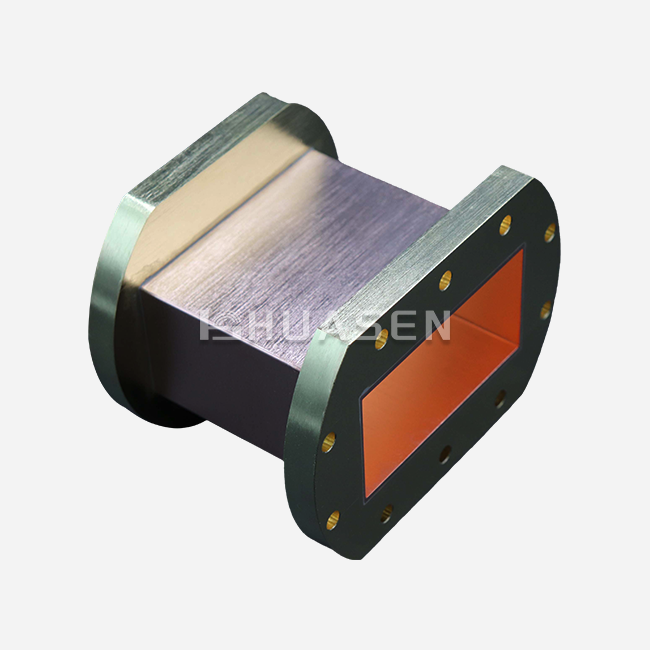
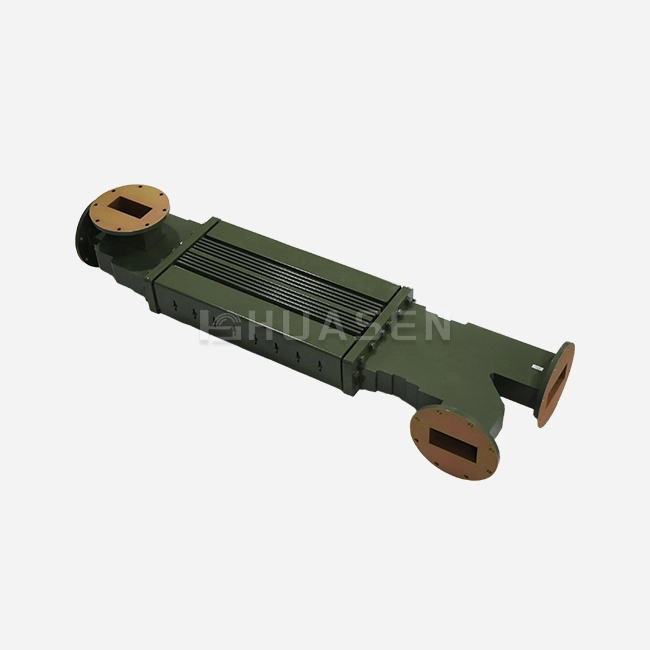
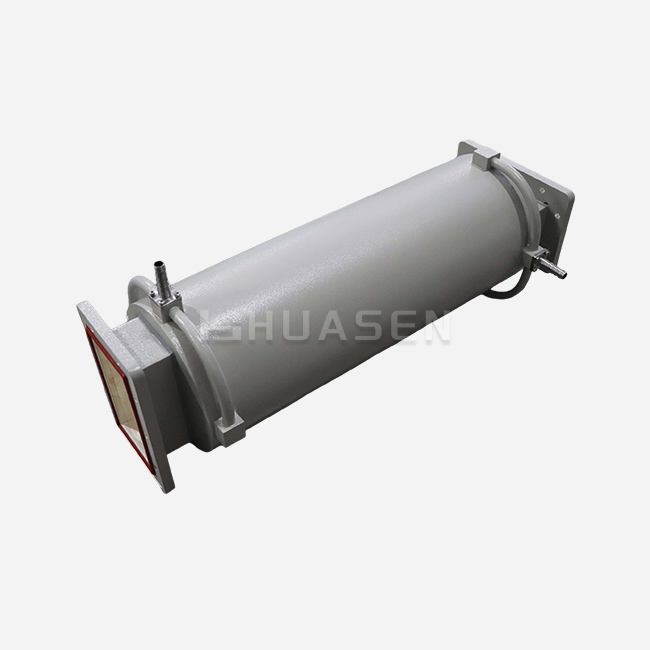
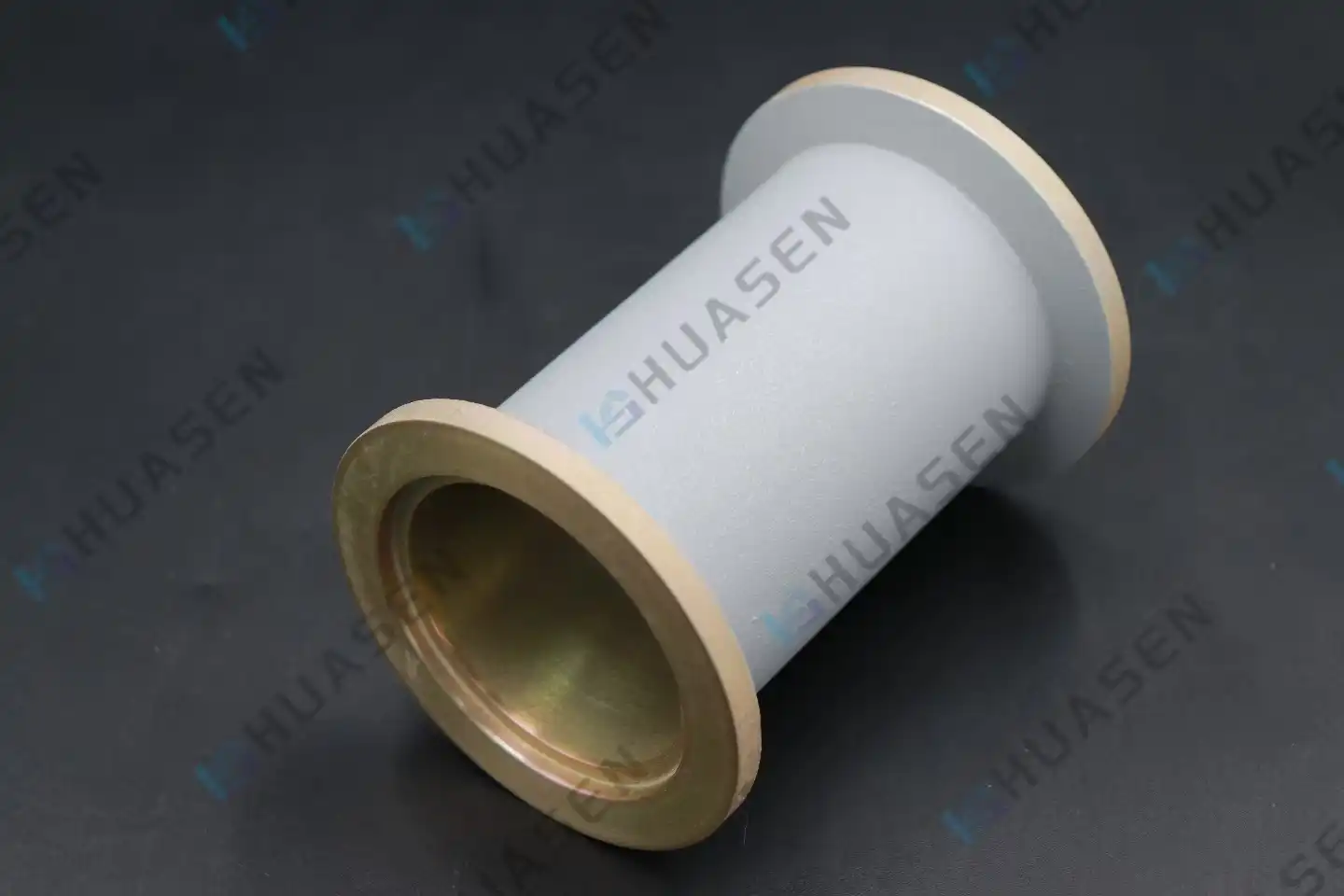
The electromagnetic properties of circular straight waveguides make them operationally superior. These components limit electromagnetic fields within metallic walls using specialised propagation modes, unlike coaxial cables that degrade dramatically over 10 GHz. Huasen Microwave's Circular Straight Waveguides (CWAL) enable TE₁₁, TM₀₁, and TE₂₁ electromagnetic modes, allowing procurement experts options in matching waveguide performance to system requirements.
Electromagnetic Mode Behaviour
The dominant TE11 mode transmits single-polarisation data reliably for most radar and telecommunications applications. Circular geometry's TE01 mode, where attenuation decreases with frequency, is unique. Circular straight waveguides are the only metallic transmission medium for long-distance millimetre-wave transport from 30 to 100 GHz due to this surprising characteristic. Gyrotrons used for plasma diagnostics at research institutes achieve attenuation below 1 dB per kilometre using over-moded circular straight waveguides in TE₀₁ mode.
Cutoff Frequency and Bandwidth Considerations
The cutoff frequency of each mode depends on the waveguide radius. Proper mode selection enables robust and predictable propagation over cutoff. Engineers must weigh bandwidth against diameter selection—larger diameters decrease cutoff frequencies and widen operating bands, but may allow undesired higher-order modes. Huasen's adjustable radius choices let system designers optimise this trade-off for frequency allocation and filtering.
Comparing Circular Straight Waveguides with Alternative Waveguide Types
Understanding waveguide geometries' real-world performance helps choose transmission line technology. The decision greatly affects system cost, reliability, and long-term efficiency.
Performance Against Rectangular Waveguides
In constant-polarisation systems, rectangular waveguides prevail. They provide simple mode control and mounting options. Applications that require polarisation flexibility or mechanical rotation benefit from circular straight waveguides. Circular feeds divide orthogonally polarised signals (RHCP/LHCP or vertical/horizontal linear) using orthomode transducers in satellite earth stations that reuse frequencies. This feature doubles bandwidth without spectrum allocation, which is important as Ka-band and Ku-band satellite networks get congested.
Advantages Over Coaxial Transmission Lines
Coaxial cables are convenient at lower frequencies but have major limits in microwave bands. Power handling capability plummets as dielectric losses rise. Since propagation is via air or vacuum, high-conductivity copper circular straight waveguides have low dielectric loss. Huasen offers copper (C) for optimal conductivity, aluminium (A) for lightweight aircraft, and stainless steel (S) for harsh maritime situations. This material flexibility meets outdoor installation procurement teams' environmental adaptation needs.
Material Composition Impact
Conductor material affects electrical and mechanical performance. For circular straight waveguides, aluminium performs well at low weight, making it ideal for airborne radar systems and satellite payloads. Silver-plated copper inner walls provide good conductivity for low-loss applications. In offshore communications platforms' hostile chemical conditions, stainless steel construction lasts. Understanding these trade-offs helps buying managers match material requirements to operations and budgets.
Core Benefits of Circular Straight Waveguides in Microwave Applications
Circular straight waveguides increase telecommunications infrastructure, defence systems, and scientific instrument operations. These advantages address daily system integrator and equipment manufacturer issues.
Superior Power Handling and Thermal Management
High-power radar and military applications require components that can withstand multi-megawatt peak power without failure or heat damage. Heat dissipation is improved by circular geometry's structural strength and surface-area-to-volume ratio. Pulsed radar systems in S- and X-band frequencies use circular straight waveguides to connect transmitters to rotary joints, where arcing or thermal runaway might impair mission-critical operations. The large power capacity of Huasen ensures reliable performance in defence and weather monitoring radar sites where downtime causes serious operational and safety hazards.
Low Insertion Loss and Signal Integrity
Transmission efficiency controls how much radiated power reaches the antenna vs. being squandered as transmission line heat. Air-filled circular straight waveguides have no dielectric materials; hence, dielectric loss is zero. Due to precision-machined metallic surfaces and reduced conductor loss, these components enhance forward power transfer with VSWR values. Reduced amplifier needs and link budgets help communications system integrators, extending coverage ranges or lowering infrastructure expenses. Simple assemblies have fewer failure spots than complicated multi-section ones.
Dual-Polarisation Support and Rotational Symmetry
5G large MIMO base station designers need antenna feeds that can manage many polarisation states. Circular straight waveguides' rotational symmetry allows cross-polarisation-free vertical, horizontal, and left-hand and right-hand circular polarisations. Rotary joint assemblies need this capacity to rotate mechanically without electrical signal disruption. Weather radar pedestals revolving 360 degrees transmit continuously through circular straight waveguide rotary joints for storm tracking and air traffic management.
Environmental Robustness and Customisation Flexibility
Outdoor telecommunications infrastructure and maritime satellite terminal procurement criteria emphasise waterproofing, corrosion resistance, and thermal stability. These requirements are met by Huasen's alloy and surface treatment option. Spacecraft temperature-stabilised copper assemblies operate well under high heat cycling, while coastal installations use corrosion-resistant aluminium waveguides. The configurable length and radius allow perfect integration into space-constrained enclosures or long transmission routes without signal-degrading intermediary connections. This customisation capability meets OEM clients' high customisation needs for distinct system designs.
Practical Procurement Insights for Circular Straight Waveguides
Technical specifications, supplier capabilities, quality assurance, and commercial terms must be considered while sourcing. Managers of procurement balance performance criteria with budget and delivery timeframes.
Quality Parameters and Certification Requirements
Defence contractors require circular straight waveguides, specifically the circular section type, to fulfil MIL-STD criteria for endurance and performance. Commercial telecoms applications may value ISO 9001 certification for consistent production. RoHS compliance affects European market access and environmental responsibility. To verify supplier claims, request comprehensive test data, including VSWR measurements throughout operating frequency ranges, power handling verification, and flange concentricity reports. Huasen Microwave, founded in 1993, has decades of manufacturing experience and quality documentation for aerospace and defence certification.
Evaluating Supplier Reliability and Technical Support
Long-term supply chain stability requires manufacturers with established manufacturing capacity and quick engineering assistance. Design support from suppliers optimises circular straight waveguide integration throughout development, minimising specialised tooling costs through common configurations. Sample trial programmes are validated before production numbers are committed. Troubleshooting system performance or certifying alternative components requires calibration data support and after-sales service. As system specifications change, manufacturers within in-house engineering teams may alter designs to safeguard procurement expenditures.
Cost-Effectiveness Analysis and Volume Considerations
Price units represent material prices, production complexity, and order quantities. Aluminium waveguides are cheaper than copper ones but may need bigger diameters for equal electrical performance. Stainless steel is expensive because it resists corrosion in hostile situations. Consolidated purchasing is encouraged by volume discounts, but must consider inventory carrying costs and demand uncertainties. Based on material availability and production schedules, conventional catalogue products ship within weeks, and unique configurations may take months to tool and fabricate. Understanding these relationships helps buying teams negotiate advantageous terms and meet project goals.
Future Trends and Technological Advancements in Circular Waveguide Technology
Microwave components evolve via materials innovation, precise production, and growing application fields. Keeping up with trends helps procurement teams specify future-ready solutions.
Advanced Materials and Fabrication Techniques
Additive manufacturing allows complicated interior geometry that traditional machining cannot. 3D-printed circular straight waveguides eliminate interface losses and reduce assembly costs by integrating mode converters, impedance transformers, and mounting features into single structures. Composite composites with metallic conductivity and structural polymers reduce aeronautical weight without compromising electrical performance. These advances meet aeroplane and spaceship designers' mechanical size and weight requirements.
Integration with Next-Generation Communication Systems
5G and 6G networks raise demand for millimetre-wave components that can handle more data. Circular straight waveguides provide backhaul connection architecture between faraway base stations and fibre networks, where wireless bridging crosses geographic barriers. Designers of thousands of low-earth-orbit satellites want lightweight, dependable circular straight waveguides for inter-satellite communications and ground station feeds. Understanding these growing areas helps procurement teams negotiate advantageous supply agreements and predict component availability.
Digitalisation and Supply Chain Transparency
Circular sections of circular straight waveguide manufacturing gain traceability and quality documentation from Industry 4.0. Digital twin models estimate performance before manufacture, decreasing prototype iterations and speeding development. Defence and aerospace applications that need counterfeit protection are increasingly using blockchain-enabled supply chain monitoring to verify authenticity. These digital solutions help procurement professionals make data-driven sourcing decisions by showing production progress and quality indicators.
Conclusion
Circular straight waveguides excel in microwave applications requiring low loss, high power, and polarisation flexibility. Their basic structure and material alternatives from lightweight aluminium to high-conductivity copper meet environmental and operational needs. The CWAL series from Huasen Microwave lets system integrators enhance transmission line performance for various frequency bands and power levels with numerous electromagnetic modes and configurable dimensions. Signal integrity in radar, telecommunications, and scientific equipment is guaranteed by zero dielectric and radiation losses. As 5G networks and satellite communications grow, procurement success requires working with experienced manufacturers with technical assistance and stable supply chains.
FAQ
1. What frequency ranges do circular waveguides support effectively?
Depending on diameter, circular straight waveguides work well from 1 GHz to far over 100 GHz in microwave and millimetre-wave spectrums. Smaller diameters suit higher frequencies, whereas bigger bores suit lower frequencies. The unique TE01 mode allows millimetre-wavelength low-loss transmission unattainable with ordinary metallic transmission lines.
2. How do circular waveguides compare to coaxial cables for bandwidth and loss?
Dielectric losses significantly increase attenuation over 10 GHz in coaxial cables, whereas air propagation reduces loss in circular straight waveguides. Mode selection and diameter determine bandwidth—well-designed circular straight waveguides may operate at several octaves, while coaxial alternatives would degrade transmission.
3. Can waveguide dimensions be customised for specific system integration requirements?
The length and radius of Huasen Microwave may be customised to meet mechanical and electrical requirements. Flange layouts, materials, and surface treatments can be tailored to specific environments and mounting arrangements. The best system architecture integration is achieved with engineering support.
4. What measures prevent mode conversion in circular waveguides?
Bending or discontinuities cause mode conversion. Tight concentricity tolerances and long-radius bends reduce mode coupling during manufacturing. Mode purity throughout the transmission channel is maintained by proper flange alignment during installation and by preventing severe mechanical distortion.
Discover Your Custom Waveguide Solution with Huasen Microwave
Huasen Microwave Technology manufactures Circular Straight Waveguide components to your requirements using over 30 years of specialised engineering and cutting-edge production. Our Circular Straight Waveguide manufacturer facilities make precise components for TE11, TM01, and TE21 modes in copper, aluminium, and stainless steel. We offer design support, quick prototyping, and MIL-STD and ISO-compliant calibration documentation. For 5G base station feeds, satellite ground terminal upgrades, and radar rotary joint integration, our team provides bespoke solutions that balance performance and cost. Talk to sales@huasenmicrowave.com immediately to discuss your project and get full quotes for Circular Straight Waveguide assemblies designed for success.
References
1. Pozar, David M. Microwave Engineering, 4th Edition. Wiley, 2011.
2. Collin, Robert E. Foundations for Microwave Engineering, 2nd Edition. IEEE Press, 2001.
3. Saad, Theodore S. Handbook of Microwave Waveguide Circuits. Artech House, 1985.
4. Marcuvitz, Nathan. Waveguide Handbook. MIT Radiation Laboratory Series, McGraw-Hill, 1951.
5. IEEE Standards Association. IEEE Standard for Precision Coaxial Connectors at RF, Microwave, and Millimeter-wave Frequencies, IEEE Std 287-2007.
6. Montgomery, C. G., Dicke, R. H., and Purcell, E. M. Principles of Microwave Circuits. MIT Radiation Laboratory Series, McGraw-Hill, 1948.
Send Inquiry