Home / Blog
Blog
0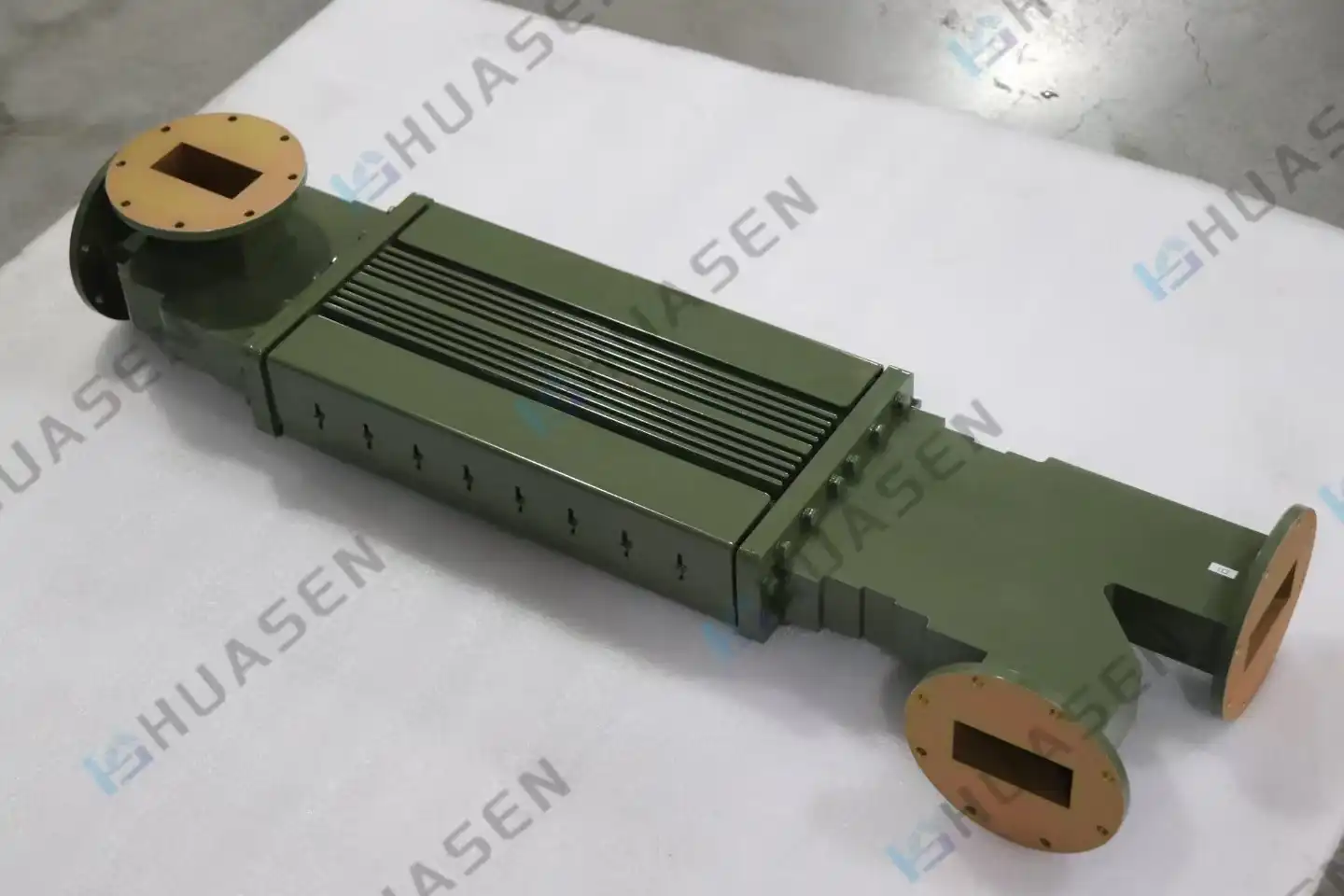
Choosing Waveguide Circulator for Satcom Systems
Choosing the correct waveguide circulator for satellite communication systems has a direct effect on how reliable the links are, how much power they use, and how long the system lasts, generally. A waveguide circulator is an RF part that doesn't work backwards and forwards. It sends messages in a certain way and keeps the broadcast and receive chains separate. When high-power amplifiers and sensitive, low-noise receivers are used together in Satcom applications, this part keeps equipment safe from damaging mirrored power while keeping the signal integrity across difficult frequency bands.VIEW MORE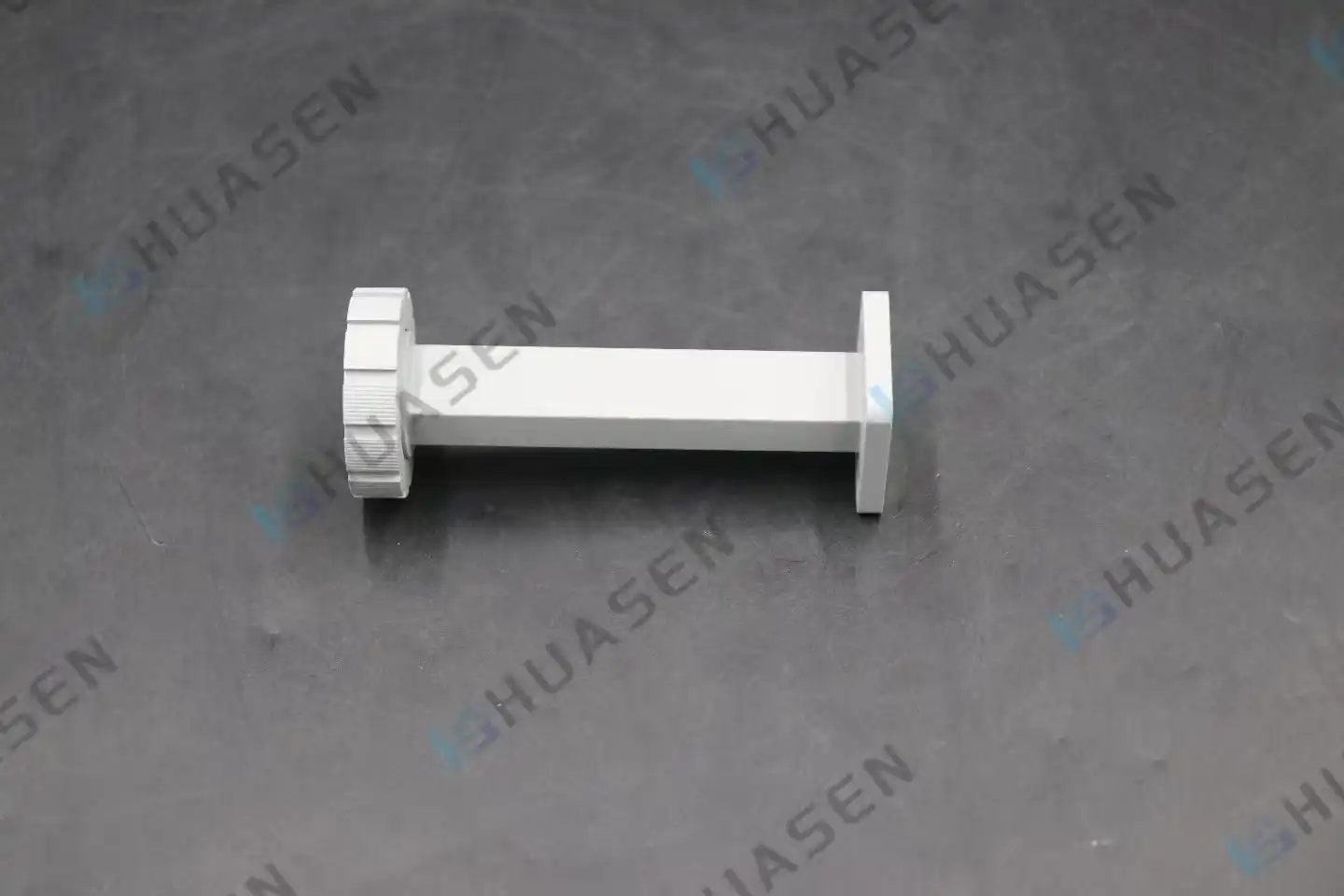
Choosing Waveguide Straight Section for Low Loss
To pick the best waveguide straight section for low loss, you need to carefully consider the quality of the material, the accuracy of the measurements, and the frequency bands that it works with. A waveguide straight section is an important passive microwave transmission part that is usually made from high-conductivity materials like copper or aluminum that have been plated in special ways. These stiff, hollow metal tubes guide electromagnetic waves with little loss because they don't have the dielectric losses that are common in coaxial lines, especially at frequencies higher than 2 GHz. In serious situations like radar systems and satellite uplinks, the right choice has a direct effect on insertion loss, VSWR performance, and the general efficiency of the system.VIEW MORE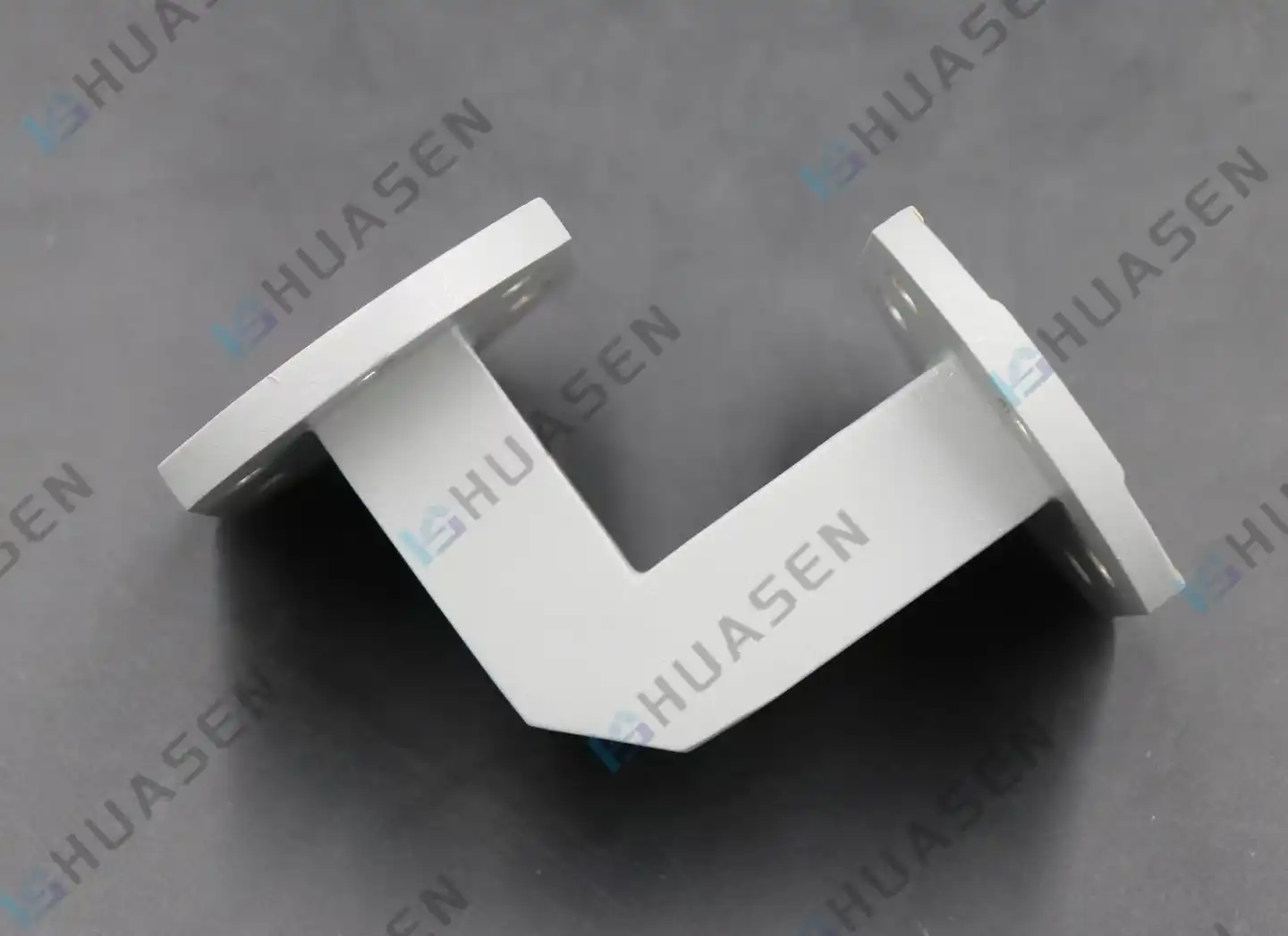
Optimizing Mitered Bend Waveguide Performance
Minimizing signal bounce and insertion loss while keeping the system's size small is the key to optimizing Mitered Bend Waveguide performance. A well-made mitered bend waveguide has exact cuts at angles, usually 45 degrees, and impedance-matching features that send electromagnetic waves through 90-degree turns efficiently without taking up as much space as wide bends. By paying close attention to the miter geometry, internal surface finish, flange alignment, and material choice, engineers can get VSWR values below 1.15 across all operational bands. This is possible because of the space limitations that come with radar systems, satellite payloads, and 5G base station architectures.VIEW MORE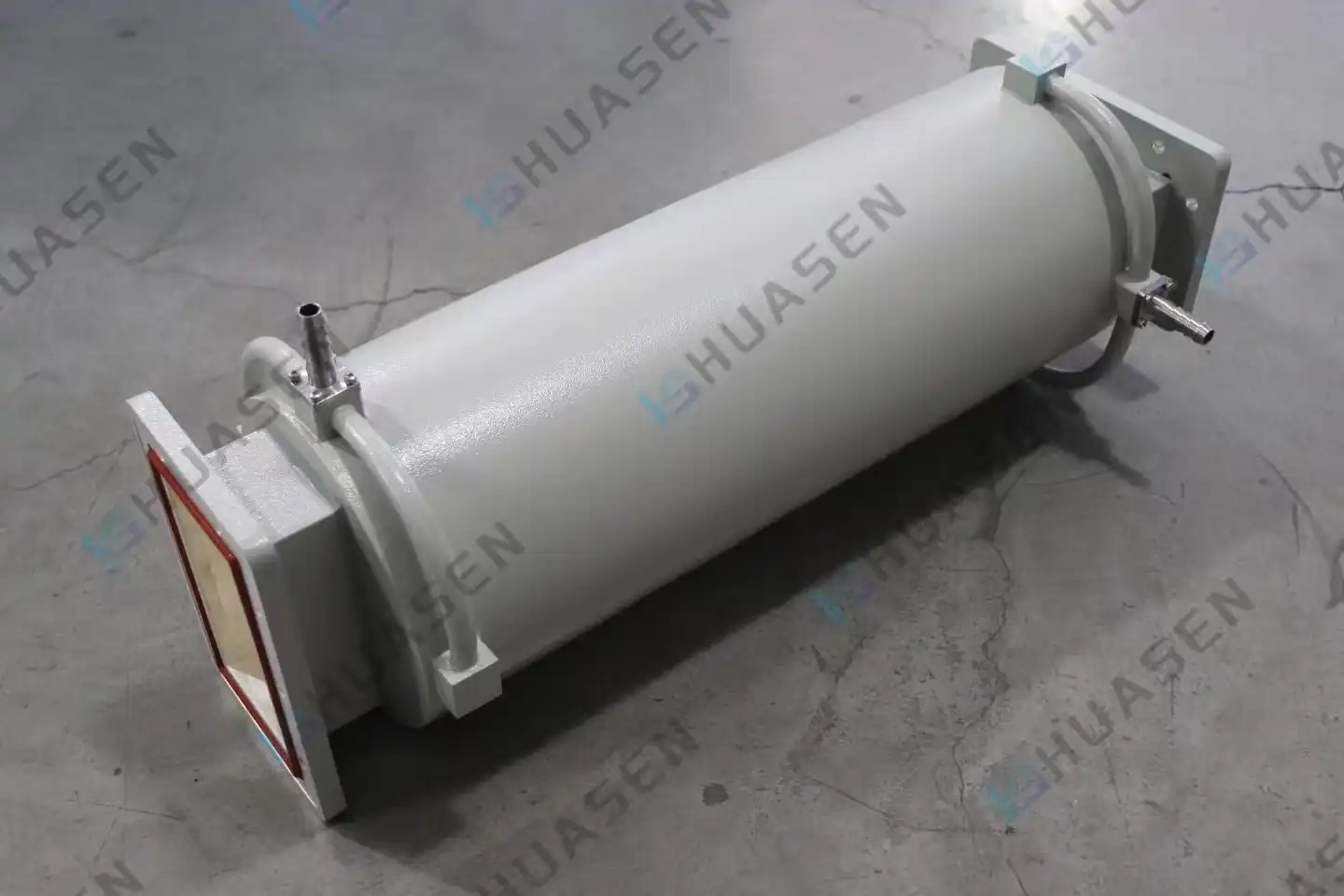
Integrating Water Cooled Twist Waveguide Safely
Integrating a Water Cooled Twist Waveguide "Safely" means implementing a specialized RF component that rotates electromagnetic polarization while actively managing thermal loads through liquid cooling channels. At Huasen Microwave, our water-cooled twist waveguide combines polarization rotation capabilities with integrated water-cooling circulation systems, enabling safe operation in high-power environments where thermal management is critical. Proper integration requires attention to dimensional precision, hermetic sealing, fluid management protocols, and RF performance verification to prevent leaks, thermal stress, and signal degradation. When installed correctly following industry standards, these components deliver reliable performance in demanding applications ranging from medical linear accelerators to satellite communications and radar systems.VIEW MORE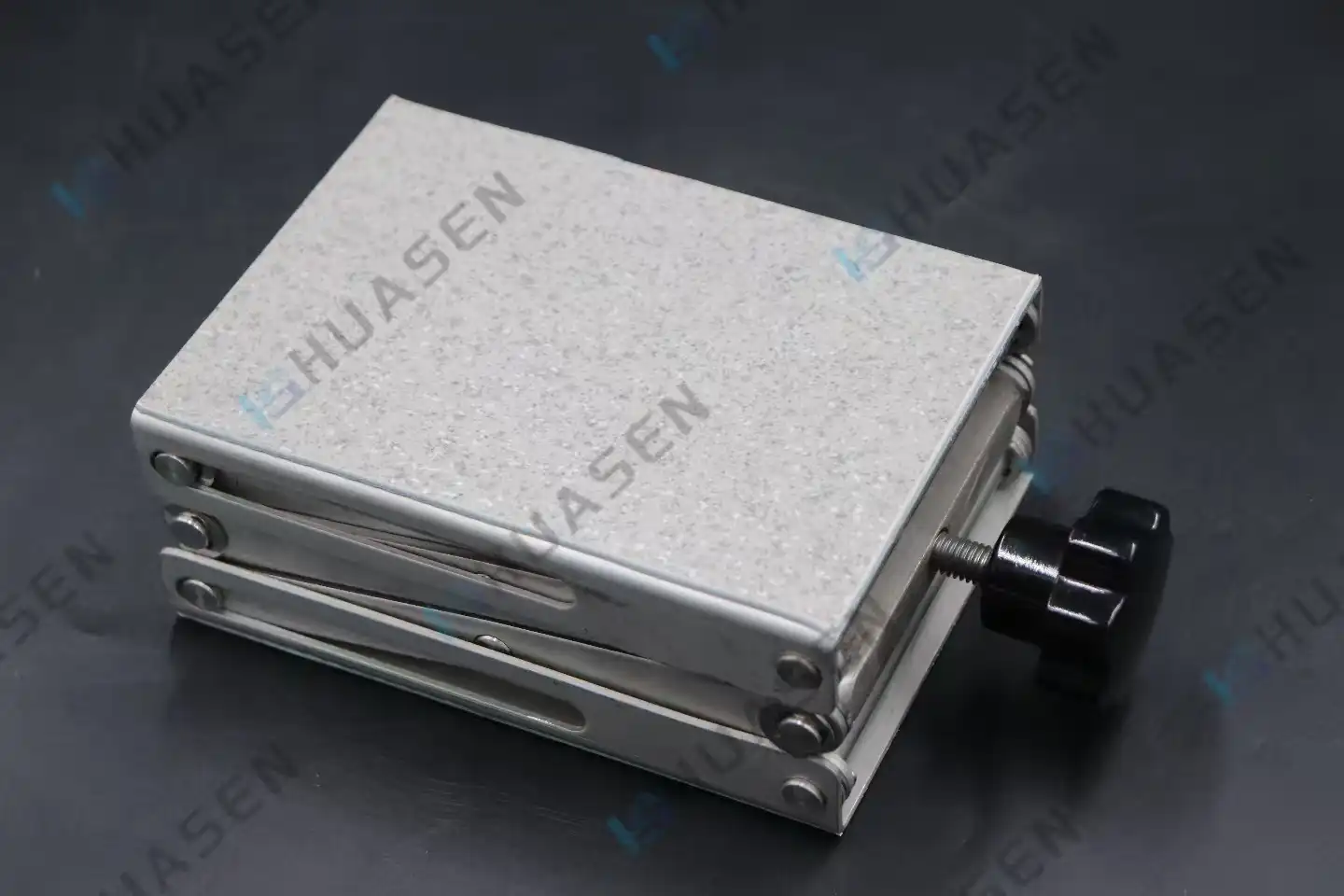
Waveguide Elevating Platform for Antenna Setup
When we talk about RF testing infrastructure and precise antenna alignment, we're talking about tools that have to be completely mechanically stable while working with delicate radio parts. A waveguide elevating platform is a special kind of positioning system that can accurately move antenna feeds, waveguide assemblies, and RF front-end modules up and down by less than a millimeter. These platforms are different from other lifting mechanisms because they keep phase coherence and mechanical rigidity throughout their entire elevation range. This solves a problem that has been around for a long time in high-frequency measurement environments where even tiny misalignments can change radiation patterns or cause measurement errors.VIEW MORE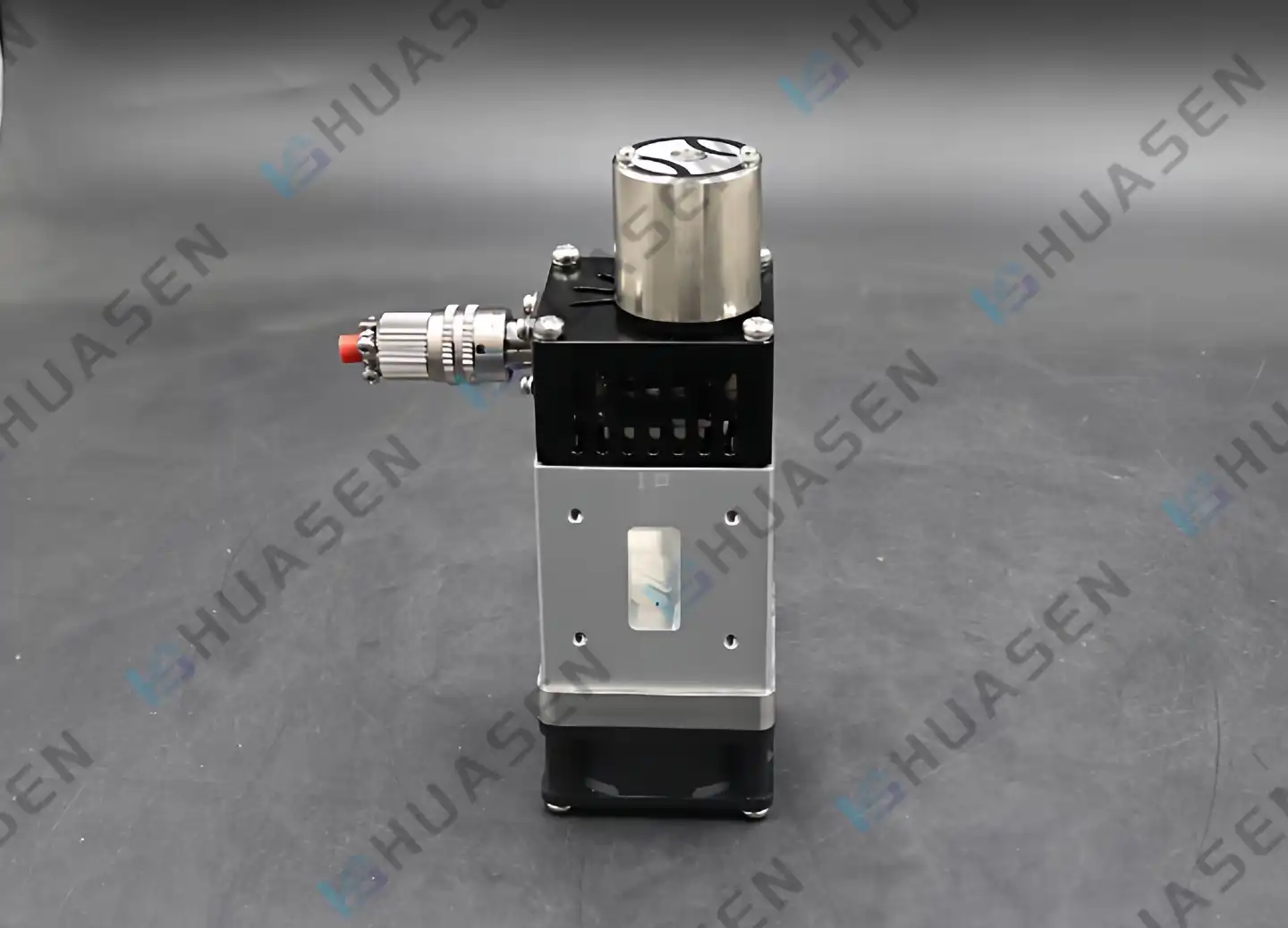
Selecting Electric Waveguide Switches for Aerospace Applications
Scientists choose waveguide switches for use in spacecraft by giving top priority to devices that work well with radio waves, even in harsh circumstances. Electric waveguide switches send high-frequency electromagnetic signals through hollow metal tubes. They are better at handling power, having less insertion loss, and providing strong separation than coaxial options. In radar systems, satellite communications, and electronic warfare platforms, where dependability and accuracy are key to mission success, these parts are essential. When buying, teams know about the technical details of these devices, they can choose parts that meet strict flight standards while also maximizing system performance and lifecycle costs.VIEW MORE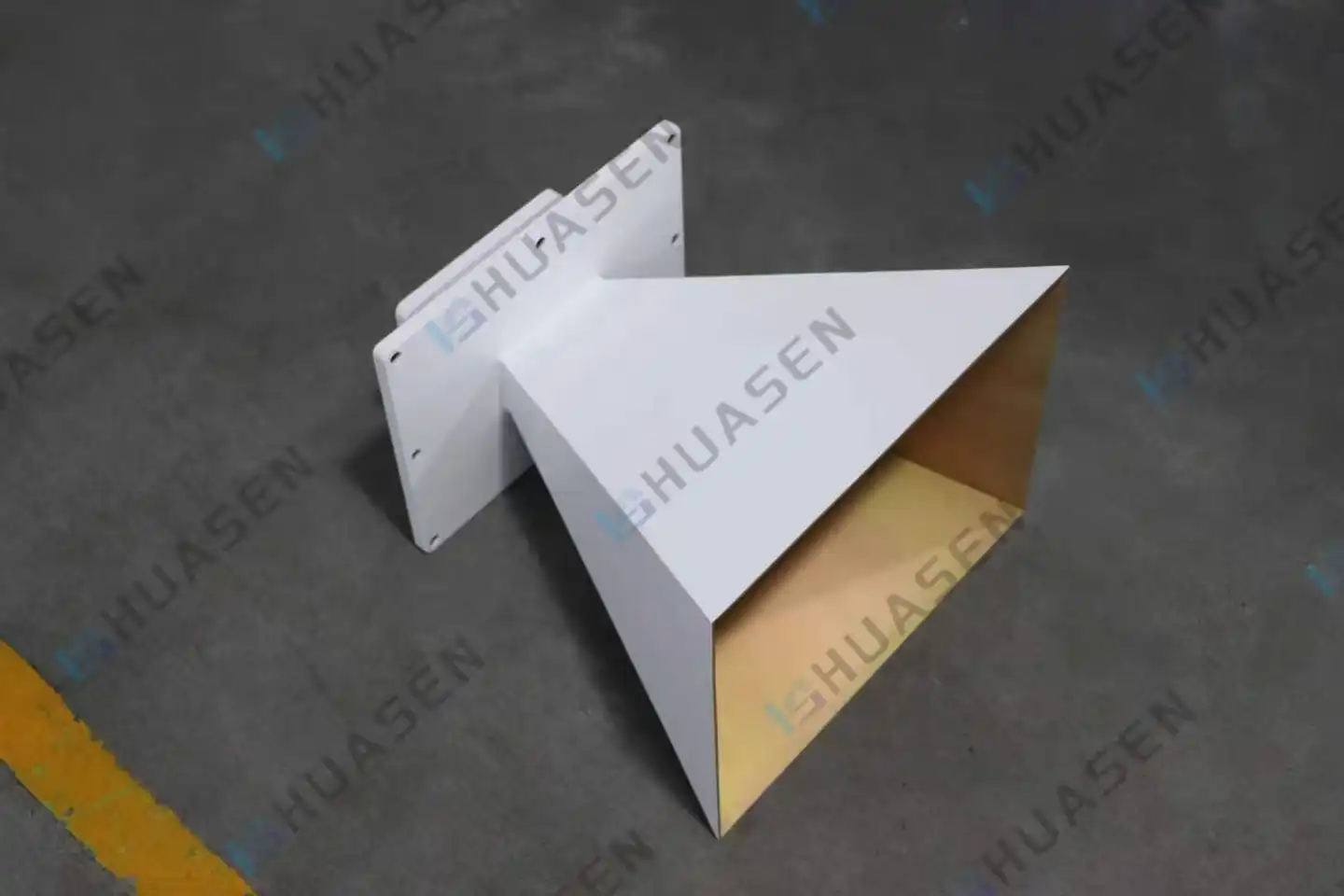
How to Compare Pyramidal Horn Antenna Specifications
When considering horn antenna specs, pay attention to the frequency range, gain performance, VSWR traits, and the amount of power they can handle. Because it is flanged, a pyramidal horn antenna changes waveguide impedance to free-space impedance. This makes it necessary for calibration, high-power transfer, and accurate RF tests. When you compare these factors to the needs of your application, like testing 5G infrastructure, calibrating radar, or setting up satellite communication systems, you can be sure that the parts you choose will improve performance while staying within your budget and meeting delivery dates.VIEW MORE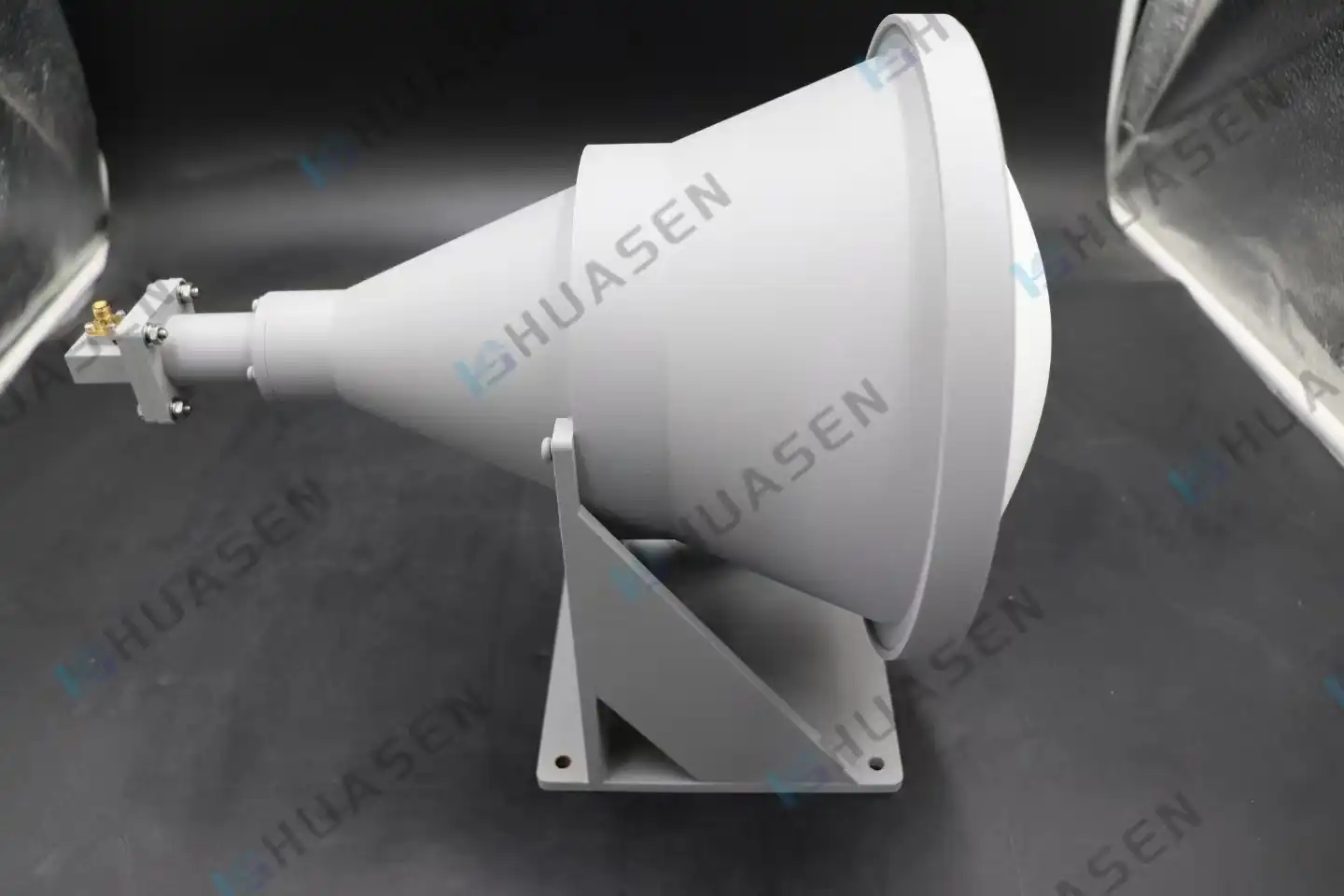
Lens Horn Antenna Design and Radiation Pattern Explained
You can make a lens horn antenna by cleverly putting a dielectric lens inside the opening of a horn antenna structure. This changes circular wavefronts into flat ones. This design solves the phase error problems that come with regular horn antennas, making them small while still getting high gain, better directivity, and better sidelobe suppression. The lens material, which is usually PTFE, Rexolite, or quartz, fixes problems with electromagnetic waves as they travel. This is why these antennas are essential for millimeter-wave applications in the aerospace, radar, and telecommunications industries, where system performance depends on signal purity and efficiency.VIEW MORE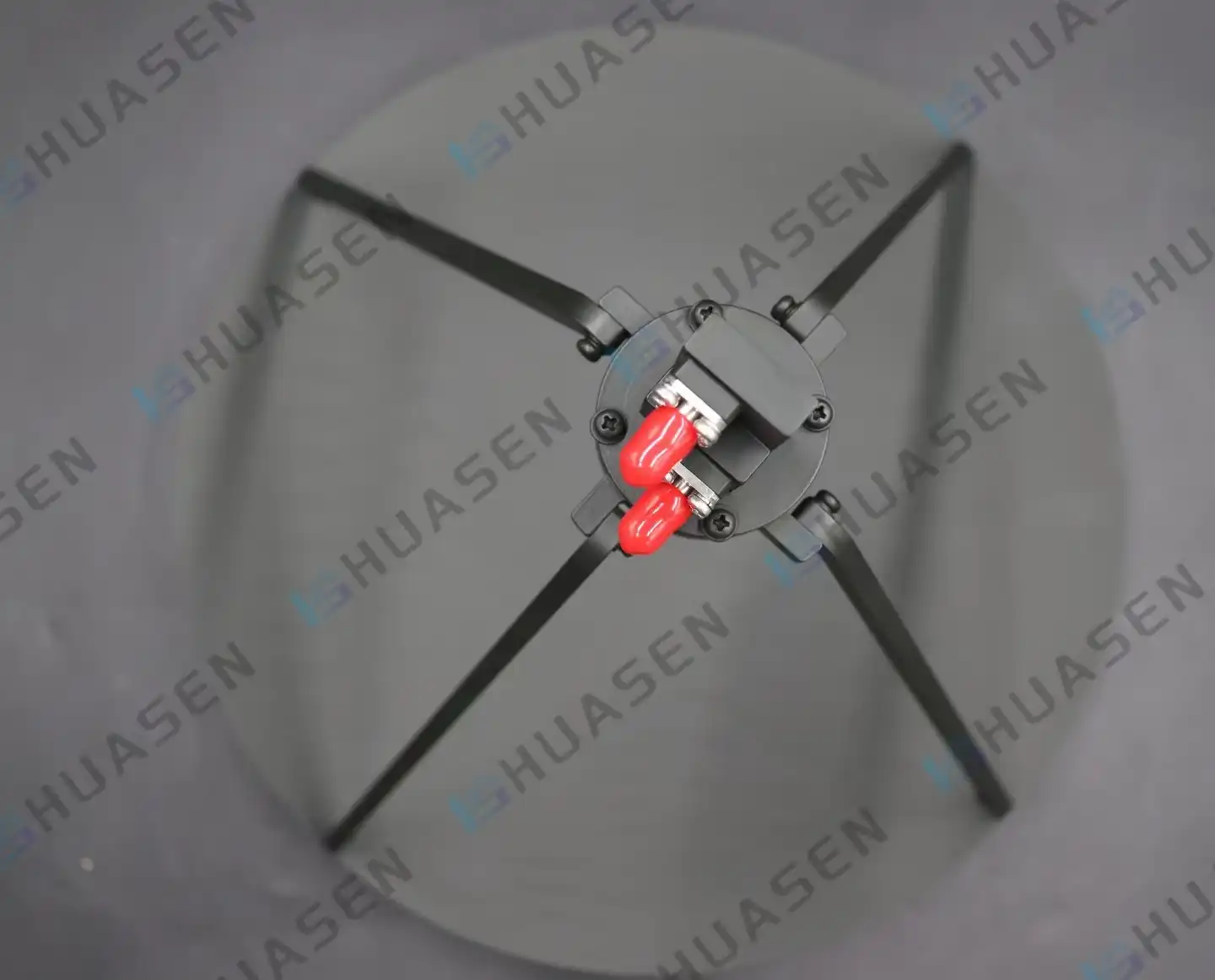
How Parabolic Antenna Is Used in Radio Astronomy
We can only see a small part of what's going on in the world when we look up at night. Radio astronomy lets us look into things in space that we can't see, and the parabolic antenna is the key tool that makes this possible. These high-tech dish-shaped antennas pick up faint radio waves coming from galaxies, pulsars, and nebulae far away. They turn these electromagnetic signals that can't be seen into data that unlocks the mysteries of the universe. By focusing incoming radio waves very precisely on a central feed element, parabolic antennas help scientists find and study events in space that happen billions of light-years away. They do this by providing unmatched sensitivity and direction accuracy that are essential for current space research.VIEW MORE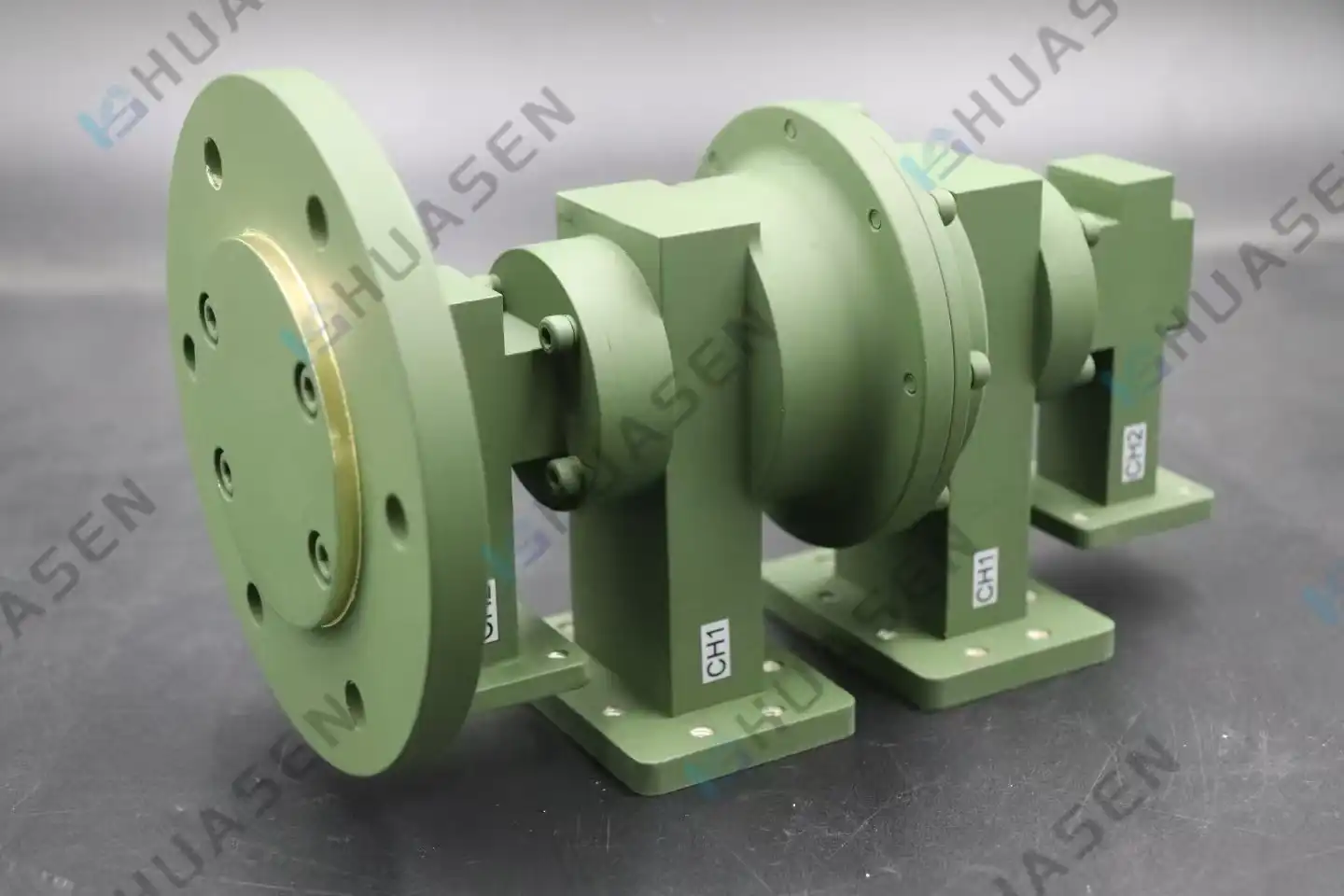
What Is a Dual Channel Rotary Joint and Why It Matters in Radar?
A dual-channel rotary joint is a radio part that is carefully designed to be able to rotate 360 degrees while sending RF data through two separate channels. This device is different from single-channel designs because it lets radar systems handle multiple frequency bands or separate transmit-receive lines at the same time, without signal degradation or wire twisting. The concentric design, which often combines waveguide and coaxial transmission lines, keeps channels very isolated and has very little insertion loss during rotation. This makes it essential for high-performance radar systems, where signal integrity directly affects how well targets are found.VIEW MORE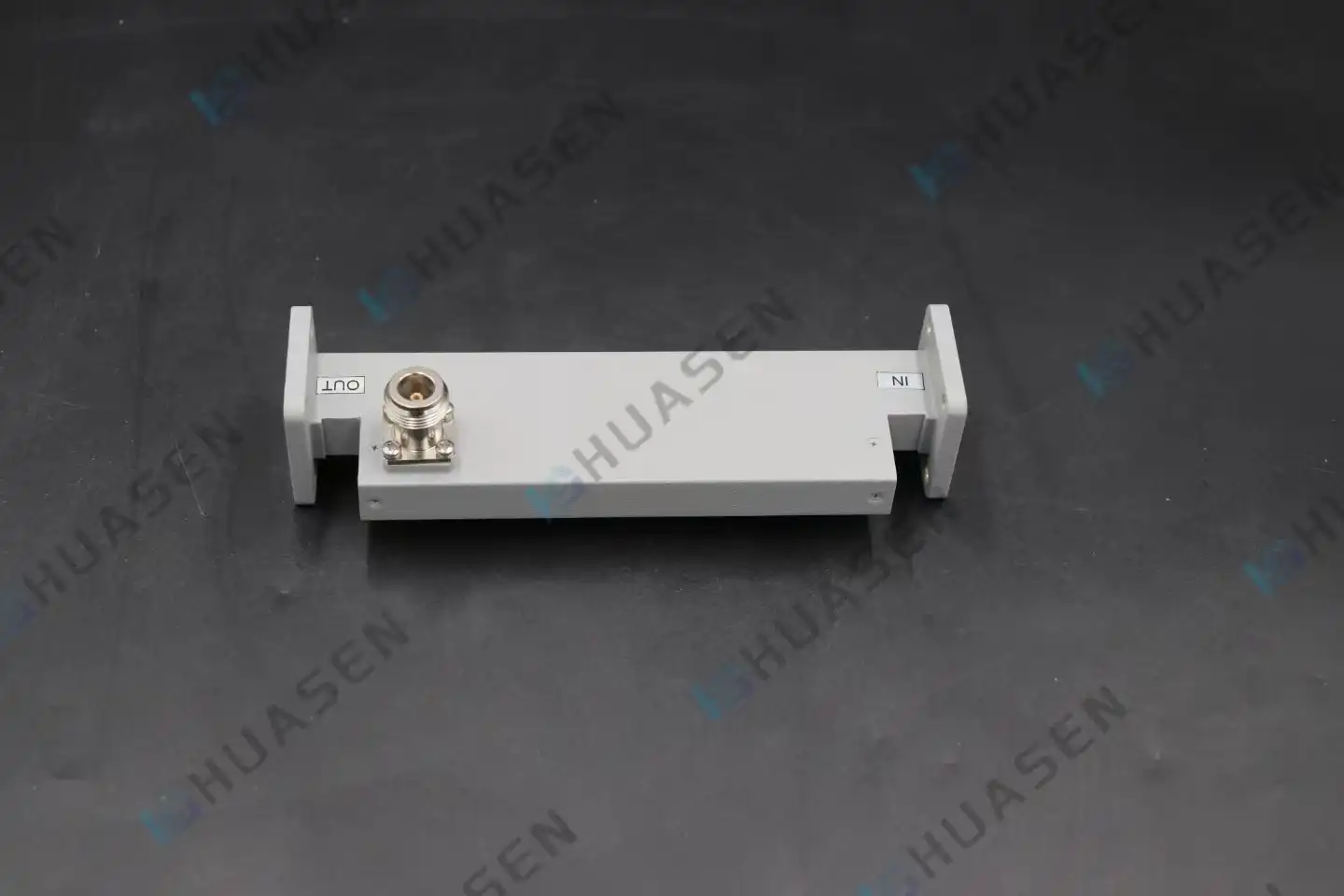
Waveguide Directivity Coupler Optimization for High-Frequency Measurements
The goal of waveguide directivity coupler improvement is to make a part better at picking up electromagnetic signals going in one direction while strongly blocking reflections from the other direction. A good directivity coupler can get directivity values above 40dB, which makes sure that measurement tools get real forward power without load differences messing it up. This accuracy is very important in places like RF testing labs, satellite communications uplinks, and radar calibration sites where measurement error needs to be kept to a minimum. Engineers can improve performance levels that change the accuracy of high-frequency measurements used in defense, aircraft, and telecommunications by making smart changes to the shape, choosing the right materials, and making the manufacturing process better.VIEW MORE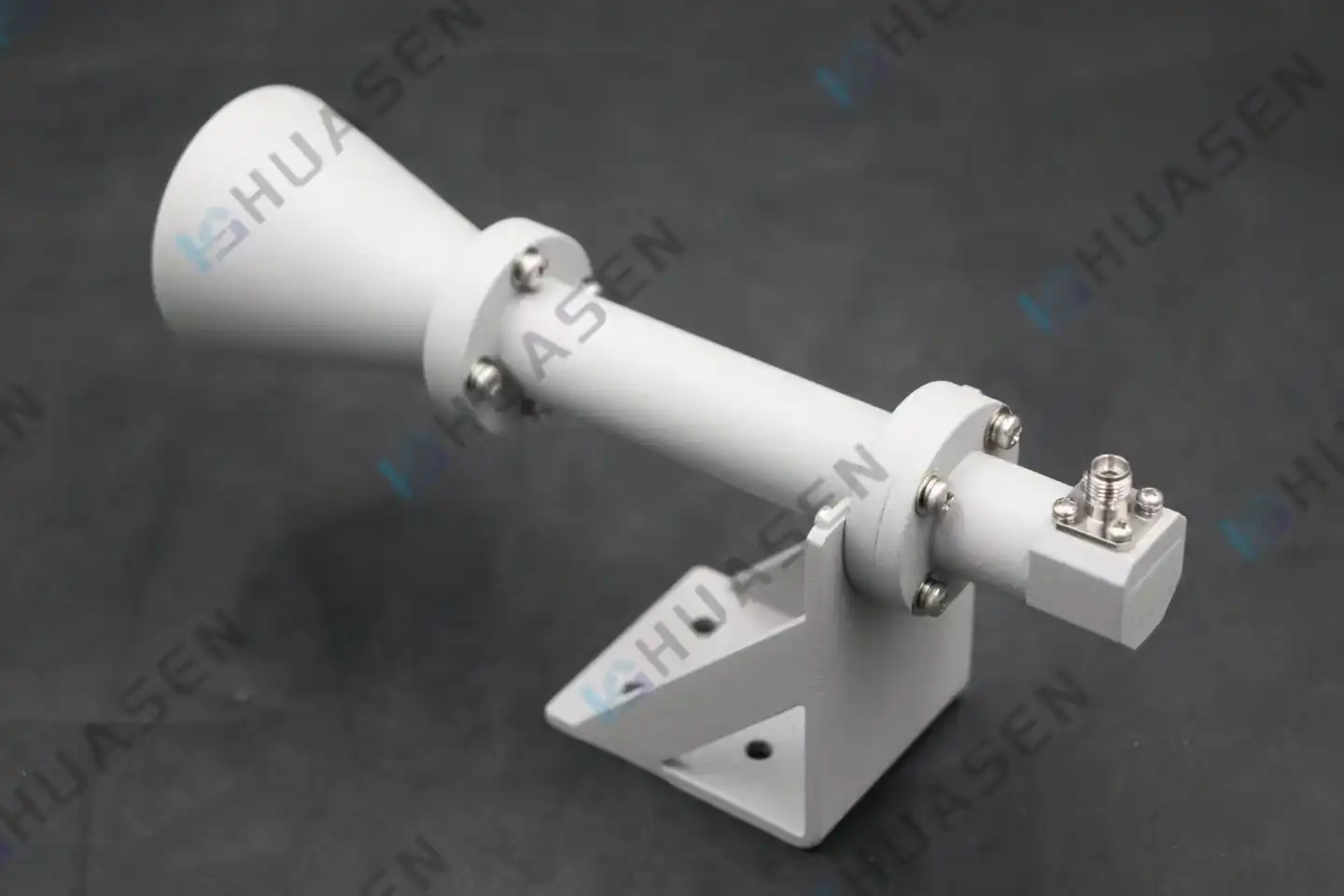
Performance Metrics for Circularly Polarized Microstrip Antenna
It is very important to know how to measure the performance of circularly polarized microstrip antenna systems when choosing antennas for demanding wireless applications. A circularly polarized microstrip antenna is a special kind of planar antenna made with PCB technology. It has an electric field vector that spins continuously in a circle, which can be right-hand circularly polarized (RHCP) or left-hand circularly polarized (LHCP). Linearly polarized systems suffer from polarization mismatch losses, but this spin gets rid of them. This makes these antennas essential for satellite communications, GNSS receivers, drone data, and mobile base stations. It creates circular polarization by excitation of two orthogonal modes that have the same amplitude and a 90° phase difference. This is usually done with corner-truncated patches or dual-feed networks with hybrid couplers.VIEW MORE
- 1
- 13
- 14
- 15
- 16
- 17
- 60
Total 60 pages