Integrating Water Cooled Twist Waveguide Safely






2026-06-04 21:30:55
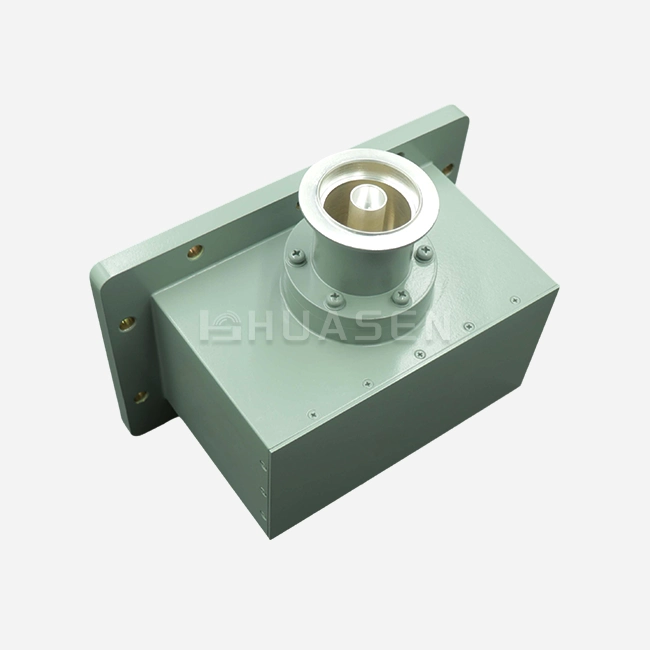
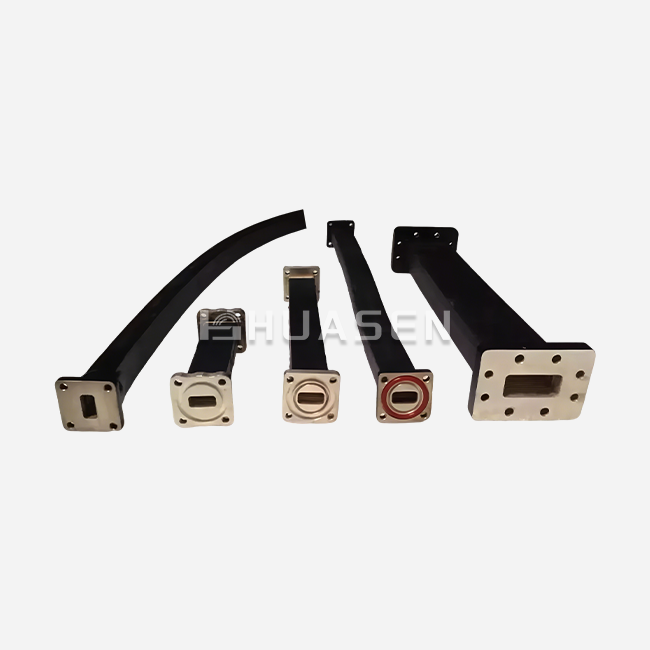
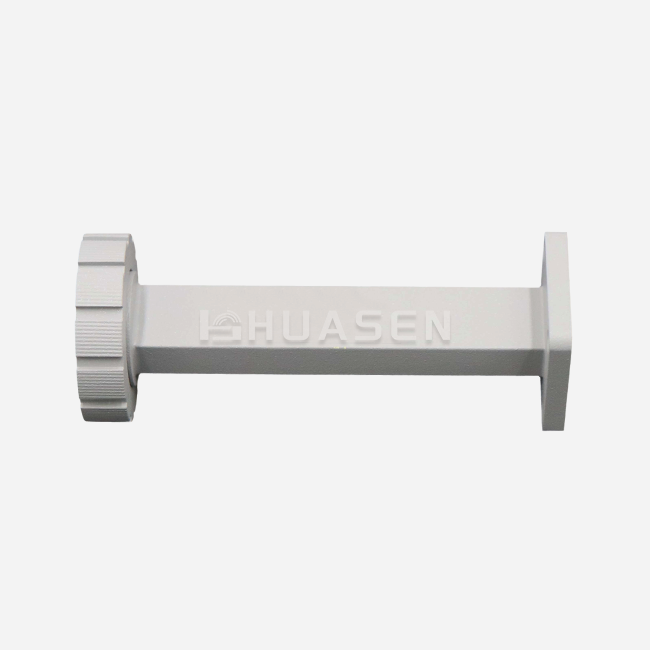
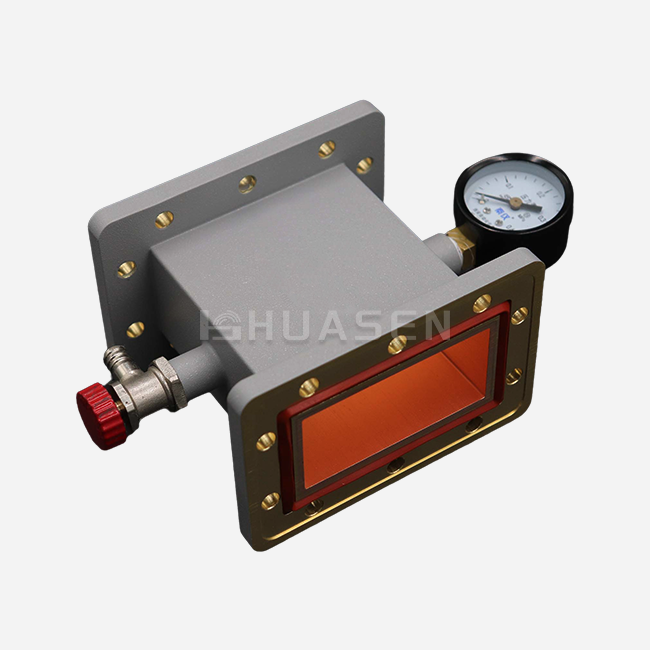
Integrating a Water Cooled Twist Waveguide "Safely" means implementing a specialized RF component that rotates electromagnetic polarization while actively managing thermal loads through liquid cooling channels. At Huasen Microwave, our water-cooled twist waveguide combines polarization rotation capabilities with integrated water-cooling circulation systems, enabling safe operation in high-power environments where thermal management is critical. Proper integration requires attention to dimensional precision, hermetic sealing, fluid management protocols, and RF performance verification to prevent leaks, thermal stress, and signal degradation. When installed correctly following industry standards, these components deliver reliable performance in demanding applications ranging from medical linear accelerators to satellite communications and radar systems.
Introduction
There is more and more pressure on procurement workers and technical users to find RF components that work well in harsh circumstances. Water-cooled twist waveguides are an important choice for uses that need to send a lot of power, change the polarization, and keep the temperature stable. These specialized parts solve important problems in current aircraft systems, telecommunications infrastructure, and microwave processing in industry.
Adding cooling and polarization bending together makes a special benefit for people who put together systems for 5G base stations, satellite ground terminals, and high-energy physics installations. Unlike traditional designs that use air cooling, liquid-cooled ones can keep working at power levels that would damage passive parts due to heat. Learning about safe integration techniques helps protect investments, makes sure rules are followed, and reduces operating problems.
For purchasing managers, RF engineers, and system designers, this guide explains the scientific basics, things to think about when buying, and the best ways to put the technology into action. We deal with problems that happen in the real world, like the risk of heat runaway, the difficulty of fitting, the criteria used to judge suppliers, and figuring out the total cost of ownership. The ideas presented here come from many years of experience in industry and direct feedback from clients who work in mission-critical settings.
Understanding Water-Cooled Twist Waveguide Technology
Core Operating Principles
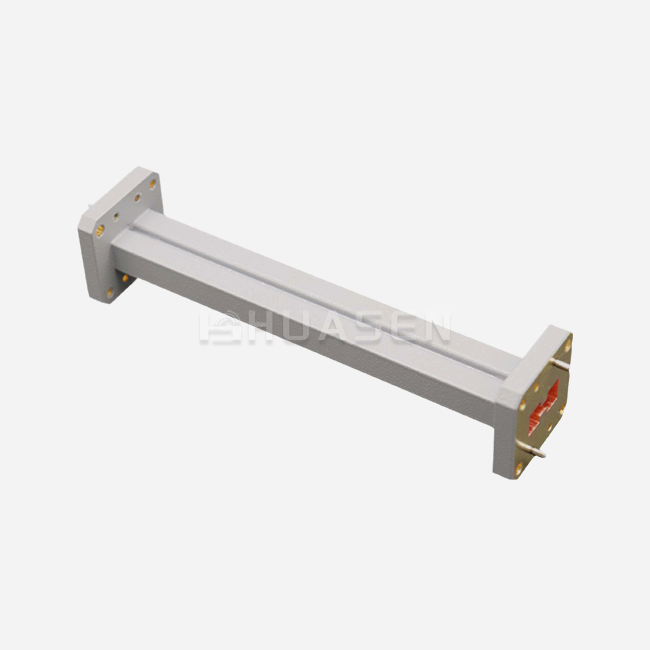
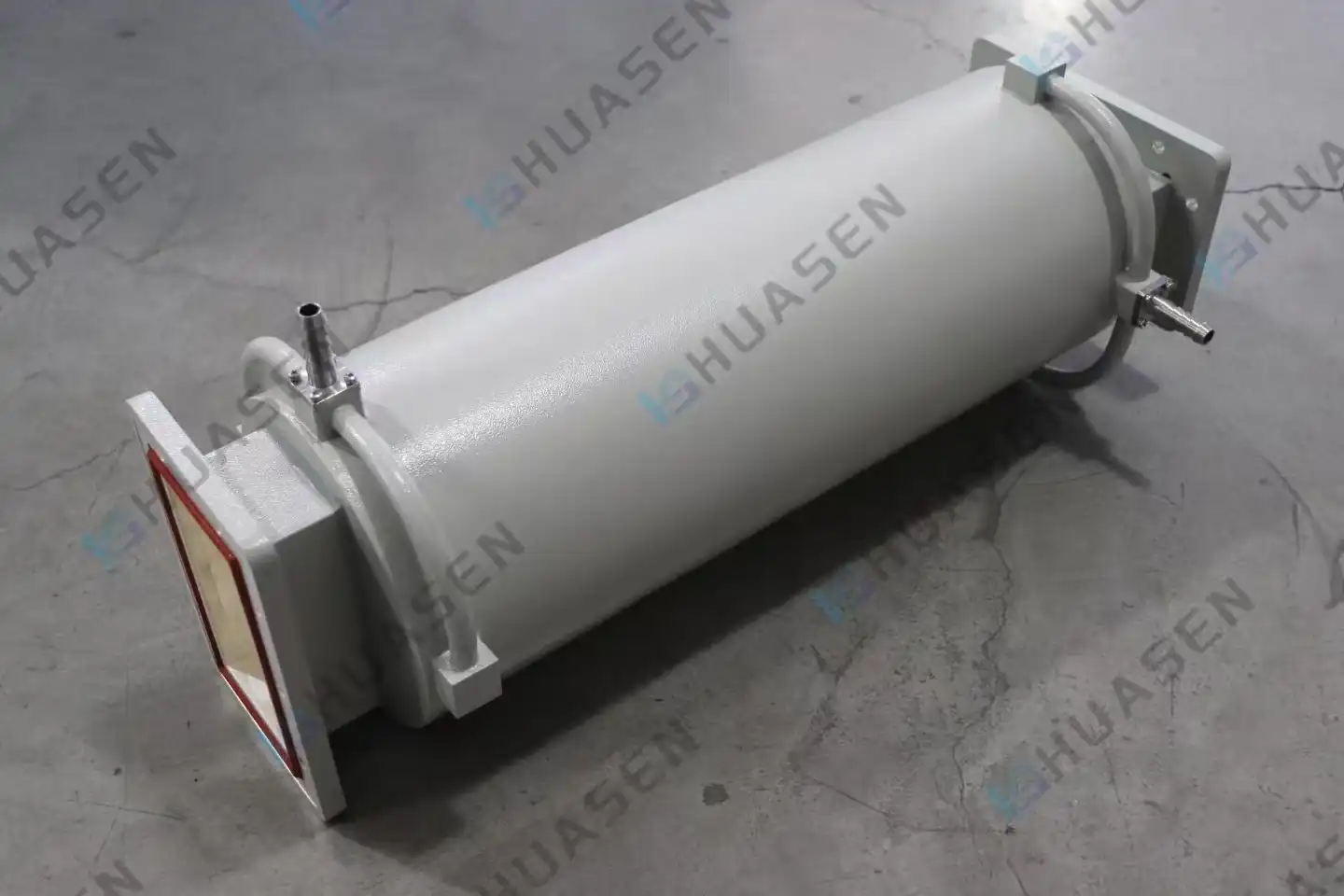
Precision-engineered passive microwave parts called "water-cooled twist waveguides" change the electromagnetic polarization plane by 45 or 90 degrees while actively getting rid of the heat that is produced during high-power transmission. The basic design uses brazed cooling channels or machining jackets that are attached directly to the waveguide walls. This makes the RF surface and cooling medium heat up very quickly. In kilowatt-to-megawatt uses, surface currents can cause ohmic heating that can get too high. This design takes care of that problem.
The twist process depends on small changes in the shape of the waveguide cross-section. The polarization vector turns smoothly as electromagnetic waves move through the controlled taper. This happens without any echoes or mode switching. Adding a flowing coolant, usually deionized water or a mix of water and glycol, to the system keeps the wall temperatures stable even when it is running on continuous waves or high-duty cycle burst scenarios.
Material Selection and Thermal Performance
For the body of the waveguide, manufacturers usually choose high-conductivity copper metals or aluminum because they have great electrical and thermal qualities. At Huasen Microwave, we use oxygen-free copper for important parts to keep insertion loss as low as possible and speed up the transfer of heat to cooling channels. The jacket piece goes through vacuum brazing to make bonds that are leak-proof and can withstand pressures more than 1.5 times the working standard.
Tolerances for temperature changes rely on the application. For example, medical and aircraft systems usually need wall temperature changes to be less than ±5°C while they are running. Flow rates are usually between 2 and 10 liters per minute, which creates enough turbulence for convective heat exchange to work well without causing too much pressure drop. During the planning process, thermal modeling predicts hot spots and checks the efficiency of the cooling circuit before making the prototype.
Critical Design Considerations
Precision in dimensions has a direct effect on both RF performance and the stability of the seal. To keep VSWR standards across the working bandwidth, waveguide internal dimensions must stay within ±0.025 mm of each other. At the same time, for a water cooled twist waveguide, placing the cooling channels needs to be carefully balanced—too close to the RF surface can cause dielectric contamination during leaks, and too far away from the surface lowers thermal efficiency.
Another important factor is interface compatibility. Standard flange shapes, like UG or EIA types, make sure that neighboring transmission line parts can connect mechanically. The specs for the coolant port must match the plumbing standards of the building. When working on projects in tough settings, you need to think about things like coatings that don't rust, features that reduce shaking, and designs for double seals.
Benefits and Advantages of Water-Cooled Twist Waveguides
Enhanced Thermal Management and System Reliability
Passive waveguide components' operating powers alter with active cooling. Water-cooled twist waveguide systems can handle 5 to 10 times more power than air-cooled systems of the same size. Smaller footprints, lighter systems, and simpler system designs result from this characteristic. This is ideal for small installations like aircraft radar systems and ship communications gear.
Inactive parts experience frequency drift as the load varies. Maintaining temperature stability prevents this. To repeat studies and keep equipment safe in precision settings like particle accelerators and plasma research centers, RF properties must be consistent. The increased temperature gap prevents short-term overloads, protecting downstream elements during faults or pulse abnormalities.
Working temperatures within design limits extend equipment life. Active cooling minimizes thermal cycling, which wears machinery by stretching and shrinking. Properly maintained water-cooled assemblies may operate beyond 100,000 hours in continuous service in lab testing. This is far longer than passive alternatives, which require replacement or repair after 20,000–40,000 hours.
Performance Comparison Across Cooling Methods
Direct comparison measures liquid cooling's practical advantages. Depending on duty cycle and climate, forced-airflow, air-cooled twist waveguides may handle peak outputs of 10 to 50 kilowatts. Water-cooled variants can handle 100–500 kilowatts of steady-wave power. For fusion research, some designs may reach 1 megawatt.
Active cooling maintains insertion loss properties throughout temperature ranges; however, passive components perform poorly as internal temperatures increase. Water-cooled conventional S-band twists have insertion loss ≤ 0.15 dB at full power. Unlike air-cooled systems under heat stress, which have an insertion loss of 0.3 to 0.5 dB. In multistage transmission systems, this efficiency gain improves signal quality and reduces upstream power.
Space efficiency estimations demonstrate that water cooling works best in crowded settings. Huasen Microwave's compact designs can rotate polarization in tiny equipment boxes. This is conceivable because passive turns need too much space to avoid heat. Installation time decreases, lowering technician costs for system commissioning or maintenance.
Real-World Application Performance
Radiation treatment linear accelerators spin the gantry using water-cooled twist waveguides. They successfully deliver RF from stationary klystrons to moving treatment heads. The pieces can function constantly over extended therapy sessions and provide the precise quantity required to keep the patient safe. Clinical facilities reduced unexpected downtime by over 40% by switching from air-cooled to water-cooled RF distribution networks.
Water cooling allows industrial microwave processing equipment to heat and cure food 24/7. Water-cooled waveguide components, including the water cooled twist waveguide, increased energy efficiency by 12% in a 75-kilowatt commercial food processing machine. Because the system lost less energy and ceased thermal derating. The gadget has operated uninterrupted for three years without component replacement.
Satellite ground station workers have unique challenges since the environment might influence high-power uplink receivers. Water-cooled twist waveguides in tracking antenna systems function well at -30°C to +55°C. The systems don't lose performance throughout the year like passive cooling. One phone company reported a 60% reduction in repair site visits after switching to water-cooled transmission components.
Safe Integration Practices for Water-Cooled Twist Waveguides
Identifying Installation Challenges and Risks
Combining systems poses the greatest fluid management risk. Water leaks into RF circuits may cause catastrophic failure or delayed corrosion. Incorrect coolant flow may cause thermal stress and hot patches. Hot spots may cause mechanical failure. In cooling circuits, particles and biological growth clog narrow channels and reduce heat transfer.
Also problematic are mechanical construction faults. Incorrect flange torque standards may damage gasket seals or waveguide cross-sections, reducing electrical performance. Stress and fractures from misaligned flanges during heat cycles. Poor support structures may damage water valves and cause leaks months after installation.
Flange connection failures and cooling pipe ground loops cause resistance variations and electrical integration issues. Peak power systems near their component ratings must defend against multipaction and corona, especially at high altitudes or low pressure. Risk reduction requires distinct planning and execution.
Pre-Installation Verification Steps
Check part measurements using precision measuring equipment beforehand. Within restrictions, waveguide interior dimensions should meet requirements. The gauge pin and flange contact caliper confirm this. Well-lit regions expose corrosion, shipping damage, and surface imperfections that may hinder performance. Documentation verifies S-parameter measurements and pressure test certificates.
Flushing cooling systems with the correct cleaning solutions removes industrial waste, oils, and particles. Over 1 megohm-cm, coolants utilize deionized water. Sometimes glycol blends prevent corrosion or freezing. To ensure performance in difficult conditions, the flow rate should include pump capacity, cooling circuit series resistance, and heat exchanger needs.
Tools, torque wrenches calibrated to flange standards, gaskets, and leak detectors must be manufactured for workspace preparation. Helium leak detectors with sensitivity below 1×10⁻⁹ mbar·L/s are crucial for vacuum applications. Personnel should verify coolant safety data sheets for fluid leaks. Maintaining airflow and spill control during connection tasks protects people and equipment.
Step-by-Step Installation Protocol
First, mount the Mechanical Designs Water Cooled Twist Waveguide. This aligns the assembly for water port access and polarization. Support braces should uniformly distribute weight and eliminate flange stress. As suggested by the manufacturer, tighten star-flange bolts. Torque is 5–25. Newton-meters depending on flange size and gasket material. Repeat measurements using calibrated torque wrenches to confirm end numbers.
Seal and clean coolant connections. Before assembly, clean parts with isopropanol and lint-free wipes. Make sure the thread sealant matches the coolant chemistry and temperature. Stay away from petroleum-based glycol-degraders. Tighten fittings by hand. Torque as specified by the manufacturer using the wrench. Compression fittings are 1/4–1/2 turn tighter than hand-tight.
Pressure testing verifies hermetic integrity before RF power. Use dry nitrogen or coolant to separate the cooling line and boost pressure to 1.5 times the maximum operating pressure. Check pressure gauges for 30 minutes. Any considerable dip indicates a leak that needs immediate repair. After maintaining pressure, add water at the proper rate and inspect connections for leaks. Verified bubble testing finds leakage.
Post-Installation Testing and Validation
Vector network analyzer S-parameters are compared to factory data in RF performance testing of the water cooled twist waveguide. Attach standard test equipment to twist waveguide flanges to examine the reference plane. Compare S11 (return loss) and S21 (insertion loss) to operating range parameters. VSWR must exceed 1.15:1, and insertion loss must be 0.1 dB.
Operating the system at maximum power and monitoring coolant temperatures at the inlet and exit ports measures thermal performance. Thermal design says flow rate and power loss affect temperature. Infrared thermal imaging may show sluggish flow or poor thermal touch on hot surfaces. Remember thermal performance parameters for repairs.
Integration testing ensures quick power, modulation, and temperature changes in real life. After 48–72 hours, high-power burn-in failures kill infants and solidify component characteristics. To ensure performance margin across all standards, final acceptance testing should replicate the toughest service life situations.
Conclusion
Water-cooled twist waveguides can be safely integrated into microwave uses in telecommunications, aerospace, and industry. They provide measurable operating benefits. When you combine active thermal management with polarization manipulation, you can build systems that you couldn't build with passive cooling methods. A successful procurement relies on carefully evaluating suppliers, making sure that all specifications are met, and following strict installation procedures that protect both performance and dependability.
The long-term worth of these parts can be seen by looking at the total cost of ownership instead of just the purchase price. Less energy use, longer repair intervals, and better uptime all have a direct effect on business profits. Higher efficiency also has positive effects on the environment. Strategic relationships with well-known makers like Huasen Microwave give you access to the technical know-how, customization options, and stable supply lines that are needed for mission-critical applications.
This guide is full of useful tips that come from helping system designers and procurement workers solve problems in the real world. Using these ideas in your next project will lower technical risks, shorten the time it takes to commission, and set the stage for long-term operating greatness.
FAQ
1. What operating temperature ranges can water-cooled twist waveguides handle?
When properly built, water-cooled waveguide assemblies keep their RF performance fixed from 10°C to 40°C at the coolant inlet. During operation, the temperatures of the internal walls usually stay within ±5°C of the coolant temperature. With the right coolant mixes and thermal protection, the outside temperature can be anywhere from -40°C to +70°C. Huasen Microwave's designs are qualified across these wide and narrow ranges to make sure they stay mechanically sound and meet electrical standards.
2. How do maintenance requirements compare between cooled and air-cooled waveguides?
Water-cooled systems need to have the chemical of the coolant checked on a regular basis, the filter replaced every 6 to 12 months, and the connections looked at visually to make sure they don't leak. Alternatives that are cooled by air need to have their heat exchanger surfaces cleaned more often and their thermal contact materials replaced more often as they wear out. Overall maintenance work hours usually favor water-cooled designs by 20% to 30% per year. This is especially true in dusty or acidic environments where passive heat sinks get dirty and need to be cleaned thoroughly.
3. What testing validates proper installation before energizing the system?
Pressure testing of cooling circuits to 1.5 times operating pressure with 30-minute hold verification, helium leak detection for vacuum applications with sensitivity below 1×10⁻⁹ mbar·L/s, vector network analyzer S-parameter measurements confirming VSWR and insertion loss specifications, and thermal performance verification at rated power, recording temperature differences are all part of full commissioning. Before going into operation, this multi-phase confirmation makes sure that both the airtight integrity and the RF performance meet the design requirements.
Partner with Huasen Microwave for Your Water-Cooled Twist Waveguide Requirements
Huasen Microwave has been making specialized RF parts for over 30 years and works with challenging uses all over the world. These water cooled twist waveguides have good heat dissipation, low-loss polarization rotation, high power capacity, support for a wide frequency range, and small installation areas. As a specialized manufacturer, we have full control over the design, production, testing, and quality control methods that make sure the products work well and last a long time.
We know how important your system needs are and offer full technical help from developing the original specifications to commissioning the installation and beyond. Email our engineering team at sales@huasenmicrowave.com to talk about the details of your application, get full product catalogs, or get quotes for both standard and custom water-cooled waveguide options. Huasen Microwave is your go-to company for mission-critical RF parts because we offer quick service, fair prices, and a dedication to quality.
References
1. Montgomery, C.G., Dicke, R.H., and Purcell, E.M. (1948). Principles of Microwave Circuits. McGraw-Hill Book Company, Radiation Laboratory Series Volume 8.
2. Saad, T.S. (1971). "Design of Waveguide Twists for Arbitrary Rotation Angles," IEEE Transactions on Microwave Theory and Techniques, Vol. MTT-19, No. 3, pp. 267-273.
3. Ginzton, E.L. (1957). Microwave Measurements. McGraw-Hill Book Company, Chapter 9: High Power Measurements and Components.
4. Hansen, R.C. (1981). "Microwave and Millimeter-Wave Power Handling Capability," IEEE Transactions on Microwave Theory and Techniques, Vol. MTT-29, No. 6, pp. 603-609.
5. IEEE Standard 1899-2017. IEEE Standard for Waveguide and Coaxial Transmission Lines – Terminology and Test Methods.
6. Marcuvitz, N. (1951). Waveguide Handbook. McGraw-Hill Book Company, MIT Radiation Laboratory Series Volume 10, Section 3.8: Twist Sections.
Send Inquiry