Selecting Electric Waveguide Switches for Aerospace Applications






2026-06-03 21:37:12
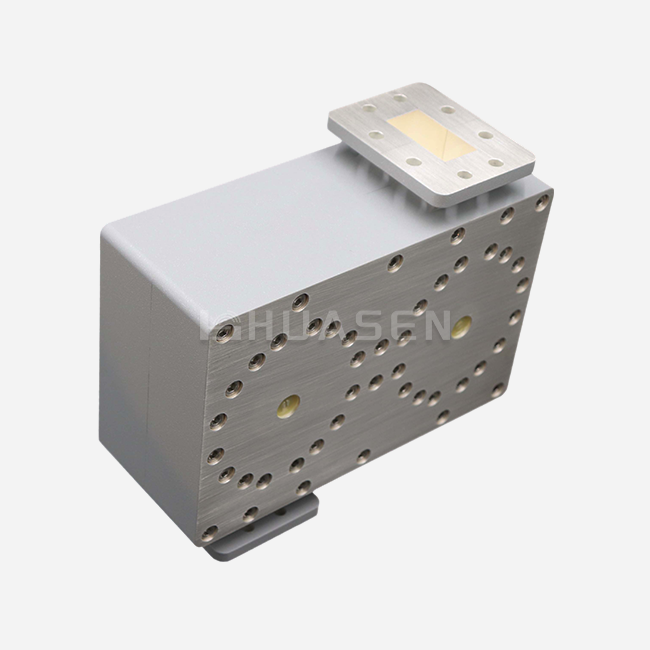
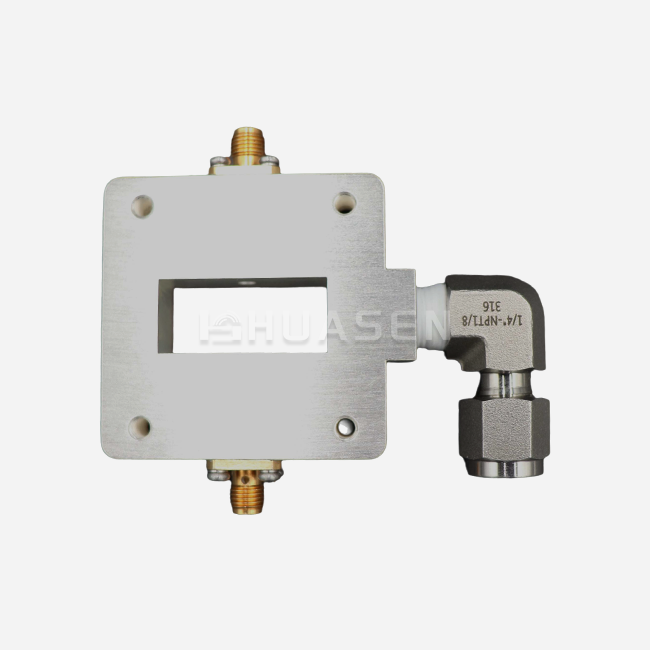
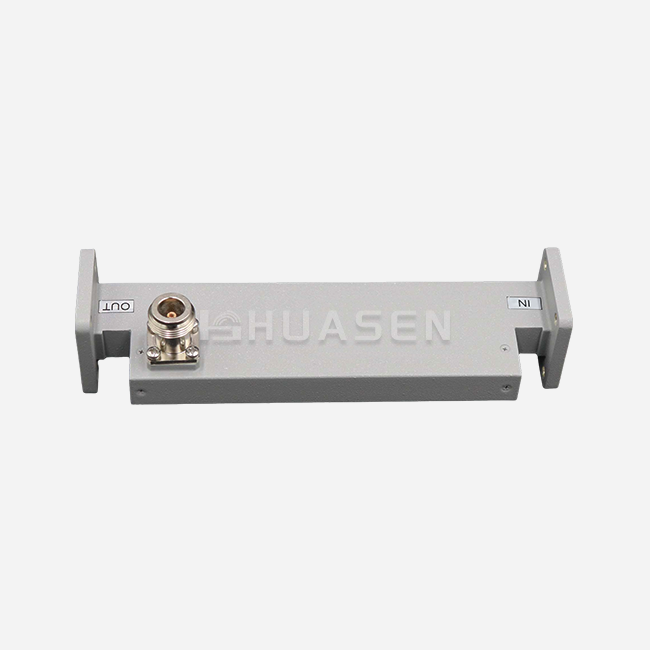
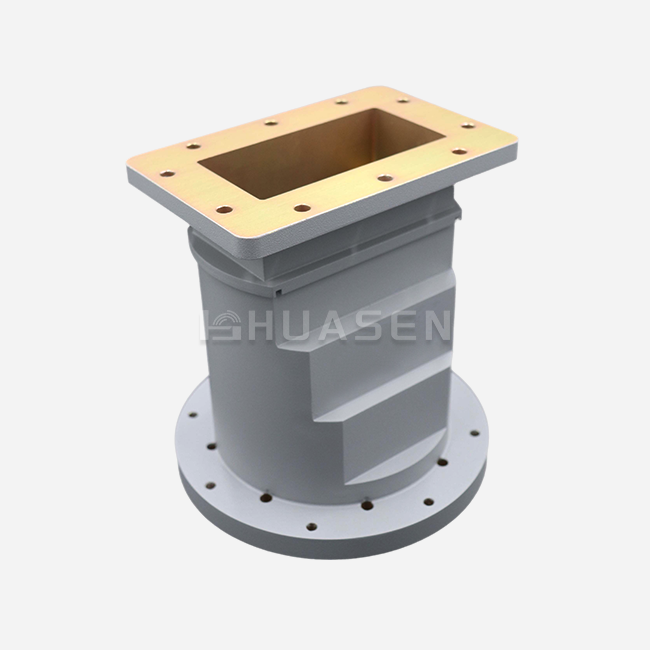
Scientists choose waveguide switches for use in spacecraft by giving top priority to devices that work well with radio waves, even in harsh circumstances. Electric waveguide switches send high-frequency electromagnetic signals through hollow metal tubes. They are better at handling power, having less insertion loss, and providing strong separation than coaxial options. In radar systems, satellite communications, and electronic warfare platforms, where dependability and accuracy are key to mission success, these parts are essential. When buying, teams know about the technical details of these devices, they can choose parts that meet strict flight standards while also maximizing system performance and lifecycle costs.
Understanding Electric Waveguide Switches in Aerospace
Core Working Principles and Architecture
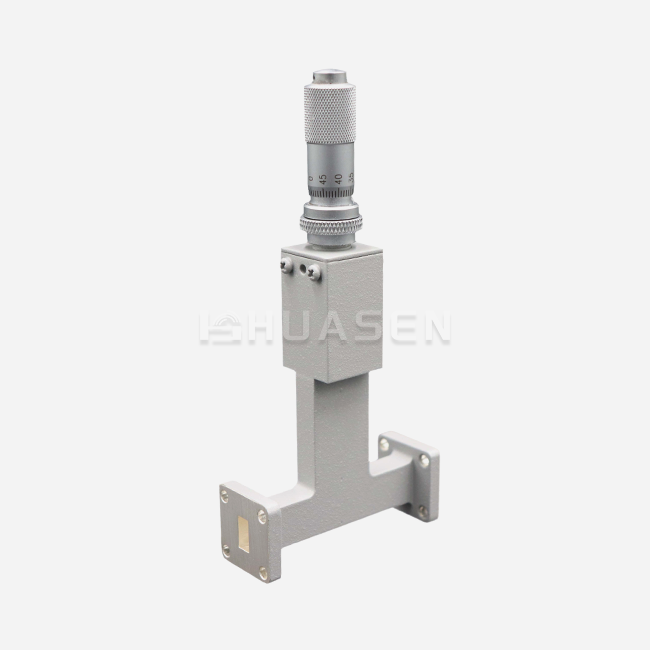
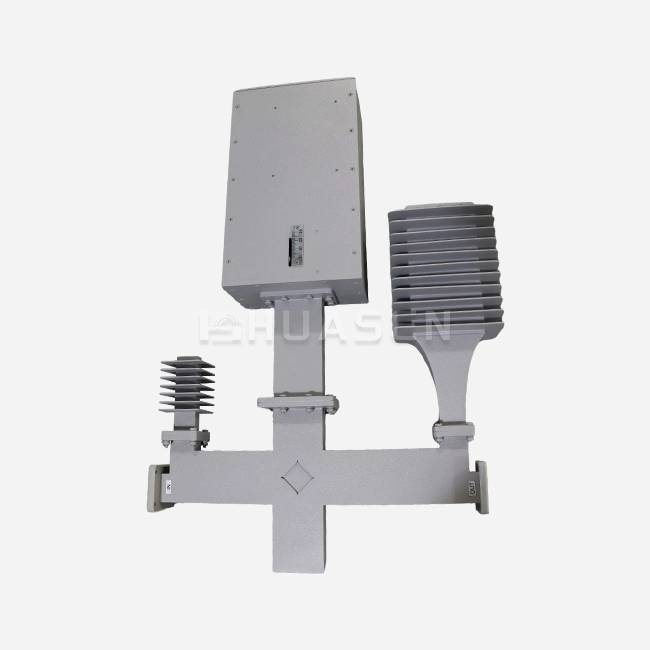
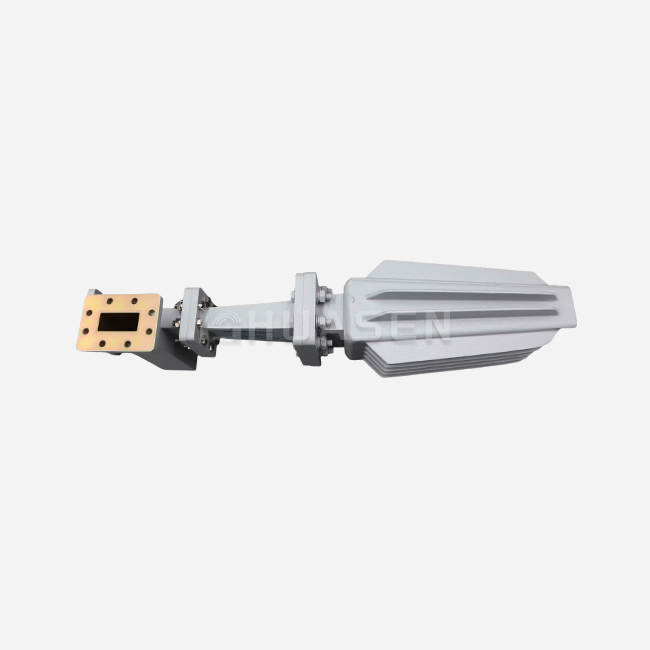
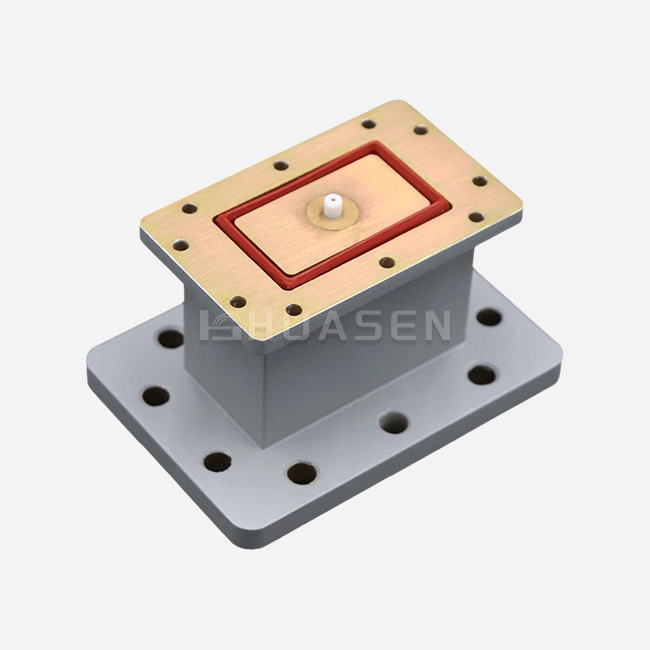
To move electromagnetic energy between ports, electric waveguide switches physically move a metal wheel or a moving element within a waveguide channel. Solid-state switches use semiconductor junctions to make precise mechanical alignment possible. These electrical devices, on the other hand, use solenoid actuators or motor systems. The waveguide construction, which is a thin metal tube that can be round or rectangular, concentrates radio frequency energy and stops radiation loss. This makes it perfect for frequencies from 1 GHz to 110 GHz and higher. This design naturally handles more power than coaxial wires, which lose their dielectric properties at high power rates.
A locking system or precision bearings are often used in the switching mechanism to make sure that the position can be repeated within micrometers and that the VSWR stays low during operation cycles. Control circuits can talk to onboard electronics using discrete logic, RS-485, or MIL-STD-1553 protocols. This lets unmanned aircraft and satellites be controlled from afar. Latch designs keep switch states even when power goes out, which is an important part of fault-tolerant aerospace systems.
Critical Performance Parameters for Aerospace
Electrical and mechanical requirements are very strict for aerospace waveguide switches. When insertion loss is less than 0.1 dB, the signal strength stays the same across multiple RF chains. When isolation is greater than 70 dB, crosstalk is stopped, which could damage sensitive devices during high-power transmission. In frequency-hopping and phased array radars, switching speed is important, and newer units can make transitions in less than 15 milliseconds.
Power handling runs from a few watts in satellite transponders to several megawatts in radar sites on the ground. Since waveguides don't use biological dielectrics, they don't have to worry about thermal breakdown as coaxial switches do. The frequency range is compatible with aircraft bands, from L-band to W-band, and the waveguide dimensions (WR-90, WR-28, etc.) are fixed according to EIA standards. Temperature stability from -55°C to +85°C provides consistent performance from satellite activities in the equatorial regions to missions to spy on the Arctic.
Why Aerospace Demands Electric Waveguide Solutions?
Because of the way they are built, aerospace platforms use electric waveguide switches instead of mechanical hand switches or coaxial RF switches. Ruggedized construction that meets MIL-STD-810 environmental testing standards is needed to handle vibration and shock loads during launch, turbulence, or battle moves. Electric movement lets antenna feeds be quickly rearranged, communication satellites' redundancy switched, and flight instruments' test-point routes be done without any help from the crew.
If you build waveguide switches correctly, they can work in a vacuum, which makes them good for space uses where organic materials can pollute optics and sensors. The electronics in marine patrol planes are protected by salt-fog resistance, and electromagnetic pulse events are less likely to happen because waveguide enclosures naturally block EMI. In mission-critical deployments, these features make up for the fact that it is bigger and costs more than coaxial options.
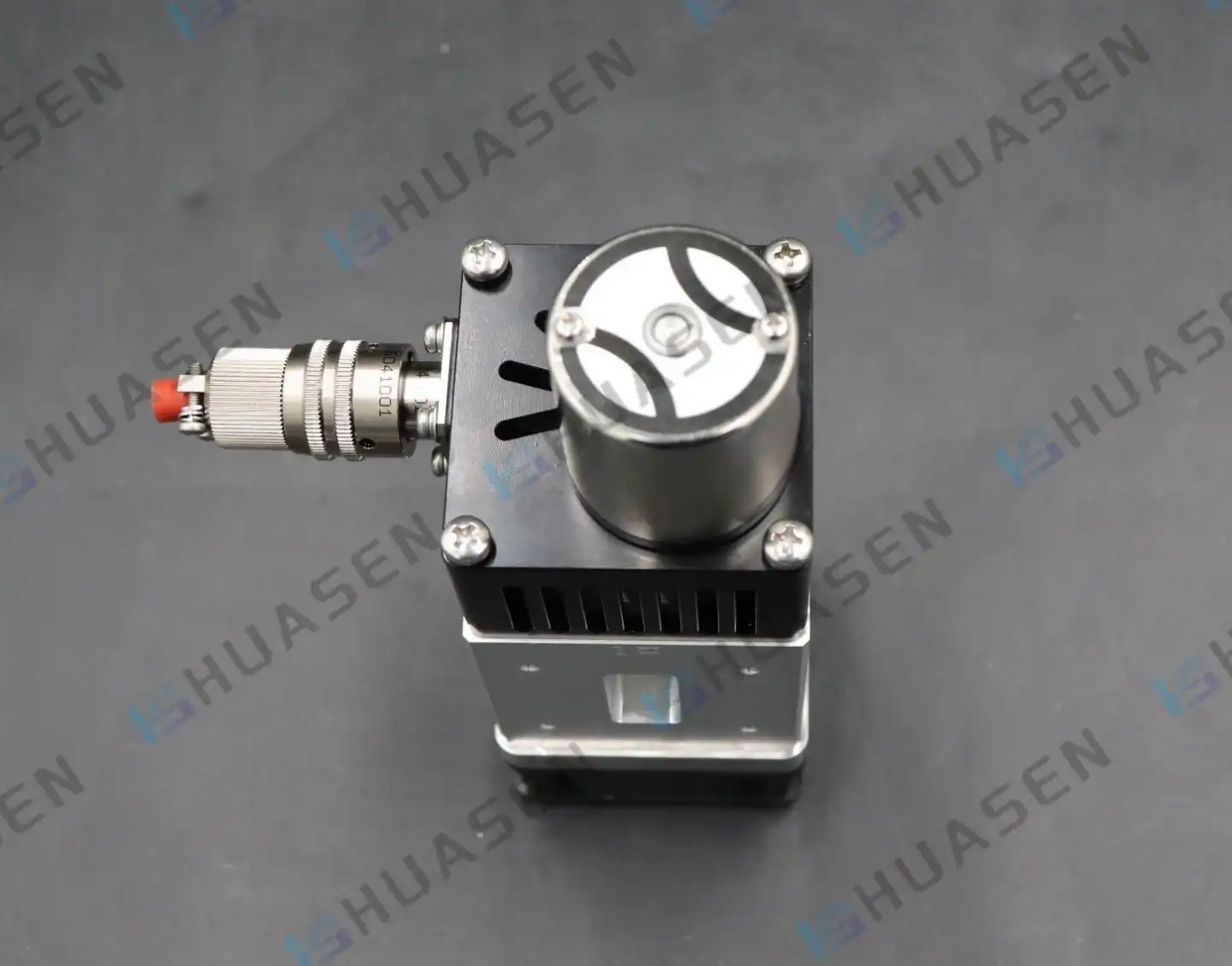
Comparing Waveguide Switch Types for Aerospace Use
Electric vs. Manual Waveguide Switches
Electric waveguide switches have motor or solenoid devices that are managed by electronic signals. This lets complex RF systems work automatically. They work with BITE (Built-In Test Equipment) designs that are popular in current electronics and allow for programmable sequencing, remote diagnostics, and integration. Speed and consistency of switching meet the needs of fast beam steering in phased arrays and diversity routes in SATCOM stations.
Manual waveguide switches use knobs or levers that are moved by hand, so they are completely reliable even when the power goes out, and there are no failure modes in the control circuits. Manual types work well on lab test benches and ground support equipment that needs tactile input, but they can't be used in aircraft because they can't be changed automatically. Lifecycle cost analysis shows that electric switches are better for platforms that need to switch between tasks often, even though they cost more at first.
Frequency-Specific Performance Considerations
Larger waveguide cross-sections are used in low-frequency waveguide switches that work in the L-band and S-band (1-4 GHz). This lets them handle higher power levels but makes them heavier and takes up more space. These work well with early warning radars and tracking systems that are used in the air and have room for bigger parts. Because the electrical lines are shorter than the frequency, there is still very little insertion loss.
To meet VSWR requirements, Ka-band and W-band (26–110 GHz) high-frequency switches need smaller manufacturing margins. Smaller waveguide sizes (WR-28, WR-10) make them lighter, but they can't handle as much peak power because the walls of the waveguides carry more current. Millimeter-wave switches make it possible for multi-beam satellite terminals and car radar devices to be very small, even when power capacity is a problem. To cut down on skin-effect losses at high frequencies, more aluminum metals with silver or gold finishing are being used.
Distinguishing Switches from Circulators
In aircraft RF designs, waveguide switches and circulators work together to do different things. Switches let you choose how to connect different ports, which lets you set up backups and test access. Circulators make sure that signals flow in a certain way. They protect sensitive amplifiers from reflected power and keep receivers from getting damaged. A common satellite transponder has buttons for choosing which antenna to use and circulators for isolating send and receive signals. This makes the system as flexible and reliable as possible.
The function of a circulator rests on ferrite materials being pushed by permanent magnets. This makes the materials sensitive to temperature changes and easy to interfere with magnetic signals. Switches don't have these problems because they only work mechanically, so they can keep their specs in a bigger range of environments. Understanding these differences in function helps you choose the best components when you're building a system's design.
How to Choose the Right Electric Waveguide Switch for Aerospace Systems?
Matching Specifications to Application Requirements
To choose a good waveguide switch, you must first define the frequency range, the power handling, and the weather exposure. For radar systems that send kilowatt-level bursts, the switches need to be rated for peak power and have enough duty cycle reserves. In space stations with limited power, satellite communication devices favor low insertion loss to protect link budgets. For flexible jamming patterns across a wide range of frequencies, electronic warfare pods need fast switching speeds.
For example, hermetic seals for pressurized waveguide runs, radiation-hardened controllers for nuclear settings, and cryogenic-rated materials for superconducting receivers are all examples of customization choices that can be used to meet specific needs. Interfaces that work with current waveguide flanges (UG-series, COVER, and CHOKE) and mounting options for integrating into the airframe make buying easier. Certification proof showing agreement with MIL-DTL-3928 switching standards and DO-160 aircraft environmental qualifications makes it easier to get qualified.
Evaluating Supplier Capabilities and Support
Aerospace procurement includes more than just part specs. It also includes the dependability of the supplier and expert assistance. Well-known companies offer measured S-parameter data that can be tracked back to national standards. This makes it possible to accurately model systems. Sample evaluation tools let you try in real-world situations before committing to large amounts for production. Customization engineering services change stock items to fit the limits of the airframe, reducing size and weight without affecting electrical performance.
Stability in the supply chain is important for aerospace projects that last for decades. You can be sure that long-term availability and configuration control will be met by suppliers who have ISO 9001 approval and AS9100 aircraft quality management. Quick technical help speeds up fixing during integration, and repair and refurbishment services make assets last longer. In aerospace supply lines, these intangibles set key partners apart from commodity sellers.
Balancing Cost and Performance in Procurement
While speed and dependability are important in aerospace, cost affects choices about bulk purchases and program funds. Value engineering, or choosing switches with the right amount of features instead of too many, is based on understanding the differences between price and speed. By using the same waveguide sizes across all systems, stocking complexity and training costs can be cut down.
In lifecycle cost analysis, upkeep schedules, the supply of spare parts, and the risk of obsolescence are all taken into account. When compared to throwaway units that need machine service, parts that can be fixed in the field reduce downtime. When you work with the same source for a long time, you can get savings for buying in bulk and be given priority when supplies run out. In comprehensive buying plans, these economic factors go along with technical criteria.
Installation and Maintenance Guidelines for Aerospace Electric Waveguide Switches
Mechanical Integration Best Practices
To properly install an electric waveguide switch, it must first be securely attached to the airframe using vibration-isolating hardware that keeps stress from building up at the flange contacts. To keep the electricity flowing without deforming the waveguide walls, the torque requirements for the flange nuts must be followed. Matching the thermal expansion of switches to waveguide runs next to them keeps the mechanical stress from building up during temperature cycles.
In high-RF-field settings, signal integrity is kept by routing actuator cables with the right amount of strain relief and EMI protection. Switching transients can't get into sensitive avionics lines because of power source filtering. In compressed or inert gas-filled waveguide systems, blocking the environmental entry points of the cables maintains hermetic integrity. Maintenance guides with clear instructions on how to put things correctly make sure that multiple planes or satellites work the same way.
Routine Maintenance and Calibration Protocols
Depending on the seriousness of the application, waveguide switches usually need repair every 2,000 to 10,000 flight hours, which is the same amount of time as an airframe overhaul. Inspection methods check the state of the flange gasket, the reaction time of the actuator, and the continuity of the control circuit. Network analyzer readings show that VSWR and insertion loss are still within acceptable limits, revealing degradation before it affects the goal.
Using vacuum-compatible greases to lubricate moving parts stops galling in dry places, and checking for rust finds salt-fog damage on uncovered surfaces. Firmware changes for smart switches add troubleshooting tools and better performance that were made after the switches were already set up. Critical measurement systems keep their tracking up to date with calibration certificates that can be traced back to NIST standards. These preventative steps increase the number of times operations are available and make services last longer.
Troubleshooting Common Aerospace Challenges
When a waveguide switch fails, it usually shows up as higher insertion loss, worsening separation, or an electrical contact that comes and goes. RF lines become messed up by particles or rust products, which means the device needs to be taken apart and cleaned. Positioning mistakes are caused by mechanical wear on the locking mechanisms, which can be fixed by replacing the bearings or refurbishing the rotor.
Extremes in the environment speed up the aging process. For example, heat cycles wear down solder joints, and humidity makes electrolytic corrosion more likely. Knowing these types of failure helps with planning regular upkeep. Getting technical help from a source gives you access to failure analysis experts and strategies for managing obsolescence. Knowing about common problems helps repair workers fix switches quickly, which cuts down on the time that planes have to stay on the ground.
Future Trends and Innovations in Aerospace Waveguide Switch Technology
Advanced Materials and Manufacturing Techniques
New aircraft waveguide switches use additive manufacturing to make shapes that are too complicated to be made with standard machines. Aluminum and titanium structures that are 3D printed are lighter while keeping their RF performance. This helps small satellites and UAVs that have to deal with mass limitations. Nano-coatings make surfaces more conductive and resistant to rust than regular metal.
MEMS-based switching elements offer a smaller size and less power use for millimeter-wave uses, but they can only be used in low-power receivers at the moment. Software-defined radio flexibility is made possible by hybrid designs that combine waveguide transmission with semiconductor switching elements. As technologies get better, these new materials lead to better efficiency and lower costs.
Integration with Modern Communication Architectures
Waveguide switches, digital beamforming networks, software-defined packages, and electric waveguide switches are all integrated into next-generation aircraft systems. Networked switch controllers give independent mission planning systems access to APIs that let them change how RF resources are used based on danger levels or communication needs. Machine learning systems change the settings of switches in real time to make them work better when there is interference or jamming.
Open-architecture electronics standards make it possible for switches from different manufacturers to work together. This lowers the overall cost of ownership by allowing for competitive buying. Line-replaceable modular parts with switches, amplifiers, and filters make upkeep easier and allow for quick improvements in capability. Because of these changes in architecture, waveguide switches are now seen as smart nodes in adaptive RF ecosystems instead of passive route parts.
Conclusion
In conclusion, when choosing electric waveguide switches for aircraft use, you have to weigh technical requirements, environmental requirements, and the supplier's abilities. These important parts make radar, satellite communication, and electronic warfare systems work well by handling power well, having low insertion loss, and being well isolated. Procurement experts can choose the best options when they know about frequency-specific performance traits, best installation practices, and new technology trends. When you work with experienced makers, you can get customization help, reliable supply chains, and quick technical support for long-term aircraft program lifecycles.
FAQ
1. What frequency ranges do electric waveguide switches cover in aerospace?
The frequency range of electric waveguide switches is from L-band to W-band (1-110 GHz). Some types are better for satellite communication, Ka-band (26-40 GHz), radar, X-band (8-12 GHz), and millimeter-wave car sensor frequencies. Operating bands are set by waveguide dimensions that are defined according to EIA standards. Cross-sections that are smaller can handle higher frequencies but less power.
2. How do electric waveguide switches differ from coaxial RF switches?
Waveguide switches use hollow metal tubes that can handle higher power levels and lower loss at microwave frequencies. Coaxial switches, on the other hand, use dielectric-filled wires that are better for smaller setups and lower frequencies. Waveguide construction is preferred for high-power radar and satellite terminals in aerospace uses where efficiency is more important than size.
3. What maintenance challenges arise in aerospace waveguide switches?
Extremes in the environment wear down actuators mechanically, rust on uncovered surfaces, and mess up RF routes. Regular checks make sure the flange is solid, check the amount of entry loss, and confirm the reaction times of the actuators. Proper lubrication with vacuum-compatible greases and hermetic seals to keep out moisture increases the useful life of things in tough flight settings.
Partner with Huasen Microwave for Reliable Waveguide Switch Solutions
Huasen Microwave has been making high-frequency parts for 30 years, which helps aerospace system designers and procurement managers find reliable waveguide switch suppliers who benefit from radar, satellite communication, and electronic warfare platform performance. Our electric waveguide switches have been tested and shown to work well in radar, satellite communication, and electronic warfare systems. They also meet strict MIL-STD standards for power handling and environmental qualifications. Customization lets you solve specific problems with integrating the airframe, like making radiation-resistant actuators or special flange setups. You can email our engineering team at sales@huasenmicrowave.com to talk about the details of your aircraft waveguide switch requirements, ask for performance data, or get quotes for production amounts. Huasen Microwave supports your mission-critical RF systems from the pilot stage through long-term operations by combining excellent technical skills with quick customer service.
References
1. Matthaei, G.L., Young, L., and Jones, E.M.T. "Microwave Filters, Impedance-Matching Networks, and Coupling Structures." Artech House, 1980.
2. Pozar, David M. "Microwave Engineering, 4th Edition." John Wiley & Sons, 2012.
3. Saad, Talal. "Microwave Engineer's Handbook, Volume 2." Artech House, 1971.
4. Military Standard MIL-DTL-3928. "Switches, Waveguide: General Specification For." U.S. Department of Defense, 2015.
5. RTCA DO-160G. "Environmental Conditions and Test Procedures for Airborne Equipment." Radio Technical Commission for Aeronautics, 2010.
6. Helszajn, Joseph. "Ridge Waveguides and Passive Microwave Components." IEE Electromagnetic Waves Series, 2000.
Send Inquiry