Waveguide Elevating Platform for Antenna Setup






2026-06-03 21:37:14
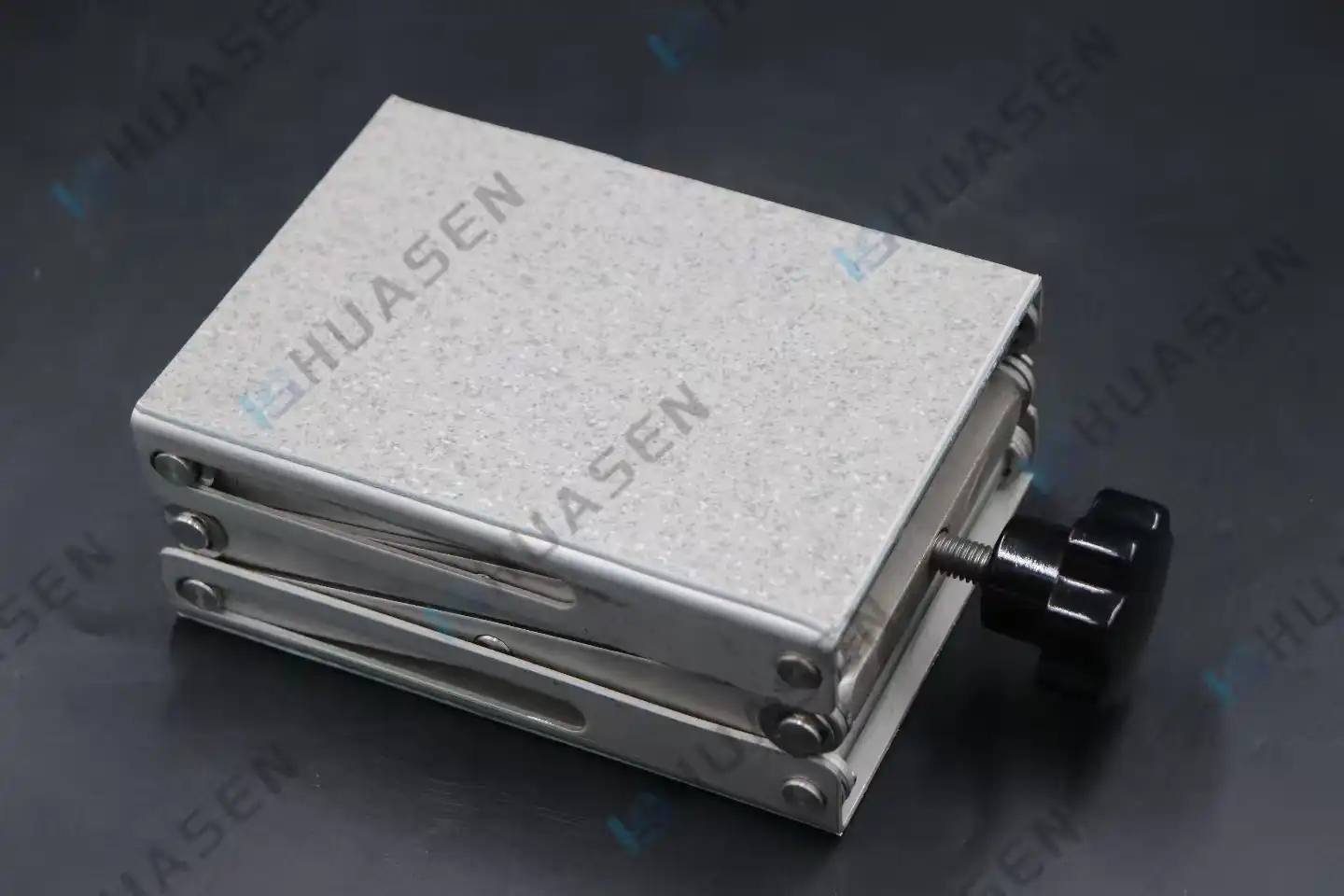
When we talk about RF testing infrastructure and precise antenna alignment, we're talking about tools that have to be completely mechanically stable while working with delicate radio parts. A waveguide elevating platform is a special kind of positioning system that can accurately move antenna feeds, waveguide assemblies, and RF front-end modules up and down by less than a millimeter. These platforms are different from other lifting mechanisms because they keep phase coherence and mechanical rigidity throughout their entire elevation range. This solves a problem that has been around for a long time in high-frequency measurement environments where even tiny misalignments can change radiation patterns or cause measurement errors.
Understanding the Critical Role of Precision Positioning in RF Testing
Global B2B buying teams in the defense and telecoms sectors are under more and more pressure to find parts that meet performance standards that are getting stricter. When building 5G base station test facilities or satellite ground stations, system designers need tracking gear that doesn't change the measures. We've seen how bad positioning systems cause problems that keep happening: antenna patterns change without warning, calibration data stops being accurate, and engineering teams spend a lot of time fixing problems that are caused by mechanical instability.
When working with hard waveguide runs, the problem gets worse. Because these communication lines can't bend as coaxial wires can, they need to be moved vertically in a way that keeps the flanges aligned the whole time. Procurement managers at big companies that make telecommunications equipment tell us that finding sources who understand this subtlety is what sets professional-grade solutions apart from functional equipment. It's not just simple vertical motion; these platforms have to be able to hold heavy loads and repeatably place themselves so that they can meet the needs of the Vector Network Analyzer automation.
When you buy something internationally, you have to deal with different compliance environments, manage long supply lines, and make sure that technical requirements are understood correctly by all engineering teams. A misunderstanding about the load capacity or accuracy of placement can throw off project schedules and cause costs to rise. Because of this, people who work in procurement look for producers with a track record and a lot of expert knowledge.
Key Performance Characteristics That Define Professional-Grade Equipment
To find the right lifting platform, you need to know the technical differences between precision RF tools and industrial-grade equipment. After many years of experience as application engineers, we know that certain specifications are closely linked to measurement accuracy and long-term operating success.
Positioning systems that offer measurable benefits across a number of performance variables are needed in modern antenna test areas. When procurement teams look at different providers, they should see how well the tools' specs match their own testing methods and working conditions. The most important technical traits are mechanical accuracy, load-bearing capacity, resistance to weather damage, and the ability to integrate with other systems.
Core Technical Specifications:
- Elevation Range and Precision: Professional platforms have adjustment widths that go from 36 mm to 260 mm, so they can fit a wide range of antenna designs and test device needs. Feed horn phase centers stay fixed during measurement cycles because of positioning accuracy better than 0.1 mm. This very accurate level can be used for millimeter-wave tests, where wavelengths are very small (a few millimeters), which makes mechanical errors very important.
- Load-Bearing Architecture: A load-bearing architecture is needed to support loads weighing between 40 kg and 80 kg. This needs structural engineering that balances the ability to hold weight with the accuracy of placement. Its full metal construction makes it strong enough to hold heavy waveguide systems, high-power amplifiers, and frequency conversion modules in place while they're working, so they don't sway or bend.
- Environmental Robustness: Platforms need to be able to handle changes in temperature and humidity, as well as constant operation cycles, when they are used outside or in a hard laboratory. Military-grade building standards make sure that equipment stays calibrated across a wide range of operating temperatures and doesn't rust in marine communication settings.
These performance traits directly address problems we've found with satellite communication companies, tracking system makers, and people who build wireless networks. Equipment that meets these requirements, including the Waveguide Elevating Platform, makes installation easier, reduces measurement error, and increases the equipment's useful life.
Application Scenarios Across Communications and Defense Industries
Precision raising platforms are very useful when you look at how they can be used in a variety of technical settings. We've helped with setups ranging from small antenna test chambers to big radar sites. Each one had its own unique positioning problems.
Antenna Pattern Measurement
To test the antenna's transmission properties, the device must be placed very precisely under the test or measurement tool. When used with rotating tracking systems, elevation platforms make it possible to map out complex patterns in three dimensions. Engineers can get far-field patterns without having to move heavy test pieces around by hand because the platform can raise or lower radio feeds through the measurement zone while keeping the phase stable.
System Integration and Waveguide Assembly
These tools are used by people who build communications systems to connect complicated waveguide networks. Technicians have to carefully place heavy waveguide sections for flange alignment when putting together frequency multiplexers, diplexers, or high-power combining networks. The ability to raise and lower makes assembly easier and less physically demanding on construction teams who work with rigid transmission line parts.
Millimeter-Wave Development
In order to make 26.5-40GHz systems for 5G backhaul links or Ka-band satellite stations, research labs need positioning tools that can keep alignment limits that are tighter than the signal range. We've made platforms just for millimeter-wave studies, where mechanical steadiness has a direct effect on measuring insertion loss and figuring out VSWR. The platforms make it possible to do the precise alignment work that's needed to connect waveguide parts to semiconductor devices or combine active arrays.
Maritime and Aerospace Testing
Defense companies that test communication systems for ships or planes have to follow strict rules about shaking and shock. Qualification tests are done on the platforms used in these applications to make sure they keep their structural integrity under realistic working stresses. This feature is very important for testing tools that will be used in harsh settings.
These use cases all have the same needs: mechanical stability, repeated positioning, and strong building. The procurement teams that work with these businesses know that the dependability of tools has a direct effect on project schedules and the accuracy of measurements.
Technical Considerations for Supplier Selection and Risk Mitigation
When picking a platform provider, you have to look at more than just the stated specs. We've seen that the long-term success of procurement relies on how well the maker can support engineering, how well they can control quality, and how stable their supply chain is.
Understanding how the provider makes things is the first step in doing your due diligence. Precision cutting and high-quality metalwork are used to make platforms, which show that the company pays attention to detail throughout the whole product line. You can learn more about quality control systems by asking for certificates and inspection records for materials. When suppliers follow ISO 9001 standards or military specification rules, they usually keep the paperwork and records that big buying organizations need.
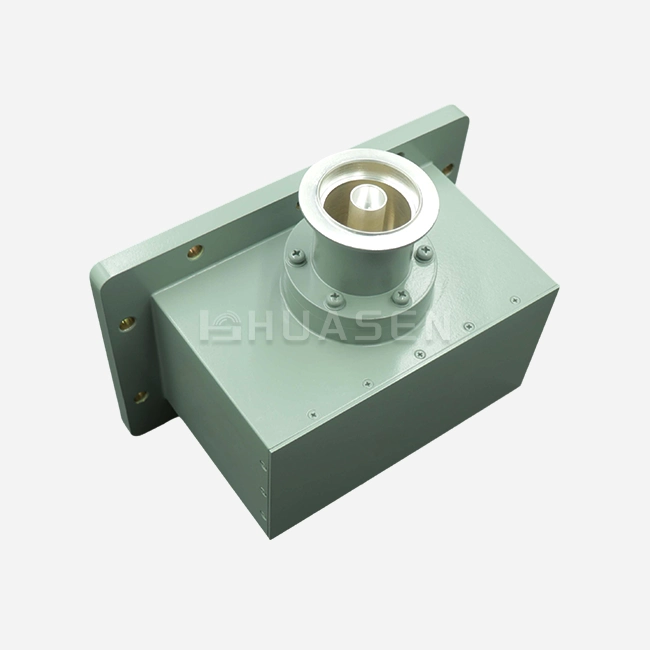
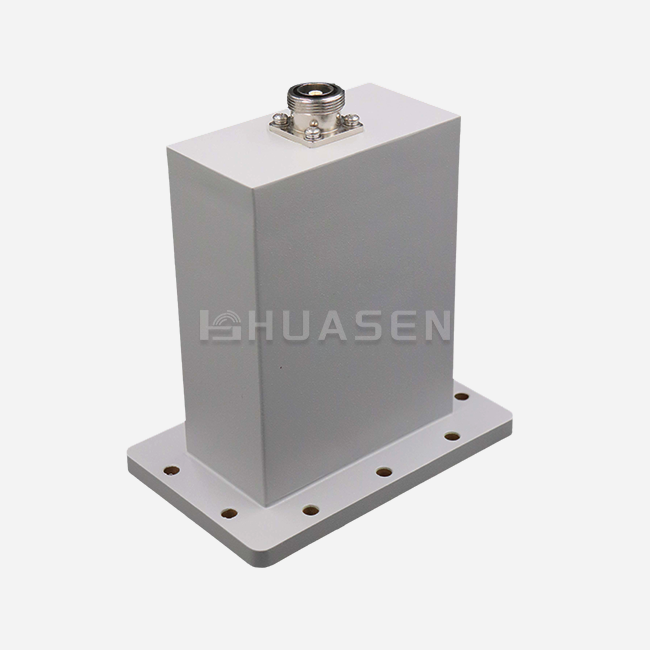
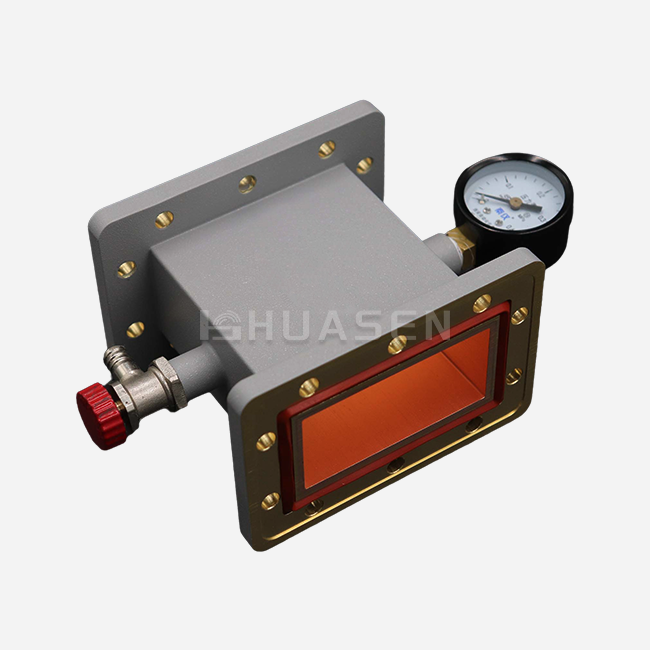
Compatibility with test equipment that is already in place is very important, including compatibility with the Waveguide Elevating Platform. It is recommended that platforms work well with pointing devices, have standard mounting interfaces for waveguide flanges, and offer control interfaces that work with LabVIEW or Python automation frameworks. We've helped clients define interface standards that make sure new equipment works with their existing measurement processes without needing a lot of custom development.
Supply chain issues are part of risk management. Single-source relationships make systems vulnerable, especially for companies that have test sites in different parts of the world. Procurement teams can figure out how reliable a provider is by looking at how they get parts, how much they can make, and how consistent their lead times are. Manufacturers who keep an inventory of parts and provide written output schedules show that their operations are mature, which lowers the risk of buying.
Transactional providers and true partners are different when it comes to technical help. When there are questions about installation or problems with the application, quick technical support is very helpful. Our expert teams are set up to help with building integrations, give advice on applications, and provide calibration data that speeds up the qualification process for customers.
How do advanced positioning solutions support modern testing requirements?
As wireless technology keeps getting better, testing needs to include higher frequencies, bigger bandwidths, and more complicated modulation techniques. Positioning equipment needs to change along with it, adding new features that solve new measurement problems.
Our engineering method is based on knowing how positioning equipment works in the context of the larger measurement environment. Platforms made for current test ranges have features that make automation easier, lower the error of measurements, and speed up the calibration process. Using precision ball screw drivers gets rid of backlash, which can cause setting mistakes when moving in both directions. When the power is turned off, self-locking mechanisms stop vertical drift. This keeps expensive gadgets from falling over by mistake.
The choice of material affects both how well it works mechanically and how it behaves electromagnetically. Aluminum metals that have high strength-to-weight ratios and low radar cross-section qualities are what we use. This is important to keep in mind when measuring antennas because the positioning tools shouldn't make echoes that mess up the measurement data. Platforms used in seaside sites or outdoor setups are more resistant to corrosion when they have surface treatments.
Platforms with complex control interfaces are in high demand because more and more tests are being done automatically. Modern units can receive positioning orders over Ethernet, react to SCPI command protocols, and give measurement software status input that lets it confirm placement is complete before starting to collect data. This automation feature cuts down on test run times and improves measurement accuracy by getting rid of differences caused by human error.
Our platforms, including the Waveguide Elevating Platform, are tested in the environment to make sure they work properly in a wide range of temperature and humidity conditions that are common in real-world applications. Components chosen for their temperature stability keep the position from moving when the weather changes throughout the day or throughout the year. This stability is especially important for automatic test systems that can run for long amounts of time without being watched.
Conclusion
When looking for precise positioning tools for testing antennas and integrating RF systems, you need to carefully look at the technical specs, the supplier's skills, and the infrastructure for long-term support. The tools we've talked about solve the main problems that people who build communications systems, radars, and wireless infrastructure have to deal with. Positioning solutions that improve measurement trust and speed up testing processes are made possible by their mechanical accuracy, strong construction, and ability to be easily integrated. When businesses buy professional-grade raising platforms, they get infrastructure that meets their current needs and can also adapt to new technologies in millimeter-wave communications and high-frequency tests.
FAQ
1. How does mechanical precision affect antenna measurement accuracy?
Positioning mistakes cause phase center shift, which messes up readings of the radiation pattern. With sub-millimeter accuracy, the antenna being tested stays in the measurement system's "quiet zone" even when the slope changes. This keeps the geometric relationships needed for accurate far-field estimates.
2. What load capacity should procurement teams specify?
Find out how much the antenna system, mounting fittings, rotary joints, and any RF components that go with it weigh altogether. Make sure the platforms you choose can hold 150% of the estimated load so that the structure has enough room to bend while it's being used.
3. Can these platforms integrate with existing test automation systems?
Standard control methods, such as TCP/IP communication and SCPI command structures, can be used on professional systems. Because of this, it can be used with test automation tools based on LabVIEW, MATLAB, or Python, which are popular in antenna ranges and RF labs.
4. What environmental certifications matter for outdoor installations?
Platforms used in open base station test sites or marine settings should have an ingress protection grade of IP65 or higher. Temperature approval from -40°C to +60°C makes sure that the system works reliably in a wide range of climates.
Partner with Huasen Microwave for Precision Positioning Solutions
Huasen Microwave has been designing RF parts for more than 30 years and is up to the task of placing antennas precisely. As a well-known company that makes Waveguide Elevating Platforms, we've created tracking systems that are perfect for testing 5G infrastructure, integrating satellite ground stations, and millimeter-wave research. Our platforms can be raised or lowered 36 mm to 260 mm and can hold up to 80 kg, giving communications system designers the military-grade steadiness they need. We keep detailed technical documentation, offer quick application engineering help, and let you change things so that the specifications of our tools match your individual testing procedures. Get in touch with us at sales@huasenmicrowave.com to talk about how our placement solutions can help your antenna testing and measuring setup.
References
1. Balanis, Constantine A. "Antenna Theory: Analysis and Design, Fourth Edition." John Wiley & Sons, 2016.
2. IEEE Standard 149-2021. "IEEE Recommended Practice for Antenna Measurements." Institute of Electrical and Electronics Engineers, 2021.
3. Milligan, Thomas A. "Modern Antenna Design, Second Edition." Wiley-IEEE Press, 2005.
4. Pozar, David M. "Microwave Engineering, Fourth Edition." John Wiley & Sons, 2011.
5. Stutzman, Warren L., and Gary A. Thiele. "Antenna Theory and Design, Third Edition." John Wiley & Sons, 2012.
6. U.S. Department of Defense. "MIL-STD-810H: Environmental Engineering Considerations and Laboratory Tests." Department of Defense Test Method Standard, 2019.
Send Inquiry