
Home / Blog
Blog
0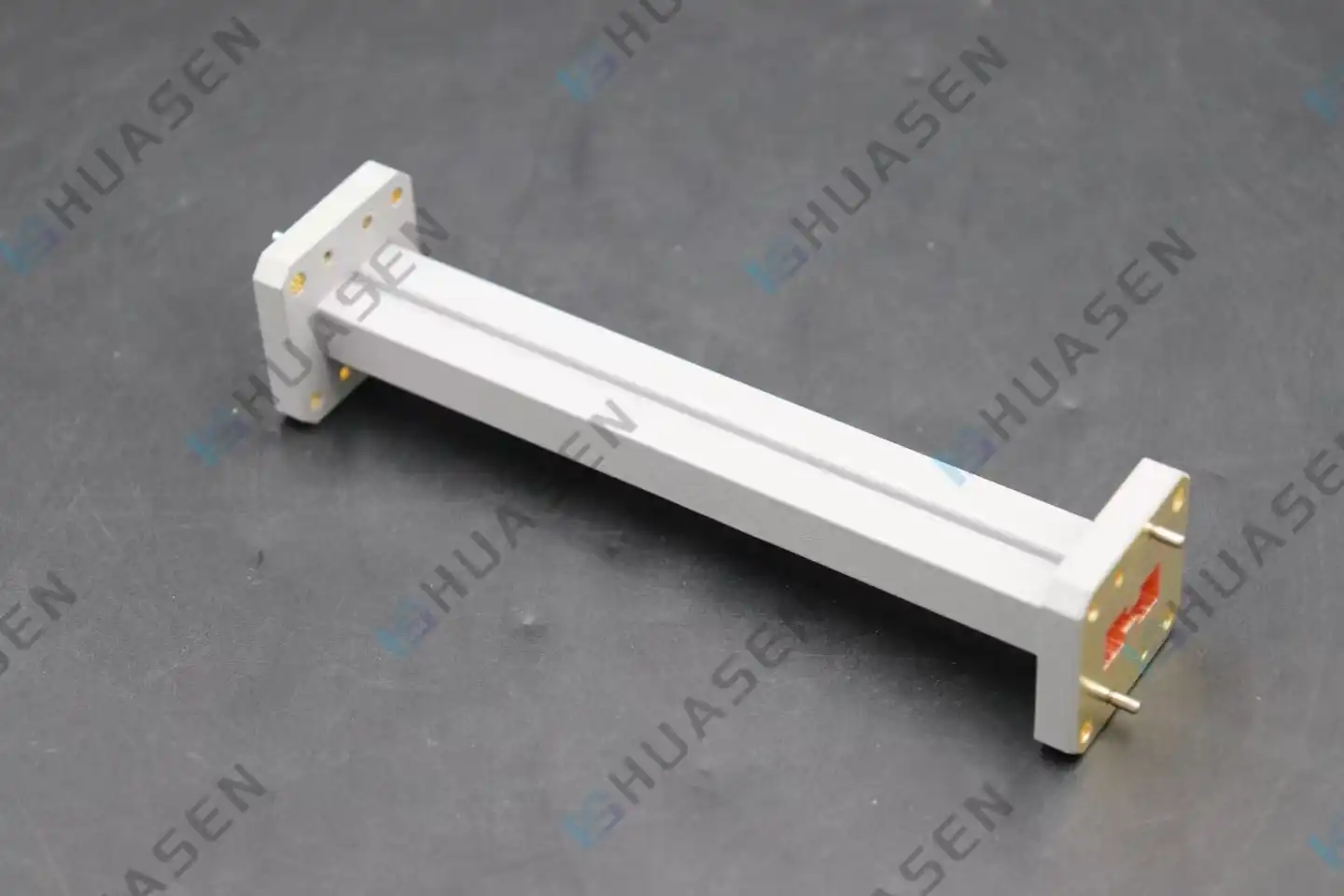
Frequency Range of Double Ridged Straight Waveguide
Specialized transmission line designs are often used by system builders to send microwave signals across multiple octaves without having to switch out hardware. By adding metallic ridges to its broad inner walls, the Double Ridged Straight Waveguide increases its operating frequency range from two to three frequency ratios, which usually cover 0.84 GHz to 40 GHz. By lowering the main mode's cutoff frequency and raising the cutoff frequency of higher-order modes at the same time, these bumps fix the bandwidth problem that comes with regular rectangular waveguides. This design lets makers of radar, electronic warfare, and test tools combine their RF architectures, which makes the systems simpler and cuts down on inventory needs while keeping the signal integrity very high across a wide range of frequencies.VIEW MORE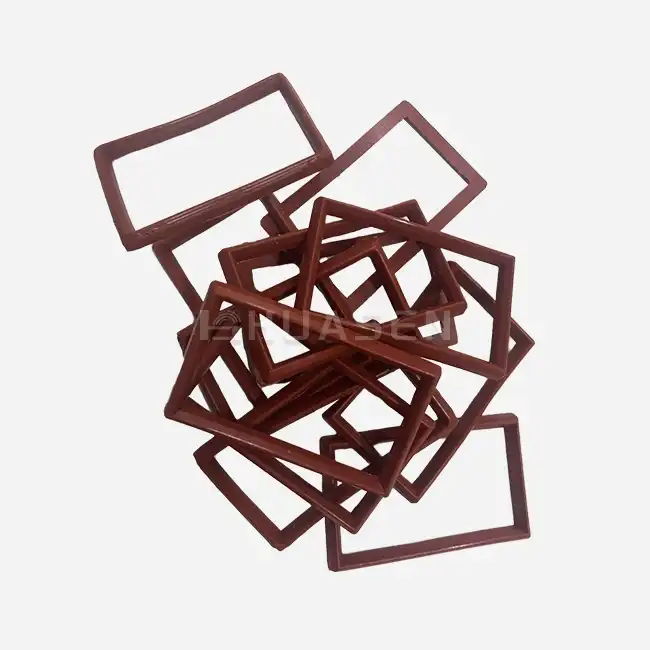
Choosing Waveguide Gasket for Outdoor Use
Selecting the right waveguide gasket for outdoor applications determines whether your RF system maintains signal integrity or suffers costly downtime. Unlike standard sealing solutions, a waveguide gasket must simultaneously provide electromagnetic continuity and environmental protection—blocking moisture ingress, UV degradation, and corrosive salt spray while ensuring electrical conductivity across flange interfaces. When deployed in 5G tower infrastructure, naval radar arrays, or satellite ground stations, these precision components prevent the "joint discontinuity" phenomenon that causes insertion loss and EMI leakage. Understanding material science, environmental stressors, and performance specifications empowers procurement professionals to make informed decisions that balance durability, RF performance, and lifecycle costs.VIEW MORE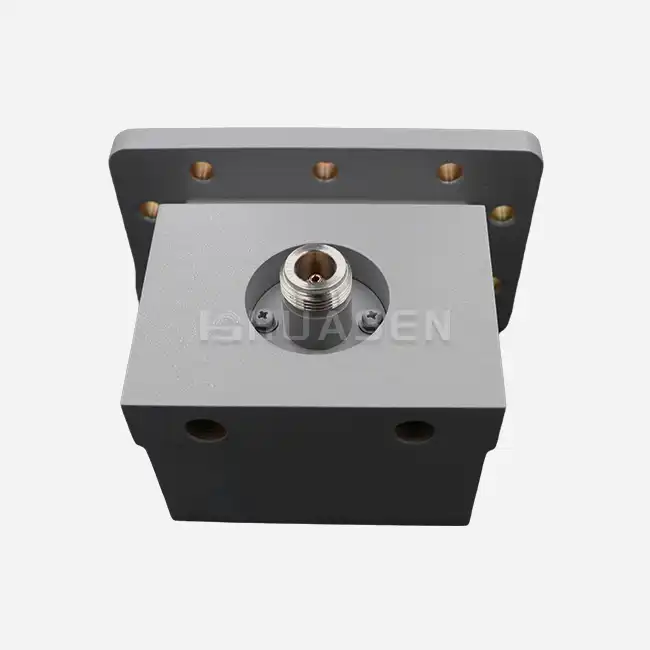
Thermal Design of Water Cooled Coax Waveguide
Managing heat loads becomes a major problem when running high-power RF systems. Water cooled coax waveguide systems deal with this directly by building liquid cooling pathways right into the structure of the transmission. Unlike most air-cooled designs, these parts move coolant through carefully planned paths, effectively getting rid of the heat that is created when kilowatts are sent to megawatts. This method stops structural movement, keeps signals pure, and increases the life of parts. These are all very important for defense applications, telecommunications infrastructure, and radar sites where downtime means lost operations.VIEW MORE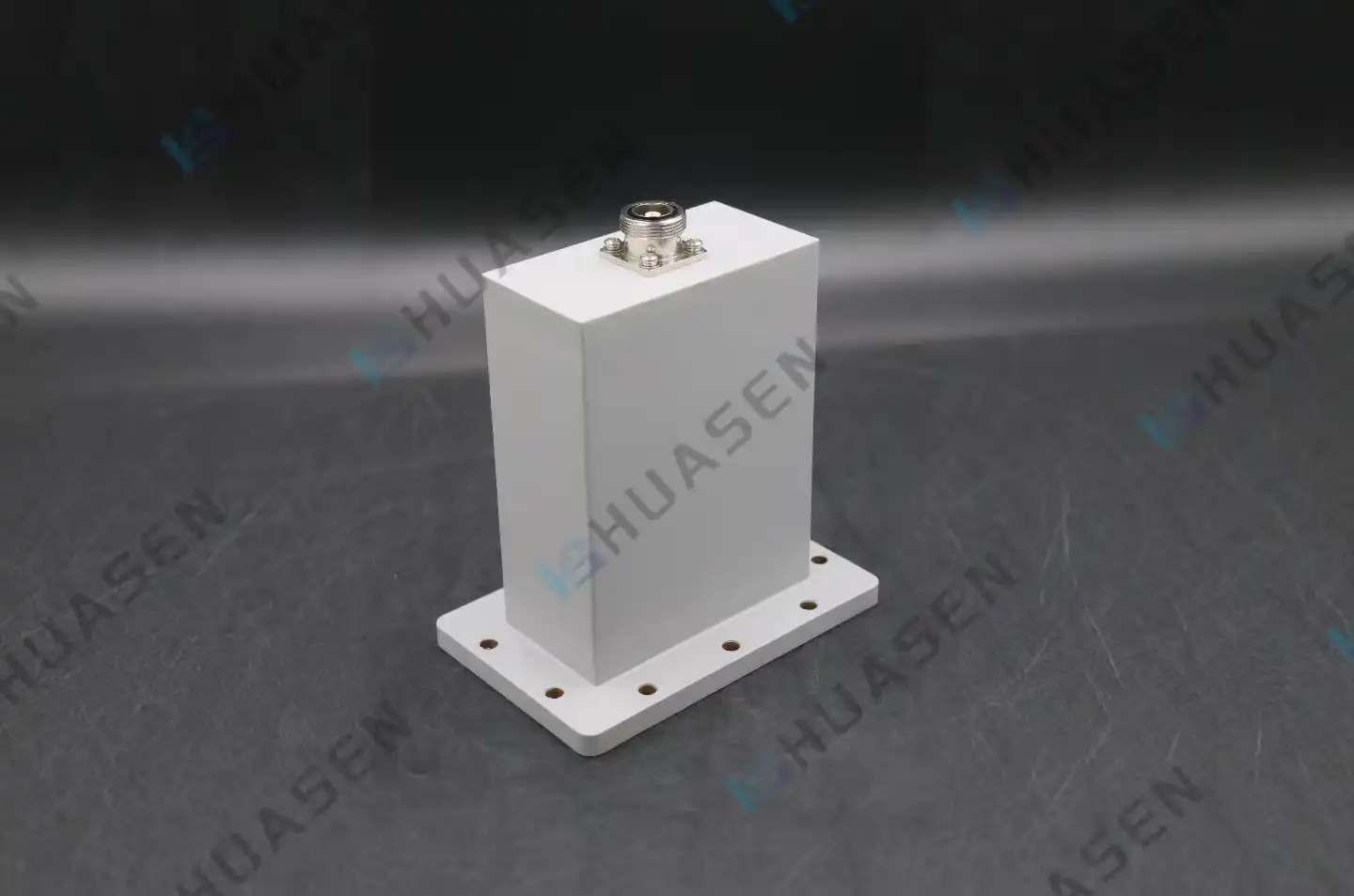
End Launch Waveguide to Coaxial Adapter Explained
It's a precise RF inactive part called an "end launch waveguide to coaxial adapter" that moves microwave energy from a rectangular waveguide transmission line to a coaxial interface with an inline shape. In contrast to right-angle designs, this adapter uses probe or stepped transition methods to line up the coaxial connection in a straight line with the waveguide's propagation direction. This arrangement makes the best use of the room in high-density antenna arrays, where turns aren't possible and reduces signal reflections to a minimum. Across a wide range of frequencies, it connects waveguide systems to normal 50-ohm coaxial equipment, making sure that the impedances are matched and that power flow is maximized with minimal insertion loss.VIEW MORE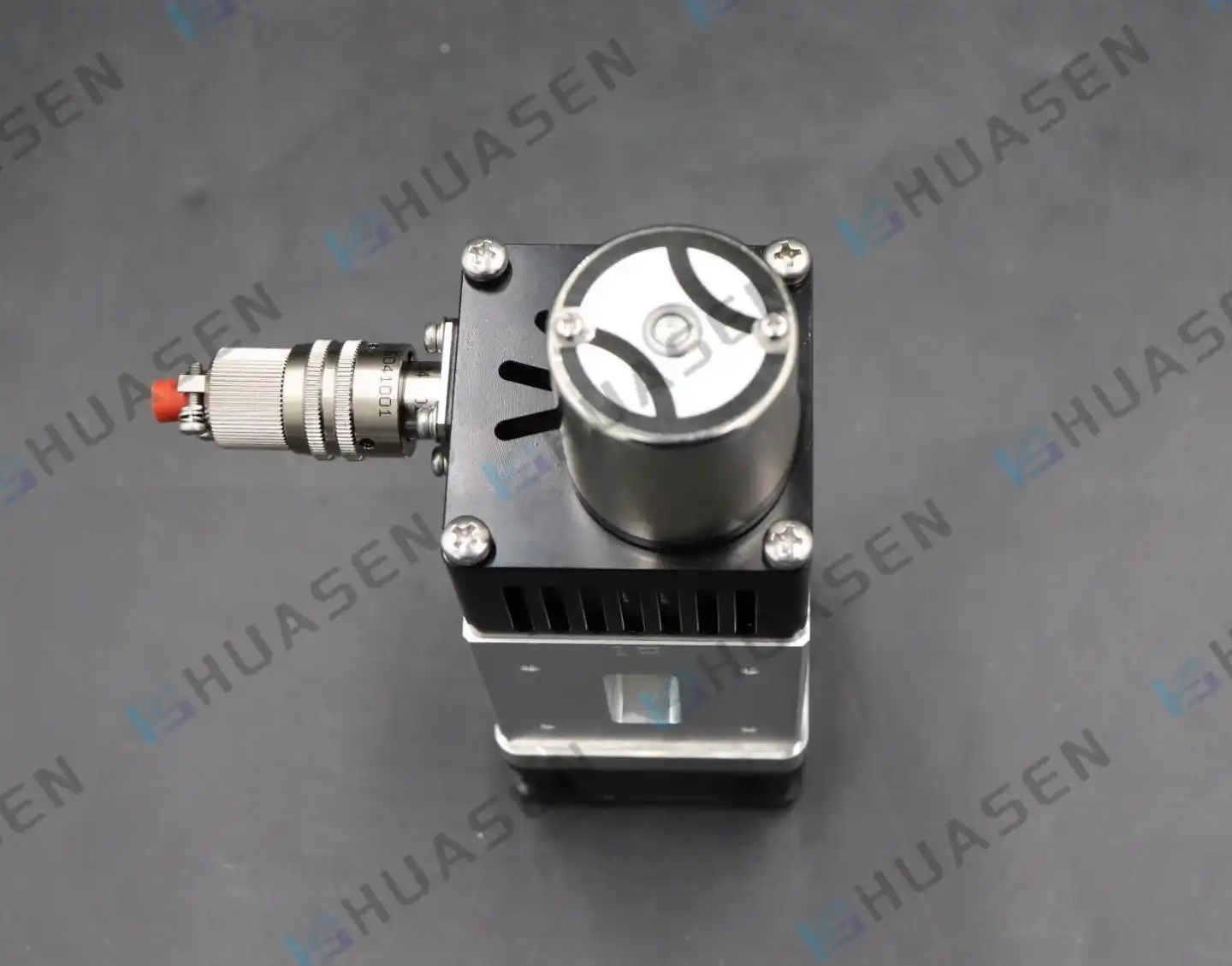
Electric vs Manual Waveguide Switches for RF and Microwave Systems
When deciding between electric and manual waveguide switches, you need to think about how they will be used, how they will be automated, and how reliable they will be in the long term for RF and microwave systems. A waveguide switch is a precise electrical device that sends electromagnetic signals with high frequencies through thin metal tubes. It can work with frequencies from 1 GHz to over 110 GHz. Manual versions use levers or knobs that are handled by an operator to route signals. This gives the operator a way to check their actions and makes sure the system works even when the power goes out. Electric versions use motors or solenoids for automatic or remote control, which lets them switch quickly in settings that are always changing. Both types solve important problems in radar, telecommunications, and aircraft by having low insertion loss, high separation, and great power-handling abilities that are needed for mission-critical operations.VIEW MORE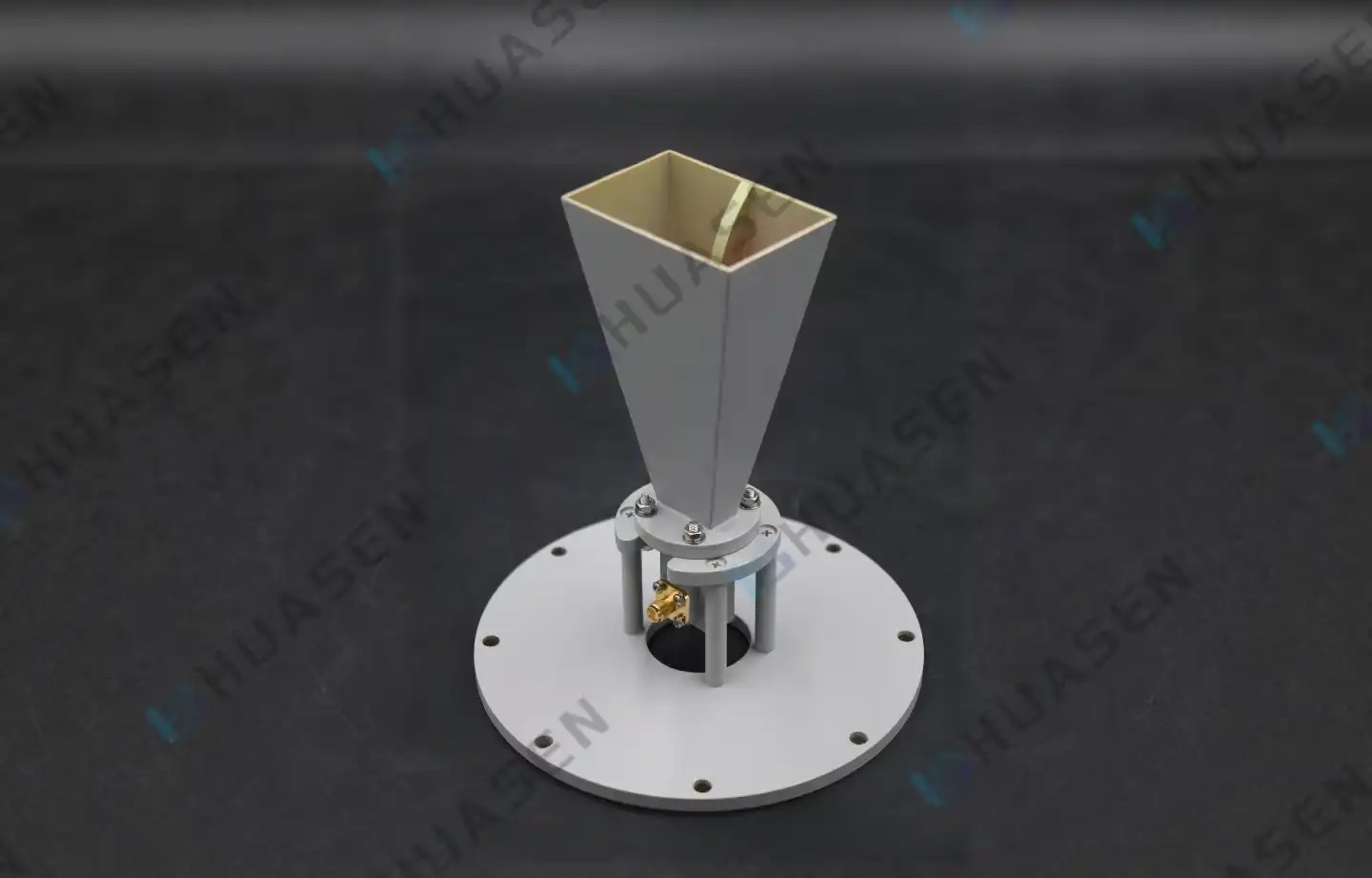
Broadband Horn Antenna Applications in Wireless Measurement
Engineers need antennas that can pick up a lot of different bands so they can test wireless systems without having to change any gear. Broadband horn antennas can do just that. They can cover a wide range of frequencies, from 1 GHz to 18 GHz, and their radiation patterns can be predicted. These antennas change how we detect electromagnetic fields, make sure devices are calibrated, and make sure they meet world standards. Because they work the same way across a wide range of bandwidths, labs, manufacturers, and research institutions that need precise measurements trust them.VIEW MORE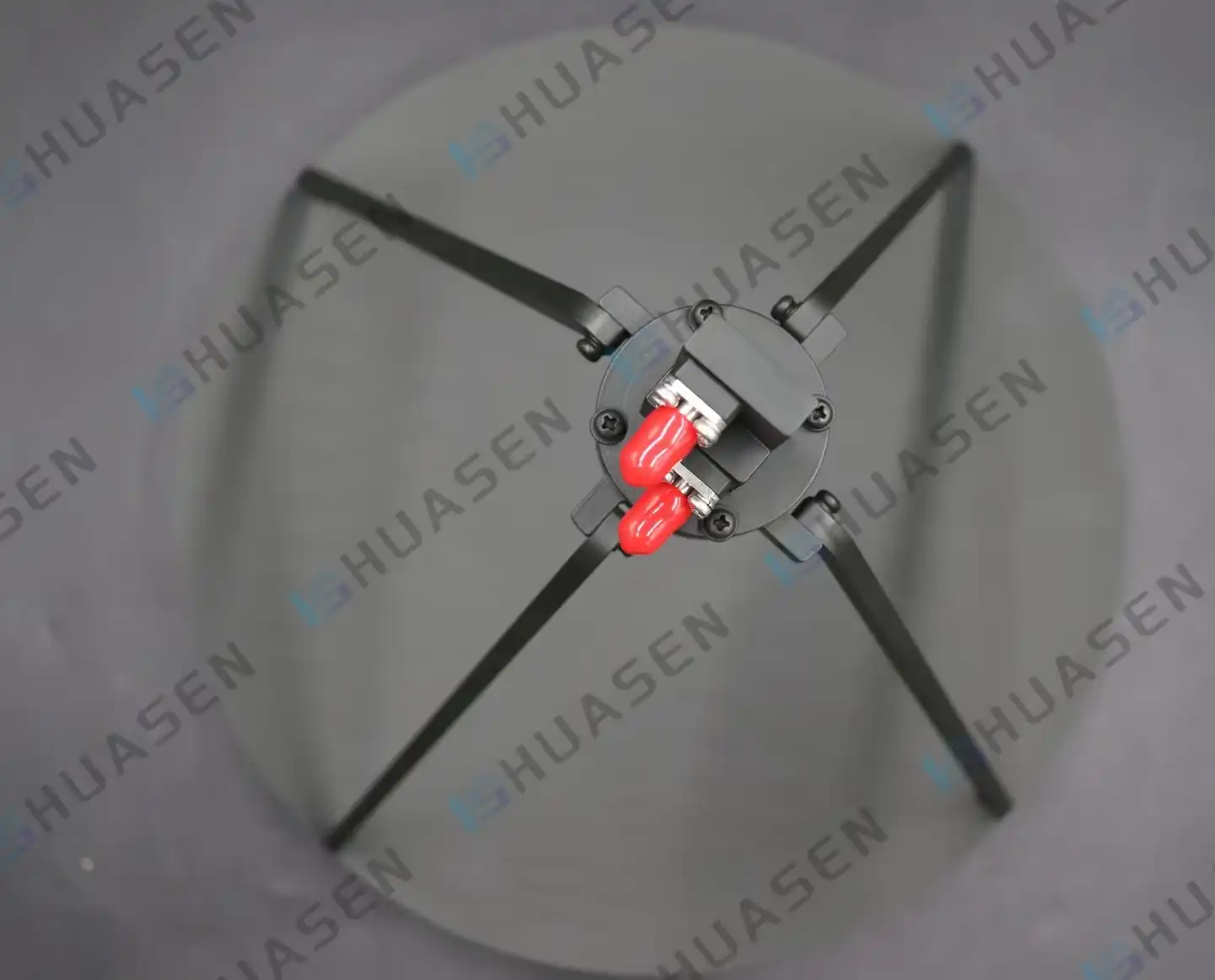
How to Choose Parabolic Antenna for Outdoor Communication
To pick the best parabolic dish antenna for outdoor transmission, you need to think about the technical specs, how long it will last in different environments, and your unique needs. For satellite lines, microwave backhaul, or point-to-point wireless systems, a well-chosen parabolic antenna guarantees maximum gain, little disturbance, and long-term dependability. It is suggested that you check the frequency compatibility, polarisation type, mechanical robustness, and supplier credentials to make sure they are right for your deployment scenario, whether it's for 5G backhaul, maritime communications, or radar applications. You should also make sure they meet the relevant industry standards to make sure they work well in harsh outdoor conditions.VIEW MORE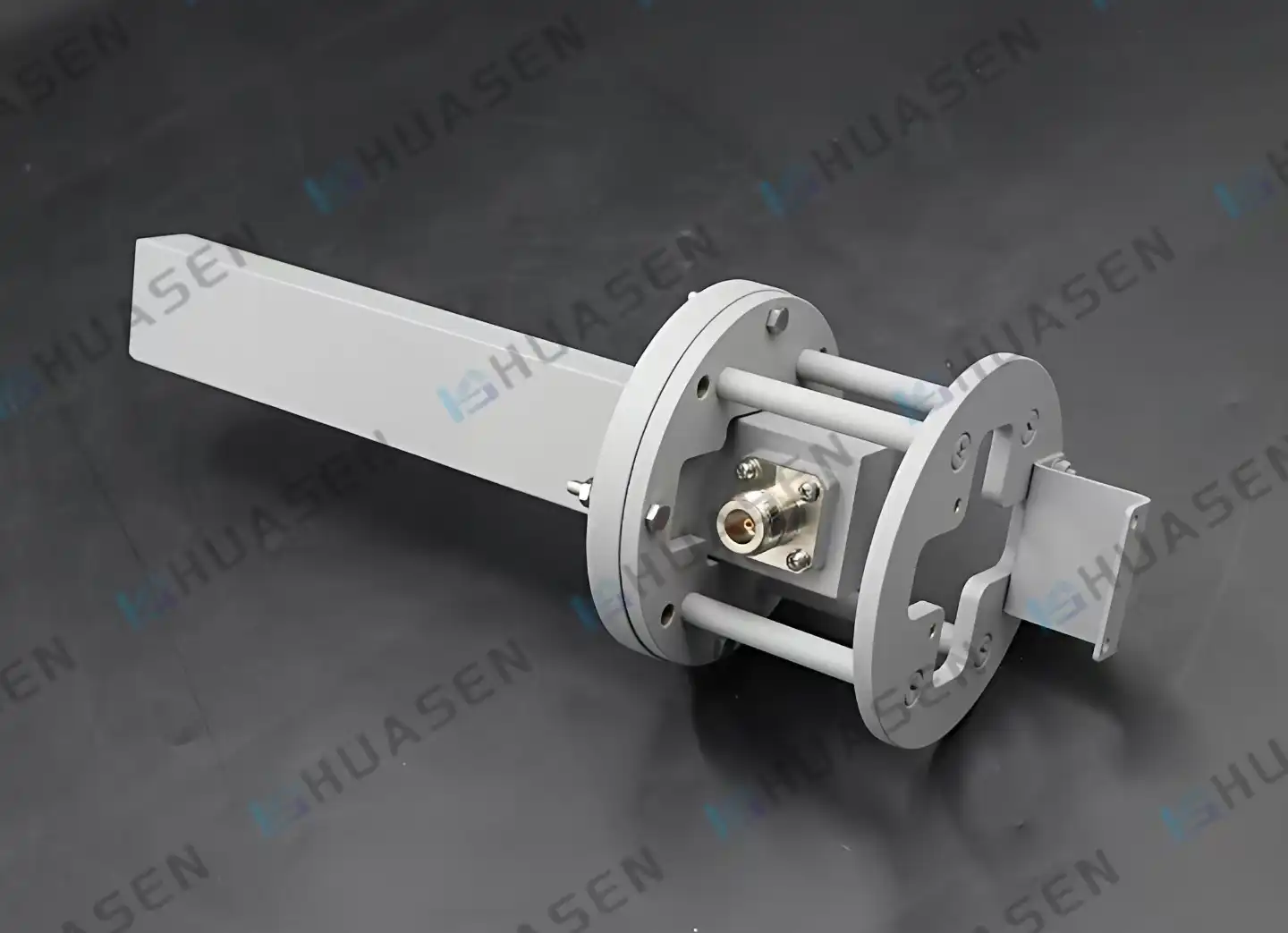
How to Choose an Antenna Near Field Measurement Probe
To choose the correct antenna near-field measurement probe, you need to know what you need it for, how many frequencies it needs to cover, and how accurate you want the measurements to be. The best probe strikes a mix between polarization clarity, sensitivity, and how well it works with your test system mechanically. In the 5G, satellite, and radar industries, engineers have to look at things like cross-polarization separation, connection standards, and the availability of calibration data. With the right near-field probe, you can turn difficult electromagnetic characterization jobs into doable, accurate readings that don't break the bank or your infrastructure.VIEW MORE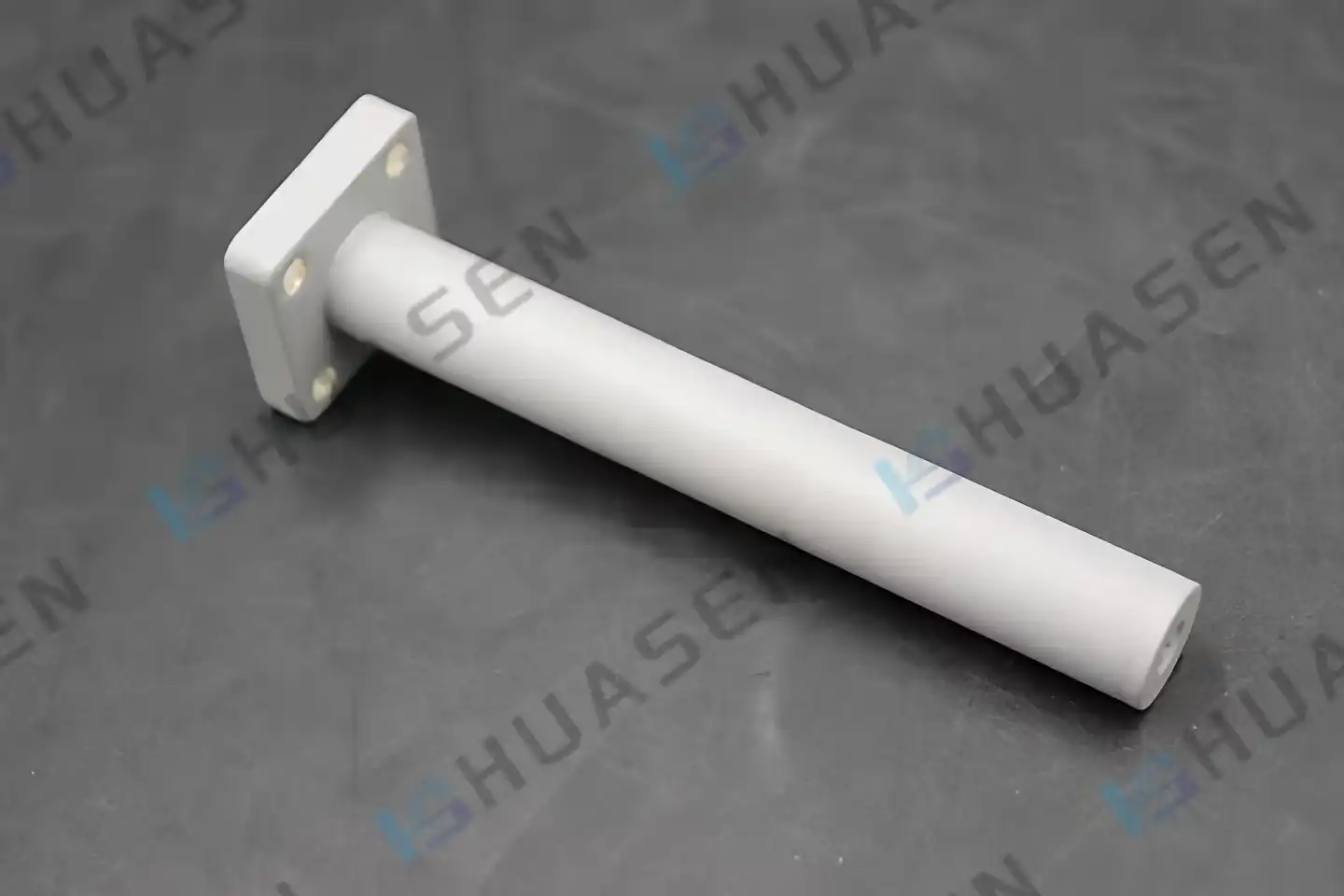
Waveguide Termination in Radar Transmit Systems
In radar transmit systems, it is essential to keep the purity of the signal and keep sensitive parts safe from damaging reflections. A waveguide termination is an important safety measure because it absorbs microwave energy that would otherwise be reflected back into the transmission chain, which could damage expensive amplifiers or change the accuracy of measurements. This passive part basically works as a matched dummy load that turns electromagnetic energy into heat. This keeps the Voltage Standing Wave Ratio (VSWR) close to the ideal 1.00:1 value. If you don't properly terminate, there are terrible things that could happen with radar systems, like magnetrons failing or signal integrity breaking down.VIEW MORE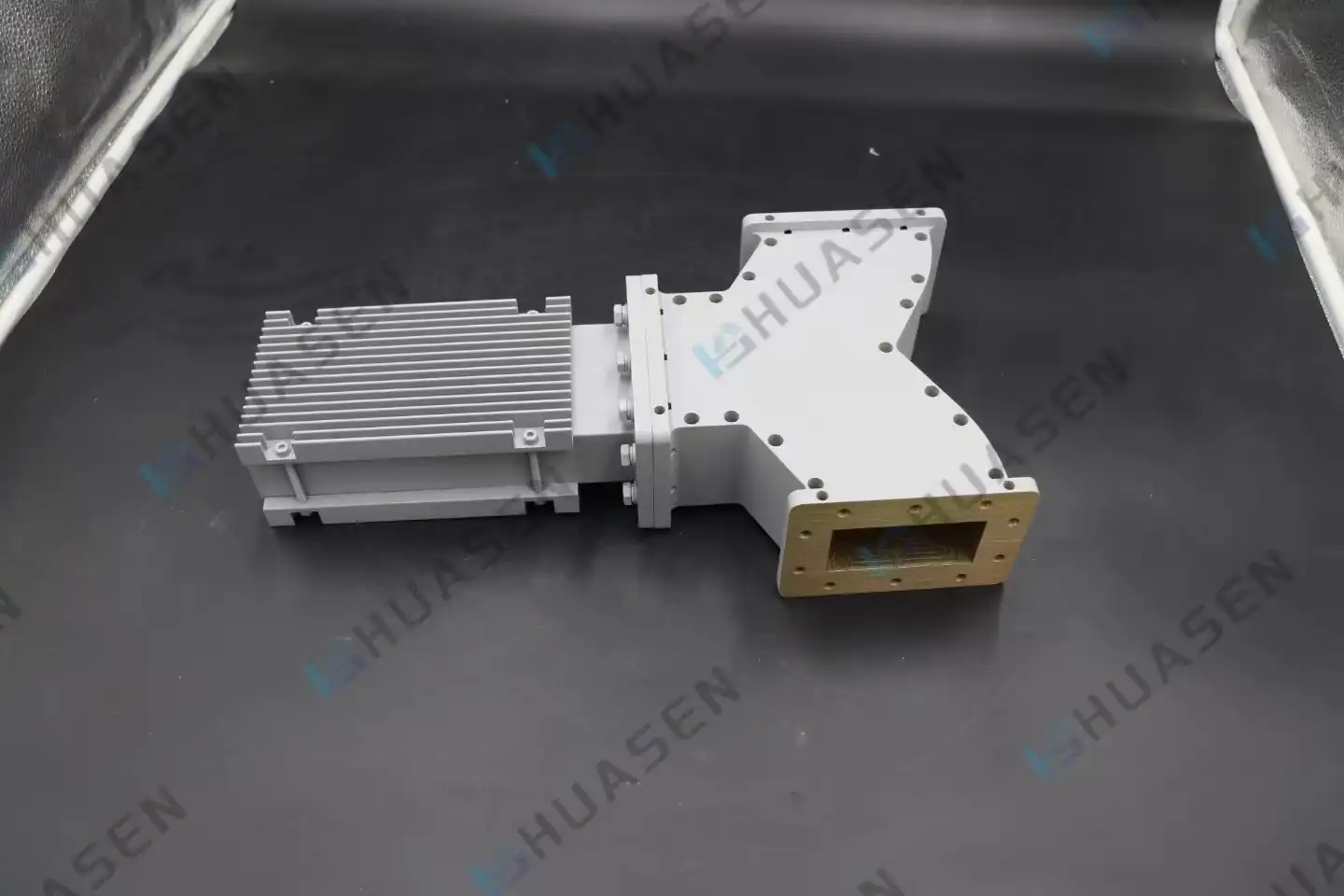
How Waveguide Isolator Protects RF Sources from Reflections
Another important inactive part in RF systems is the waveguide isolator, which works like a one-way valve to let signals go forward while collecting energy that tries to go backward. To keep reflected power from getting to sensitive receivers, amplifiers, and oscillators, this non-reciprocal gadget uses ferrite materials that are magnetically biased. It protects expensive RF sources from impedance mismatches that could otherwise lead to frequency instability, signal degradation, or catastrophic component failure in high-power microwave applications. This is done by turning reverse-traveling energy into heat through an internal termination load.VIEW MORE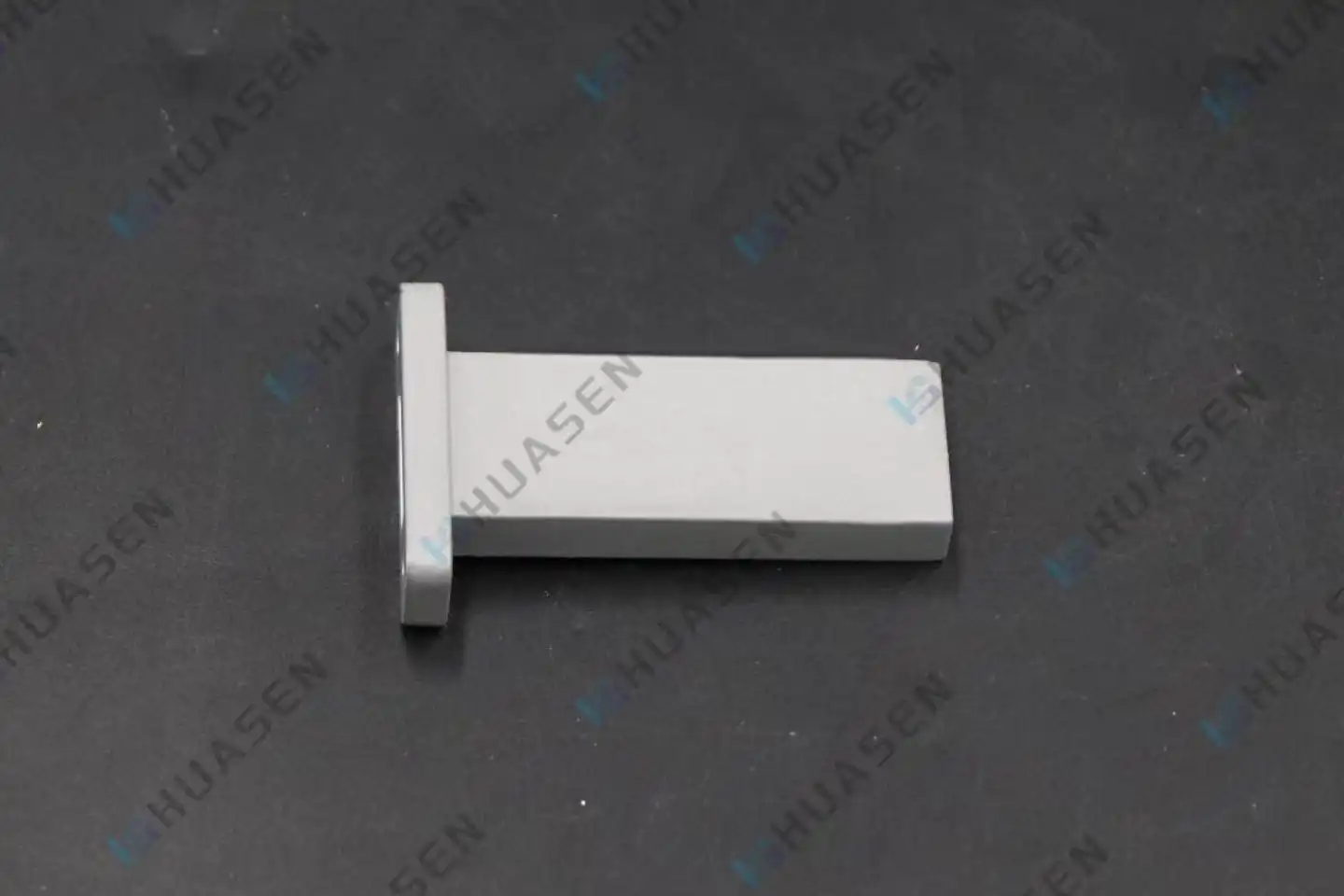
Selecting Waveguide Matching Load for RF Accuracy
When making effective RF and microwave test sets, it's important to choose the right termination component. A waveguide matching load is a precise closure device that takes electromagnetic energy without reflecting it back too much. This keeps sensitive measuring equipment safe and makes sure that calibration data is correct. These inactive parts get rid of standing waves that are caused by impedance mismatches. This keeps signals from getting messed up and protects expensive receivers or analyzers from damage. Whether you're putting parts into 5G base stations, satellite communication systems, or lab test equipment, knowing how to evaluate and pick the right waveguide terminations has a direct effect on the signal integrity, repeatability of measurements, and longevity of your system.VIEW MORE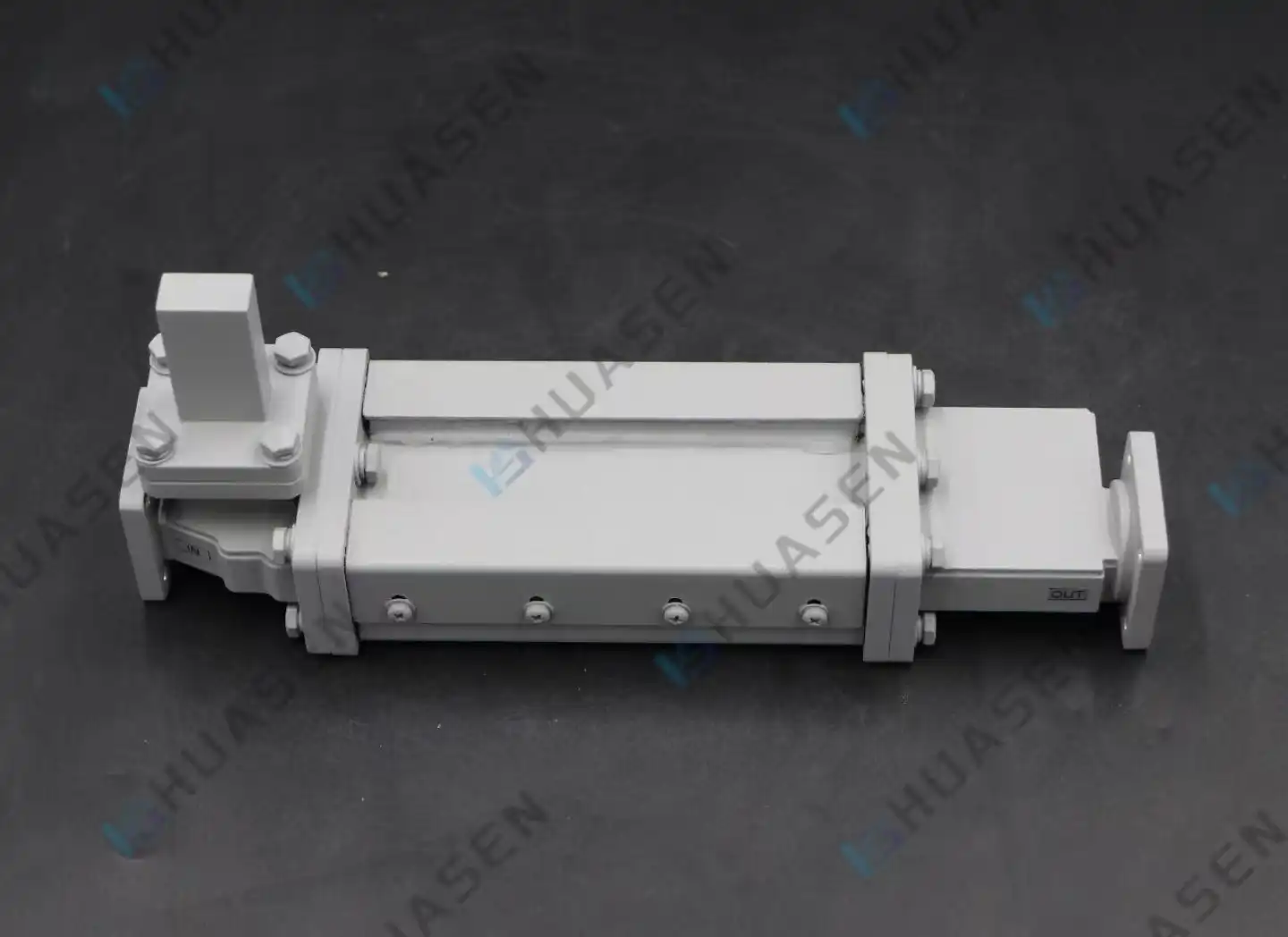
Selecting High Power Differential Phase Shift Isolator
When choosing a high power waveguide differential phase shift isolator, you have to balance complex technical requirements with real-world operating needs. By sending signals moving backwards into outside termination loads, these non-reciprocal microwave devices keep important RF sources, like klystrons and solid-state power amplifiers, safe from damage. High-Power Waveguide Differential Phase Shift Isolators spread heat across waveguide walls, which lets them handle kilowatt to megawatt power loads. Junction Isolators are bound by the thermal limits of the center ferrite. To make sure that products work with base stations, radar systems, scientific accelerators, and satellite communication networks, procurement teams have to look at things like insertion loss, isolation levels, power capacity, weather stability, and the ability of suppliers to make changes.VIEW MORE
- 1
- 12
- 13
- 14
- 15
- 16
- 60
Total 60 pages
