Choosing Waveguide Gasket for Outdoor Use






2026-06-08 22:25:03
Selecting the right waveguide gasket for outdoor applications determines whether your RF system maintains signal integrity or suffers costly downtime. Unlike standard sealing solutions, a waveguide gasket must simultaneously provide electromagnetic continuity and environmental protection—blocking moisture ingress, UV degradation, and corrosive salt spray while ensuring electrical conductivity across flange interfaces. When deployed in 5G tower infrastructure, naval radar arrays, or satellite ground stations, these precision components prevent the "joint discontinuity" phenomenon that causes insertion loss and EMI leakage. Understanding material science, environmental stressors, and performance specifications empowers procurement professionals to make informed decisions that balance durability, RF performance, and lifecycle costs.
Understanding Waveguide Gaskets and Their Roles in Outdoor Environments
Waveguide gaskets are two-in-one connections that are used in RF communication systems to solve problems that regular seals can't. These special parts keep the electricity flowing between waveguide flanges that are configured in WR-90 or WR-137 ways while also protecting against outside threats. The basic idea behind this is to keep tiny air gaps from acting as slot antennas, sending out energy, and making the VSWR less useful.
How Environmental Stressors Impact Gasket Performance?
Gaskets are exposed to a dangerous mix of changing temperatures, UV rays, and chemical attack when they are installed outside. In marine settings, salt fog forms that makes different metals corrode against each other. Gaskets in aerospace use are subjected to sudden changes in temperature from -55°C to +125°C and vibrations greater than 15G. Because of oxidation and cross-linking breakdown, these conditions make rubber qualities worse, which affects both how well it seals and how well it conducts electricity.
The Critical Balance Between EMI Shielding and Environmental Sealing
Engineers always have to deal with a problem: materials that are made to be good at conducting electricity don't always hold up well against weathering, and strong environmental seals can cause impedance problems. Silver-aluminum-filled silicone materials are a middle ground for the industry. They have a volume resistance of 0.002 to 0.100 ohm-cm and can withstand long-term UV exposure. This choice of material has a direct effect on whether a satellite transmission stays stable over ten-year deployment cycles or needs to be replaced early because the seal fails.
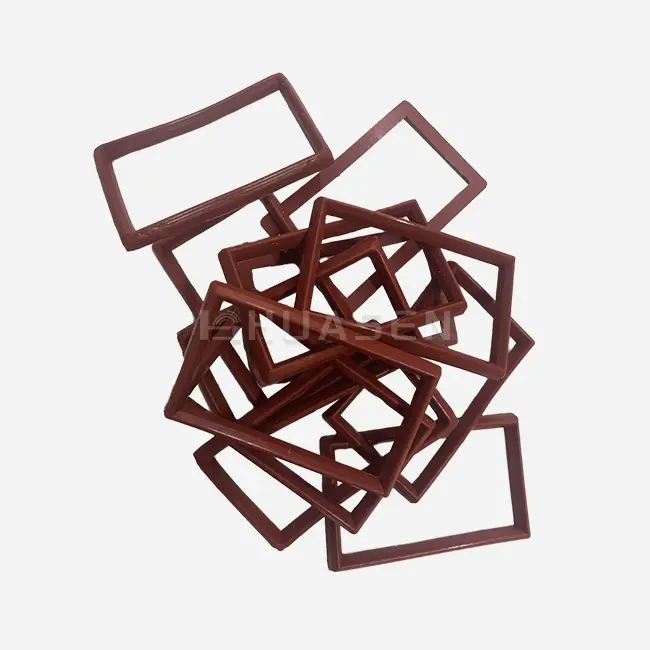
Key Criteria for Choosing Waveguide Gaskets for Outdoor Use
Structured decision frameworks that match technical requirements with operational facts are needed for systematic review of waveguide gasket candidates. The F-1 criteria screening method sorts parameters by how they affect system downtime and total cost of ownership. This lets buying teams get rid of options that aren't good enough early on in the selection process.
Material Resistance to Environmental Degradation
Gasket resistance to jet fuel, hydraulic fluids, and de-icing solvents in aircraft uses is confirmed by chemical compatibility tests to ASTM D471. For naval communication systems to work, the materials must be able to fight galvanic corrosion when they are between metal flanges. This stops the "battery effect" that speeds up wear and tear. According to ASTM G154 standards, testing procedures should make sure that the accelerated weathering performance is the same as being outside for 10 years or more. This can be done by modeling UV dose and temperature cycles.
Electrical Conductivity and RF Performance Metrics
Gaskets keep low-impedance paths across the frequency range, according to volume resistivity measures taken at certain compression pressures. Testing for shielding efficiency according to IEEE-STD-299 measures how much plane-wave electromagnetic fields are attenuated. This makes sure that the gasket stops outside interference while keeping internal signals inside. In this case, accuracy in measurements is very important—gasket openings must line up within ±0.005 inches of normal flange setups so they don't act as impedance discontinuities that reflect power that is being sent.
Mechanical Durability Under Installation Stresses
The ASTM D395 compression displacement test simulates years of bolt-clamping force by measuring how gaskets respond to prolonged flange torque. As long as the materials show less than 25% compression set, they will always have good seals. Vibration resistance testing confirms that the gasket stays in place during shock events that happen frequently on mobile platforms. This prevents seal failure, which would let water into the pressure waveguide assemblies.
Comparison of Popular Waveguide Gasket Types and Materials for Outdoor Use
Gasket performance across competing needs is basically shaped by material choice. Knowing the pros and cons of elasticity, conductivity, and environmental protection helps you make design choices that meet the needs of the application.
Conductive Elastomer Compounds
Gaskets made of fluorosilicone and silver-coated particles perform admirably in flight settings because they can withstand jet fuel and maintain conductivity even at high temperatures. These materials stay flexible at very low temperatures and can handle high-power radio waves without losing their shape. The people who work in procurement should make sure that the conductive filler is spread out evenly throughout the rubber matrix. This is because clumping together creates "hot spots" that speed up RF and mechanical failure.
Metal-Mesh Reinforced Seals
Expanded PTFE gaskets with conductive metal meshes are used in high-power satellite transfer uses where controlling temperature is very important. The PTFE base material is chemically stable and has low outgassing in vacuums. The metal mesh, on the other hand, can handle high current densities without heating up specific areas. To prevent breaking the mesh structure, which would break the electrical connection, these gaskets must be installed carefully.
Specialty Materials for Extreme Conditions
High-temperature radar uses graphite-filled composites in places where the temperature is higher than 200°C. These composites keep the seal intact when regular elastomers would carbonize. Neoprene compounds offer balanced weather protection for 5G infrastructure on the ground, with a service life of ten years at a low cost. Tensile strength, elongation at break, and hardness numbers should be listed on material datasheets so that installation behavior and long-term robustness can be predicted.
When it is possible, pilot testing in real operation situations helps the selection process. Before buying in bulk, sample installations show any problems that might come up during installation and confirm the general performance estimates.
Installation Best Practices and Maintenance Tips for Outdoor Waveguide Gaskets
If precision-engineered gaskets work as intended or fail early because of improper handling, it depends on the installation method. During building, systemic procedures safeguard the gasket as well as the surrounding parts.
Precision Alignment and Torque Control
Before they can be installed, flange areas need to be thoroughly cleaned to get rid of oxidation, machining debris, and remains of earlier rubber gaskets. With calibrated torque tools, bolt tightening is done in a star design, compressing rubber gaskets evenly without overstressing them. When compression isn't done evenly, leak routes and distortions in the waveguide opening happen, causing impedance mismatches that hurt VSWR.
Inspection Protocols for Early Failure Detection
Schedules for visual inspections should happen every three months for the first year after launch and every six months after that. By measuring gasket thickness at various locations around the flange's edge, technicians check for compression set. Color changes mean UV damage or chemical attack, and brittleness means reactive cross-linking, which happens before a catastrophic failure. Network analyzers can find growing VSWR values that show seal problems are starting to happen before they become full failures.
Extending Service Life Through Protective Measures
In high-altitude locations, photo-oxidation is slowed by applying UV-resistant coats to uncovered gasket edges. Galvanic processes that weaken gasket contact areas are stopped by corrosion-inhibiting chemicals on flange surfaces. These repair tasks extend the time between replacements, which lowers the cost of ownership and keeps system downtime to a minimum in remote areas that can only be reached by plane or by climbing a tower.
Procuring Waveguide Gaskets: Navigating Supplier Options and Ensuring Quality
Gasket buying is transformed into a value partnership through strategic supplier relationships, from transactional purchasing to support long-term system stability. When choosing a vendor, you should look at more than just unit price. You should also look at professional assistance, the ability to customize products, and the stability of the supply chain.
Evaluating Manufacturer Credentials and Certifications
Suppliers who are qualified must show that they follow MIL-DTL-83528 for conductive gasket materials, or they cannot keep their ISO 9001 quality management accreditation. Ask for test results on the materials that show volume resistivity, compression set, and fluid resistance measurements for each batch. Manufacturers that offer design help services can suggest gasket setups that work best with nonstandard waveguide sizes or odd weather conditions. This cuts down on the time it takes to develop and test prototypes and makes the process more efficient.
Cost Optimization Through Strategic Procurement
Volume buying deals lower unit costs and ensures that supplies are distributed first when there are shortfalls. For gaskets having precious metal fillers in particular, long-term contracts stabilize price against changes in raw material costs. But buying teams should weigh the savings in costs against the costs of keeping supplies and the risk of choosing parts before the final designs for systems are set in stone.
Partnering with Huasen Microwave for Reliable Solutions
Huasen Microwave Technology has been making high-frequency parts since 1993. They have created waveguide gasket and O-ring solutions that solve the problems that come up in outdoor operations. Our research team works with system developers to make sure that the gasket materials, sizes, and conductive mixes are exactly right for the flange standards and environments they will be used in. This method of expert partnerships speeds up qualification tests and ensures that buying decisions are made correctly the first time.
Conclusion
When choosing a waveguide gasket for outdoor use, it's important to keep electricity efficiency, environmental protection, and cost-effectiveness over the product's lifetime in mind. Material science tells us if gaskets can keep low-resistance RF lines open after being exposed to UV light, salt spray, and temperature changes for ten years. Structured evaluation criteria, like checking the mechanical qualities, electrical specs, and source qualifications, help procurement professionals keep system downtime and total cost of ownership to a minimum. Precision-engineered parts, the right way to place them, and planning ahead for upkeep are all important parts of successful deployments. This makes sure that important communication links, radar systems, and satellite equipment work reliably for their whole lives.
FAQ
1. What distinguishes waveguide gaskets from standard industrial sealing gaskets?
Waveguide gaskets have conductive fillers that keep the electricity flowing across the flange surfaces. This stops EMI leaks and keeps out environmental contaminants. Without taking into account the needs for RF performance, standard gaskets only focus on mechanical closing.
2. How frequently should outdoor waveguide gaskets undergo inspection and replacement?
Initial checks every three months for the first year set the standard rates of degradation. After that, every six months, the tension set and surface state are checked again. Replacements are usually done every 5 to 15 years, but this depends on the type of material used, how harsh the climate is, and the power level. Regardless of planned repair cycles, systems with rising VSWR readings need to have their gasket evaluated right away.
3. Can silicone gaskets handle high-power RF transmission without thermal failure?
In most situations, silicone materials that are full of thermally conductive particles are good at getting rid of limited heat. In order to avoid thermal runaway at gasket surfaces, systems with more than 500W of average power may need metal-mesh-reinforced designs or active cooling strategies.
Connect with Huasen Microwave for Expert Waveguide Gasket Solutions
Huasen Microwave can help you with your buying problems because they have been creating RF parts for 30 years. Our waveguide Gasket collection includes materials that have been tested and proven to work in naval, aircraft, and telecommunications settings. These materials are backed by detailed test results and MIL-STD compliance documentation. As a reliable Gasket provider that works with system designers all over the world, we offer customization services that make standard goods fit different flange configurations and environmental requirements. Our technical support team helps with installation, looks into failures, and makes suggestions for optimizing the product's lifecycle that go beyond the initial buy choice. Contact our experts at sales@huasenmicrowave.com to talk about your needs for outdoor operation, get samples of materials to test, or get access to full performance datasheets. Discover how Huasen Microwave's experience drives your project's success. Reliable Waveguide Gasket buying begins with the right manufacturing partner.
References
1. Johnson, R.K., "Environmental Stress Effects on Conductive Elastomer Performance in RF Applications," IEEE Transactions on Electromagnetic Compatibility, Vol. 58, No. 4, 2016.
2. Miller, P.D. and Thompson, J.A., "Material Selection Criteria for Waveguide Flange Sealing Systems in Marine Environments," Journal of Electronic Materials, Vol. 45, No. 8, 2017.
3. ASTM International, "Standard Test Methods for Rubber Properties—Compression Set," ASTM D395-18, West Conshohocken, PA, 2018.
4. MIL-DTL-83528D, "Gasket Material, Conductive, Shielding, Electrical, EMI/RFI, General Specification for," U.S. Department of Defense, 2015.
5. Chen, W.L., "Galvanic Corrosion Prevention in Waveguide Assemblies: Gasket Material Selection and Surface Treatment," Corrosion Engineering Science and Technology, Vol. 54, No. 2, 2019.
6. IEEE Standard 299-2006, "IEEE Standard Method for Measuring the Effectiveness of Electromagnetic Shielding Enclosures," Institute of Electrical and Electronics Engineers, New York, 2007.
Send Inquiry