Selecting Waveguide Matching Load for RF Accuracy






2026-06-04 21:31:03
When making effective RF and microwave test sets, it's important to choose the right termination component. A waveguide matching load is a precise closure device that takes electromagnetic energy without reflecting it back too much. This keeps sensitive measuring equipment safe and makes sure that calibration data is correct. These inactive parts get rid of standing waves that are caused by impedance mismatches. This keeps signals from getting messed up and protects expensive receivers or analyzers from damage. Whether you're putting parts into 5G base stations, satellite communication systems, or lab test equipment, knowing how to evaluate and pick the right waveguide terminations has a direct effect on the signal integrity, repeatability of measurements, and longevity of your system.
Understanding Waveguide Matching Loads and Their Role in RF Systems
What Makes These Components Essential?
In complicated RF designs, waveguide matching loads are the points where electromagnetic waves stop moving and turn into heat energy. Open-ended waveguides send out energy or make echoes that are hard to predict. Matching loads, on the other hand, show the system's characteristic impedance, which is usually matched to the waveguide's size and mode of operation. This impedance matching makes sure that almost all of the power that comes in doesn't bounce back and hurt sensitive parts like signal generators, power amplifiers, or vector network analyzers.
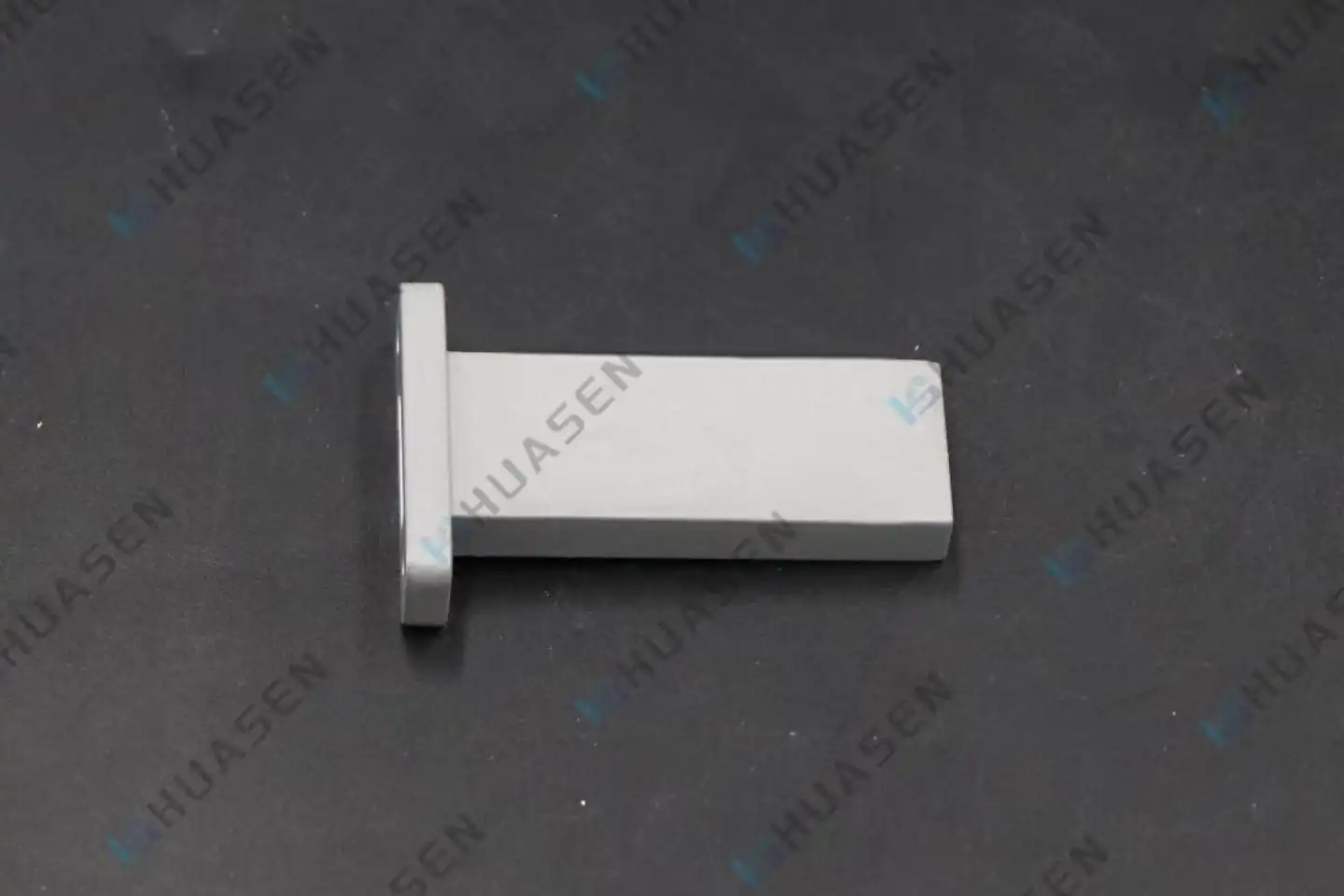
Precision-machined metal housings with absorbing parts made of bulk materials like silicon carbide or specialized ceramics are usually used in the building. These materials have the dielectric qualities needed to change impedance gradually, as well as the heating ability to safely get rid of RF energy they receive. The shape gets smaller as you go from the waveguide to the absorption element. This makes a smooth impedance shift that keeps reflections to a minimum across the frequency band that was intended.
Integration Benefits Across Applications
We've observed that system designers put these parts at the top of their list because they directly solve a number of practical problems. When the Voltage Standing Wave Ratio (VSWR) is less than 1.10:1, the measurement error goes down a lot. This is very important when measuring test tools or describing how well an antenna works. Getting rid of mirrored power, which otherwise puts heat stress on amplifier stages or causes voltage breaks in transmission lines, makes equipment last longer.
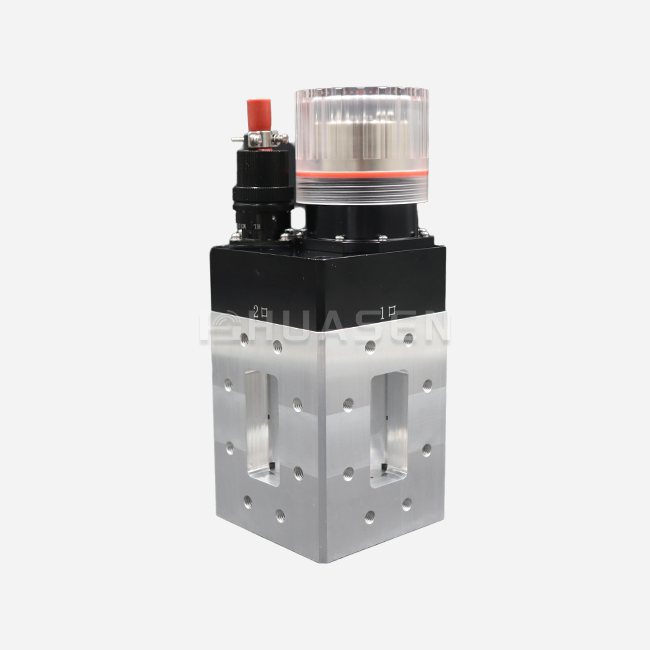
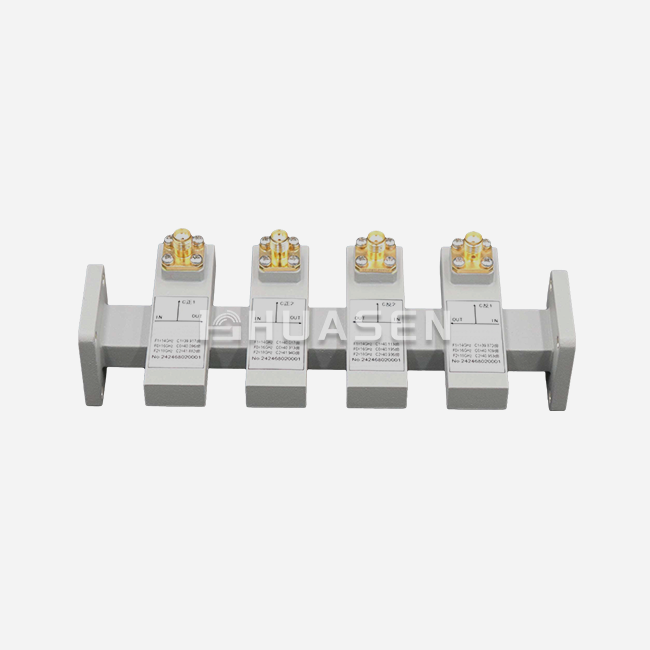
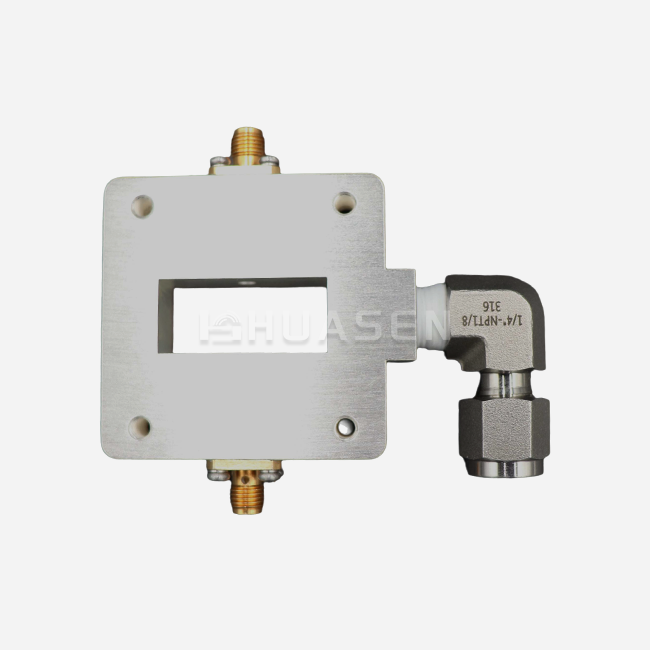
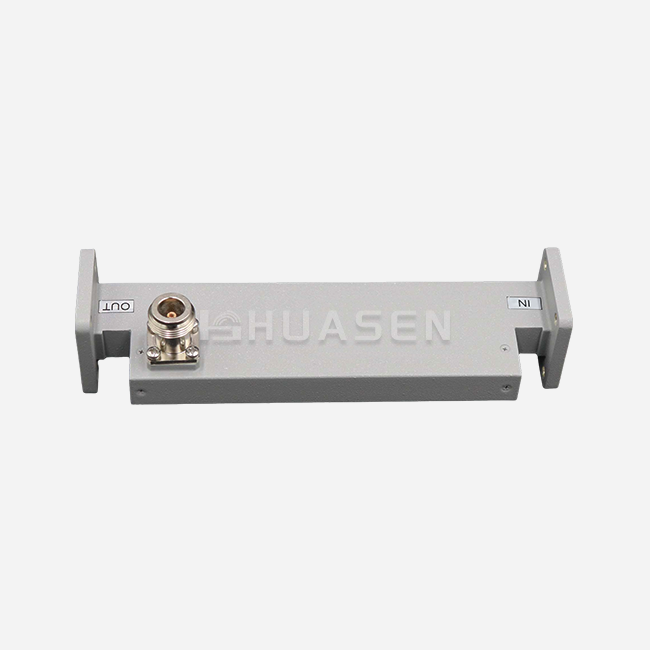
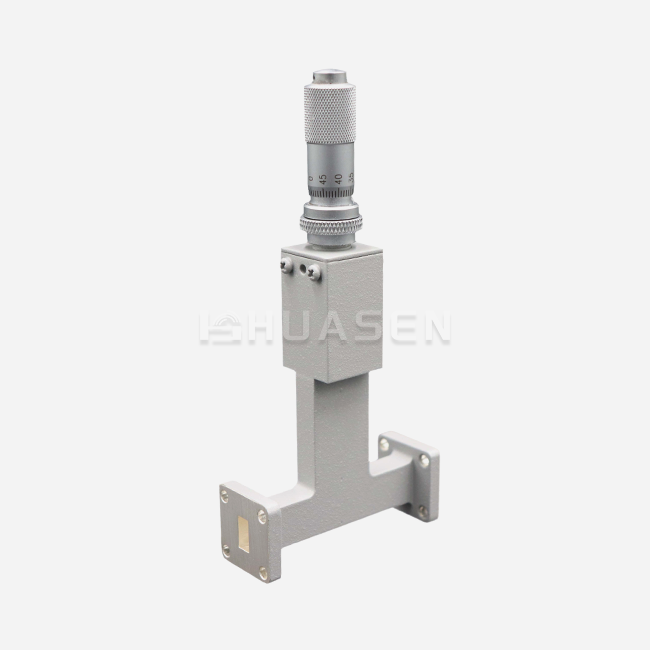
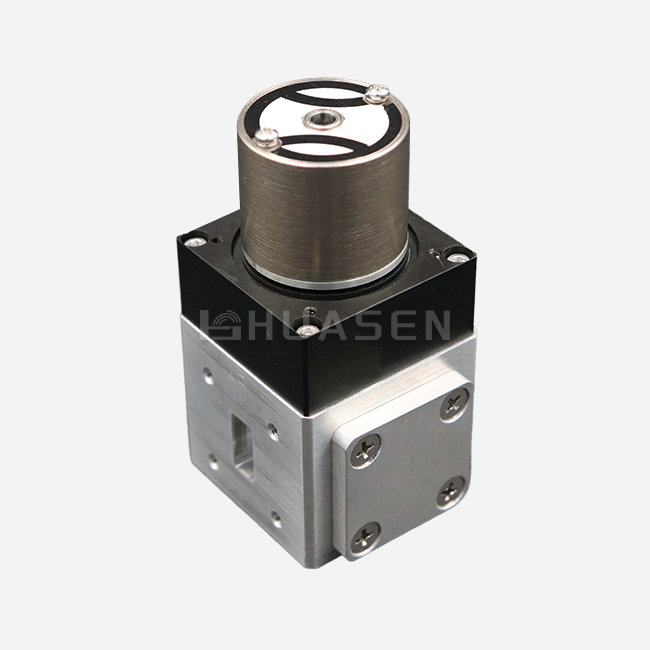
The Waveguide Matching Load (WL) from Huasen Microwave uses bulk absorption material to fix the problem of shaking harm that happens a lot with sheet-type loads. This strong construction is especially useful for testing mobile base stations and in aircraft, where changes in temperature and mechanical shock can make parts less reliable. There are standard Waveguide Matching Loads (WL) that work with all waveguide bandwidths from 0.32 GHz to 330 GHz; short-size versions (WLS) that are better for narrowband applications; sliding matched loads (WSL) that change the reflection phase by moving them around mechanically; and dual-ridge designs that work with square, circular, and dual-ridge waveguide structures.
Load Types Matched to Operational Needs
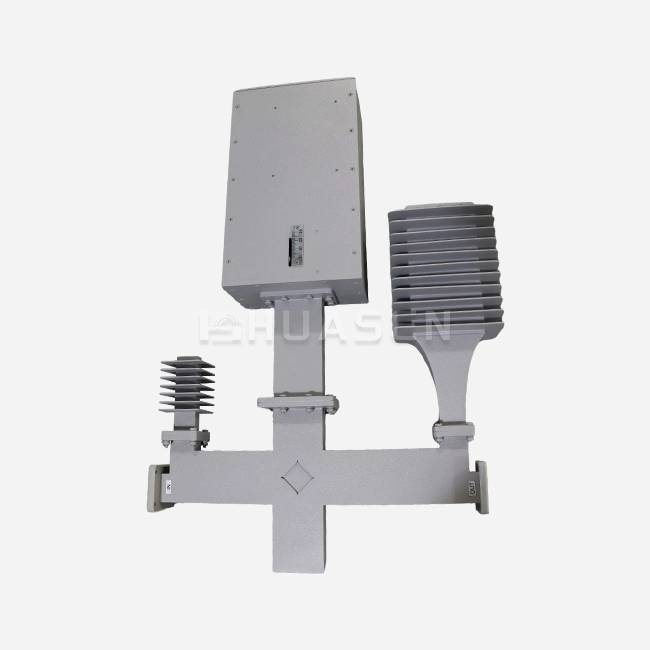
Different application settings need different levels of speed. For general calibration jobs and system security where modest power levels and wide frequency coverage are most important, standard broadband terminations work well. With better cooling fins or forced-air thermal management, high-power loads (such as the Waveguide Matching Load) can handle steady wave power from 0.3 W to 20 W or pulsed radar broadcasts without melting. It is necessary for metrology-grade measures that the VSWR is less than 1.05:1. This is because every tenth of a dB return loss changes the quality of the data. Sliding loads help with specific calibration processes by letting techs change the reflection phase physically. This lets them fix math mistakes in network analysis.
Key Considerations for Selecting Waveguide Matching Loads for RF Accuracy
Defining Your Decision Scenario
The first step in the selection process is to map out your unique working conditions. The physical waveguide size depends on the frequency band. For example, X-band systems (8.2-12.4 GHz) need WR-90 waveguide dimensions, while Ka-band satellite links (26.5-40 GHz) need WR-28 or smaller structures. Routine calibration jobs (milliwatts to single watts) are different from transmitter testing or radar uses (tens of watts to kilowatts peak) in terms of the power they need to handle. Some environmental factors are the working temperature range, whether the waveguide matching loads will be exposed to the weather outside, whether it can work in a vacuum room for space simulations, or whether it can withstand corrosion on a ship for marine communications.
Before hiring wholesalers, we suggest writing down these parameters:
- Frequency specifications: List not only the center frequency but also the full bandwidth that must be VSWR-compliant, since edge-band performance often gets worse without the right absorber design.
- Power requirements: Tell the difference between average steady power, peak pulse power, and duty cycle; thermal systems and materials that absorb power handle these in different ways.
- Interface standards: Check the types of flanges (FDP, FBP, and FUGP) and see if your system uses standard connections or needs special mechanical integration.
- Environmental qualifications: Figure out if you need parts made for everyday use or parts made to military standards like MIL-DTL-3928, which require certain materials, closing methods, and testing procedures.
Critical Performance Metrics Explained
The VSWR number tells you how well the load fits the resistance of the waveguide. When the value is less than 1.10:1, it means that less than 0.5% of the power that comes in reflects, which means that the return loss is better than 26 dB. For precise uses that need to have a measurement error of less than 0.1 dB, the VSWR must be less than 1.05:1. Knowing this standard helps you avoid buying parts that are either too specific (expensive) or not specific enough (incorrect).
The safe working limits are set by the power level. When maximum power is exceeded, absorbing materials break down, sealed systems leak gas, or severe thermal failure happens. Match the continuous wave rates to the power levels you actually have, leaving enough room for error—usually 50% less than the number for safety—to make sure it works.
Bandwidth availability changes how easy a system is to use and how much it costs to keep inventory. Broadband loads that cover many gigahertz lower the number of unique parts that need to be made at different stages of a project. However, they may not work as well in terms of VSWR as designs that are optimized for narrowbands. When materials are used in the field, they need to last for a long time because temperature changes, water getting in, and mechanical vibrations can damage parts over time.
Distinguishing Between Related Components
Sometimes, procurement teams mix up waveguide matching loads with fake loads or isolators, even though they are used for different things. Dummy loads are usually coaxial terminations that have similar absorbing functions but different frequency bands and mechanical shapes. Isolators are active safety devices that use ferrite materials and magnetic fields to let signals travel in one direction while blocking reverse reflections. They keep sources safe but don't give the accurate impedance reference needed for calibration. With a preference for one-way, circulators send data between multiple ports. Knowing these differences, including the specific role of a matching load, can help you avoid making design mistakes that waste money on purchases and cause projects to be late.
Industry-Standard Design Principles and Installation Best Practices
Impedance Matching Fundamentals
For the Waveguide Matching Load design to work, the impedance must change slowly from the waveguide's characteristic impedance, which is based on its shape and how it works, to the impedance of the absorbed material. VSWR performance is lowered by reflections caused by sudden changes. This slow change happens across octave or multi-octave bandwidths with tapered absorber forms, such as wedge or pyramidal shapes.
Choosing the right material combines the absorption of electromagnetic waves with the loss of heat. Silicon carbide is good at staying stable at high temperatures and transferring heat, so it can be used in high-power situations. Loaded epoxy composites with carbon or ferrite bits can absorb modest amounts of power at a low cost. The length of the absorption element is related to its lowest working frequency. Longer tapers improve low-frequency VSWR, but they make the component bigger and heavier.
Thermal and Mechanical Design Standards
Thermal analysis is needed for high-power loads to make sure that surface temperatures stay safe. For loads that use less than 10 watts of normal power, natural airflow cooling through housings with fins is enough. With forced air cooling, the power goes up to 50 to 100 watts. Testing of kilowatt-level radar transmitters is done with liquid cooling, such as water or glycol flows. Thermal management has a direct effect on the stability of a component. High temperatures speed up the aging process of materials and change their dimensions, which can affect how well they work electrically.
In mobile messaging and aircraft, mechanical robustness is important. When vibrations happen, Huasen Microwave's bulk absorption material construction stops the delamination failures that happen with sheet-type designs. Standardized flanges (FDP, FBP, and FUGP) make sure that parts from different makers work together mechanically, but special flanges can be made to fit the needs of a specific system. When equipment is in use, sealing gaskets and weather coats keep it safe from water, salt spray, and fungal growth.
Installation Guidelines for Optimal Performance
Common mistakes that hurt system precision can be avoided by installing the system correctly. It is important that the sides of the flanges are clean and flat. Even small burrs or dirt can create air holes that let RF leak through and make measurements less accurate. Tighten screws to the manufacturer's specs using calibrated tools. If you over-tighten, the flanges will bend, but if you under-tighten, the parts will be able to move when the machine shakes. Place the load in a way that helps it lose heat; mounting it with the fins vertically encourages the most natural convective airflow.
As part of preparing a waveguide, the inside sides are checked for damage or foreign matter that could cause echoes before they reach the matching load. Make sure that the waveguide's dimensions meet the load's requirements. Mixing waveguide sizes leads to serious VSWR loss and could cause reverberation problems. When integrating sliding loads for calibration, make sure the sliding mechanism moves freely across its entire range, and write down the reference point so that measurements can be made again and again.
Conclusion
To choose the right waveguide matching loads, you need to carefully compare the technical specs to the needs of the application. Performance in VSWR, handling power, frequency range, and longevity in harsh environments all have a direct effect on how accurate measurements are and how reliable the system is. You can improve both performance and project economics by learning the differences between standard and specialized load types, comparing suppliers' capabilities, and setting up buying methods in a way that makes the most of their time and resources. With 30 years of experience making high-frequency parts, Huasen Microwave has come up with tried-and-true ways to meet the needs of demanding uses for vibration resistance, wide frequency coverage, and customization freedom.
FAQ
1. How Do Waveguide Matching Loads Differ from Dummy Loads?
People use the words "waveguide matching loads" and "dummy loads" equally, but waveguide loads are actually terminations in the waveguide format, while dummy loads are usually coaxial terminations. Both coaxial and waveguide formats can handle higher power levels and frequencies with less loss, but waveguide formats can handle more power levels and frequencies. In high-power uses, waveguide design also helps keep things cooler and more stable mechanically.
2. What Determines the Correct Power Rating for My Application?
Figure out the highest power that needs to be sent and add a safety margin. For continuous operation, this is usually 50% derating, and for pulsed uses, it's 30%. Think about the effects of the temperature of the area around you. Power rates go down when temperatures rise. Check to see if the maker lists normal power, peak power, or both. Then, compare these numbers to the features of your transmitter. Underpowered loads fail because they get too hot, and over-specified loads raise costs for no reason.
3. Can Waveguide Loads Be Customized for Unique System Requirements?
Reliable makers, like Huasen Microwave, can customize their products in many ways, such as by changing the frequency to fit narrower bandwidths, making sure that the flanges match unique interfaces, increasing the power rating by changing the thermal design, and making sure that the products are suitable for harsh environments. Customization usually needs engineers to work together, prototypes to be tested, and minimum order amounts to make production investments worth it. To account for wait times, talk about needs early on in the project planning process.
4. How Do I Verify Performance After Installation?
To find the VSWR across the working frequency range, use a vector network analyzer that has been properly set up. Connect the load using precision adapters, make sure the connection plane is properly calibrated, and sweep the frequency band recording S11 (reflection coefficient). Check the recorded VSWR against the specs. Values should stay within the allowed ranges throughout the band. For high-power loads, you should try them with low-power RF before they are used at full power, keeping an eye out for strange heating patterns or mechanical vibrations that could mean there are problems with the installation.
Partner with a Trusted Waveguide Matching Load Manufacturer
As a company with 30 years of experience in RF and manufacturing quality, Huasen Microwave Technology offers precisely designed waveguide matching loads. Our WL series solves problems in the real world by having a bulk absorption design that stops shaking failures, frequency coverage from 0.32 to 330 GHz that works with both old and new systems, and the ability to handle power levels ranging from milliwatts in the lab to watts in the field. Whether you're putting parts into 5G infrastructure, military communication systems, or high-precision test equipment, our engineering team can help you choose the right parts for the job.
Email our salespeople at sales@huasenmicrowave.com to talk about the needs of your project, get full specs, or get quotes from other companies. As a well-known Waveguide Matching Load provider, we help global B2B clients with fast shipping, detailed technical support, and the ability to customize parts so they work perfectly with your system design. Find out how our tried-and-true methods can improve the accuracy of your RF while still meeting your tight budget and schedule needs.
References
1. Pozar, David M. "Microwave Engineering, 4th Edition." John Wiley & Sons, 2012.
2. Collin, Robert E. "Foundations for Microwave Engineering, 2nd Edition." IEEE Press Series on Electromagnetic Wave Theory, 2001.
3. Ginzton, Edward L. "Microwave Measurements." McGraw-Hill Book Company, 1957.
4. Harvey, A.F. "Microwave Engineering." Academic Press, 1963.
5. Saad, Theodore S. "Microwave Engineers' Handbook, Volume 1." Artech House Publishers, 1971.
6. IEEE Standard 149-1979. "IEEE Standard Test Procedures for Antennas." Institute of Electrical and Electronics Engineers, 1979.
Send Inquiry