Electric vs Manual Waveguide Switches for RF and Microwave Systems






2026-06-05 17:05:36
When deciding between electric and manual waveguide switches, you need to think about how they will be used, how they will be automated, and how reliable they will be in the long term for RF and microwave systems. A waveguide switch is a precise electrical device that sends electromagnetic signals with high frequencies through thin metal tubes. It can work with frequencies from 1 GHz to over 110 GHz. Manual versions use levers or knobs that are handled by an operator to route signals. This gives the operator a way to check their actions and makes sure the system works even when the power goes out. Electric versions use motors or solenoids for automatic or remote control, which lets them switch quickly in settings that are always changing. Both types solve important problems in radar, telecommunications, and aircraft by having low insertion loss, high separation, and great power-handling abilities that are needed for mission-critical operations.
Understanding Electric and Manual Waveguide Switches
Signal routeing in high-frequency systems needs precise parts that can survive harsh working conditions and keep their electromagnetic integrity. This part talks about how these devices work and why the materials used have a direct effect on how well the system works.
Core Operating Principles
A handle or knob moves a mechanical rotor in manual waveguide switches, which moves waveguide sections physically to change the flow of electromagnetic energy between ports. The rotor device usually has a detent system that makes sure the same position is always reached and gives you audio and physical feedback. This design gets rid of the need for external power sources. This makes manual switches very useful in places where electrical control systems could fail or where workers need to know the state of the switch right away for safety reasons.
Electric waveguide switches have moving parts inside them, which are usually stepper motors or solenoid-driven systems. These parts are managed by DC voltage signals or relay logic. These switches let you handle equipment from afar using control interfaces. They help with automation in test equipment, redundancy switching in satellite earth stations, and quick changes in phased array radar systems. Industry-standard standards let the control circuitry talk to larger system designs so it can be connected to programmable logic controllers and tracking systems.
Material Selection and Electromagnetic Compatibility
Both RF function and mechanical life are largely determined by the materials used in construction. In most industrial uses, the waveguide bodies are made of high-conductivity aluminium alloys, which balance electromagnetic performance with weight restrictions. Putting silver or gold plating on the inside of a device lowers resistive losses and keeps insertion loss below 0.1 dB across all operating bandwidths. Copper alloys are used in high-power military uses where thermal conductivity is very important. This is because continuous wave transmission at kilowatt levels creates a lot of heat that needs to be cooled quickly so that it doesn't cause the metal to expand and jam the rotor mechanisms.
Electromagnetic safety is directly affected by flange standards. Cover flanges have flat sides that can be sealed with a gasket, and choke flanges have grooved grooves that form RF short circuits at the interface. This stops leakage without needing metal-to-metal contact pressure. If you pair the flanges correctly, you can keep the voltage standing wave ratio below 1.10:1. This is important for keeping the signal integrity in receiver chains that are sensitive to reflected power, which can mess up measurements.
Design Factors Influencing System Integration
Installation choices are limited on platforms with limited room because of their physical dimensions. Waveguide size goes down as frequency goes up. For example, W-band switches that work above 75 GHz use WR-10 waveguides that are only a few millimetres thick, while L-band devices use WR-650 structures that are over six inches tall. When deciding where to put cabinets in mobile communication vans or aeroplane fuselage sections, system designers have to take these size standards into account.
The standards for acting force are what set manual types apart from electric ones. Depending on the waveguide size and rotor design, manual switches need between 5 and 50 Newtons of force from the operator. This could make them hard to get to in equipment racks with a lot of other equipment. When it comes to electric models, this ergonomic concern isn't there, but they do have power consumption limits. During switching events, they usually draw 2 to 10 watts, and when they're locked, they draw very little current. When choosing between switch designs, field operations that run on batteries need to account for this energy use.
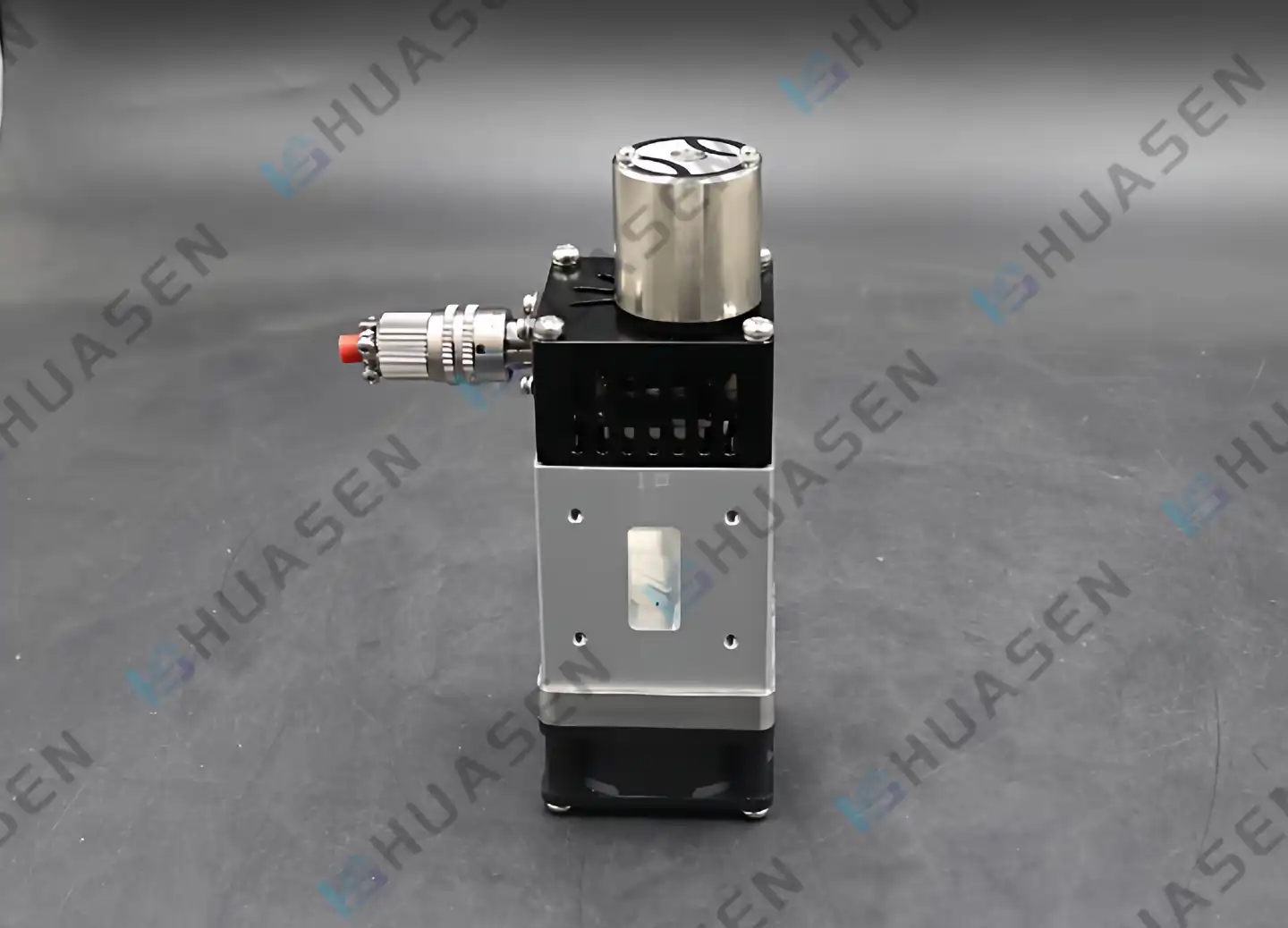
Performance Comparison: Electric vs Manual Waveguide Switches
The best switch design for a given deployment situation is based on operational factors. Knowing about these trade-offs helps you make smart purchasing choices that meet system needs and stay within your budget.
Frequency Range and Insertion Loss
Both types of waveguide switch work in the same frequency bands, which are set by the waveguide measurements rather than the way they are activated. Both the manual and electric models built on WR-90 waveguide bodies work in the X-band (8.2 to 12.4 GHz) with about the same amount of insertion loss. Quality versions have loss rates of 0.03 to 0.08 dB, which are mostly limited by the roughness of the wire surface and dielectric discontinuities at the rotor interface, not by changes in the way the actuators are actuated.
Switching Speed and Response Time
Differentiating these designs is based on operational speed needs. Because operators have to wait seconds to change a manual switch, they can't be used for automatic test routines or quick channel switching in electronic warfare systems. During production testing of RF components, electric switches can make full position changes in 10 to 200 milliseconds, based on the motor's characteristics and the rotor's inertia. This makes it possible for automated measurement processes to go through dozens of different configurations.
Mechanical Reliability and Durability
In terms of sheer run count, lifecycle standards favour manual waveguide switches. Devices that can handle at least 100,000 mechanical processes are used in static setups where switching only happens occasionally, like when the system is reconfigured every six months or for repair. In electric versions, failure modes related to heat cycling and component age are not present because there are no motor windings or control electronics.
A failure cause study for electric switches is more complicated. In brushed DC designs, motor brushes wear out after 50,000 to 100,000 cycles. Brushless motors, on the other hand, can go up to several hundred thousand cycles, but they cost more per unit. Electrolytic capacitors in power sources and other parts of control circuits break down over time, which limits their shelf life even when there is no mechanical wear. When used in normal settings, commercial electric switches usually have a 10-year mean time between failure specifications. However, military-grade units made to MIL-DTL-3928 standards prove their reliability through accelerated life testing procedures.
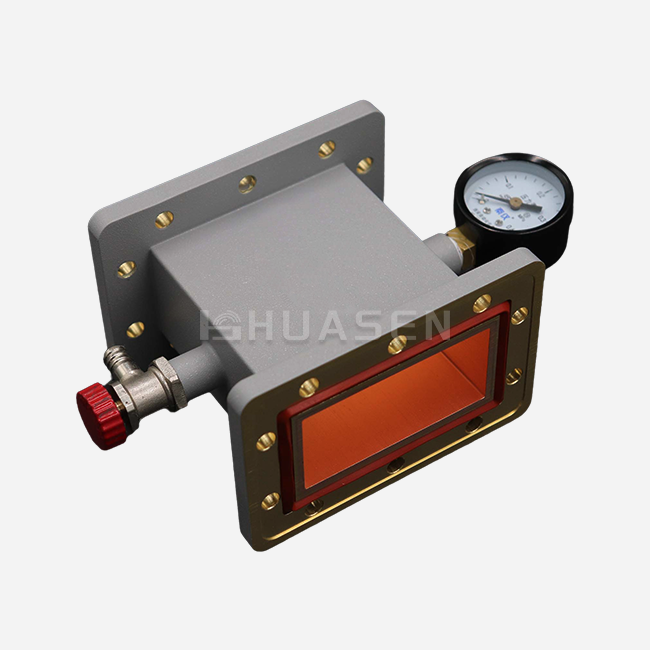
Sealing methods vary in how well they protect against the environment. Manual switches with sealed housings and shaft penetrations that use rubber O-rings keep their IP65 ratings, which means they can be used in outdoor phone setups that get wet or dusty. Pressurised versions that are filled with dry nitrogen or sulphur hexafluoride stop condensation from forming inside. They can also handle more power because the dielectric strength is higher, which means they can handle peak power levels close to megawatts in pulsed radar uses.
Application Scenarios and Suitability
The best switch to use depends on the deployment situation. Implementations in the real world show how practical needs affect purchasing decisions in a wide range of industries.
High-Power Radar and Defence Systems
In the transmit/receive sections of military phased array radars, electric waveguide switches are used. Microsecond-level switching lets the radars move the beam and shape the pulse. Naval AN/SPY-1 radar systems use a lot of solid-state switches that work together to make guided beams that track many flying targets at the same time. Because these uses need automated control, moving between them by hand is not possible. This is why motorised options are more complicated and cost more.
On the other hand, high-power test areas that check if radar parts can survive electromagnetic pulses are like manual switches. Operators doing destructive tests need to be sure that switches stay in safe places while multi-megawatt pulses are sent. This is guaranteed by the tactile evidence and power-independent operation of manual switches, which keeps equipment from being damaged by mistake when switches stop working during important test events.
Satellite Communication Earth Stations
Electric switches are set up in redundant ways so that teleport sites can keep their transfer connections open at all times. A common 1:1 redundancy design checks the health of the primary high-power amplifier and instantly switches to backup units when performance starts to drop. This keeps service going for telecom backhaul links and broadcast distribution. This failover automation happens within seconds of problem discovery, so there are no service breaks that would be against the terms of service deals with business clients.
Manual switches and electric waveguide switches are used for repair tasks in the same places. When fixing amplifiers, technicians use manual bypass switches to separate broken units from working ones while keeping signal lines open through working gear. The physical switch position gives clear confirmation during lock-out/tag-out safety processes. This lowers the chance that people working on de-energised equipment will accidentally be exposed to RF.
Test and Measurement Laboratories
Automated test equipment uses electric switches to set up signal path matrices that connect devices being tested to network analysers, spectrum analysers, and power metres in that order. For 5G base station parts, production test setups go through dozens of measurement configurations per device. If this were done by hand, output would slow down too much. Because these switches can be programmed, test recipes can be changed to fit different versions of a product without having to reconfigure the hardware.
When setting up reference signal routes, calibration labs that keep measurement standards prefer manual switches. When metrologists do precise readings, they use mechanical tools with a detent setting to get rid of the error that comes from switch repeatability. These reference lines stay the same for months during survey sessions, so switching speed doesn't matter. Instead, the stability of manual operation is a plus.
Procurement Considerations for B2B Clients
Aside from technical details, commercial factors also affect choices about what to buy. Knowing what suppliers can do and how the market works is important for building strong relationships with suppliers and getting long-term support for their products.
Cost-Performance Balance and Total Ownership Analysis
Differences in complexity are reflected in unit price. Most of the time, electric waveguide switch models are 40 to 60 percent more expensive than manual waveguide switches with the same frequency bands and power levels. A traditional WR-90 SPDT switch might cost $800, while an automatic electric waveguide switch can cost up to $1,400. System experts who buy a lot of units will get discounts ranging from 15% to 30%, based on the size of the order and the level of customisation needed.
Installation work and equipment must be taken into account when figuring out the total cost of ownership. Electric switches need control wires, power sources, and maybe even connections for remote monitoring. Manual switches only need to be mounted mechanically. When a satellite earth station installs twenty failsafe switches, it has to pay a lot for cables for electric solutions, which could cancel out any savings at first. The costs of upkeep are also different. Manual switches usually don't need anything other than being inspected every so often, but electric units may need a new motor brush or fresh control circuit components after the guarantee runs out.
Supplier Evaluation and Quality Assurance
Long-term dependability is directly linked to the image of the manufacturer. Traceable quality management systems approved to ISO 9001 standards are used by established suppliers to show decades of production history. For military and aerospace uses, parts must meet MIL-DTL-3928 standards. This means that providers have to keep up-to-date lists of qualified goods by re-testing and sampling production lots on a regular basis. Checking these licenses when choosing a seller stops expensive qualification mistakes during system integration.
Marketing claims are backed up by test results from a third party. Suppliers with a good reputation offer insertion loss curves, isolation plots, and VSWR measures for all working bandwidths. These are done on calibrated network analysers that can be tracked back to national metrology centres. Custom power handling proof may need testing at high-power facilities that can produce kilowatt-level RF signals. These are services that companies that make specialised microwave components either offer themselves or through relationships with other companies in the industry.
Lead Times and Customisation Capabilities
Standard catalogue items are shipped within two to four weeks from reputable sources who keep common waveguide sizes and flange types in stock. Custom specs, such as non-standard frequency ranges, unique flange types, or environmental hardening beyond commercial rates, can make delivery take eight to sixteen weeks longer, based on how complicated the engineering is and how deep the production queue is.
Options for customisation meet the needs of each system. When original equipment makers put electric waveguide switches into their own platforms, they might need custom mounting brackets, special control interfaces, or waveguide lengths that are best for internal switching paths. Suppliers with in-house engineering and machining skills can respond more quickly to these requests than middlemen who resell standard products. This is why working directly with the maker is better for large purchases or ongoing product lines that need parts to be available for a long time.
Conclusion
To choose between electric and manual waveguide switches, you need to make sure that the features of each device fit the needs of the application. For static signal handling, manual switches are a cheap and very reliable option. They are controlled by a user, which keeps things safe and gets rid of the need for power. Electric switches are more complicated and cost more than other switches because they allow automation that is needed in test systems, redundancy designs, and situations where the setup needs to be changed quickly. When properly configured, both designs provide excellent RF performance. Which one to choose depends on the switching frequency needs, the environment, the budget, and the ability to provide long-term upkeep. A good procurement process combines technical requirements with source review to make sure that the quality of the parts meets the expected level of reliability throughout the system's lifetime.
FAQ
1. What advantages do electric waveguide switches offer over manual versions?
Electric switches are needed for unmanned facilities, reliability switching, and automatic test equipment because they allow for remote control and automation integration. They change positions in milliseconds, while manual switches need seconds of human input. This makes them useful in situations where switching speed directly affects how efficiently operations run.
2. How do insertion loss specifications compare between these switch types?
Insertion loss is mostly affected by the size and conductivity of the waveguide's surface, not by the way it is moved. When built with similar materials and machining quality, both manual and electric switches lose 0.03 to 0.1 dB of signal. This means that performance is the same across designs at the same frequency bands.
3. What typical lead times should buyers expect when ordering?
Standard catalogue setups are sent out two to four weeks after they are stocked. Depending on the complexity of the design and the supplier's production schedules, custom specs that need engineering changes or non-standard tests can add eight to sixteen weeks to the delivery time.
4. Can these switches operate in extreme environmental conditions?
Yes, as long as the right details are given. Manual switches that are sealed and have an IP65 grade can be used outside, and pressurised models can handle temperatures ranging from -55°C to +85°C. Vacuum-compatible versions use special lubricants and O-ring materials for tests in thermal vacuum chambers in aircraft.
Partner With Huasen Microwave for Precision Waveguide Switch Solutions
With 30 years of experience in RF and microwave engineering, Huasen Microwave works with clients in the radar, aircraft, and telecommunications industries. Our waveguide switch collection includes both manual and electric designs that work at frequencies from 1 to 110 GHz. They have great insertion loss performance, are built to meet MIL-DTL standards for durability, and can be customized to meet specific system integration needs. As a company with a lot of experience making waveguide switches, we have strict quality controls that we use to make sure that every part meets the written specs. We do this by using traceable calibration and test processes. Procurement teams benefit from quick technical help while specifications are being made, sample evaluation programs that make sure performance is good before committing to a large order, and shipping schedules that are open to fit project deadlines. You can email our engineering team at sales@huasenmicrowave.com to talk about your signal routing needs and get full datasheets that show how our precision components make systems more reliable.
References
1. IEEE Standard 149-2021, IEEE Recommended Practice for Antenna Measurements, Institute of Electrical and Electronics Engineers.
2. Pozar, David M., Microwave Engineering, 4th Edition, John Wiley & Sons, 2012.
3. MIL-DTL-3928H, Detail Specification: Switches, Radio Frequency Transmission Line, U.S. Department of Defense, 2018.
4. Silver, Samuel, Microwave Antenna Theory and Design, MIT Radiation Laboratory Series Volume 12, McGraw-Hill, 1949.
5. Clarricoats, P.J.B., and A.D. Olver, Corrugated Horns for Microwave Antennas, Peter Peregrinus Ltd., 1984.
6. Montgomery, C.G., R.H. Dicke, and E.M. Purcell, Principles of Microwave Circuits, MIT Radiation Laboratory Series Volume 8, McGraw-Hill, 1948.
Send Inquiry