
Home / Blog
Blog
0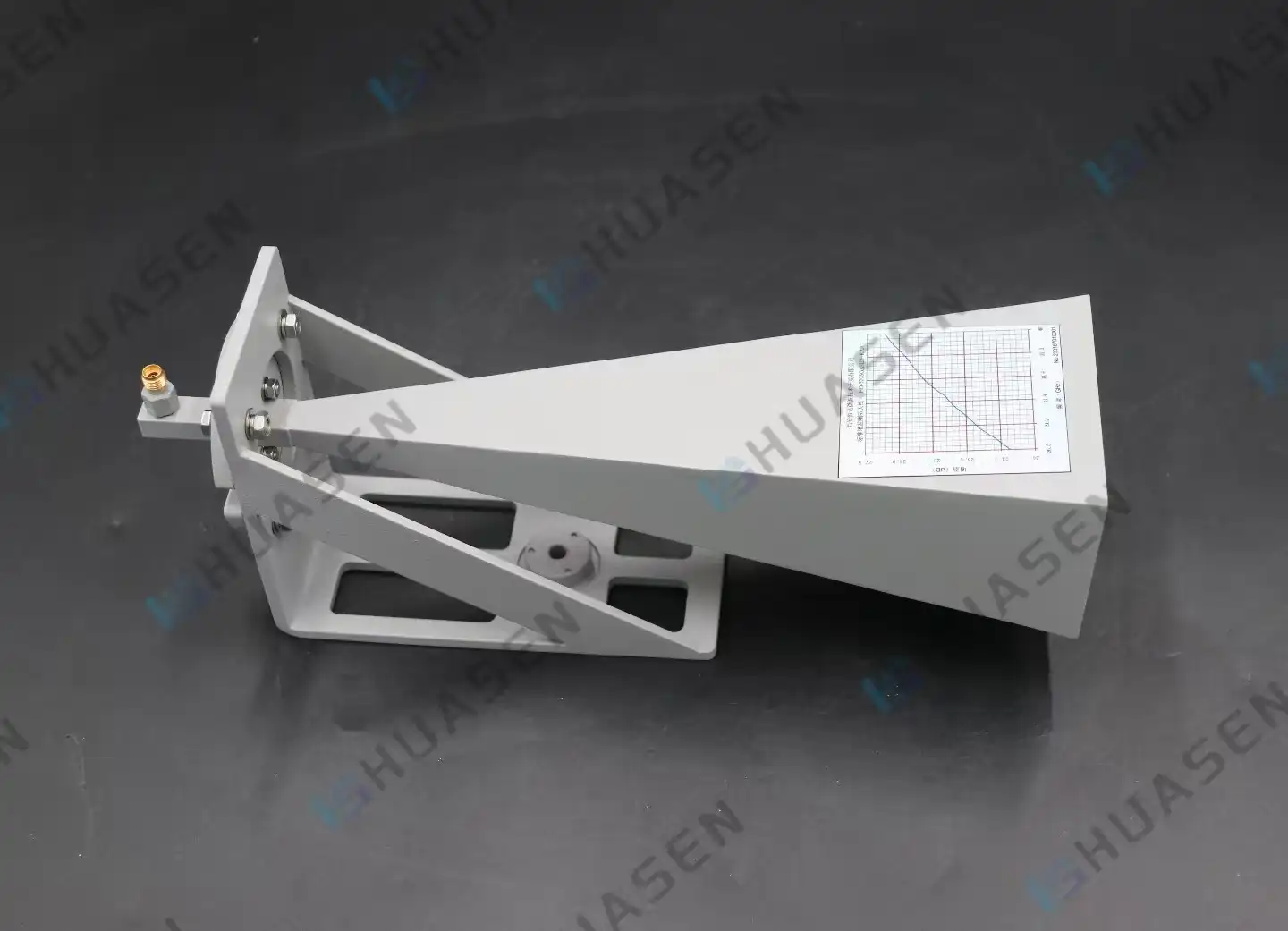
What Is standard gain horn antenna and When to Use It?
A standard-gain horn antenna is one of the most important measuring tools in the world of RF and microwaves. Unlike general-purpose communication antennas, this precision-engineered waveguide device has a theoretically calculable gain and great repeatability, which makes it a must-have for EMC test facilities, calibration labs, and antenna ranges all over the world. The shape of the horn is very precise, and its dimensions are often in line with old specifications like NRL Report 4433. This makes sure that the horn's gain features stay the same across specific frequency ranges. When purchase teams look for these antennas, they're not just buying gear; they're also getting confidence in their measurements. This guide talks about what these horns are, when their special skills become mission-critical, and how to easily move through the procurement scene. When engineering companies understand these basics, they can find a balance between technical accuracy and cost-effectiveness, and they can build relationships with suppliers who really understand the need for metrological accountability.VIEW MORE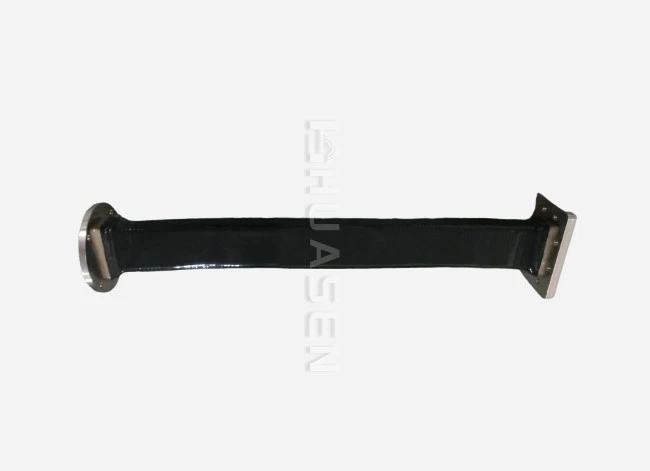
Flex Waveguide Design for Satellite & Radar Applications
Modern satellite and radar systems depend on flex waveguide modules as a key piece of technology. They connect hard transmission infrastructure to the flexible mechanical needs of advanced communication platforms. Flex waveguides are different from stiff waveguides in that they are made of overlapping convolutions of silver-plated brass or seamless corrugated tubes. This allows for controlled bending and twisting without compromising their excellent RF performance. These systems solve important problems in high-frequency microwave transmission, where correcting misalignment, isolating vibrations, and compensating for thermal expansion are musts for mission-critical operations.VIEW MORE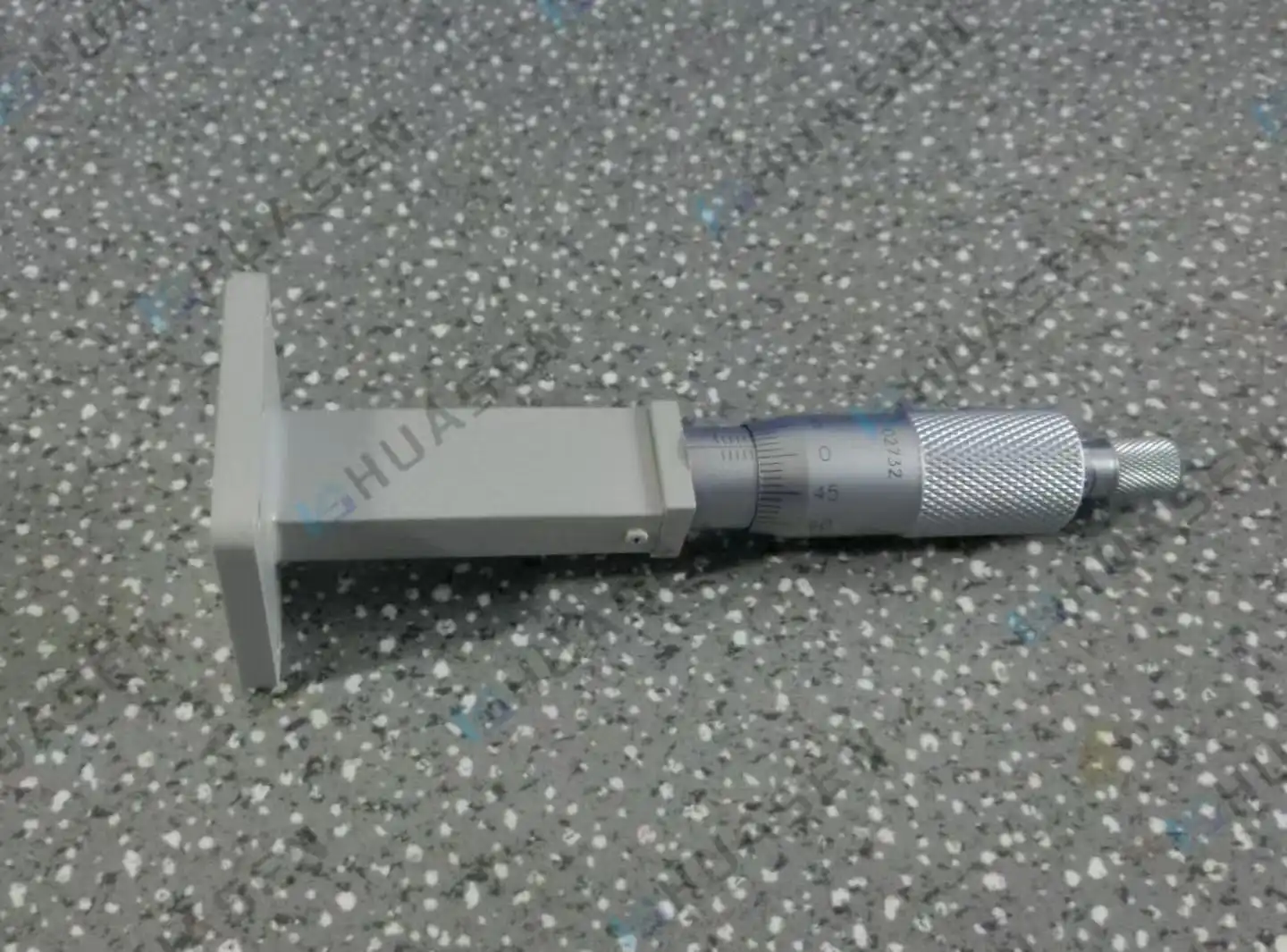
Waveguide Sliding Short Uses in Microwave Test Setups
Waveguide Sliding Shorts are an important part of microwave test sets because they give engineers precise control over the phase of reflection and matching of resistance. Calibration teams can move these short-circuit devices around to change the location of the electrical short-circuit within waveguide transmission lines. This makes sure that vector network analyzer readings are correct and improves system performance. They are used as tunable reference standards in radar, aerospace, and telecommunications testing settings. This lets fine-tuned signal path changes keep measurement accuracy across frequencies from sub-gigahertz to millimeter-wave bands.VIEW MORE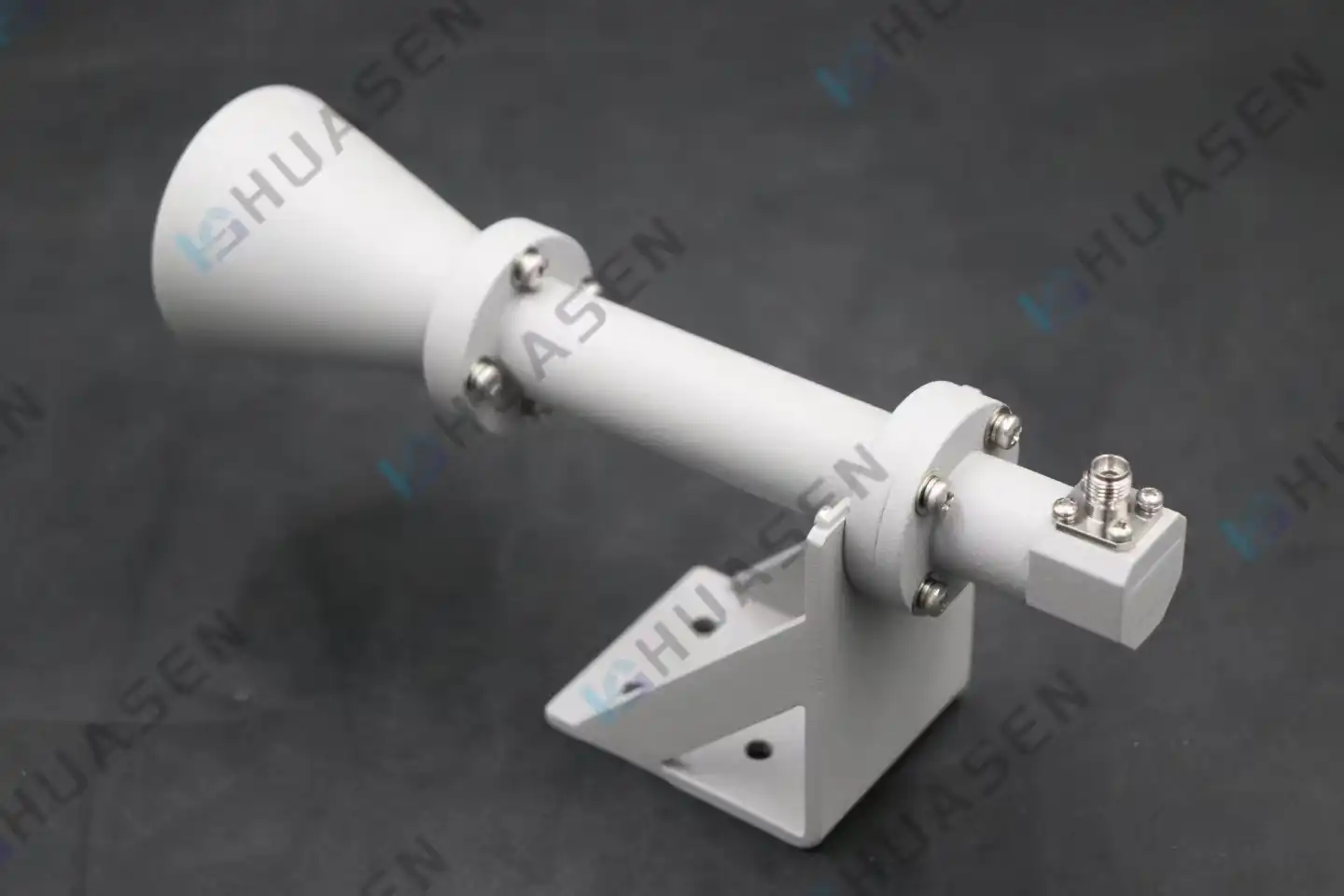
Circularly Polarized Horn Antenna Applications in Weather Radar
Weather tracking systems are now essential for keeping an eye on the weather and making predictions about it. Among the different antenna technologies used, circularly polarized horn antennas stand out because they can keep the signal strong even when the weather is bad. These special parts send and receive electromagnetic waves with a helix electric field, which can have either right-hand or left-hand circular polarization. This is a big improvement over regular linear designs. This rotating polarization property lets weather radars tell the difference between different kinds of precipitation, cut down on interference from disturbances in the atmosphere, and keep working the same way no matter which way the target is facing. These features have revolutionized the ability to find and predict severe weather.VIEW MORE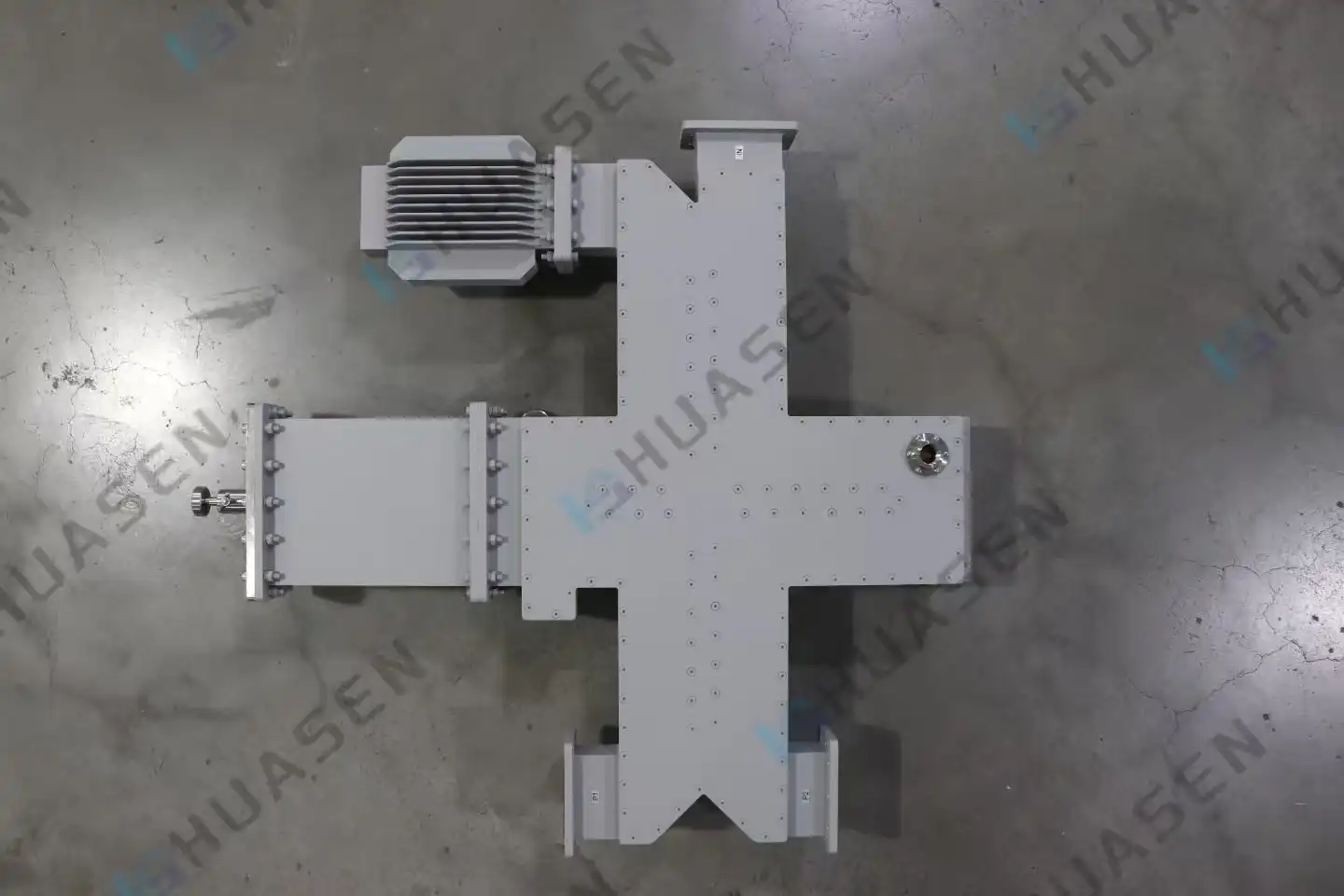
How to Select a Waveguide Power Divider for Radar and RF Systems
To choose the correct waveguide power divider, you need to carefully consider its performance requirements, the limitations of its surroundings, and its long-term dependability. These passive components were carefully designed to split receiving RF signals into various output lines while keeping the integrity of the signals. This is a key feature for radar tracking, satellite communication arrays, and 5G base station networks. When purchasing teams or system engineers pick a divider without knowing its insertion loss limits, power handling limits, or frequency bandwidth needs, they could damage whole communication lines or radar front-end architectures. This book talks about the basic technical information, comparison criteria, buying strategies, and upkeep routines that can help B2B buyers feel good about their choices. If you know how different divider designs and materials affect your signal chain, you can save money and make mission-critical deployments more reliable. This is true whether you're putting parts into phased array antennas, test benches, or flying radar systems.VIEW MORE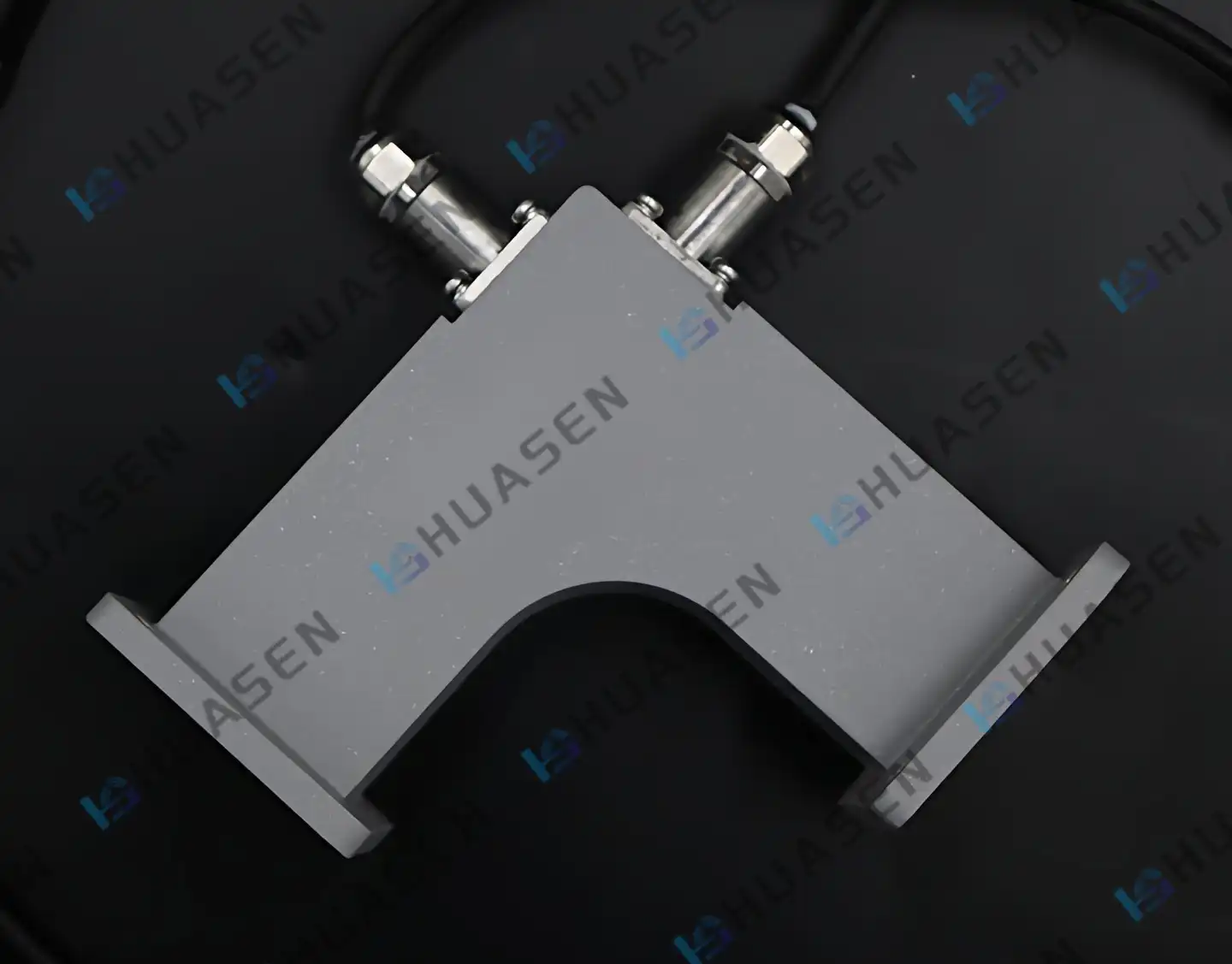
Waveguide Detection Techniques for High-Frequency Systems
Waveguide Detection is an important part of current high-frequency RF and microwave systems. It lets engineers check the integrity of signals, find signs of dielectric breakdown, and keep systems reliable in tough situations. Detection systems can find problems like arcing, impedance mismatches, or mode conversion that hurt performance by using how electromagnetic waves travel through solid or dielectric waveguide structures. Specialized sensors, like optical viewports and acoustic transducers, are placed at key points along the transmission path to collect real-time data on power distribution, standing wave ratios, and thermal signatures. This makes sure that faults are quickly fixed before they become catastrophic.VIEW MORE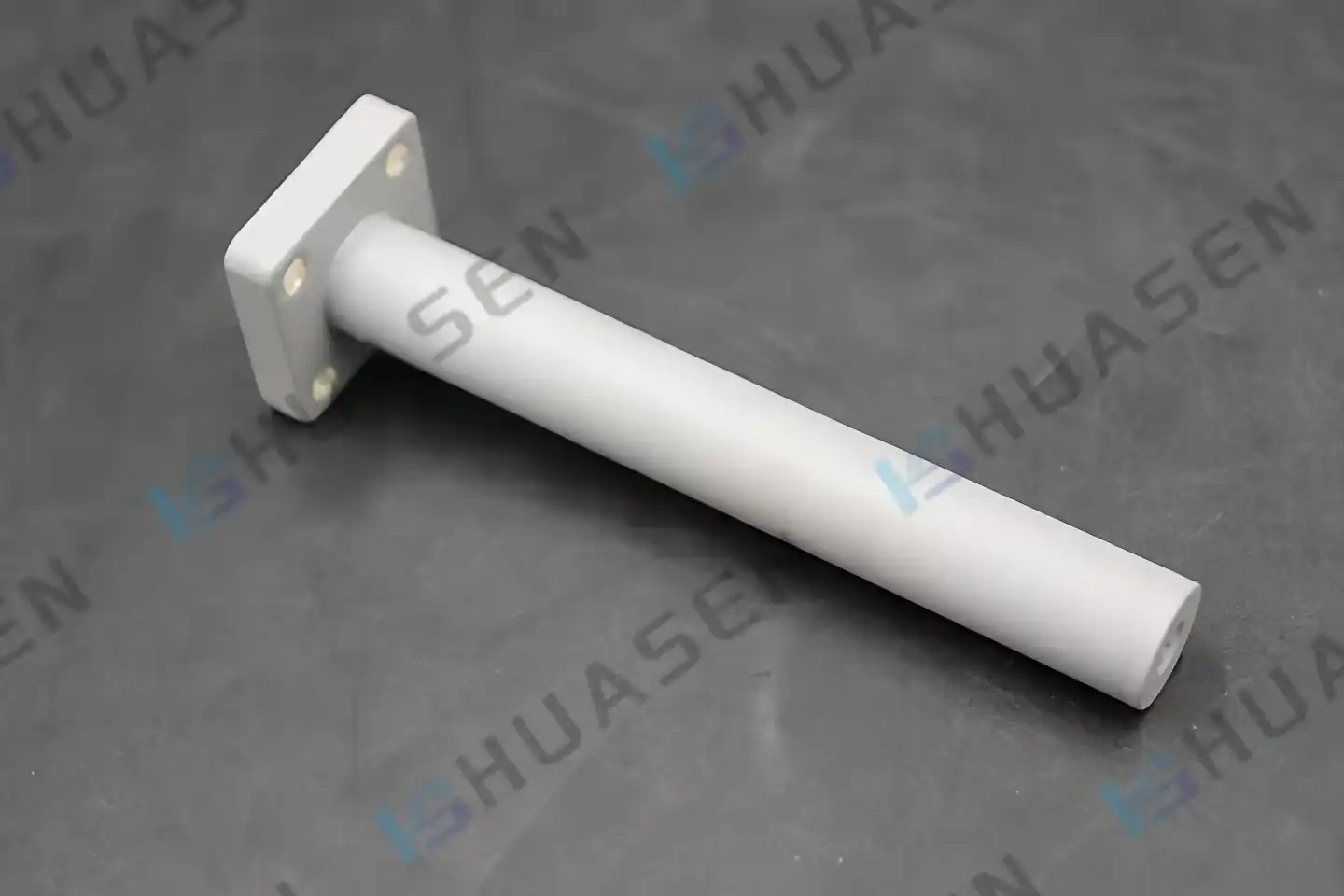
Circular Waveguide Termination for High Energy Systems
Engineers always have to figure out how to safely absorb leftover electromagnetic energy without putting the stability of the system at risk when they build or upgrade high-power microwave systems. A circular waveguide termination is the most important part of these systems. It turns unwanted RF energy into heat while keeping echoes very low. These precision-engineered parts keep sensitive amplifiers safe, make sure measurements are correct in testing settings, and make sure stable operation in radar, satellite communication, and defense settings where failure is not an option.VIEW MORE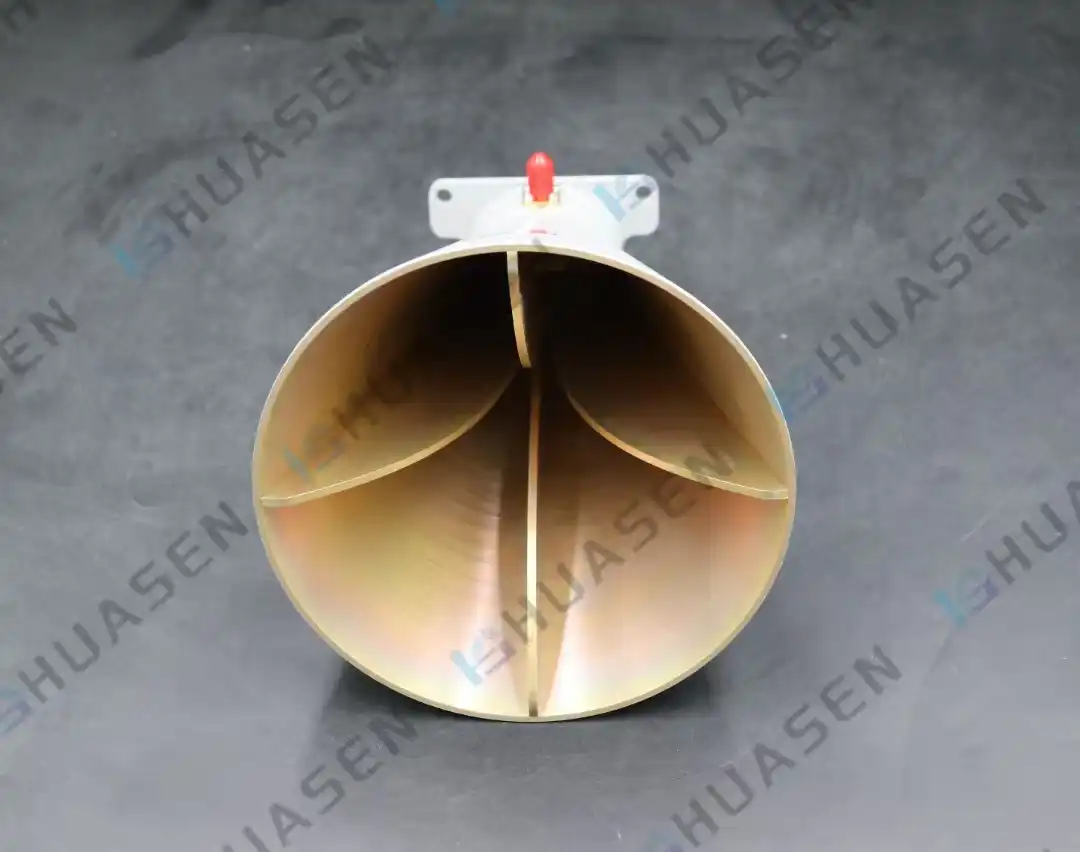
How to Select Dual Polarized Horn Antenna for Dual Channel Use
To choose the correct dual-polarized horn antenna for dual-channel uses, you need to know how simultaneous orthogonal polarization makes your communication system work better. This kind of antenna handles both vertical and horizontal signal components separately, which doubles the capacity of your channel without the need for extra gear. When your 5G base station or satellite ground station needs to reliably separate polarization above 30dB while keeping VSWR below 1.5, it's important to choose an antenna with the right OMT architecture to avoid signal loss and costly system redesigns.VIEW MORE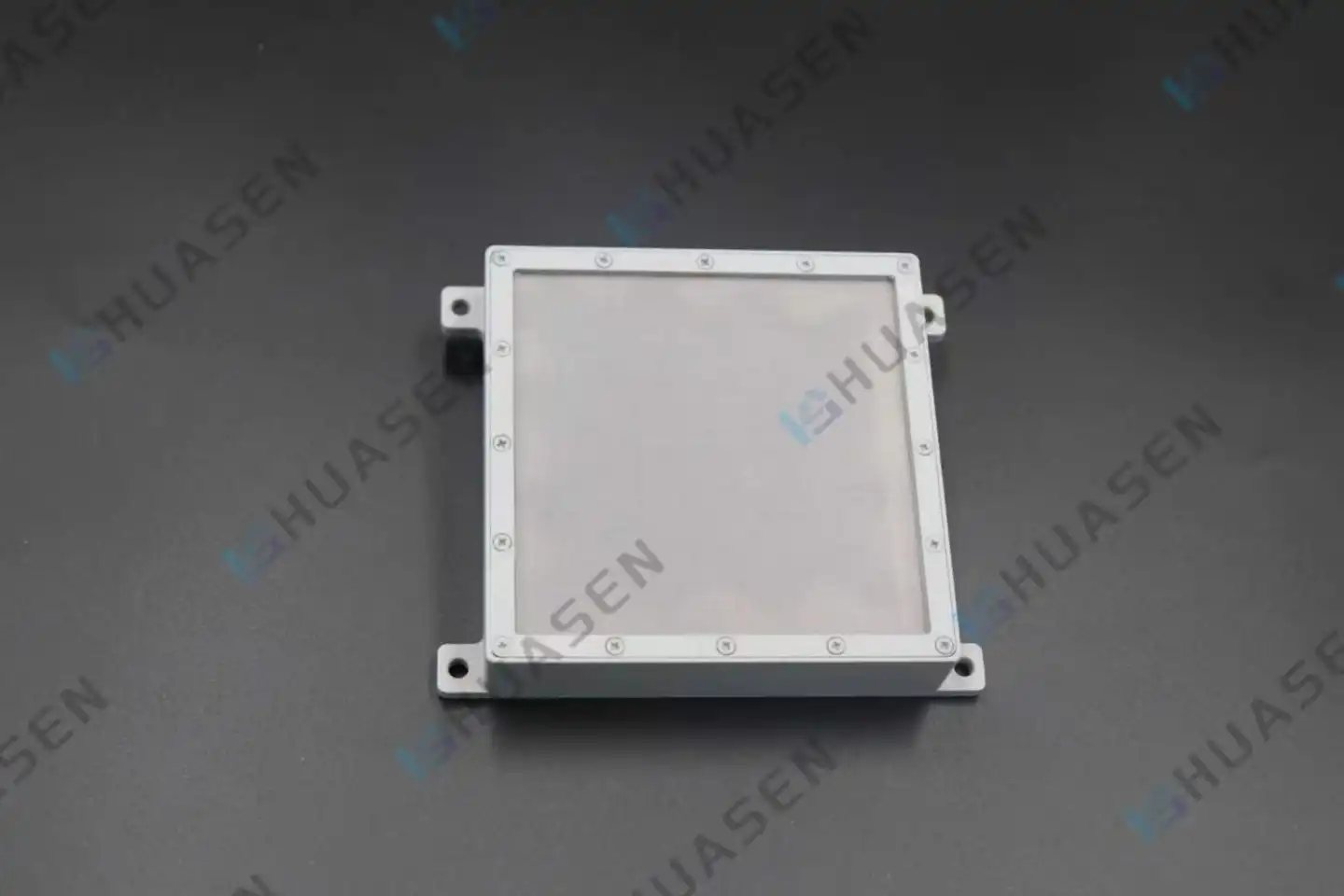
How to Optimize Circularly Polarized Microstrip Antenna Bandwidth
In order to increase the axial ratio bandwidth while keeping impedance matching, a circularly polarized microstrip antenna's bandwidth can be optimized by making smart changes to the patch shape, substrate choice, and feeding methods. Engineers can make operating frequency ranges bigger by using dual-feed networks, stacked patch setups, parasitic elements, and high-tech substrates. These improvements solve problems that often happen in RFID systems, GNSS receivers, and satellite links, where the resistance and axial ratio bandwidths need to match for circular polarization to work reliably.VIEW MORE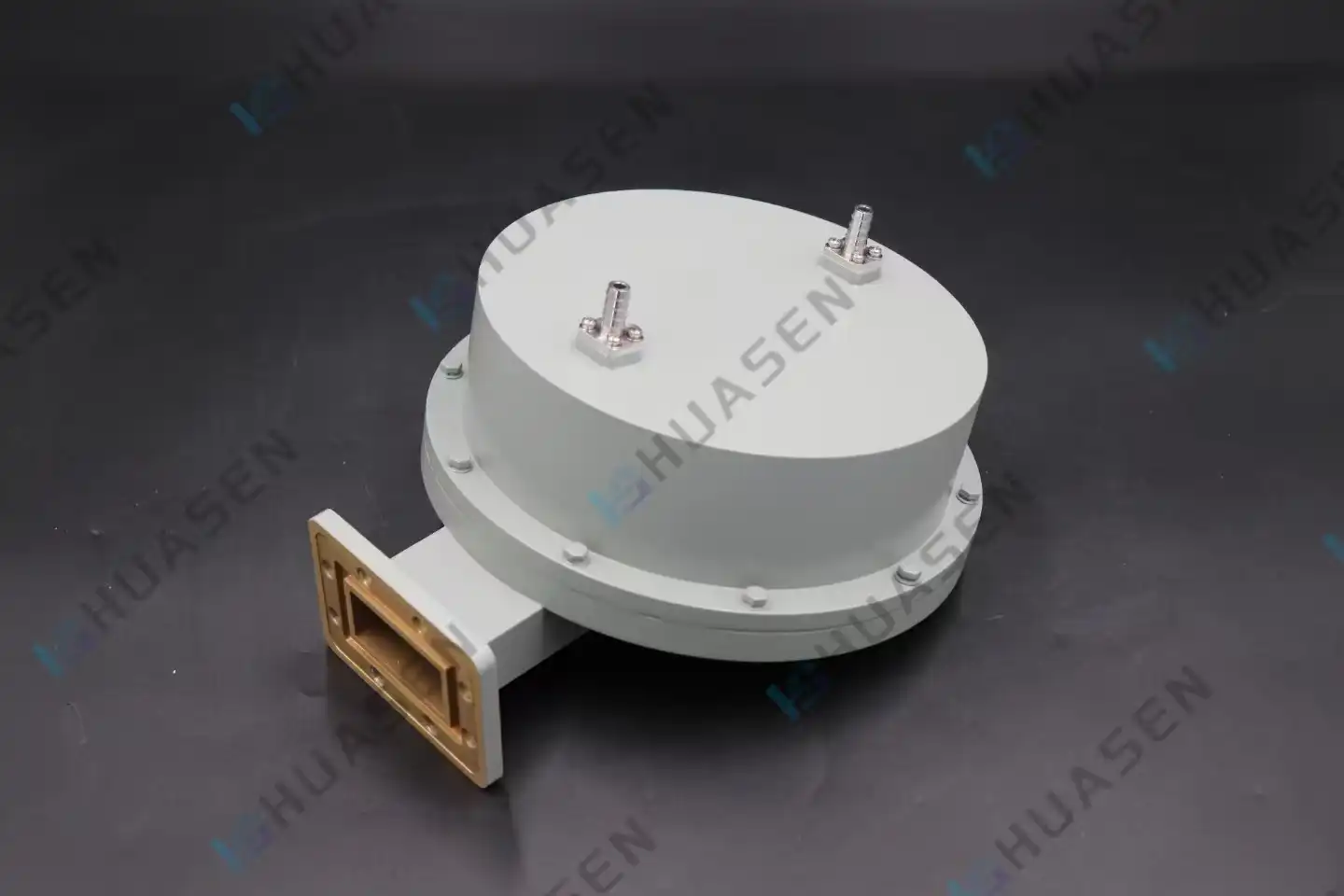
Water Cooled Load in Broadcast and Radar
Managing high-power radio frequency energy in a safe and effective way is still a big engineering problem in broadcasting and radar. A water cooled load is a precision-engineered closure device that takes in a lot of radio frequency power, usually between a few kilowatts and a few megawatts, and uses an active liquid cooling circuit to get rid of the heat it creates. Unlike passive air-cooled alternatives, these parts work great in small installations where thermal density is higher than what normal convection can handle. This makes them essential for radar calibration, transmitter testing, and high-power broadcast systems where equipment reliability directly affects safety compliance and operational continuity.VIEW MORE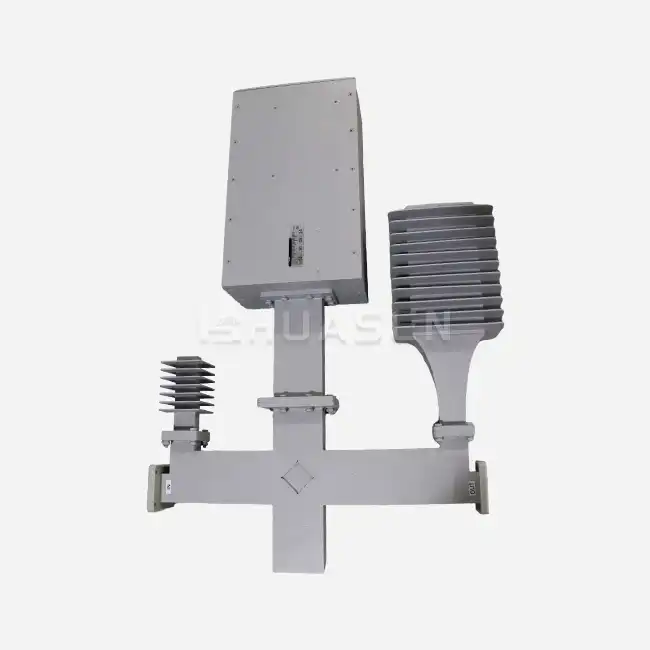
Attenuation Accuracy Testing for Millimeter Wave Waveguide Fixed Attenuators
Tests to see how accurately millimeter wave waveguide fixed attenuators lower signal power at frequencies from 30 GHz to 300 GHz are called attenuation accuracy tests. A waveguide attenuator controls power levels so that signal bounce and insertion loss are kept to a minimum. These parts must be tested carefully to make sure they meet the strict requirements for 5G infrastructure, satellite communications, and tracking systems. Validation uses vector network analyzers, reference standards that have been measured, and controlled external conditions to get measurement errors of less than 0.1 dB. This protects the signal quality in important millimeter wave applications.VIEW MORE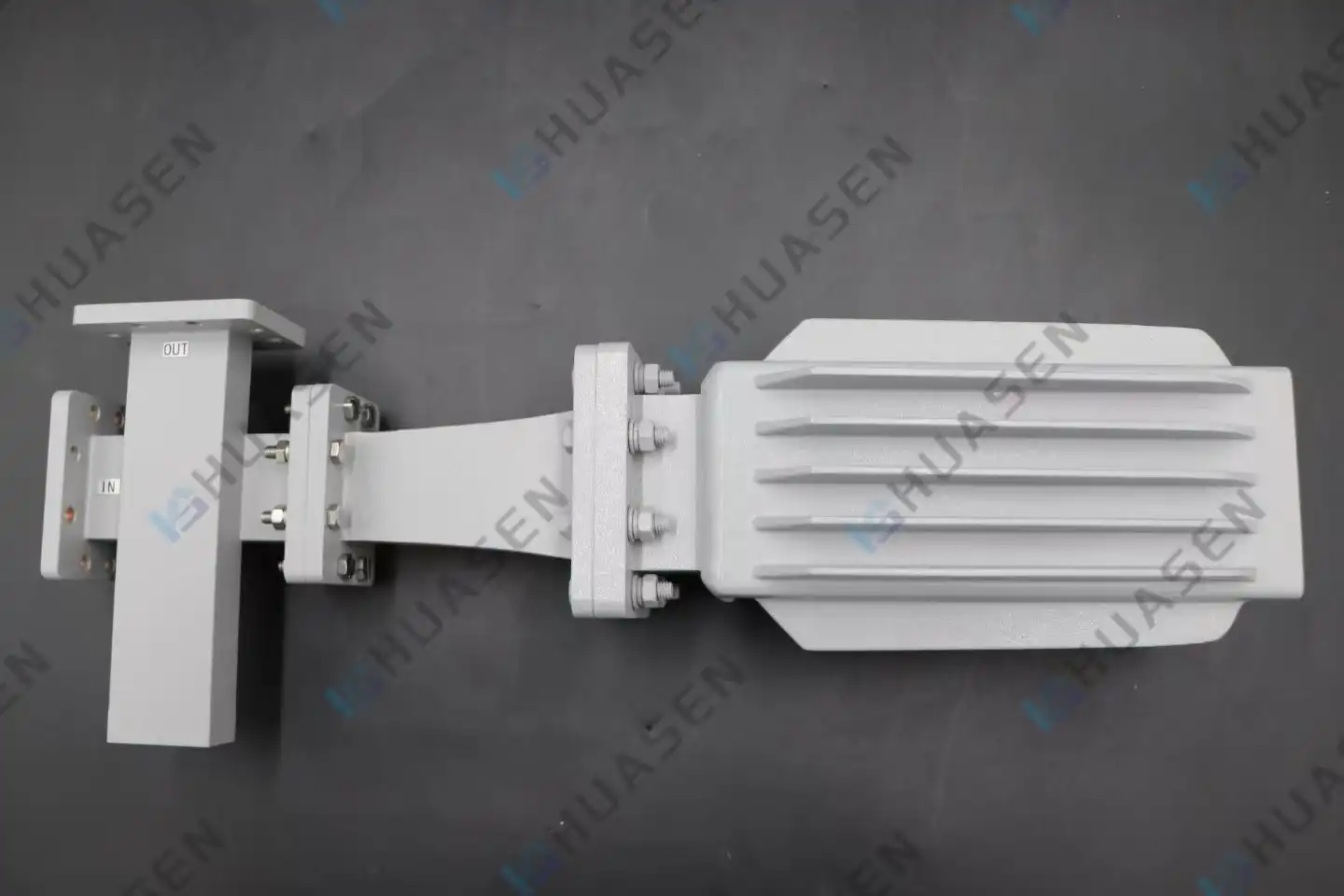
When to Use Coupled Fixed Waveguide Attenuator?
Coupled Fixed Waveguide Attenuators are very accurate tools that engineers use to lower signals in microwave and millimeter-wave applications in a way that is secure and reliable. In high-power radar tests, satellite ground station calibration, and RF measurement labs, where accurate attenuation has a direct effect on system stability, these parts are essential. When frequencies are higher than 1 GHz, power levels are higher than what cable components can safely handle, or the environment needs mechanical toughness and heat stability that variable designs can't provide, this type of attenuator is usually chosen.VIEW MORE
- 1
- 11
- 12
- 13
- 14
- 15
- 60
Total 60 pages
