How to Select a Waveguide Power Divider for Radar and RF Systems






2026-06-09 21:52:40
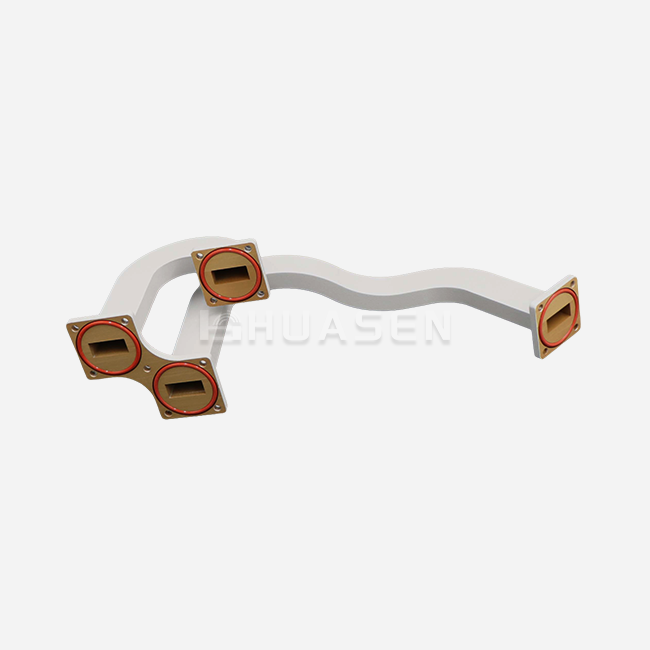
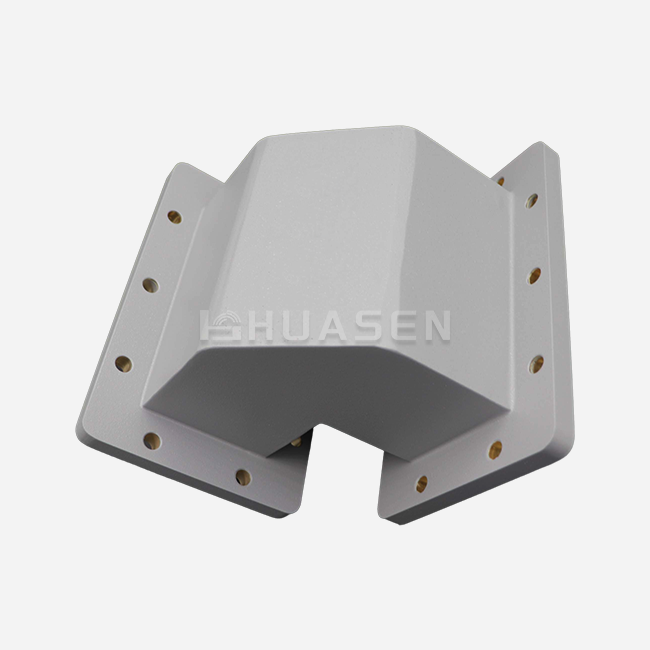
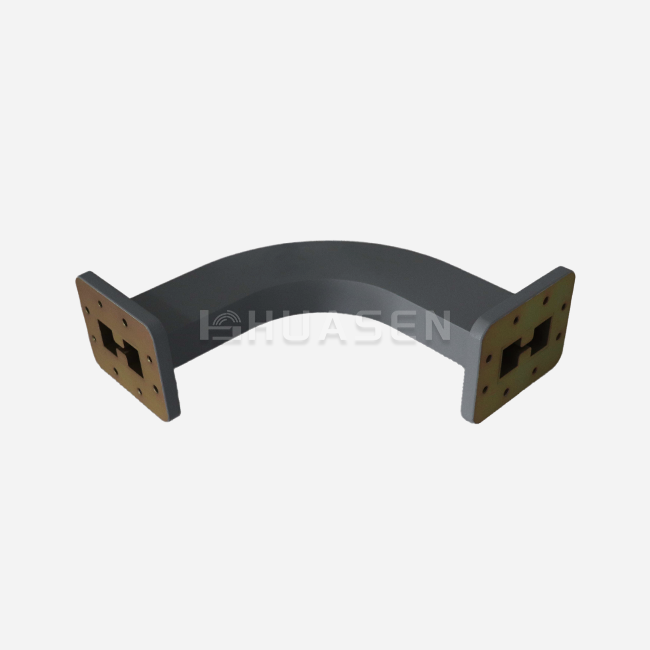
To choose the correct waveguide power divider, you need to carefully consider its performance requirements, the limitations of its surroundings, and its long-term dependability. These passive components were carefully designed to split receiving RF signals into various output lines while keeping the integrity of the signals. This is a key feature for radar tracking, satellite communication arrays, and 5G base station networks. When purchasing teams or system engineers pick a divider without knowing its insertion loss limits, power handling limits, or frequency bandwidth needs, they could damage whole communication lines or radar front-end architectures. This book talks about the basic technical information, comparison criteria, buying strategies, and upkeep routines that can help B2B buyers feel good about their choices. If you know how different divider designs and materials affect your signal chain, you can save money and make mission-critical deployments more reliable. This is true whether you're putting parts into phased array antennas, test benches, or flying radar systems.
Understanding Waveguide Power Dividers: Theory and Functionality
Waveguide power dividers use the way electromagnetic waves move through hollow metal structures to spread out radio frequency energy. Unlike coaxial or microstrip options, waveguides keep energy in holes that are filled with air or dielectric. This greatly lowers ohmic losses at high frequencies and allows kilowatt-level power handling without thermal breakdown.
Working Principles and Signal Splitting Mechanisms
A divider takes an input signal that is traveling in the main TE10 mode and spreads it out among two or more output ports. Phase ratios and amplitude balance are based on the shape, which can be a simple T-junction, an E-plane branch, or a magic tee hybrid. In a normal T-junction, energy is split up based on the resistance seen at each branch. Magic Tee designs add a fourth port that lets you have both sum and difference outputs with high isolation. This is very useful for monopulse radar comparators that need to work with both in-phase and out-of-phase signals at the same time.
Key Design Factors: Insertion Loss, Phase Balance, and Isolation
How much signal power is lost during splitting is measured by insertion loss. Losses of less than 0.3 dB are seen in premium units, which are made with OFHC copper and silver or gold finishing to reduce skin-effect resistance. Phase balance makes sure that the outputs stay in sync; beamforming networks usually have specs that are tighter than ±2 degrees. Crosstalk is stopped by isolation between output ports. Magic Tee hybrids often have more than 30 dB of isolation, which protects receiver chains next to each other from interference.
Common Topologies: E-Plane, H-Plane, and Magic Tee Variants
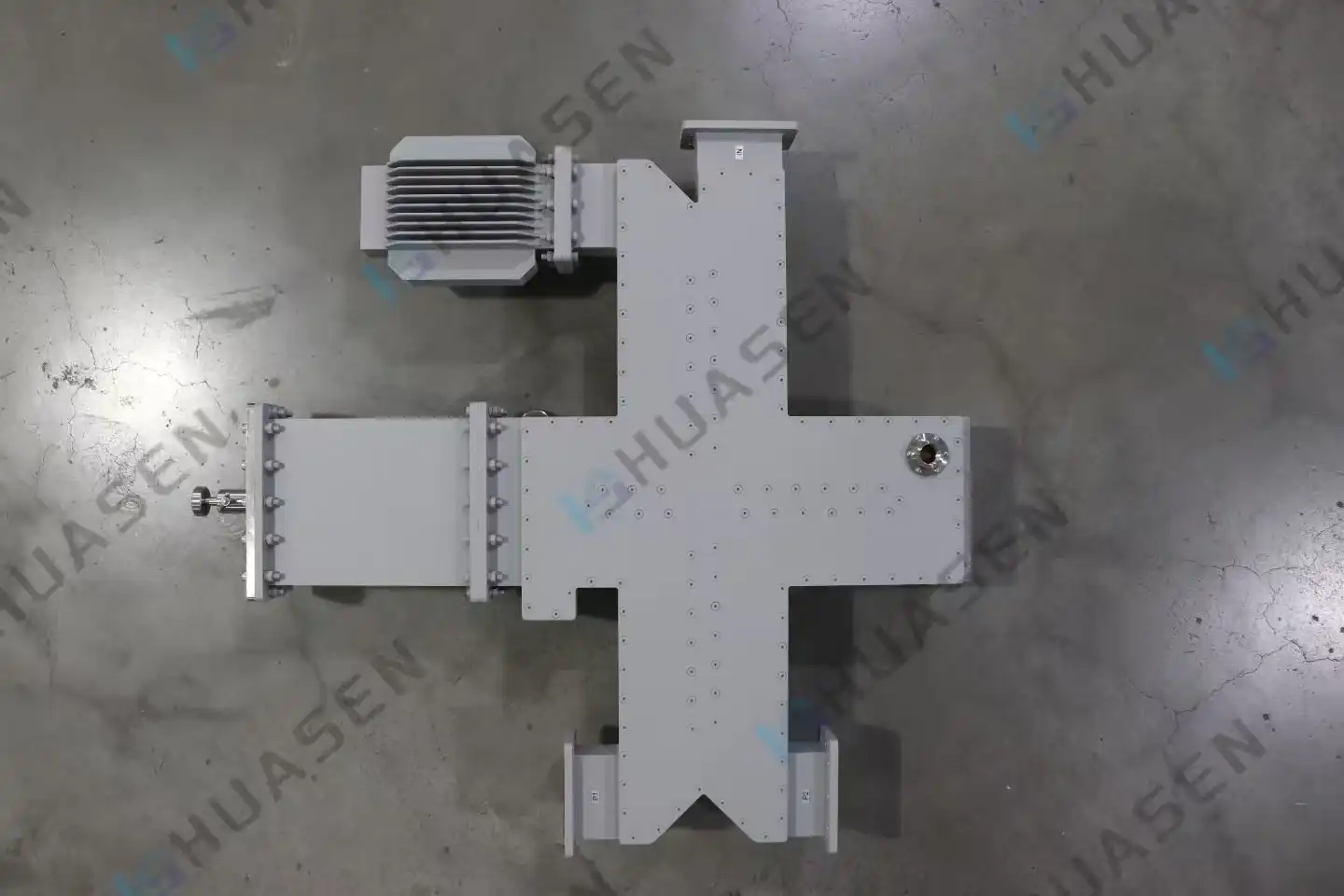
E-plane dividers have branches that run perpendicular to the electric field. They have small sizes that are good for phased arrays. H-plane breaks happen perpendicular to the magnetic field. They offer a wider bandwidth but need more room. When you use a magic tee arrangement, both planes come together, giving you the sum and difference channels you need for angle tracking. Figuring out these differences helps match the structure to the architecture of the system. For example, phased arrays like small E-plane designs, while monopulse radar front-ends, need Magic Tee blends.
Comparing Waveguide Power Dividers: Making the Right Choice
When picking a divider technology, you have to weigh performance against size, cost, and how hard it is to integrate. Waveguide solutions are best when power density and frequency clarity are very important. However, coaxial and planar options can still be used for lower frequencies and a limited area.
Waveguide vs. Coaxial and Microstrip Dividers
Coaxial dividers can handle power levels up to a few hundred watts and can fit into small spaces, but above 18 GHz, they lose a lot of insulating power. Even though microstrip splitters are easier to put together because they fit straight onto PCBs, they have problems with radiation leaks and bad isolation. Waveguide power dividers work well from the X band to the W band and beyond, and they can handle pulses with more than 2 kW of power without arcing. Signals are kept safe from outside interference by their all-metal construction, which is very important for electronic defenses and satellite uplinks where interference levels must stay below strict limits.
Couplers, Splitters, and Hybrids: Clarifying Roles
Even though some names are similar, the differences are important. A splitter splits power evenly with little change in phase. A waveguide power divider splits power evenly with little change in phase. A coupler cuts off a small part of the signal so that it can be monitored. A combination, like the Magic Tee, has adjustable phase outputs for both sum and difference. The procurement team should be clear about the function: if you need to track and range at the same time, you need a hybrid; if you just need to send multiple antennas evenly, an in-phase divider will do.
Critical Selection Criteria: Insertion Loss, Power Rating, and VSWR
Insertion loss below 0.25 dB keeps the sensitivity and efficiency of both the transmission and the receiver. VSWR less than 1.20:1 makes sure that the most power is transferred without any echoes that could hurt solid-state amps. Power rates have to take into account both average and peak conditions. For example, devices used in radar pulsed uses need to be rated for megawatt-level transients. To keep things from going wrong during integration, look at the datasheets for S-parameter plots across the whole working band, not just at the center frequency.
Practical Considerations for Procurement and Customization
For buying to work, technical requirements must be balanced with the supplier's ability, wait time, and ability to make changes. When you rush through the buying process without testing the performance of samples, it often leads to expensive redesigns and scheduling delays.
Defining System Specifications and Constraints
First, write down the frequency range, working bandwidth, input power levels, and the conditions of the surroundings. For a Ka-band SATCOM system to work outside in marine settings, it needs materials that don't rust and hermetic seals. For a lab test bench, wide bandwidth and being able to track the measurements are more important than being tough. Early on, being clear about whether you need a one-to-two, one-to-four, or one-to-many shape stops words from being mixed up.
Interpreting Datasheets: S-Parameters, Isolation, and Power Rating
The S21 and S31 values show how much insertion loss is in each result. If the number is less than -20 dB, it means that the impedance matching is good (S11). Isolation numbers (S23) show how well outputs separate; isolation levels above 25 dB are good for radar systems. Power levels are shown as the average of the CW and peak pulse numbers. Check the test conditions—some makers rate their products at room temperature, but the temperature in your application could go from -40°C to +85°C.
Customization Options and Lead Time Management
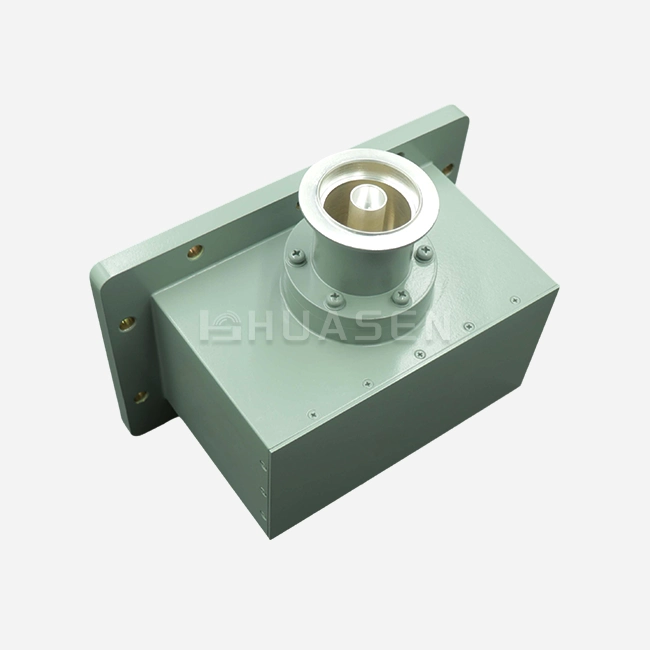
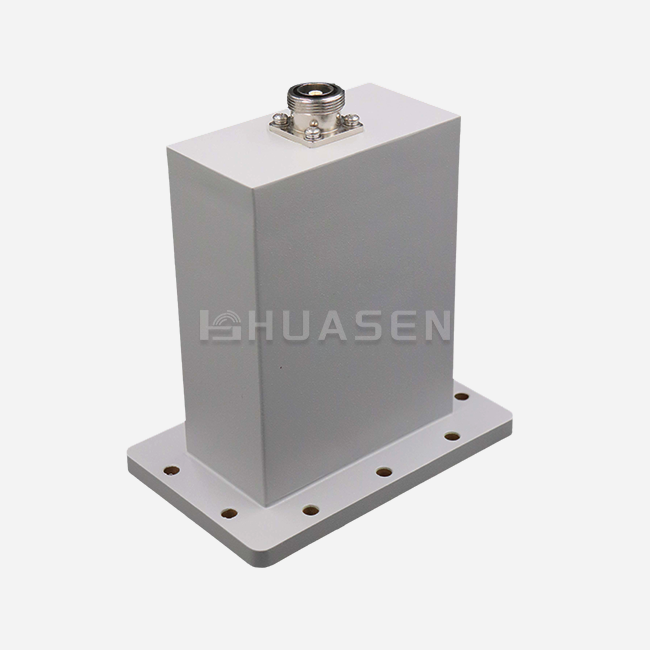
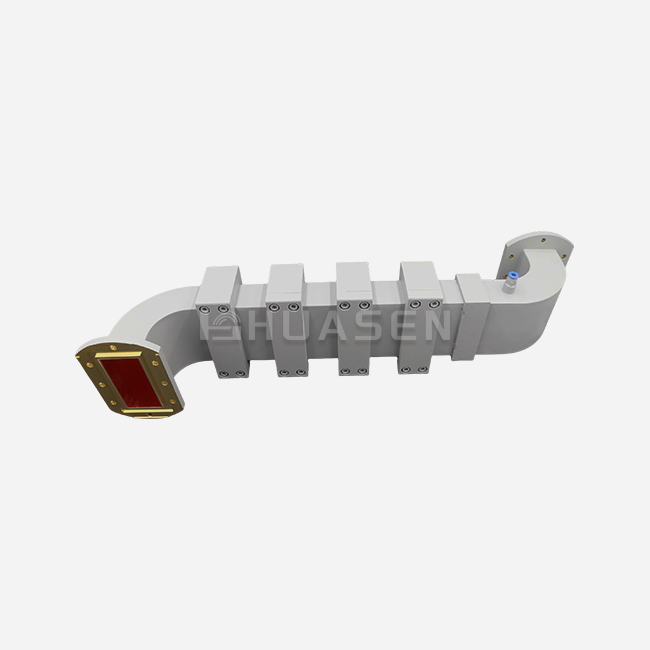
Lead times for custom frequency bands, non-standard flanges, or combined waveguide-to-coaxial changes are 8–12 weeks longer than for regular catalog items. Huasen Microwave has a wide range of products that can be customized in terms of power splitting ratios and connection types. These include Double-Ridge Magic T Power Dividers and One-to-Many Splitters that work with waveguide standards from 0.32 GHz to 112 GHz and support BJ22 to BJ320. Their I-type, U-type, X-type, Y-type, and YU-type designs can fit a range of mounting requirements. Risk can be reduced by asking for engineering samples before starting mass production. Reliable providers offer test data and allow on-site or third-party S-parameter proof.
Installation, Testing, and Maintenance for Optimal Performance
Even high-end parts don't work as well as they should if they aren't installed correctly and tested regularly. Setting up regular repair and test methods increases uptime and parts' useful lives in harsh field conditions.
Best Practices for Mechanical Installation and Flange Alignment
Electrical efficiency is directly affected by how flat the flange is and how much the seal compresses, as well as the performance of the RF power divider. Use a calibrated wrench to fix screws to the manufacturer's specs. If you overtighten them, the flanges can warp, which can cause PIM and higher VSWR. Before putting the parts together, clean the areas that touch with rubbing alcohol and lint-free wipes. Use thread-locking compound on platforms that shake a lot, like UAVs or naval radar, and check the stability of the fasteners during regular checks.
Testing Procedures: S-Parameter Measurement and Isolation Verification
After setting up, use a validated vector network analyzer to sweep S-parameters across the whole working band. Check the recorded insertion loss, return loss, and separation against the values given in the datasheet. Deviations greater than ±0.1 dB or ±1 dB when compared to itself are signs of a misaligned base, contamination, or damage inside the device. Gradually test with high power while keeping an eye out for arcing or temperature rise. This is especially important for burst radar uses where peak power can reach several kilowatts.
Troubleshooting Common Faults and Environmental Considerations
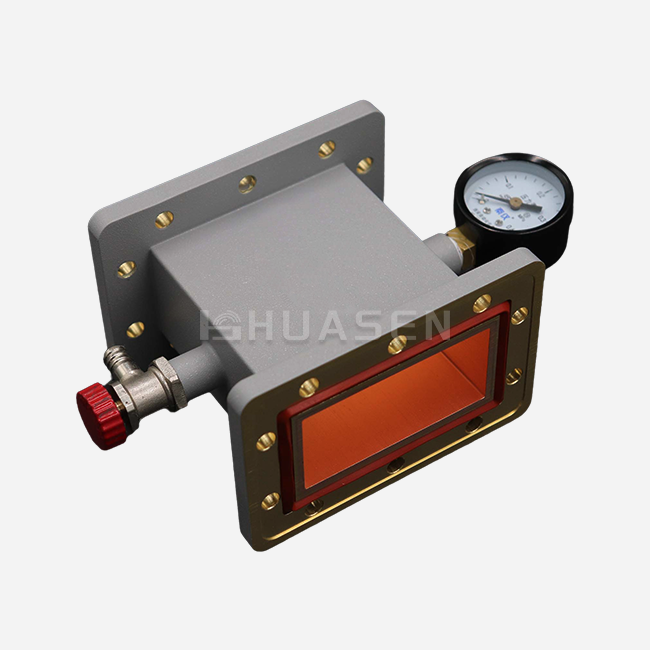
High insertion loss or bad separation is often caused by contacts that are oxidized contacts, moisture getting in, or mechanical stress. Check silver-plated areas for rust and replate as needed. Protective coats should be used outside or in the water, and waveguide pressurization systems should keep a positive dry-air pressure to avoid condensation. When the temperature changes, the flanges and waveguide bodies may expand at different rates. To reduce stress, choose materials with thermal factors that are similar.
Case Studies and Use Cases: Success Stories in Radar and RF Systems
Deployments in the real world show how choosing the right components affects the performance and total cost of ownership of a system. Looking at these possible outcomes helps buying teams guess what problems and benefits might come up.
Phased Array Radar Front-End Optimization
A defense contractor was trying to improve an X-band phased array radar, but they had to stay within a budget of less than 0.3 dB per divider for all 64 channels. When they switched from coaxial Wilkinson dividers to Waveguide Power Divider E-plane units, cumulative loss went down by 1.2 dB. This increased the effective radiated power by 30% without raising transmission output. Because the waveguide system handled power better, amplifier overdrive problems were no longer a problem. This cut repairs costs by 40% over three years.
Satellite Ground Station Multi-Beam Distribution
A Ka-band SATCOM ground station had to send messages to eight feeds so that the phase consistency was within ±1 degree of each other. A one-to-eight waveguide power divider splitter in a YU-type design was made just right for amplitude balance (within ±0.15 dB) and separation (above 28 dB). Temperature changes from -20°C to +60°C didn't affect the design's performance because it was made of metal all the way through. The initial investment in precise machining was recouped in 18 months, thanks to less link margin space and higher output.
5G Millimeter-Wave Base Station Backhaul
To set up millimeter-wave backup links at 28 GHz, RF power dividers with 500 W of average power had to be put in small tower-top shelters. Waveguide Magic T components kept the multiple send paths isolated while keeping the weight to a minimum. Over the course of two years, field tests showed that the ruggedized, weather-sealed waveguide systems were 99.97% uptime, which proved that they were the better choice than lighter but less reliable options.
Conclusion
When choosing a waveguide power divider, you need to think about the frequency range, the amount of power it can handle, the insertion loss, the isolation, the mechanical limitations, and the dependability of the provider. Engineers can match devices to application needs by understanding the basic differences between layouts like E-plane, H-plane, and magic tee. Integration mistakes that cost a lot of money can be avoided by carefully reading datasheets, trying samples, and checking out suppliers. Long-lasting performance is guaranteed in radar, satellite, and wireless communication systems that are very demanding due to proper installation, regular S-parameter confirmation, and preventative maintenance. With these models and tips, procurement managers and system integrators can easily find parts that meet strict technical requirements while keeping costs and lead times under control.
FAQ
1. What advantages do waveguide power dividers offer over coaxial alternatives?
Waveguide designs can handle much higher power levels—often more than 2 kW peak—without dielectric breakdown. This makes them perfect for radar emitters and high-power RF amplifiers. They are made of only metal, so they don't have the dielectric losses that coaxial lines do above 18 GHz. This means that their insertion losses are less than 0.2 dB. Waveguides also offer better electromagnetic protection, which is important for keeping signals from getting messed up in equipment racks with a lot of equipment or on ships where signal security is very important.
2. How can I minimize insertion loss in my system?
To get less skin-effect protection, choose dividers with OFHC copper bases and silver or gold plating. Make sure the sides of the flanges are flat and clean; even tiny gaps can cause loss. Use the waveguide's suggested frequency range—losses get very high near the limit or when a higher-order mode starts. Cut down on the number of turns and junctions in your signal line. Each one adds loss. By asking for S-parameter data over a range of temperatures, you can find devices that keep their low loss in the field.
3. Which industry certifications should I verify with suppliers?
For military RF parts, make sure they meet MIL-DTL-3928 standards. This will ensure that they are built to last and work well even when they are hit or vibrated. ISO 9001 certification means that the production method and quality control are always the same. RoHS compliance supports limits on dangerous chemicals, which is important for uses in business and space. Suppliers who give third-party test results and calibration certificates that can be traced back to national standards show that they can be trusted and are responsible.
Partner with a Trusted Waveguide Power Divider Manufacturer for Your Next Project
With 30 years of experience, Huasen Microwave adds top-notch engineering to every project and makes Waveguide Power Dividers that meet the strict needs of radar, satellite, and 5G infrastructure. Double-Ridge Magic T Power Dividers, Waveguide In-Phase Dividers, and One-to-Many Splitters are some of the products we offer. They work from 0.32 GHz to 112 GHz and can handle up to 2 kW peak power. We make sure that the splitting ratios, socket types, and flange standards we use are right for your system design by testing them thoroughly using S-parameters and MIL-STD standards. Our expert team can help you with design, sample validation, and quick after-sales support, whether you're looking for lab equipment, flying radar, or base station front-ends. You can talk about your needs, get datasheets, or set up sample testing by emailing sales@huasenmicrowave.com. We can help you make sure that your next launch has better signal distribution, less insertion loss, and rock-solid stability.
References
1. Pozar, David M. Microwave Engineering, 4th Edition. Wiley, 2011.
2. Bhat, B., and S. K. Koul. Stripline-like Transmission Lines for Microwave Integrated Circuits. Wiley Eastern, 1989.
3. Collin, Robert E. Foundations for Microwave Engineering, 2nd Edition. IEEE Press, 2001.
4. Montgomery, C. G., R. H. Dicke, and E. M. Purcell. Principles of Microwave Circuits. MIT Radiation Laboratory Series, Vol. 8. McGraw-Hill, 1948.
5. Rizzi, Peter A. Microwave Engineering: Passive Circuits. Prentice Hall, 1988.
6. Saad, Theodore S. Microwave Engineers' Handbook, Volumes 1 & 2. Artech House, 1971.
Send Inquiry