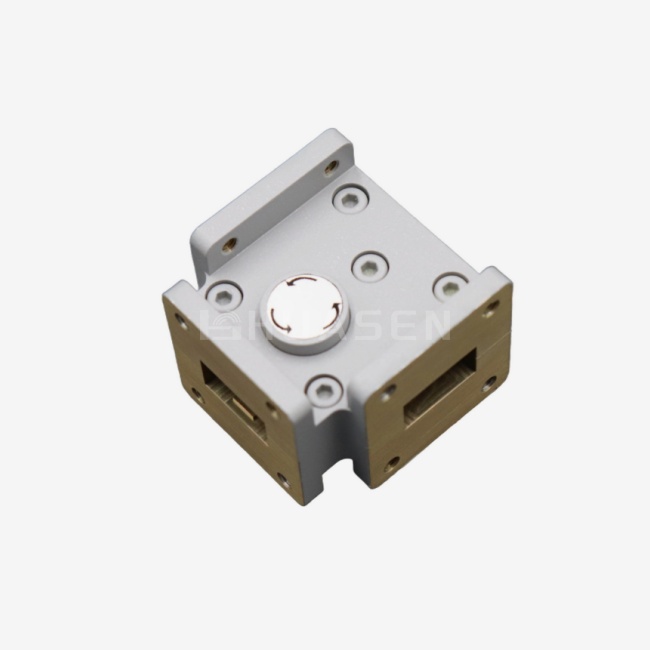
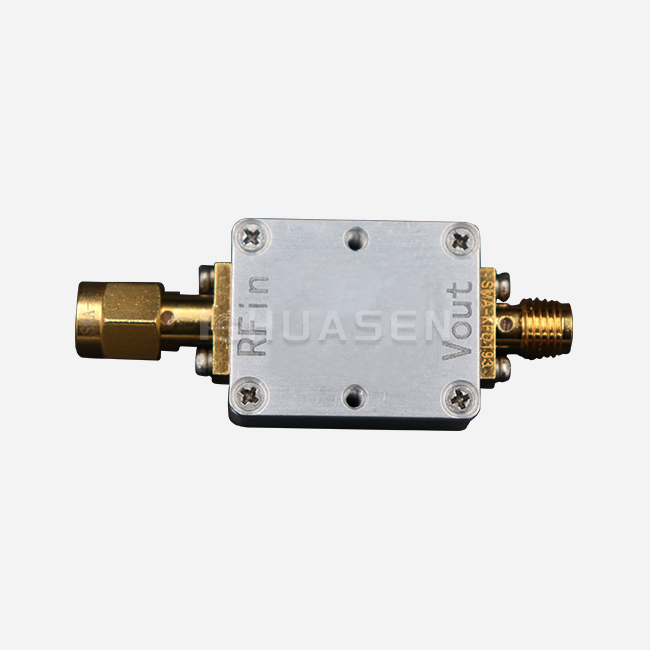
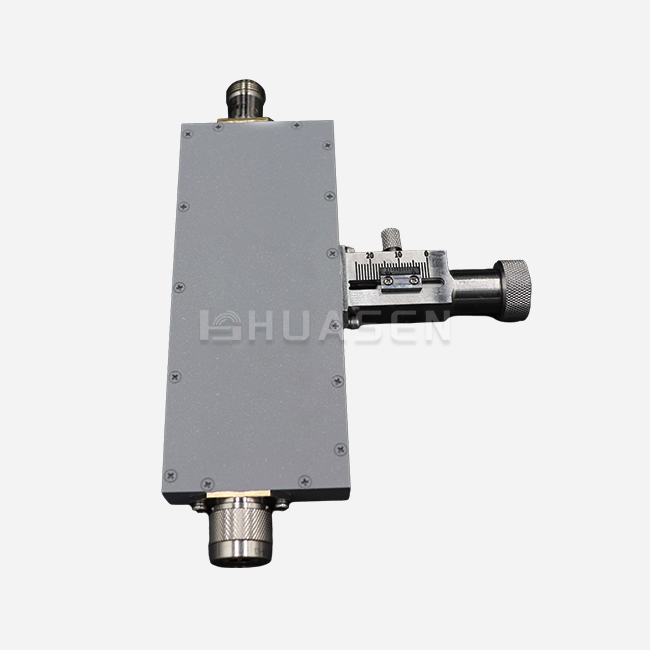
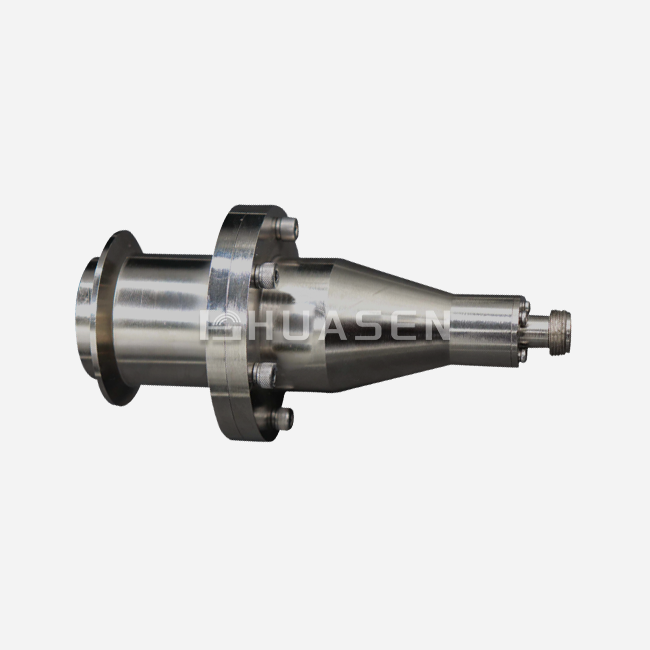
Water Cooled Load in Broadcast and Radar






2026-06-09 21:52:21
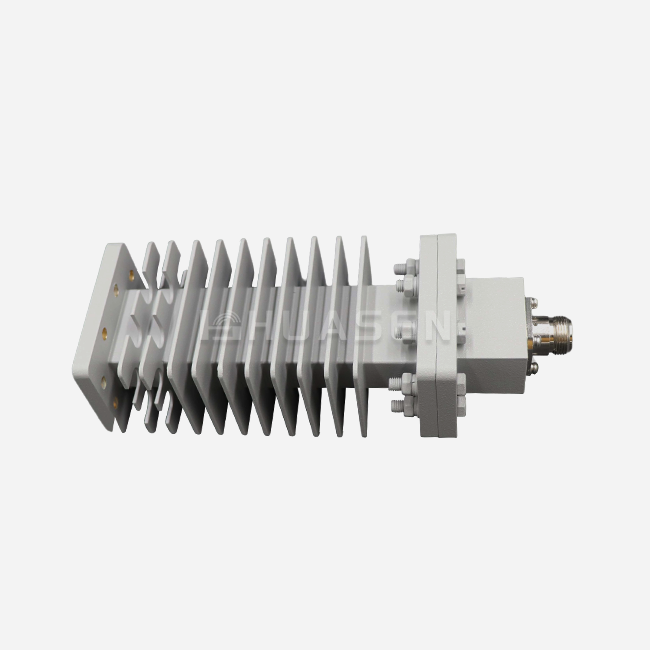
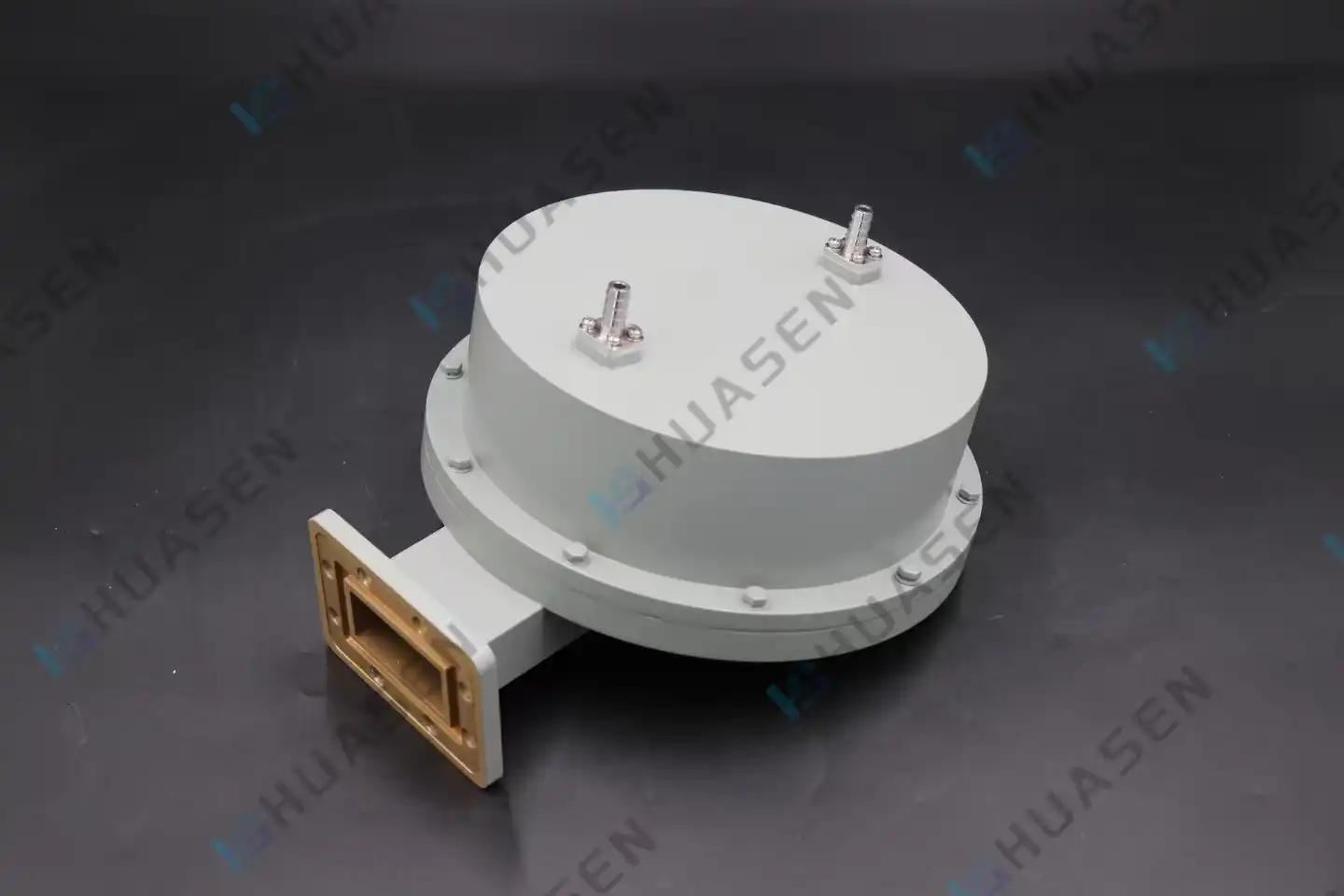
Managing high-power radio frequency energy in a safe and effective way is still a big engineering problem in broadcasting and radar. A water cooled load is a precision-engineered closure device that takes in a lot of radio frequency power, usually between a few kilowatts and a few megawatts, and uses an active liquid cooling circuit to get rid of the heat it creates. Unlike passive air-cooled alternatives, these parts work great in small installations where thermal density is higher than what normal convection can handle. This makes them essential for radar calibration, transmitter testing, and high-power broadcast systems where equipment reliability directly affects safety compliance and operational continuity.
Understanding Water Cooled Loads: Operating Principles and Applications
Huasen Microwave has seen temperature control go from an afterthought to a fundamental RF system design feature. Water-cooled loads use a coolant that circulates and interacts with waveguide or coaxial heat-absorbing devices.
How does water circulation manage RF power dissipation?
It uses resistive or dielectric materials like silicon carbide alloys or specialized fluids to convert electromagnetic energy into heat. Heat is directed to a water jacket. Building heat exchanges or cooling loops receive heat from coolant. This constant flow keeps the temperature from rising in one location, which might damage sensitive components or test findings.
Engineers calculate flow rates using the formula: Flow (GPM) = Power (kW) / [Temperature Rise (°F) × 0.5]. The output temperature is kept below 140°F to avoid scaling and preserve component operation. For radar calibration at a military testing station, these terminations take multi-megawatt pulses without powering expensive klystron amplifiers. This protects multimillion-dollar investments.
Typical Applications in High-Power Broadcast and Radar Environments
These devices successfully absorb radiated power during broadcast station antenna adjustment and maintenance. A dummy load must handle full power while technicians test harmonic suppression and modulation on a 50 kW FM transmitter, repairing its filter. Air-cooled alternatives would be too huge and loud in equipment rooms.
Weather radar installation is another important use case. Water-cooled loads allow beamless full-power system magnetron replacement and waveguide pressurization testing. Before use at airports with safety gaps, the FAA requires radar equipment to be operationally tested.
Limited space and high temperatures make thermal design for military electronic countermeasure systems in high-density ship and aircraft compartments difficult. A 6-inch cube can dissipate 10 kW with VSWR < 1.15 at X-band frequencies, showing how liquid cooling may improve engineering.
Why Water Cooling Outperforms Air Cooling in Power Density?
Water has four times air's specific heat capacity and 25 times thermal conductivity. These physical qualities reduce units. The area needed for 20 kW liquid-cooled loads is around 20% of air-cooled ones. When radar phased array equipment boxes contain several RF chains, spatial efficiency is fixed.
Sound-wise, liquid approaches win. High-speed air-cooled load fans produce 60 to 75 dB, which is too loud for TVs or labs where engineers measure accurately. External pumps in mechanical areas provide quiet liquid cooling solutions.
Another aspect is room-temperature stability. Air-cooled systems with fast power fluctuations wander VSWR and impedance due to thermal lag. During fast power-on/off cycles, liquid cooling maintains ±5°C absorptive element temperatures. Automatic transmitter linearity and phase noise test techniques need electrical consistency.
Performance Comparison: Water-Cooled Load vs. Air-Cooled Load
When procurement teams look at termination options, they have to choose between costs up front and results over the lifespan. By knowing these differences, you can avoid expensive problems where equipment skills don't match up with practical needs.
Efficiency Metrics and Thermal Handling Capacities
The main design split is set by how power is handled. Most air-cooled loads can only handle 5 to 10 kW of continuous wave power before they need too many fin arrays or forced-air systems. Water-cooled loads can handle 50–500 kW in normal waveguide forms, and special designs can handle more than 1 megawatt for particle accelerator uses.
By measuring thermal resistance in degrees Celsius per watt, big changes in performance can be seen. A WR-284 waveguide load that is cooled by air might have a thermal resistance of 0.08°C/W, while a similar design that is cooled by liquid has a resistance of 0.005°C/W. This difference decides whether the equipment works at a stable 50°C or rises to dangerous 200°C+ temperatures during a four-hour 100 kW test run.
Thermal stress can also change how well return loss works. When temperatures rise, the dielectric constant shifts in air-cooled absorbers, which lowers the VSWR from 1.10 at cold start to 1.35 under steady load. Water-cooled loads stay within their specs across a wide range of power levels because the steady flow of coolant keeps the material's features stable.
Lifecycle Costs and Maintenance Considerations
When it comes to initial prices, air-cooled options are better—for example, a 5 kW air-cooled coaxial load might cost $2,000, while a similar water-cooled load would cost $8,000. But practical costs show a different picture. Air-cooled systems use 500 to 1,500 watts of fan power all the time, which adds $400 to $1,200 a year to energy bills at the normal rate for business electricity. Using current facility equipment for liquid cooling often doesn't add much to the cost.
Maintenance times are very different from one another. For optimal temperature performance, air-cooled fins need to be cleaned every three months, while in continuous-duty use, fan bearings need to be replaced every 18 to 24 months. Checking the quality of the coolant once a year and replacing the seals every so often are necessary for water-cooled loads, but they usually last 10 to 15 years between major repairs. A radio engineer in charge of a transmitter site recently said that over three years, moving to liquid-cooled dummy loads cut the number of repair calls by 60%.
When buying something, you should think about how long a part will last. After 5 to 7 years, thermal cycling wears down air-cooled absorbers, which lowers their performance. Designs that use liquid cooling and keep temps fixed often have service lives longer than 20 years, spreading out the higher initial costs over decades instead of years.
Application Fit for Different Operational Scenarios
Solutions need to be cooled by air for portable tests. A field service worker who is checking microwave links on a cell tower needs backpack-sized tools that are driven by batteries. Liquid cooling needs building infrastructure that isn't good for mobile apps.
Most of the time, liquid cooling works best in labs. Radar emitter test centers run several stations at the same time, usually in climate-controlled rooms where air-cooled units would be too much for the HVAC system to handle. A single 50 kW water-cooled load adds a reasonable temperature burden through chilled water systems in buildings. On the other hand, the same equipment cooled by air would need its own 20-ton air conditioner.
Installation room limits often make the choice. Air-cooled options that need 2.5 cubic meters can't be used with shipboard radar systems that only give each RF chain 0.5 cubic meters. For naval uses, the procurement specifications make it clear that liquid cooling is needed to reach the necessary system density.
Maintenance and Troubleshooting Best Practices
Preventive repair plans that cover both the thermal and hydraulic parts are needed for the water-cooled load to work reliably. We've helped clients set up check plans that keep equipment running smoothly and extend its life.
Routine Inspection Procedures for Coolant Systems
Visual checks should be done once a month to make sure that the links at the inlet and exit fittings don't leak. Even small amounts of seepage leave behind mineral residue that makes galvanic rusting happen faster in copper jackets. Coolant samples taken every three months show changes in conductivity and pH. Distilled water should keep its resistance above 1 megohm-cm and pH between 6.5 and 7.5. Deviations show that the system needs to be flushed because of contamination.
Checking the flow rate should be done every three months. Put in a simple turbine flowmeter in the supply line and make sure the real flow fits what was planned. Less flow often means that biological growth or mineral scaling has partially blocked the pipe. This can cause hotspots in certain areas that can cause catastrophic failures during high-power operation.
Monitoring the difference in temperature between the inlet and exit gives real-time proof of efficiency. You should measure this change during rated power testing and compare it to data from the initial setup. A 15% rise means that internal pathways are getting clogged up, which means less efficient thermal transfer. This should lead to the repair being done before damage to the component happens.
Addressing Common Failures and Thermal Integrity Issues
The most common type of failure is a coolant leak, specifically for a water-cooled load. As soon as it is found, turn off the RF power and separate the cooling loop. If the process keeps going, water could come in touch with energized waveguide sections, which could cause shocks and damage precision RF surfaces. Pressure-test the system for 30 minutes at 1.5 times its working pressure after repairs are done, before putting it back into service.
Even when flow rates are good, thermal runaway is caused by trapped air pockets. In burping processes, parts are tilted to high points while low-pressure water flows through them, letting bubbles escape through vent ports. Installing automatic air eliminators at system high points can help some setups.
VSWR degradation during operation, shown by growing reflected power, means that the absorber part is breaking down. This happens when there is a thermal shock during an emergency stop or when the flow of water is interrupted. Replacement needs repair at the plant, but it finds problems before they become so bad that they damage the transmitters. We suggest saving important spares for systems that lose power and cost more than $10,000 an hour to fix.
Safety Interlocks and Regulatory Compliance
Industry standards require flow switches that turn off RF power when the flow of water drops below certain levels. These gadgets shouldn't depend on software interlocks that can be bypassed by bugs; instead, they should directly stop the radio-activated circuit. We've seen $150,000-worth of Klystrons fail because the flow switch contacts rusted and didn't pick up on pump failure.
Over-temperature monitors add an extra layer of safety. At 65°C, RTD probes in exit streams should sound a warning. At 75°C, they should shut down automatically. This two-step process lets workers look into rising temperatures before they have to shut down and disrupt activities.
Isolation stability is checked every year by dielectric tests of cooling jackets. Put 1,500 VDC between the cooler and the RF ground and make sure the leaking current stays below 5 microamps. When the power is turned up high, this test finds tiny leaks before they become big problems.
Purchasing Guide for Water-Cooled Loads in Broadcast and Radar
For decades, system dependability has been determined by choosing the right water-cooled load tools and supplier relationships. Structured evaluation systems help procurement managers balance the need for success with the need to stay within budget.
Evaluating Supplier Certifications and Technical Capabilities
ISO 9001 approval means basic quality management, but higher standards are needed for defense and aircraft uses. MIL-STD-790 compliance makes sure that flying radar has the hermetic covering and vibration protection it needs. Broadcast sites could put an emphasis on getting FCC equipment approval that shows harmonic reduction below the limits set by the government.
The ability to customize sets commodity sellers apart from technical partners. Can the maker change the types of flanges to fit current waveguide systems? Will they change the power rates for certain duty cycles, like continuous wave or pulsed operation with set pulse widths? Huasen Microwave has customized cooling jacket designs for water pressures in facilities ranging from 20 to 100 PSI, which improves thermal performance in a variety of installation settings.
The level of technical help becomes clear during the pre-sales consultation. Reliable providers ask a lot of questions about the coolant factors, power levels, job cycles, and ambient conditions. Instead of just giving catalog specs, they offer thermal modeling studies that predict the temperatures at the outlets in the worst cases. By consulting with people, this method stops mistakes that cost a lot of money.
Warranty Terms and After-Sales Service Structures
Standard insurance coverage lasts between 12 and 24 months, but careful reading of the exclusions is recommended. Does coverage cover replacing the absorber piece or just the mechanical parts? Are failures caused by contaminated coolant not covered? If so, could you be responsible for damage caused by problems with the facility's water quality that you couldn't control?
For critical-path systems where downtime costs are much higher than the cost of the equipment, extended guarantee choices should be considered. A transmitter that serves 500,000 people might be worth the 15% of the purchase price for a 5-year complete coverage if it means losing $50,000 in advertising income every day.
Having access to local services is very important. Can the supplier send service experts within 24 hours for urgent issues? Do they keep new parts in stock in the United States, or will sending them from another country take weeks? We keep inventory in the US to directly address this problem for products that need to be delivered quickly.
Lead Time Management for Large-Volume Orders
Standard store items usually ship between 2 and 4 weeks, but special designs can take up to 8 to 12 weeks. Procurement managers who are helping to install new radars or improve existing ones should place orders during the planning phase instead of waiting until the building is finished.
Options for staggered deliveries help with managing cash flow and the practicalities of staging. A 10-unit order might be sent out in two groups: the first five units would help with the initial system integration, and the rest of the units would be sent out at a time that fits with installation goals. This gives you the freedom to avoid storage fees while still making sure that parts come when they're needed.
When you buy 5 to 10 units, bulk price thresholds usually go into effect, and when you buy 20 or more units, savings reach 15 to 25 percent, with water-cooled load included. Standardization, on the other hand, is more valuable than lowering unit prices. Choosing the same models for various places makes it easier to keep track of spare parts and train technicians, which lowers costs over the lifespan of the equipment after the initial purchase.
Conclusion
When choosing the right RF termination options, you have to weigh short-term budget concerns against long-term working needs. In high-power transmission and radar uses, where thermal density, acoustic limits, and space limitations make traditional air-cooled systems difficult, water-cooled loads work very well. A good buying process looks at more than just the specs of the parts. It also looks at the technical depth, service capabilities, and customizable options of the provider. New technologies offer better performance and longer life, but the basics of thermal control are still very important. When businesses buy good termination equipment from reputable companies, they set themselves up for decades of dependable service that supports important defense and communications infrastructure.
FAQ
1. What coolant specifications work best with high-power terminations?
Water that has been distilled or deionized keeps its resistance above 1 megohm-cm, which stops electrolytic corrosion in copper cooling jackets. Glycol mixes can be used to protect outdoor systems from freezing, but they lower thermal performance by about 15%. To avoid problems with your guarantee, always make sure that the coolant you use is compatible with the manufacturer's requirements for water-cooled loads before putting the system into service.
2. How do we size cooling systems for pulsed radar applications?
Use the formula "usual power = peak power × duty cycle" to find the usual amount of power that is lost. A radar that puts out 100 kW at its top and 10% duty cycle loses 10 kW on average, which means it needs about 1 GPM of cooling flow and a 15°C temperature rise. Electrical rates are based on peak power, while thermal design is based on normal power.
3. Can these devices operate reliably in mobile or shipboard environments?
Marine-grade units have electronics that are conformally coated, vibration-isolated mounts, and parts made of stainless steel that can handle 30G shock loads. Designs that don't depend on orientation keep air from getting trapped while the vessel is moving. Check that MIL-STD-167 is being followed for military uses where environmental loads are much higher than market standards.
Partner with Huasen Microwave for Proven RF Termination Solutions
To get great thermal management in harsh broadcast and radar settings, you need more than just catalog specs. You need a technical team backed by 30 years of RF innovation. Huasen Microwave makes precise Water Cooled Load assemblies with power ranges from 1 to 500 kW in waveguide and coaxial formats. These assemblies have VSWR performance below 1.10 from S-band to Ka-band frequencies. Our ISO 9001-certified factories follow strict quality standards for every unit, which include checking the calorimetric power and the hydraulic pressure. Contact our technical team at sales@huasenmicrowave.com to talk about customization options, shipping plans, and full support services that protect your RF infrastructure investment when your application needs reliable high-power termination from a provider with a lot of experience.
References
1. Johnson, R.C. (2018). High-Power Microwave Loads: Design and Applications. IEEE Press Series on RF and Microwave Technology.
2. Mitchell, P.A., & Stevens, D.L. (2020). "Thermal Management in Modern Radar Transmitters." IEEE Transactions on Aerospace and Electronic Systems, 56(4), 2847-2861.
3. Broadcasting Engineering Standards Committee (2019). Guidelines for Transmitter Site RF Components. National Association of Broadcasters Technical Publication.
4. Zhang, W., Kumar, S., & Thompson, J. (2021). "Comparative Analysis of Cooling Methods for High-Power RF Systems." International Journal of RF and Microwave Engineering, 31(2), 156-174.
5. Military Standard MIL-DTL-3928 (2017). Loads, Waveguide, Dummy (Fixed and Variable), General Specification for. U.S. Department of Defense.
6. Anderson, H.F. (2022). Practical RF System Design and Testing. Artech House Publishers, Chapter 7: Termination and Dummy Load Selection.
Send Inquiry