Flex Waveguide Design for Satellite & Radar Applications






2026-06-10 21:45:56
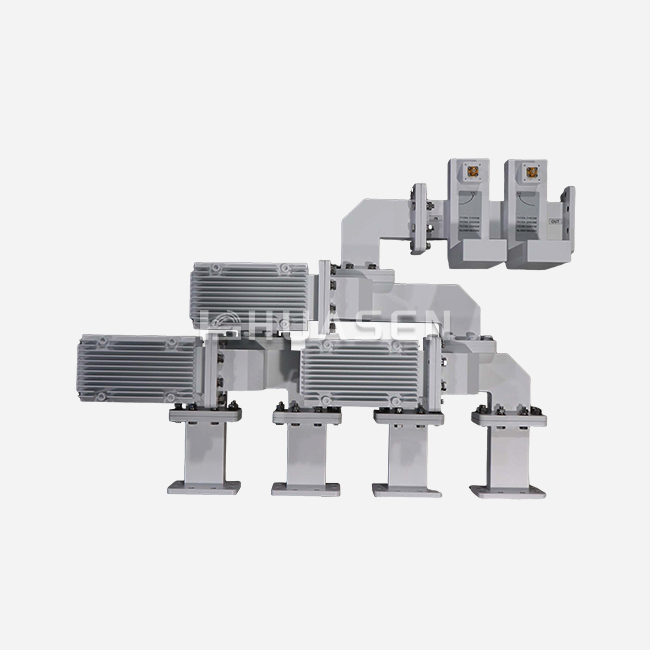
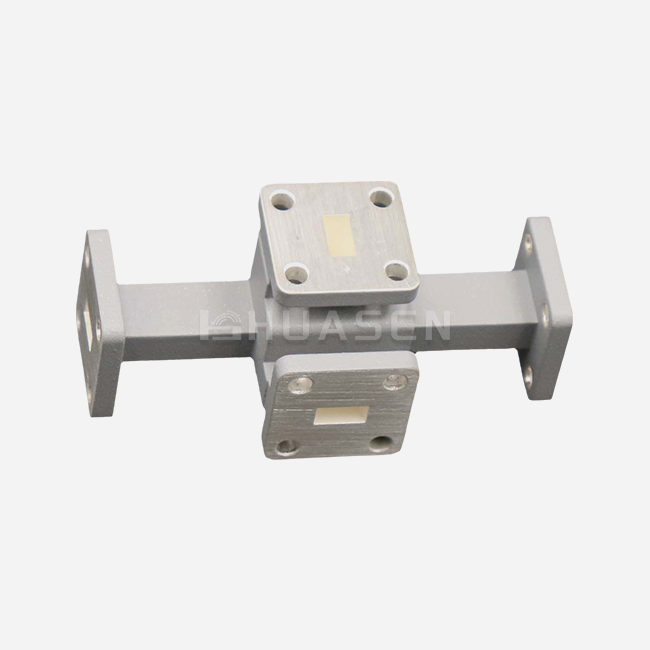
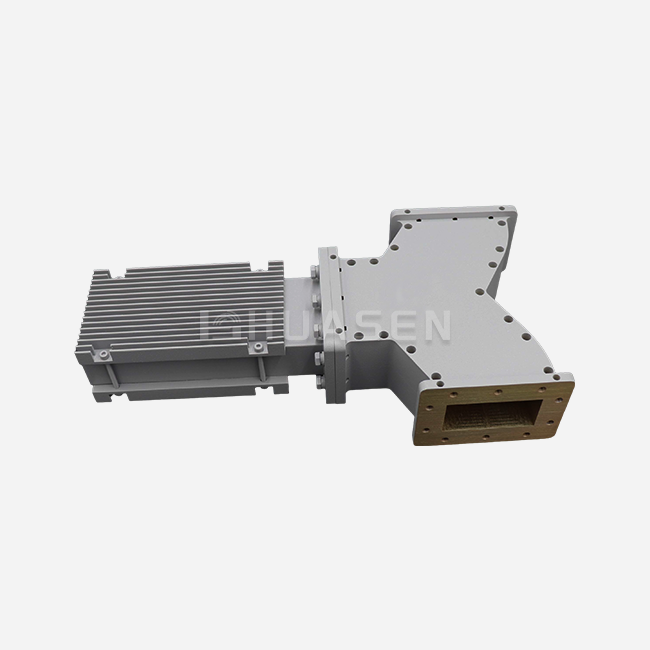
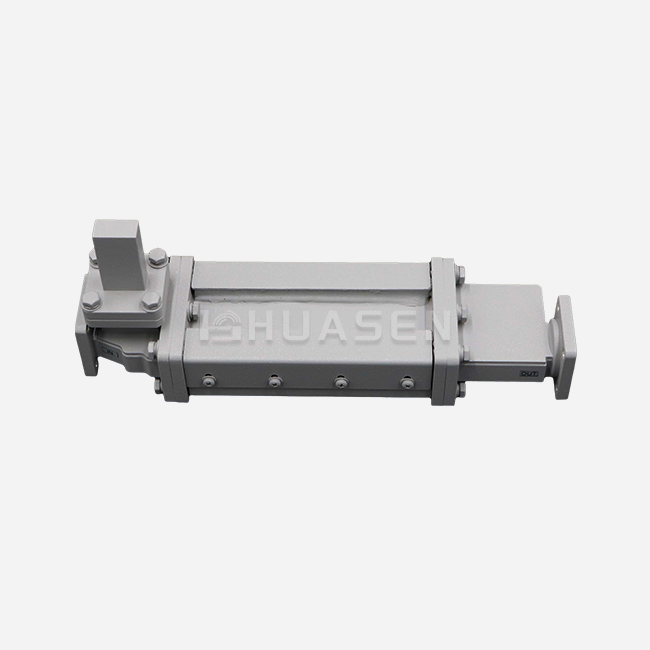
Modern satellite and radar systems depend on flex waveguide modules as a key piece of technology. They connect hard transmission infrastructure to the flexible mechanical needs of advanced communication platforms. Flex waveguides are different from stiff waveguides in that they are made of overlapping convolutions of silver-plated brass or seamless corrugated tubes. This allows for controlled bending and twisting without compromising their excellent RF performance. These systems solve important problems in high-frequency microwave transmission, where correcting misalignment, isolating vibrations, and compensating for thermal expansion are musts for mission-critical operations.
Understanding Flex Waveguides in Satellite & Radar Systems
Core Principles of Flexible Waveguide Construction
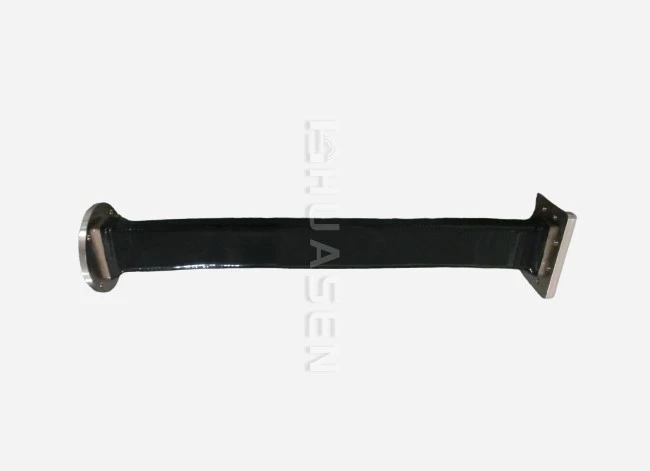
The aircraft industry needed a way to connect moving antenna systems to fixed transmission equipment without affecting the quality of the signals. This led to the development of flex waveguide technology. A helically wound conductive strip, usually made of silver-plated brass or beryllium copper, forms a hollow rectangle cross-section that electromagnetic waves follow by controlled reflection off the inside walls. This design keeps the basic waveguide transmission mode while adding mechanical flexibility that isn't possible in solid metal tubes.
There are more uses for the protective jacketing around the electrical core than just keeping it safe. Neoprene and other weatherproof materials are used for outdoor setups, and silicone jackets can handle temperatures from -40°C to +200°C for airborne radar uses. During repeated bending cycles, the jacket also protects the core's structural integrity, which increases its useful life in changing settings.
Mechanical Flexibility Versus Electrical Performance
The main technical problem in flex waveguide design is to figure out how the mechanical flexibility and electrical properties are related. Every bend can weaken the signal by switching modes and increasing attenuation, but current designs are so good that they get amazing performance ratings. Assemblies of good quality keep VSWR below 1.15 across their working range, and insertion loss is usually between 0.5 and 2.0 dB per meter, based on the frequency and type of construction.
Minimum Bend Radius (MBR) requirements depend on the size of the waveguide and the direction of the bending line. When bending in the E-plane, which is perpendicular to the electric field, radii are usually smaller than when bending in the H-plane. For example, WR90 parts might need a dynamic MBR of 4 inches, but larger WR137 units need 6 to 8 inches to keep them from permanently deforming in a way that hurts their RF properties.
Material Selection for Harsh Environments
The performance and longevity of flex waveguides are always getting better thanks to advances in material science. The electrical core material has a direct effect on both how much power it can handle and how well it can prevent mechanical wear and tear. Silver plating is necessary for marine communication systems that are subject to salt spray because it makes the system more resistant to corrosion and better at conducting electricity. For some defense uses, gold plating is required in places with high levels of chemical exposure or nuclear radiation.
Comparative Analysis: Flex Waveguide vs. Other Transmission Lines
Performance Benchmarking Against Coaxial Solutions
When system builders look at different transmission line choices for satellite earth stations or phased array radar feeds, they can tell the difference between flex waveguides and high-performance coaxial cable. Because coaxial options are more flexible and take up less space, they are a good choice for setups where routing is limited. But above about 20 GHz, loss in coaxial lines is much higher—often 5–10 times higher than in waveguide paths that are the same.
The ability to handle power is another difference between these systems. When fully pressurized with dry nitrogen, a WR75 flex waveguide working at 12 GHz can handle peak powers of more than 50 kilowatts. However, similar coaxial systems can only handle a few kilowatts before the dielectric breaks down. Because of this performance gap, high-power amplifier links in satellite uplink systems and weather tracking radar sites can't work without flex waveguides.
Integration Strategies with Rigid Waveguide Infrastructure
Modern communication systems don't just use rigid or bendable waveguides; they mix the two in a smart way to get the best performance from the system as a whole. Flex waveguide pieces are often only a few meters long and are used to connect parts that move relative to each other or need to be isolated from vibrations. To keep the electricity flowing, the places where the rigid and flexible parts meet must be carefully designed mechanically.
How well these connections' flanges work together has a big effect on how reliable the system is. Cover flanges (with the designation CPR) offer basic connection, but choke flanges work better by making a capacitive coupling that can handle small alignment issues without RF leakage. A lot of satellite ground station setups call for choke flanges at the points where the material changes from flexible to stiff to account for changes in temperature over the course of the year.
Optimizing Flex Waveguide Design for Satellite & Radar Applications
Addressing Common Performance Bottlenecks
System designers often see a performance drop in flex waveguide systems. This is usually caused by three main things: bad-fitting geometry, environmental contamination, and mechanical fatigue. If the bend radius is exceeded, even if it's only for a short time during installation, the twisted core can become forever distorted. This can cause localized impedance discontinuities that show up as higher VSWR and insertion loss. As part of proper fitting processes, special fixtures are used to keep the geometry stable while the flange is being tightened.
Sealing off the environment is another important place for improvement. Moisture getting in through damaged jacketing causes internal rust that makes the electrical performance worse over time. High-quality systems have sealed end caps that keep the positive pressure up with dry air or nitrogen. During acceptance evaluation, the pressure decay test is used to keep an eye on this. This method works especially well for marine radar devices, where the salty air speeds up the corrosion process.
Advanced Materials Extending Operational Lifespan
New materials have been developed that solve the basic problem of how to balance movement and toughness. Traditional designs that are bendable and twistable and use wound metal strips have more route options but have shorter wear life than seamless corrugated constructions. New hybrid designs, including the flex twist waveguide, use stronger convolution profiles that spread mechanical stress more widely. In lab tests, these designs were able to achieve flex-life rates of over 100,000 cycles.
Specialized processes on the surface improve function even more. Some companies use advanced electroplating methods to create multi-layer conductor coats. These coatings combine the good conductivity of silver with the resistance to oxidation of rhodium or platinum. When used in places where temperatures change a lot, like military platforms going from flying in the atmosphere to working in orbit, these special treatments make a real difference in how well they work.
Procurement Guide: Sourcing Flex Waveguides for B2B Clients
Evaluating Manufacturer Credentials and Certifications
Before signing buy deals, teams in charge of satellite communication infrastructure or defense radar systems must make sure that suppliers meet strict quality standards. Adhering to the MIL-DTL-63460 specification sets basic standards for electrical performance, mechanical durability, and resistance to the environment. It offers a baseline guarantee for military uses. More and more, commercial satellite operators are asking for similar standards that were adapted from military requirements to make sure that sites that make money will be reliable for a long time.
Verification of a manufacturer's ability to do their job includes more than just certification papers. It also includes production quality control procedures. Reliable providers use thorough testing methods that include full-band VNA sweep data to confirm VSWR performance across the given frequency range. Pressure decay testing makes sure that the jacket is solid and that the flange seals properly. This is especially important for pressure systems that are used in high-power transmitters. When getting quotes, asking for sample test data helps procurement workers tell the difference between providers with strong quality systems and those with weak ones.
Customization Requirements and Lead Time Planning
Standard catalog setups work well for many uses, but the variety of satellite ground stations often needs custom flex waveguide designs that fit the antenna feed geometry or equipment layout restrictions. Custom designs could include non-standard widths, unique flange combinations that work with different generations of equipment, or special jacketing materials that can handle harsh environments. Setting up clear lines of contact with tech support teams early on in the procurement process can help avoid delays and design changes that cost a lot of money.
Expected lead times are very different for normal and custom flex waveguide systems. Items from known sources that are in a catalog usually ship within two to four weeks. However, fully custom designs that need new tools could take twelve weeks or longer. These deadlines should be taken into account in procurement strategies, especially when organizing the delivery of multiple subsystems for the opening of an integrated system. Project risk can be lowered by building relationships with providers that show consistent on-time supply performance and clear production scheduling.
Future Trends and Innovations in Flex Waveguide Technology
Emerging Requirements from 5G and Next-Generation Systems
As the telecommunications industry moves quickly toward 5G networks and early 6G studies, the need for flex waveguide technology, including flex twist waveguide, changes. Millimeter-wave frequency bands between 24 and 100 GHz allow for new data flow but put tough demands on the parts of transmission lines. To keep the insertion loss characteristics reasonable, flex waveguides that work in these frequency bands, such as flex twist waveguides, need to be made with tighter tolerances and more advanced materials.
Additive manufacturing techniques have the ability to make complex waveguide shapes that were not possible with traditional methods of fabrication. Researchers are looking into ways to print flex waveguide cores using metal alloys that are specially made to be good at both conducting electricity and being strong. Current additive methods have trouble producing the surface finish quality needed for millimeter-wave uses, but further research suggests that they will be ready for industrial use within a few years.
Sustainability Considerations in Component Selection
Environmental duty is becoming more and more important in the aerospace and telecoms industries when it comes to buying things. Traditional jacketing materials like neoprene cause worries about emissions during production and problems with getting rid of them when they're no longer useful. Bio-based elastomers made from renewable feedstocks are now available from forward-thinking suppliers. These give the same level of environmental safety with less damage to the environment. These materials meet the growing need from customers for parts that support companies' efforts to be more environmentally friendly without lowering the quality of the parts.
New ways of buying things are also influenced by the ideas behind the circular economy. Some companies now have programs that allow old flex waveguide systems to be returned. This way, valuable materials like silver and copper can be recovered and used to make new parts. This method cuts down on the use of raw materials and solves the problem of getting rid of hybrid designs that include metals, elastomers, and adhesives that are hard to separate using normal recycling methods.
Conclusion
Satellite communication systems and radar platforms that need to send high-frequency signals reliably and with mechanical compliance still can't do without flex waveguide assemblies. To get the best performance in tough operational settings, implementation needs to pay close attention to the choice of materials, the shape of the installation, and the qualifications of the provider. As technology moves toward higher frequencies and more demanding uses, new discoveries in materials science and manufacturing methods keep expanding the performance range that system designers and buying professionals can choose from.
FAQ
1. What distinguishes flexible-twistable from seamless waveguide construction?
Flex-twistable parts are made up of metal strips that are wound helically and fit together. These strips can be bent and twisted, which makes them perfect for complicated route situations. Seamless corrugated designs use bent tubes that can bend but not spin. This gives better pressure sealing and slightly better electrical performance in situations where freedom of rotation isn't needed.
2. How does pressurization affect power handling capability?
Putting 10 to 30 PSI of pressure on flex waveguides with dry air or nitrogen raises the voltage breakdown threshold, which lets more peak power be sent. The higher air density boosts the ionization point, which stops arcs from forming during high-power pulse transmission, which is common in radar.
3. Can flexible waveguides integrate with existing rigid infrastructure?
When flanges are compatible, movable and rigid pieces can be joined together without any problems. Matching the UG name and flange type (cover vs. choke) keeps the electricity flowing while allowing for mechanical changes. When needed, transition adapters make links between flex waveguides of different sizes or flange standards that don't work with each other.
Partner with Experienced Flex Waveguide Manufacturers
Huasen Microwave has more than 30 years of experience making high-frequency microwave parts that can be used in the most challenging satellite and radar projects. We put our flex waveguide systems through a lot of tests, such as full-spectrum VNA verification and rapid flex-cycle fatigue evaluation. This makes sure that they work well for a long time. Whether your project needs standard catalog parts or fully personalized solutions that fit specific system designs, our engineering team can help you with everything, from reviewing the specifications at the beginning to providing technical support after delivery. We encourage procurement professionals and system integrators to look through our product catalog or email our sales team at sales@huasenmicrowave.com to talk about your specific needs with a dedicated flex waveguide provider who is committed to providing well-designed solutions on time.
References
1. Pozar, David M. "Microwave Engineering, 4th Edition." John Wiley & Sons, 2011.
2. Saad, Theodore S. "Microwave Engineers' Handbook, Volume 1." Artech House Publishers, 1971.
3. Military Specification MIL-DTL-63460. "Waveguide, Flexible, Radio Frequency." U.S. Department of Defense, 2018.
4. Balanis, Constantine A. "Advanced Engineering Electromagnetics, 2nd Edition." John Wiley & Sons, 2012.
5. Clarricoats, P.J.B. "Corrugated Horns for Microwave Antennas." IEE Electromagnetic Waves Series, Peter Peregrinus Ltd, 1984.
6. Harvey, A.F. "Microwave Engineering Handbook, Volume 1: Components and Devices." Academic Press, 1963.
Send Inquiry