Waveguide Sliding Short Uses in Microwave Test Setups






2026-06-10 21:45:53
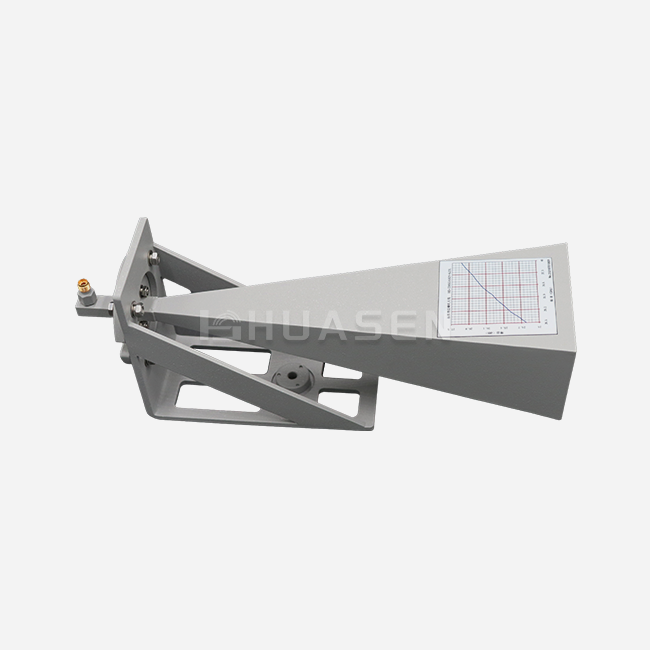
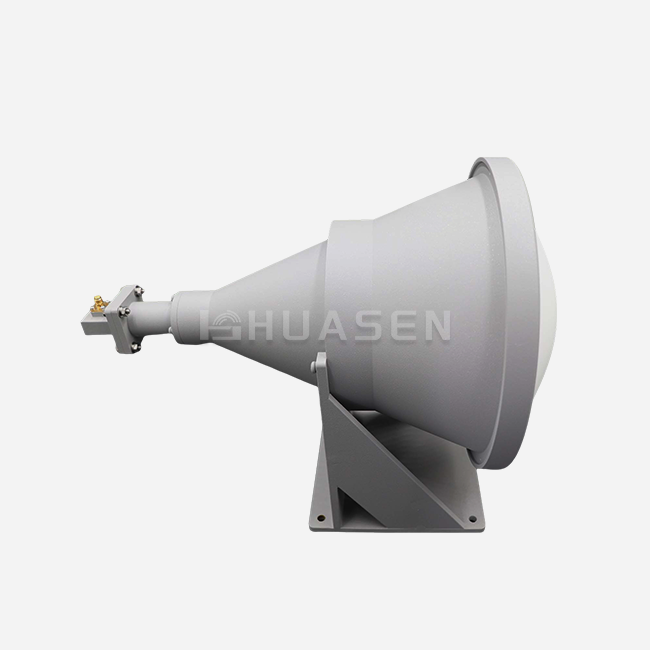
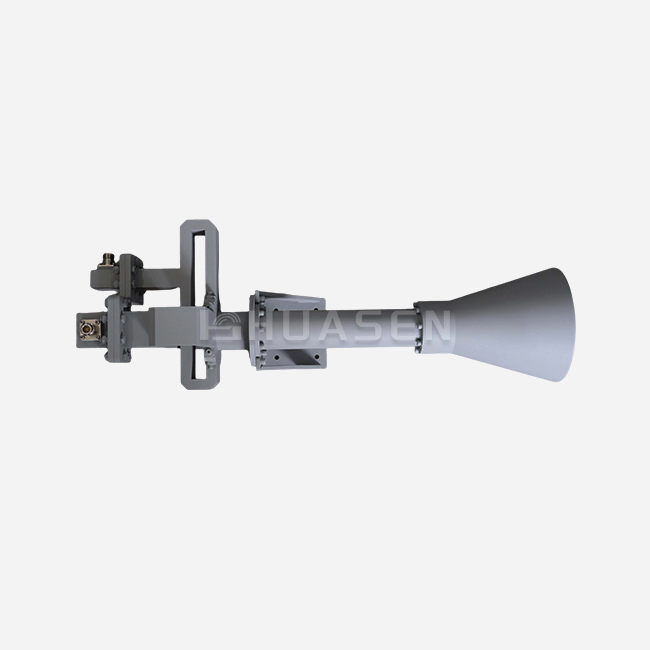
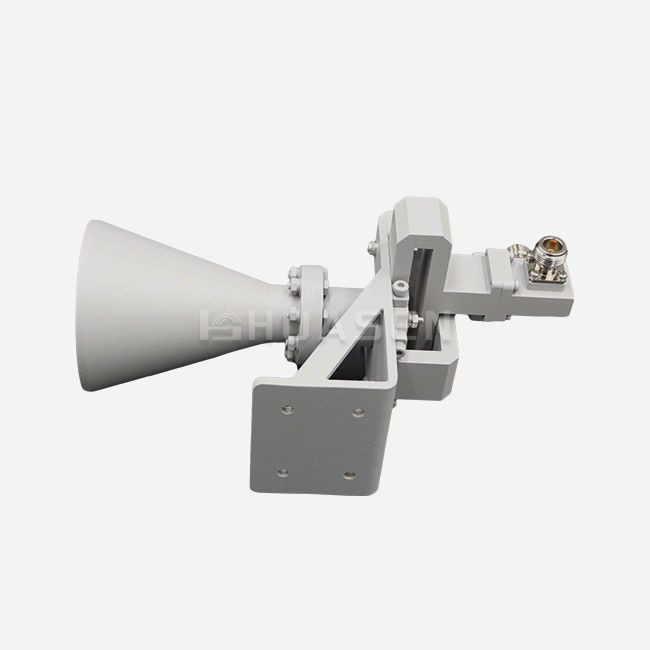
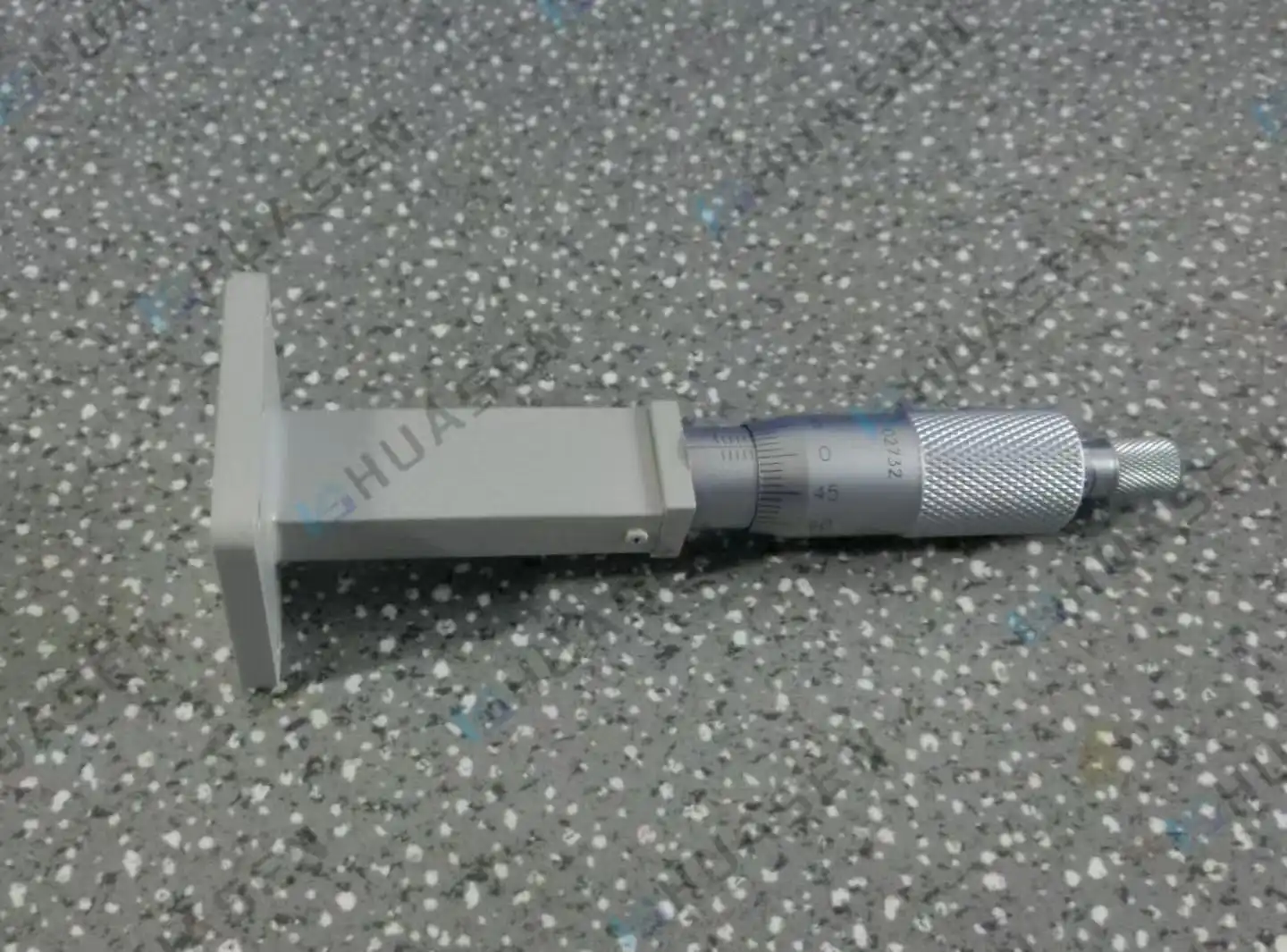
Waveguide Sliding Shorts are an important part of microwave test sets because they give engineers precise control over the phase of reflection and matching of resistance. Calibration teams can move these short-circuit devices around to change the location of the electrical short-circuit within waveguide transmission lines. This makes sure that vector network analyzer readings are correct and improves system performance. They are used as tunable reference standards in radar, aerospace, and telecommunications testing settings. This lets fine-tuned signal path changes keep measurement accuracy across frequencies from sub-gigahertz to millimeter-wave bands.
Understanding Waveguide Sliding Shorts in Microwave Test Setups
Core Working Principles
A waveguide sliding short is made up of a precisely cut waveguide that holds a moving conductive plunger that is moved by a micrometer device. There is a change in the electrical length between the reference plane and the short-circuit point when the plunger moves along the waveguide edge. This change changes the reflection phase directly while keeping the reflection coefficient value close to 1. Engineers use this feature in TRL (Thru-Reflect-Line) calibration processes, where the waveguide sliding short works as the "reflect" standard. This lets them get rid of test fixture parasitics and check the accuracy of the measurement system.
The Huasen Microwave Waveguide Sliding Short solves problems that come up in the real world. Our devices can work with frequencies ranging from 0.32 GHz to 112 GHz, so they can be used for a wide range of tasks, from testing L-band satellite communications to checking W-band radar components. The high reflection standard of VSWR ≥50 guarantees almost perfect reflection, which is very important for figuring out how low-noise amplifiers work or setting up phase reference planes in automatic test equipment.
Design Features That Matter
The market is mostly made up of two basic architectures: touching and non-contacting forms. Contacting Waveguide Sliding Shorts use beryllium copper spring fingers that touch the inside walls of the waveguide, making a direct electrical link that breaks the circuit. Although these designs have a wide instantaneous bandwidth, the contacts wear out over time from repeated changes. This creates metallic particles that can contaminate sensitive test settings and add measurement noise from changing contact resistance.
Choke-type waveguide sliding shorts that don't touch each other are an example of advanced engineering. They use a bent quarter-wave choke construction that goes around the plunger to make a short circuit that doesn't touch the wall. This design gets rid of changes in contact resistance and wear on the mechanical parts, making long-term consistency better. The sliding distance choices from Huasen Microwave can be changed from 10 mm to 300 mm, giving you a lot of options for different test setups, whether you're testing small benchtop systems or big antenna-range instruments.
Electrical Characteristics Across Frequency Bands
Waveguide sizes (WR-340, WR-90, WR-28, etc.) determine the frequency ranges that can be used. Each common waveguide size is best for a certain band. The phase change for each unit of plunger movement is set by the guide wavelength. On a Smith chart, moving the waveguide sliding short by half a guide wavelength turns the reflection coefficient 360 degrees. This relationship makes it possible to precisely figure out how far the plunger needs to move in order to make the phase changes that are needed during difficult impedance synthesis jobs.
In production test settings, where hundreds of readings are made every day, temperature stability is very important. Premium Waveguide Sliding Shorts have built-in thermal adjustment systems and are made of materials with matched thermal expansion factors. This keeps the reference plane position from moving when the temperature or humidity changes. When this stability is built into the automatic load-pull systems that make up 5G power amplifiers, it directly leads to less measurement error and faster device approval.
Comparing Waveguide Sliding Shorts with Other Microwave Tuning Devices
Performance Benchmarks
Procurement teams can make better decisions when they know how Waveguide Sliding Shorts compare to other tuning devices. There are several types of devices that work with similar types of applications, but their features and abilities are very different.
Fixed waveguide shorts are easy to use and don't cost much, but they can't be adjusted. Their mirror phase stays the same after they are placed, so they can only be used in situations that need a single impedance point. On the other hand, waveguide sliding shorts allow continuous phase change across their travel range. This makes it possible for multi-point calibration processes and iterative tuning techniques that would not be possible with fixed terminations.
In coaxial systems, stub tuners use probes that can be adjusted to go into the broadcast line. They can be set up with two or three stubs for complex impedance generation, but they have more insertion loss than waveguide shorts and can only handle lower power levels. Waveguide Sliding Shorts have almost no insertion loss (the signal echoes instead of passing through) and can handle kilowatt-level CW power, which makes them impossible to replace when testing high-power amplifiers.
Application-Specific Advantages
Iris tuners use flexible conductive plates that partly block the waveguide cross-section to make reactive impedances that can be changed. They are great at matching networks, but they can't provide the pure short-circuit termination that is needed for VNA calibration standards. Electronically tuned devices that use varactor diodes have fast switching speeds, but they can only handle a small amount of power (usually milliwatts) and introduce nonlinearities that make them useless for precise measurement.
These holes can be filled with Huasen Microwave Waveguide Sliding Shorts. Our choke-type designs get rid of the contact noise that comes with cheaper models, and our wide frequency range (0.32-112 GHz) makes inventory simpler. Lab managers like that they can get all of their waveguide band calibration standards from a single source. This makes the buying process easier and makes sure that the quality is the same across all frequency ranges.
How to Select the Right Waveguide Sliding Short for Your Microwave Test Setup?
Frequency Coverage Evaluation
The most important thing is that the frequency range of the gadget matches the needs of your test. There are set cutoff frequencies and suggested working ranges for each waveguide band. Using a WR-62 Waveguide Sliding Short (good for 12.4–18 GHz) at 30 GHz will cause evanescent mode transmission and fail the test completely. Huasen Microwave makes models that are specific to different frequency bands, from ultrahigh frequencies (UHF) to millimeter waves. This makes sure that the modes propagate correctly and that the reflection properties are correct.
In addition to basic frequency matching, you should also look at the harmonic content of your test signals. To characterize a power amplifier, it's common to need to keep an eye on the second and third harmonic levels. This calls for waveguide sliding shorts that have clean reflection properties across multiple octaves. Our tight manufacturing standards keep the dimensions accurate, which stops spurious modes—parasitic resonances that show up as reflection dips at certain frequencies because higher-order modes like TM11 are excited.
Power Handling Requirements
Power amounts in test settings are very different. Base station duplexers may be tested with tens of watts of passive intermodulation, while radar transmitters can be tested with bursts of up to kilowatts. Because there are no contact spots that can cause arcing, non-contacting waveguide sliding shorts can handle more power than contacting types. The power limit is usually set by the size of the waveguide and the voltage breakdown at the choke gap. Because there is more space between the wires in larger waveguides, they can handle more power.
Engineers at Huasen Microwave can help you figure out what the real power rates are for your job cycle, whether it's continuous wave, pulsed wave, or peak power. Putting dry nitrogen pressure on the waveguide raises the breakdown limits, which is a choice we support for high-power uses. Talking to our expert team about your real power profiles will make sure you get the right-rated device and avoid over- or under-specifying, which could cause damage.
Mechanical Precision and Repeatability
The quality of the micrometer's drive system has a direct effect on how accurate the measurements are. High-resolution micrometers with graduations of 0.01 mm or less allow for exact placement in applications that are sensitive to phase. Backlash, the mechanical play that happens when you change direction, causes location mistakes that make calibration less accurate. Some high-end waveguide shorts and waveguide sliding shorts have anti-backlash features like spring-loaded nuts or split-nut designs.
Supplier licenses guarantee the quality of the goods being made. Huasen Microwave uses ISO quality management systems and can give you certificates of measurement calibration that can be traced back to national measuring organizations. Our paperwork packages help you get qualified for defense programs that follow MIL-STD or aircraft projects that need AS9100 certification. We can also change the mounting plates, micrometer styles, and external seals to fit the needs of your integration.
Common Issues and Troubleshooting Tips for Waveguide Sliding Shorts
Mechanical Problems and Inspection
Waveguide sliding shorts work in tough conditions, like changing temperatures, vibrations from cooling fans, and thousands of rounds of adjustment. The most common technical problem is a plunger that is stiff or moves in an odd way. This usually happens because of pollution, like metal shavings from worn-out contact fingers (in contacting types) or dust building up in the waveguide tube. First, a bright light and a magnifying glass are used to look at the part visually, looking for scratches on the plunger surface or foreign objects in the waveguide channel.
Cleaning needs care. Never use rough materials on precision-machined surfaces because they could scratch them. Most contaminants can be removed successfully by isopropyl alcohol on lint-free sterile wipes. Lubricants made from petroleum should not be used inside the waveguide because they change the dielectric qualities and attract dust. According to the maker, the micrometer's external mechanism may need a little lubrication. However, the RF route must stay clean.
Electrical Performance Degradation
Seeing a drop in the reflecting coefficient during regular verification checks is a sign of possible problems. If the VSWR drops from 50:1 to 20:1, it means that there are lossy contacts (shorts between contacts) or damage to the choke structure. Parasitic resonances, which are frequency-specific drops in reflection, show that the plunger and waveguide axis are not lined up correctly, which allows false mode stimulation to happen.
The electrical reference plane needs to be calibrated as part of regular maintenance. Because of the way the choke is built or the shape of the contact fingers, the mechanical face of the pusher does not line up with the electrical short-circuit plane. Find the "electrical zero" by using a measured VNA to measure the device and writing down the point where the reflection phase goes through zero degrees at a known frequency. This reference is checked once a year to account for the effects of mechanical wear and temperature experiences. Huasen Microwave gives you full instructions for electrical zeroing that are special to each model. These instructions will help your metrology team's calibration plans.
Repair Versus Replacement Decisions
A cost-benefit study is needed to decide whether to fix or replace a worn-out waveguide sliding short. For a modest cost, replacing the contact fingers on touching shims can bring them back to full functionality. This is usually a good deal for units that are less than five years old. When it comes to non-contacting types, damage to the choke structure is often not worth fixing because it requires careful cutting that costs more than the cost of a new unit. Support from the vendor is important here—manufacturers who offer extra parts and repair services make tools last longer.
The customer service team at Huasen Microwave helps with failure analysis and gives expert advice, including on Waveguide Short. Our world service network can look at returned units and usually give quotes for new parts within 48 hours. When your test output needs little downtime, it makes financial sense to keep an extra unit on hand. We offer bulk discounts to labs that want to use our systems on all of their test cells.
Conclusion
Waveguide Sliding Shorts are still very important in modern microwave test settings because they give engineers the accuracy and dependability they need for jobs like impedance tuning and calibration. For the most accurate tests, you should understand how they work, compare their performance to other devices, and choose types that meet your unique frequency, power, and mechanical needs. Regular upkeep and the right way to fix problems can make tools last longer. Working with qualified providers can make buying things easier and give you long-term support. These precise tools provide the accurate measurements that advanced RF applications need, whether they are used to calibrate vector network analyzers, characterize amplifiers, or tune high-power radar systems.
FAQ
1. What distinguishes contacting waveguide sliding shorts from non-contacting waveguide sliding shorts?
Contacting Waveguide Sliding Shorts have spring fingers that touch the walls of the waveguide. They have a wide bandwidth, but the contacts wear out and there is electrical noise. Choke shorts that don't touch anything form a virtual short through quarter-wave structures. This gives better repeatability and longevity in a narrower frequency range, usually 20–25% above the normal waveguide band.
2. How does plunger position relate to phase shift?
On the Smith chart, the reflection coefficient turns 360 degrees when the short is moved by half a guide wavelength. With the micrometer, you can accurately figure out the phase shift based on the guide wavelength and the test frequency. This lets engineers create the reflection phases they need for complicated testing procedures.
3. Can these devices handle high power levels?
Non-contacting designs work best at high power because they don't have any contact points that could cause a spark. Power handling is based on the size of the waveguide and the voltage drop across the air gap in the choke section. Adding dry nitrogen to the air raises the limits, allowing kilowatt-level operation in big waveguide sizes that are good for testing radar and high-power amplifiers.
4. Why do reflection dips appear at certain frequencies?
When the plunger isn't lined up right or the choke design lets unwanted modes like TM11 spread, parasitic resonances happen. Mode-suppression features in high-quality units stop these flaws from happening, keeping the reflections clean across the frequency range that was given.
Partner with a Trusted Waveguide Sliding Short Manufacturer
Huasen Microwave Technology has been making RF components for 30 years and can help you with your buying choices. They offer precise Waveguide Sliding Shorts that are perfect for high-tech industries like defense, aerospace, and telecommunications. Our wide range of products covers frequencies from 0.32 GHz to 112 GHz, has VSWR ≥50, and has sliding lengths that can be changed from 10 mm to 300 mm. This gives your test systems the freedom and performance they need. We help your engineering teams by providing thorough technical paperwork, the ability to make changes, and quick, helpful service that lowers project risks. Email our application specialists at sales@huasenmicrowave.com to talk about your particular needs, get performance figures, or set up evaluation samples. We are a well-known seller with ISO-certified factories and experience with shipping goods around the world. Our quality and dependability will keep your test operations going smoothly.
References
1. Pozar, D.M. (2011). Microwave Engineering, 4th Edition. John Wiley & Sons, Hoboken, New Jersey.
2. Hewlett-Packard Company (1997). Waveguide Calibration Techniques for Vector Network Analyzers, Application Note 1287-8. Palo Alto, California.
3. Rytting, D.K. (2008). "Network Analyzer Error Models and Calibration Methods," 59th ARFTG Conference Digest, Seattle, Washington.
4. Marks, R.B. (1991). "A Multiline Method of Network Analyzer Calibration," IEEE Transactions on Microwave Theory and Techniques, Vol. 39, No. 7, pp. 1205-1215.
5. Sucher, M. and Fox, J. (1963). Handbook of Microwave Measurements, Volume II, 3rd Edition. Polytechnic Press, Brooklyn, New York.
6. Somlo, P.I. and Hunter, J.D. (1982). Microwave Impedance Measurement. Peter Peregrinus Ltd., London, United Kingdom.
Send Inquiry