When to Use Coupled Fixed Waveguide Attenuator?






2026-06-08 22:25:07
Coupled Fixed Waveguide Attenuators are very accurate tools that engineers use to lower signals in microwave and millimeter-wave applications in a way that is secure and reliable. In high-power radar tests, satellite ground station calibration, and RF measurement labs, where accurate attenuation has a direct effect on system stability, these parts are essential. When frequencies are higher than 1 GHz, power levels are higher than what cable components can safely handle, or the environment needs mechanical toughness and heat stability that variable designs can't provide, this type of attenuator is usually chosen.
Understanding Coupled Fixed Waveguide Attenuators
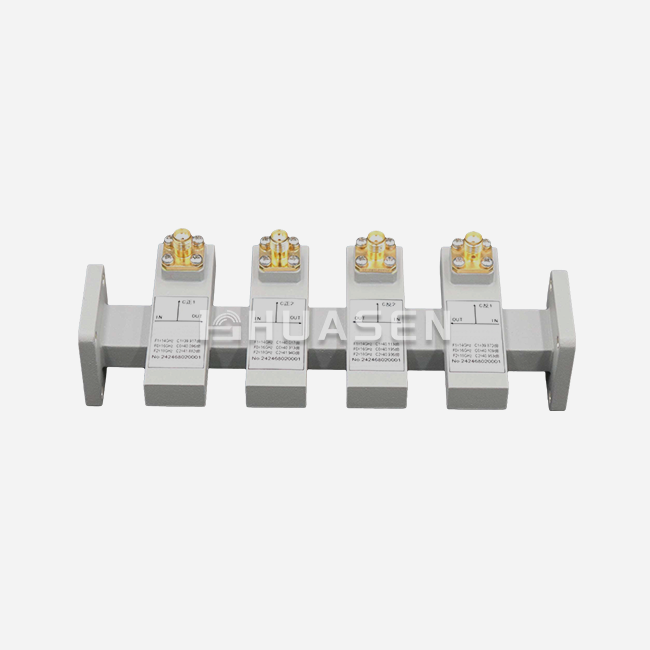
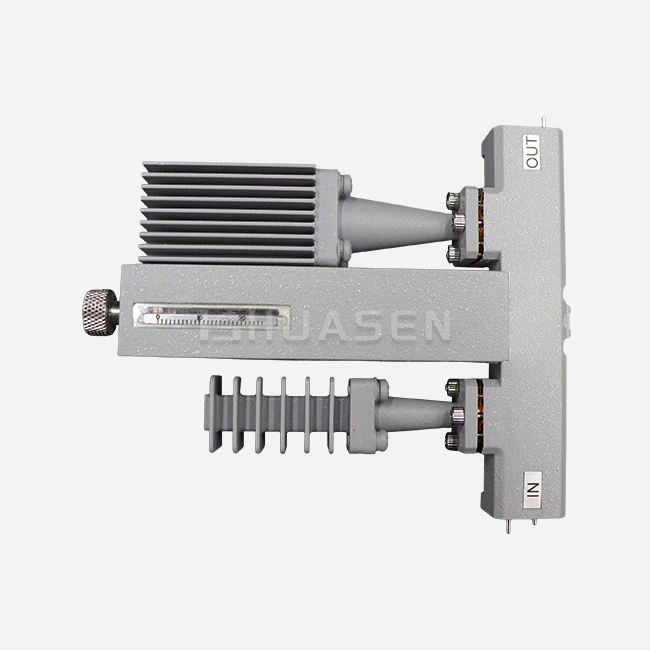
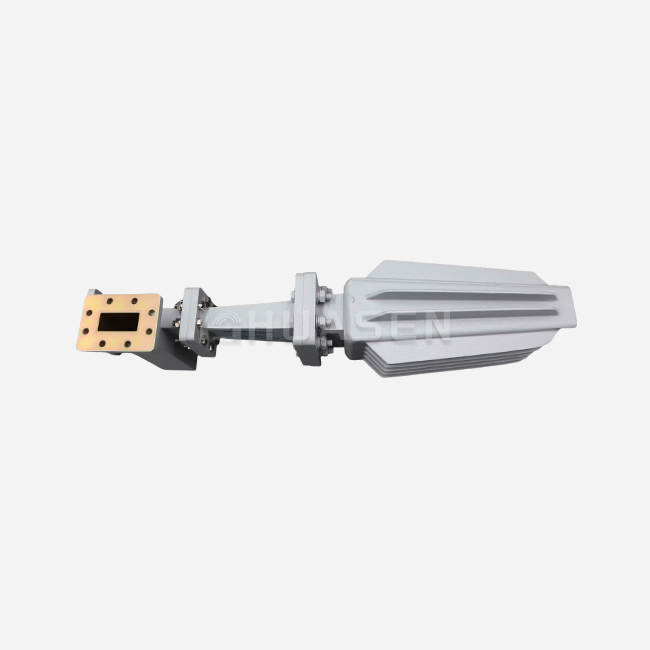
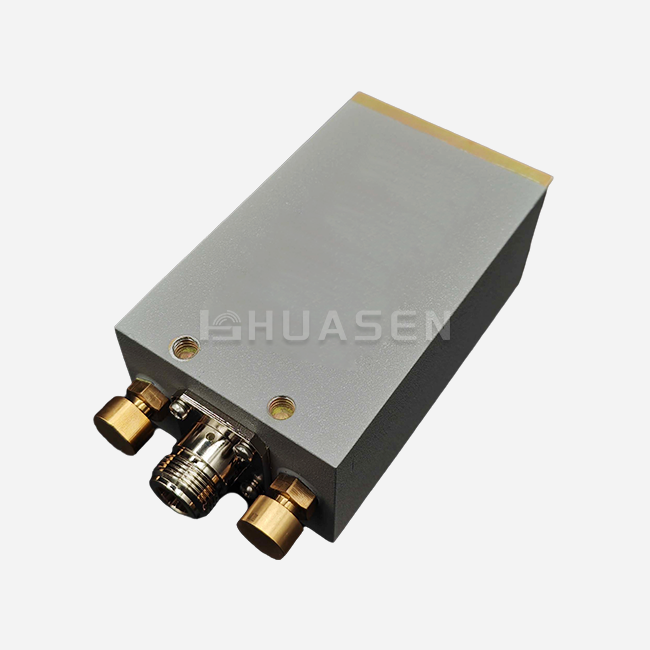
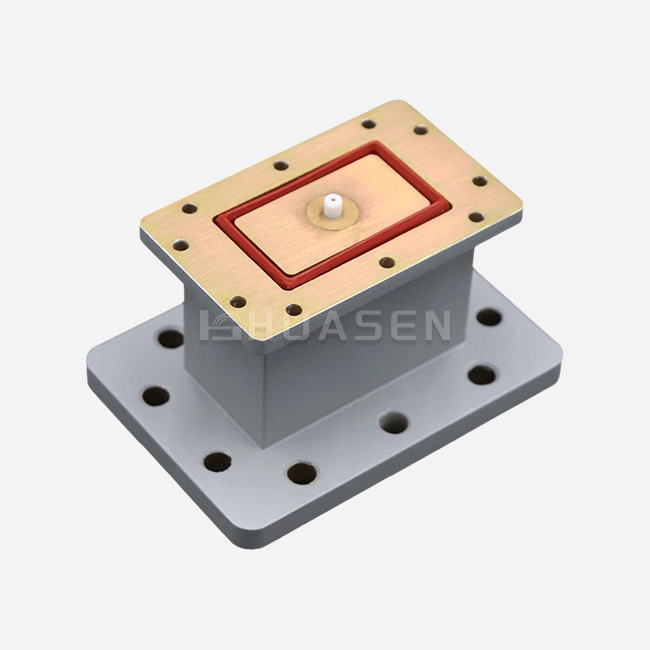
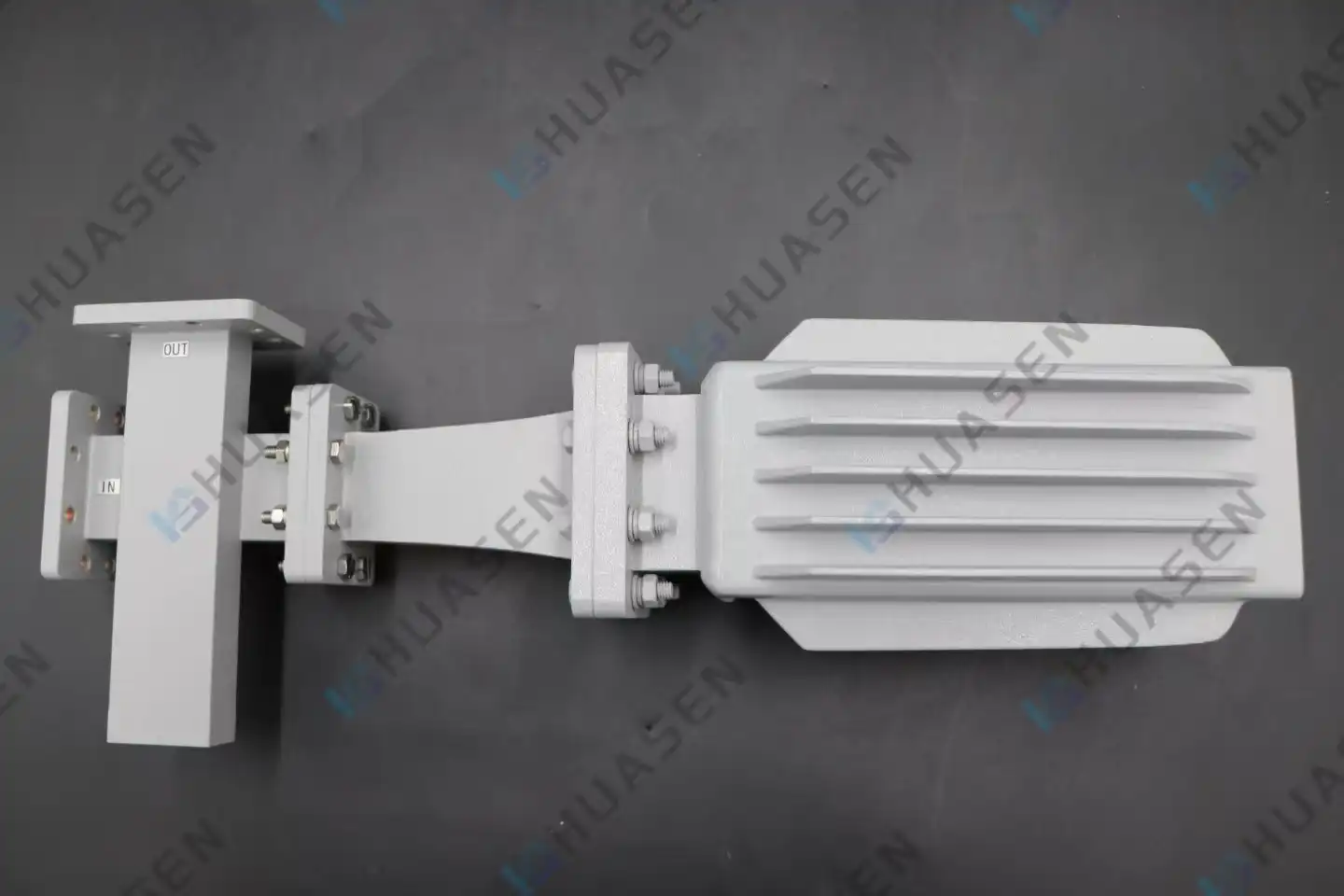
In coupled fixed waveguide attenuator technology, RF energy is taken out through controlled coupling or resistance loss. The WCFAX series from Huasen Microwave is an example of this method. It is made up of high-directionality couplers that keep the signal coherence very well over a wide frequency range.
Core Operating Principles
These gadgets work by adding a certain amount of loss to the signal line while keeping the original signal properties. The coupling device takes a sample of the signal power and sends it to matching terminations. This turns the extra energy into heat using resistive elements. This design keeps the VSWR low—usually less than 1.2—across the working band. This stops power from being reflected, which could make upstream parts like Klystrons or solid-state amplifiers less stable.
Because of how waveguides work, these coupled fixed waveguide attenuators work especially well above microwave frequencies. Waveguide structures that are rectangular or circular naturally limit electromagnetic modes, which lets you finetune how the fields are spread out. This feature is used by Huasen Microwave's WCFAX series, which has attenuation ranges from 3 dB to 60 dB and frequency response tolerances as tight as ±0.75 dB for higher attenuation values.
Technical Specifications That Matter
Performance requirements are directly linked to the success of an application. The device's attenuation accuracy tells you how close it is to its standard number across a certain frequency band. The WCFAX is very flat; the 3 dB models have a frequency response of ≤±1.8 dB, and the 10-60 dB models have a variation of ≤±0.75 dB across their entire operating range.
By measuring return loss and VSWR, you can see how well the Coupled Fixed Waveguide attenuator fits the waveguide system's characteristic resistance. Standing waves are caused by bad matching and mess up readings while wasting transmitted power. Premium units have VSWR values of 1.2 or higher, which means that the return loss is more than 20 dB. This is an important factor for protecting test equipment and measuring power accurately.
The choice of material affects both how well it works electrically and how long it lasts in the surroundings. Anodized aluminum bodies are lightweight and good for use in flight applications. Copper bodies plated with silver or gold are better at conducting electricity and resisting corrosion in marine settings. The WCFAX series from Huasen Microwave uses both types of materials based on the frequency band and power needs. This ensures the best performance from 0.96 GHz to 112 GHz.
Advantages Over Alternative Technologies
Fixed designs don't have any motorized parts that need to be adjusted, which can happen with changeable attenuators and wear out over time. In calibration standards and automatic test systems, where measurement accuracy has a direct effect on quality control in production, this dependability is very important. The lack of working parts also makes the system last longer in places with a lot of shaking, like radar systems on airplanes.
Waveguide construction can naturally handle more power than coaxial construction. Because the inside is bigger, the electric fields are spread out over a bigger surface area. This lowers the voltage differences that cause arcing. This feature is very important for testing transmitters where signal levels can hit megawatts of peak pulse power or kilowatts of continuous wave power, such as with a coupled fixed waveguide attenuator.
When to Choose Coupled Fixed Waveguide Attenuators Over Other Types?
How a Coupled Fixed Waveguide Attenuator is chosen depends on their operational factors, the surroundings, and the needs of system integration. Knowing about these decision factors helps procurement teams choose the right part.
High-Power Application Requirements
In transmitter testing settings, parts must be able to handle high amounts of power without losing their performance. Base station makers who are trying 5G massive MIMO arrays can't use full send power because it could damage expensive spectrum monitors. Putting a 30 dB or 40 dB coupled fixed waveguide attenuator between the power amplifier and the measuring device saves sensitive equipment while keeping the signal quality needed for checking the nearby channel power ratio.
Developing radar systems is also hard for the same reasons. Magnetron-based marine radar emitters make peak powers that are higher than 25 kW, which is so high that it would destroy cable attenuators right away. Waveguide designs can handle these extremes because they are better at managing heat and power, which means that they can keep their calibration accuracy over long test runs.
Precision Measurement and Calibration
Attenuation standards that can be traced back to international measurement systems are used by national metrology bodies and approved calibration laboratories. Fixed Coupled Fixed Waveguide Attenuators are stable enough for these reference uses, with little change in performance over time and temperature. The WCFAX series from Huasen Microwave has a coupling-based design that keeps attenuation accuracy within certain limits at temperatures ranging from -40°C to +85°C. This meets the strict requirements of MIL-STD and ISO standards.
For makers of RF components to be sure of their production output, they need to be able to test filters, amplifiers, and multiplexers in the same way over and over again. Because of mechanical backlash and changes in contact resistance, variable attenuators add unpredictability. These sources of mistakes are taken away by fixed units, which allow statistical process control with confidence intervals that work with Six Sigma quality systems.
Harsh Environment Deployments
Extreme temperatures, water getting in, and mechanical shocks can all affect satellite ground stations, marine communication systems, and outdoor wifi infrastructure. Coupled Fixed Waveguide Attenuators made of anodized aluminum or plated copper are better able to handle these situations than parts made from coaxial wires or circuit board substrates. The blocked waveguide channel keeps out dirt and other things that could lower insertion loss or break the voltage in wet places.
When military electronic countermeasure systems are put on tactical trucks, they are constantly being loaded with vibrations and shocks. Coupled Fixed Waveguide Attenuators, a type of fixed waveguide attenuator, are made of a single piece, which gives them mechanical stability that coaxial systems based on PCBs can't match. Standard interfaces like FDP, FBP, or FUGP allow for flange mounting, which guarantees a safe placement that keeps the electrical performance even after rough handling and practical stress.
Applications and Industry Use Cases
In the real world, these specialized, coupled fixed waveguide attenuators are used to solve important engineering problems in a wide range of fields.
Radar System Integration
Air traffic control monitoring radars need to keep their sensitivity set so that they can find small planes at their farthest range. To calibrate the receive line, known signal levels must be injected to check the low-noise amplifier gain and mixer conversion loss. Engineers use precisely coupled fixed waveguides. Attenuators to make test signals with clearly defined power levels. This makes sure that the radar system meets the requirements for detection chance set by flight safety standards.
Applications for weather sensors need the same level of precision. To get accurate estimates of wind speeds and rainfall rates, Doppler processing methods need to make sure that the receiver is properly calibrated. Fixed Coupled Fixed Waveguide Attenuators installed at key test ports allow for regular checks that don't affect practical availability, meeting the needs of weather services for continuous uptime.
Satellite Communication Terminals
VSAT devices that work in the Ku-band and Ka-band bands connect places that are far away to broadband networks. Manufacturers must make sure that uplink power amplifiers meet legal emission limits and keep up enough effective isotropic radiated power for link budget closing before sending them out. Coupled Fixed Waveguide Attenuators are used in test sets to make sure that measuring transmitter output is done properly and without sending out signals that could interfere with licensed satellite operations.
Even more complex testing is needed for gateway earth stations that handle hundreds of transmission lines at the same time. To do multi-carrier intermodulation tests, you have to combine signals from different sources, use precision coupled fixed waveguide attenuators to control the relative power levels, and look at the resulting spectrum for distortion products. The WCFAX series has a wide bandwidth that covers frequencies from 0.96 GHz to 112 GHz. This lets it handle these complicated test cases across a number of frequency bands.
Telecommunications Infrastructure Testing
When 5G millimeter-wave networks went live, they made people want test tools that could work in frequencies above 24 GHz that weren't being used much before. Base station makers who want to test new radio designs need coupled fixed waveguides. Attenuators that keep the frequency response flat across the whole n257 band (24.25-29.5 GHz) or the n260 band (37-40 GHz). At these frequencies, standard coaxial parts have too much loss and bad VSWR, so waveguide options are the only real choice.
The problems fiber optic network operators face when they set up coherent optical systems with RF pilot tones are similar. Setting the right signal levels for monitoring equipment that uses RF-over-fiber links to track faraway amplifier sites requires adjusting attenuation. Fixed Coupled Fixed Waveguide Attenuators work consistently and are stable at high temperatures, so they send accurate monitoring data even when the temperature outside changes at faraway regenerator sites.
Aerospace and Defense Applications
Electronic warfare tools on aircraft work across multiple octave frequency bands, looking for danger radar emissions and taking action against them. For these systems to be tested, signal modeling equipment that creates real electromagnetic settings is needed. Precision Coupled Fixed Waveguide Attenuators change the amount of danger signals sent to the receiver being tested. This checks the detection limits and false alarm rates across the whole tuning range.
Before being sent into space, payloads are put through a lot of tests to make sure they are ready for launch. One of these tests checks the RF performance in thermal vacuum tanks. The parts have to work regularly in a temperature range from -180°C in deep space shadow to +120°C in direct sunlight. Coupled fixed waveguide attenuators, including fixed waveguide attenuators, that can handle these high and low temperatures, make it possible to test transmission transponders and radar altimeters from end to end in conditions that are similar to those in a flight.
Conclusion
When choosing coupled fixed waveguide attenuators, you need to carefully think about the performance requirements, the surroundings, and the needs of the application. When there is a lot of power and frequency, these precision parts work great when cable options aren't reliable or accurate enough. Huasen Microwave's WCFAX series is designed for tough telecommunications, military, and defense tasks. It has attenuation ranging from 3 dB to 60 dB, frequency coverage from 0.96 GHz to 112 GHz, and great VSWR performance. When engineers know when to use these specialized devices instead of variable or coaxial choices, they can improve system performance while keeping costs low.
FAQ
1. What frequency ranges do coupled fixed waveguide attenuators typically cover?
Coupled Fixed Waveguide Attenuators can support applications from below 1 GHz up to millimeter-wave bands above 110 GHz. The exact range varies on the size of the waveguide; lower frequencies can be handled by bigger cross-sections. Huasen Microwave's WCFAX series has types that work at frequencies from 0.96 GHz to 112 GHz, so it can be used for most business and defense needs.
2. How do I choose between fixed and variable waveguide attenuators?
When certain coupled fixed waveguides, Attenuator values need to be maintained; fixed attenuators offer the best steadiness, dependability, and value for money. Variable designs work well in labs where adjustments need to be made often, but they add to the complexity of the machine and can make it harder to repeat. Fixed designs are usually better for production test systems and operations in the field.
3. Can I obtain custom-designed attenuators for specialized projects?
Customization services for different frequency bands, power levels, attenuation values, and mechanical connections are available from reputable makers of Coupled Fixed Waveguide Attenuators. From making prototypes to mass production, Huasen Microwave's engineering team works with customers to create unique solutions that meet the needs of each system.
Partner with Huasen Microwave for Your Precision RF Component Needs
Huasen Microwave offers engineered Coupled Fixed Waveguide Attenuator options that combine thirty years of experience in radio frequency (RF) with current production skills. Our WCFAX line gives you the accurate attenuation, power handling, and long-lasting performance in harsh environments that you need for challenging tasks. Our applications engineering team is ready to help with your program from the first proposal to production delivery, whether you need standard catalog items or unique designs that work best with your system architecture. We keep up-to-date test capabilities, quality certifications, and quick expert help that lower the risk of your program and speed up time to market. You can talk to experienced RF experts who understand your problems by emailing our team at sales@huasenmicrowave.com about your waveguide attenuator needs. As a reliable provider, we help your goods do well by giving you expert advice and part options.
References
1. Pozar, D. M. (2011). Microwave Engineering, Fourth Edition. Hoboken: John Wiley & Sons.
2. Balanis, C. A. (2016). Advanced Engineering Electromagnetics, Second Edition. Hoboken: John Wiley & Sons.
3. Collin, R. E. (2001). Foundations for Microwave Engineering, Second Edition. Piscataway: IEEE Press.
4. Kumar, M. & Srivastava, G. P. (2018). Microwave and Millimeter Wave Engineering. Singapore: Springer Nature.
5. Reich, H. J., Ordung, P. F., Krauss, H. L., & Skalnik, J. G. (1997). Microwave Theory and Techniques. Princeton: Van Nostrand.
6. Montgomery, C. G., Dicke, R. H., & Purcell, E. M. (1948). Principles of Microwave Circuits. New York: McGraw-Hill Book Company.
Send Inquiry