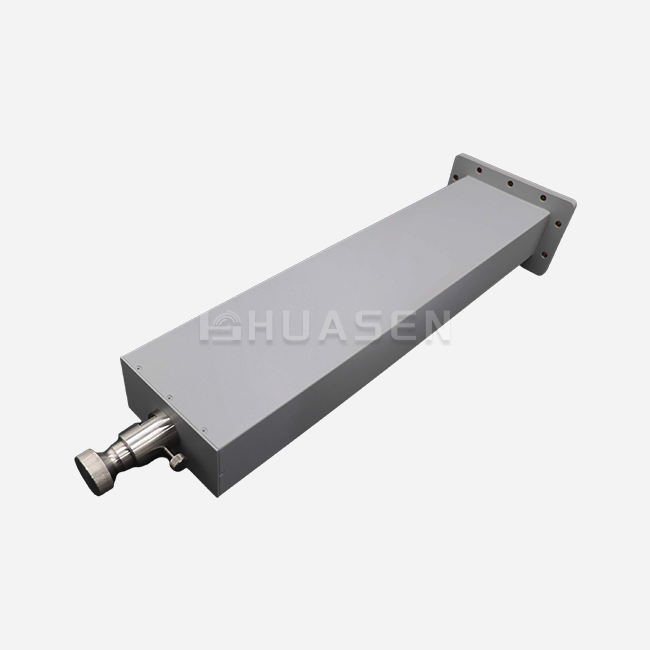
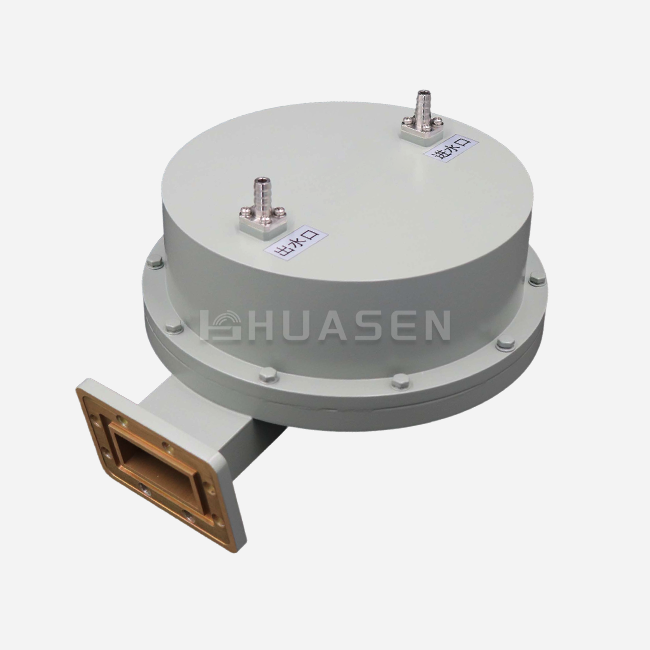
What Is standard gain horn antenna and When to Use It?






2026-06-10 21:45:58
A standard-gain horn antenna is one of the most important measuring tools in the world of RF and microwaves. Unlike general-purpose communication antennas, this precision-engineered waveguide device has a theoretically calculable gain and great repeatability, which makes it a must-have for EMC test facilities, calibration labs, and antenna ranges all over the world. The shape of the horn is very precise, and its dimensions are often in line with old specifications like NRL Report 4433. This makes sure that the horn's gain features stay the same across specific frequency ranges. When purchase teams look for these antennas, they're not just buying gear; they're also getting confidence in their measurements. This guide talks about what these horns are, when their special skills become mission-critical, and how to easily move through the procurement scene. When engineering companies understand these basics, they can find a balance between technical accuracy and cost-effectiveness, and they can build relationships with suppliers who really understand the need for metrological accountability.
Understanding the Standard Gain Horn Antenna
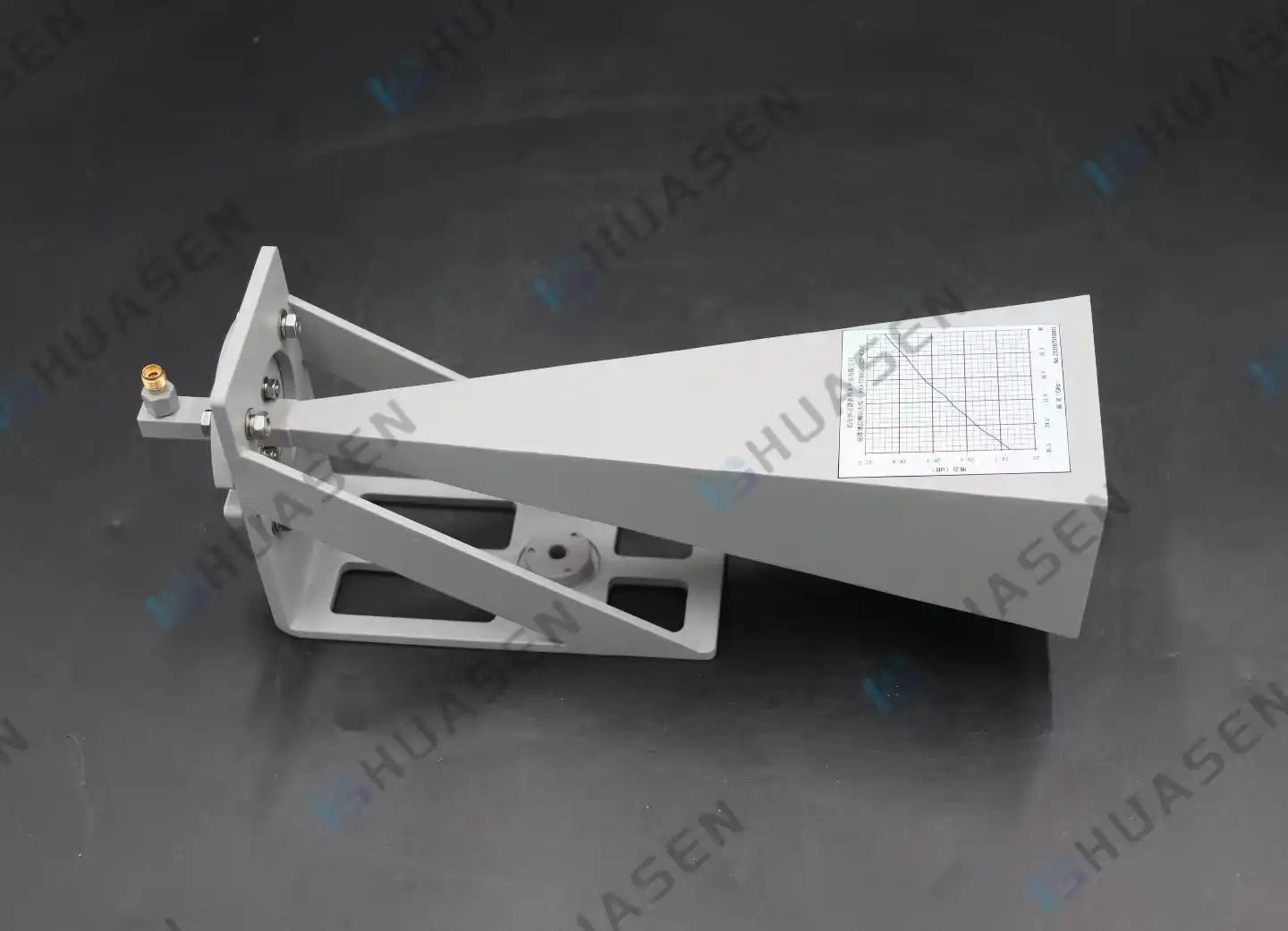
A standard-gain horn antenna is a high-precision triangular aperture antenna that is made to be used as a standard in microwave and radio frequency readings. Its unique feature is physics that stays the same across dimensions, which gives engineers gain values they can figure out from first principles and confirm by carefully measuring them. The horn works in a certain waveguide band, like X-band (8.2-12.4 GHz) or K-band (18-26.5 GHz), where its flare angles and opening sizes make it possible to predict the radiation patterns.
How It Differs From Other Horn Designs?
Wideband horns use ridges to cover a wider range of frequencies, but these changes make the gain more variable and unclear. The regular gain version has a simple shape and doesn't have any internal dielectrics or complicated impedance transformers. The horn can handle high power levels—often in the kilowatt range—thanks to its clean design. The only thing that limits it is the air breakdown voltage in the waveguide throat. Since there are no baluns or matched networks, there is less insertion loss and better VSWR performance, with numbers staying below 1.25:1 at center frequencies.
Operating Principles and Radiation Characteristics
The horn's radiation pattern has well-behaved major lobes and reliable sidelobes, which makes it perfect for tasks that need accurate measurements over and over again. As frequency rises in the working band, the set physical aperture's electrical size grows in relation to wavelength. This naturally increases directivity and gain; engineers expect this to happen and don't try to fix it. Because of their excellent cross-polarization detection (usually greater than 25 dB) and steady gain response, these devices are used as basic measuring tools in calibration labs.
Key Design Parameters and Performance Features
The antenna's electromagnetic behavior is directly controlled by its size, making for a beautiful connection between mechanical engineering and RF performance. The opening size sets the amount of gain, and the flare angle changes the beamwidth and the efficiency of the radiation.
Frequency Range and Gain Characteristics
Standard-gain horn antennas line up with rectangular waveguide bands that cover frequencies from around 300 MHz to millimeter waves that are getting close to 300 GHz. Gain values in these bands are usually very stable, ranging from 10 to 25 dBi and often below 0.3 dB when properly measured. This level of accuracy comes from the fact that there is a clear link between physical shape and electromagnetic behavior. This means that engineers can compare the measured gain to theoretical estimates. The gain curve goes up smoothly as the frequency goes up, so there aren't any ripples or nulls like there are in broadband designs.
VSWR and Impedance Matching
VSWR (Voltage Standing Wave Ratio) is still an important standard, and good horns have VSWR values below 1.5:1 across the whole working band. This feature makes sure that emitters send the most power possible and that receivers receive the least amount of energy, which could mess up readings. Impedance matching is done by careful waveguide design instead of lossy components. This keeps the signal's integrity, which is important for measuring work.
Beamwidth and Sidelobe Control
The 3 dB beamwidth goes down as the opening size goes up, so wider horns make smaller beams. Sidelobe levels are usually 20 to 25 dB below the main beam peak. This keeps test rooms from reflecting signals that aren't needed. Because the horns can control the radiation they send out, they are useful for lighting up quiet areas in Compact Antenna Test Ranges (CATR), where accurately measuring for device evaluation depends on having a uniform field distribution.
Material Standards and Surface Finish
A high-quality metal or brass building is the starting point for a standard gain horn antenna, but the way the surface is treated is just as important. To make sure that the conductivity and oxidation protection last a long time, manufacturers use Alodine coats or gold/silver plating. To keep skin-effect losses to a minimum, internal surfaces need finishes that look like mirrors. This is especially true at millimeter-wave frequencies, where surface roughness can hurt performance. By measuring faithfulness to the micron level, we can be sure that the real world fits the theoretical design. This keeps the accuracy of the gain calculations, which makes the term "standard" appropriate.
How to Choose the Right Standard Gain Horn Antenna?
The first step to successful procurement is to match your technical needs with the antenna's capabilities. The frequency band sets the starting point. If you fit your test spectrum to normal waveguide bands, you won't need any adapters, which add to the uncertainty.
Identifying Application-Specific Requirements
For each purpose, there are different needs. For EMC protection tests, you need to be able to handle a lot of power and build a strong machine that can handle being put into the chamber over and over again. Gaining stability and traceability documents are the most important parts of antenna tuning work. To properly test MIMO systems, the base station front end needs to be characterized with exact polarization purity. In some 5G mmWave projects, the accuracy of the beamwidth directly affected how well active antenna arrays could be characterized. This is why the uniformity of the horn's radiation pattern is more important than raw gain numbers.
Evaluating Supplier Capabilities
Good sellers give you more than just product details. Metrological rigor is shown by calibration certificates that can be traced back to national standards like NIST or NPL. The way for calibration should be in line with ANSI C63.5 or a similar standard, and the measurement process and error budget should be written down. Manufacturers who offer coordinate measuring machine (CMM) proof of physical measurements show that their horns are made the way the designers intended them to be.
Check out the help after the sale, not just the manual. Can the seller give you advice on how to figure out the far-field distance for your chamber's size? Do they offer free trials that your team can use to see how well they work in your real test environment? These parts of service often have a bigger impact on long-term happiness than the original prices.
Customization and Lead Time Considerations
Standard designs work for most uses, but some projects need custom frequency bands or unique ways to place the devices. Suppliers who make their own products can change designs more quickly than middlemen. List items have lead times of two weeks, while special versions have lead times of eight weeks. We've learned that talking about delivery schedules early on in the planning process for project goals keeps schedules from getting squished, which causes less-than-ideal technical compromises.
Advantages and Limitations of Standard Gain Horn Antennas
When it comes to RF analysis and system interaction, these reference antennas have specific benefits. Understanding both what they can do and what they can't do helps buying teams use them well.
Core Advantages in Professional Applications
The very high gain stability of these horns comes from their simple shape and lack of frequency-dependent matching networks. When using the substitution method to measure antennas, the known gain sets a solid standard that ensures there is little error in the figures. Because they can handle a lot of power, they can be used as field generators in immunity testing, where the devices being tested must be able to handle strong electromagnetic settings that are like real-life interference.
For outdoor tests, being able to work in a wide range of temperatures is important. Good horns keep working well from -40°C to +85°C without losing their gain, which would make the adjustment useless. Their tough design means they can be moved from one test site to another and installed over and over again without mechanical creep changing the opening sizes.
Cross-polarization detection in communication systems can be accurately described by linear polarization purity. This trait shows performance data that mixed-polarization probes would hide when testing 5G antenna arrays or satellite terminals.
Physical and Practical Limitations
Size and weight are limits that can't be changed. For X-band, a normal-gain horn might be 30 cm long and have an aperture of 15 x 20 cm. This is a reasonable size but not pocket-sized. Millimeter-wave versions get smaller, but they need to be mounted precisely so that close items don't change the pattern. When planning an installation, these physical facts must be taken into account. This is especially true in small test rooms where positioning options may be restricted.
Because they don't have as much bandwidth as ridged horns, standard gain horn antennas need to keep a stock of horns that cover a wide range of waveguide bands for multi-band tests. This costs more up front and needs more storage space, but the accuracy of the measurements often makes up for it compared to wider options that have more error.
Maximizing Performance Through Proper Use
To keep the calibration valid, you have to meet the far-field distance standards, which can be found by the formula R = 2D²/λ, where D is the aperture's biggest diameter and λ is the wavelength. When you work closer than this Fraunhofer distance, phase mistakes happen that need to be fixed mathematically. There were times when the limitations of the test room kept us from getting real far-field conditions. This meant that we had to make changes from near-field to far-field, which made the measurement chain more complicated.
Recalibration should be done every one to three years, which is what ISO 17025 recommends. Even horns that are physically stable can have small changes in VSWR and gain due to connection wear or surface oxidation. Keeping track of the past of calibrations makes measurements traceable, which is what regulators and quality checks want.
Purchasing Guide: Where and How to Buy Standard Gain Horn Antennas?
To find these precise tools, you have to look at suppliers through more than just catalog specs and unit price.
Assessing Supplier Reliability and Support
Manufacturers with a good reputation keep vertical unity from concept to production. This makes sure that quality control is always the same. Companies with decades of experience making waveguides bring traditional knowledge about the small design details that make good horns great. When looking at different sellers, check to see if they make their own waveguide parts or just put together bought parts. Companies that make their own parts usually have better tolerances.
During project completion, how quickly technical help can respond is very important. Can questions about tech get answers in hours instead of days? Does the seller offer tools for field calculations or instructions on how to set up measurements? These help factors shorten the time it takes for your team to learn and stop making mistakes that could cost a lot of money.
Calibration Documentation and Metrological Traceability
There should be a calibration document for every horn that lists the gain readings at different frequencies across the operating band. The certificate has to say what kind of measurement standard was used, which is usually another horn or antenna that can be calibrated and linked back to national metrology centers in a straight line. There should be uncertainty budgets in the instructions that let you properly account for measurement error in your own calculations.
Military standards like MIL-STD-461 or aircraft standards like DO-160 must be met for some uses. Make sure the seller knows what these standards are and can back up any claims of compliance with the right paperwork.
Bulk Purchasing and Custom Manufacturing Options
It's often possible to get better prices when you buy in bulk, especially when you order several horns that cover nearby frequency bands. Talking to providers about their annual volume projections can help you set up framework deals that lock in prices while still allowing for flexible delivery. This method works well for supporting multi-year projects that have ongoing antenna needs.
Custom versions that meet specific needs, like wide frequency ranges, unique mounting interfaces, or better power handling, need providers who can create and make them. The best partners work together on tech problems and come up with answers instead of just giving specs. We've seen unique projects where source knowledge about different geometries improved performance while lowering costs. This shows how important it is to choose partners instead of just providers.
Warranty and Long-Term Support
Standard-gain horn antennas are long-lasting tools that can last for decades if they are taken care of properly. The warranty should cover both mechanical and electrical performance, and there should be clear instructions for how to deal with calibration drift that goes beyond what is expected. Knowing how long a seller will support older goods can help you avoid problems with obsolescence years after you buy them.
Conclusion
Standard-gain horn antennas are important reference tools because they play a unique role in the world of RF measurements. Their accuracy comes from simple math that makes gains that can be predicted and calculated. This is what makes measurement tracking possible. When buying teams choose these devices, they need to look at more than just the specs. They also need to see how well the provider can do with calibration accuracy, expert support, and long-term dependability. They are very useful for calibration labs, EMC facilities, and system designers working on advanced communication platforms because they are mechanically strong, can handle a lot of power, and have very stable gain. Knowing the pros and cons of these horns helps you decide when they are the best option and when other types of antennas would work better in different situations.
FAQ
1. What distinguishes a standard gain horn from a wideband double-ridged horn?
The most accurate measurements can be made with a standard-gain horn that works across a certain waveguide band and gets its gain from its physical design. Wideband horns use internal ridges to cover a wider range of frequencies, but this change causes gain waves and more doubt. The standard version is used as a strict reference, while wideband designs are better for general-purpose tasks where measurement error limits are not as strict.
2. How should I determine the correct far-field distance for accurate measurements?
The Fraunhofer distance formula, R = 2D²/λ, finds the smallest distance at which the emitted field behaves like a plane wave. If you work closer than this, you'll be in the near-field area, where measurement mistakes are caused by phase curves across the receiving aperture. A lot of small areas can't really get to far-field conditions, so they need near-field-to-far-field transformation methods that make the measurement process more complicated mathematically.
3. Do these antennas require periodic recalibration?
Even though the mechanical stability is good, it is best to recalibrate every one to three years. Over time, surface oxidation and connection wear change the VSWR and gain properties. For ISO 17025 certification, you have to show that you can trace measurements back to a documented calibration process. This means that regular reverification is needed to keep your quality system compliant.
Partner With Huasen Microwave for Your Standard Gain Horn Antenna Needs
Every standard-gain horn antenna that Huasen Microwave makes is backed by more than 30 years of experience making RF and microwave products. Our engineering team uses both theory and hands-on manufacturing experience to make sure that the final products exactly fit the design requirements, down to the micron level. Since we only make standard-gain horn antennas, we keep vertical integration from making the waveguides to doing the final tuning. This lets us keep an eye on quality at every stage of production.
Our testing certificates are linked to national standards, which gives your quality system the metrological trust it needs. We work with you as partners instead of just as providers, whether you need catalog horns that cover standard waveguide bands or special designs that meet your specific frequency needs. Email our team at sales@huasenmicrowave.com to talk about how our antennas can meet your unique technical needs. We offer reasonable pricing for large orders and open lead times that work with your project's goals. We also provide fast technical help during the buying process and afterward.
References
1. Balanis, Constantine A. "Antenna Theory: Analysis and Design." 4th Edition. John Wiley & Sons, 2016.
2. Stutzman, Warren L., and Gary A. Thiele. "Antenna Theory and Design." 3rd Edition. John Wiley & Sons, 2012.
3. IEEE Standard 149-2021. "IEEE Recommended Practice for Antenna Measurements." Institute of Electrical and Electronics Engineers, 2021.
4. Kraus, John D., and Ronald J. Marhefka. "Antennas: For All Applications." 3rd Edition. McGraw-Hill Education, 2002.
5. ANSI C63.5-2020. "American National Standard for Electromagnetic Compatibility—Radiated Emission Measurements in Electromagnetic Interference (EMI) Control—Calibration of Antennas." American National Standards Institute, 2020.
6. Silver, Samuel. "Microwave Antenna Theory and Design." MIT Radiation Laboratory Series, Volume 12. McGraw-Hill, 1949.
Send Inquiry