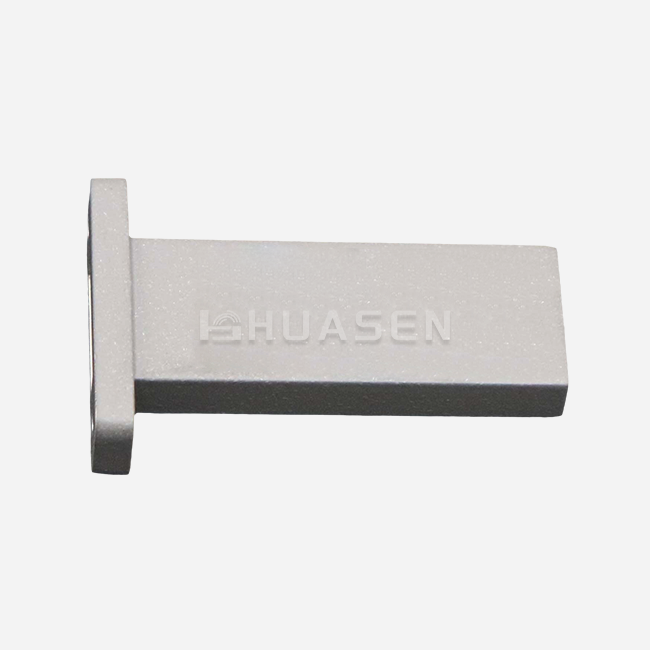
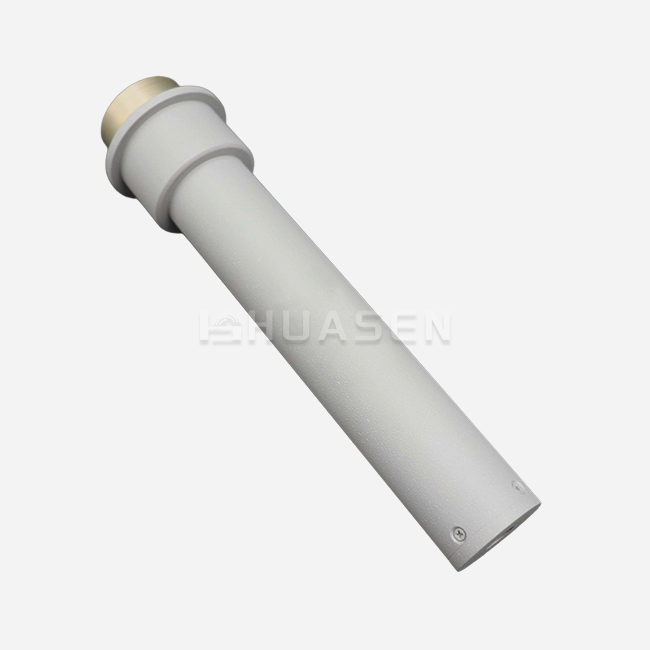
Circular Waveguide Termination for High Energy Systems






2026-06-09 21:52:35
Engineers always have to figure out how to safely absorb leftover electromagnetic energy without putting the stability of the system at risk when they build or upgrade high-power microwave systems. A circular waveguide termination is the most important part of these systems. It turns unwanted RF energy into heat while keeping echoes very low. These precision-engineered parts keep sensitive amplifiers safe, make sure measurements are correct in testing settings, and make sure stable operation in radar, satellite communication, and defense settings where failure is not an option.
Understanding Circular Waveguide Termination
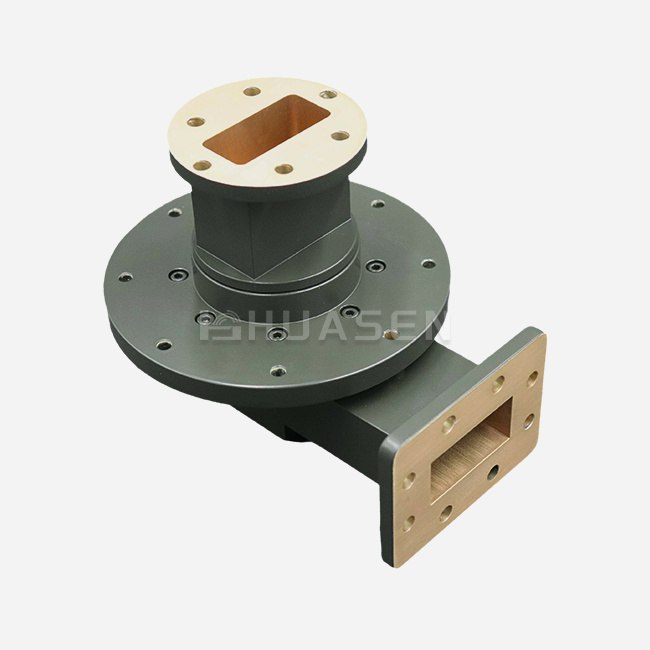
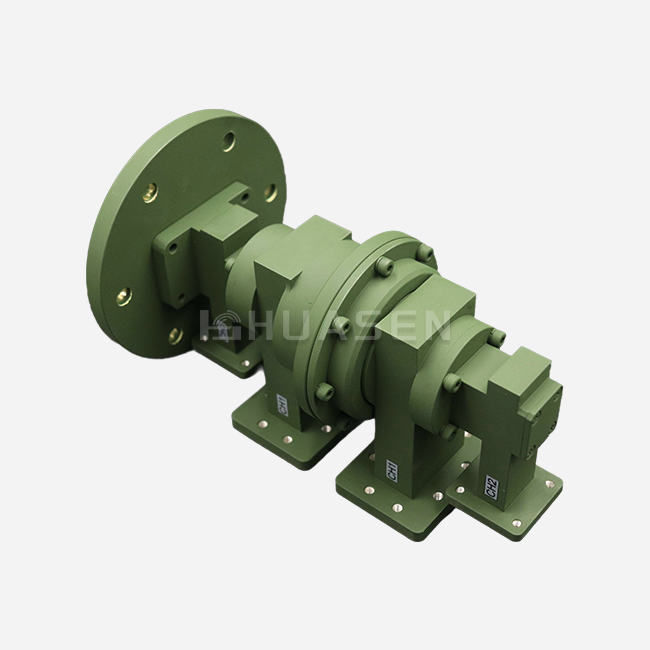
Circular waveguide terminations are special inactive parts that soak up electromagnetic energy that is moving through cylindrical transmission lines. Circular designs, on the other hand, can support multiple propagation modes and dual polarizations. This makes them essential for rotary joint applications and long-distance transmission situations where loss needs to be kept to a minimum.
Fundamental Operating Principles
Matching the resistance is the main purpose is all about. When electromagnetic waves hit the end of the component, the waveguide impedance slowly changes to match the characteristic impedance of the material that is receiving them. This slow change keeps the system from having sudden breaks that would cause reflections to come back into it. High-quality terminations use a cylindrical taper design that makes sure resistance changes smoothly over a wide frequency range.
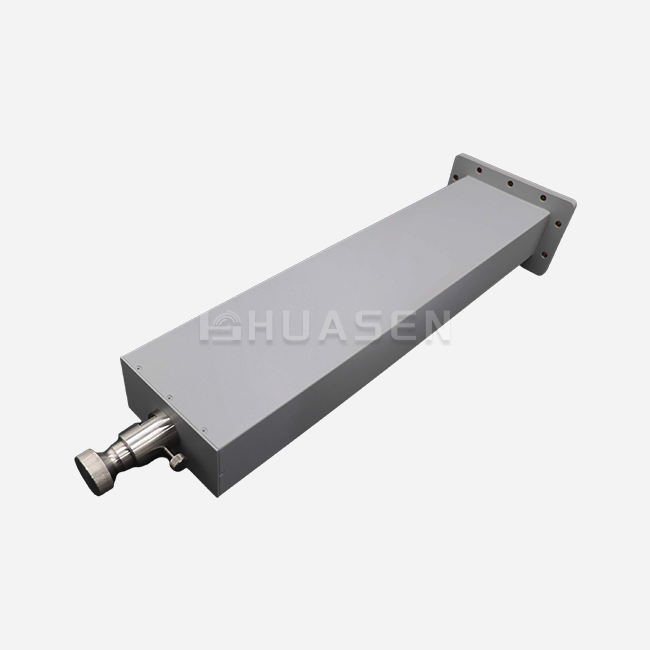
Our Circular Waveguide Terminations at Huasen Microwaves have a cone-shaped structure and bulk absorption material that effectively blocks a number of electromagnetic modes. This way of thinking about design meets a very important need in the industry: it handles the main TM01 mode while blocking higher-order modes that might cause unwanted resonances in sensitive systems.
Circular vs. Rectangular Design Distinctions
In some situations, circular waveguide terminations are clearly better than other types. Because they are symmetrical, they can be rotated without losing signal strength. This makes them perfect for radar antenna systems that need to rotate all the time. In circular waveguides, the TM01 mode loses less energy over long distances than similar rectangular modes. This is an important factor in satellite ground stations and long transmission runs.
But terminating circular waveguide terminations is a special kind of technical problem. Since circular geometry can support mode rotation and ellipticity changes, mode purity becomes very important. These things must be taken into account in high-performance terminations by carefully controlling their dimensions and choosing the right materials. Our production methods keep tolerances very small so that the products work the same way across the whole frequency range of 1.76–116 GHz.
Material Selection and Electromagnetic Properties
The choice of absorbing material has a direct effect on efficiency. Specially made loaded epoxies and silicon carbide composites have the dielectric qualities needed to efficiently turn electromagnetic energy into heat energy. These materials need to have stable properties at all temperatures and be able to handle constant power loss without breaking down.
When building a metal housing, high-conductivity materials like oxygen-free copper or silver-plated aluminum are often used. With their high thermal conductivity, these metals move heat away from the collecting part while staying true to their exact dimensions. Surface processes stop oxidation that could weaken the electrical connection at the waveguide interface. This makes sure that the device will work reliably for a long time in difficult conditions.
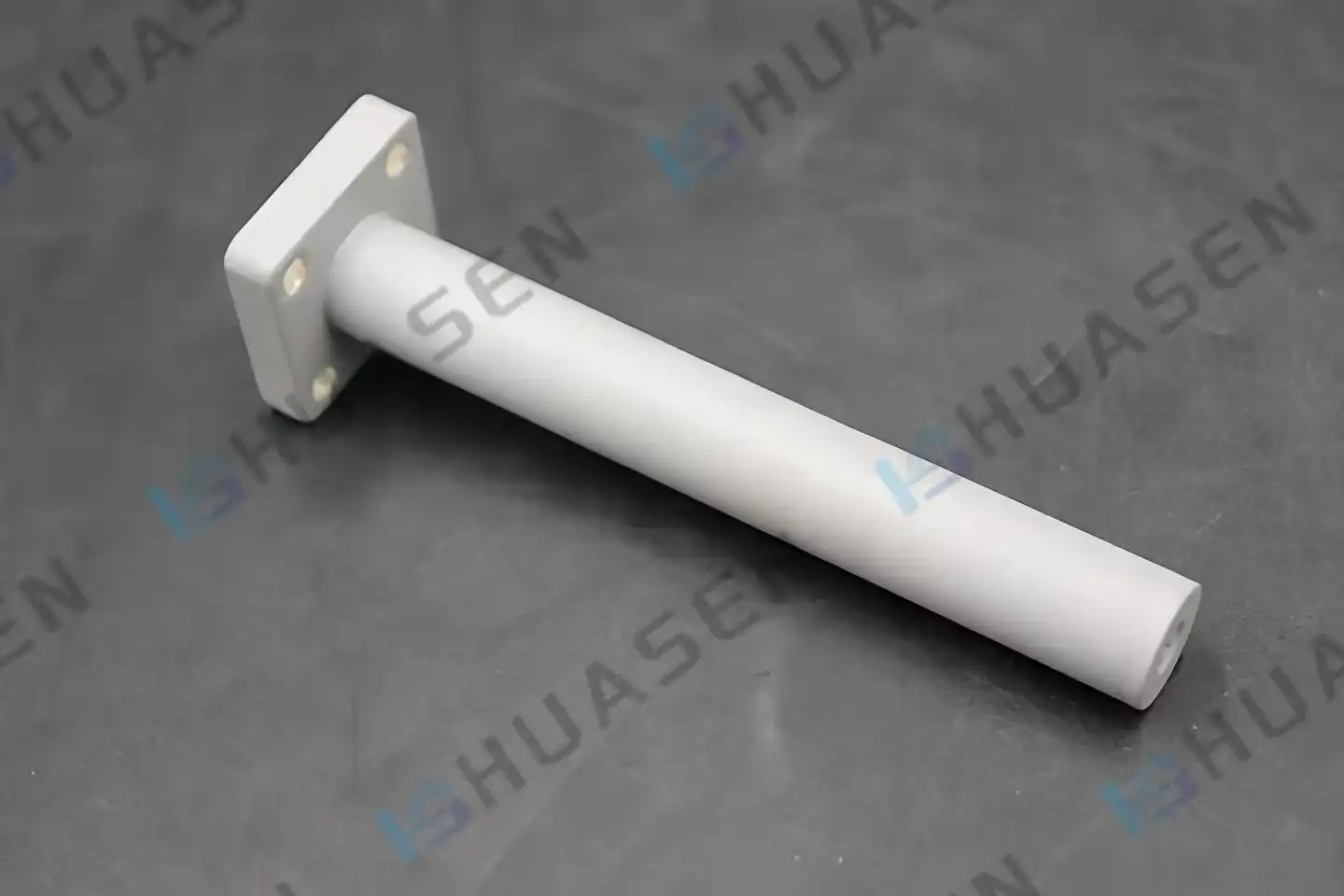
Comparing Circular Waveguide Termination Solutions
To choose the right circular waveguide termination, you need to know how the different methods affect efficiency. There are a number of different methods on the market, and each has its own strengths that make it better for certain uses.
Performance Metrics That Matter
When looking at termination options, three factors are most important for making decisions about buying. The voltage standing wave ratio (VSWR) measures how well the termination fits the resistance of the waveguide. Values close to 1.00:1 mean that the performance is better. Our terminations get VSWR ≤1.15 across the whole frequency range, which means they have a return loss of more than 23 dB. This level of efficiency makes sure that less than 1% of the power that hits the system is reflected back into it.
Power handling capability tells you how much constant and peak power the terminal can safely handle. Our continuous wave rating of 20 KW can handle high-power radar tests and commercial heating needs. The thermal management approach is also very important. It determines whether air cooling is enough or if liquid cooling is needed for long-term high-power operation.
Without changing the original meaning of my paragraph, add "Circular Waveguide Termination" to the following sentence: "Bandwidth availability changes how flexible a system is and how well it can handle goods. Broadband terminations cut down on the number of different parts that are needed, which makes system design easier and lowers the total cost of ownership. Because Huasen Microwave covers a wide range of frequencies, from 1.76 GHz to 116 GHz, customers can work with a single provider for all of their system bands, such as circular waveguide termination. This makes purchasing easier and makes sure that quality standards are always met."
Application-Specific Suitability
Waveguide terminations need to meet different standards for different uses. Earth stations for satellite communications need to be very stable over a long period of time, even when the sun is heating them up and cooling them down at night. Our terminations go through strict weather qualification tests to make sure they work in temperatures ranging from -55°C to +85°C, which meets the strict needs of outdoor applications.
To work with pulsed waves, military radar and electronic warfare systems need to be able to handle rapid peak power. The material that absorbs electricity must be able to handle changes in voltage without dielectric breakdown or arcing. We give our terminations full peak power derating curves so that engineers can safely figure out the operational margins they need for their particular duty cycles.
Measurement accuracy is important in both lab and field test settings. When used in calibration standards, terminations must keep their properties fixed over thousands of connection rounds. Precision-machined flange contacts and strong construction make sure that mechanical wear doesn't affect the electrical performance, so the measurement accuracy stays intact for the whole life of the part.
Procurement Guide for Circular Waveguide Terminations
To find the right circular waveguide termination, you have to think about technical specs, the supplier's skills, and the total cost. An organized way to evaluate vendors and choose products is helpful for procurement managers.
Technical Specification Verification
Clear needs are the first step to successful buying. Write down the frequency range, power level, type of contact flange, and environmental variables that your system requires. Suppliers should give full test results that show how well the VSWR works across the whole frequency range, not just average numbers at a few spot frequencies. Ask for proof of how the power is being handled through thermal imaging or readings of temperature rise in real-world working conditions.
Often, the ability to customize tells you whether a ready-made answer will work for you or if you need a custom design. Huasen Microwave can change the inner diameter to fit waveguide shapes or communication needs that aren't standard. This versatility is very helpful when adding parts to systems that are already in place or when improving performance for certain working modes. Our engineering team works with customers to improve specs and make sure that the product will work with other parts of the system.
Supplier Evaluation Criteria
Established companies with decades of experience have a lot of information that makes their products more reliable. Since its founding in 1993, Huasen Microwave has spent more than 30 years improving manufacturing methods and learning how to build high-frequency components. This institutional knowledge shows up in small design tweaks that make the difference between good performance and great performance.
Certification compliance shows that quality control systems work in a real way. For defense uses, look for sources that are still certified by ISO 9001 and follow the rules set out in MIL-STD-3928. These licenses show that every step of the manufacturing process is controlled by written procedures, which ensures that all production lots are the same. Ask for proof of conformance that includes full test results for every unit that is given, not just results from a batch.
Stability in the supply chain affects both the long-term access and the timeliness of projects. Check to see if the seller makes the parts themselves or hires other companies to do it. Companies that are vertically merged, like Huasen Microwave, have a better handle on quality and shipping times. Precision machining, plating, assembly, and testing are all done in our production buildings under one roof. This way, we don't have to rely on outside sellers as much, which could cause delays.
Pricing and Lead Time Considerations
Understanding how prices are set can help you get the most out of your buying budget. The break points are different for each provider, but unit costs go down as demand goes up. Ask for full quotes with price levels so you can see where big savings for buying in bulk happen, such as for waveguide circular termination. To get bulk discounts and keep your inventory costs low, you might want to use blanket buy orders with planned releases.
Lead times depend on whether normal stock items meet your needs or if you need to make changes. Standard items from stock usually ship within days, but unique designs can take 6 to 12 weeks for engineering, prototyping, and quality testing. Talking to your source early on in the planning phase lets you work on different parts of the project at the same time, which can shorten the overall schedule. Huasen Microwave keeps popular setups in stock so that orders can be filled quickly, and they also offer fast custom engineering for projects that need to be done quickly.
Optimizing Performance in High Energy Systems
It's not enough to just choose high-quality parts for a system to work at its best; good fitting, thermal management, and system integration are also very important.
Thermal Management Strategies
Most termination apps can't handle constant power because of the heat that is released. The material that absorbs RF energy changes it into heat energy, which needs to be transferred to the surroundings so that temperatures don't rise too much. If the power level is less than a few hundred watts and the location is outside, convection cooling works well. Using the manufacturer's thermal resistance specs, figure out the needed temperature difference between the termination body and the air around it.
Active cooling methods are needed for higher power levels. Using thermal contact materials to attach terminations to heat sinks makes the paths of transmission better. Forced air cooling with fans can make convection heat movement three to five times faster. Liquid cooling is needed for uses that use more than a few kilowatts. You can order our high-power terminations with built-in cooling jackets that are made for closed-loop water or ethylene glycol flows. This lets them work at full rated power for a long time.
Installation Best Practices
Electrical efficiency is best when the mechanical work is done right. The sides of the flanges that fit together must be clean and free of any damage that could cause current routes with higher resistance. To prevent cross-threading of mounting hardware, use precision alignment pins during installation. Use a calibration-certified torque wrench to tighten bolts to the manufacturer's specifications. Not enough torque can let RF leak through, while too much torque can deform flanges and hurt the spread of contact pressure.
Sealing the environment keeps out water, which can change the dielectric qualities and cause rust. For installs outside, make sure that all contact parts have the right O-ring or gasket seals. When we make our terminations for harsh settings, we make sure they are sealed and include pressure release vents that let the internal temperature rise without letting liquid water or dust in.
Real-World Performance Validation
Validation testing makes sure that terminations work in real-world working situations, which is helpful for system integrators. Our waveguide circular termination was recently used by a big telecommunications equipment maker in their 5G millimeter-wave base station test systems. For the rollout, the peak power had to be 5 KW, and the measurement error from the end had to be less than 0.05 dB. After six months of constant operation with changes in temperature caused by climate control, VSWR measurements stayed within 0.02 of the original values. This shows that our designs are stable over time.
Conclusion
In high-energy microwave systems where dependability, speed, and accuracy cannot be sacrificed, circular waveguide terminations are essential components. To meet the technical standards for wide frequency coverage, excellent VSWR performance, high power handling, and resistance to environmental damage, it is important to carefully choose the components and work with a provider. Huasen Microwave has been making high-frequency parts for 30 years, so they have the knowledge and production skills that system integrators, test labs, and defense contractors need for mission-critical uses in the research, telecommunications, radar, and aerospace industries.
FAQ
1. What frequency ranges do circular waveguide terminations typically cover?
Circular waveguide terminations cover a wide range of frequencies, from low microwaves around 1.7 GHz to millimeter waves above 110 GHz. The exact range relies on the inner diameter of the waveguide. Larger diameters can handle lower frequencies, while smaller diameters can handle higher frequencies. Multi-octave bandwidth designs, such as Huasen Microwave's 1.76–116 GHz series, are very flexible, but designs that are designed for a smaller band may have slightly better VSWR performance in certain frequency ranges.
2. Can these terminations handle pulsed high-power applications?
How much power a pulse can handle depends on its duty cycle and pulse width. Our 20 KW continuous wave grade means that we can handle much higher peak power for short pulses. It is safe for microsecond pulses at a 10% duty cycle to reach 100 kW peak, as shown by typical derating graphs. The dielectric breakdown voltage of the material that absorbs becomes the determining force. Talking in detail with our application engineers makes sure that the specifications we give you are right for your waveform.
3. What customization options are available for specialized system integration?
Customization includes inner diameter sizes, flange interface types, frequency optimization, power rate increases through better thermal management, and weather hardening for harsh conditions. It goes beyond what's in our normal list. It is possible to add custom mechanical fastening features and surface finishes. Depending on how complicated the project is, development usually takes 8 to 12 weeks, and prototypes can be used for testing before committing to production amounts.
Partner with Huasen Microwave for Your Termination Needs
Huasen Microwave is ready to meet your Circular Waveguide Termination needs with their high-quality products and quick expert help. Our wide range of products, which includes those with VSWR ≤1.15 and power handling up to 20 KW, covers hard uses in the defense, research, and telecommunications sectors. As a Circular Waveguide Termination maker with more than 30 years of experience, we can make changes to meet the specific needs of your system, such as non-standard inner diameters and special weather grades. Email our engineering team at sales@huasenmicrowave.com to talk about your unique application needs, get full technical documentation, or set up sample evaluation units that show how committed we are to quality and performance.
References
1. Collin, R.E. (2001). Foundations for Microwave Engineering, Second Edition. McGraw-Hill, New York.
2. Leong, K.M. & Mazierska, J. (2002). "Precise Measurements of Q-factor and Resonant Frequency of Dielectric Resonators at Cryogenic Temperatures," IEEE Transactions on Microwave Theory and Techniques, Vol. 50, No. 9.
3. Saad, T.S. (1971). Microwave Engineers' Handbook, Volume 1. Artech House, Dedham, Massachusetts.
4. Clarricoats, P.J.B. & Olver, A.D. (1984). Corrugated Horns for Microwave Antennas. Institution of Engineering and Technology, London.
5. Montgomery, C.G., Dicke, R.H. & Purcell, E.M. (1948). Principles of Microwave Circuits. McGraw-Hill, New York (Reprinted by Institution of Engineering and Technology, 1987).
6. Pozar, D.M. (2011). Microwave Engineering, Fourth Edition. John Wiley & Sons, Hoboken, New Jersey.
Send Inquiry