Waveguide Detection Techniques for High-Frequency Systems






2026-06-09 21:52:38
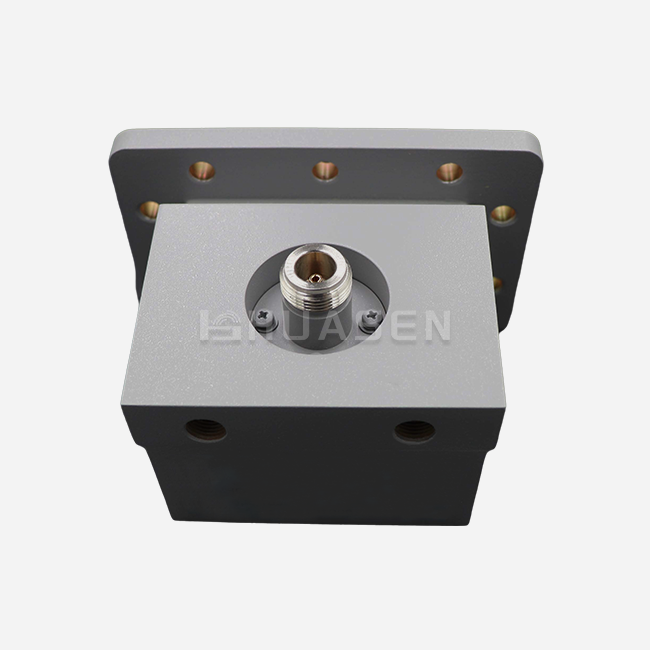
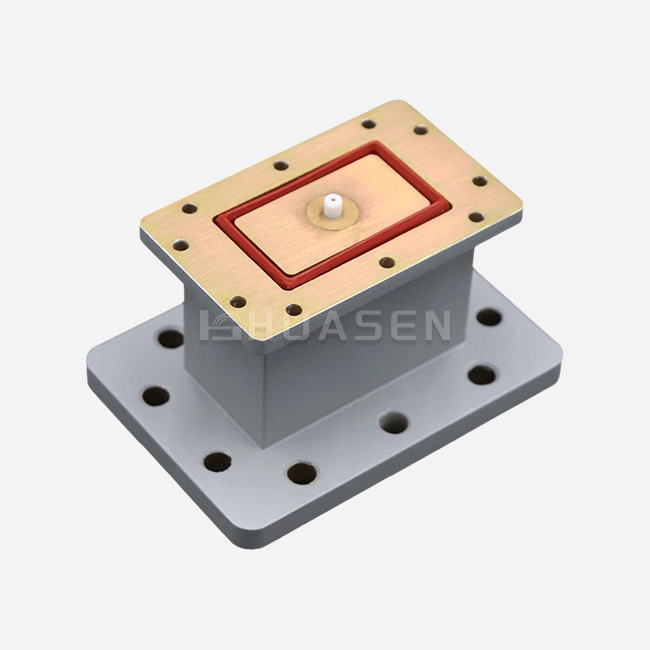
Waveguide Detection is an important part of current high-frequency RF and microwave systems. It lets engineers check the integrity of signals, find signs of dielectric breakdown, and keep systems reliable in tough situations. Detection systems can find problems like arcing, impedance mismatches, or mode conversion that hurt performance by using how electromagnetic waves travel through solid or dielectric waveguide structures. Specialized sensors, like optical viewports and acoustic transducers, are placed at key points along the transmission path to collect real-time data on power distribution, standing wave ratios, and thermal signatures. This makes sure that faults are quickly fixed before they become catastrophic.
Understanding Waveguide Detection: Principles and Technologies
The behavior of electromagnetic energy within constrained objects is the basis for waveguide detection. In contrast to coaxial lines, where signals move through concentric wires, waveguides confine energy within hollow metal tubes, allowing for specific modes of transmission that depend on the geometry and frequency. Methods of detection use these well-known field patterns to pick up on changes that are caused by things like pollution, physical damage, or electrical stress.
Reflection-Based Detection Methods
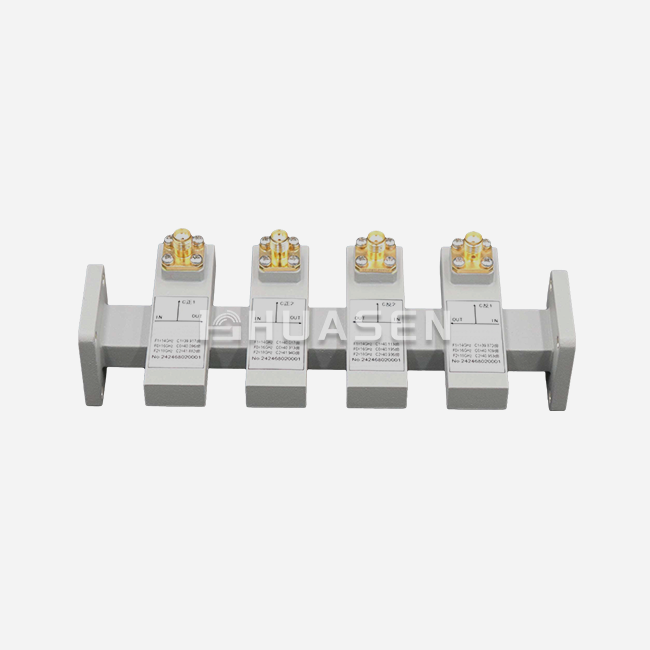
Using reflection methods, you can find out how much RF energy bounces back from the waveguide system breaks. A directional coupler measures both forward and backward power and figures out the VSWR (Voltage Standing Wave Ratio) to rate the quality of the impedance matching. When VSWR goes over accepted limits, which are usually 1.2:1 for precision uses, automated systems can sound alarms or shut down for safety. This method works especially well in base station front-end modules, where quick changes in load from antenna icing or connection corrosion could damage pricey solid-state amplifiers.
Time-domain reflectometry (TDR) is used in advanced reflection analysis to find faults within centimeters by sending short pulses down the waveguide and studying the return echoes. During installation testing, telecommunications system designers use TDR to quickly find misaligned flanges or internal debris before turning on high-power receivers.
Transmission and Scattering Analysis
Transmission-based monitoring checks for signal loss across waveguide parts by comparing the power levels of input and output to find degradation. Measurements of insertion loss show issues like rust on internal surfaces or water getting in and damaging dielectric windows. Vector network analyzers (VNAs) are used in laboratories to sweep across frequency bands and produce S-parameter data that accurately describes the efficiency of transmission down to the decibel level.
Analysis of scattering parameters goes beyond just measuring loss; it shows how energy pairs into forms that aren't wanted. When a waveguide changes from a rectangle to a circle, bad design can cause higher-order modes to be excited and spread out from seams or holes, causing electromagnetic interference. Engineers are alerted to manufacturing flaws or installation mistakes that affect signal purity by detection systems that watch for certain mode signs.
Optical and Acoustic Arc Detection
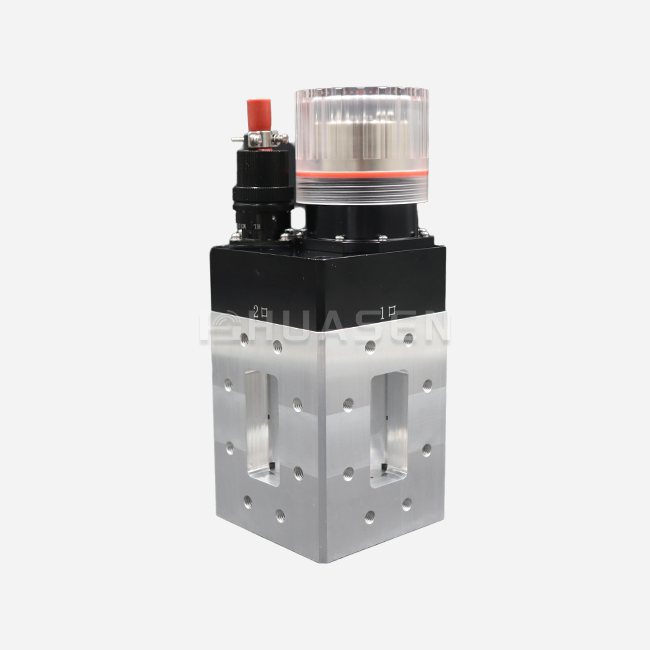
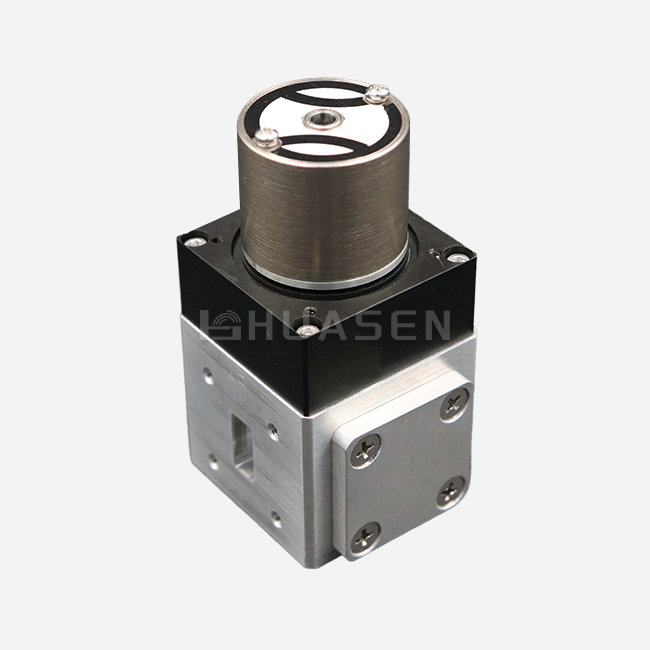
Dielectric breakdown, which causes arcing events that melt metal and make electrical plasma, can be very bad for high-power radar and industrial microwave systems. Arcing-detecting waveguides have viewports made of fused silica or sapphire that are not affected by the ultraviolet emissions that happen during the early stages of ionization. Photomultiplier tubes or avalanche photodiodes placed behind these screens start interlock circuits in microseconds, cutting power off before long-lasting sparks hurt resonant cavities or magnetron cathodes.
Other acoustic sensors pick up the pressure waves that are made when plasma grows quickly in small areas. When placed on waveguide flanges, piezoelectric sensors with waveguide detection pick up specific frequency signatures that can tell the difference between arc events and mechanical movements from motors or cooling fans. This two-mode method, which uses both optical and audio channels, cuts down on false positives in noisy industrial settings while keeping reaction times for protection below five microseconds.
Comparing Waveguide Detection Methods: Making the Right Choice for Your Needs
To choose the right monitoring technology, you have to weigh the need for speed against the difficulty of implementation and the total cost of ownership. Depending on the working situation, different methods offer different benefits.
Hardware Versus Software Solutions
Usually, hardware-based detection uses analog circuits, with directed couplers feeding crystal detectors that make DC voltages that are proportional to the RF power. These systems react quickly and have low latency, but they don't give you a lot of options for diagnosing problems. To change the threshold, you have to change the real parts, and the data-logging features are still very basic.
Software-defined detection systems take sampled RF signals and turn them into digital signals using digital signal processing techniques to get multiple parameters at the same time. VSWR, harmonic distortion, phase noise, and modulation quality can all be tracked from a single point of tracking. Data is sent to central screens so that trends can be analyzed. Modern FPGA-based systems have delays on the order of nanoseconds, but their security reaction times are still fast enough for most applications. They also allow predictive maintenance through machine learning models that find performance degradation over time.
Performance Benchmarks Across Industries
When it comes to tracking, mobile communications infrastructure needs different features than aircraft radar systems. Base station builders like to use ruggedized passive detection hardware that can withstand years of being outside in temperatures ranging from -40°C to +65°C and constant tracking with short maintenance intervals. Operating power levels stay below critical arcing limits in pressurized waveguide runs, so sensitivity needs to stay modest.
When defense radar is used, it puts a lot of stress on monitoring systems. Peak power waves that reach megawatts in nanosecond bursts stress dielectric materials and connector contacts. In order for detection circuits to keep mission readiness high, they must be able to tell the difference between regular high-power operation and problems that are just starting to show. Military standards require qualification testing and protection for electromagnetic pulse (EMP) under MIL-STD-810 environmental guidelines. This makes parts much more expensive, but makes sure they work reliably during important operations.
Laboratories and study centers need measurements to be as accurate as possible, not tough. Precision VNAs with standardized test ports describe prototype parts over a range of temperatures and power levels, creating files for computer model validation. Rental programs from companies like Keysight Technologies let academics use six-figure instruments for certain parts of a project without having to buy them outright. This makes the best use of the budget by spreading it out among several research programs.
Financial Considerations and ROI Analysis
Procurement managers have to weigh the costs of investing in tracking systems against the costs of failure. A $15,000 arc monitoring system that keeps a $200,000 klystron amplifier safe is worth it because it stops one terrible event. Finding the financial level where safe monitoring gives a positive return on investment can be done by multiplying the mean time between failures (MTBF) for key components by the cost of replacement plus the cost of downtime.
Maintenance costs are very different for each technology. Over decades of use, passive directional couplers don't need to be calibrated, but optical arc detection systems need to clean their viewports every three months in dirty settings. Service contracts that include yearly calibration visits, extra sensor provisioning, and technical support hotlines add 15–25% to the cost of the hardware itself, but they ensure long-term performance in remote sites where unplanned failure is punished severely.
Procurement Guide: Selecting and Buying Waveguide Detection Systems
Before you can choose detection tools, you need to set operating parameters that limit the technologies you can use. Before hiring providers, engineering teams need to write down frequency ranges, power handling needs, environmental conditions, and connection interfaces.
Critical Technical Specifications
How well a sensor works with different waveguide sizes depends on its frequency range. X-band radar systems that work at 8–12 GHz need WR-90 waveguide connections with detecting ports that can handle basic TE₁₀ mode propagation. When you try to use Ku-band sensors in X-band apps, the coupling is off, and measurements are wrong. Broadband detection assemblies work better for multi-band systems that use both uplink (14–14.5 GHz) and downlink (10.7–12.75 GHz) bands, but they are less sensitive than narrowband optimized designs.
Dynamic range, which is the ratio between the highest safe power and the lowest signal that can be detected, must be taken into account in sensitivity requirements. A system that checks the output of a transmitter needs sensing circuits that can handle +60 dBm (1 kilowatt) peaks and still pick up milliwatt-level signals that mean the antenna is disconnected. This 60+ dB range is squished down by logarithmic amplifiers into voltage swings that can be handled for analog-to-digital conversion. This keeps measurement uniformity even at the very ends of the operating range.
Environmental factors need to be carefully thought out when used outside or on the go. IP67-rated shelters keep out dust and water for a short time, making them good for coastal base stations that get hit by salt spray and summer rains. For aerospace uses, altitude qualification is needed to make sure that the system works reliably when the air pressure drops to 10% of sea level. This stops corona discharge at high-voltage bias points inside detection units.
Evaluating Suppliers and Service Capabilities
Companies like Honeywell and Siemens have been making RF engineering products for decades and have product lines that meet international standards like ISO 9001 quality management and RoHS hazardous chemical limits. Their large distribution networks make it easy to get local expert support and replacement parts quickly, which is very helpful when keeping installations that are spread out across the country.
Manufacturers of specialized waveguide components, like Huasen Microwave Technology, are experts in unique frequency bands and waveguide shapes that aren't common. Huasen was founded in 1993 and blends traditional precision machining with modern computational electromagnetics. They make custom detection systems for millimeter-wave applications (60–110 GHz) where there aren't many off-the-shelf choices. Their tech teams help with planning how to integrate systems and provide test data that shows how well systems work in specific working conditions for each client.
Flexibility in procurement goes beyond just buying something. Leasing programs for equipment spread the costs of capital over daily budgets and include ways to upgrade as detecting technology improves. Rental agreements work well for short-term projects like tests for network rollout or short-term increases in capacity during busy times. Comprehensive service agreements include preventative maintenance, emergency repair and reaction, detection, and protection against obsolescence, which means that new parts will still be available even after the product is no longer made.
Conclusion
In the telecommunications, aerospace, and industrial sectors, waveguide detection methods are a crucial part of effective high-frequency system function. To match recognition methods to specific application needs—balancing sensitivity, reaction speed, environmental toughness, and cost—you need to know about both the physics behind them and how they can be used in real life. As technology improves, systems move toward higher frequencies, higher power densities, and tighter integration. At the same time, detection technologies must also get better, adding intelligent analytics and predictive features that turn monitoring from just setting alarms into full system health management. Companies that make procurement decisions that take these new skills into account will be able to stay ahead of the competition by being more reliable and efficient.
FAQ
1. How does waveguide detection accuracy compare to coaxial monitoring systems?
Due to lower loss and better mode purity, waveguide detection usually gets higher accuracy at microwave and millimeter-wave frequencies. Shield current mismatches and dielectric losses that get worse with frequency happen in coaxial wires, making measurements less accurate. Waveguide directivity, which is the ability to tell the difference between forward and backward power, is usually higher than 40 dB at X-band, while it is only 30 dB for coaxial directional couplers. This means that VSWR readings are more accurate.
2. Can detection systems operate reliably in harsh maritime or aerospace environments?
Purpose-built detection systems meet strict environmental requirements, such as being exposed to salt fog according to MIL-STD-810 Method 509, being tested for vibrations according to DO-160 airplane standards, and going through temperature changes from -55°C to +125°C. Housings that are hermetically sealed with compressed dry nitrogen keep out moisture that could break down the dielectric, and conformal coatings on circuit parts stop corrosion. Regular validation testing makes sure that performance stays high even as external stress builds up.
3. What customization options exist for unique frequency bands or power levels?
Specialized companies make monitoring systems that work with non-standard frequencies, such as sub-6 GHz bands for new wireless standards, W-band (75–110 GHz) for car radar, and terahertz frequencies for scientific study. Power handling ranges from milliwatts in receiver safety circuits to megawatts in particle accelerator RF systems. This is made possible by choosing the right waveguide size, viewing material, and cooling features. Custom flange connectors can work with unique connection standards or setups that are limited by area.
Partner with Huasen Microwave for Advanced Waveguide Detection Solutions.
To get the best performance from your high-frequency infrastructure, you need detection tools that are designed to work with your working factors and environmental obstacles. Huasen Microwave Technology has been a leader in precision waveguide components and millimeter-wave systems for over 30 years. They work with research institutions, military contractors, and telecommunications companies all over the world. Our engineering team works directly with the people involved in your project to design detection systems that meet all of your specific needs for frequency coverage, power handling, and integration. These needs can be for anything from standard X-band configurations to special terahertz instrumentation.
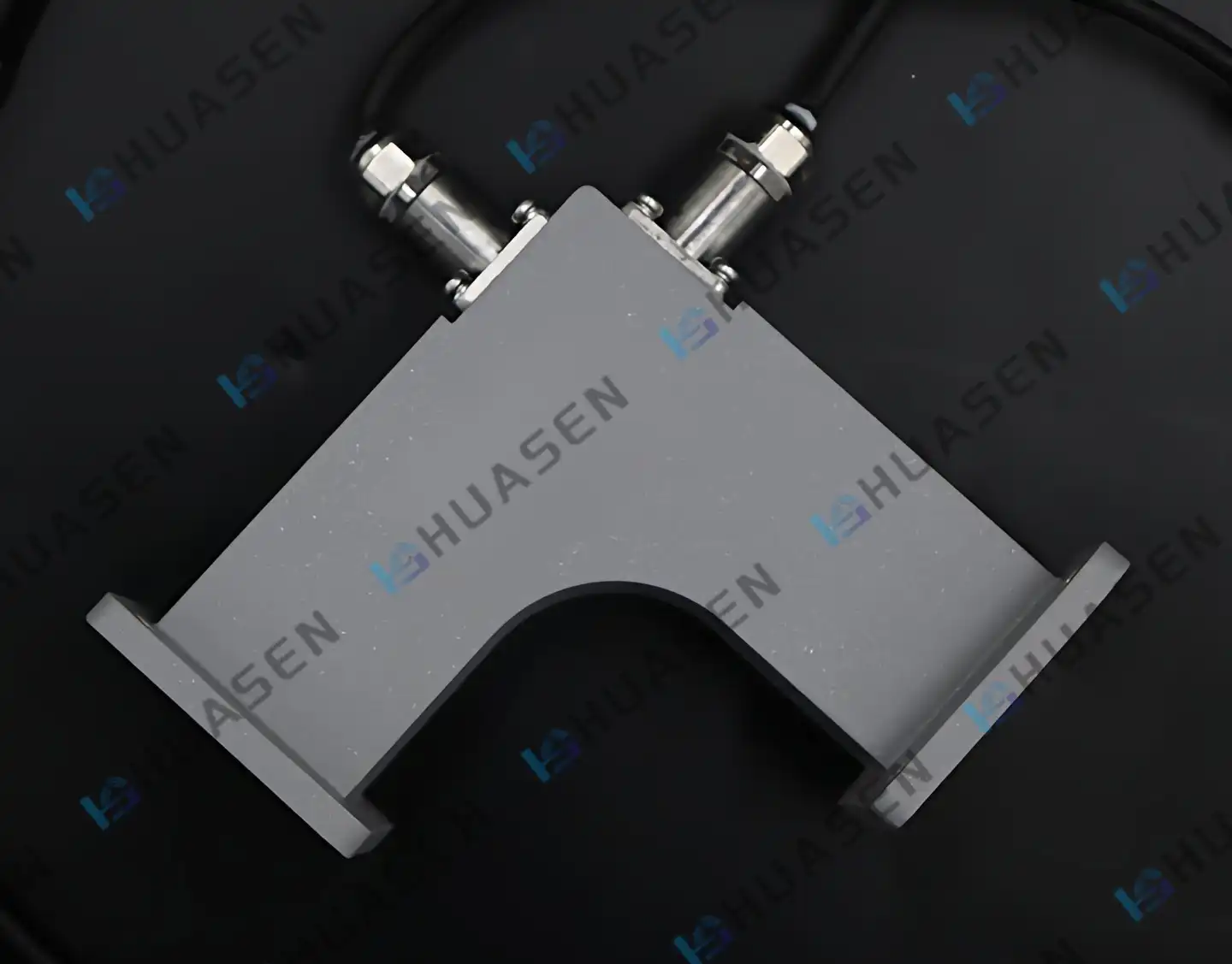
We make full arcing detecting waveguides with UV-clear sapphire viewports that keep the VSWR below 1.10:1 and protect expensive amplifiers and resonant cavities. Transition components make sure that different waveguide sizes and media types can be used together without any measurement mistakes. Whether you're looking for a reliable waveguide detection supplier to buy in bulk or need help making prototypes for next-generation systems, our quick technical support and flexible business models, such as sample evaluation programs and faster manufacturing, will help you get your systems up and running faster.
Email our applications tech team at sales@huasenmicrowave.com to talk about the recognition problems you're having. We offer thorough technical specs, test data documentation, and personalized quotes within 48 hours. Our high quality standards are backed by ISO 9001 and RoHS compliance certifications. Find out how Huasen Microwave's precision-engineered monitoring solutions can make your system more reliable and give you more trust in your operations.
References
1. Pozar, David M. Microwave Engineering, 4th Edition. Hoboken: John Wiley & Sons, 2012.
2. Ragan, George L. Microwave Transmission Circuits. MIT Radiation Laboratory Series, Vol. 9. New York: McGraw-Hill, 1948.
3. Saad, Theodore S. Microwave Engineers' Handbook, Volume 1. Dedham: Artech House, 1971.
4. Montgomery, Carol G., Robert H. Dicke, and Edward M. Purcell. Principles of Microwave Circuits. IET Electromagnetic Waves Series 25. London: Peter Peregrinus Ltd, 1987.
5. Collin, Robert E. Foundations for Microwave Engineering, 2nd Edition. New York: IEEE Press, 2001.
6. Ishii, Thomas Koryu. Handbook of Microwave Technology: Components and Devices, Volume 1. San Diego: Academic Press, 1995.
Send Inquiry