
Home / Blog
Blog
0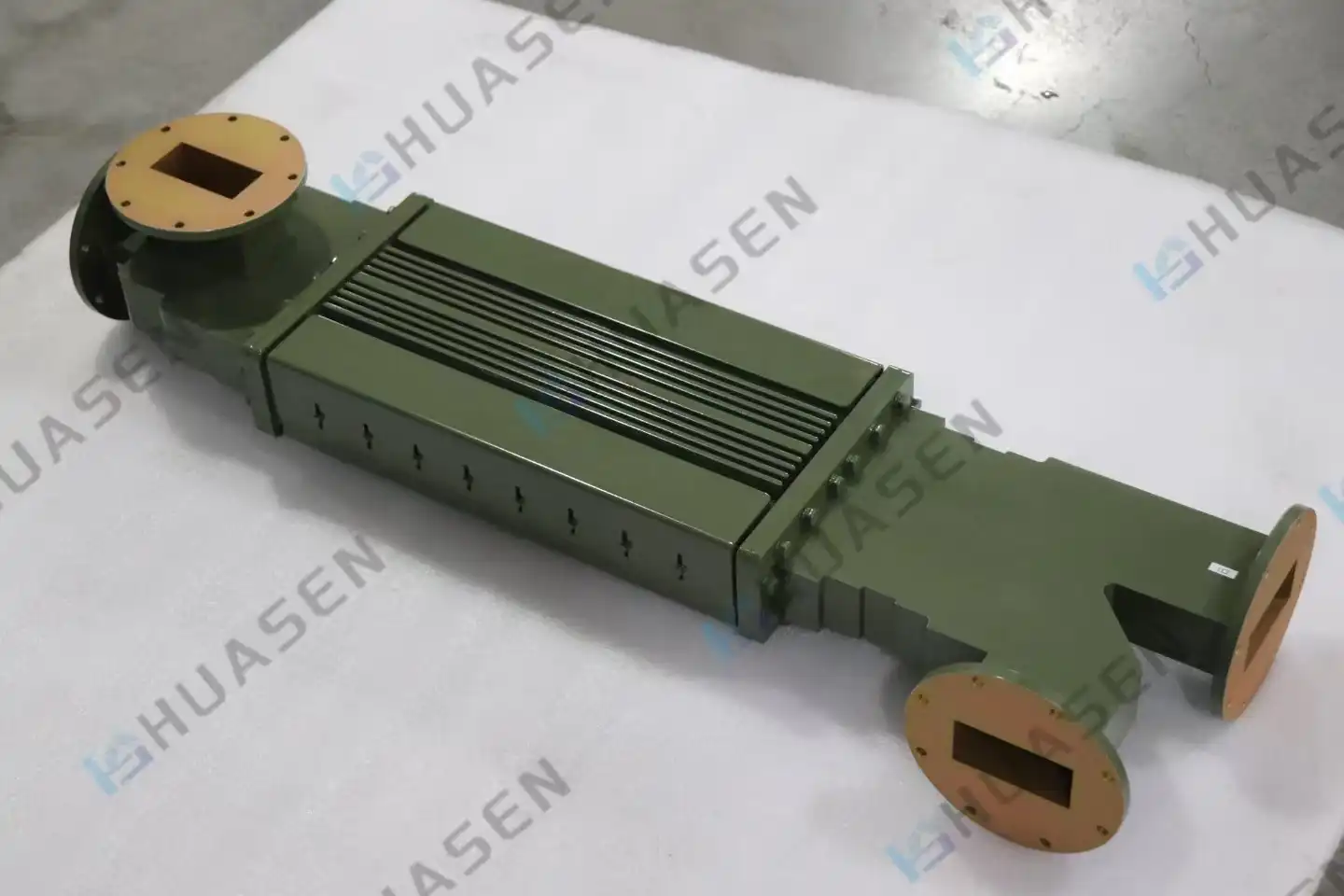
Waveguide Circulator vs Isolator Comparison Guide
Engineers often have to make a tough choice when they're making high-frequency communication systems: should they use a waveguide circulator or an isolator? Both devices protect important equipment in non-reciprocal ways, but they do so in very different ways. A Waveguide Circulator sends messages in a certain order through three or more ports, letting them send and receive at the same time. On the other hand, an isolator only lets signals run in one direction and stops them from going the other way. System designers can choose the best part for base stations, radar sites, satellite terminals, and test equipment by understanding these differences. These are the places where power handling, insertion loss, and environmental durability are most important.VIEW MORE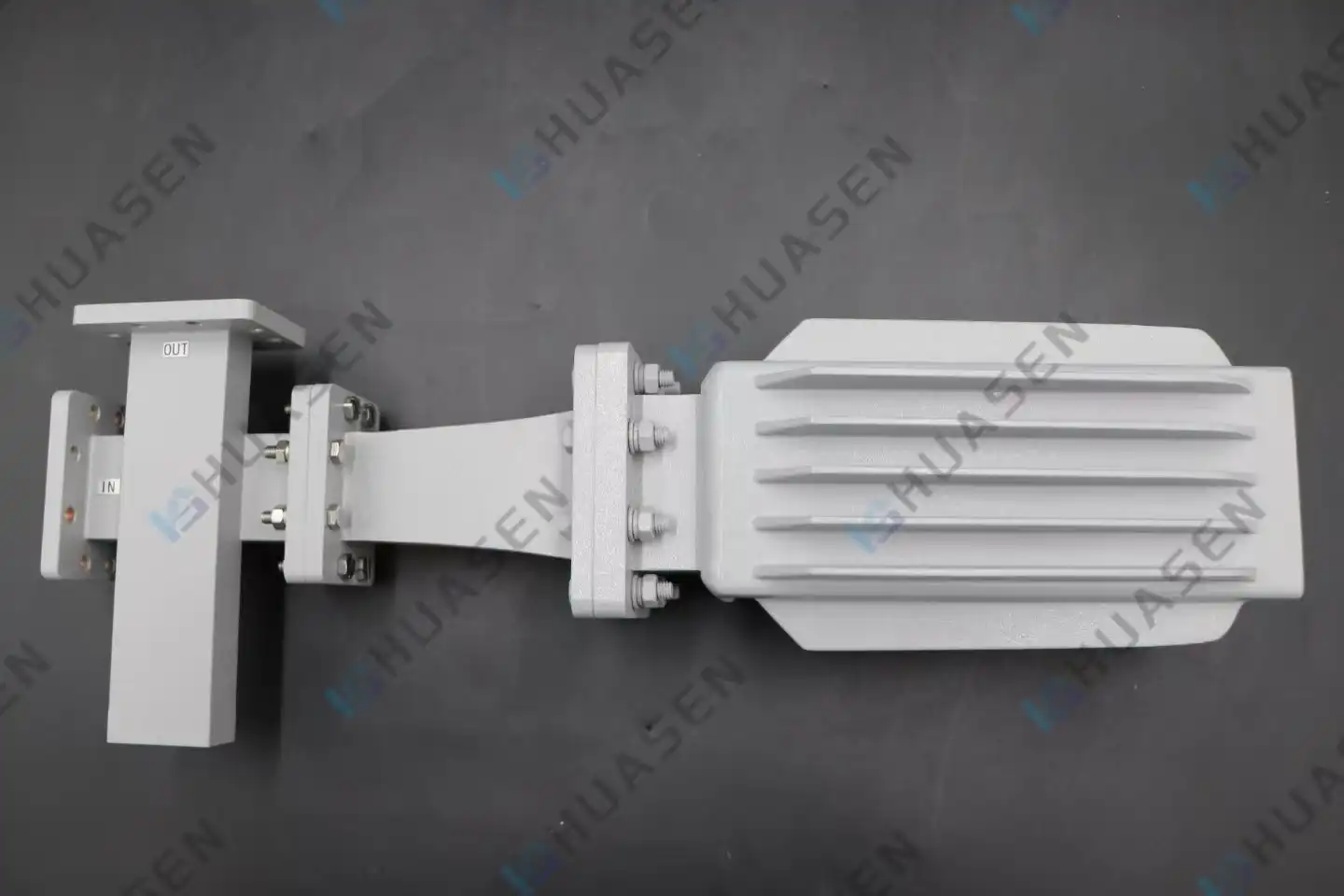
Waveguide Attenuator Applications in High Power Labs
Waveguide Attenuators are very important in high-power labs because they keep microwave and radio frequency signal strengths in check and keep expensive measuring tools from getting damaged. In a waveguide transmission line, these precise parts soak up electromagnetic energy. This lets engineers try radar systems, satellite communication links, and 5G base station parts in a controlled environment. Waveguide Attenuators can handle kilowatts of peak power because they are made of strong metal and better at removing heat than cable options that have trouble with thermal breakdown at high power levels. Choosing the right attenuation solution has a direct effect on the accuracy of measurements and the life of the equipment, whether you're calibrating a vector network analyzer or modeling signal fading in a military radar test bench.VIEW MORE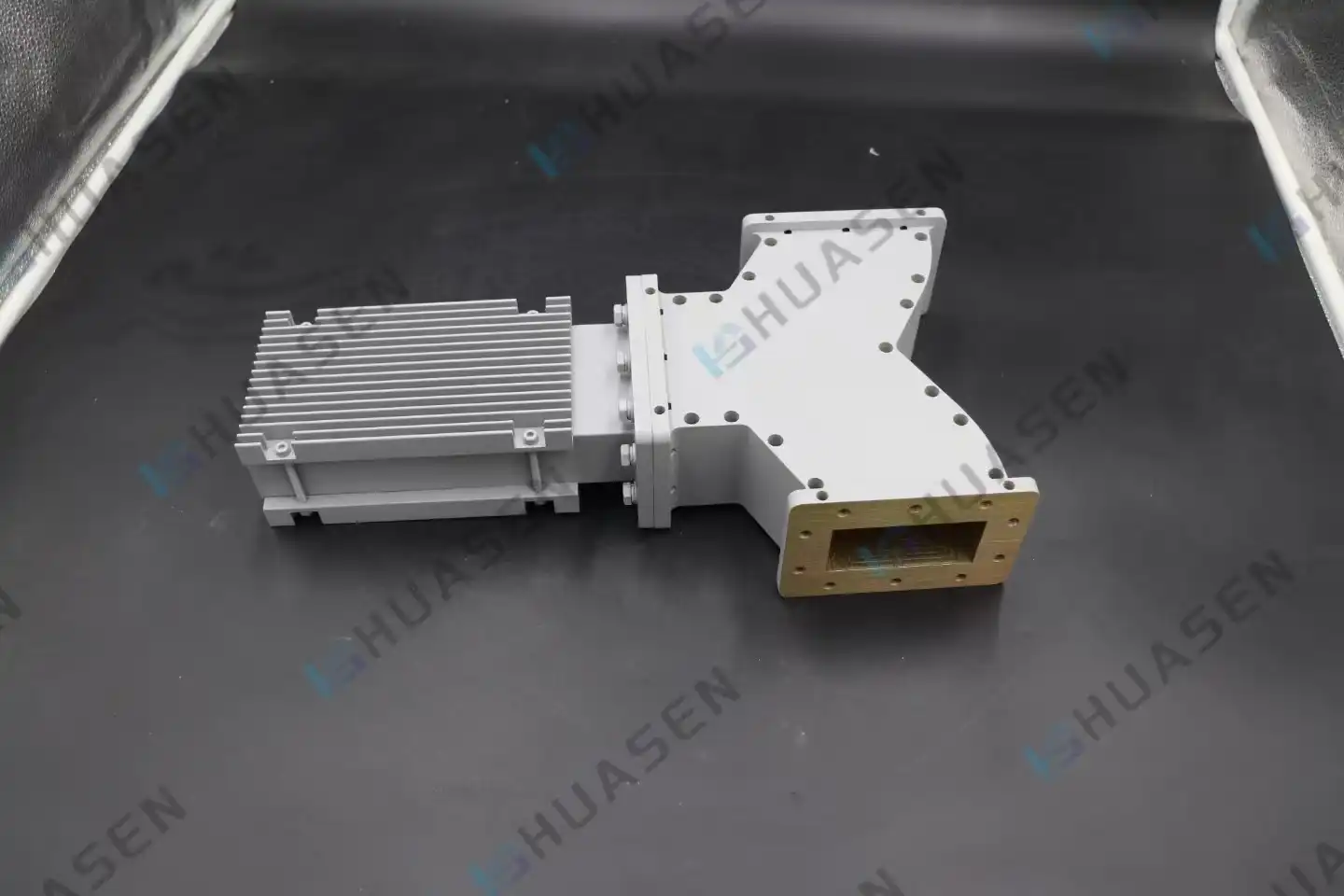
Choosing Waveguide Isolator for High Power Systems
There are a lot of technical and practical factors that need to be carefully thought through when choosing a waveguide isolator for high-power systems. These ferrite devices don't work the other way around, so they keep signals intact in demanding situations while protecting sensitive RF sources from damaging reflected power. When designing a 5G base station, a satellite ground terminal, or a military radar system, the isolator you choose has a direct effect on how reliable the system is, how much it costs to run, and how well it works overall. When engineers and procurement teams understand how power handling, insertion loss, isolation level, environmental resilience, and procurement processes all work together, they can make choices that are confident in their knowledge and that maximize both short-term functionality and long-term value.VIEW MORE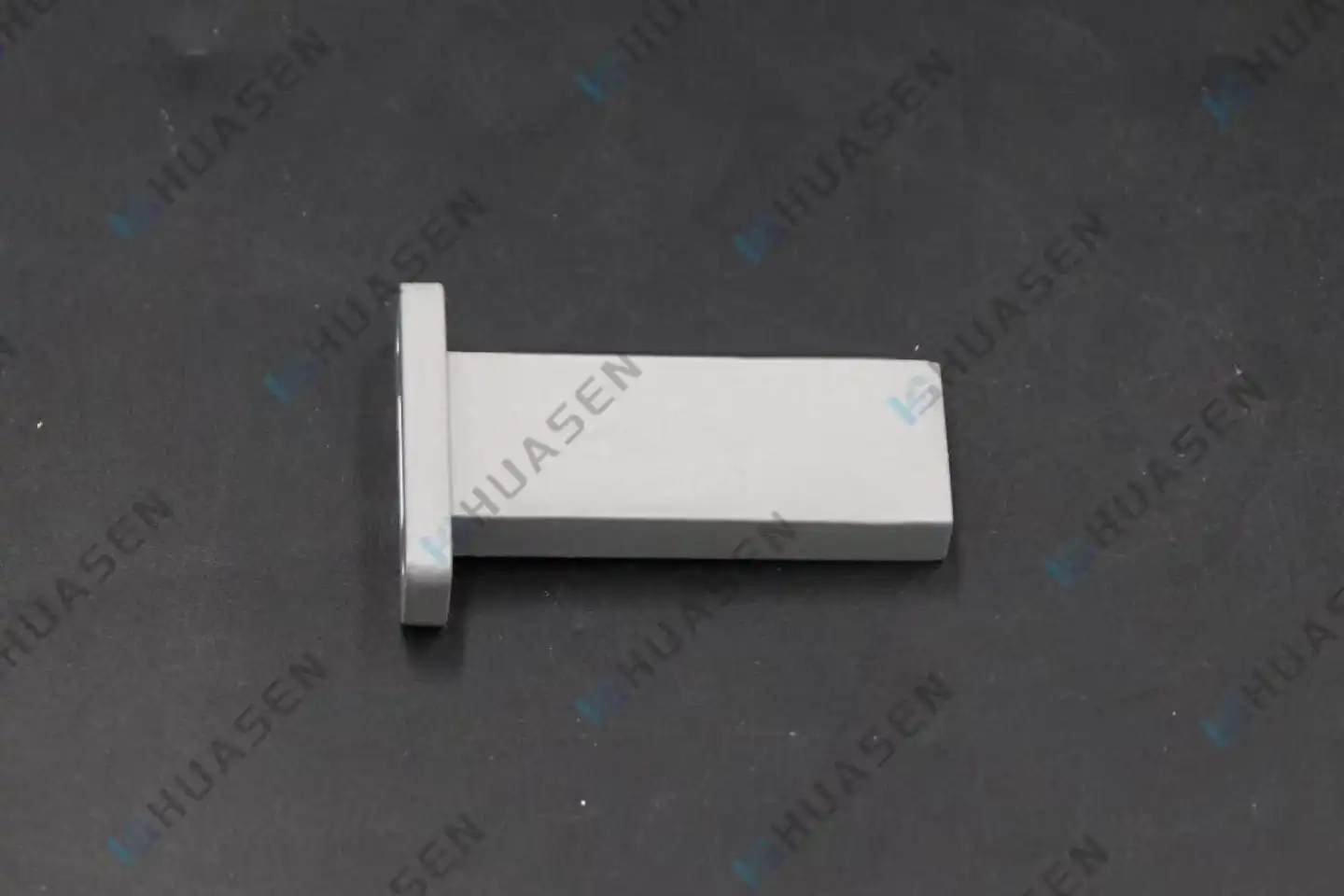
Waveguide Termination Cooling Methods and Limits
Keeping heat loads under control in waveguide termination devices is a big problem for engineers working on radar, telecommunications, and satellite communication systems. A waveguide termination takes in electromagnetic energy and turns it into heat. This stops harmful reflections that could hurt sensitive emitters like TWTAs and solid-state amplifiers. How well cooling methods work has a direct effect on how much power they can handle, how reliably they work, and how long parts last. To choose the right thermal management strategies, like passive convection, liquid cooling, or hybrid systems, you have to balance things like power levels, frequency ranges, environmental conditions, and cost, all while keeping strict VSWR requirements below 1.15:1 for most industrial uses.VIEW MORE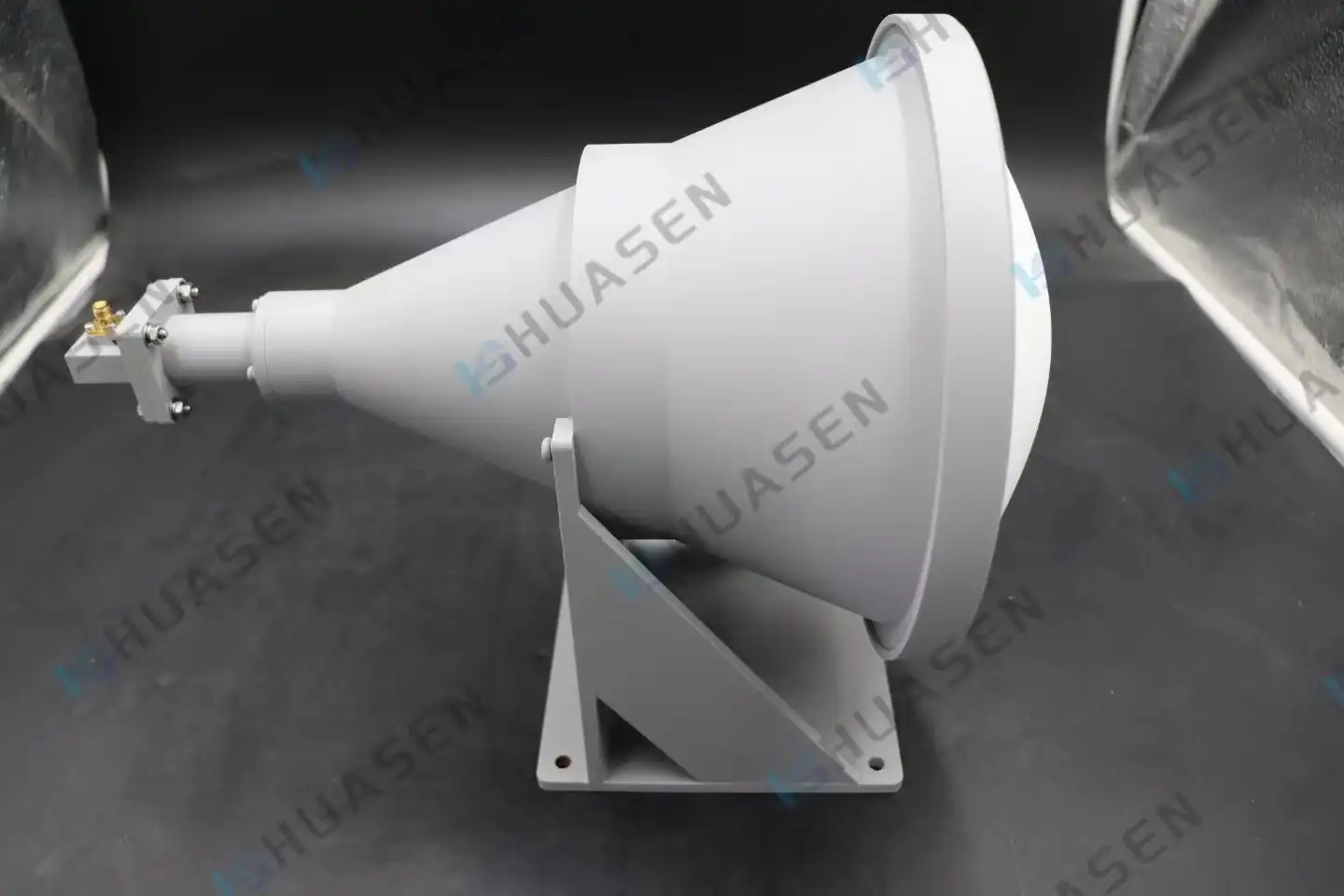
How to Integrate Lens Horn Antenna Into Test and Measurement Setups
To use a Lens Horn Antenna in test and measurement setups, you need to make sure that the antenna's capabilities match up with the needs of the system. These special antennas use dielectric lenses and horn structures to change circular wavefronts into flat outputs. They do this by getting high gain and directivity in small spaces. To do integration right, you need to match frequency bands, make sure the hardware is stable, follow calibration methods, and check the quality of the signal to meet strict measurement standards in fields like millimeter-wave radar assessment and validating 5G base stations.VIEW MORE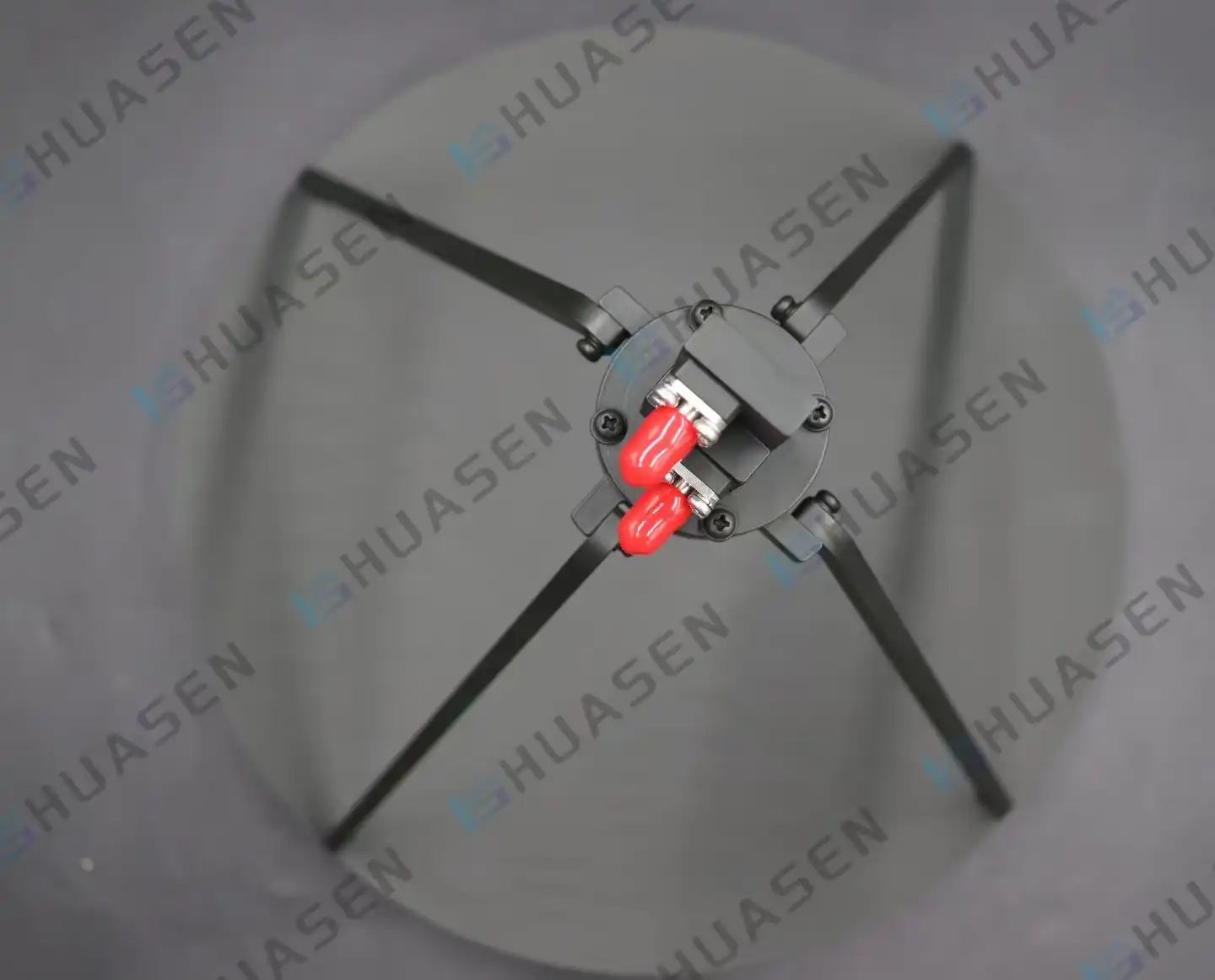
What Is Parabolic Antenna and How It Focuses RF Energy?
To direct radio frequency energy at a single place called the focal point, a Parabolic Antenna uses a curved reflector with a mathematically precise parabolic shape. When broadcasting, the feed horn at this focal point sends out RF waves that hit the surface of the reflector and move forward in a very focused beam. This makes the signal stronger and farther away. When it receives, the reflector gathers incoming RF energy across its full opening and focuses it on the feed horn. This makes reception much more sensitive and cuts down on noise disturbance.VIEW MORE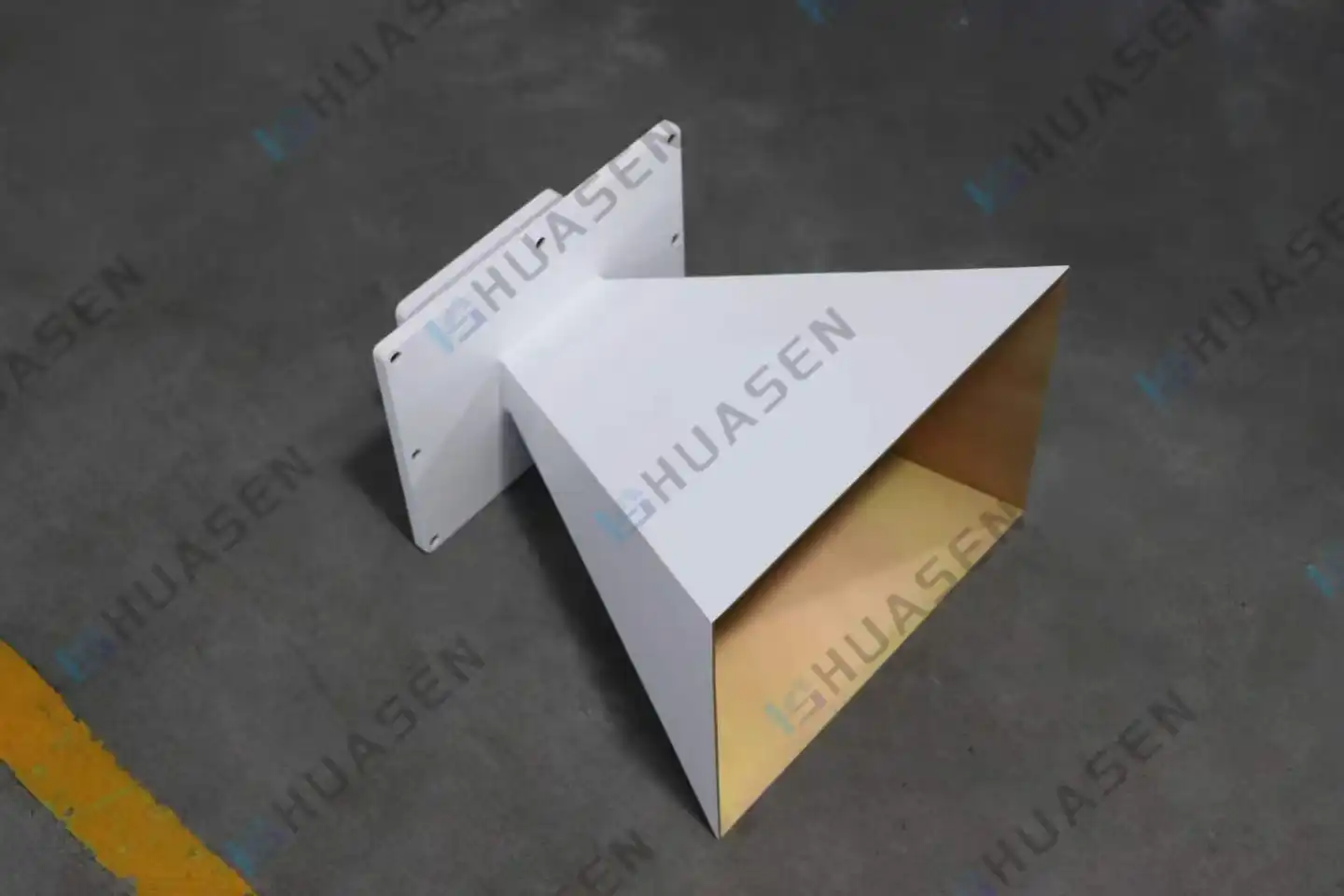
Advanced Uses of Pyramidal Horn Antenna in Communication Systems
Pyramidal Horn Antennas are still very important in current communication systems because they provide accuracy, direction, and dependability in a wide range of situations. Through a carefully planned curved structure, these devices change waveguide impedance to free-space impedance, reducing echoes while increasing power transfer. Pyramidal Horn Antennas help system designers solve important problems every day related to measuring accuracy and signal integrity. These problems can be found in everything from calibrating next-generation 5G infrastructure to serving military radar and satellite ground stations.VIEW MORE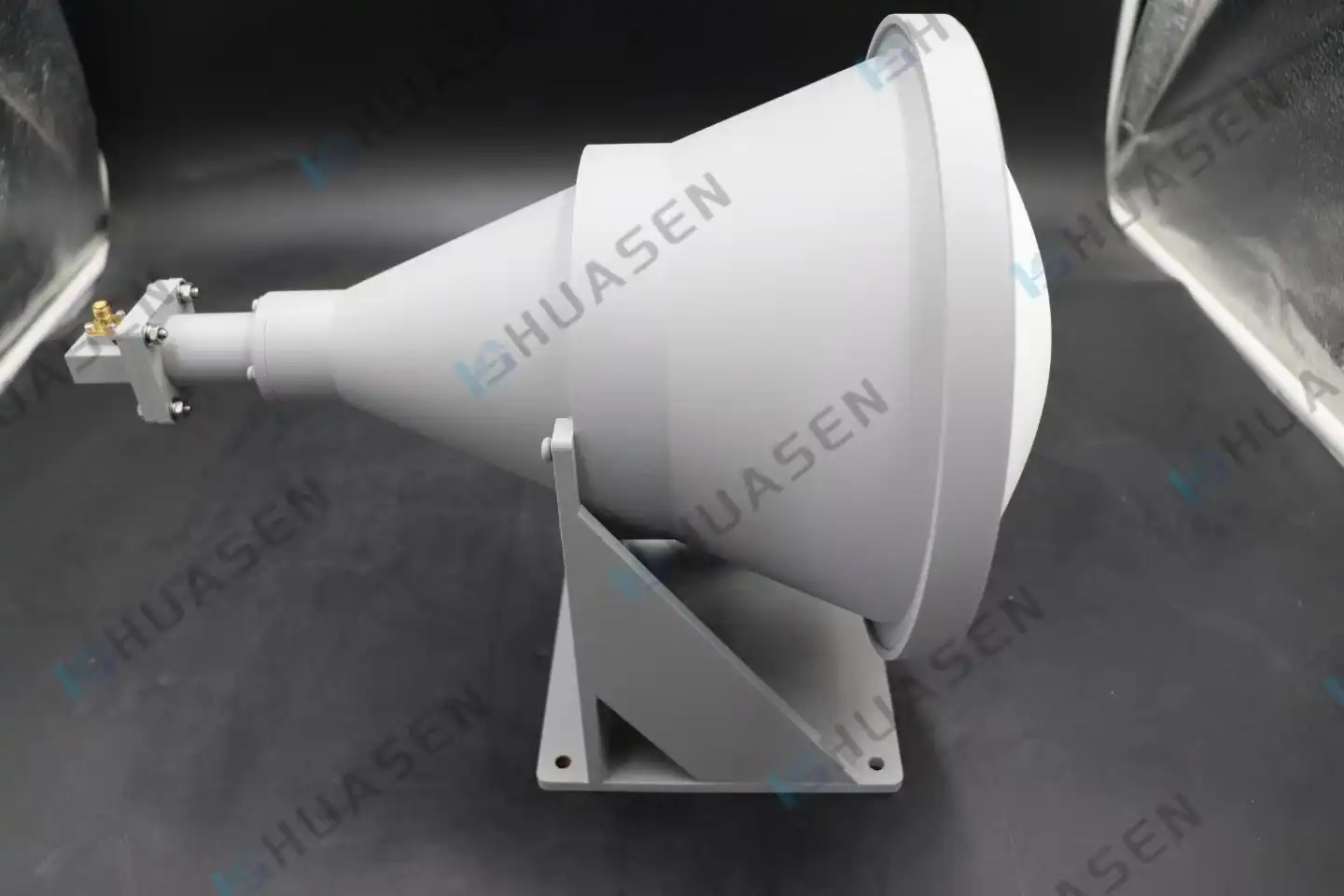
What Is Lens Horn Antenna and How It Enhances Antenna Gain?
A Lens Horn Antenna is a special kind of high-gain radio device that has a precision-engineered dielectric lens built into the opening of a normal horn structure. This antenna doesn't use a normal horn, which makes spherical wavefronts that cause phase mistakes and low gain. Instead, it uses a hyperbolic or plano-convex lens made from low-loss materials like PTFE or Rexolite to focus electromagnetic waves. At the aperture exit, this process changes spherical wavefronts into flat ones. This greatly improves directivity while keeping the dimensions small. The design solves important problems in millimeter-wave uses where signal efficiency and limited space are very important.VIEW MORE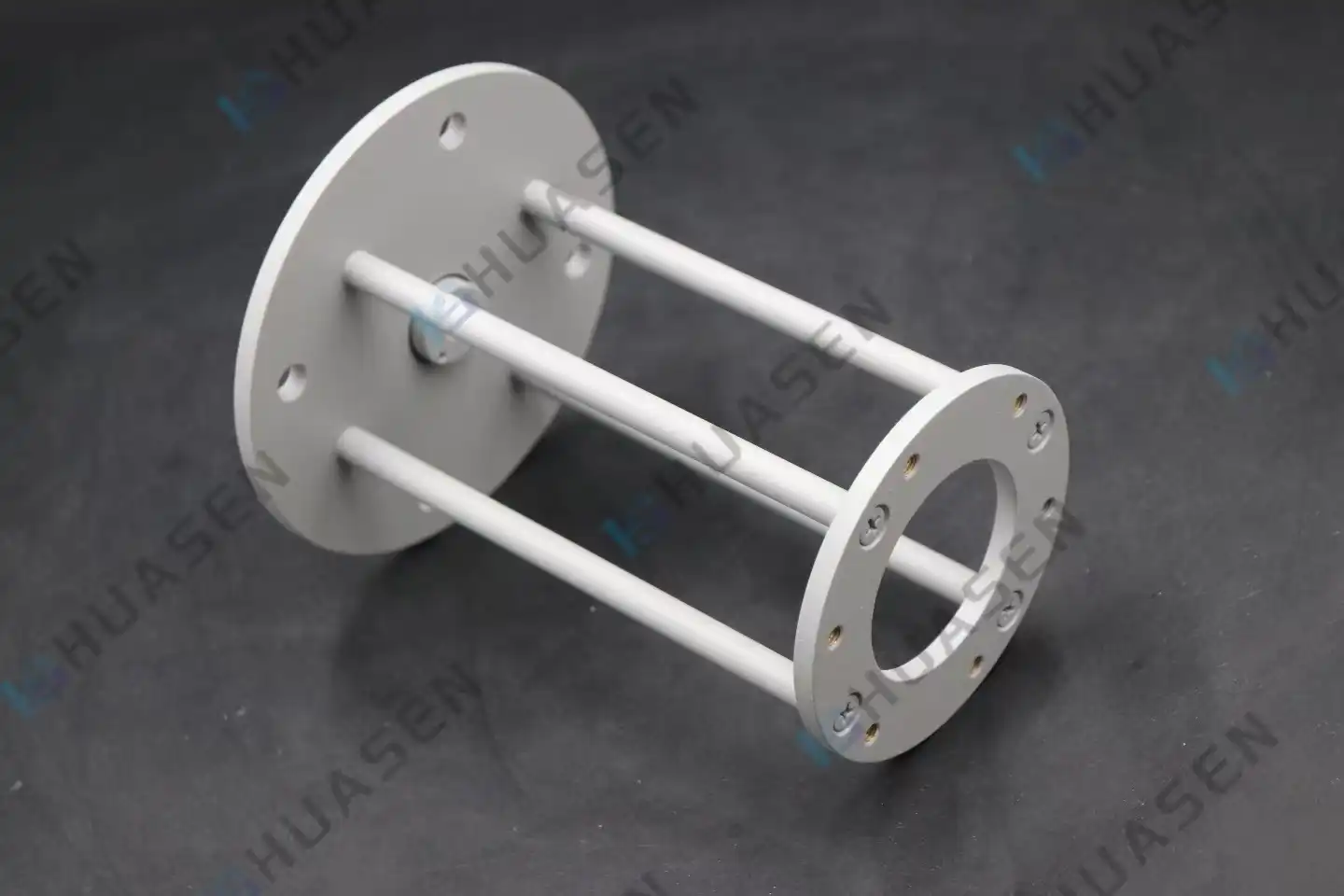
Antenna Mounting Trends in Modern Communication Projects
Modern communication infrastructure has made Antenna Mounting a strategic goal because it affects everything from the quality of the signal to the life of the system. Today's mounting systems have to deal with a lot of complicated technical issues, like how to send high-frequency radio waves, protect against weather stress, and support antenna arrays that are getting smaller but stronger. As 5G networks grow and more satellite communication systems are put in place, the hardware that holds these important parts in place has a direct effect on network downtime, beam accuracy, and running costs. To choose the best mounting option, you need to know about new developments in materials science, improvements in mechanical design, and the best ways to place things so that they work reliably in a wide range of settings, from base stations to maritime platforms.VIEW MORE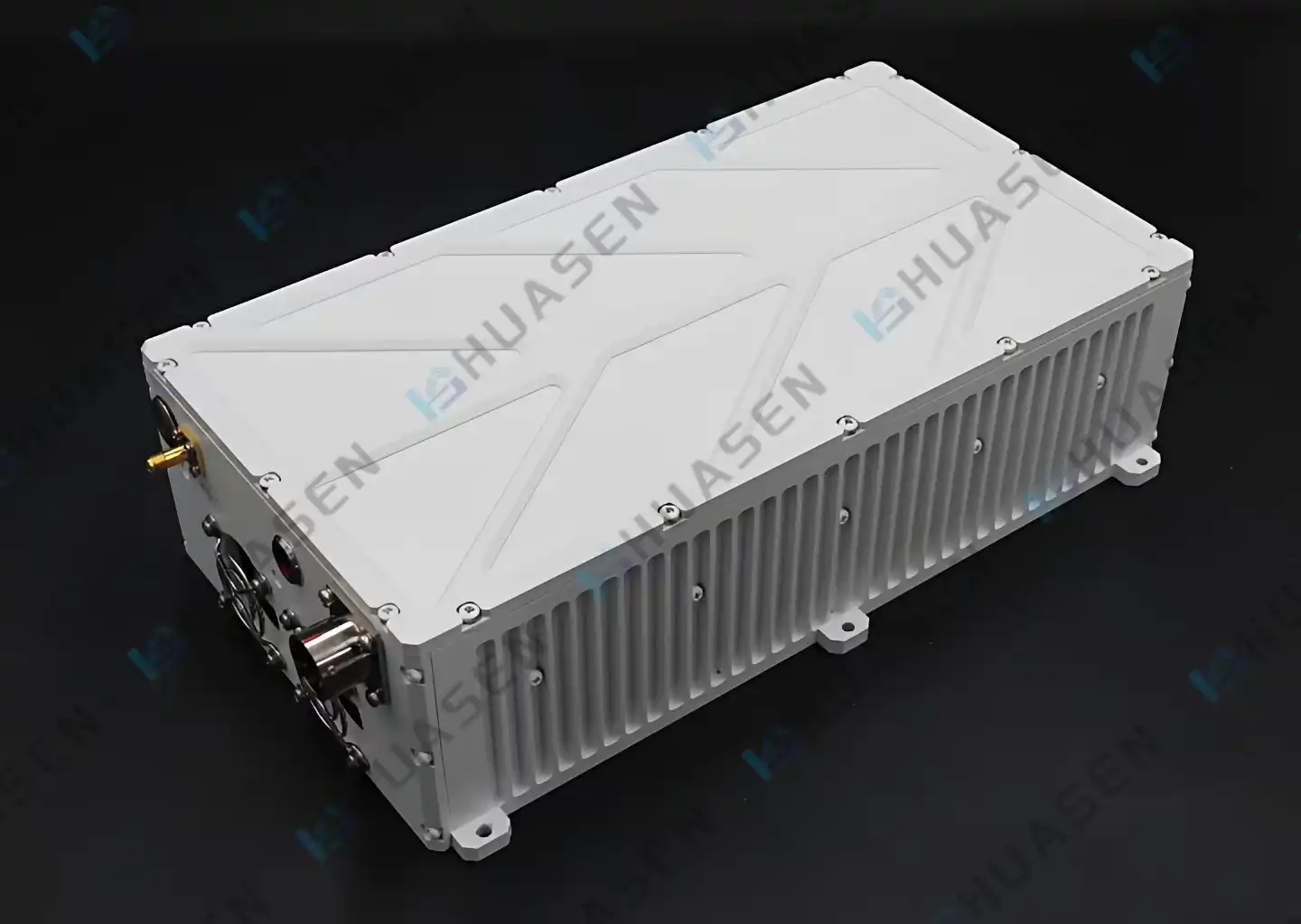
How Does a Power Amplifier Improve RF System Performance?
A Power Amplifier improves the performance of an RF system by increasing the signal strength to levels needed for long-distance transfer, making up for path loss, and making sure that receiver sensitivity standards are met. This part raises the signal's amplitude while keeping linearity and efficiency at a good level. This has a direct effect on the covering area, data flow, and stability of communication. Power Amplifiers help systems deal with noise and interference by providing enough output power with little distortion. This improves link budgets and signal-to-noise ratios, which are important for 5G base stations, satellite uplinks, radar platforms, and wireless backhaul networks where strong signal integrity is crucial to operational success.VIEW MORE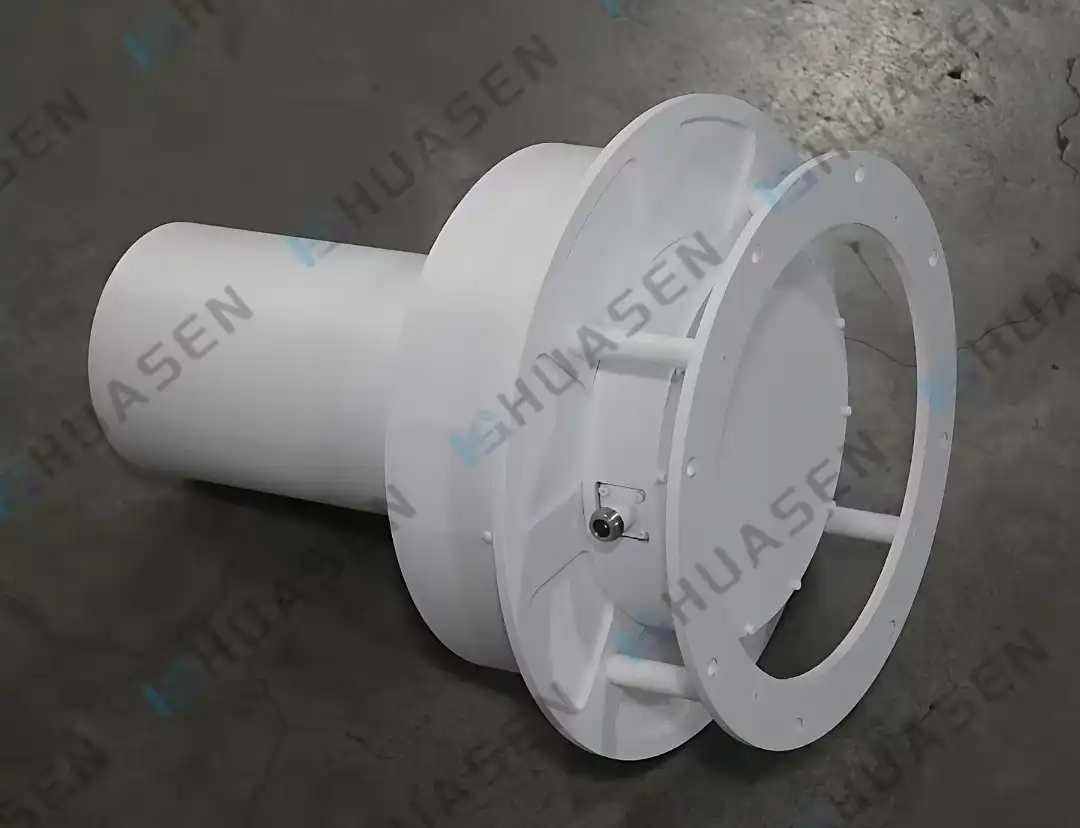
Helical Antenna Applications in Aerospace and Defense
When mission-critical communications in defence and flight need to be completely reliable, engineers use specialized RF parts that work the same way in all kinds of tough operating situations. In satellite telemetry, UAV command lines, radar feeds, and safe combat communications, Helical Antennas have become essential instruments. Their special shape creates circular polarization, which keeps the signal strong no matter which way the platform is facing. This is very important when satellites fall during placement or when airplanes do high-G maneuvers. With frequency ranges from 200 to 5000 MHz and gains ranging from 3 to 12 dB, these antennas are the best choice for system designers who can't afford transmission problems because they are both small and effective.VIEW MORE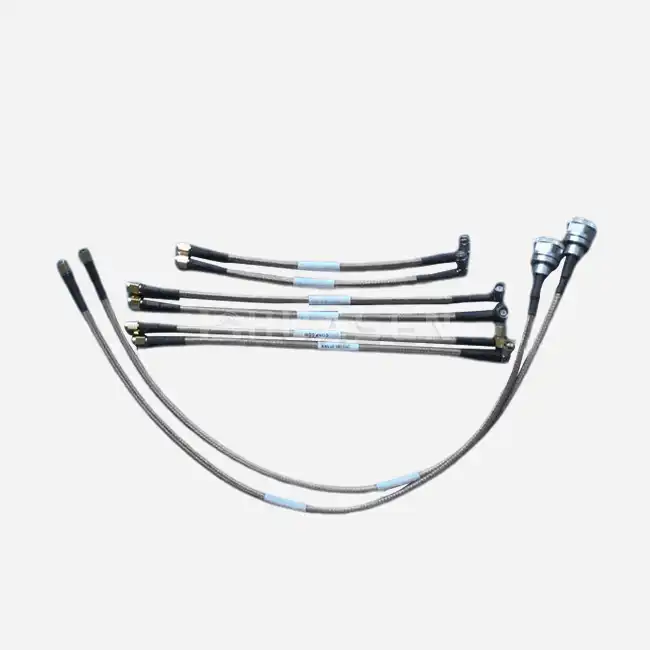
Why Is Coax Cable Essential in Communication Networks?
Coax Cable is still an important part of professional communication networks for sending high-frequency signals. Its protected design keeps electromagnetic interference to a minimum while keeping the signal's integrity in demanding environments, such as 5G base stations and aircraft radar systems. For system designers, test labs, and equipment makers who can't skimp on reliability or phase stability, Coax Cable's ability to handle frequencies from DC to 60 GHz with predictable insertion loss and low VSWR makes it essential.VIEW MORE
- 1
- 8
- 9
- 10
- 11
- 12
- 60
Total 60 pages
