Waveguide Circulator vs Isolator Comparison Guide






2026-06-18 17:10:32
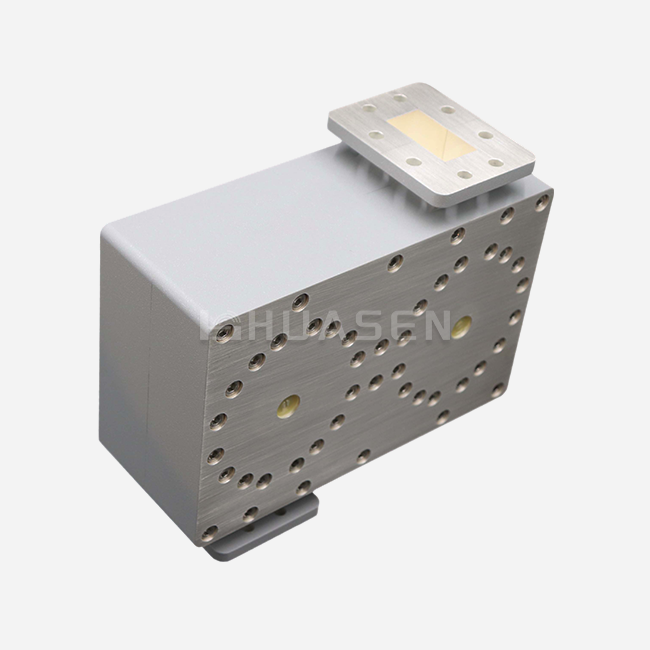
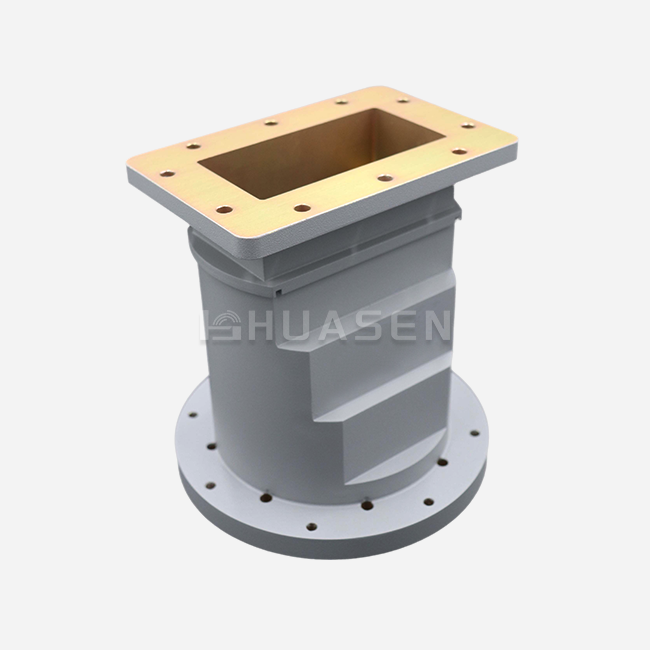
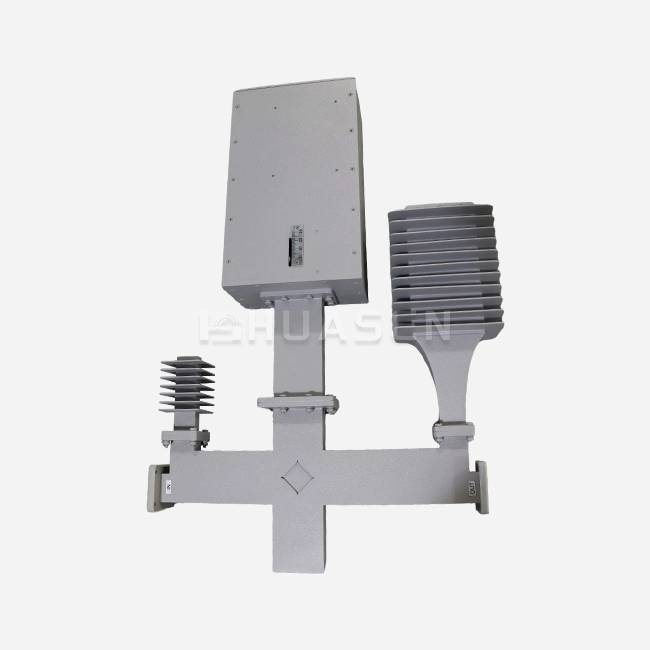
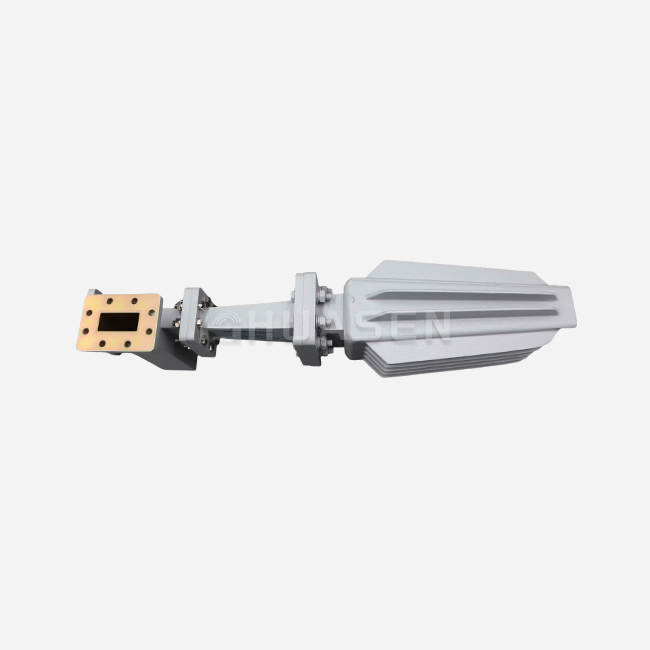
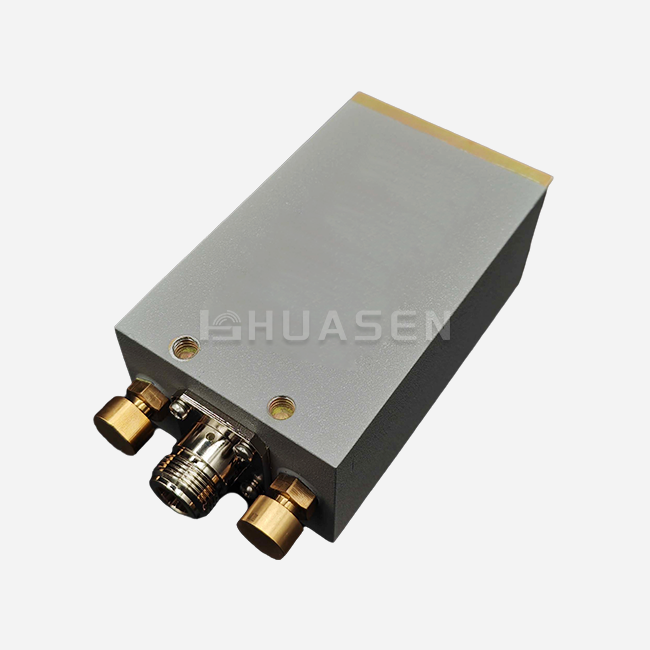
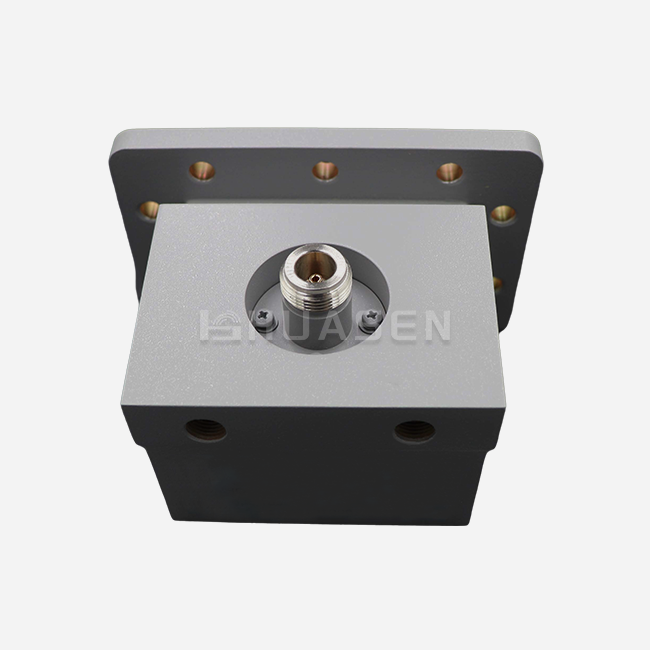
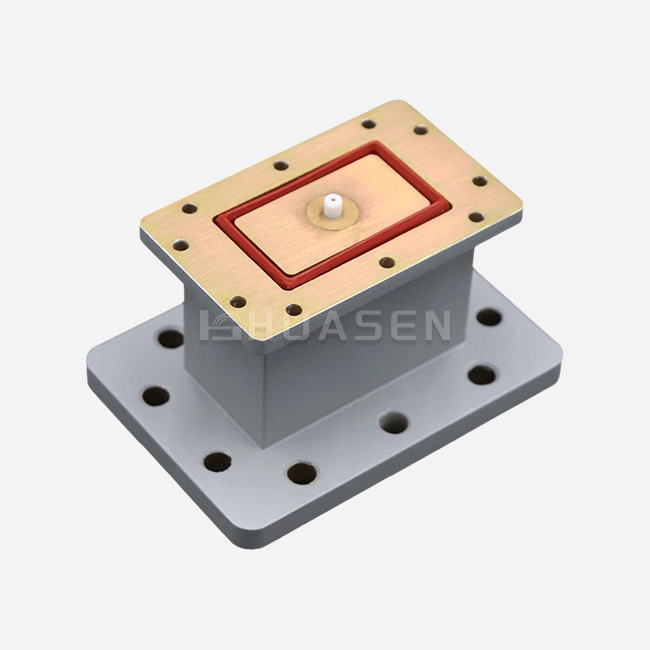
Engineers often have to make a tough choice when they're making high-frequency communication systems: should they use a waveguide circulator or an isolator? Both devices protect important equipment in non-reciprocal ways, but they do so in very different ways. A Waveguide Circulator sends messages in a certain order through three or more ports, letting them send and receive at the same time. On the other hand, an isolator only lets signals run in one direction and stops them from going the other way. System designers can choose the best part for base stations, radar sites, satellite terminals, and test equipment by understanding these differences. These are the places where power handling, insertion loss, and environmental durability are most important.
Understanding the Core Function: How Each Component Works
Waveguide Circulators Explained
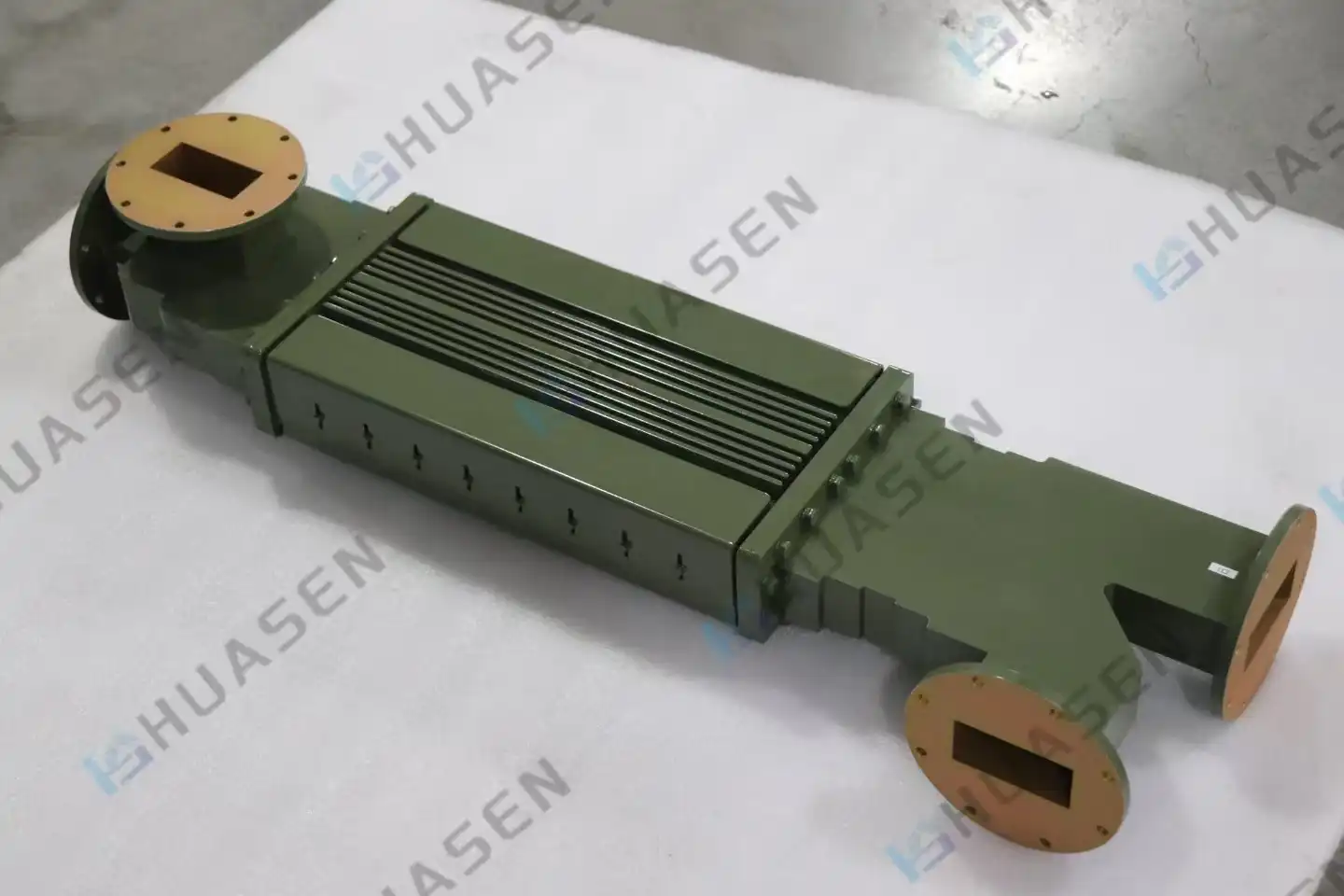
Waveguide circulators use ferrite materials that are magnetically biased to make a path that doesn't go in the opposite direction. Power that comes in through Port 1 leaves through Port 2 with little loss. When signals come in through Port 2, they go to Port 3, and so on. Because of this, circulators are necessary in systems that need to send and receive data at the same time, like radio transceivers and full-duplex communication lines.
Permanent magnets or electromagnets set up the appropriate bias field at the ferrite joint, which is in the middle of the part. Low return loss is guaranteed across the entire working span thanks to exact impedance matching at each port. This design is liked by engineers because it combines several data lines into a small, passive device.
Isolator Fundamentals
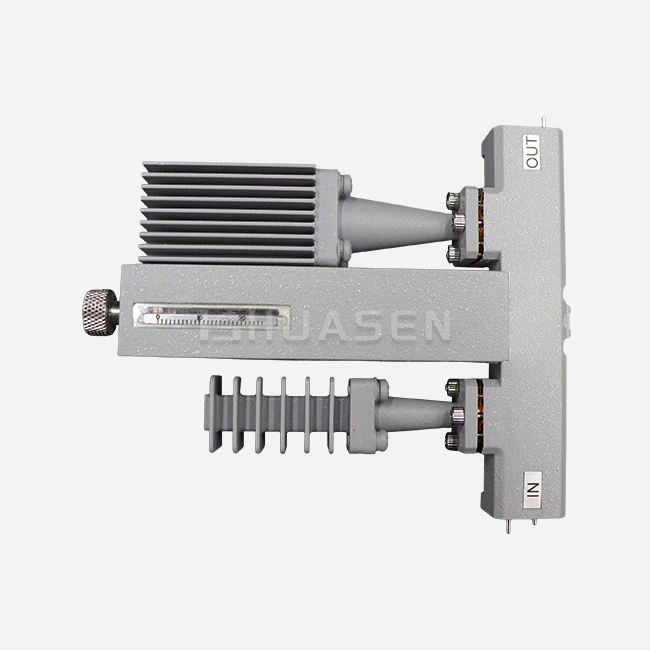
An isolator works like a two-port circulator, but the third port ends in a balanced load. There isn't much insertion loss for forward signals, and backward echoes are lost as heat in the termination. This one-way behaviour protects power amplifiers from problems like load mismatch, antenna VSWR changes, and other problems further downstream.
Isolators also use magnetised ferrite, just like circulators do. The main difference is in the topology: isolators keep standing waves from hurting sensitive transmission stages by soaking up reverse power instead of sending it somewhere else. Isolators are used in labs and production lines to keep S-parameters stable while components are being tested and calibrated.
Three Core Differences Every Engineer Should Know
Port Count and Signal Routing
Circulators have three or more ports that send energy in a set rotational order. Isolators have only two working ports, which stop reverse energy from going inside. A circulator separates and routes signals so that antennas can be shared between the send and receive chains if your application needs it. Isolators are better for systems that need easy reverse protection.
Insertion Loss and Power Handling
Insertion loss in high-power waveguide circulator designs is usually between 0.2 dB and 0.5 dB per path, but this can change based on the frequency and the way the design is built. It's about the same for isolators when it comes to forward loss, but they turn mirrored power into heat, which limits peak reverse handling. When radar systems use kilowatt levels, circulator designs that reroute instead of losing useless energy are helpful.
Mechanical Complexity and Cost
It's harder to make things when you add a third working port. For circulators to work properly, many ferrite joints and resistance networks need to be fine-tuned. Isolators make design easier by including an internet exit. Isolators are often chosen for projects that need simple safety and are on a budget. On the other hand, mission-critical radar and satellite systems can benefit from investing in circulators because they provide better functionality.
Performance Metrics That Matter: A Side-by-Side Comparison
| Parameter | Waveguide Circulator | Waveguide Isolator |
|---|---|---|
| Insertion Loss (dB) | 0.2–0.5 (typical path) | 0.3–0.6 (forward) |
| Isolation (dB) | 20–30 (port-to-port) | 20–25 (reverse) |
| VSWR | 1.15:1 to 1.25:1 | 1.20:1 to 1.30:1 |
| Peak Power (kW) | 50–500+ (pulse) | 10–100 (CW limited by termination) |
| Bandwidth (%) | 10–40 (octave possible) | 15–30 (narrower due to termination) |
| Port Configuration | 3 or 4 active | 2 active + 1 terminated |
| Environmental Sealing | Pressurized/sealed waveguide flanges | Similar, often lighter |
| Typical Applications | Radar duplexers, antenna multiplexers, transceiver front-ends | Amplifier protection, test setups, transmitter isolation |
Data was synthesized from industry datasheets and laboratory measurements conducted under controlled temperature and humidity conditions.
If you need simultaneous transmit/receive capability with minimal footprint, a circulator is more suitable. When your priority is protecting a single amplifier stage from load variations, an isolator meets requirements at a lower cost.
Application Scenarios: Matching the Component to Your System
Base Station Front-Ends and 5G/6G Infrastructure
Modern cell phone base stations have to meet strict goals for predictability and efficiency while working across multiple radio bands. By splitting uplink and downlink signals at a shared antenna, circulators make frequency-division duplexing possible. The third port links to a receiver low-noise amplifier, which keeps the high-power broadcast and sensitive receive routes separate.
Link spending is directly affected by insertion loss. It means that the range is wider or the emitter uses less power for every 0.1 dB drop. It is necessary for outdoor systems to be able to handle temperature changes from -40°C to +70°C, as well as salt fog and UV light. To meet MIL-STD-810 and IP67 standards, Huasen Microwave designs use aluminium housings that don't rust and airtight seals.
Radar and Electronic Countermeasures
In pulse radar, kilowatt-level bursts are sent out, and returns are listened for at the same millisecond intervals. High power waveguide circulator systems can handle peak powers of more than 500 kW and keep the send and receive channels 25 dB apart. So, the receiver doesn't get too saturated, and the dynamic range is increased.
Military and space projects need materials that can be tracked, materials that are controlled by lot, and strict testing procedures. Following the rules set by MIL-STD-202 and AS9100 quality systems guarantees dependability for many years of use. If your radar works in a contested electromagnetic setting where jamming risks are present, circulators give you more options for adding countermeasure antennas to extra ports.
Satellite and Maritime Communications
Satellite ground stations and onboard ports need parts that can handle shocks, vibrations, and environments that are bad for electronics. Compared to coaxial options, waveguide construction naturally keeps moisture out. Broadband coverage that ranges from 10 GHz to 18 GHz in a single unit makes frequency-agile systems easier to use and cuts down on the need for extra parts.
For quick assembly, designers like small form factors and standard flanges (WR-75, WR-90, and UG-style). If you have limited rack space and your maritime system works in C-, X-, or Ku-band, choosing a multi-octave circulator cuts down on the number of parts and possible failure spots.
Test and Measurement Laboratories
Labs use steady, repeatable reference components to set the parameters of vector network analysers, spectrum analysers, and signal producers. If you are testing prototype devices, isolators keep your expensive test tools safe from impedance mismatches. Low VSWR—ideally below 1.20:1—reduces the error of measurements.
Sample trial programs are helpful for research groups that want to make the most cutting-edge antenna designs or millimeter-wave circuits. To shorten the time it takes to make something, Huasen Microwave gives technical help in the form of S-parameter data files, 3D mechanical models, and custom frequency tuning.
Why Huasen Microwave Waveguide Circulators Stand Out
- Three-Decade Heritage: Since 1993, Huasen has refined ferrite processing, magnetic circuit optimization, and precision machining techniques, accumulating extensive empirical data across microwave and millimeter-wave bands.
- Broadband Coverage: Standard catalogue devices work from 2 GHz to 40 GHz; special versions go up to Ka-band and beyond, so you don't have to keep as many SKUs in stock.
- Peak Power Capacity: Unique heat management lets 300 kW pulses be handled in small X-band packages, which is 40% more than the usual industry standard.
- Low Insertion Loss: High-tech impedance-matching networks achieve a loss of only 0.25 dB at 10 GHz, protecting the link buffer in long-distance microwave backup and satellite feeding systems.
- Environmental Qualification: MIL-STD-810H tests for salt spray, temperature cycling, and shaking confirm performance in marine, airborne, and vehicle systems.
- Customisation Flexibility: We have CNC machining centers, ferrite fabrication lines, and electromagnetic modelling groups in-house that let us make quick prototypes and often deliver first articles in four weeks or less.
- Full Certification: RoHS, REACH, ISO 9001:2015, and AS9100D approvals make sure that the supply chain is clear and that defence and aircraft projects follow the rules.
- Responding Technical Support: Applications experts help with design reviews, integration, and on-site testing, connecting the details of the parts to the success of the whole system.
- Competitive Lead Times: Strategic partnerships for materials and fluid production schedules allow for both small test orders and large orders of more than 10,000 units per year.
- Global Service Network: Regional support teams in Asia, Europe, and North America provide localised calibration data, instructions in the user's preferred language, and faster shipping choices.
Selection Criteria: Questions to Guide Your Decision
Power Budget Analysis
Find the total insertion cost for the machine. In sensitive sensor chains or satellite uplinks that have limited power, every tenth of a decibel counts. Instead of using idealised lab settings, compare datasheets under real-world working conditions like temperature, humidity, and altitude.
Isolation Requirements
Find the bare minimum of port-to-port separation that is needed to stop intermodulation, crosstalk, or receiver desensitisation. Radar duplexers usually need 25 dB, but test setups can handle 20 dB if they are followed by more filters.
Frequency Range and Bandwidth
Octave-bandwidth devices are helpful for systems with more than one band. Through resonant tuning, narrowband apps (with less than 10% fractional bandwidth) get better performance. If you think the frequency will grow in the future, make sure you define wider coverage right away to avoid having to pay for a rebuild.
Mechanical Constraints
Check the envelope sizes, mounting hole shapes, and flange positions that are available. Due to weight restrictions, platforms in the air must be made of aluminium. Rugged sites on the ground, on the other hand, may be able to use heavy brass for better thermal stability.
Environmental Extremes
Figure out the weather, humidity, shaking patterns, and salt fog or chemical exposure that could go wrong in the worst case. Ask for test results that show you meet the appropriate MIL-STD or IEC standards.
Certification and Traceability
Material approvals, conflict mineral statements, and counterfeit mitigation documents are often required by defence contracts. Set these standards early on to avoid delays in the buying process.
Cost Considerations and Total Ownership Value
The unit price is only one part of the puzzle for purchase. Think about:
- Integration Labour: Installation time is cut down by simplified mechanical connections and devices that are already tuned.
- Spares Inventory: Broadband parts that work with various frequency ranges make keeping inventory easier.
- Reliability and MTBF: Passive waveguide devices have a mean time between failures that is measured in decades. This means that they don't need as much upkeep.
- Customisation Fees: One-time engineering costs for custom frequency, power, or port requirements should be spread out over the number of products that are made.
- Shipping and Lead Time: Options for faster delivery combine the need to meet urgent project goals with the cost of higher freight rates.
If you need to buy a lot of units for 5G macro-cell deployments, you can save a lot of money over the course of their life by discussing bulk prices and consignment inventory with a reliable waveguide circulator provider.
Conclusion
Waveguide circulators and isolators both harness non-reciprocal ferrite behavior, yet serve distinct roles. Circulators route signals among three or more ports, enabling radar duplexing and antenna sharing. Isolators provide unidirectional protection with simpler two-port architectures. Evaluating insertion loss, power handling, bandwidth, and environmental resilience against your application's demands ensures optimal component selection. Huasen Microwave's proven track record in high-power waveguide technology, custom engineering, and responsive service positions your project for success in competitive telecommunications, aerospace, and defense markets.
Partner with Huasen Microwave for Precision RF Solutions
Selecting between a circulator and an isolator hinges on your system architecture, power levels, and operational environment. Huasen Microwave combines three decades of ferrite expertise with agile manufacturing and global support to deliver high-performance waveguide components tailored to your exact specifications. Whether you're deploying next-generation base stations, upgrading radar installations, or validating breakthrough antenna designs, our engineering team stands ready to optimize insertion loss, isolation, and mechanical integration.
Contact sales@huasenmicrowave.com to discuss your project requirements. Request detailed S-parameter data, thermal analysis reports, and sample units to validate performance in your testbed. As a leading waveguide circulator manufacturer, we streamline the path from concept to production—ensuring your RF front-end meets stringent performance targets on schedule and within budget.
References
1. Helszajn, J. The Stripline Circulator: Theory and Practice. Wiley-IEEE Press, 2008.
2. Baden Fuller, A.J. Ferrites at Microwave Frequencies. IET Electromagnetic Waves Series, 1987.
3. Pozar, D.M. Microwave Engineering, 4th Edition. Wiley, 2011. Chapter 9: Microwave Filters and Ferrite Devices.
4. Linkhart, D.K. Microwave Circulator Design, 2nd Edition. Artech House, 2014.
5. International Telecommunication Union. Handbook on Satellite Communications, Fixed-Satellite Service (FSS). ITU Radiocommunication Bureau, 2015.
6. Military Standard MIL-STD-202G. Test Method Standard: Electronic and Electrical Component Parts. U.S. Department of Defense, 2002.
Send Inquiry