Waveguide Termination Cooling Methods and Limits






2026-06-18 17:10:28
Keeping heat loads under control in waveguide termination devices is a big problem for engineers working on radar, telecommunications, and satellite communication systems. A waveguide termination takes in electromagnetic energy and turns it into heat. This stops harmful reflections that could hurt sensitive emitters like TWTAs and solid-state amplifiers. How well cooling methods work has a direct effect on how much power they can handle, how reliably they work, and how long parts last. To choose the right thermal management strategies, like passive convection, liquid cooling, or hybrid systems, you have to balance things like power levels, frequency ranges, environmental conditions, and cost, all while keeping strict VSWR requirements below 1.15:1 for most industrial uses.
Understanding Waveguide Termination and Thermal Challenges
The Role of Waveguide Terminations in RF Systems
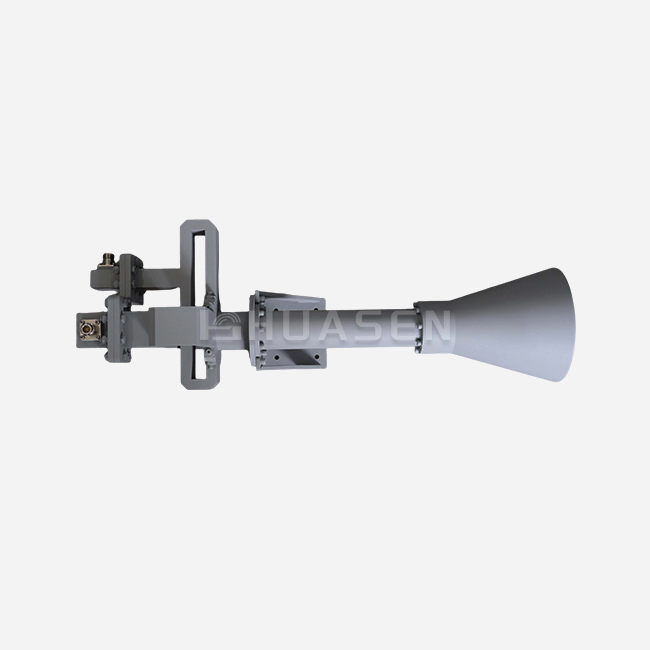
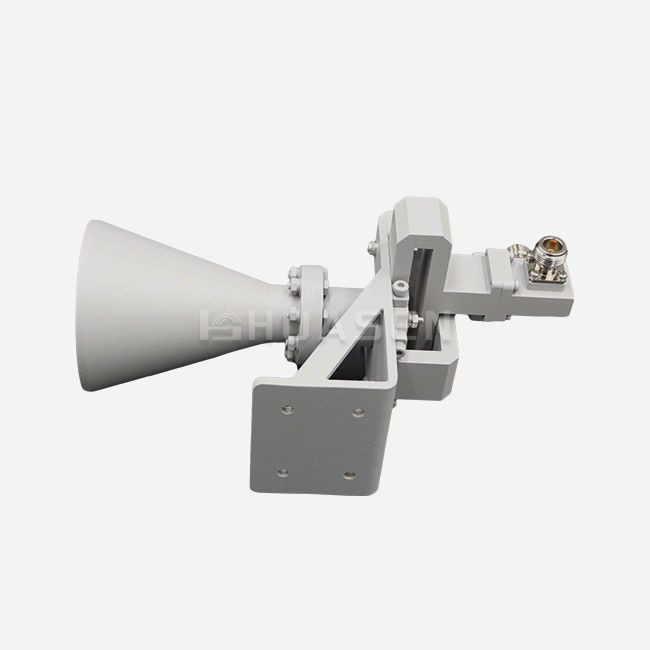
Waveguide terminations act as matching loads that soak up RF energy that flows through waveguide systems and release it as heat while minimizing reflection. These devices are different from regular parts because they protect expensive sources like magnetrons, klystrons, and high-power amplifiers from damage called retro-reflection, which leads to arcing and frequency instability. Engineers use these fake loads to model how antennas behave during system calibration in radar sites or satellite ground stations. They do this without sending detectable signals into controlled areas.
Heat Generation Mechanisms and Thermal Risks
When radio waves hit an absorbing element, which is usually silicon carbide ceramics or carbon-impregnated pieces, resistive losses turn the RF energy into heat energy. High-power continuous wave (CW) operations or pulsed radar applications create a lot of heat that breaks down materials if it isn't removed properly. Thermal runaway happens when there isn't enough cooling. As temperatures rise, resistive losses rise, too, causing a damaging feedback loop. When temperature differences are too big for the material to handle, they crack the absorbing element. This lowers the VSWR performance and could lead to a catastrophic system failure.
Critical Thermal Limits and Material Considerations
Limits on how much power a material can handle depend on its qualities and the energy bands it operates in. Low-power sensor loads can handle milliwatts of power through natural airflow, while industrial X-band terminations (8.2–12.4 GHz) may be able to handle kilowatts of power through forced cooling. The Curie point of ferrite materials and the temperature expansion rates of building materials set the limits of what can be done. A waveguide dummy load is important to follow the MIL-DTL-3928 standards for flange planarity and measurement limits so that RF doesn't leak out at surfaces. This is especially important in pressurized waveguide settings where thermal stress makes mechanical loading worse.
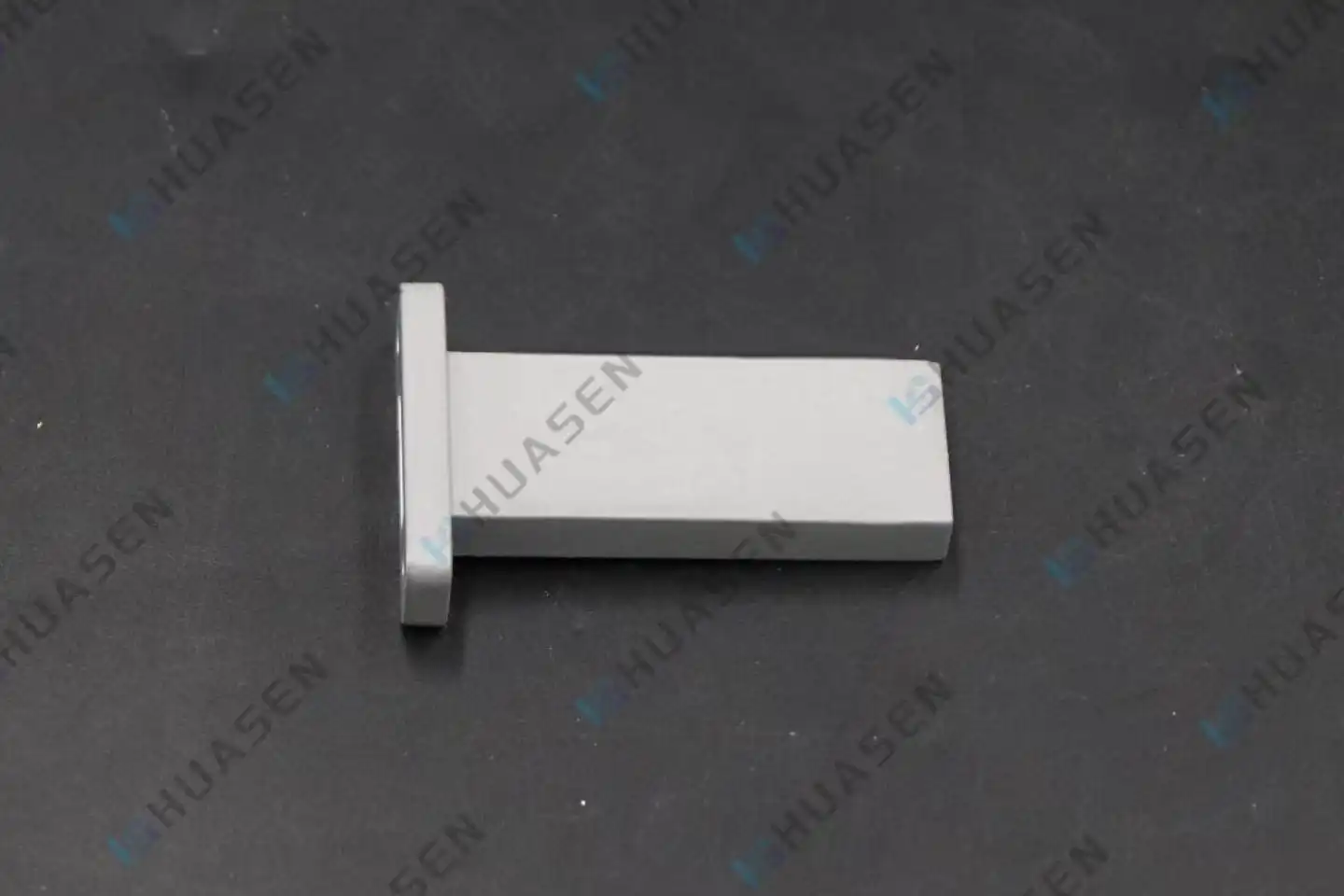
Overview of Waveguide Termination Cooling Methods
Thermal management strategies vary significantly based on power levels, duty cycles, and installation environments. Understanding available cooling technologies enables procurement teams to match solutions with application requirements.
Passive Cooling Techniques
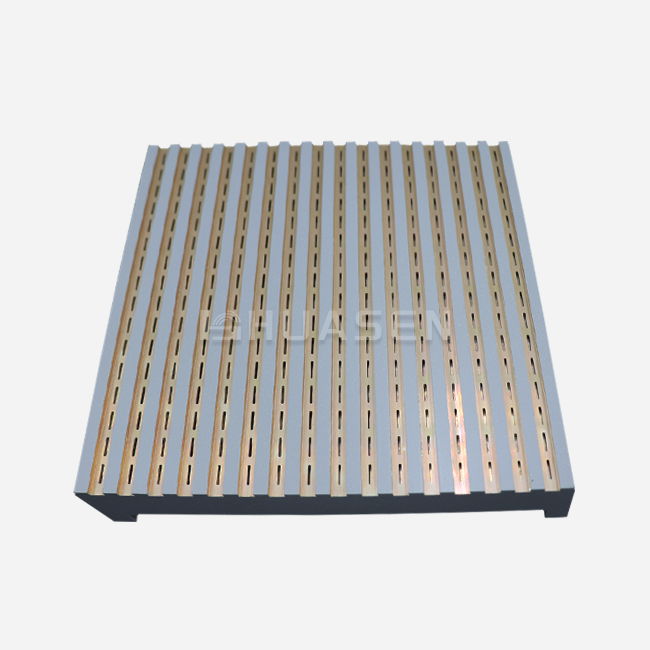
Passive methods depend on conduction and natural airflow, but don't use any motorized parts. Copper or aluminum metal heat sinks have more surface area, which helps air move around the housing. Designs with convective fins move heat to the air around them and work well for uses with less than 100 watts of normal power. These methods are very reliable and don't need any upkeep, which makes them perfect for sites that are far away, like relay stations on mountaintops or marine communication systems where service access remains limited.
Active Liquid Cooling Systems
For uses with more than a few kilowatts of power, water-glycol mixtures or dielectric oils moving through internal pathways are needed for active cooling. Even during long transfer times, liquid cooling systems keep the temperatures of the absorbing elements below critical levels. In satellite uplink ground stations, water-cooled waveguide terminations on circulator isolation ports handle reflected energy from antenna mismatches caused by bad weather. This keeps HPAs safe when the weather is bad. Testing the channel's stability with 150 PSI of hydrostatic pressure keeps coolant from getting into nearby RF equipment.
Forced Air and Thermoelectric Solutions
For forced air systems, fans move air over surfaces with fins, which is a middle ground between inactive and liquid cooling. TECs, or thermoelectric coolers, are an exact way to control the temperature in labs that need stable temperatures for VNA calibration runs. Hybrid setups use both passive heat sinks and active fans, which only turn on when thermal sensors notice high temperatures. This saves energy and keeps thermal margins during power fluctuations.
Limits and Challenges in Cooling Waveguide Terminations
Frequency-Dependent Thermal Dissipation
Higher frequency bands have tighter cooling needs because the conductors lose more power and have smaller physical dimensions, which concentrate the flow of heat. At the same power levels, Ku-band waveguide terminations (12–18 GHz) make 30–40% more heat per unit volume than S-band versions. The way frequency and skin depth relate to each other changes the flow of current, making hot spots where the lip meets the absorbing element. During burn-in tests, thermal imaging shows temperature differences that mean the bonding or fan contact isn't good enough.
Material Fatigue and Thermal Cycling
In pulse radar use, parts that expand and contract over and over again cause repeated thermal cycles, which stress materials mechanically. Silicon carbide absorbing elements can handle temperatures above 800°C, but they develop tiny cracks after being heated and cooled thousands of times, which makes the VSWR performance worse over time. For mission-critical systems, the procurement requirements should call for requalification testing every 5,000 hours of use. Because brass flanges and ceramic dampers have different coefficients of thermal expansion, they need flexible mounting designs that can handle changes in size without breaking.
Troubleshooting Cooling System Performance
High VSWR numbers during operation are a sign of overheating that can be seen by real-time tracking systems. A visual check might show discolored housing surfaces or warped flanges that are signs of heat strain. To figure out what's wrong, you have to check the flow rates of coolants in liquid systems, the working of fans in forced-air systems, and the condition of materials that come into contact with heat. Every year, accurate power meters and infrared thermography should be used to check the thermal performance as part of preventive maintenance plans.
Selecting the Right Cooling Method for Your Waveguide Termination
Aligning Technical Requirements with Cooling Solutions
When choosing cooling methods, system makers have to think about things like power budgets, frequency ranges, and the surroundings. A 5G base station working at 3.5 GHz with 200 watts of average power handles heat loads with better passive cooling. On the other hand, a phased-array radar sending out 10-kilowatt bursts needs liquid cooling with two sets of circulation pumps. Operating settings add more restrictions. For example, marine setups need materials that are resistant to corrosion and meet IP67 ingress protection standards. In-flight use, weight reduction through metal building are top priority.
Procurement Considerations and Supplier Evaluation
When you evaluate providers, you have to look at things like wait times, customization options, and certification compliance (MIL-STD-202, RoHS, ISO 9001). Leading makers keep up-to-date thermal models that can predict performance across a range of working conditions. These models help with design-in decisions during the planning stages of a project. When negotiating bulk orders, you should think about the security of the supply chain over the long term. This is especially important for custom cooling setups that need custom tools. Technical support during the merger stages, such as help with thermal simulations and sample evaluation programs, sets providers who care about their customers' success apart.
Certification Documentation and Warranty Terms
Teams in charge of buying things should ask for detailed thermal datasheets that show power derating curves versus ambient temperature, coolant flow rates, and changes for altitude. Documentation proving that the flange's dimensions meet MIL-F-3922 standards makes sure that it can work with the current waveguide infrastructure. Warranty terms that cover how performance degrades over the course of an operating lifetime protect against premature failure and save money. This is especially helpful for high-reliability defense and aerospace projects where system downtime is part of the replacement cost.
Case Studies: Successful Cooling Implementations in Waveguide Terminations
High-Power Radar Thermal Management
A coastal surveillance radar station changed the X-band waveguide terminations from passive air-cooled to liquid-cooled designs. This made it possible to send 40% more power without going over the heat limits. The closed-loop cooling system kept the temperatures of the absorbing elements below 150°C while they were in constant use. This increased the average time between failures from 18 months to over five years. Better thermal stability cut down on frequency drift, which made it easier to tell the difference between targets in crowded marine settings.
Telecom Infrastructure Optimization
Mobile network companies that put in place 5G millimeter-wave base stations used small mixed cooling systems that included copper heat spreaders and small axial fans. The 60-watt terminations take up 40% less rack room than older versions that used liquid cooling, but they keep junction temperatures within the acceptable range. Cutting costs by 35% per installation sped up the time it took to build out the network. This shows that clever heat management has a direct effect on project economics.
Laboratory Measurement Stability
A national measurement center improved VNA calibration standards to include waveguide terminations that are thermoelectrically stable, which allows temperature control within 0.1°C. The precise cooling got rid of thermal drift artifacts in S-parameter measurements, which lowered the error of the readings from ±0.05 dB to ±0.02 dB across the 1–50 GHz range. This feature makes it possible for traceable calibration services to help aerospace and defense companies that need paperwork that meets ISO/IEC 17025 approval standards.
Conclusion
Managing heat well in waveguide termination devices strikes a mix between scientific excellence and the ease of procurement. Knowing how heat is made, the highest temperature that a material can go, and the pros and cons of different cooling methods lets you make smart design choices that improve system stability. Passive cooling works well for moderate power levels and doesn't need much upkeep, while liquid systems are better for high-power uses that need a lot of work. Environmental factors, frequency-dependent dissipation, and material wear are some of the problems that need to be solved through proactive upkeep and relationships with suppliers. Procurement teams find solutions that protect important RF assets while keeping total ownership costs low over the life of the products they buy by making sure that technical requirements are in line with approval standards and customization options.
FAQ
Q1: How do I determine the correct cooling method for my application?
Find the average and high power levels, then look at the thermal derating curves that makers provide. Passive cooling works well for applications under 50 watts, but liquid or forced-air systems are usually needed for applications over 500 watts. Environmental factors like altitude, the temperature range around the object, and the pattern of vibrations help narrow down the choices.
Q2: Can existing air-cooled terminations be retrofitted with liquid cooling?
Retrofitting is possible if the right parts are used and there is enough room. Some companies make modular cooling jackets that work with normal flange connections, but it's still important to do performance proof testing. When big power rises are planned, comparing the costs of retrofitting to the costs of buying new parts often leads to the conclusion that the whole thing should be replaced in order to upgrade the waveguide terminations.
Q3: What documentation should I request when sourcing cooled terminations?
Ask for thermal datasheets that show how much power is handled at different temperatures, VSWR test results across the working band, certification compliance statements (MIL-STD, RoHS), coolant compatibility details, and guarantee terms. Dimensional sketches that show that the flange meets known standards keep installation problems from happening during integration.
Partner with Huasen Microwave for Advanced Thermal Solutions
Huasen Microwave Technology creates designed waveguide termination systems that solve the toughest thermal problems in the study, defense, and telecommunications fields. Our thirty-year history of production combines precise machining with proven thermal modeling to make devices that go beyond MIL-DTL-3928 requirements and can be cooled in any way that the customer wants. We work with system designers who need a lot of bandwidth, lab teams that need standards for testing that can be tracked, and OEM clients that have to manage complicated supply chains. Our expert staff helps with design while specifications are being made, runs sample evaluation programs, and is available for quick help after delivery. Get in touch with an expert waveguide termination provider who wants your business to succeed, whether you need to find standard catalog items or create custom solutions for specific frequency bands. You can email our engineering team at sales@huasenmicrowave.com to talk about your thermal management needs and find out how our cooling methods can improve the performance of your system.
References
1. Montgomery, C. G., Dicke, R. H., & Purcell, E. M. (1948). Principles of Microwave Circuits. McGraw-Hill Book Company, New York.
2. Collin, R. E. (1992). Foundations for Microwave Engineering (2nd ed.). IEEE Press, New York.
3. Pozar, D. M. (2011). Microwave Engineering (4th ed.). John Wiley & Sons, Hoboken, New Jersey.
4. United States Department of Defense. (2015). MIL-DTL-3928: Waveguide and Waveguide Fittings. Defense Logistics Agency, Columbus, Ohio.
5. Saad, T. S. (1971). Handbook of Microwave Ferrite Materials. Academic Press, New York.
6. Harvey, A. F. (1963). Microwave Engineering. Academic Press, London.
Send Inquiry