
Home / Blog
Blog
0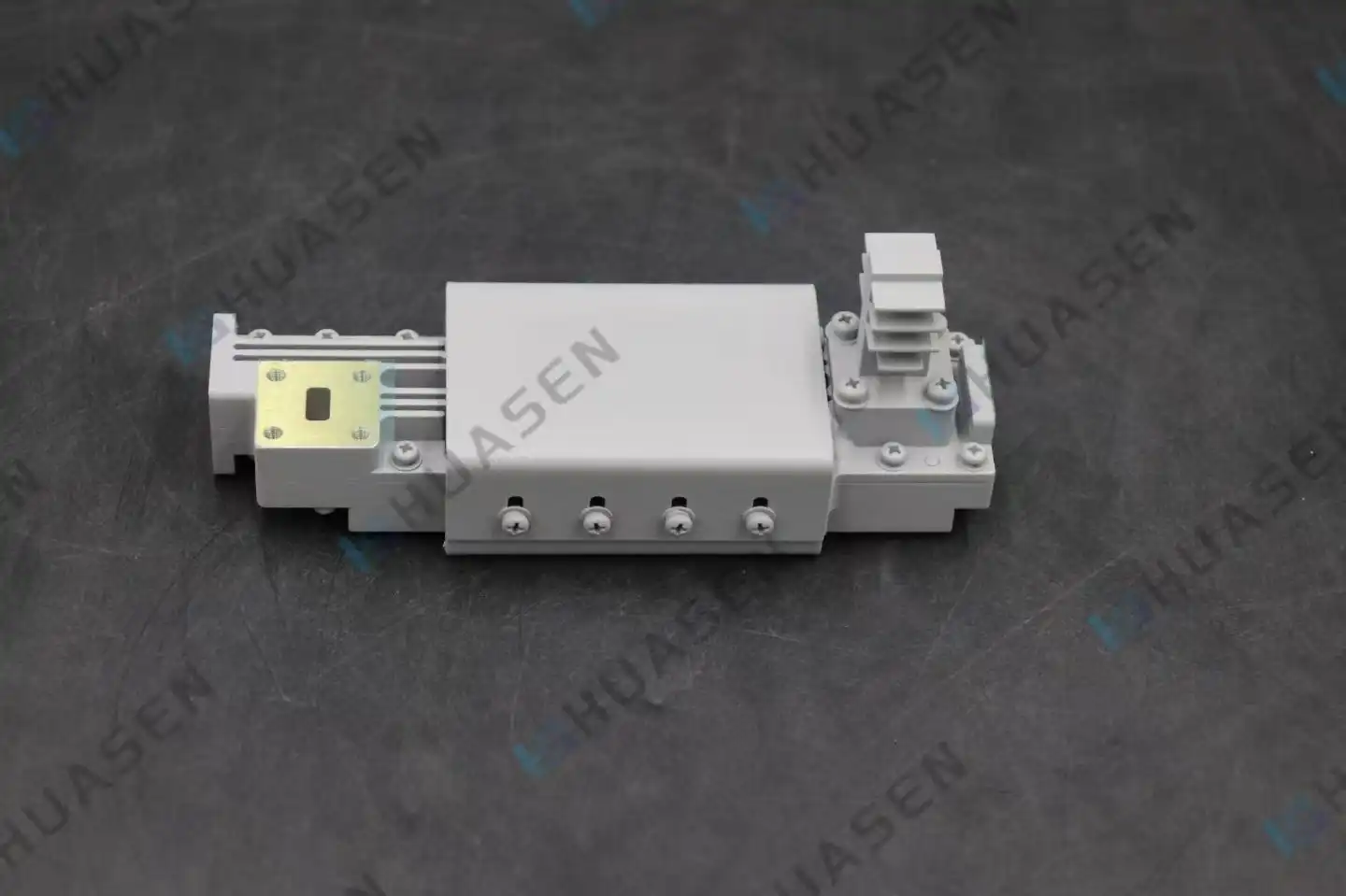
Differential Phase Shift Circulator vs Ferrite Types
Engineers and procurement specialists often have to make a tough choice between differential phase shift and traditional ferrite junction designs when choosing circulators for high-power RF applications. The high power waveguide differential phase shift circulator has four ports that spread thermal loads over larger surface areas. This makes it possible to handle megawatts of power with very little insertion loss. Traditional three-port ferrite junction circulators are small and cheap, but they focus energy on a center ferrite disc, which causes heat bottlenecks when power levels go above a few kilowatts. Knowing these basic differences helps buyers match circulator technology to radar, satellite, and industrial microwave environments that are very strict and depend on reliability and efficiency to be successful.VIEW MORE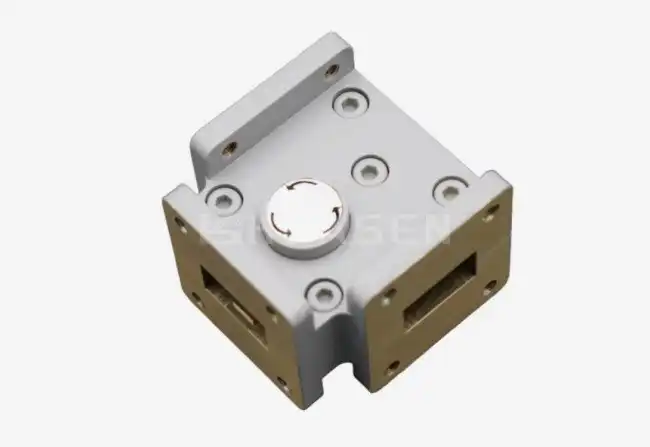
Selecting Waveguide Wideband Circulator for Labs
As you pick a waveguide wideband circulator for your lab, there are a few important things you should keep in mind. These will have a direct effect on how stable the system is and how accurate the readings are. It is an inactive, one-way device that helps send microwave and radio frequency (RF) data between many ports with very little loss and good separation across a large frequency range. Test sets need these parts a lot because they handle power, keep messages safe, and work on several bands. To describe what they are used for during study, development, and production, we need to name them that. A lab manager or RF engineer can make better decisions that meet both short-term testing needs and long-term infrastructure goals if they know about the technical specs, application needs, and buying issues.VIEW MORE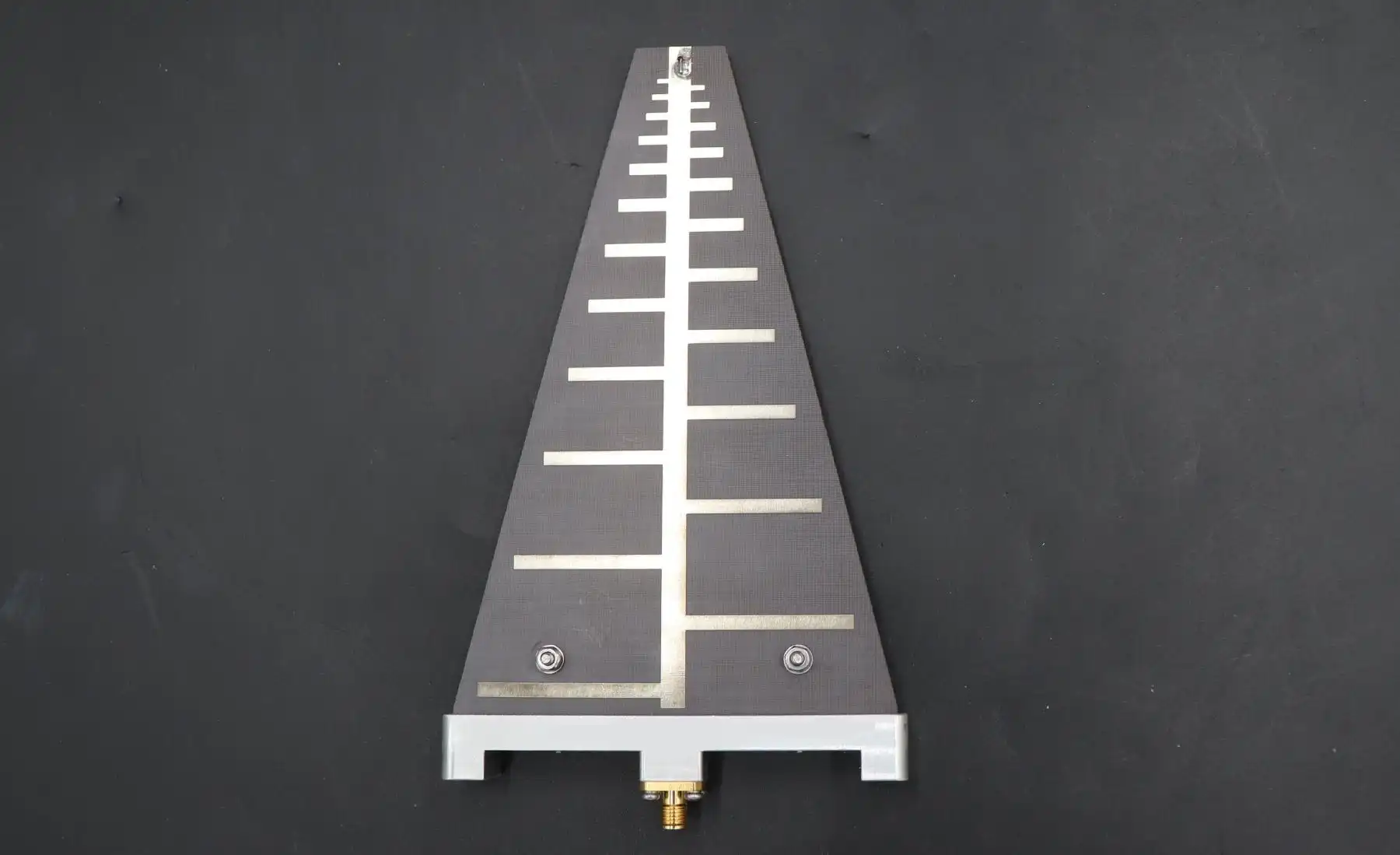
Pros and Cons of Log Periodic Antenna in Field Measurements
Modern field measurement tasks can't be done without Log Periodic Antennas (LPAs), which provide amazing wideband frequency coverage across multiple octaves without the need for antenna swaps. When bandwidth freedom is very important, like in EMC testing, spectrum tracking, and mobile messaging, these frequency-independent devices really shine. But because they are big, have moderate gain, and need to match impedance, they need to be carefully evaluated. When purchasing field measurement systems, procurement teams can make smart choices that balance measurement accuracy, operational efficiency, and budget constraints by knowing the pros and cons of LPAs.VIEW MORE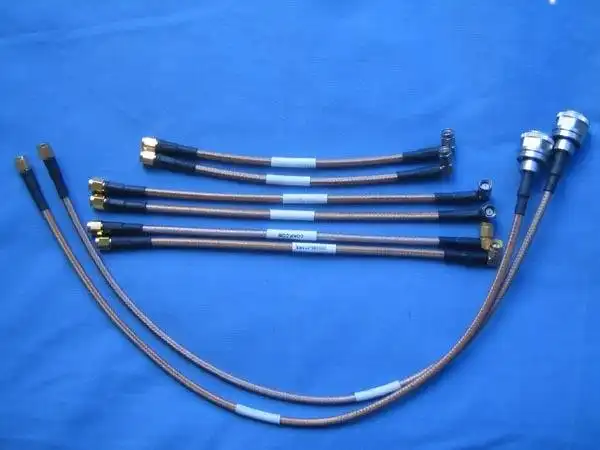
Coax Cable vs Fiber Optic Cable: Key Differences Explained
People who work with radar, telecommunications, and RF tests need to choose between coaxial cable and fibre optic cable, which is a very important infrastructure choice. A copper wire and several layers of insulation make up a coax cable bundle. RF signals from DC to 60 GHz can be sent very well through them, which is why they are needed to connect base stations, test equipment, and radar systems. Light bursts are used by fibre optic lines to send data through layers of glass. They have the most bandwidth, which means they can send digital messages over long distances. The buying teams can pick the best system for their needs once they know the technical and real differences between these two.VIEW MORE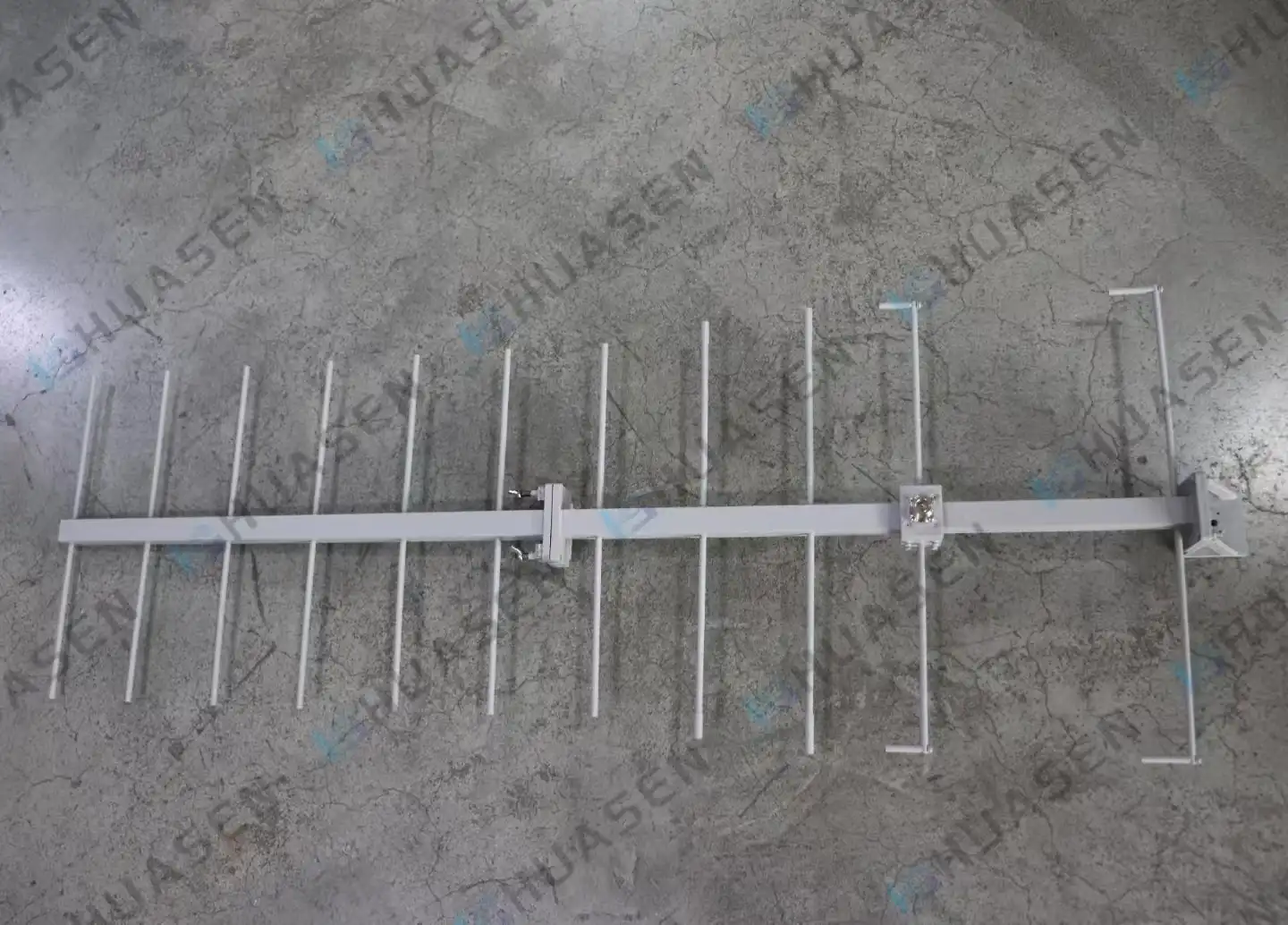
Yagi Antenna Applications in Wireless Communication Systems
That's because Yagi antennas send signals only to certain areas; wireless systems would not be able to work without them. Tests with radio waves, following satellites, point-to-point lines, and cellular backup all need these. They can send signals over long distances with little damage because their beamwidth is narrow and their gain is high. This will improve the 5G system, messaging at sea, and the use of sensors. To make their networks more open, businesses need safe, low-cost ways to do it. When you need better front-to-back ratio performance and focused energy distribution, these directed antennas are a must.VIEW MORE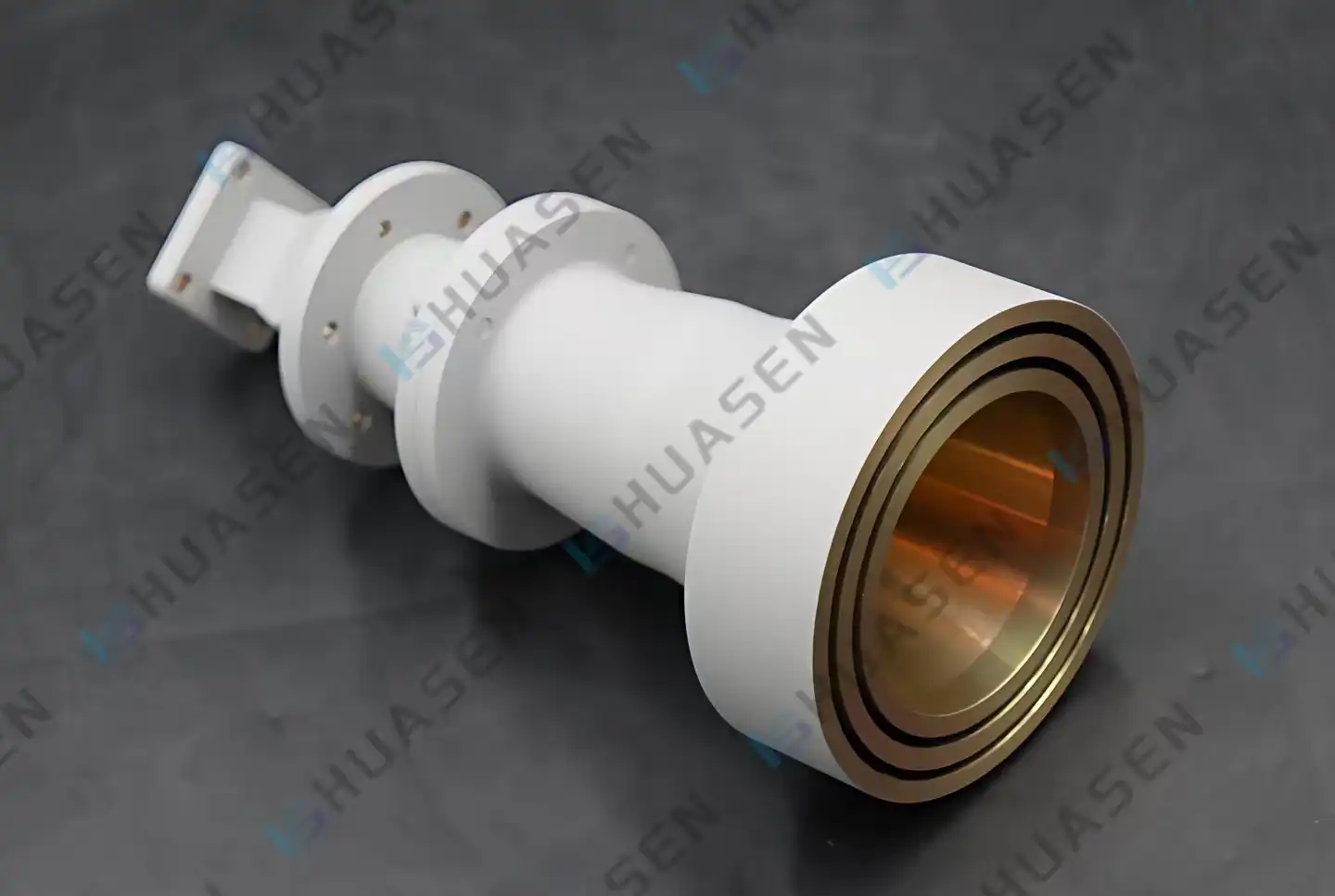
Corrugated Conical Horn Antenna Design: Slot Depth Explained
When we talk about precise feed systems for satellite Earth stations or millimeter-wave radar uses, slot depth is the most important design factor of a corrugated conical horn antenna. This machined groove dimension, which is usually between λ/4 and λ/2, turns a simple cone-shaped flare into an electromagnetic precision instrument. Engineers can change the boundary conditions on the inside walls by carefully controlling the slot depth. This makes the balanced HE11 hybrid mode possible, which stops cross-polarization and makes sure the pattern is symmetric. We want to help procurement managers and system integrators understand why slot depth is important and how it affects the total cost of ownership for important radio equipment.VIEW MORE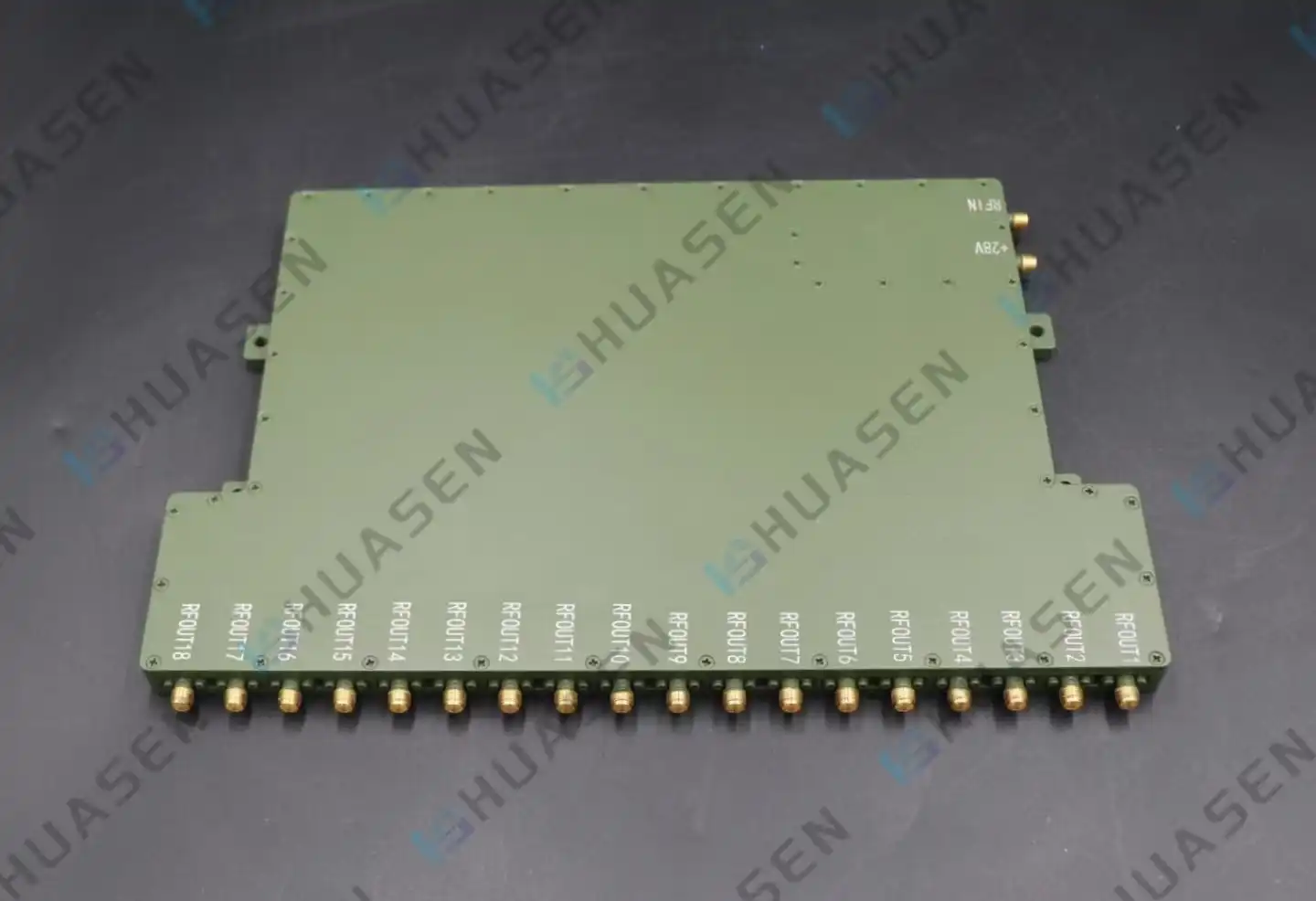
Power Amplifier Selection Criteria for Wireless Networks
The power amplifier is the most important part of current wireless networks. It affects the signal strength, coverage area, and broadcast quality for 5G base stations, satellite communication systems, and aerospace radar platforms. When looking for the right RF power amplifier, you need to carefully consider its frequency range, output power, uniformity, and heat stability. When things are at stake, like with mobile communications infrastructure and military electronic defences, the choice of booster has a direct effect on how reliable the system is, how well it works, and how much it costs to maintain over time. By knowing these selection criteria, buying teams can make sure that amplifier specs match the needs of mission-critical applications, avoiding costly mistakes that could hurt network performance.VIEW MORE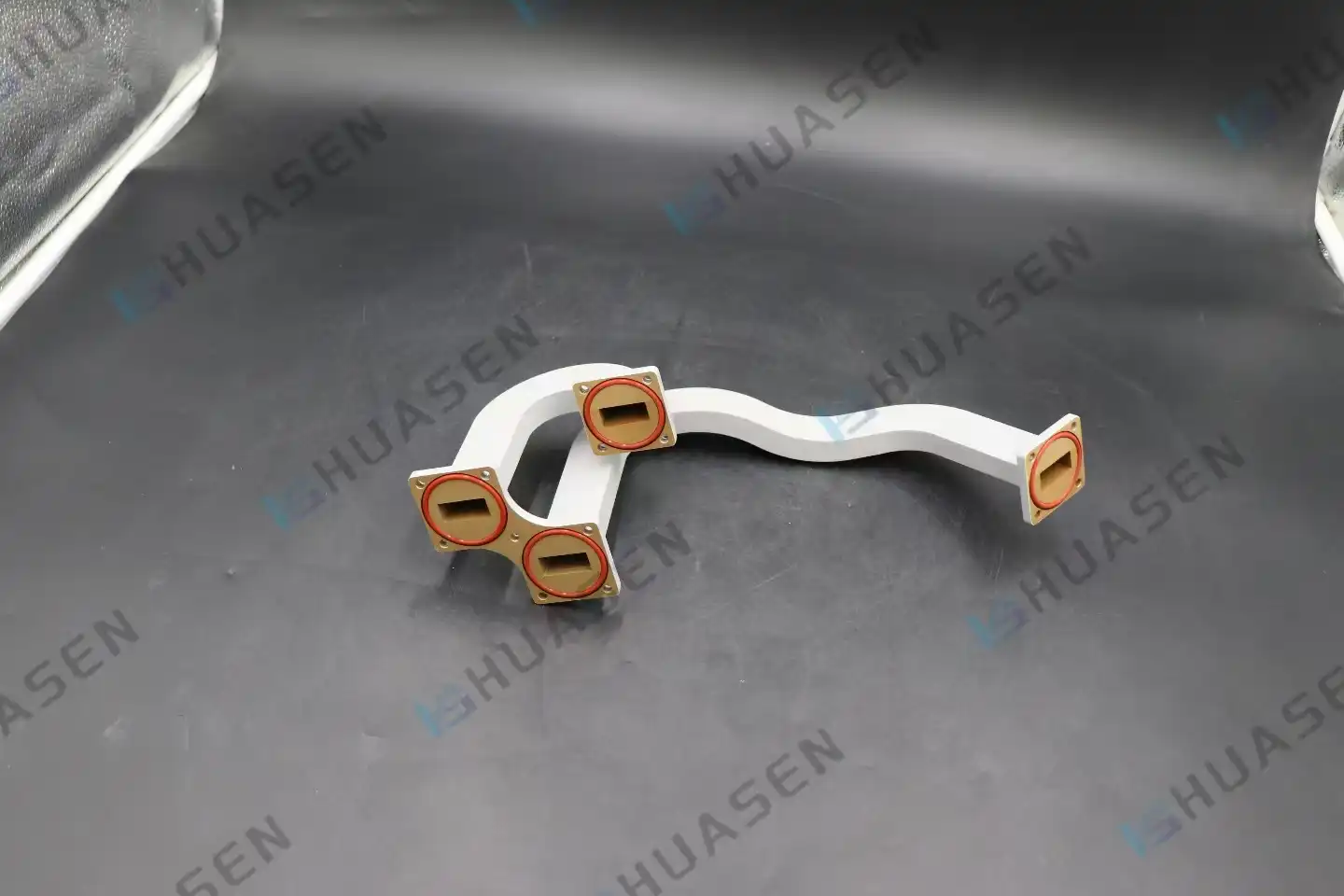
Multi Bend Waveguide in Dense Platforms
Engineers often have to figure out how to get microwave signals through small spaces without losing power efficiency or phase stability when they're making high-frequency transmission systems for things like phased array radar modules and 5G base station frontends. Multi-bend waveguide parts solve this problem by combining several directional changes into a single, well-machined part. These strong, continuous structures can go around hurdles inside satellite packages, flying radars, and communication hubs. They do this by getting rid of lossy flange joints and keeping the signal integrity across high-frequency bands. This method replaces chains of heavy bends with straight sections. This cuts down on assembly weight, insertion loss, and quality control time. For system designers, this means faster installation processes and a lower total cost of ownership.VIEW MORE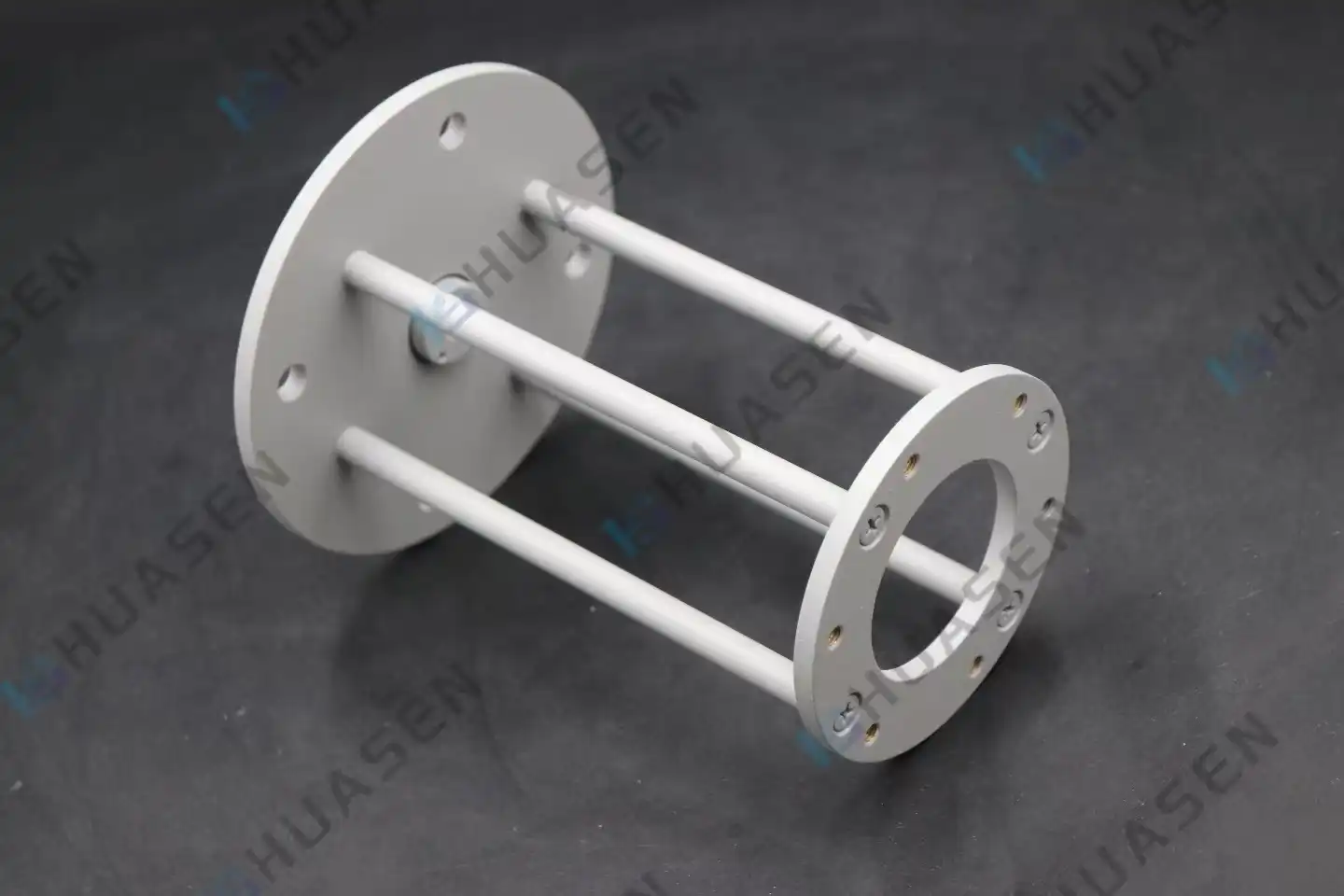
Antenna Mounting Solutions for Industrial Communication Systems
Your industrial communication network could work or not work depending on how well you choose the antenna mounting bracket. Antenna mounting solutions are structural assemblies that safely attach RF antennas to walls, towers, mobile platforms, or maritime radar systems. This makes sure that signals are sent as efficiently as possible in tough environments like 5G base stations, microwave backhaul links, and maritime radar systems. We've worked with hundreds of procurement teams that had to deal with expensive downtime because the mounting hardware wasn't set up right. This could have been because of corrosion, wind, or not being able to hold enough weight. This guide shows you tried-and-true ways to choose, install, and take care of mounting hardware that can handle the tough conditions of industrial communication networks.VIEW MORE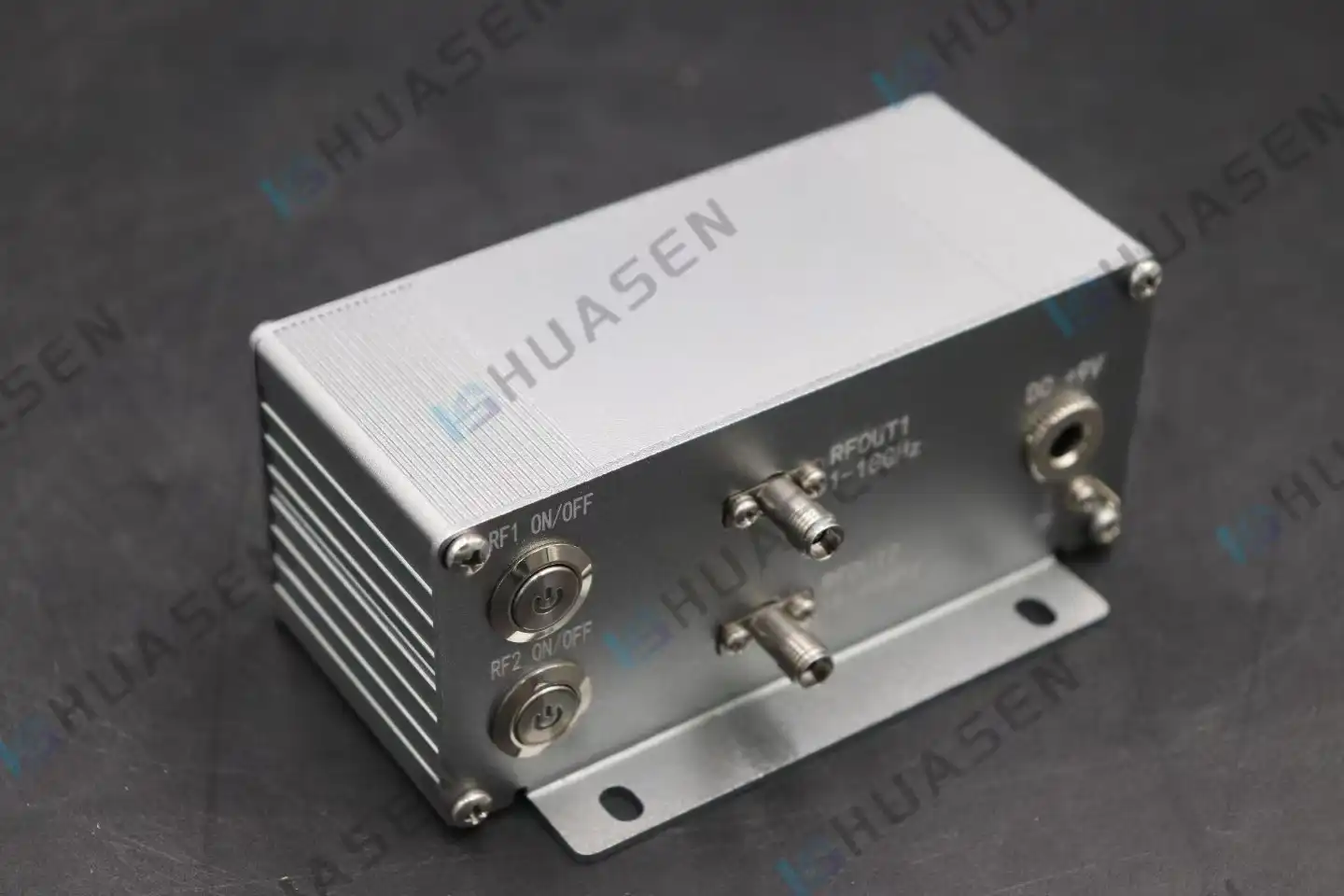
Low Noise Amplifier vs Power Amplifier: Which Do You Need?
You can choose between a power amplifier and a low-noise amplifier based on where it is in your signal chain and the performance goal you want to reach. If your application needs to boost very weak data at the receiving front end, you will need a low-noise amplifier. That is something that could happen in radar detection systems, 5G base station receivers, or satellite ground stations. It keeps the information pure by amplifying it with little noise, which makes your system more sensitive. There are, however, times when you need to boost RF signals to very high levels in order to send them. This can happen in military communication stations, radio towers, or wireless backup lines. It lets you send enough power to get to users far away, even if the path is lost.VIEW MORE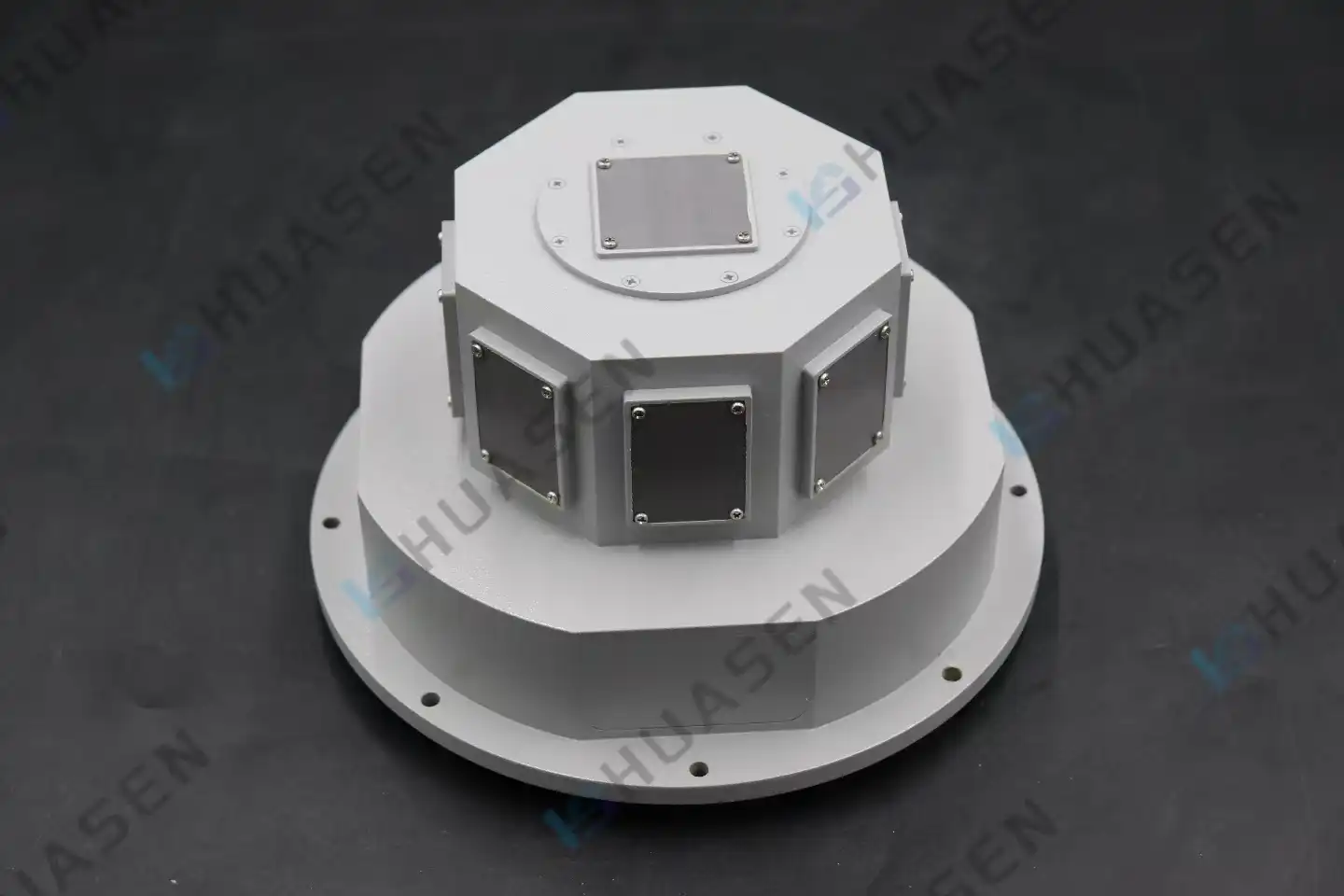
Structural Flexibility Advantages of Microstrip Conformal Array Antenna
The microstrip conformal array antenna is a huge step forward in RF technology. It lets radiating elements be seamlessly built into non-flat, curved surfaces like the fuselages of aeroplanes, missile nose cones, and the roofs of vehicles. Instead of sticking out from platforms like regular flat antennas do, conformal designs change to fit the shape of the host structure, which lowers drag and radar cross-section while keeping strong electromagnetic performance. This new idea solves important problems in flight, defence, and advanced communications by getting rid of big radomes and letting electronic beam direction work across wide angles without using mechanical gimbals.VIEW MORE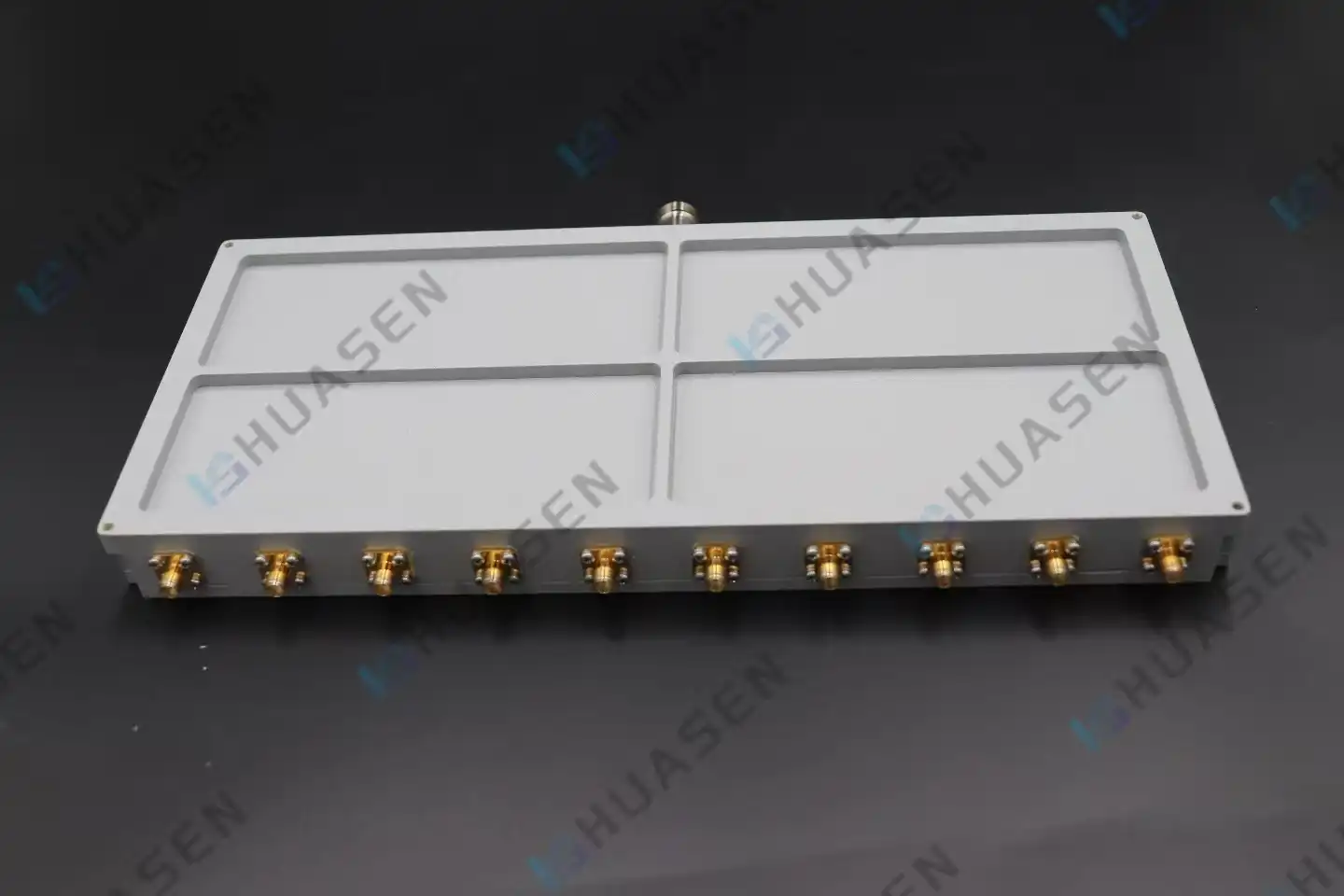
RF Power Scaling Strategies Using Coaxial Power Combiner Networks
Engineers always have to figure out how to combine multiple amplifier outputs efficiently without losing signal integrity or adding too much loss when they need to increase the RF power output across telecommunications infrastructure, radar systems, or satellite links. A coaxial power combiner is an important passive part that combines RF signals from different amplifier modules into a single high-power output. This lets system designers send kilowatts of power while keeping phase coherence, minimal insertion loss, and strong isolation between input channels, which is necessary for 5G base stations, defense radar, and broadcast applications.VIEW MORE
- 1
- 2
- 3
- 4
- 5
- 6
- 60
Total 60 pages
