Selecting Waveguide Wideband Circulator for Labs






2026-07-17 16:00:56
As you pick a waveguide wideband circulator for your lab, there are a few important things you should keep in mind. These will have a direct effect on how stable the system is and how accurate the readings are. It is an inactive, one-way device that helps send microwave and radio frequency (RF) data between many ports with very little loss and good separation across a large frequency range. Test sets need these parts a lot because they handle power, keep messages safe, and work on several bands. To describe what they are used for during study, development, and production, we need to name them that. A lab manager or RF engineer can make better decisions that meet both short-term testing needs and long-term infrastructure goals if they know about the technical specs, application needs, and buying issues.
Understanding Waveguide Wideband Circulators: Fundamentals and Key Benefits
The flow of electromagnetic waves is controlled by waveguide circulators, which work on the idea of non-reciprocal ferrite. Waveguide wideband circulators are different from narrowband circulators because they can handle a wider range of frequencies, sometimes more than a few gigahertz, without having to constantly change parts or the way the system is set up.
How Do Waveguide Circulators Work?
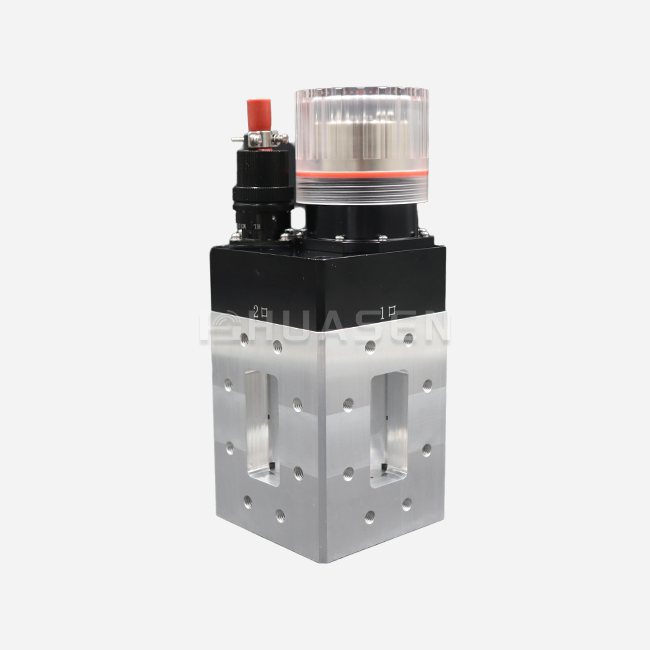
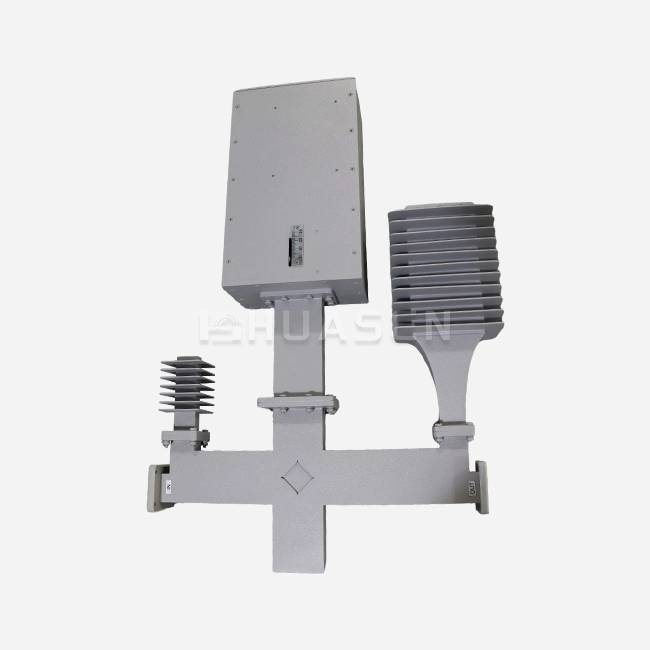
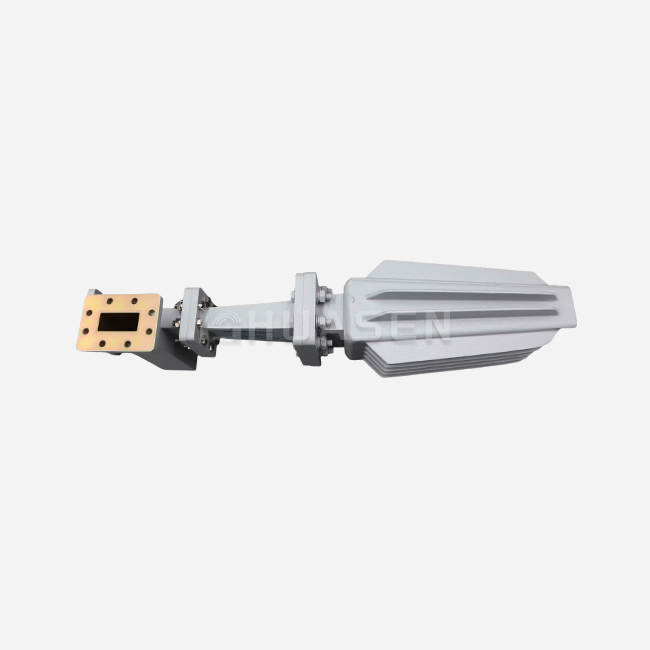
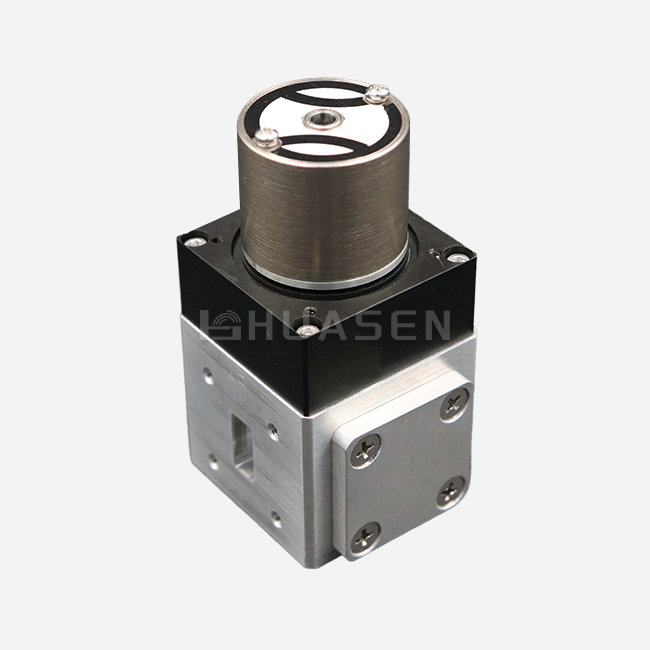
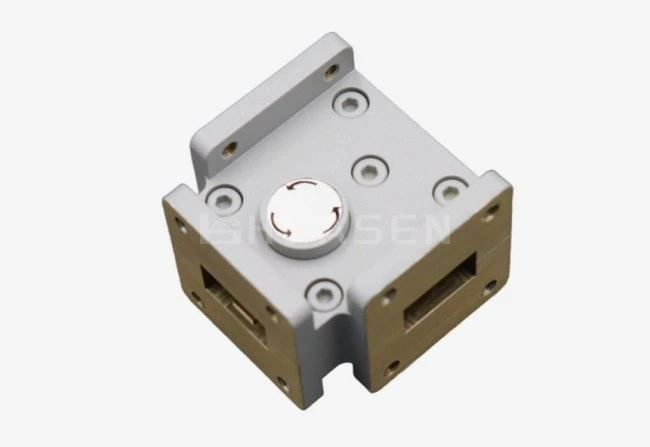
In the middle of every circulator is a ferrite junction that is hit by a magnetic field that pulls it in one direction. Signals that come in through Port 1 leave through Port 2, signals that leave through Port 2 come in through Port 3, and so on. The waveguide structure controls electromagnetic energy well, which lowers radiation losses and makes it easier to handle power than coaxial designs. Labs that need to test high-power transmitters, antenna systems, or radar parts need to be able to use this architecture. It helps keep reflected signals separate to protect sensitive equipment.
Advantages in Laboratory Applications
Without wideband circulators, test sets would be harder to put together since they need more than one narrowband part. One gadget can test 5G millimeter waves at 28 GHz, satellite communications at Ku-band, and radars at X-band. Having this much freedom cuts down on the cost of stock and speeds up the testing process. Many connection rounds can be made because the mechanical design is strong, and the low insertion loss (usually less than 0.5 dB) keeps the signal quality fixed during important steps. If the environment is stable, performance stays the same even if the temperature changes or there is electromagnetic interference. This is especially useful for testing in aerospace and defense.
Key Technical Criteria for Selecting Waveguide Wideband Circulators
You need to make sure that the specs of the waveguide wideband circulator you choose meet the needs of the lab test. Measurement accuracy is directly affected by performance factors, while physical aspects have an impact on how well a system works together.
Frequency Range and Bandwidth Coverage
All of the test frequencies your lab needs must be in the range of frequencies that can be used. Better ones can work with even wider ranges, but most wideband circulators can handle frequencies between 8 and 40 GHz or 18 to 40 GHz if the ratio is between 1.5:1 and 2:1. As well as making sure it works at the center frequencies, make sure it works right across the whole bandwidth. A broad frequency range is very useful for labs that test a lot of different standards, like those that test 5G NR, Wi-Fi 6E, and satellite stations.
Isolation and Insertion Loss Performance
| Performance Parameter | Typical Specification | Lab Impact |
|---|---|---|
| Isolation | 18-25 dB | Prevents signal leakage between ports, protecting measurement equipment from reflected power |
| Insertion Loss | 0.3-0.6 dB | Maintains signal strength and measurement accuracy; lower values reduce error margins |
| VSWR | < 1.25:1 | Ensures efficient power transfer and minimizes standing waves that distort test results |
| Peak Power Handling | 5-50 kW | Determines the maximum transmitter power levels the circulator can safely manage |
| Average Power | 500-2000 W | Affects continuous operation capabilities during extended testing sessions |
How well the waveguide wideband circulator stops signal leakage between ports that are not next to each other is determined by isolation. Values above 20 dB are normal, and devices that cost more get values of 25 dB or higher. Insertion loss is a way to measure how weak a signal is as it travels along its intended path. When testing low-noise amplifiers or weak signals, it's important to keep the measurement sensitivity and dynamic range at low values.
Power Handling Capabilities
Lab circulators need to be able to handle the different power levels that come up during tests without breaking down or getting damaged. Peak power handling deals with pulsed radar signals and short-lived situations, while average power standards control continuous-wave tasks like carrier testing. High-power circulators have better temperature control because they have built-in heat sinks or forced-air cooling. If you know the difference between these grades, your tools won't break down when you're characterizing a high-power transmission or measuring an antenna pattern.
Mechanical Integration Factors
Waveguide sizes are standardized and are given names like WR-430, WR-187, WR-90, etc. that match certain frequency bands. To make sure the electromagnetic sealing works right, the flanges must match the connections on the test equipment, which can be UG-style or IEC standards. Rack integration and wire handling are affected by the size and shape of the rack and how it is mounted. Labs that don't have a lot of room should look at small designs that keep performance while cutting down on space. Specifications for temperature stability show if extra external controls are needed for accurate readings.
Comparing Waveguide Wideband Circulators: Making Informed Decisions
Knowing the differences between waveguide wideband circulators and comparing what different manufacturers offer can help you make better choices about what to buy. There are trade-offs in performance between cost, size, bandwidth, and power handling.
Wideband vs. Narrowband Circulators
Narrowband circulators work better in certain frequency bands than their wideband counterparts, often with lower insertion loss and better separation. But they need to keep a stock of more than one unit to meet a range of test situations. Wideband designs give up some performance for operational flexibility, which is useful in labs that are used for more than one thing. Which one to choose depends on whether your testing is limited to certain frequency ranges or needs to be able to work with a number of different standards and protocols.
Alternative Technologies
Coaxial circulators have smaller sizes and are easier to integrate below 18 GHz, but they have more insertion loss when the power level is high. Waveguide structures can handle more power than stripline and microstrip circulators, which are better for integrated test systems. Drop-in circulators are small options for certain waveguide sizes. Each technology is better for a certain type of application, but waveguide circulators are still the best choice for high-power, high-frequency lab work.
Manufacturer Comparison Considerations
Manufacturers with a good reputation give thorough specs that are backed up by tested data instead of just normal numbers. Consistency in manufacturing is shown by certifications like ISO 9001 for quality management and environmental compliance certifications. When planning long-term test programs, supply chain stability is important because the availability of parts affects project timelines. For non-standard frequency ranges, flange types, or power needs, leading providers offer customization services that are useful for specialized research uses.
Practical Procurement Guide: How to Buy the Right Waveguide Wideband Circulator for Your Lab?
When buying a waveguide circulator strategically, the process starts with a thorough analysis of the needs and continues through vendor evaluation and support after delivery. Structured methods lower danger and make the best use of resources.
Defining Laboratory Requirements
Write down the exact frequencies, power levels, and accuracy of measurements that your tests need. When 5G turns into 6G or when satellite constellations increase frequency allocations, think about what you will need in the future. Figure out the working temperature ranges, humidity levels, and shaking levels that affect how reliable the system is. Find out whether standard solutions or custom ones will work better for your needs. While custom circulators may take longer to make, they work best in certain test situations and give the best performance.
Evaluating Supplier Capabilities
Work with manufacturers who can show they know RF engineering and can make things well. Before you buy a lot of something, ask for sample units or trial boards to make sure that the specs work in your real test setting. Check to see how complete the technical documentation is—detailed datasheets with swept-frequency performance graphs show how well the measurements were done and how confident the specifications are. Total cost of ownership is affected by warranty terms and how quickly technical help responds, especially when fixing problems with complicated measurement sets or adding new test systems.
| Waveguide Size | Frequency Range (GHz) | Typical Insertion Loss (dB) | Peak Power (kW) | Common Applications |
|---|---|---|---|---|
| WR-430 | 1.7-2.6 | 0.4 | 20 | L-band radar, telemetry testing |
| WR-187 | 3.95-5.85 | 0.35 | 15 | C-band satellite communications |
| WR-90 | 8.2-12.4 | 0.3 | 10 | X-band radar, weather systems |
| WR-42 | 18-26.5 | 0.5 | 5 | K-band 5G testing, point-to-point links |
| WR-28 | 26.5-40 | 0.6 | 3 | Ka-band satellite, millimeter-wave research |
Procurement Process Optimization
A lot of the time, bulk purchasing agreements get better prices and give priority to allocation when supplies are low. Set clear release dates that are in line with project goals and give yourself enough time for integration and testing. Before placing an order, make sure you understand the payment terms, inspection procedures, and acceptance criteria. To keep projects from being held up, negotiate faster delivery options for important applications or keep a strategic inventory on hand.
Ensuring Long-Term Lab Performance: Maintenance, Troubleshooting, and Upgrades
With regular maintenance, waveguide wideband circulators last longer and keep their measurement accuracy. Problems are found before they affect test results when fixing is done in a planned way.
Regular Maintenance Protocols
Check the flange joints often for damage or contamination that could weaken the electromagnetic seal. To get rid of dust or oxidation, clean the openings in the waveguide with lint-free materials and the right solvents. Check to see if the fixing hardware is still in place. Over time, shaking can cause links to come loose. Record initial measurements of performance, such as isolation, insertion loss, and VSWR, to see if the quality starts to decline over time. Checking measurements against reference standards once a year keeps them accurate and dependable.
Troubleshooting Common Issues
Less separation is often a sign of ferrite demagnetization or changes in magnetic biasing caused by temperature. High insertion loss can happen when the flange isn't lined up right, there is contamination, or there is damage inside the part. There may be problems with the connection or an impedance mismatch when VSWR goes up. Systematic analysis includes testing each port combination on its own, comparing the results to the starting point data, and figuring out which links or internal parts are broken. Thermal imaging can show hotspots that mean there are problems with power handling or not enough cooling.
Technology Upgrade Pathways
As the needs for testing grows to include millimeter-wave frequencies or higher power levels, looking at newer waveguide circulator technologies keeps labs competitive. Newer ferrite materials make the bandwidth better and the size smaller. Better thermal management makes it possible for average power to go up. Digital control features let you watch from afar and set up automatic test sequences. Planning update cycles around when equipment breaks down and when new technologies come out makes the best use of capital while still supporting research goals that are changing.
Conclusion
Selecting the appropriate waveguide wideband circulator involves balancing technical specifications against laboratory requirements and budgetary constraints. Understanding how frequency coverage, isolation performance, power handling, and mechanical integration affect test capabilities enables informed procurement decisions. By partnering with established manufacturers who demonstrate engineering expertise and supply chain reliability, laboratories secure components that enhance measurement accuracy and operational efficiency. Regular maintenance and strategic upgrades preserve long-term performance as testing demands evolve with advancing wireless technologies and aerospace systems.
FAQ
1. What frequency ranges do waveguide wideband circulators typically cover?
Wideband waveguide circulators commonly span frequency ratios from 1.5:1 to 2:1, such as 8-18 GHz, 18-40 GHz, or 26.5-40 GHz, depending on waveguide size. These ranges accommodate multiple communication bands and testing standards within a single device, reducing the need for frequent component changes during laboratory operations.
2. How does insertion loss affect laboratory measurements?
Insertion loss directly reduces signal strength passing through the circulator, which affects measurement sensitivity and dynamic range. Lower insertion loss—typically 0.3-0.6 dB for quality waveguide circulators—preserves signal integrity and minimizes error margins during precise RF characterization and calibration procedures.
3. Can waveguide circulators handle pulsed radar signals?
Yes, waveguide circulators are specifically designed for high peak power applications, including pulsed radar systems. Peak power ratings between 5 and 50 kW accommodate transient conditions, while the waveguide structure provides superior power handling compared to coaxial alternatives, making them ideal for radar testing and development.
4. What maintenance do waveguide circulators require?
Routine maintenance includes inspecting flange connections for damage, cleaning waveguide openings to prevent contamination, verifying secure mounting hardware, and documenting baseline performance measurements. Annual calibration checks maintain measurement accuracy and detect gradual performance degradation before it impacts test results.
Partner with Huasen Microwave for Superior Waveguide Solutions
Laboratories seeking reliable waveguide wideband circulator suppliers will find valuable expertise at Huasen Microwave Technology. Since 1993, we have specialized in high-frequency microwave and millimeter-wave component development, serving telecommunications, radar, aerospace, and defense sectors globally. Our circulators deliver exceptional isolation, low insertion loss, and robust power handling backed by rigorous testing and quality assurance. Whether you require standard specifications or custom designs tailored to unique frequency bands and power levels, our engineering team provides comprehensive technical support from initial consultation through post-delivery service. Contact our team at sales@huasenmicrowave.com to discuss your laboratory requirements and receive detailed specifications, performance data, and procurement assistance.
References
1. Linkhart, Douglas K. Microwave Circulator Design, Second Edition. Artech House, 2014.
2. Baden Fuller, A. J. Ferrites at Microwave Frequencies. IET Electromagnetic Waves Series, 1987.
3. Helszajn, Joseph. The Stripline Circulator: Theory and Practice. Wiley-IEEE Press, 2008.
4. Pozar, David M. Microwave Engineering, Fourth Edition. John Wiley & Sons, 2011.
5. Collin, Robert E. Foundations for Microwave Engineering, Second Edition. Wiley-IEEE Press, 2001.
6. Montgomery, C. G., Dicke, R. H., and Purcell, E. M. Principles of Microwave Circuits. IET Electromagnetic Waves Series, 1987.
Send Inquiry