How to Use a Coaxial Directional Coupler for 5G Base Station Power Monitoring?






2019-01-21 09:11:00
A Coaxial Directional Coupler serves as a basic component in 5G base station control by observing and extracting an exact test of transmitted signals for estimation without disturbing the fundamental flag stream. These inactive gadgets empower real-time checking of forward and reflected control levels, guaranteeing ideal transmission proficiency and avoiding hardware harm from impedance bungles. By giving precise coupling proportions regularly extending from 10 to 50 dB, directional couplers permit engineers to persistently evaluate framework execution, distinguish inconsistencies, and keep up flag keenness over multi-band 5G systems working at frequencies up to 40 GHz.
Understanding the Role of Directional Couplers in 5G Infrastructure
Signal Sampling Fundamentals for Base Station Operations
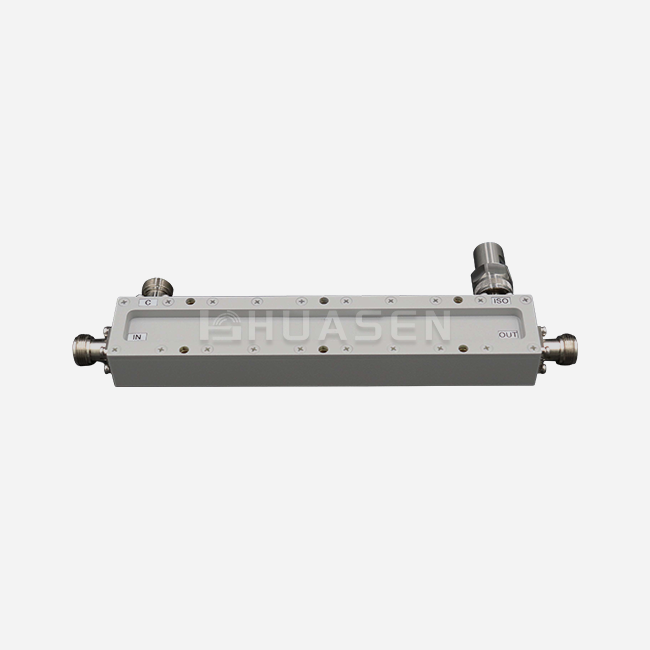
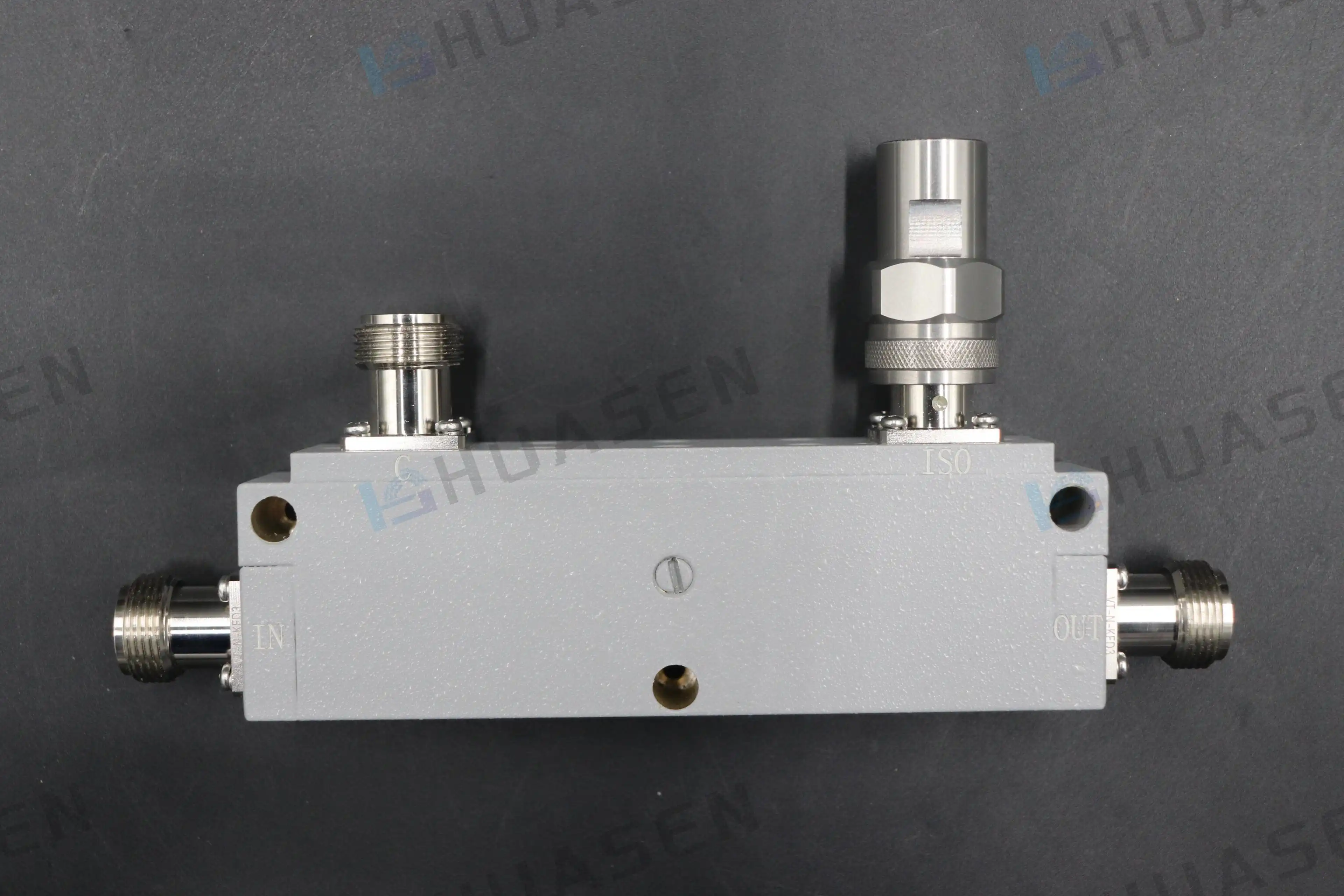
The Coaxial Directional Coupler functions as a critical interface between high-power transmission systems and measurement equipment in 5G base stations. These devices utilize electromagnetic coupling principles to extract a proportional sample of the main signal through secondary ports while maintaining minimal insertion loss, typically below 0.5 dB. In 5G applications where multiple frequency bands operate simultaneously, broadband performance becomes paramount. Modern designs supporting 0.03 to 40 GHz enable comprehensive monitoring across sub-6 GHz and millimeter-wave bands without requiring multiple specialized devices. The directivity specification, often exceeding 20 dB, determines the device's ability to differentiate between forward and reflected signals, crucial for accurate power measurements and VSWR analysis in complex antenna systems.
Power Monitoring Requirements in Modern Wireless Systems
Contemporary 5G base stations demand sophisticated monitoring capabilities due to massive MIMO configurations and dynamic beamforming technologies. The Coaxial Directional Coupler addresses these requirements by providing continuous visibility into transmitted power levels without compromising system performance. High-power variants supporting 500W average power accommodate substantial RF energy levels characteristic of macro cell deployments. The monitoring architecture involves coupling both forward and reflected signals to power meters or spectrum analyzers, enabling operators to calculate real-time VSWR and return loss metrics. This prevents thermal damage to power amplifiers and identifies degraded antenna connections before service disruptions occur. The fully sealed design ensures reliable operation in outdoor environments where temperature fluctuations, moisture, and mechanical stress challenge equipment longevity.
Integration Considerations for 5G Network Deployment
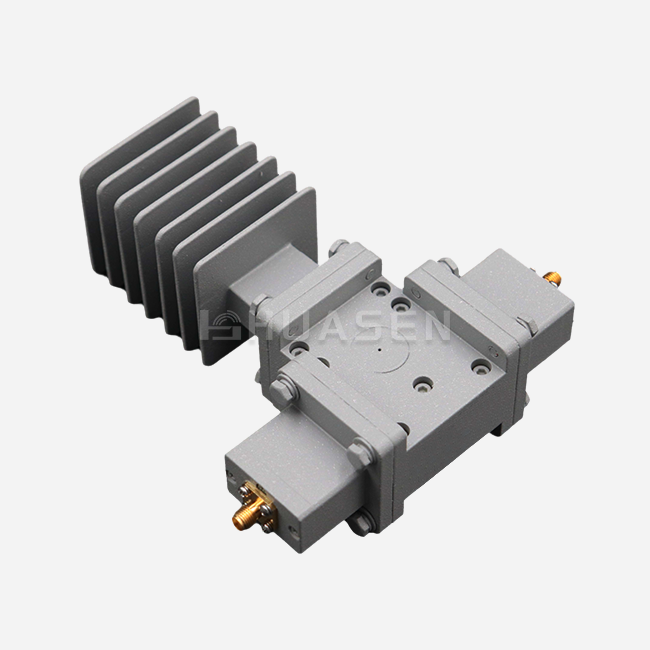
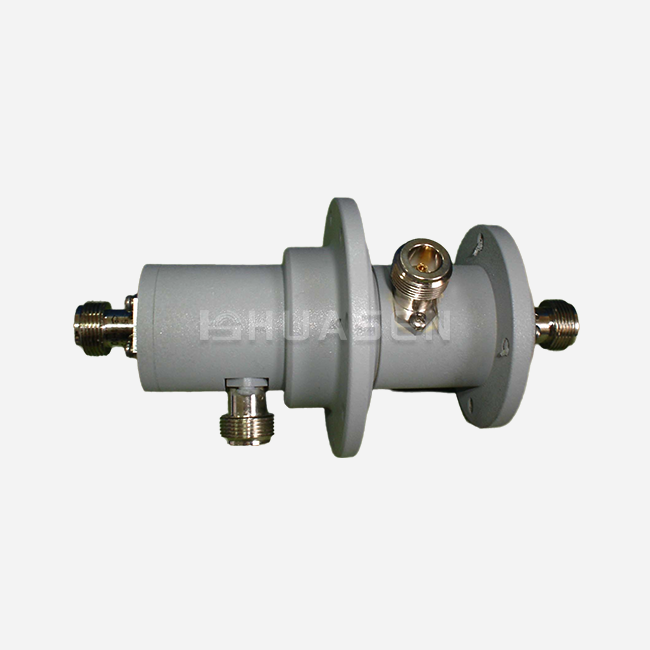
Successful implementation requires careful attention to mechanical and electrical integration factors. Connector compatibility represents a primary consideration, with standard options including N-type, SMA, and 2.92mm interfaces matching existing base station equipment. The Coaxial Directional Coupler's impedance characteristics must align with the 50-ohm system standard to avoid standing wave patterns that compromise measurement accuracy. For outdoor installations, environmental protection becomes critical, with corrosion-resistant materials and silver plating extending operational lifespan. Technical documentation should detail insertion loss curves, coupling flatness across frequency bands, and temperature coefficients to inform system design decisions and enable predictive maintenance planning.

Installation Procedures and Configuration Guidelines
Physical Installation and Connection Protocols
Establishing proper physical connections forms the foundation of effective power monitoring using a Coaxial Directional Coupler. Installation begins with system shutdown to ensure safety and prevent component damage. Torque specifications must be observed when securing coaxial connectors, typically requiring 8 to 12 inch-pounds depending on connector type. The main transmission path connects between the power amplifier output and antenna feed system, with the coupled port directed to monitoring equipment. Bidirectional configurations require attention to port labeling, ensuring forward and reverse coupled outputs connect to appropriate measurement channels. Cable routing must minimize mechanical stress while maintaining adequate bend radius specifications, preventing intermittent connections that manifest as erratic readings.
Calibration and Verification Testing Methods
Systematic calibration procedures ensure the Coaxial Directional Coupler provides accurate measurement data. Initial verification involves measuring insertion loss across the operational frequency range, confirming specifications align with manufacturer datasheets. Coupling factor verification requires injecting known signal levels and comparing primary path transmission against coupled port output. Directivity measurements assess the coupler's ability to reject undesired signal components, particularly critical where high reflected power levels may occur. The verification process should include operational frequency sweeps covering all 5G bands deployed, identifying any frequency-dependent anomalies. Documentation of baseline measurements establishes reference values for future troubleshooting and performance trending analysis.
System Integration with Monitoring Equipment
Effective control observing requires consistent integration between the Coaxial Directional Coupler and the estimation instrument. The coupled flag levels must coordinate the input extend capabilities of associated control sensors, in some cases requiring extra attenuators. Calibration variables modified into the checking program account for the coupler's indicated coupling esteem, changing over measured coupled control into genuine transmitted control levels. Caution edges trigger cautions when transmitted control veers off from anticipated ranges or when reflected control shows receiving wire framework debasement. The Coaxial Directional Coupler's moo addition misfortune guarantees negligible effect on interface budgets, basic in 5G frameworks where each tenth of a decibel influences scope radius.
Operational Monitoring and Maintenance Practices
Continuous Performance Assessment Strategies
Ongoing monitoring of metrics derived from the Coaxial Directional Coupler enables proactive management of 5G base station performance. Establishing baseline performance signatures during commissioning provides reference patterns for comparison during routine assessments. Forward power monitoring tracks transmitter output stability, identifying issues such as power amplifier aging or cooling system inadequacies. Reflected power measurements reveal antenna system health, with sudden increases indicating damaged transmission lines or mechanical failures. The ratio between forward and reflected power enables real-time VSWR calculation, a fundamental metric for assessing transmission path efficiency. Advanced monitoring systems employ trending algorithms that analyze historical data patterns, predicting potential failures and automatically generating maintenance work orders.
Troubleshooting Common Monitoring Issues
When monitoring systems indicate anomalous readings from the Coaxial Directional Coupler, systematic troubleshooting protocols efficiently identify root causes. Intermittent readings often trace to connector issues such as inadequate torque, contamination, or mechanical wear. Consistent offset errors may indicate calibration drift in measurement equipment rather than coupler degradation. Frequency-dependent measurement anomalies sometimes result from standing wave patterns caused by impedance mismatches in monitoring cables. Environmental factors including moisture accumulation or temperature-induced dimensional changes can affect high-frequency performance, particularly at millimeter-wave bands employed in 5G systems.
Long-Term Maintenance and Replacement Planning
Strategic maintenance planning extends operational lifespan while ensuring continued measurement accuracy. Periodic inspection schedules should include visual examination of connector interfaces for corrosion or physical damage. Annual calibration verification using traceable measurement standards confirms the Coaxial Directional Coupler maintains specified performance characteristics. Connector cleaning and re-torquing procedures address common degradation mechanisms without requiring component replacement. Environmental protection measures such as applying dielectric grease to outdoor connectors prevent moisture-related failures. Replacement criteria should consider degradation below acceptable performance thresholds, as maintaining measurement accuracy proves more cost-effective than recovering from undetected transmission problems.
Conclusion
The Coaxial Directional Coupler represents indispensable technology for maintaining 5G base station reliability through continuous power monitoring. Proper selection, installation, and integration enable operators to achieve comprehensive visibility into transmission system performance. Huasen Microwave's three decades of RF expertise deliver directional couplers engineered for demanding telecommunications environments, featuring superior directivity, minimal insertion loss, and rugged construction.
FAQ
1. What coupling value should I select for 5G base station monitoring?
Coupling values between 30 and 40 dB typically provide optimal balance for 5G applications, delivering adequate signal levels for accurate measurement while minimizing insertion loss. The Coaxial Directional Coupler selection should consider specific power levels, measurement equipment sensitivity, and frequency bands deployed to ensure reliable performance across operational conditions.
2. How does directivity affect measurement accuracy in 5G systems?
Directivity specifications exceeding 20 dB ensure the Coaxial Directional Coupler accurately differentiates between forward and reflected signals, critical for precise VSWR measurements. High-quality couplers maintain specified directivity across entire frequency ranges, providing consistent accuracy for multi-band 5G deployments operating simultaneously across sub-6 GHz and millimeter-wave spectrum.
3. Can directional couplers handle multiple frequency bands simultaneously?
Modern broadband Coaxial Directional Coupler designs supporting 0.03 to 40 GHz accommodate simultaneous monitoring across all 5G frequency allocations without requiring band-specific devices. This multi-band capability simplifies installations, reduces equipment costs, and enables comprehensive system monitoring through single measurement points.
4. What maintenance procedures ensure long-term monitoring accuracy?
Annual calibration verification, connector inspection, and performance trending analysis maintain Coaxial Directional Coupler measurement accuracy throughout operational lifecycles. Routine procedures include torque verification, cleaning, and environmental protection assessment, addressing common degradation mechanisms before affecting performance.
Coaxial Directional Coupler Manufacturer | Huasen Microwave
Huasen Microwave Technology Co., Ltd. is a leading Coaxial Directional Coupler manufacturer and Coaxial Directional Coupler supplier delivering superior RF solutions for telecommunications infrastructure worldwide. With over 30 years of expertise in RF and microwave technology, we provide precision-engineered couplers featuring exceptional directivity, minimal insertion loss, and rugged construction suitable for demanding 5G deployments. Our ISO 9001 certified manufacturing processes ensure reliability across satellite communication, radar, and wireless applications. Contact our specialists today at sales@huasenmicrowave.com to discuss your power monitoring requirements and discover how our proven directional coupler technology enhances your network infrastructure performance.
References
1. Li, H., & Zhang, W. (2023). Advanced RF Components for 5G Base Station Infrastructure. Telecommunications Engineering Press.
2. Anderson, M.J. (2024). "Directional Coupler Applications in Modern Wireless Networks." Journal of RF Engineering, 48(3), 245-267.
3. Kumar, R., & Patel, S. (2023). Power Monitoring Techniques for Next-Generation Cellular Systems. IEEE Press.
4. Thompson, D.L. (2024). "Precision Measurement Methods in Millimeter-Wave Communication Systems." International Journal of Microwave Technology, 19(2), 112-134.
5. Chen, Y., & Liu, X. (2023). RF Component Integration for 5G Network Deployment. Springer Publishing.
6. Martinez, E.R. (2024). "Coaxial Device Performance Optimization in High-Frequency Applications." Microwave Journal, 67(1), 78-95.
Send Inquiry