
Home / Blog
Blog
0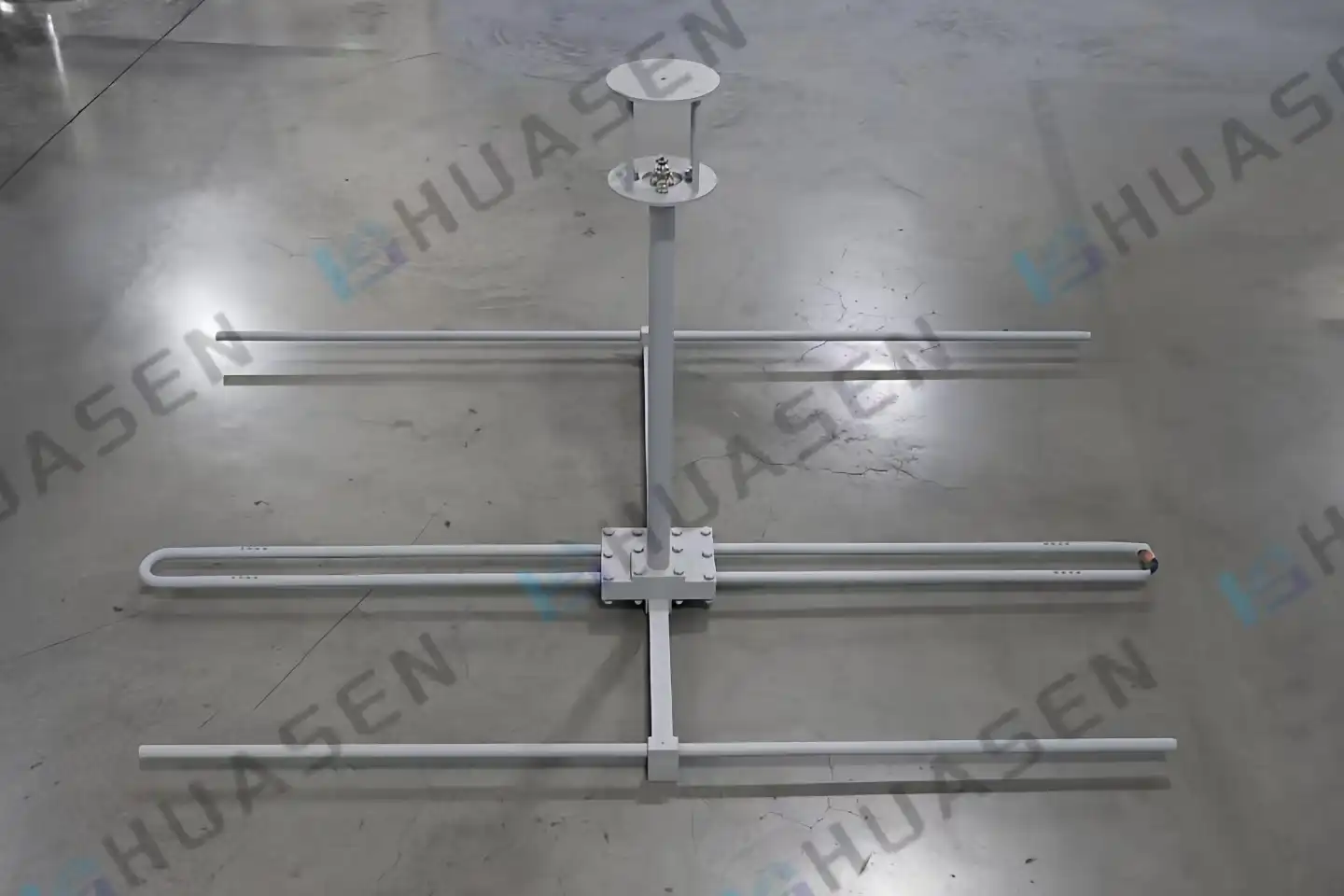
Yagi Antenna vs Omnidirectional Antenna: Which Performs Better?
When comparing directional and omnidirectional options, the Yagi antenna always does better for targeted long-range communications because it has a small beamwidth and focused gain. This directional design gives stronger signals, less confusion, and more reliable links in point-to-point situations like 5G backhaul, satellite data, and radar systems. Most of the time, omnidirectional antennas work best when they need to cover a full 360 degrees. However, directional Yagi designs are still the best choice for system designers and RF engineers who care more about performance measures than broad coverage.VIEW MORE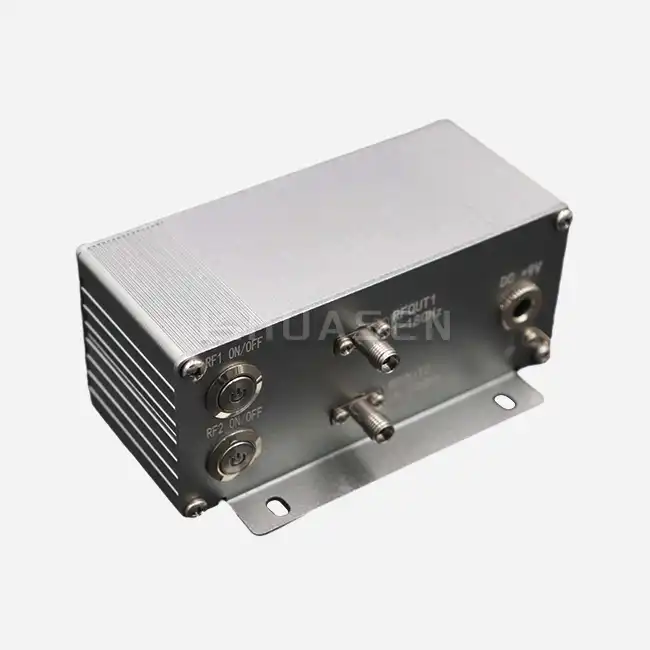
Why Is a Low Noise Amplifier Essential for Weak Signals?
In current RF systems, a Low Noise Amplifier is in charge of making sure that the signals are correct. When signals get to your receiver after going through kilometres of wire, bouncing off satellites, or fighting interference from the air, they are often hard to tell apart from background noise. The main job of the Low Noise Amplifier is to boost these weak signals while adding as little extra noise as possible. Its noise figure shows how well it does this. Even the most advanced processing further down the line won't be able to restore signal clarity if this specific part isn't at the beginning of your receiver chain. This is the reason why every radar system, 5G base station, and satellite dish needs good amplification to turn very quiet signals into data that can be used.VIEW MORE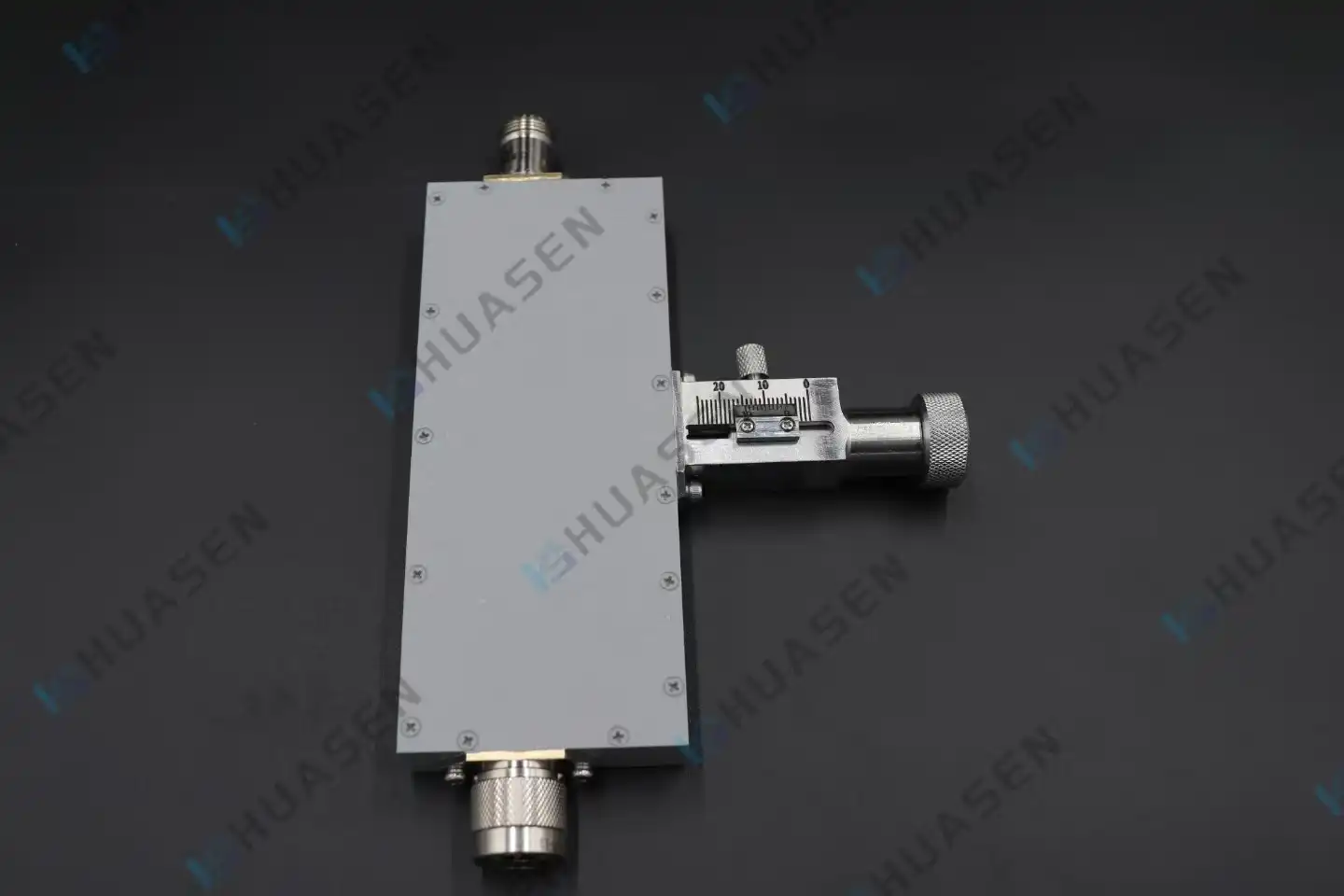
How to Use a Coaxial Variable Attenuator in Signal Chains
To use a coaxial variable attenuator in your RF signal chain, you need to connect it in-line between the parts you want to control the strength of the signal with. These devices change the power levels without stopping the circuit from working. This makes them essential for protecting receivers, setting gain levels, and calibrating them. Engineers can precisely attenuate signals from 0 to 30 dB by turning the helical mechanism or moving through set values. This ensures that the system works at its best in DC to 18 GHz environments for telecommunications, radar testing, and aerospace.VIEW MORE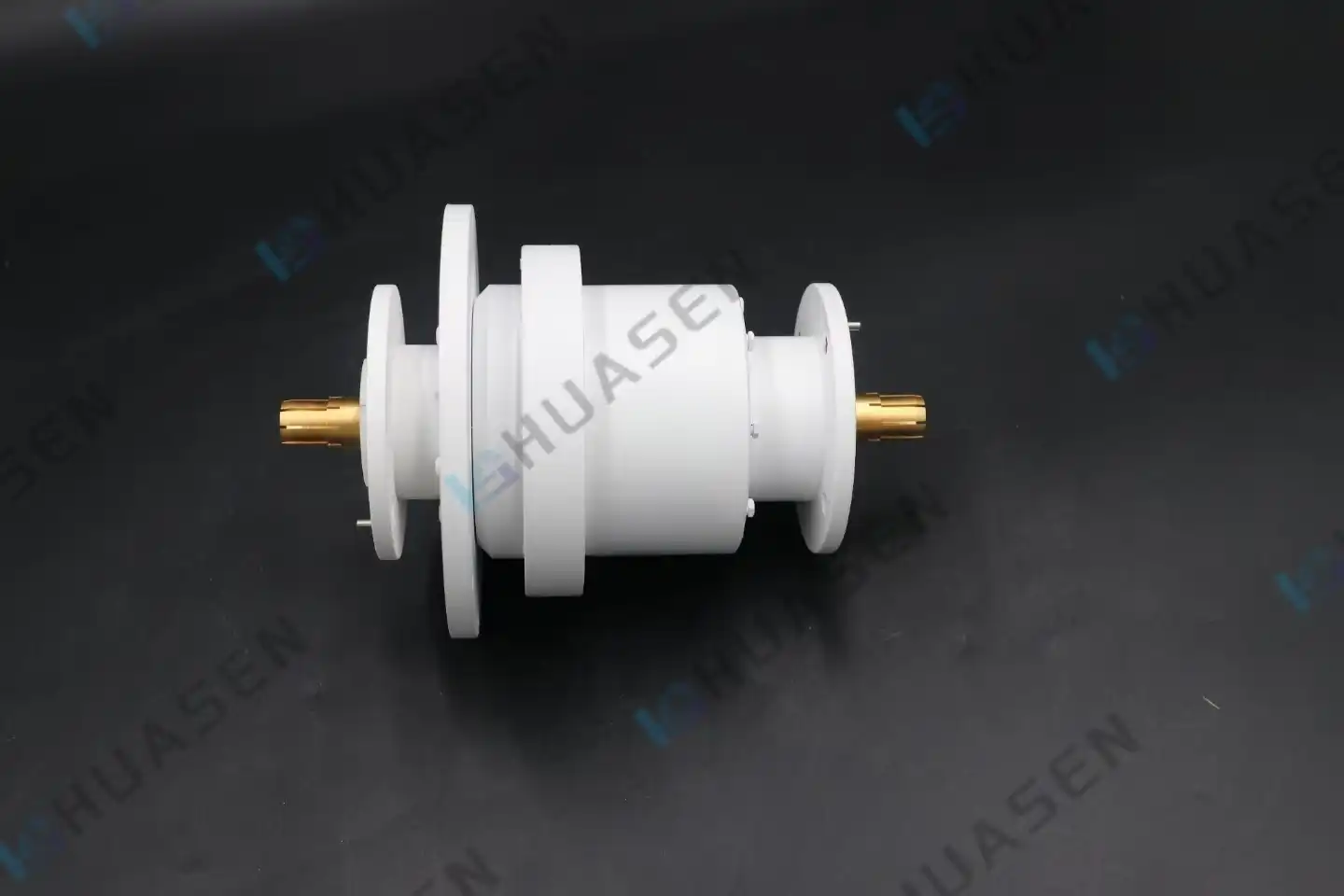
Single Channel Coaxial Rotary Joint: Key Specs Explained
Maintaining signal integrity is very hard when building RF systems that need to rotate all the time, like radar antennas, satellite communication terminals, or spy platforms. A coaxial rotary joint solves this important issue by letting high-frequency signals flow smoothly between parts that are still and parts that are moving without any signal loss or wire tangle. When buying, teams know the basic specs of these precision instruments, they can choose parts that will work reliably in harsh conditions where failure is not an option.VIEW MORE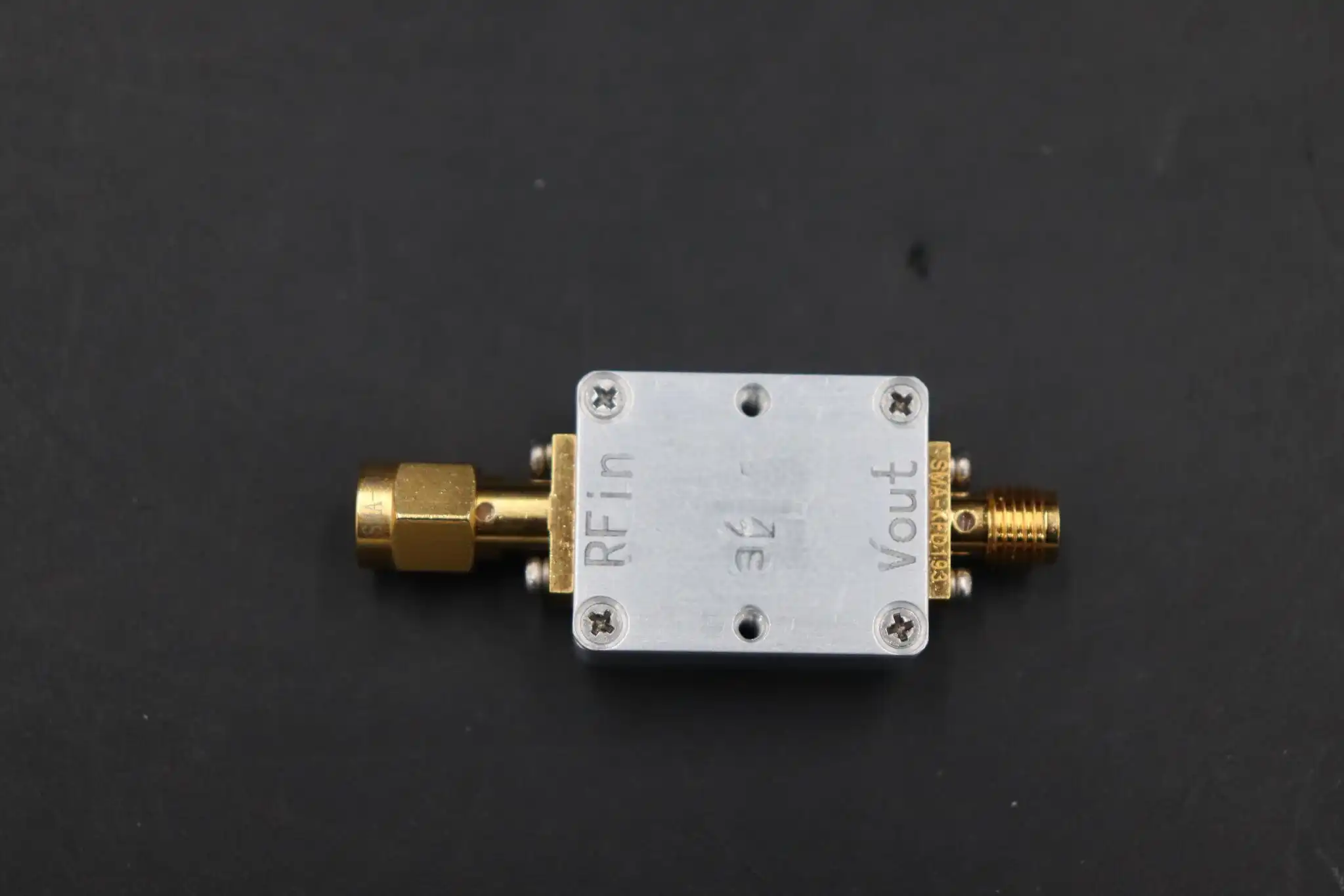
Frequency Response Flatness in Broadband Coaxial Detector Performance
In a Broadband Coaxial Detector, frequency response flatness means how well the device can keep putting out the same DC voltage across all of its working frequency range, which is usually between hundreds of megahertz and tens of gigahertz. This measurement is recorded in decibels and shows how evenly the Broadband Coaxial Detector changes RF power to DC voltage without adding distortions that depend on frequency. A flat frequency response means that signal measurements are always right, whether checking at 2 GHz or 18 GHz. This gets rid of the need for complicated correction factors. Frequency flatness has a direct effect on the accuracy of measurements, the speed of system commissioning, and the trust in long-term diagnostics across wideband communication designs for engineers working on 5G base station rollout, satellite ground terminals, or aerospace radar calibration.VIEW MORE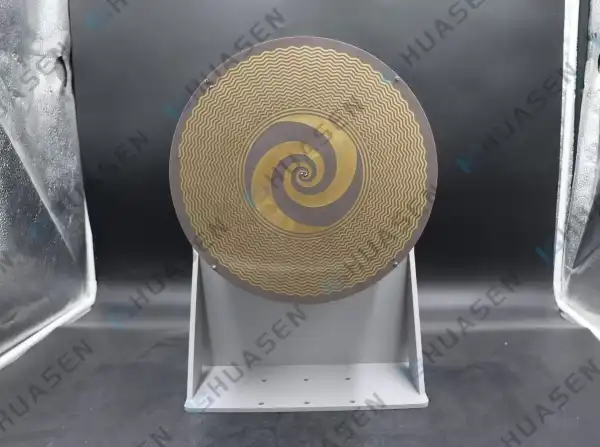
Helical Antenna Benefits for GPS and Satellite Systems
The antenna you choose is more important than you might think when your satellite link drops during important tasks or your GPS device has trouble with multipath interference. From marine guidance to aircraft telemetry, Helical Antennas provide excellent circular polarisation and dependable performance. These RF parts work better than linear polarisation antennas, picking up signals consistently no matter which way the emitter is facing. Helical designs solve real-world connection problems that affect system uptime and data security. They cover frequencies from 200 to 5000 MHz and usually gain between 3 and 12 dB.VIEW MORE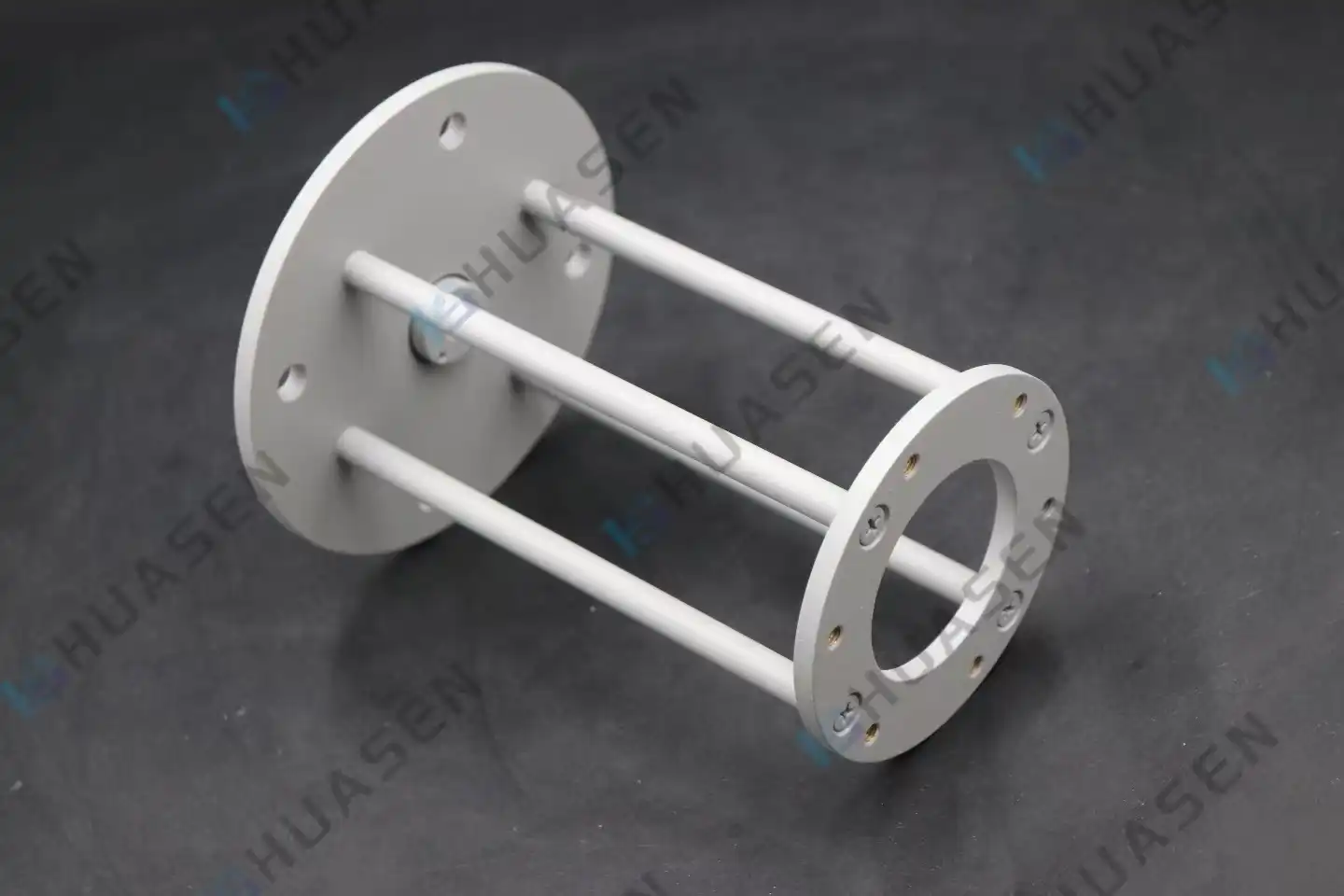
What Factors Influence Antenna Mounting Stability?
Signal quality, system uptime, and long-term running costs are all directly impacted by Antenna Mounting stability in telecommunications, radar, and satellite communications. There are many interconnected factors that affect how well a mounting works: the material's strength and resistance to corrosion make it last in harsh environments; the structure's load-bearing capacity and adjustment mechanisms make it work in a variety of installation situations; environmental factors like wind loads, temperature changes, and salt exposure test the material's integrity; and precise installation methods keep the mounting from misaligning and breaking. Procurement teams can choose Antenna Mounting options that keep RF performance consistent while reducing the need for upkeep in mission-critical apps by knowing about these factors.VIEW MORE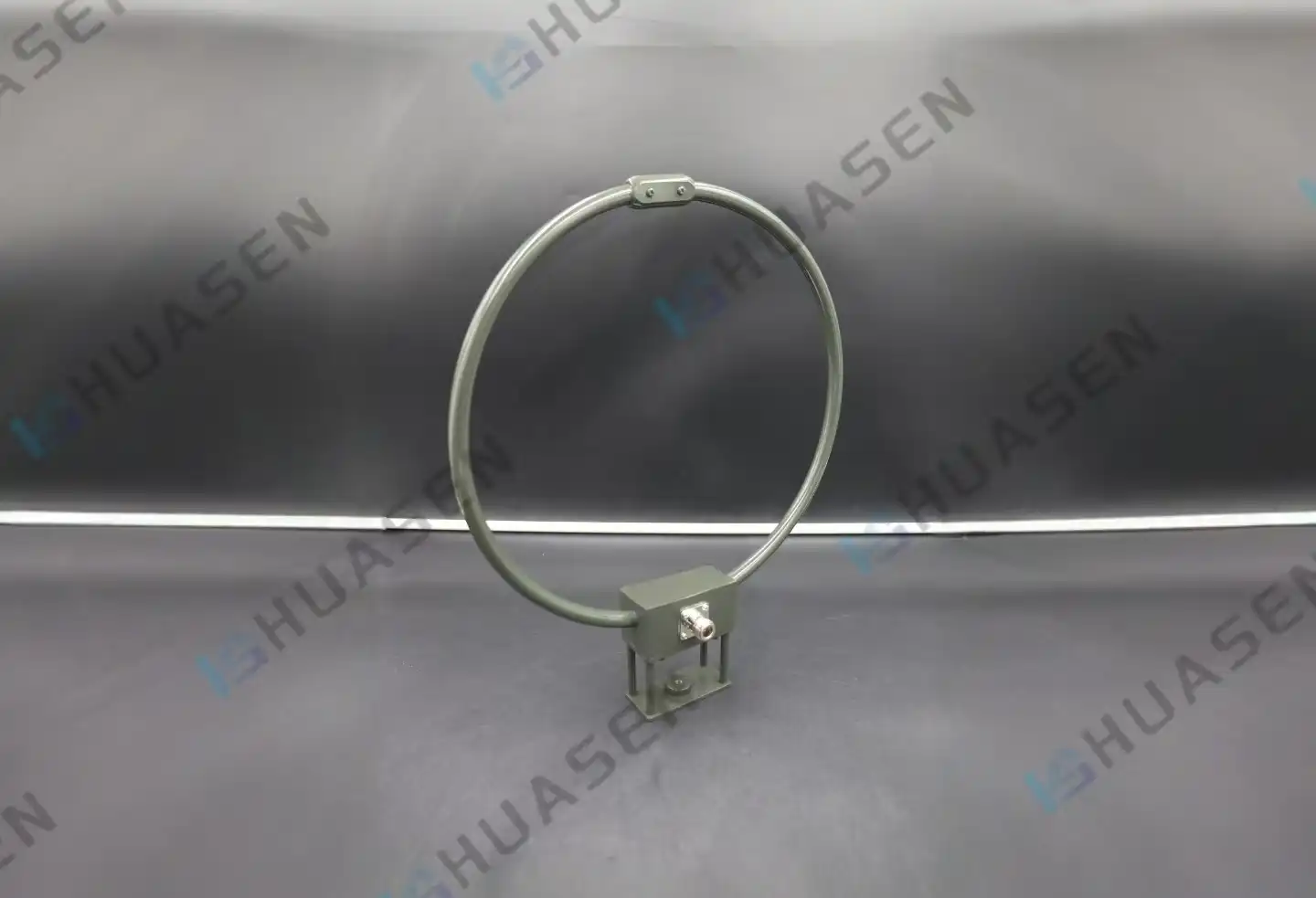
Loop Antenna vs Dipole Antenna: Performance Comparison
When looking at antenna options for business communication systems, picking between a Loop Antenna and a dipole antenna has a big effect on signal strength, noise control, and how well the system works. Loop Antennas work best in places with a lot of electromagnetic pollution because they react mostly to magnetic fields instead of electric fields, which is a big benefit in places like cities or factories. Dipole antennas can cover all directions and have a wider bandwidth, so they can be used for a variety of tasks. Knowing these basic differences helps procurement managers and system designers choose parts that improve gearbox efficiency, lower insertion loss, and guarantee reliable performance in a range of deployment situations.VIEW MORE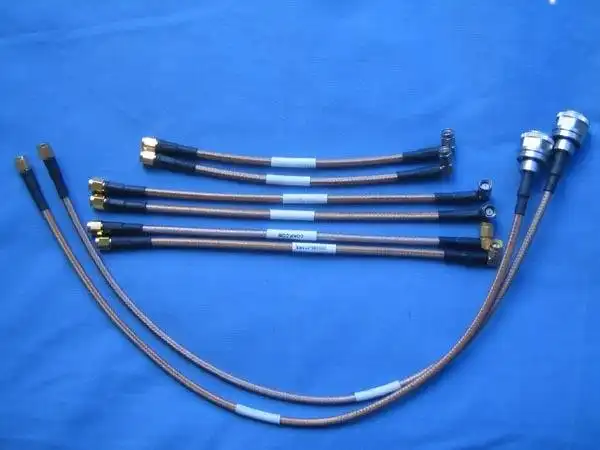
Coax Cable Selection Guide for High-Frequency Applications
Choosing the right RF communication line is one of the most important but little-known parts of designing a high-frequency system. Radar sites, 5G base stations, and satellite ground ports all use a Coax Cable to send not only signals but also mission-critical data, and even a 0.5 dB loss can mean the difference between a stable link and a catastrophic failure. This guide specifically talks about the problems that procurement professionals, system integrators, and RF engineers face when they need to find coaxial solutions that balance electrical performance, material toughness, and the stability of the supply chain. We'll talk about how custom cable assemblies can help with problems like phase matching in phased arrays and environmental sealing in marine sites. This will help you make a smart technical choice about your next buy.VIEW MORE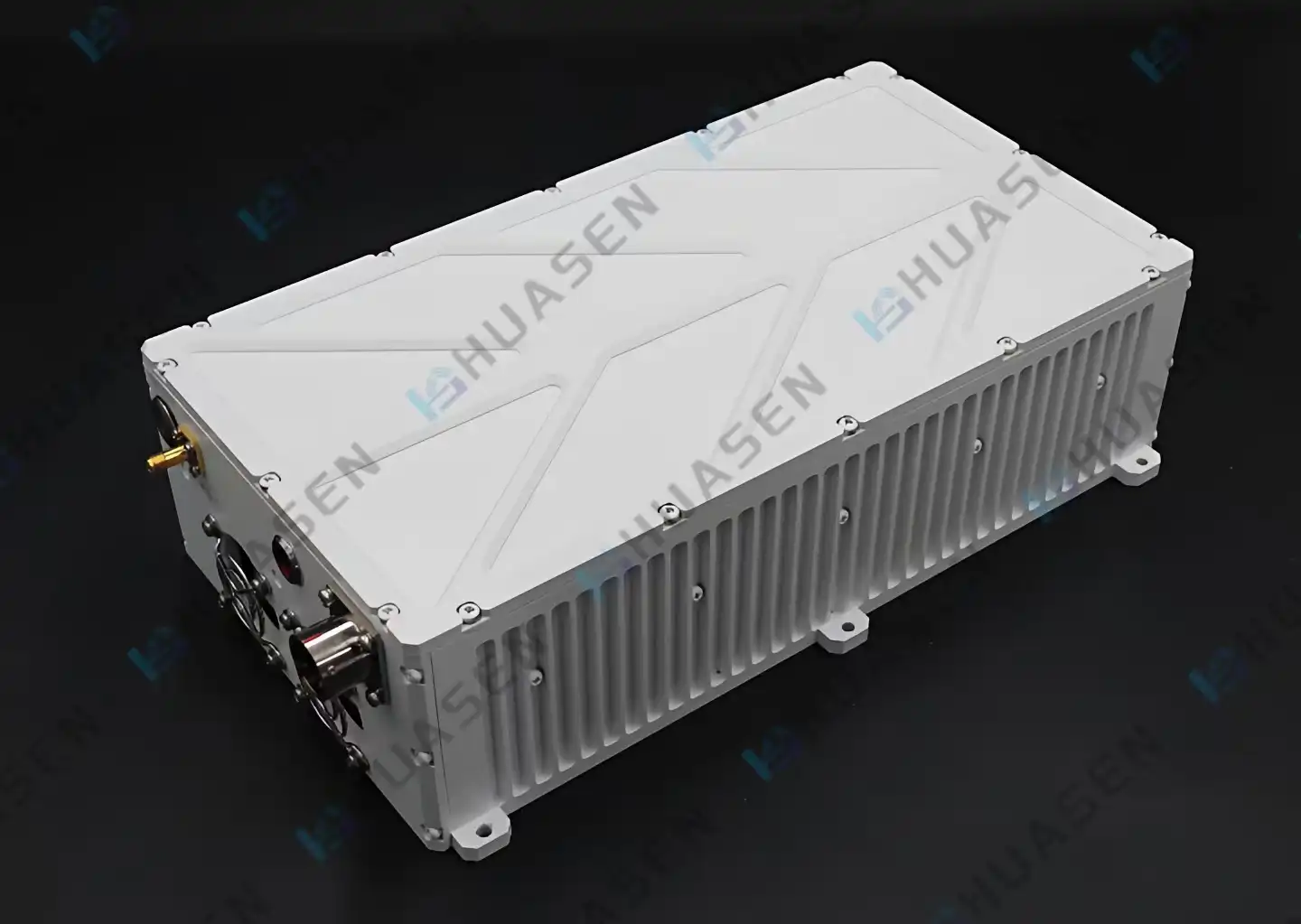
Why Is a Power Amplifier Critical in Communication Systems?
A Power Amplifier is an important part of modern communication systems because it raises weak signals to levels that allow them to be sent over long distances without damaging the data. These gadgets take low-power radio frequency (RF) signals from transmitters and boost them to the right output levels. This lets antennas send out strong electromagnetic waves over cellphone networks, satellite links, radar systems, and television channels. Base stations would have trouble keeping up with coverage without reliable amplification, satellite ground stations would not be able to talk to orbiting assets, and military radar systems would not be able to find targets far away. Power Amplifiers are essential for achieving operational range, signal clarity, and system reliability across a wide range of communication platforms.VIEW MORE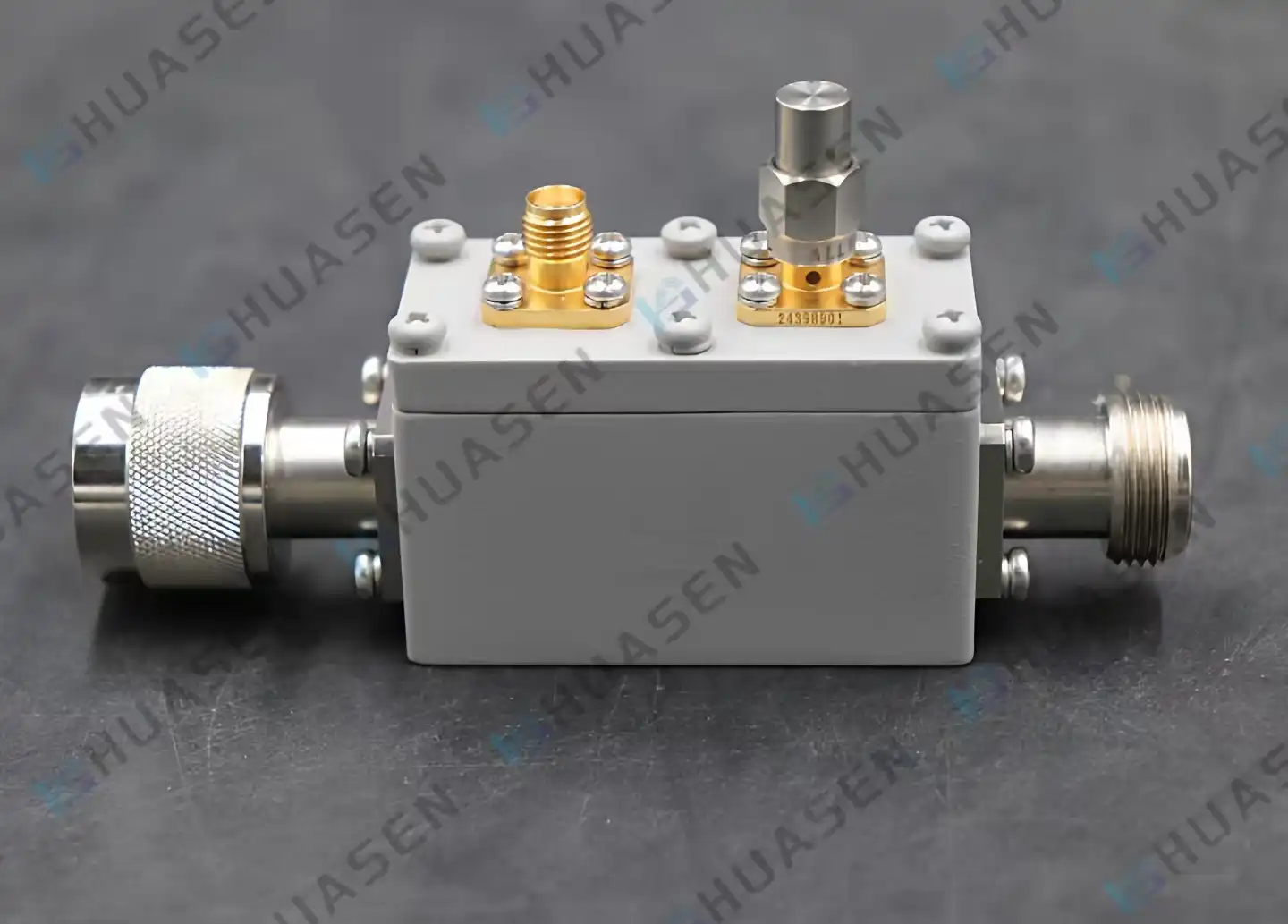
What Performance Metrics Matter in a Coaxial Directional Coupler?
When looking at RF parts for your system design, knowing the main performance measures of each directional coupler is key to choosing the right one. A Coaxial Directional Coupler needs to have accurate coupling values, high directivity to tell the difference between forward and mirrored signals, low insertion loss to keep transmission efficiency high, good VSWR for matching impedance, and a wide frequency range that works with your operating band. In signal tracking, VSWR testing, and power distribution networks, these factors have a direct effect on how accurate measurements are. Whether you're setting up 5G infrastructure or radar systems for spacecraft, making sure that these specs match the needs of your application guarantees stable system operation and reliable system performance.VIEW MORE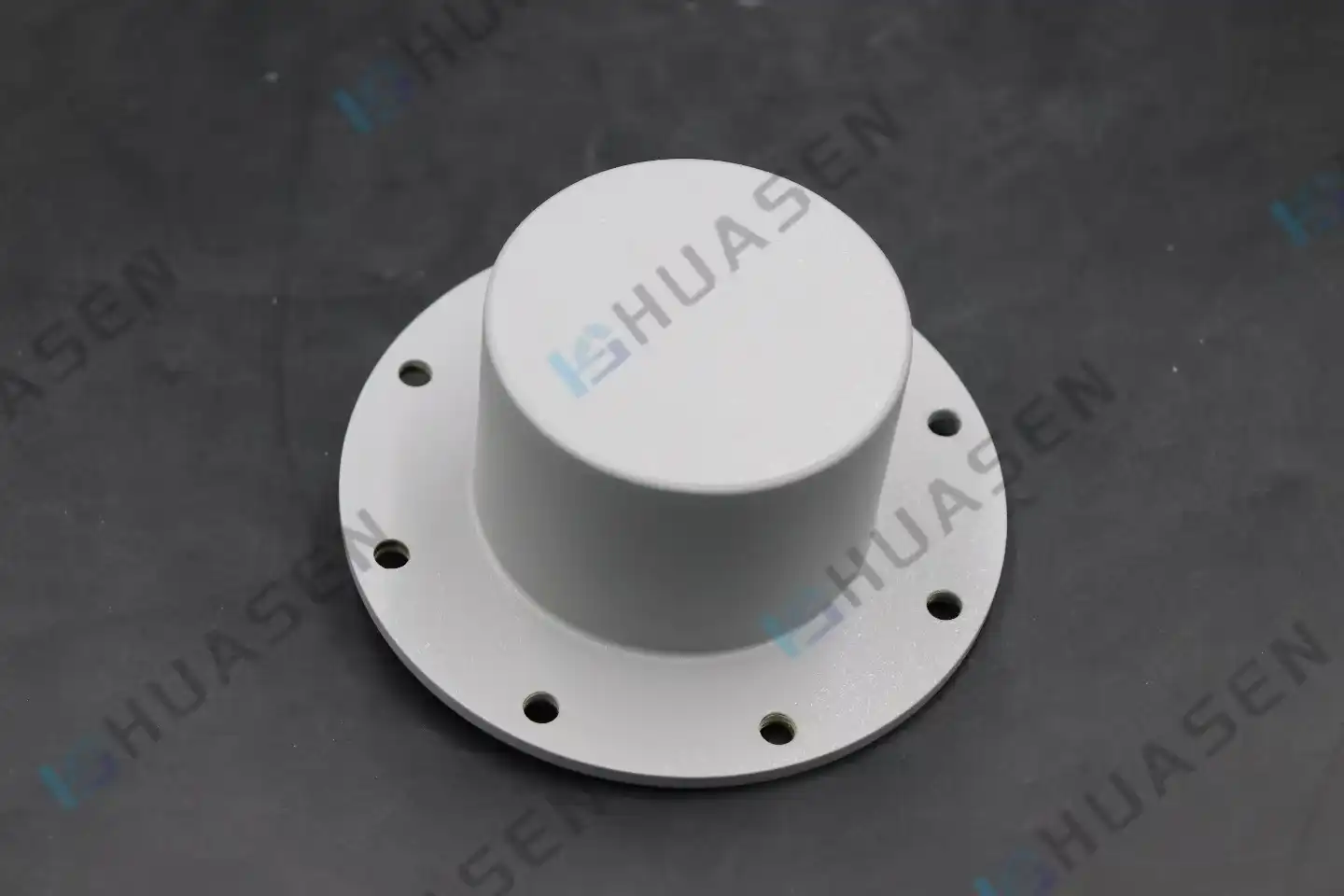
Omnidirectional Antenna vs Yagi Antenna: Which Is Better?
There is no right or wrong answer when it comes to choosing between an Omnidirectional Antenna and a Yagi Antenna. Which option is "better" relies on your deployment setting and the area you need to cover. Because they can send signals evenly across the azimuth plane, Omnidirectional Antennas perform well in situations that require regular 360-degree horizontal coverage, such as base stations that serve multiple directions, mobile communication hubs, and testing laboratories. Yagi Antennas, on the other hand, are better for targeted, long-distance point-to-point links where focused gain and directionality are most important, like backup connections between towers or communications between a faraway site.VIEW MORE
- 1
- 4
- 5
- 6
- 7
- 8
- 60
Total 60 pages
