Single Channel Coaxial Rotary Joint: Key Specs Explained






2026-07-02 21:00:04
Maintaining signal integrity is very hard when building RF systems that need to rotate all the time, like radar antennas, satellite communication terminals, or spy platforms. A coaxial rotary joint solves this important issue by letting high-frequency signals flow smoothly between parts that are still and parts that are moving without any signal loss or wire tangle. When buying, teams know the basic specs of these precision instruments, they can choose parts that will work reliably in harsh conditions where failure is not an option.
What Is a Single-Channel Coaxial Rotary Joint?
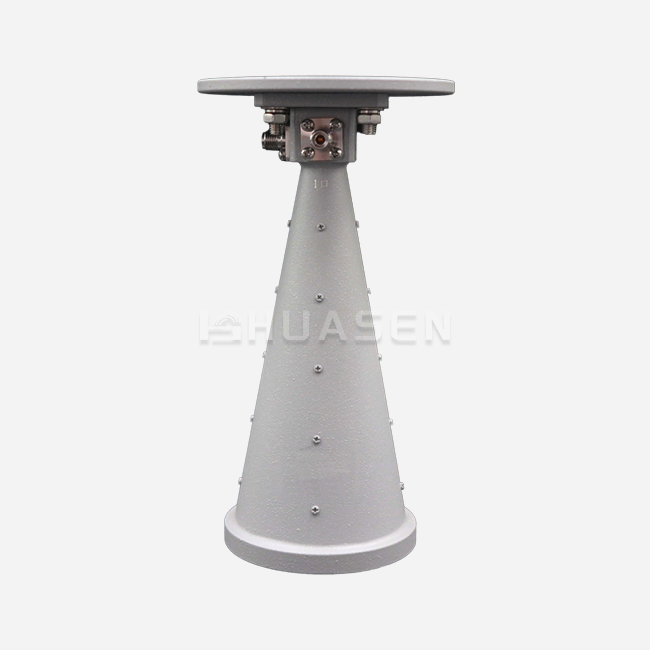
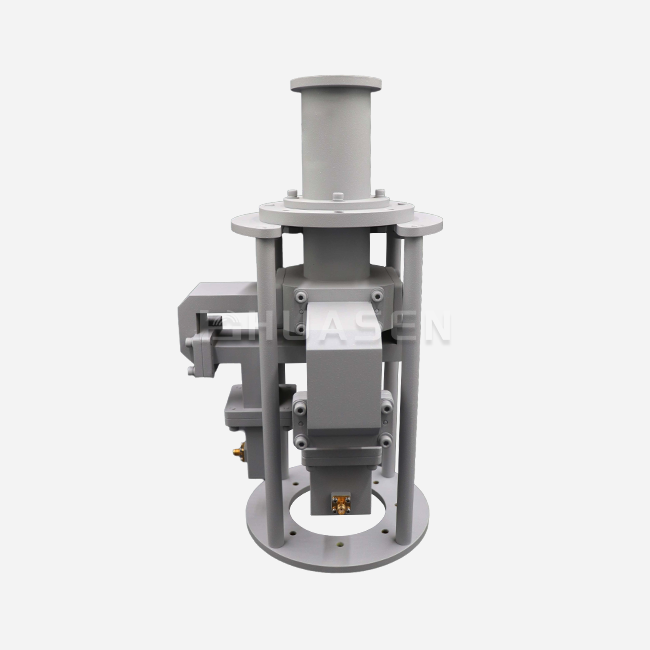
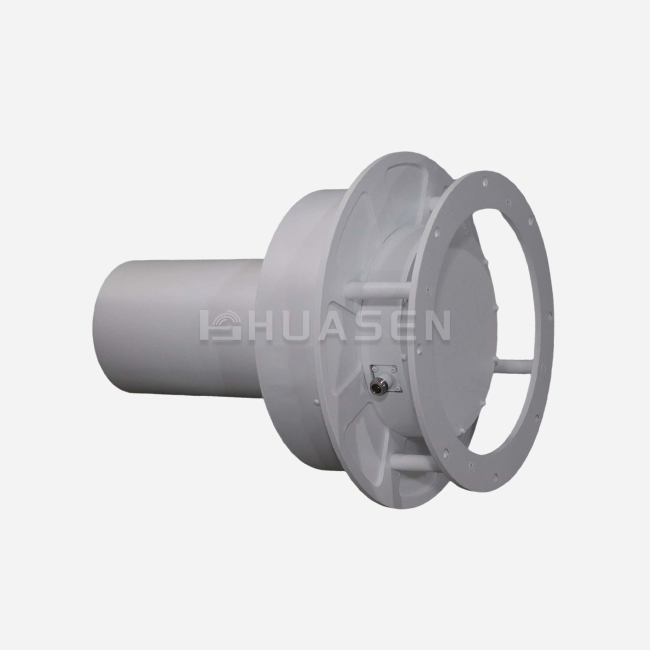
A single-channel coaxial rotary joint is a special kind of electromechanical passive device that is made to send RF and microwave signals across a spinning interface in a single coaxial channel. Unlike most slip rings, which only deal with power or low-frequency data, this part uses transverse electromagnetic mode principles to keep the characteristic impedance (usually 50Ω) the same across a wide range of frequencies.
Core Functionality and Design Principles
The gadget completely gets rid of the problems that rotating systems have with wire wrapping. Because it keeps the same electrical path even when it rotates 360 degrees, it keeps the signal integrity from DC to 40 GHz and higher frequencies. The rotary interface has contact areas that were precisely carved and then plated with gold to make sure that there is no resistance and maximum conductivity for millions of rotational cycles.
Single Channel vs. Multi-Channel Architecture
Single-channel systems are better for situations where only one data path is needed. Compared to multi-channel options, the simplified layout makes the mechanical design simpler, lowers insertion loss, and reduces the size of the device. This simplified method makes single-channel coaxial rotary joints perfect for radar feed systems, where room is limited and signal quality is still very important.
Industrial Applications Across Sectors
For example, aircraft radar systems, drone communication links, and spacecraft antenna sets all depend on these parts a lot. In telecommunications, they allow satellite-on-the-move devices on cars and boats to keep track of things all the time. They are used by weather stations to connect rotating antenna arrays to fixed receivers. This way, meteorological data can be collected continuously, no matter where the antennas are placed.
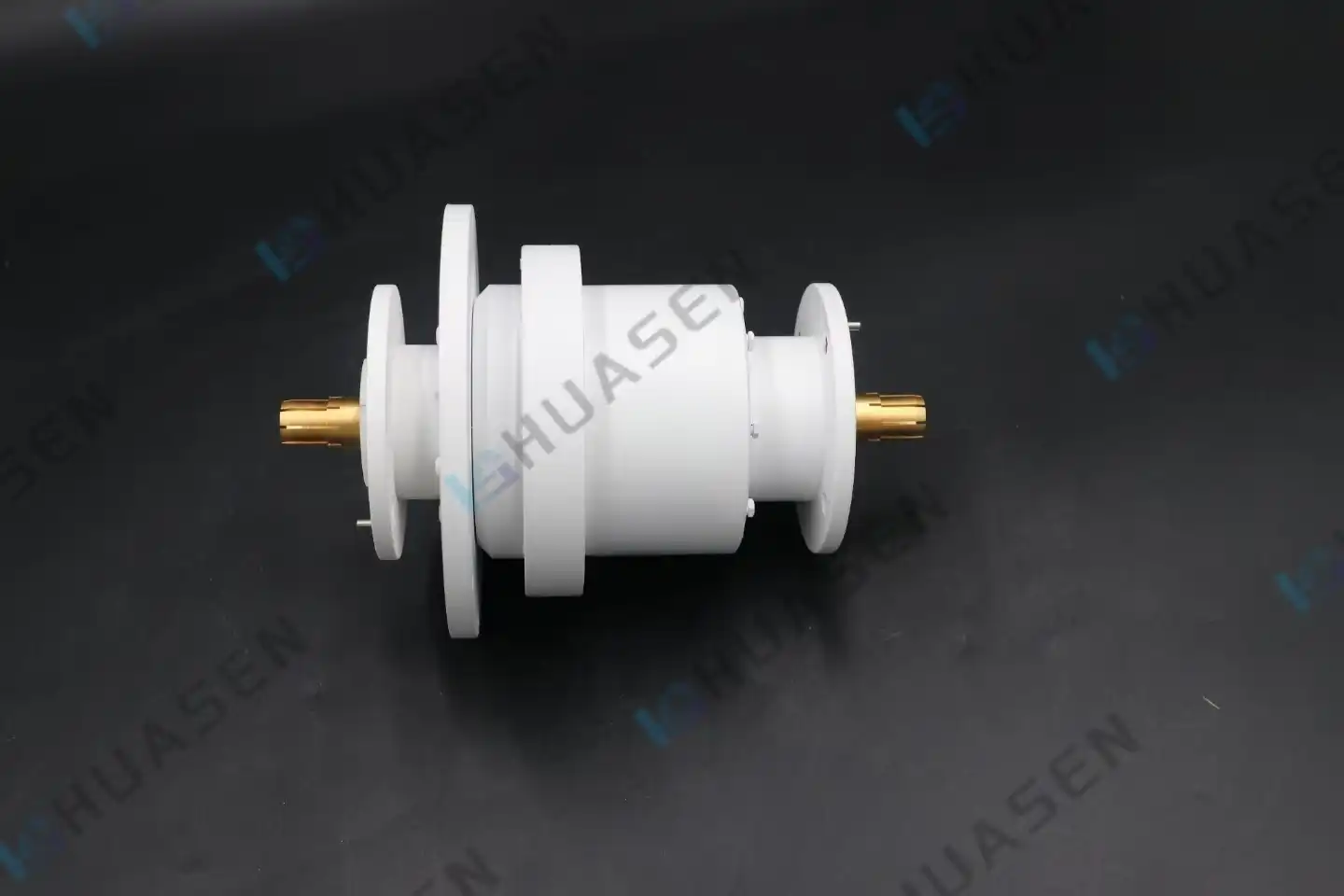
Key Specifications of Single-Channel Coaxial Rotary Joints
If you know the technical details of a coaxial rotary joint, you can tell if it meets the needs of your system. The specs spell out the limits of performance and what the system can do, which has a direct effect on signal quality and system stability.
Frequency Range and Bandwidth Coverage
The most important criterion is frequency power. Huasen Microwave's single-channel coaxial rotary joints can work from DC to 40 GHz, so they can be used for a wide range of tasks, from base station backup lines to millimeter-wave radar systems. This wide capacity gets rid of the need for many specialized parts, which makes managing supplies easier and makes the system simpler. The wide range works with new 5G and 6G bands for transmission while still being compatible with older systems.
Insertion Loss and Signal Attenuation
As a signal moves through a device, its power decreases. This is measured by insertion loss. Lower numbers mean better results. In good coaxial rotary joints, the insertion loss stays below 0.2 dB across their working range, and the changes in loss during rotation are kept to 0.05 dB. This stability makes sure that the signal strength stays the same no matter where the antenna is rotated. This is very important for uses like phased array radar, where phase coherence directly affects how well the radar can target.
VSWR and Impedance Matching
The voltage standing wave ratio measures how well the resistance matches. A VSWR value below 1.3:1 means that the matching is very good, which means that there is very little reflected power that can hurt system performance and damage sensitive parts. The designs made by Huasen Microwave have VSWR changes of less than 0.1 during spinning, which keeps the best power transfer efficiency. This standard is very important for high-power radar uses, where reflected energy can damage the radar or lead to wrong measurements.
Power Handling Capabilities
Power rates show the maximum amount of power that can be sent continuously or at busy times. A lot of power has to be handled by radar and transmission devices. Our Coaxial Rotary Joints can handle up to 30W of power on average and up to 300W at their peak, so they can be used for pulsed radar and high-power data lines. The aluminum and copper used to make the housing are very good at removing heat, so there are no hotspots that could affect the electrical performance or mechanical stability.
Together, these specs decide how well the system works as a whole. By choosing parts with the right grades, you can be sure that they will work well and avoid over-specification, which raises costs without being necessary.
Mechanical Specifications and Durability
Rotational lifespan tells you how long a part will last when it is continuously used. Premium coaxial rotary joints can rotate more than 5 million times at 30 RPM, which means they will work reliably for years in systems that are always running, like air traffic control radar. The choice of material is very important. Housings made of stainless steel or precision aluminum don't rust in marine or outdoor settings, and beryllium copper contacts keep their low resistance over time.
Comparing Single-Channel Coaxial Rotary Joints with Alternative Solutions
When it comes to rotating signal transfer problems, system designers have a number of choices. Each technology has its own unique features that make it good for certain uses.
Coaxial vs. Waveguide Rotary Joints
Waveguide rotary joints are very good at working with very high power levels and millimeter-wave frequencies above 40 GHz. They do, however, charge big fines for size and weight. Coaxial designs are better for setups with limited room, like sensor turrets on drones or small radar pedestals, because they are more compact and cover a wider range of frequencies from DC to 40GHz.
Optical Rotary Joints for Specialized Applications
Optical rotary joints send messages using light instead of electricity. This makes them resistant to electromagnetic radiation and able to handle very high data rates. In fiber-optic gyroscopes and high-bandwidth sensor devices, they are used in specific ways. But they need to be changed from optical to electrical at both ends, which makes them more complicated and costs more. Coaxial rotary joints (single-channel coaxial rotary joints) are still the most common way to send radio waves when there is electromagnetic compatibility, and cost is an issue.
Traditional Slip Rings and Their Limitations
Slip rings work well with power and low-frequency data, but they don't work well with high frequencies because of mismatched resistance and too much noise. Their brush-contact design causes signal loss that is too high for high-precision RF uses. Combining slip rings with coaxial rotary joints gives the best performance for systems that need to move both power and RF signals at the same time. This is because each technology plays to its strengths.
Maintenance, Troubleshooting, and Longevity
To make parts last as long as possible, they need to be maintained in a way that keeps their electrical and mechanical performance high throughout their entire operating lives.
Preventive Maintenance Protocols
Regular inspections find wear before it leads to failure. A visual check should reveal any contamination, rust, or mechanical damage to the connections and housings. Periodically cleaning surfaces that come into contact with things is helpful. Use the right agents to get rid of dirt and grime without hurting the gold plating. Lubricating bearing parts according to the manufacturer's instructions keeps them spinning smoothly and lowers the mechanical stress on the electrical connections.
Common Failure Modes and Diagnostic Approaches
Signal degradation usually shows up as higher insertion loss or changes in VSWR during spin. Most of the time, these signs mean that the contact is wearing down or getting dirty. Periodic signal loss is a sign of misaligned parts or worn bearings. Using network analyzers to test electrical factors while rotating the joint as part of a system for troubleshooting helps find the root cause. Extreme temperatures or water getting into setups that aren't properly covered can speed up their breakdown.
Extending Service Life Through Best Practices
Working within certain limits keeps things from breaking down too soon. Avoiding high spinning speeds, staying within power ratings, and keeping the surroundings clean all greatly increase the lifespan. The direction of installation is important—mounting arrangements that reduce the load on the bearings make them last longer. For important uses, setting up alternate signal lines or replacing parts on a regular basis based on rotation counters stops sudden failures that could hurt mission success.
Procurement Guide: How to Choose and Buy Single Channel Coaxial Rotary Joints?
A good procurement process combines technical needs with practical ones like cost, delivery time, and trustworthiness of the provider. A methodical technique guarantees the best choice of components.
Evaluating Supplier Credentials and Quality Assurance
Supplier approval gives you peace of mind about the quality and regularity of the goods you buy, including the single-channel coaxial rotary joint. Look for ISO 9001 approval, which means the quality control system is strong. Following the MIL-STD guidelines ensures that parts meet strict reliability standards for defense and aircraft use. Well-known companies like Huasen Microwave have decades of experience and a track record of success in many different industries. This lowers the technology risk in important uses.
Technical Support and Customization Capabilities
Catalogue goods can be used for many things, but sometimes they need to be customized to fit the needs of a specific system. Check out a supplier's technical support—help with choosing frequencies, setting up connectors, and getting advice on how to integrate things is very helpful during the planning phase of a system. Before you buy on a large scale, Huasen Microwave will give you full technical advice, including sample trials and testing data to make sure the product will work well in your particular application.
Pricing Structures and Lead Time Considerations
Unit prices vary a lot depending on the frequency range, the amount of power they can handle, and how precise they need to be. Larger orders qualify for volume savings, which makes consolidated buying a good idea for systems with more than one unit. The lead time for stock items is just a few days, while the lead time for unique designs is weeks for planning and production. Delays that cost a lot of money can be avoided by planning buying timelines around project plans. For certain configurations, minimum order amounts may apply, which can change how you buy.
Warranty Coverage and After-Sales Service
A full warranty covers your investment against flaws in the making process and failure before its time, Single channel Coaxial Rotary Joint. Reliable suppliers stand behind their goods with quick expert support that can answer questions about installation, help with troubleshooting, and set up replacements when needed. This ongoing connection is especially helpful for long-term projects that need support for parts for years of operation.
Conclusion
Single-channel coaxial rotary joints are very important parts of rotating RF devices used in defense, aircraft, telecommunications, and radar. Knowing important specs like frequency range, insertion loss, VSWR, power handling, and mechanical durability helps you make smart buying choices that combine performance needs with price limits. Since 1993, Huasen Microwave has been building coaxial rotary joints for radar feed systems. These joints are reliable and work well in difficult applications, and they come with full technical support throughout the product lifecycle.
FAQ
1. What frequency ranges do single-channel coaxial rotary joints typically support?
Depending on the type of connection and design, good coaxial rotary joints can handle a wide range of frequencies. Standard setups use SMA links to go from DC to 18GHz, while precision designs use 2.92mm connections to go up to 40GHz. Millimeter-wave versions that are specially made can hit 110GHz for advanced radar and communications uses that need a lot of bandwidth.
2. How do I determine compatibility with my existing system?
Check three important factors: the frequency range must include your working bands, the connector types must match your system ports, and the power ratings must be higher than what you need for the gearbox. Look over the technical specs, like the mounting dimensions and the fastest spinning speed limits, to make sure they will work with your installation.
3. What advantages do coaxial rotary joints offer over traditional slip rings?
Slip rings are great at sending power, but they degrade signals too much at RF frequencies because of impedance gaps and contact noise. Coaxial Rotary Joints keep the 50Ω resistance under control with low VSWR and little insertion loss. This keeps the signal integrity, which is important for radar and precision communication, where signal quality has a direct effect on system performance.
Partner with Huasen Microwave for Reliable Rotary Joint Solutions
Huasen Microwave has been a trusted Coaxial Rotary Joint maker for 30 years, working with the defense, aircraft, and telecommunications industries around the world. Our Single Channel Coaxial Rotary Joints have been tested and shown to work well from DC to 40GHz. They are also very reliable and have been rotated over 5 million times. Email our engineering team at sales@huasenmicrowave.com to talk about your particular needs, get technical specs, or set up a trial sample. We offer custom solutions that are made to fit your frequency, power, and environmental needs. Our quick expert help makes sure that the system integration goes smoothly.
References
1. Chen, W., & Liu, X. (2021). Advanced Design Techniques for High-Frequency Rotary Joints in Radar Systems. IEEE Transactions on Microwave Theory and Techniques, 69(4), 2156-2168.
2. Morgan, R. T. (2020). RF Rotary Joint Technology: Principles and Applications. Artech House Publishers, Boston.
3. Anderson, P. K., & Schmidt, J. L. (2022). Coaxial Transmission Line Components for Modern Communication Systems. John Wiley & Sons, New Jersey.
4. International Organization for Standardization. (2019). ISO 9001:2015 Quality Management Systems - Requirements for Aerospace Components.
5. United States Department of Defense. (2018). MIL-STD-810H: Environmental Engineering Considerations and Laboratory Tests.
6. Zhang, H., & Thompson, M. A. (2023). Mechanical Reliability of Rotary RF Components in Harsh Environments. Journal of Electronic Materials, 52(3), 1847-1862.
Send Inquiry