
Home / Blog
Blog
0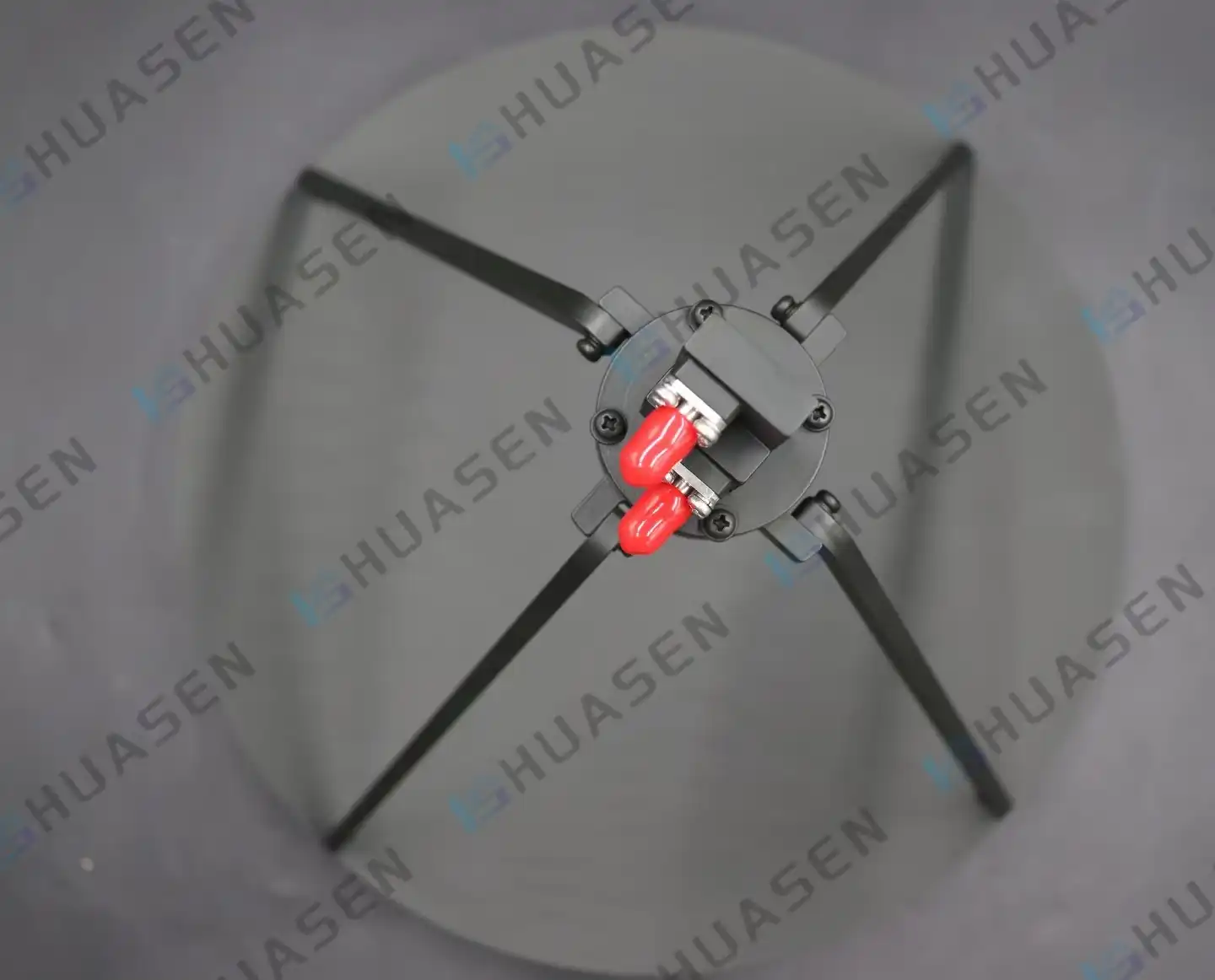
Parabolic Antenna Design: Reflector Geometry and Gain Explained
Parabolic antenna design is an important part of modern telecommunications. The shape of the reflector affects how well the system works overall and how well it can focus signals. Because of its mathematical accuracy, a parabolic reflector makes it possible for electromagnetic waves to focus on a single point, which increases signal strength and directionality. Incoming parallel waves are turned into directed energy by this advanced engineering method, which makes it work better than traditional antenna designs. Engineers and purchasing managers who want to find the best communication options for tough industrial uses need to know how the shape of a reflector affects its gain characteristics.VIEW MORE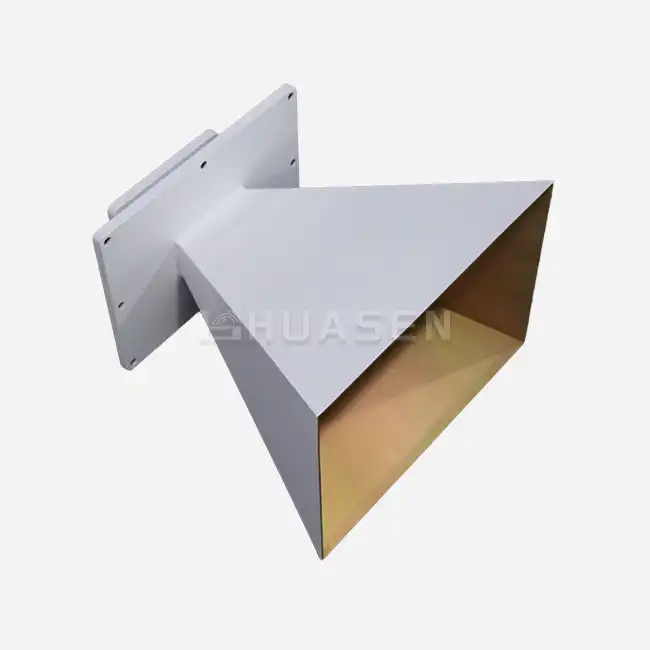
Pyramidal Horn Antenna Frequency Range and Application Scope
Pyramidal Horn Antenna technology is one of the most important tools in current RF and microwave engineering. It has great frequency coverage from L-band frequencies up to 220 GHz, including millimetre waves. These antennas were carefully designed and manufactured to work very well in a wide range of industrial settings, such as 5G infrastructure, satellite communications, EMC tests, and radar systems. Pyramidal horn designs are very flexible, so they can be easily integrated into complicated RF systems. They also have great gain characteristics, low VSWR performance, and great directional properties that meet strict requirements in the defence, aircraft, and telecommunications sectors.VIEW MORE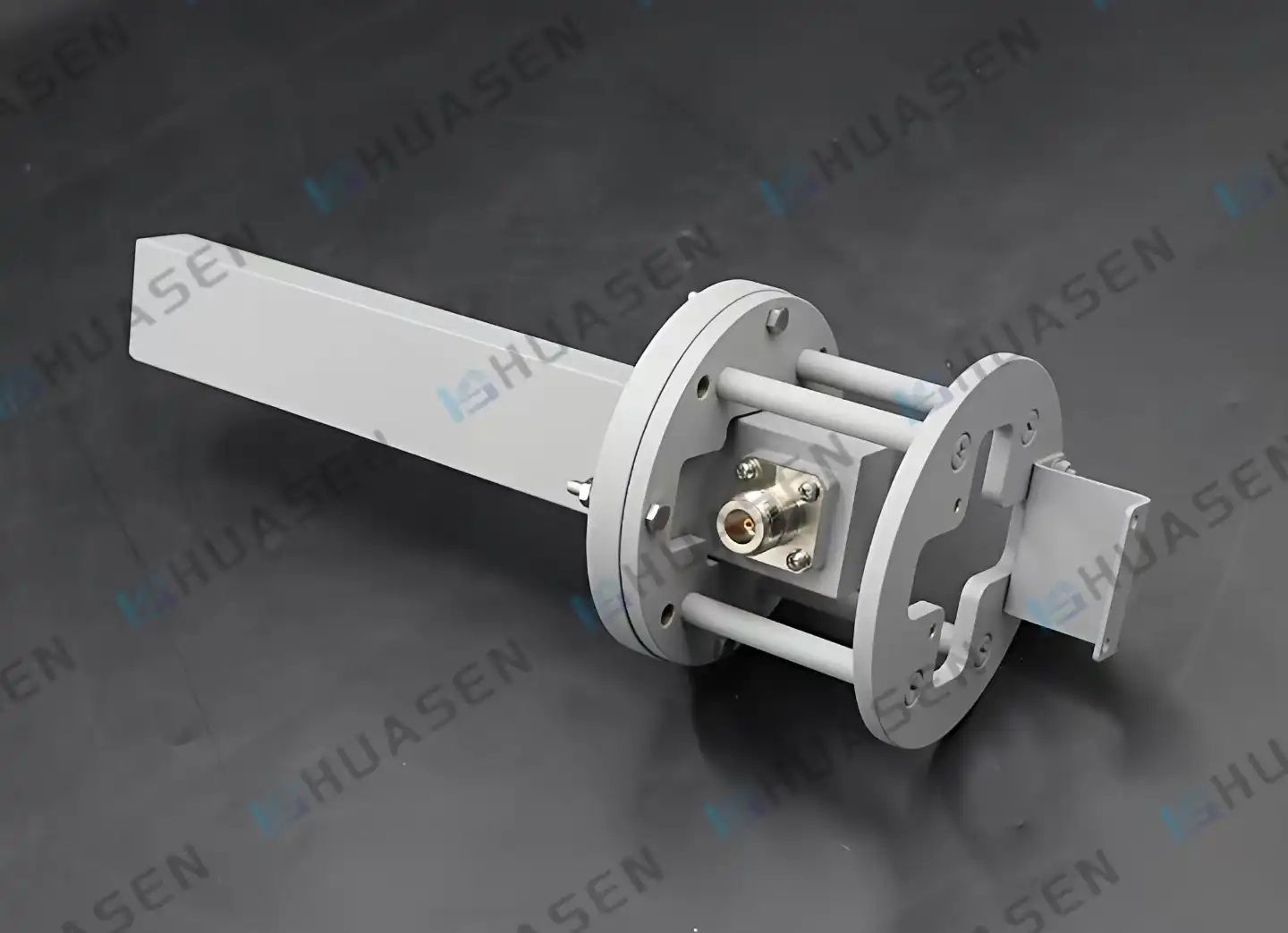
Antenna Near Field Measurement Probe Calibration and Accuracy
Calibration and accuracy of the Antenna Near Field Measurement Probe are very important for accurately characterising the electromagnetic field in the radiative near-field area of the antennas being tested. These highly precise sensors collect vector field data using advanced measurement methods. This lets engineers check the performance of antennas without needing long testing ranges. The right calibration procedures keep measurement errors within acceptable ranges, and improving accuracy has a direct effect on the quality of reconstructed radiation patterns and measurements of gain, both of which are necessary for modern wireless communication systems.VIEW MORE
How Circularly Polarized Microstrip Antenna Generates CP Waves
In order to make CP waves, a Circularly Polarised Microstrip Antenna has to excite two electromagnetic modes that are not parallel to each other and have the same amplitude and an exact 90-degree phase difference. In this process, linear polarisation is changed into rotational polarisation, where the electric field vector keeps spinning in either right-hand (RHCP) or left-hand (LHCP) circles. To get circular polarisation, carefully designed patch geometries, specialised feeding networks, and careful material selection for the substrate are used. This makes it possible for signals to be more reliable in complex communication environments.VIEW MORE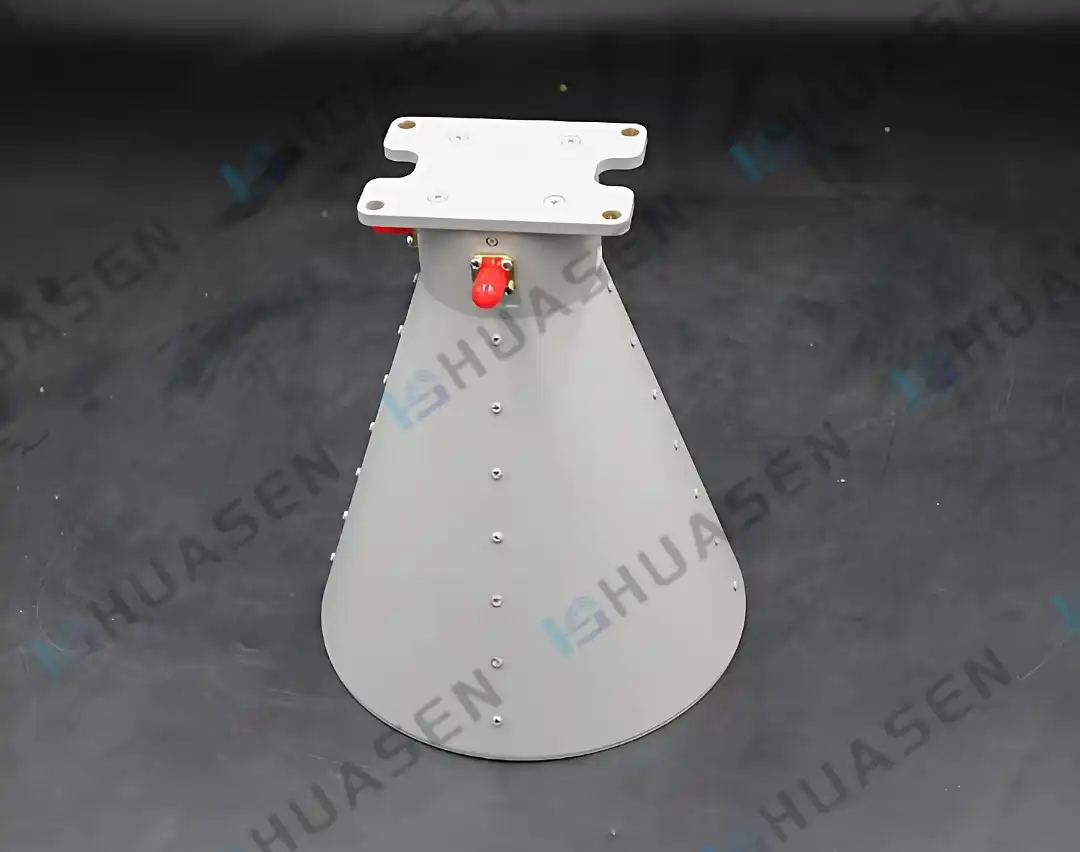
Performance Considerations for Dual Polarized Horn Antenna
When designing dual-polarized horn antennas, the most important things to keep in mind are how to get the best isolation between polarizations, the best gain, and reliable operation across all frequency bands. These special antennas use orthogonal mode transducers (OMT) to send and receive perpendicular polarization states at the same time. This makes them essential for modern 5G networks, satellite communications, and radar systems that need to keep signals pure and block out interference.VIEW MORE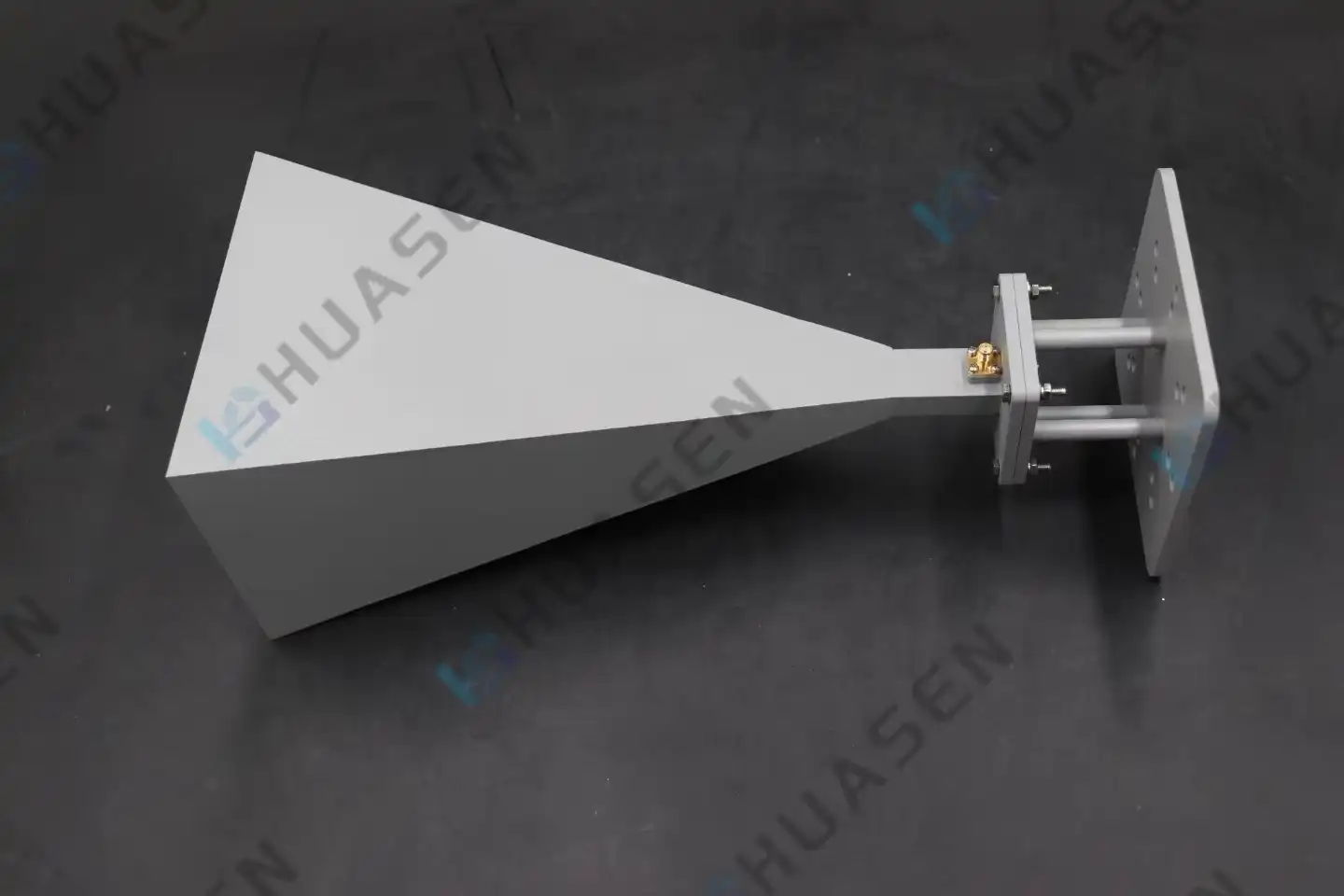
Application of Broadband Horn Antenna in EMC Testing
Broadband horn antennas serve as essential testing instruments in electromagnetic compatibility (EMC) environments, providing comprehensive frequency coverage and reliable performance for radiated emissions and immunity assessments. These specialized antennas enable testing laboratories to conduct accurate measurements across wide frequency ranges without requiring multiple antenna swaps, significantly reducing test time and calibration errors. The broadband antenna design addresses critical industry requirements for consistent gain patterns, low VSWR characteristics, and robust construction necessary for maintaining measurement precision in both anechoic chambers and open-area test sites.VIEW MORE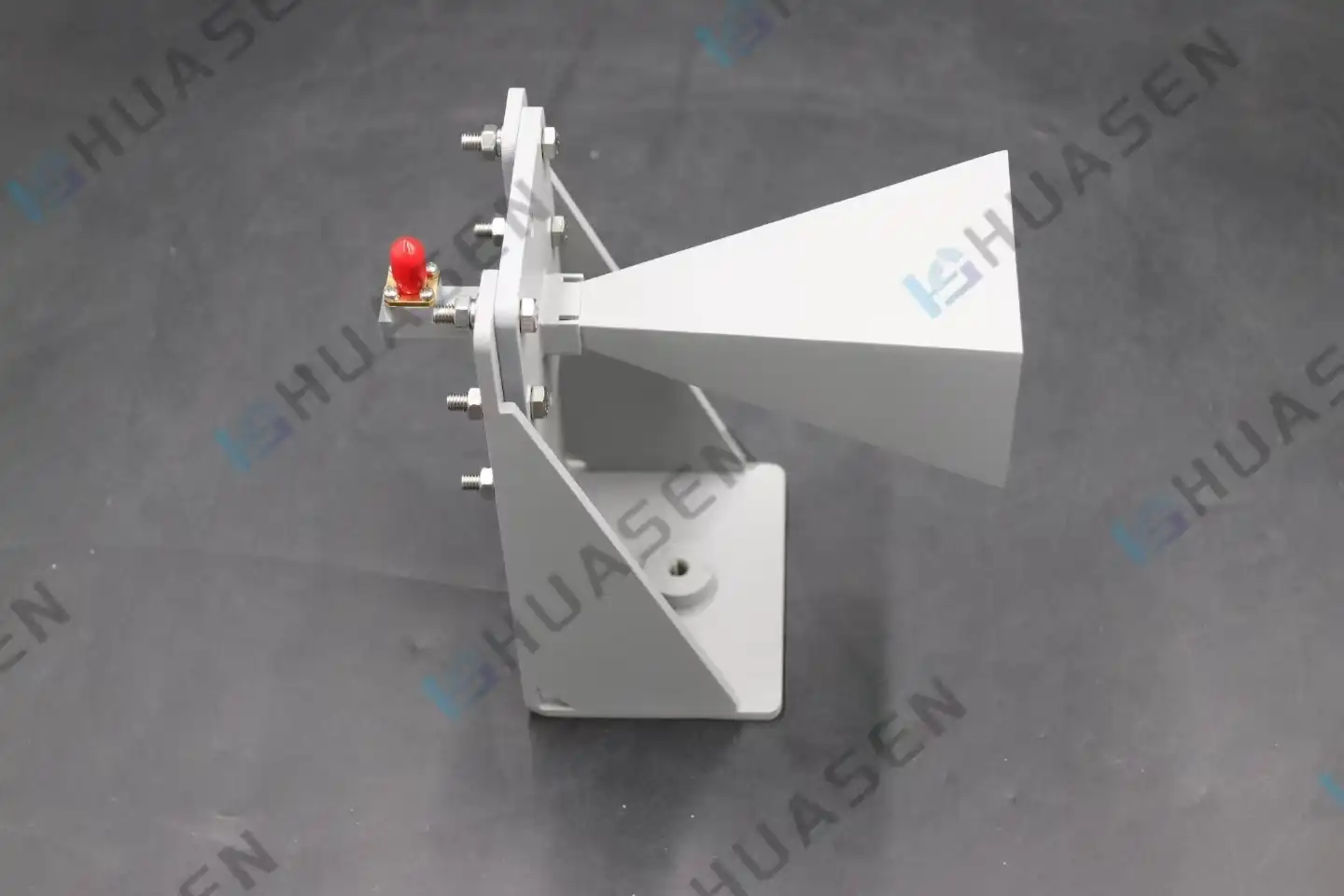
Standard Gain Horn Antenna for Antenna Calibration: Advantage Analysis
When seeking precise measurement standards for antenna calibration, the standard gain horn antenna stands as an indispensable tool for engineers and procurement professionals across telecommunications, aerospace, and defense industries. This precision-engineered pyramidal or conical horn antenna serves as a metrological reference, delivering theoretical gain curves that precisely match measurements with typical gains ranging between 10 dBi and 25 dBi. Unlike broadband test antennas, these standard gain horn antenna devices solve the critical "Reference Uncertainty" problem that plagues RF system calibration. This comprehensive advantage analysis explores how these calibration standards can transform your testing infrastructure while supporting informed purchasing decisions for industrial applications requiring absolute measurement accuracy.VIEW MORE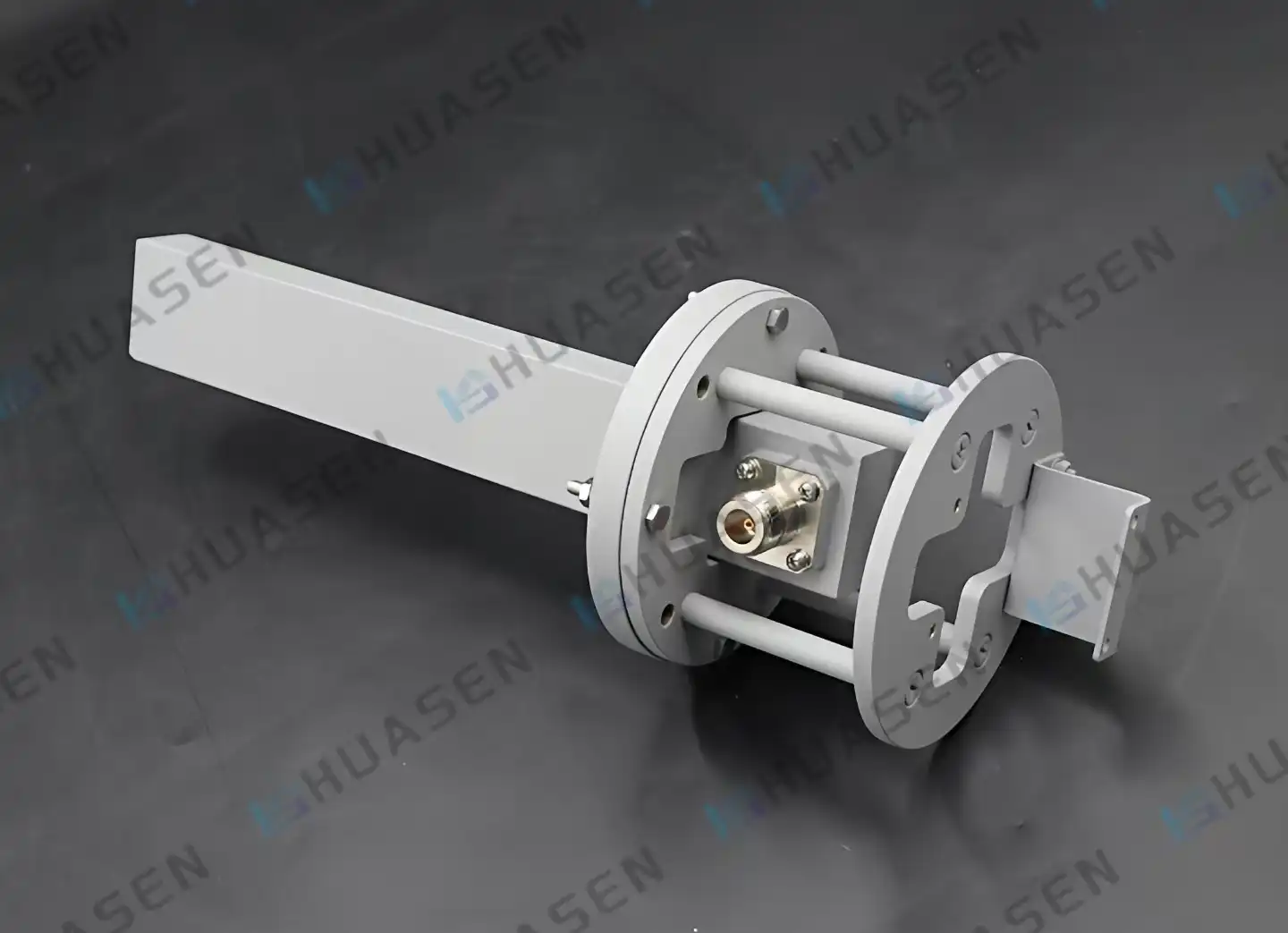
How to ensure stability of antenna near field probe?
Ensuring antenna near-field probe stability requires implementing rigorous environmental controls, maintaining precise mechanical alignment, and conducting regular calibration protocols. A quality Measurement Probe must demonstrate consistent performance across temperature variations, electromagnetic interference, and mechanical stress. Stability directly correlates with measurement accuracy, making proper probe selection, handling procedures, and environmental management essential for reliable electromagnetic field characterization in critical applications, including 5G/6G base stations, satellite communications, and radar systems testing.VIEW MORE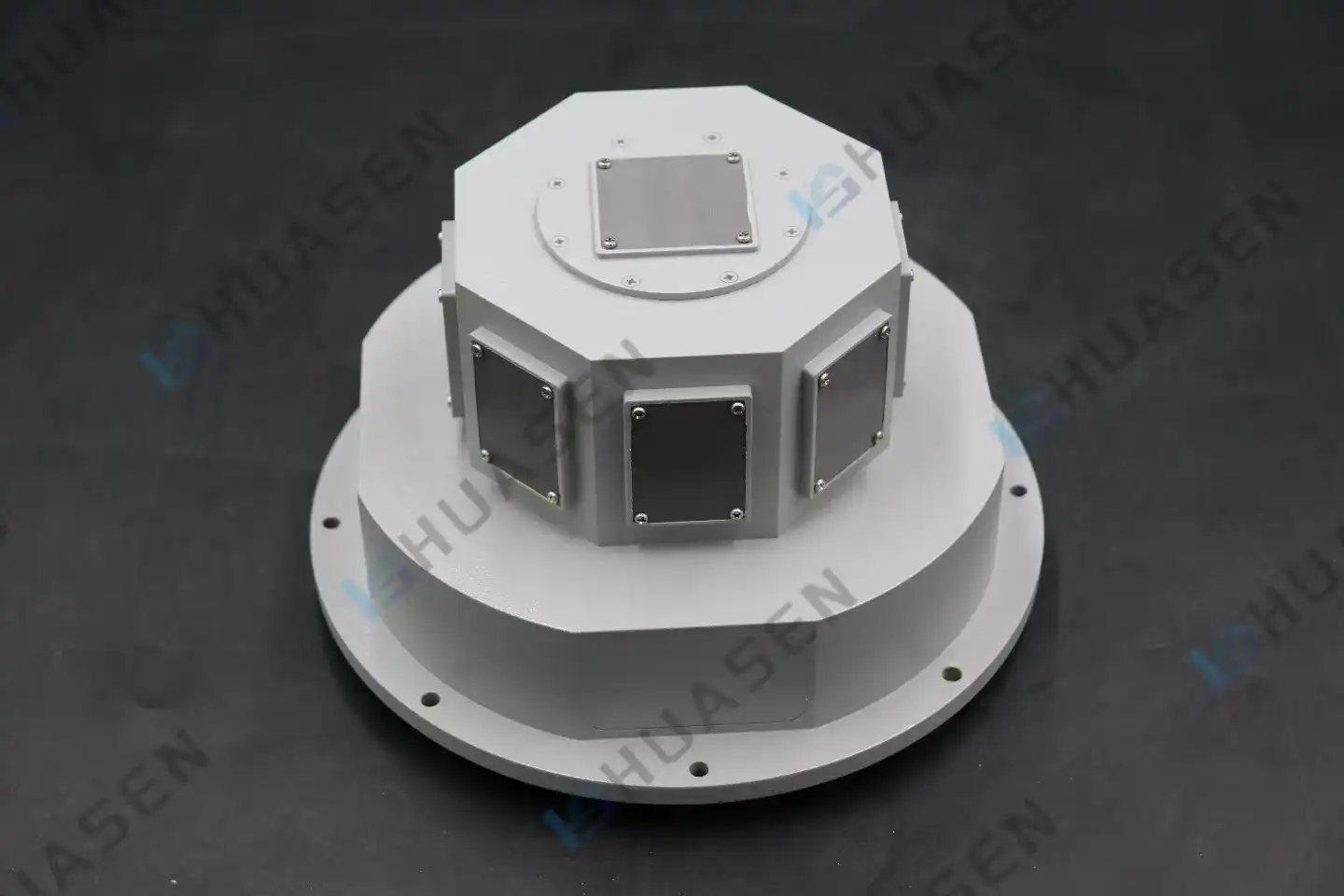
What limits the bandwidth of a typical microstrip antenna?
A normal microstrip antenna's bandwidth is limited by the way it was designed and by the way it works physically. The main problem comes from the quality factor (Q) of the antenna, which makes bandwidth and other performance factors trade off. Basic microstrip patch setups have high-Q resonant structures that naturally have narrow bandwidth performance. For standard single-patch systems, the bandwidth limits are set by the thickness of the substrate, the dielectric constant, and the conductor losses. These limits are usually between 1% and 5% of the center frequency.VIEW MORE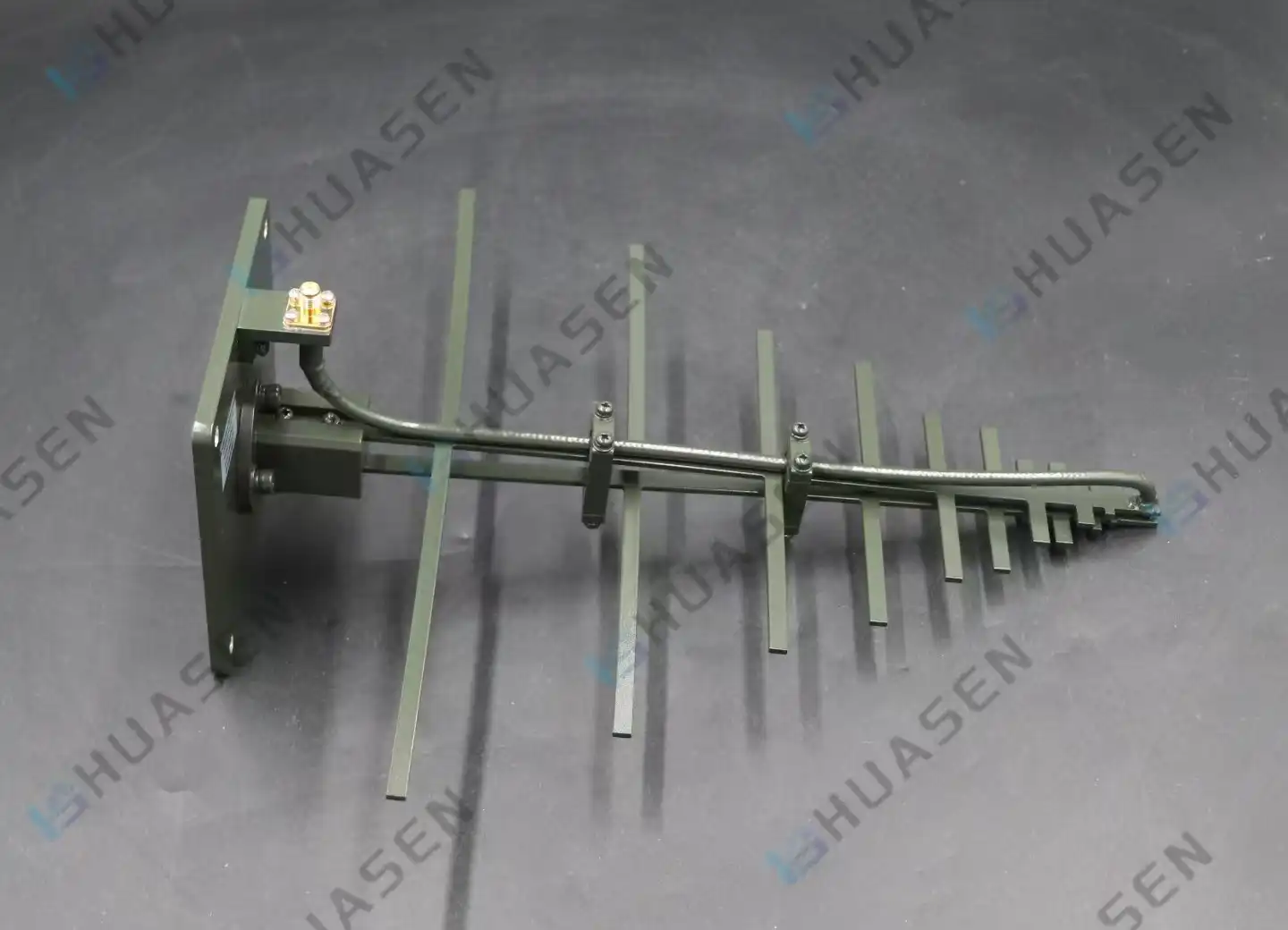
Application of Log Periodic Antenna in Radar Signal Testing
Log Periodic Antenna technology is one of the most important tools used to test radar signals because it provides an excellent wideband frequency range from 400 MHz to 18,000 MHz with stable performance. These high-tech antennas use elements that are scaled in logarithmic steps to keep their gain and radiation patterns fixed across multiple octaves. This makes them essential for testing at multiple frequencies at the same time. Their special geometric shape makes sure that they work at any frequency, so you don't need to use multiple antenna systems for complicated radar testing situations. Log periodic antennas are very useful for defence contractors, telecommunications companies, and research institutions that need to do thorough radar signal analysis and validation testing because they are built to last, and Log Periodic Antennas work as expected.VIEW MORE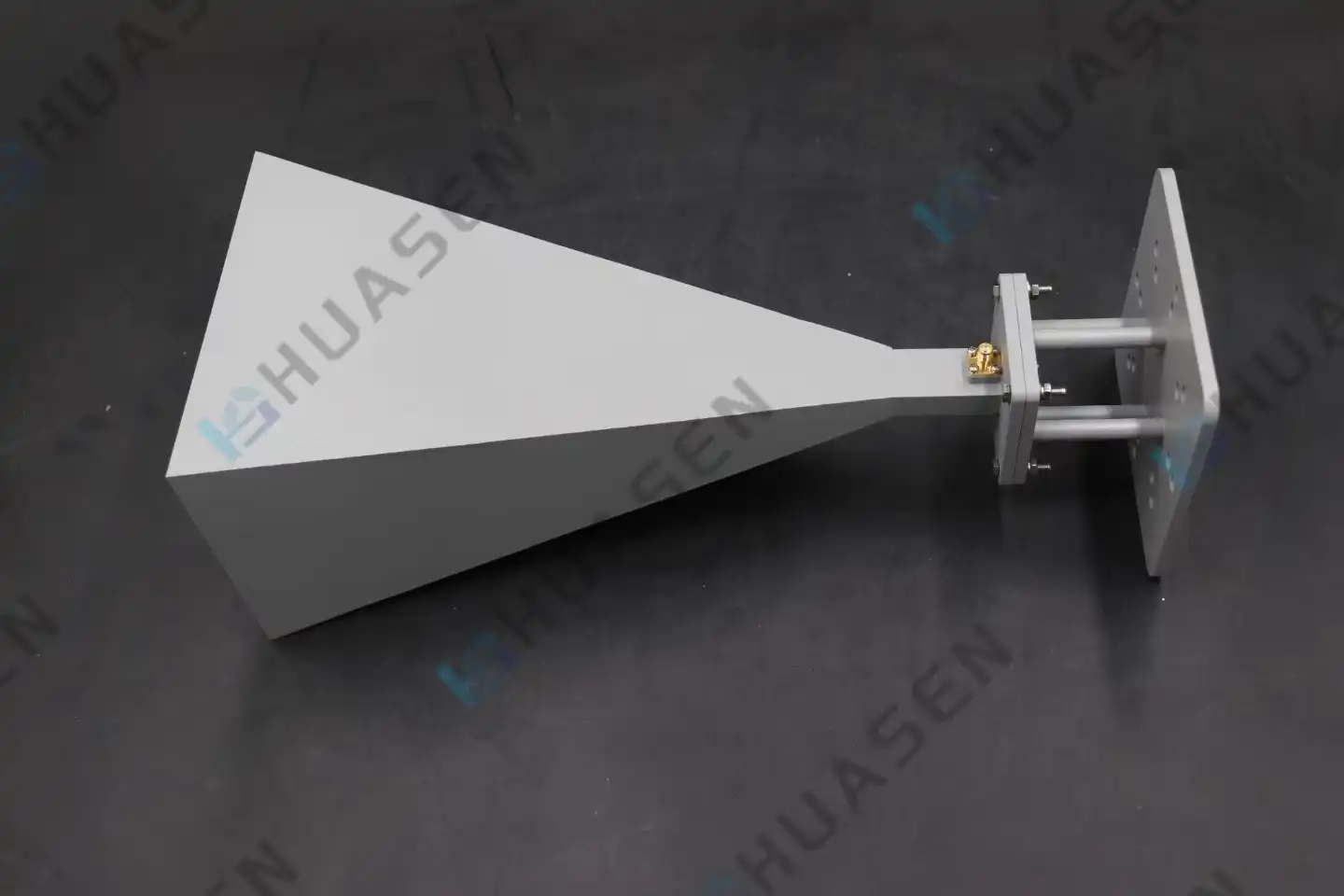
Why Does a Broadband Horn Antenna Have a Wider Bandwidth?
A broadband antenna has a bigger bandwidth because of the way its geometry is designed and how it matches impedance. The horn's gradually growing opening makes a smooth impedance change from the feeding waveguide to empty space, which reduces reflections across a wide range of frequency range. In contrast to narrowband antennas, which work best at certain frequencies, the broadband horn antenna's flared structure lets electromagnetic waves travel over a wide range of frequencies while keeping stable radiation patterns and acceptable voltage standing wave ratios throughout its operational spectrum.VIEW MORE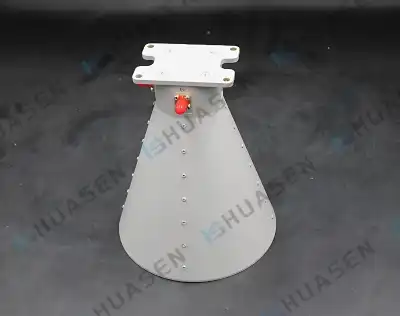
How to reduce cross-polarization in dual polarized horn antenna?
Getting rid of cross-polarization in dual-polarized horn antennas needs a complete plan that includes advanced engineering design, precise manufacturing, and careful execution. Some of the most important strategies are using high-quality Orthogonal Mode Transducers (OMT), making sure the feed structures are precisely made, and making sure the installation is aligned correctly. When you combine these methods, you can get polarisation isolation levels higher than 30dB. This is necessary to keep signals intact in difficult situations like 5G networks, satellite communications, and radar systems.VIEW MORE
- 1
- 34
- 35
- 36
- 37
- 38
- 60
Total 60 pages
