Antenna Near Field Measurement Probe Calibration and Accuracy






2026-03-19 21:55:06
Calibration and accuracy of the Antenna Near Field Measurement Probe are very important for accurately characterising the electromagnetic field in the radiative near-field area of the antennas being tested. These highly precise sensors collect vector field data using advanced measurement methods. This lets engineers check the performance of antennas without needing long testing ranges. The right calibration procedures keep measurement errors within acceptable ranges, and improving accuracy has a direct effect on the quality of reconstructed radiation patterns and measurements of gain, both of which are necessary for modern wireless communication systems.
Understanding Antenna Near-Field Measurement Probes
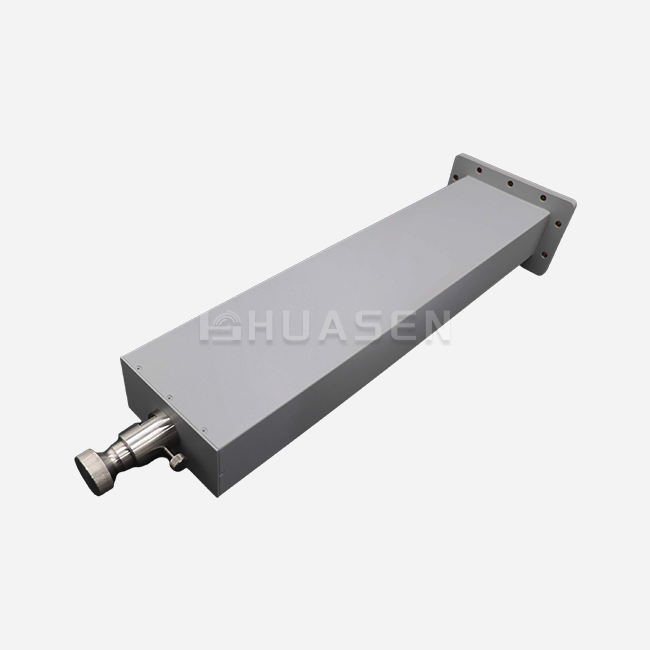
Near-field measurement probes serve as specialized electromagnetic sensors designed to capture complex field distributions in close proximity to antenna apertures. Unlike traditional far-field measurements that require substantial physical distances, these instruments operate within the Fresnel region, typically positioned between 3 and 10 wavelengths from the device under test.
Fundamental Operating Principles
For near-field probes to work, they need to sample electromagnetic fields at specific places in space in order to make full field maps. To put together far-field radiation patterns, these data are changed mathematically, mostly using Fast Fourier Transform algorithms. This method gets rid of the need for big anechoic rooms or outdoor test ranges while keeping measurement accuracy at the same level as traditional methods. Modern probe designs use open-ended waveguide geometries that keep interference with the antenna being tested to a minimum. The receiving aperture of the probe picks up both electric and magnetic field components, keeping the amplitude and phase information that is needed to accurately rebuild the pattern. Advanced probe correction methods take into account the probe's natural radiation properties. This makes sure that measurement results show the real performance of the test antenna and not artefacts caused by the probe.
Types and Applications in Modern Telecommunications
Near field probes are very important to the telecommunications business for testing 5G and new 6G antenna arrays. Massive MIMO systems have hundreds of antenna elements and need to be carefully described in order to make beamforming algorithms work better and meet coverage standards. Near field testing lets engineers check the performance of individual components and the accuracy of an array in a controlled lab setting. Satellite communication systems are another important area where near-field tools are essential. For standard testing, the far-field distances needed for large-aperture antennas used on spacecraft and ground terminals would be too long for practical use. With near-field measurement methods, these systems can be fully tested within the limits of the facility while still meeting the high standards needed for mission-critical applications.
Calibration Methods for Near-Field Measurement Probes
Calibration procedures form the foundation of reliable near-field measurements, directly influencing the accuracy and repeatability of test results. Without proper calibration protocols, measurement uncertainties can propagate through the entire testing process, leading to erroneous conclusions about antenna performance and potentially compromising product quality.
Industry Standards and Protocols
IEEE Standard 1720 lays out detailed rules for measuring near-field antennas. It sets requirements for calibration that make sure readings can be traced back to national measurement standards. The standard lays out steps for characterising the probe, such as adjusting the gain, checking the pattern, and making sure the cross-polarization performance is correct. By following these rules, labs can get measurement errors of less than ±0.1 dB for gain measurements and less than ±2 degrees for pattern accuracy. IEC 62232 adds to IEEE standards by covering specific calibration needs for millimeter-wave uses. When frequencies go above 60 GHz, mechanical tolerances become more important, and calibration methods need to take into account changes in dimensions that can affect how well the probe works. The standard stresses how important it is to do calibrations in places that are kept at a constant temperature so that thermal expansion effects don't cause systematic mistakes.
Three-Antenna Calibration Technique
The three-antenna method is the best way to calibrate the exact gain of near-field probes. Through a set of transmission measurements, this method uses three antennas whose gains are unknown to find the absolute gain references. The method gets individual gain values by measuring the transmission coefficients between all Measurement Probe possible antenna pairs. It doesn't need any outside standards to work. The three-antenna method needs careful attention to the measurement geometry and the surroundings. During calibration, the antennas need to be placed so that they have a far-field effect. This usually means that they need to be farther apart than 2D²/λ, where D is the largest antenna size. During the measurement process, temperature stability is very important because changes in temperature can cause phase errors that lower the accuracy of the calibration.
Advanced Software-Based Calibration
Modern calibration systems have advanced software tools that make the calibration process automatic and allow real-time checking of probe performance. During measurement efforts, these systems keep an eye on the probe's properties all the time to find any drift or degradation that could change the results. Automated calibration processes cut down on operator error and make sure that measurement quality is the same in all test situations. Machine learning algorithms are helping to improve calibration by looking at past performance data to guess the best time to do calibrations. These predictive methods help labs find a balance between the need for accurate measurements and the need to run efficiently. This lowers the cost of calibration while keeping trust in the results of measurements.
Factors Affecting Accuracy in Near-Field Probe Measurements
Measurement accuracy in near-field systems depends on numerous factors ranging from probe design characteristics to environmental conditions and data processing algorithms. Understanding these influences enables engineers to optimize measurement setups and implement appropriate correction techniques to achieve desired accuracy levels.
Probe Design Characteristics
The way near-field tools are made physically has a big effect on how accurate measurements are in a number of ways. The spatial resolution of field sampling is based on the size of the probe aperture. Smaller apertures provide more spatial information but may make the system less sensitive. To find the best mix between signal-to-noise performance and resolution needs, the relationship between aperture size and frequency coverage needs to be carefully optimised. Cross-polarization discrimination is another important design parameter that affects measurement accuracy. Cross-polarization separation of high-performance probes is greater than 35 dB, which keeps interference between orthogonal field components to a minimum. If there isn't enough isolation, errors can happen in measurements of axial ratio and pattern asymmetries, which lowers the quality of characterisation of the antenna. The probe's return loss characteristics directly affect the measurement of ripple and systematic errors. When probes are well-designed, they keep the VSWR below 1.2:1 across their entire working range. This keeps standing waves that could cause changes in amplitude to a minimum. The symmetry of the probe's radiation pattern also affects the accuracy of the measurement. Any differences must be made up for using probe correction methods.
Environmental Influences and Mitigation
Electromagnetic interference poses significant challenges in near-field measurement environments, particularly in facilities located near broadcast transmitters or industrial equipment. Effective shielding design becomes essential to maintain measurement dynamic range and prevent spurious signals from corrupting test results. Modern anechoic chambers incorporate advanced absorber materials and filtering techniques to achieve the RF-quiet environments necessary for precision measurements. Temperature variations affect measurement accuracy through multiple pathways, including dimensional changes in probe geometry, cable phase stability, and electronic component drift. Climate-controlled measurement facilities typically maintain temperature stability within ±1°C to minimize these effects. Phase-stable cable assemblies and temperature compensation algorithms provide additional protection against thermal influences. Mechanical stability of positioning systems directly impacts measurement repeatability and spatial accuracy. Vibration isolation and precision motion control systems ensure that probe positioning errors remain well below the spatial sampling requirements. Advanced systems incorporate laser interferometry for position feedback, achieving positioning accuracies of micrometers even for large scanning apertures.
Data Processing and Correction Algorithms
Sophisticated signal processing algorithms play crucial roles in extracting accurate antenna characteristics from near-field measurements. Probe correction routines compensate for the probe's inherent radiation pattern, effectively deconvolving the probe's influence from measurement results. These corrections require accurate knowledge of the probe's complex radiation pattern, typically obtained through separate characterization measurements. Near-field to far-field transformation algorithms must account for finite measurement apertures and truncation effects that can introduce errors in reconstructed patterns. Advanced windowing techniques and extrapolation methods help mitigate these effects, but fundamental limitations exist based on the measurement aperture size relative to the antenna under test.
Choosing the Right Near-Field Measurement Probe for Your Needs
Selecting appropriate near-field probes requires careful evaluation of technical requirements, operational constraints, and budget considerations. The decision process involves balancing performance specifications against practical factors such as frequency coverage, sensitivity requirements, and integration with existing test systems.
Technical Specification Evaluation
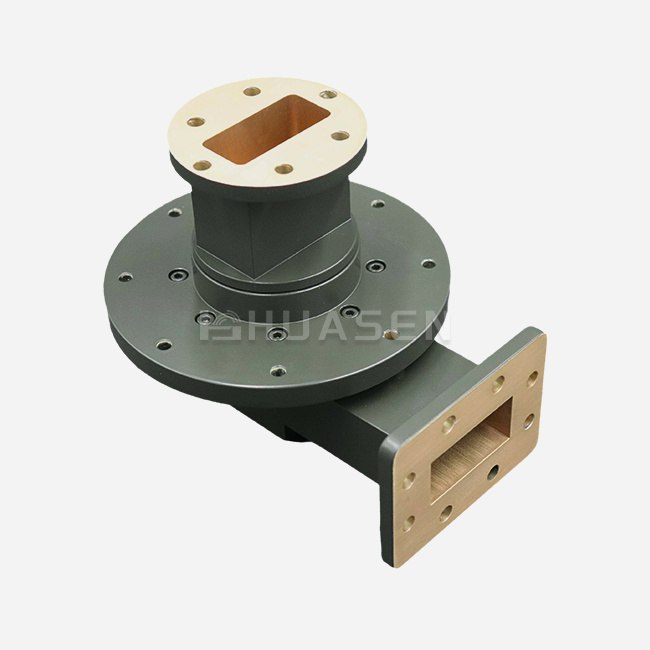
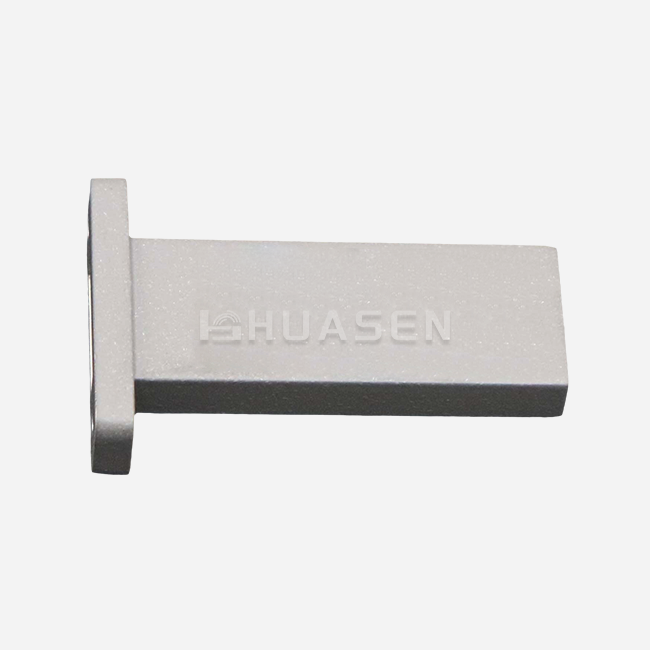
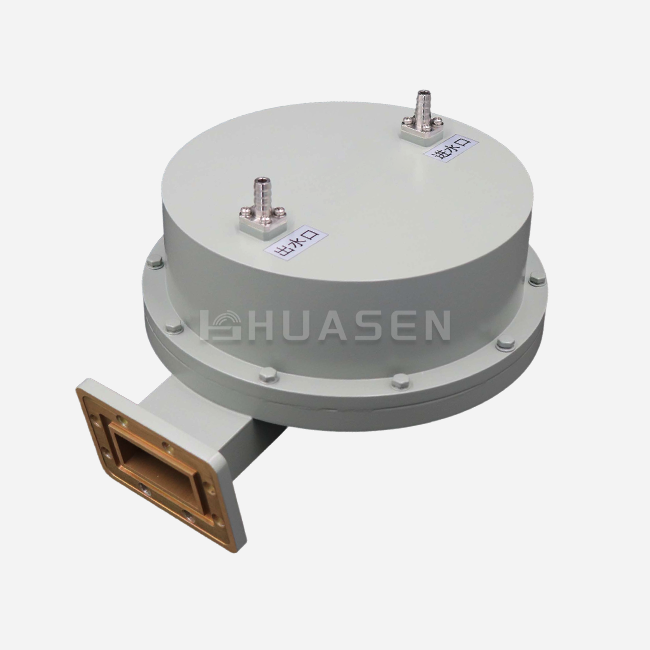
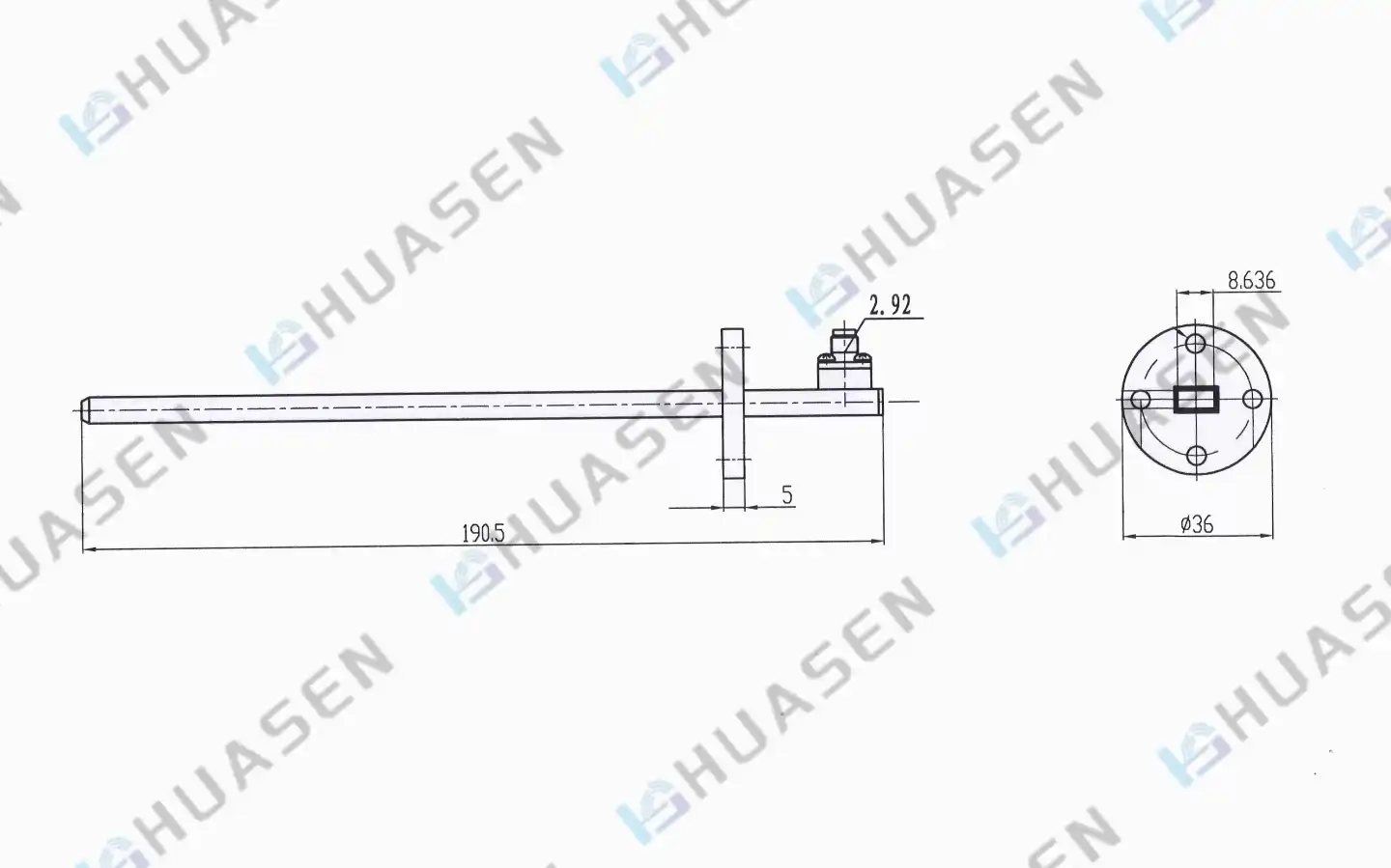
Frequency coverage represents the primaryMeasurement Probe selection criterion for near-field probes, with different probe types optimized for specific frequency bands. Broadband probes offer operational convenience by covering multiple bands within a single device, while narrowband designs typically provide superior performance within their intended frequency ranges. Huasen Microwave's broadband near-field measurement probe (WBOEWP) exemplifies this approach, offering coverage from 0.49 to 112 GHz with cross-polarization isolation exceeding 25 dB. Sensitivity requirements depend on the specific application and antenna types under test. Low-gain antennas or measurements requiring high dynamic range benefit from probes with enhanced sensitivity, while high-gain antenna testing may prioritize linearity and power handling capability. The probe's noise figure and linearity specifications must align with measurement requirements to ensure adequate signal-to-noise ratios throughout the test frequency range. Connector compatibility affects system integration and measurement repeatability. Standard connector options, including K, SMA-K, and 2.92-K interfaces, provide reliable connections while maintaining signal integrity at millimeter-wave frequencies. The choice of connector type should consider frequency requirements, mechanical robustness, and compatibility with existing test equipment.
Probe Type Selection Considerations
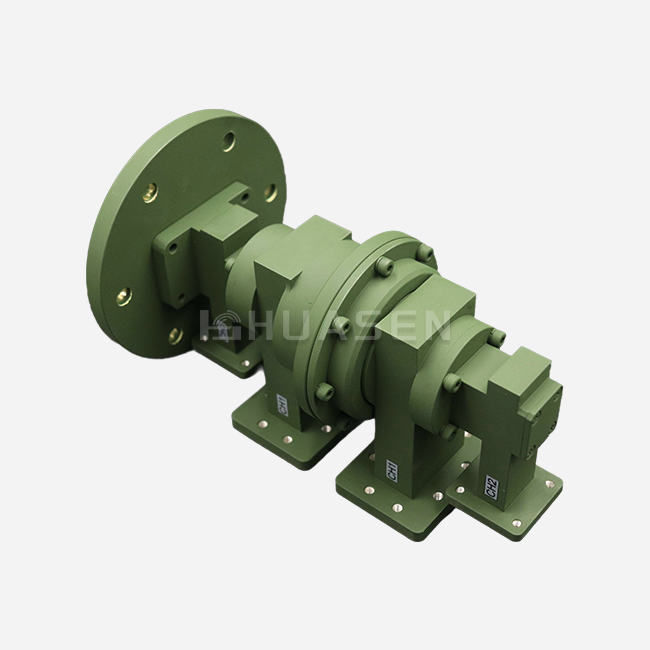
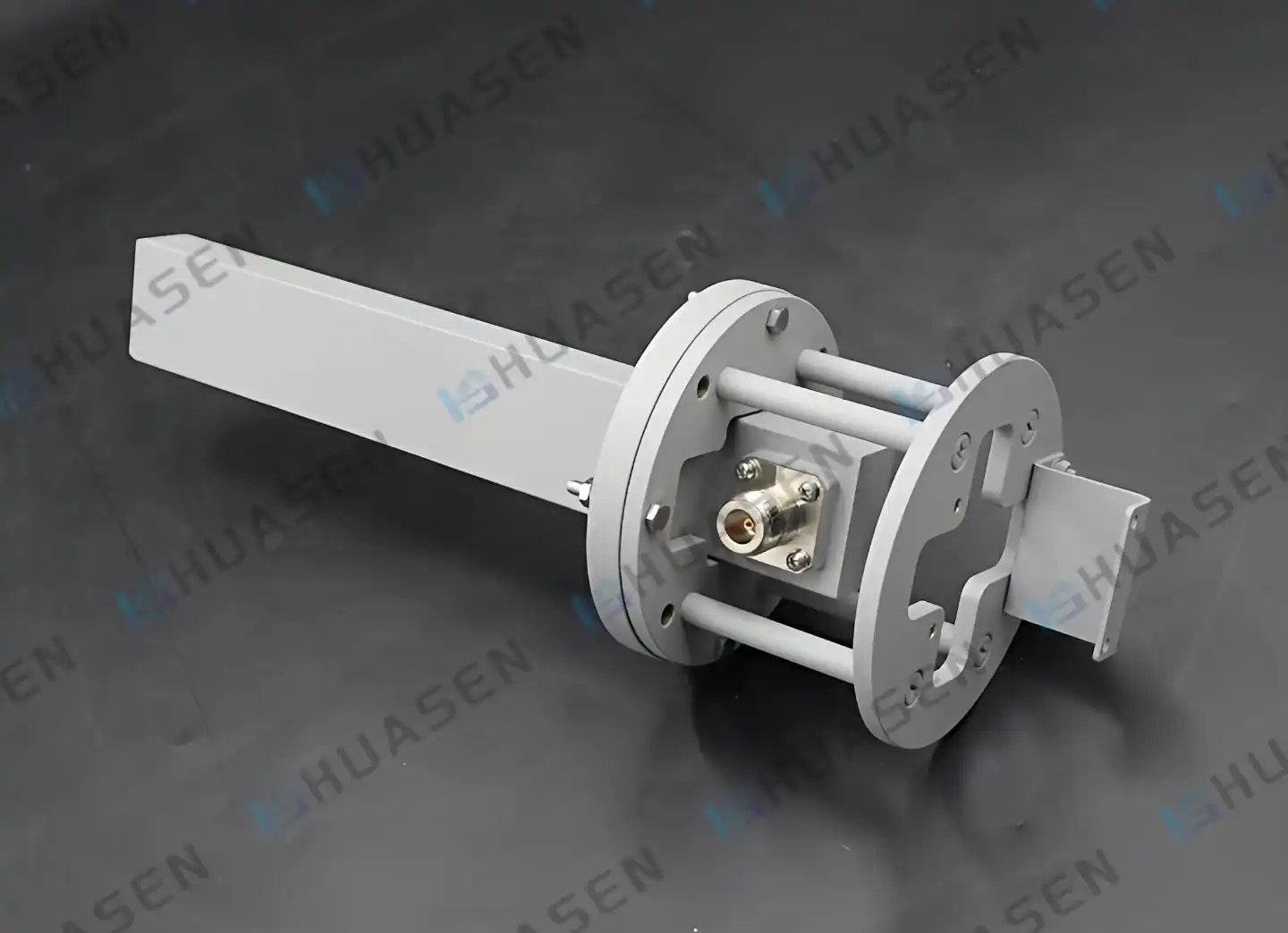
Different probe architectures offer distinct advantages depending on measurement requirements and operational preferences. Open-ended waveguide probes, such as the orthogonal feed (WOEWP) and waveguide orthogonal feed Type I (WOEWPI), provide excellent cross-polarization discrimination and well-characterized radiation patterns. These designs excel in applications requiring the highest measurement accuracy and traceability to fundamental standards. Dual-polarization probes like the WOEWDP configuration enable simultaneous measurement of orthogonal field components, reducing measurement time by eliminating the need for mechanical rotation or multiple probe positions. This capability proves particularly valuable in production environments where measurement throughput directly impacts operational efficiency. The trade-off involves slightly increased complexity in probe correction algorithms and potential cross-coupling between polarization channels. Coaxial symmetric dipole (COECP) probes offer compact form factors suitable for applications with restricted access or specialized measurement geometries. These designs provide good sensitivity across moderate frequency ranges while maintaining manageable size constraints. The symmetrical dipole configuration ensures stable radiation patterns with predictable polarization characteristics.
Supplier Evaluation and Procurement Strategies
Supplier reliability becomes crucial for measurement systems that require long-term stability and ongoing support. Established manufacturers with proven track records in RF and microwave components provide confidence in product quality and availability of technical support. Huasen Microwave Technology's three decades of experience in high-frequency component development exemplifies the expertise necessary for demanding near-field measurement applications. After-sales service capabilities significantly impact the total cost of ownership for near-field measurement systems. Comprehensive calibration services, repair capabilities, and technical support help maintain measurement accuracy throughout the probe's operational lifetime. The availability of replacement parts and upgrade paths protects against obsolescence while enabling system evolution as requirements change. Customization capabilities address specialized requirements that standard products cannot accommodate. Many applications benefit from probe modifications such as specialized frequency bands, unique mechanical interfaces, or enhanced environmental ratings. Suppliers with in-house design and manufacturing capabilities can provide tailored solutions while maintaining quality standards and delivery schedules.
Best Practices and Troubleshooting for Maintaining Accuracy
Sustaining measurement accuracy over extended periods requires systematic attention to calibration schedules, handling procedures, and environmental controls. Implementing comprehensive maintenance programs helps prevent performance degradation while ensuring consistent measurement quality across different operators and test conditions.
Calibration Schedule Optimization
Setting the right calibration intervals strikes a balance between the need for accurate measurements and the need to keep operations running smoothly. Passive waveguide probes usually have great long-term stability, keeping their performance specs for years as long as they are handled properly. However, short-term verification through calibration checks helps find potential problems before they affect the quality of measurements. The best frequency of calibration depends on the environment; for example, harsh working conditions require more frequent verification. Probes that are in settings that change temperature, cause mechanical shock, or are corrosive need more frequent checks to make sure they keep working as expected. Automated monitoring systems can keep an eye on how well probes are working and suggest when they should be calibrated based on measured drift rates instead of random time intervals. Recording the past of calibration gives useful information about how probes behave and helps make maintenance schedules more effective. By keeping track of testing results in a structured way, performance trends can be found that could mean that something is about to break down or that preventative maintenance is needed. This method is based on data and supports predictive maintenance plans that keep calibration costs low and reduce unplanned downtime.
Common Error Sources and Prevention
Mechanical damage is the most commonreason why probe performance drops, especially when it comes to the precise aperture shape that controls the radiation properties. Careful handling, safe storage, and damage inspection routines can help keep measurements from being interrupted and repairs from being too expensive. Before every measurement campaign, the openings of the probes should be visually checked to find any problems early. Handling cables has a big effect on measurement repeatability, especially at millimeter-wave frequencies, where bending the cables can cause phase differences. Using the right cable management techniques, like controlled bend radii and strain relief features, can help keep the phase stable during measurement cycles. Movement-induced errors are better avoided in automated scanning systems with phase-stable cable assemblies and rotating joint systems. Connector degradation can make measurements less accurate and cause systematic errors that lower the accuracy of calibration. Inspection and cleaning of connectors on a regular basis helps keep signals intact and stops wear that lowers electrical performance. To make sure that connections can be made again and again without damaging delicate connector interfaces, torque requirements must be strictly followed.
Continuous Improvement Through Data Analysis
Measurement uncertainty analysis.Antenna Near Field Measurement Probegives a numerical evaluation of how well a system works and finds ways to make it more accurate. Statistical analysis of measurements that are taken more than once shows random error components, while systematic analyses help find sources of bias that affect the accuracy of measures. Regular uncertainty budgets should take into account all major sources of error, such as uncertainty in calibration, effects of the environment, and the limitations of the instruments used. Comparing measurements with those from other labs or measurement methods helps confirm the system's performance and find systematic biases. By taking part in measurement comparison programs, you can find useful benchmarks and help improve the accuracy of measurements across the whole business. These things help make sure that the ways things are measured are correct and that the results that are presented are accurate.
Conclusion
Calibration and accuracy of near-field probes are important parts of modern antenna testing that have a direct effect on the precision and reliability of measurements and the quality of the product. Engineers can make measurement systems work better for their needs by understanding the complex connections between probe design, calibration methods, and environmental factors. Choosing the right probe types, following strict calibration methods, and keeping up with the right way to do things all contribute to measurement accuracy that meets the needs of demanding defence, aerospace, and telecommunications applications. As wireless communication systems keep getting better by using higher frequencies and more complicated antenna designs, accurate near-field measurement methods will become even more important.
FAQ
1. How often should near-field measurement probes be recalibrated?
Calibration frequency depends on usage intensity and application requirements. For critical applications requiring maximum accuracy, annual calibration provides optimal confidence in measurement results. Production environments with moderate accuracy requirements may extend calibration intervals to 18-24 months. However, any mechanical damage or suspected performance degradation warrants immediate recalibration regardless of scheduled intervals.
2. What distinguishes passive from active near-field probes?
Passive probes rely solely on the antenna under test for signal reception, offering excellent linearity and dynamic range without introducing amplification noise. Active probes incorporate built-in amplification to enhance sensitivity, particularly beneficial for low-level signal measurements or extended cable runs. The choice depends on signal levels, dynamic range requirements, and system noise considerations.
3. Can the same probe handle both near-field and far-field measurements?
While technically possible, dedicated probe designs optimized for specific measurement distances provide superior performance. Near field probes emphasize spatial resolution and field sampling accuracy, while far field applications prioritize gain accuracy and pattern symmetry. Using appropriate probes for each measurement type ensures optimal results and compliance with industry standards.
4. What connector types work best for millimeter-wave applications?
K-type connectors provide excellent performance through 40 GHz with proven reliability in demanding applications. Beyond 40 GHz, 2.92mm and 1.85mm connectors offer enhanced performance, while specialized waveguide interfaces become necessary for frequencies above 110 GHz. Connector selection should balance frequency requirements with mechanical durability and system compatibility.
Partner with Huasen Microwave for Superior Antenna Near-Field Measurement Solutions
Huasen Microwave Technology deliversAntenna Near Field Measurement Probe cutting-edge near field measurement solutions backed by three decades of RF and microwave expertise. Our comprehensive probe portfolio includes orthogonal feeds (WOEWP), dual-polarization systems (WOEWDP), and broadband measurement probes spanning 0.49-112 GHz with exceptional cross-polarization isolation exceeding 25 dB. As a trusted Antenna Near Field Measurement Probe manufacturer, we provide complete calibration services, customization capabilities, and technical support to ensure optimal measurement accuracy for your critical applications.
Contact our engineering team at sales@huasenmicrowave.com to discuss your specific requirements and discover how our precision measurement solutions can enhance your antenna testing capabilities. Visit huasenmicrowave.com to explore our complete range of high-performance RF and microwave components designed for demanding telecommunications, aerospace, and defense applications.
References
1. Institute of Electrical and Electronics Engineers. "IEEE Standard for Near-Field Antenna Measurement Techniques." IEEE Std 1720-2012, New York: IEEE Press, 2012.
2. Johnson, Richard C., and Henry Jasik. "Antenna Engineering Handbook, Fourth Edition." McGraw-Hill Professional, New York, 2007.
3. Balanis, Constantine A. "Antenna Theory: Analysis and Design, Fourth Edition." John Wiley & Sons, Hoboken, 2016.
4. Newell, Allen C., Tapan K. Sarkar, and Magdalena Salazar-Palma. "Planar Near-Field Antenna Measurement Theory and Practice." Academic Press, Cambridge, 2020.
5. International Electrotechnical Commission. "IEC 62232: Determination of RF Field Strength and SAR in the Vicinity of Radiocommunication Base Stations." Geneva: IEC Publications, 2017.
6. Hansen, Jesper E. "Spherical Near-Field Antenna Measurements: Theory and Applications." Peter Peregrinus Ltd, London, 1988.
Send Inquiry