Application of Log Periodic Antenna in Radar Signal Testing






2026-03-16 22:37:39
Log Periodic Antenna technology is one of the most important tools used to test radar signals because it provides an excellent wideband frequency range from 400 MHz to 18,000 MHz with stable performance. These high-tech antennas use elements that are scaled in logarithmic steps to keep their gain and radiation patterns fixed across multiple octaves. This makes them essential for testing at multiple frequencies at the same time. Their special geometric shape makes sure that they work at any frequency, so you don't need to use multiple antenna systems for complicated radar testing situations. Log periodic antennas are very useful for defence contractors, telecommunications companies, and research institutions that need to do thorough radar signal analysis and validation testing because they are built to last, and Log Periodic Antennaswork as expected.
Understanding Log Periodic Antennas in Radar Signal Testing
Multi-Element Design Architecture
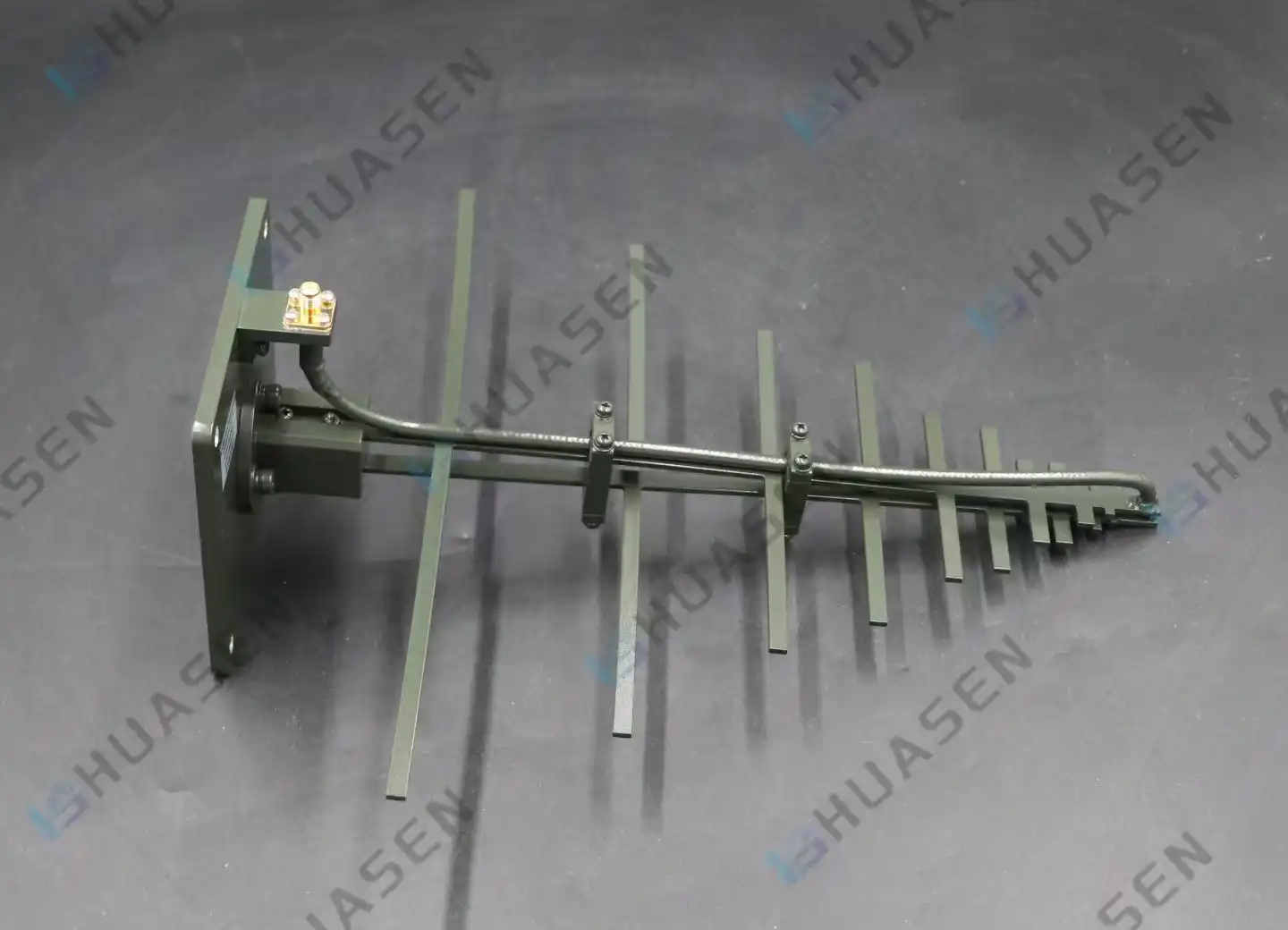
Log periodic antennas use a complex self-similar geometric structure where each radiating element stays connected to the parts next to it in a logarithmic way. This basic design concept makes characteristics that don't depend on frequency and stay the same across the whole operational bandwidth. The antenna works with a travelling wave system, which means that only certain parts are active at any given frequency. This makes sure that the pattern stays stable and the antenna works as well as possible during tests. The microstrip implementation improves performance even more by using printed circuit board technology to make exact connections and spacing between elements. This method lowers the tolerances for manufacturing while keeping the electrical properties high across the entire operating range. The antenna system that was made has very good phase center stability, which is very important for getting accurate readings of radar cross-section and describing antenna patterns.
Performance Metrics and Radar Signal Quality
Key performance factors have a direct effect on how accurate and reliable radar tests are. Gain values are usually between 5 and 9 dB across the working bandwidth. This gives the signal enough strength for most testing tasks without being too strong for the receiver circuits. Engineers can change the covering patterns based on the needs of the test because the beamwidth can be changed from 35 degrees to 125 degrees. The Voltage Standing Wave Ratio stays below 2.0:1 across the whole frequency range. This makes sure that there is very little signal bounce and the best power transfer efficiency. When used for radar tests, this low VSWR performance directly leads to more accurate measurements and less uncertainty. Standard test tools and measurement systems can easily connect to the stable input impedance of 50 ohms.
Common Troubleshooting and Maintenance Considerations
In radar testing settings, environmental factors have a big effect on how well antennas work. Changes in temperature can impact the qualities of the substrate and the resonances of the elements, which could make measurements less accurate. Regular calibration processes help find and fix these effects of the environment, so test results stay the same in all kinds of working conditions. Another important upkeep issue is the integrity of the connectors. The right torque specs and weatherproofing keep electrical connections safe by stopping corrosion and signal loss. During visual inspections, the state of the substrate should be the main focus. Delamination or physical damage that could affect electrical performance should be looked for.
Advantages of Log Periodic Antennas Over Other Antennas in Radar Testing
Superior Frequency Independence and Multi-Band Capabilities
Traditional antenna options often need more than one unit to cover a wide range of frequencies. This makes the system more complicated and takes longer to set up for tests. Log periodic antennas get around this problem by giving uniform performance across their whole operating range. This independence from frequency has big operational benefits, like lowering the need for inventory and making test processes easier. Engineers can do full radar tests with just one antenna system because it can handle multiple octaves of bandwidth. This method lowers the measurement error caused by switching antennas and ensures that the standard characteristics are the same at all test frequencies. Because the gain and pattern are stable, you don't have to go through complicated tuning steps when switching between frequency bands.
Enhanced Signal Fidelity and Measurement Accuracy
For radar testing to correctly describe how well a system works,LPA and find potential problems, the signals must be very accurate. Log periodic antennas have better phase linearity than frequency-swept antennas, which means they can take accurate readings in the time domain and characterise pulse responses. The consistent group delay properties keep the signal's integrity over a wide range of measures. The directional radiation pattern helps keep reflections and interference from nearby buildings to a minimum. In confined test settings, where multipath effects can make measurements less accurate, this trait is especially useful. The stable pattern properties make sure that readings can be taken again and again, even if the environment or test setup changes.
Robust Construction for Challenging Environments
Many times, radar tests are done in tough environments, like open ranges, mobile platforms, and harsh industrial settings. Log periodic antennas made from modern materials have been shown to last a very long time in these harsh circumstances. The microstrip design gets rid of mechanical joints and links that often break in places where there is a lot of vibration. The ability to withstand weather conditions ensures steady performance even when temperatures, humidity, and rain are extreme. This stability in the environment means that the test system is more available and doesn't need as much upkeep. Its small size and light weight make it easy to set up and move around quickly for different test setups.
Selecting the Right Log Periodic Antenna for Your Radar Signal Testing Needs
Frequency Compatibility and Performance Requirements
Successful antenna selection begins with a thorough analysis of frequency requirements and performance specifications. The operational bandwidth must encompass all radar frequencies under test while maintaining adequate gain and pattern characteristics. Modern radar systems often employ frequency agility and spread spectrum techniques, requiring antennas with exceptional bandwidth and phase performance. Power handling capabilities represent another critical selection criterion, particularly for high-power radar testing applications. The antenna must safely handle transmitted power levels while maintaining linear operation and avoiding thermal damage. Pulse power ratings become especially important for pulsed radar systems where peak power levels significantly exceed average values.
Environmental Endurance and Mechanical Specifications
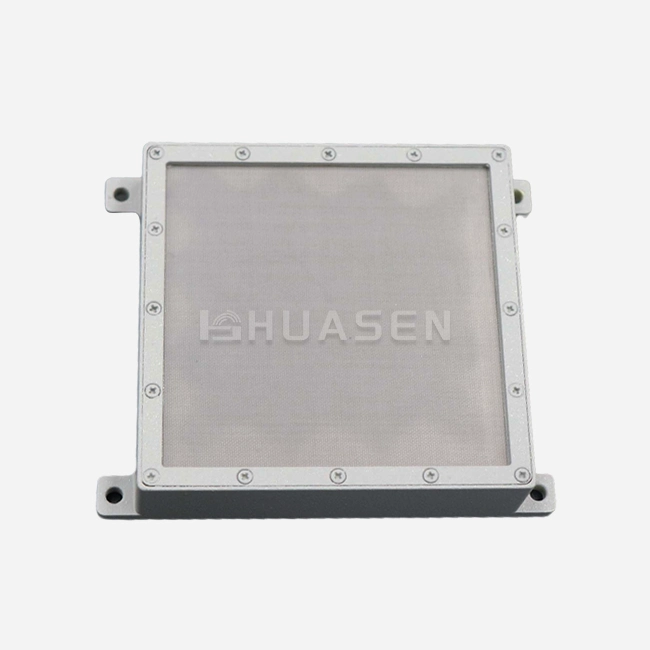
Outdoor radar testing environments subject antennas to severe weather conditions, temperature cycling, and mechanical stress. Antenna selection must consider operating temperature ranges, humidity tolerance, and wind loading specifications. The mounting system design affects both mechanical stability and electrical performance, requiring careful consideration of installation requirements and structural constraints. Size and weight limitations often dictate antenna selection for mobile or space-constrained applications. The compact 75x118 mm minimum size of modern log periodic microstrip antennas addresses these constraints while maintaining excellent electrical performance. Standard connector interfaces ensure compatibility with existing test equipment and measurement systems.
Customization Options and Supplier Evaluation
Many radar testing applications require customized antenna solutions to meet specific performance or mechanical requirements. Supplier capabilities for frequency range modification, gain optimization, LPA,and connector selection directly impact project success. Manufacturing flexibility enables tailored solutions while maintaining cost-effectiveness for volume applications. Supplier evaluation should encompass technical expertise, manufacturing quality, and post-sale support capabilities. Established suppliers provide comprehensive documentation, calibration data, and technical assistance throughout the product lifecycle. Quality certifications and traceability documentation ensure compliance with industry standards and customer requirements.
Integrating Log Periodic Antennas into Your Radar Signal Testing Systems
System Design and Optimal Placement Strategies
Effective antenna integration requires a comprehensive system design considering placement, orientation, and electromagnetic compatibility. The antenna positioning affects both signal coverage and interference characteristics, requiring careful analysis of the test environment and measurement objectives. Proper orientation ensures optimal polarization matching while minimizing cross-polarization effects that can compromise measurement accuracy. Cable routing and connector placement influence system performance through insertion loss and reflection characteristics. Low-loss cable assemblies minimize signal degradation while maintaining measurement accuracy across the operational frequency range. Proper grounding and shielding techniques eliminate unwanted coupling and interference from adjacent equipment.
Software Tools and Performance Prediction
Advanced electromagnetic simulation software enables accurate performance prediction and system optimization before physical implementation. These tools model antenna characteristics, environmental effects, and system interactions to identify potential issues and optimize configurations. The simulation results guide placement decisions and help establish measurement uncertainty budgets. Calibration software and measurement automation systems streamline testing procedures while ensuring consistent results. These tools compensate for systematic errors and provide traceability to national standards. Integration with existing test systems reduces setup time and improves measurement repeatability.
Installation Best Practices and Maintenance Procedures
Professional installation techniques ensure optimal antenna performance and long-term reliability. Proper mounting hardware and weatherproofing protect against environmental degradation while maintaining electrical characteristics. Installation documentation provides reference information for future maintenance and system modifications. Regular maintenance procedures include visual inspections, electrical testing, and calibration verification. These activities identify potential issues before they impact measurement accuracy and extend antenna service life. Preventive maintenance schedules should consider environmental exposure and usage patterns to optimize inspection intervals.

Why Choose Huasen Microwave Log Periodic Antenna Solutions for Radar Testing
Advanced Engineering and Proven Performance
Huasen Microwave's Log Periodic Microstrip Antenna represents lpda antenna the culmination of decades of research and development in high-frequency antenna technology. Our engineering team leverages extensive experience in radar and communications applications to deliver solutions that exceed industry standards for performance and reliability. The 400 MHz to 18,000 MHz frequency coverage addresses the vast majority of radar testing requirements using a single, compact antenna system. Independent testing and verification demonstrate consistent performance characteristics that meet or exceed published specifications. Our quality assurance processes ensure every antenna delivers the performance required for critical radar testing applications. Customer testimonials from defense contractors and research institutions validate the real-world performance advantages our solutions provide.
Customization Capabilities and Manufacturing Excellence
Our manufacturing capabilities support extensive customization options to meet specific customer requirements. Frequency range modifications, connector selections, and mechanical adaptations address unique application needs while maintaining the fundamental performance advantages of the log periodic design. Our engineering team collaborates closely with customers to develop optimized solutions that integrate seamlessly with existing test systems. The microstrip manufacturing process utilizes advanced PCB fabrication techniques to achieve precise dimensional control and excellent electrical characteristics. Automated inspection and testing procedures ensure consistent quality across production volumes. Our ISO-certified manufacturing facility maintains strict quality standards while supporting both prototype development and volume production requirements.
Comprehensive Support and Global Logistics
Huasen Microwave provides comprehensive technical support throughout the product lifecycle, from initial application consultation through long-term service requirements. Our technical team offers design assistance, application guidance, and troubleshooting support to ensure optimal system performance. Detailed documentation and calibration data support customer quality requirements and measurement traceability needs. Our global logistics network ensures timely delivery and responsive service regardless of customer location. Bulk order capabilities and competitive pricing structures support cost-effective procurement for large-scale projects. Established distribution partnerships provide local support and reduced lead times for standard products.
Conclusion
Log periodic antennas have become important parts of LPDA antennamodern radar signal testing because they offer unmatched frequency coverage and consistent performance in a wide range of testing situations. Their special design meets important needs in the industry for working over a wide frequency range, lasting in harsh environments, and making accurate measurements. The benefits over traditional antenna solutions include easier test processes, less equipment needed, and more accurate measurements. If you choose and connect these antenna systems correctly, you can get the most out of your testing while keeping costs and complexity to a minimum. Log periodic antennas will continue to be important for accurately characterising and validating these important systems, even as radar technology moves toward higher frequencies and more complex data formats.
FAQ
1. What frequency ranges do log periodic antennas cover for radar testing?
Modern log periodic antennas cover exceptionally wide frequency ranges, with advanced microstrip designs spanning from 400 MHz to 18,000 MHz in a single unit. This bandwidth encompasses most radar applications, including L-band through Ku-band systems. The frequency-independent design maintains consistent gain and pattern characteristics across the entire operational spectrum, eliminating the need for multiple antenna systems.
2. How do log periodic antennas compare to Yagi antennas for radar testing?
Log periodic antennas provide superior bandwidth and frequency independence compared to Yagi antennas, which typically operate over narrow frequency ranges. While Yagi antennas may offer slightly higher gain at specific frequencies, log periodic antennas maintain consistent performance across wide bandwidths. This characteristic makes them ideal for radar testing applications requiring multi-frequency operation and frequency agility testing.
3. Can log periodic antennas be customized for specific radar testing requirements?
Yes, log periodic antennas offer extensive customization options, including frequency range optimization, gain adjustments, and mechanical modifications. Connector types, mounting configurations, and environmental protection levels can be tailored to specific application requirements. Manufacturing techniques support both prototype development and volume production of customized solutions.
4. What power handling capabilities do these antennas provide?
Power handling capabilities depend on antenna construction and frequency of operation. Microstrip log periodic antennas typically handle continuous power levels up to 100 watts, with higher peak power capabilities for pulsed applications. The precise power rating varies with frequency and environmental conditions, requiring consultation with the manufacturer for specific applications.
5. How do environmental conditions affect antenna performance?
Environmental factors, including temperature, humidity, and precipitation, can influence antenna performance through dielectric property changes and mechanical effects. Quality antennas incorporate environmental compensation and weatherproofing to minimize these effects. Regular calibration and maintenance procedures help identify and compensate for environmental impacts on measurement accuracy.
Contact Huasen Microwave for Advanced Log Periodic Antenna Solutions
Huasen Microwave stands ready to transform your radar signal testing capabilitieswithour industry-leading Log Periodic Antenna technology. Our engineering expertise and manufacturing excellence deliver solutions that exceed performance expectations while addressing the most demanding testing requirements. As a trusted Log Periodic Antenna supplier, we provide comprehensive support from initial consultation through long-term service needs. Our team combines decades of microwave experience with cutting-edge manufacturing capabilities to deliver customized solutions that optimize your testing efficiency and measurement accuracy. Contact our technical specialists at sales@huasenmicrowave.com to discuss your specific requirements and discover how our advanced antenna solutions can enhance your radar testing capabilities. Visit huasenmicrowave.com to explore our complete product portfolio and technical resources.
References
1. Balanis, Constantine A. "Antenna Theory: Analysis and Design, Fourth Edition." John Wiley & Sons, Inc., Hoboken, NJ, 2016.
2. Carrel, Robert L. "The Characteristic Impedance of Two Infinite Cones of Arbitrary Cross Section." IRE Transactions on Antennas and Propagation, vol. 6, no. 2, 1958, pp. 197-201.
3. IEEE Standard 145-2013. "IEEE Standard for Definitions of Terms for Antennas." Institute of Electrical and Electronics Engineers, New York, 2013.
4. Milligan, Thomas A. "Modern Antenna Design, Second Edition." John Wiley & Sons, Inc., Hoboken, NJ, 2005.
5. Pozar, David M. "Microwave Engineering, Fourth Edition." John Wiley & Sons, Inc., Hoboken, NJ, 2012.
6. Stutzman, Warren L., and Gary A. Thiele. "Antenna Theory and Design, Third Edition." John Wiley & Sons, Inc., Hoboken, NJ, 2012.
Send Inquiry