
Blog
0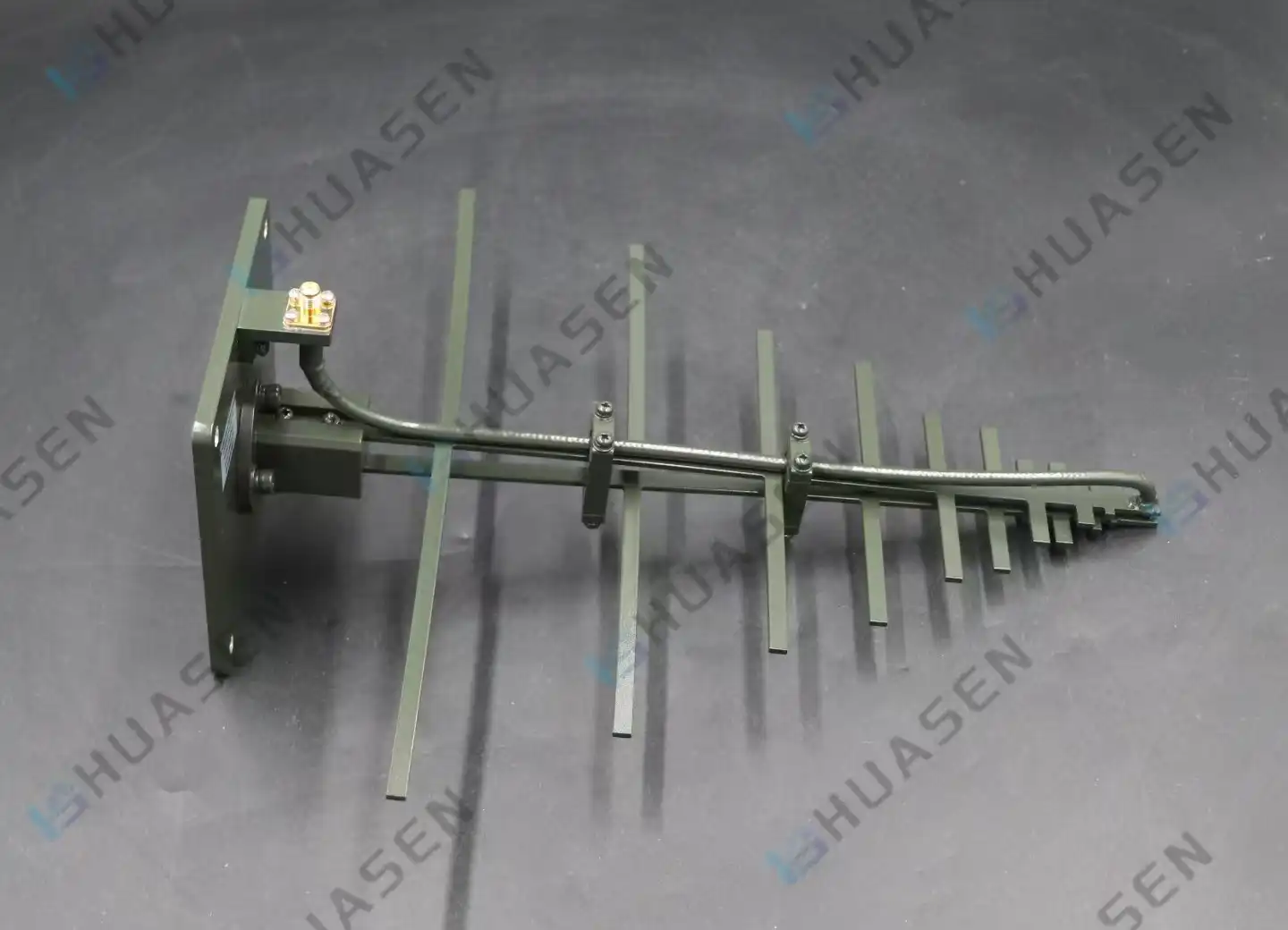
What is the Normal Bandwidth Range of Log Periodic Antenna?
Log periodic antennas typically operate across frequency ranges spanning 2:1 to 40:1 ratios, Log Periodic Antenna with most commercial units covering 10:1 bandwidth ratios effectively. The normal bandwidth range extends from as low as 30 MHz to as high as 18 GHz, depending on the specific design parameters and construction methodology. Modern log periodic antenna designs achieve consistent performance across these wide frequency spans through carefully calculated element spacing and geometric scaling factors that maintain stable impedance matching and radiation patterns throughout the operational spectrum.VIEW MORE
How to Calibrate the Reflector Alignment of Parabolic Antenna Correctly?
To calibrate the reflector alignment in a parabolic antenna, you have to measure the signal strength and radiation patterns in a planned way while making precise mechanical changes to the reflector surface and focal positioning. The right alignment makes sure that electromagnetic waves focus perfectly, which improves signal clarity and Parabolic Antenna gain performance for important communications tasks. Specialised alignment tools, signal analysers, and measurement methods are used in the tuning process to get the antenna's geometry just right so it works at its best across the desired frequency range.VIEW MORE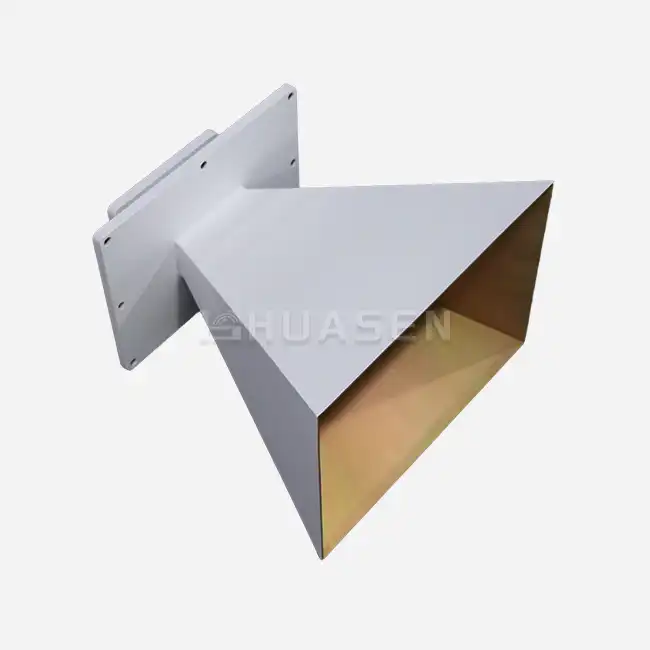
How to optimize pyramidal horn antenna gain?
To get the best pyramidal antenna gain, you need to take a comprehensive method that balances environmental factors with physical design parameters. The important thing is to carefully manage the opening size, flare angle, and phase distribution while keeping losses as low as possible by choosing the right materials and installing them correctly. To optimize well, you need to know how the shape of the horn affects the transmission of electromagnetic fields and make sure that the impedance of the waveguide feed and free space match. With this methodical approach, engineers can consistently increase gain by 2 to 5 decibels, which greatly improves system performance in a wide range of situations, from radar systems to satellite communications.VIEW MORE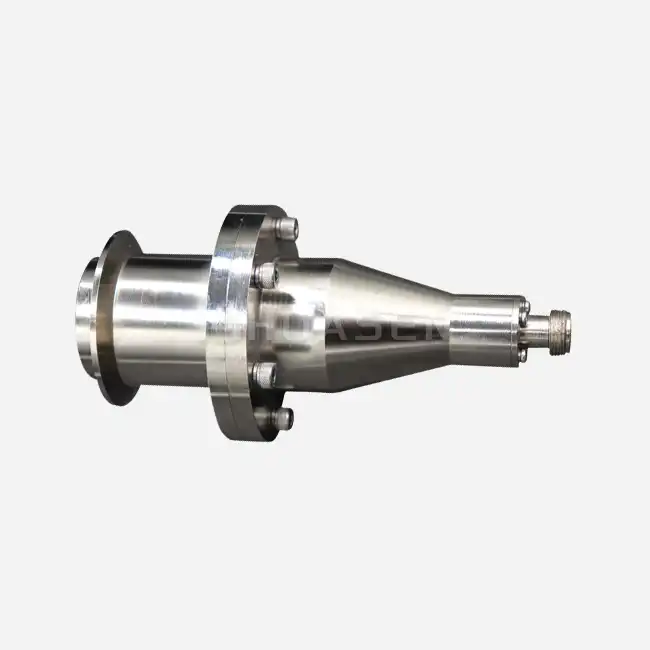
Choosing Waveguide to Coaxial Adapters for 5G Base Station Systems
When choosing the right waveguide adapters for 5G base station systems, you need to think carefully about the technical specs, the surroundings, and the performance needs. In high-frequency settings, these important parts make it possible for signals to move smoothly between waveguide transmission lines and coaxial connections. Adapters for modern 5G networks need to be able to work with bands from X-band to mmWave while keeping insertion loss to a minimum and signal integrity at its highest level. Whether to use a standard or custom solution rests on the needs of the system, such as its ability to handle power, its environment, and its ability to connect to existing infrastructure.VIEW MORE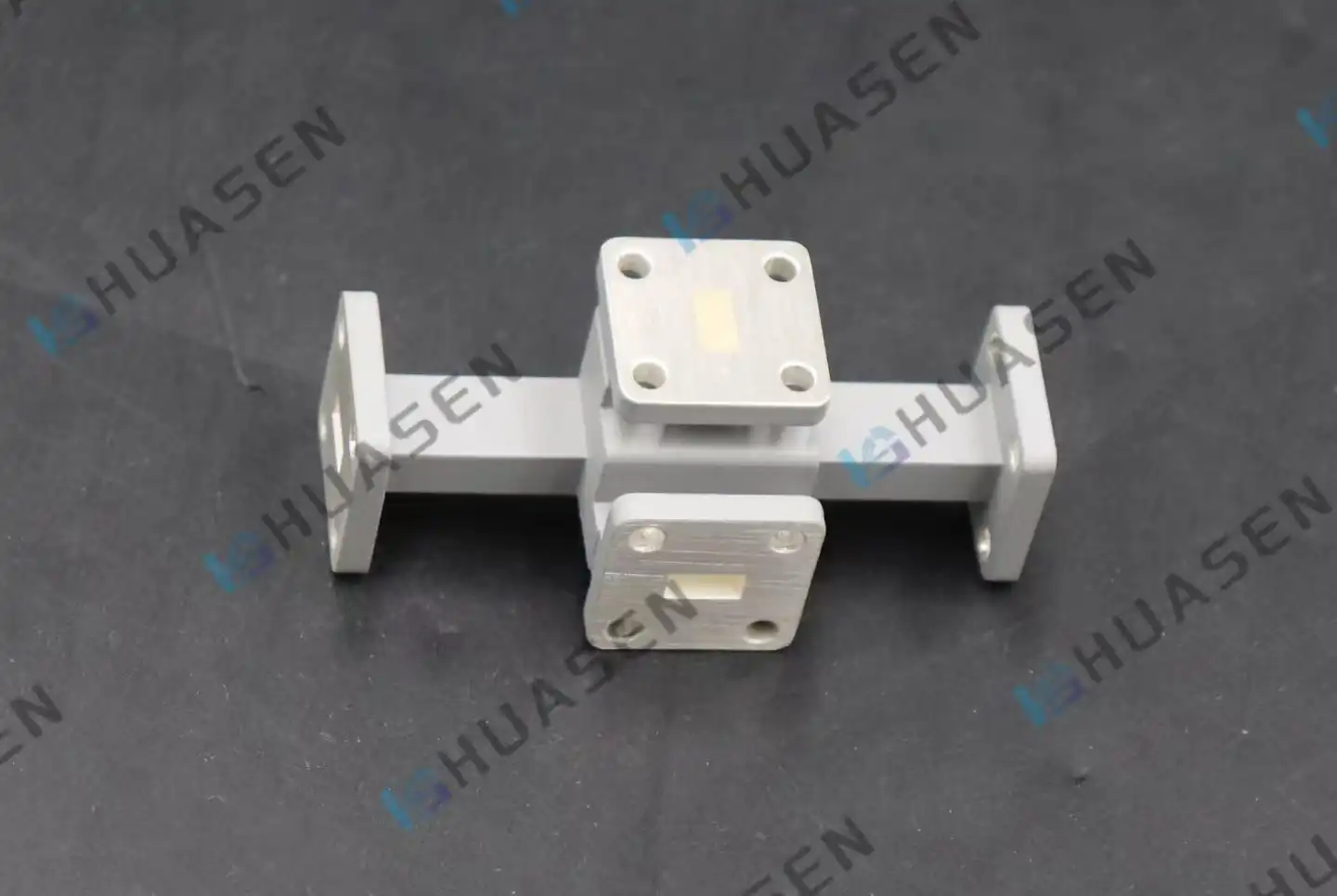
Passive vs Active RF Combiners in High-Frequency Signal Processing
Understanding the main differences between passive and active RF combiners is very important when choosing the best signal combining solution for mission-critical purposes. An RF combiner is the main part of high-frequency signal processing devices. It takes in multiple signals and combines them into a single output while keeping the signal's integrity and reducing interference. In passive RF combiners, waveguide shapes and resistive elements work together to combine signals very reliably without any outside power. Active RF combiners have amplification parts built in to improve signal handling and provide better linearity control. These differences have a direct effect on how well systems work, how much they cost to run, and how reliable they are in the long term in a wide range of industrial settings, from 5G infrastructure to communications in space.VIEW MORE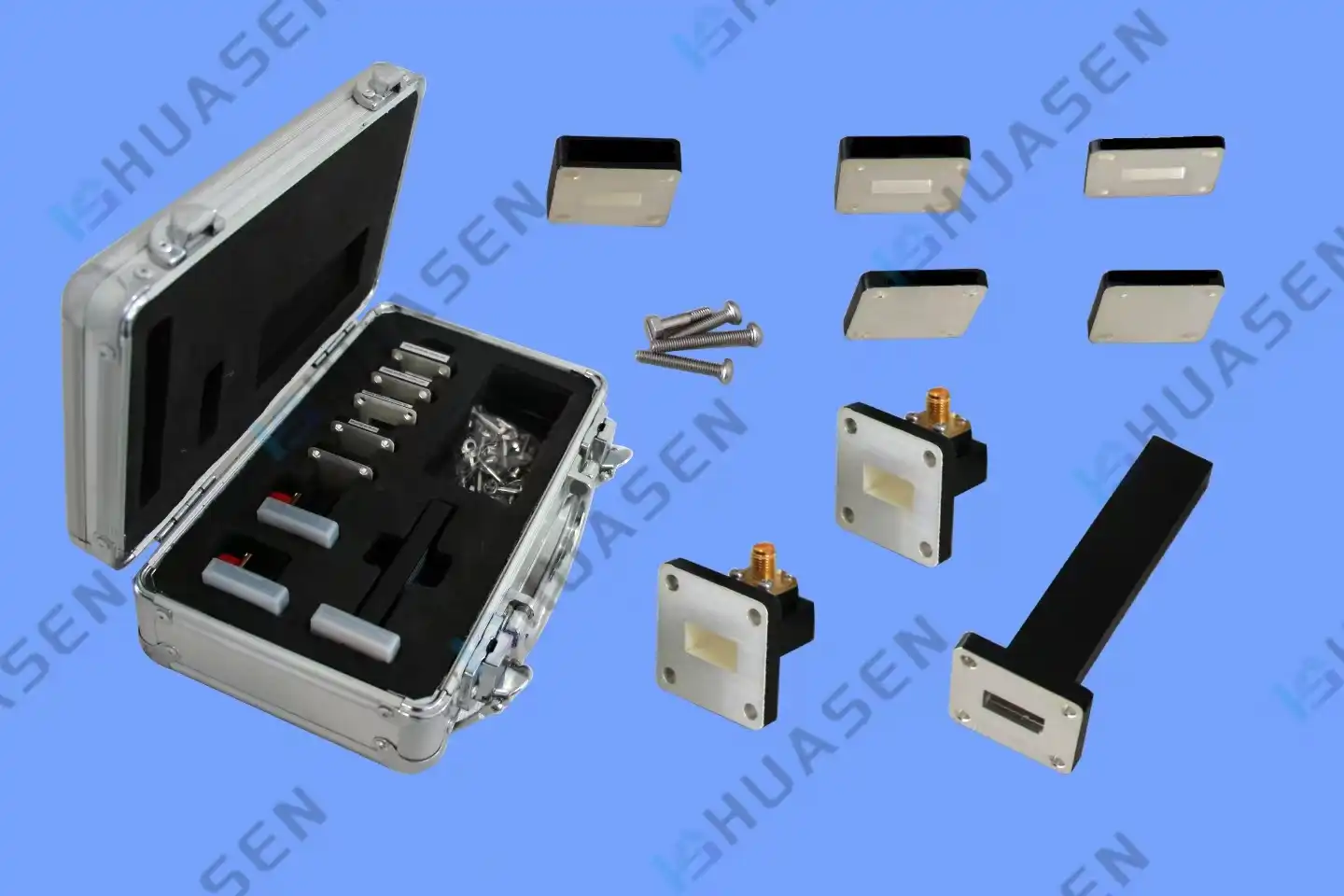
Troubleshooting Waveguide Calibration Kit Errors in Industrial RF Testing
To fix Waveguide Calibration Kit Errors in Industrial RF Testing, you need to know how to deal with the complicated measurement problems that come up with current microwave and millimetre-wave systems. When it comes to accurate RF measurements, a Waveguide Calibration Kit is the basis. It corrects errors and makes sure that measurements are accurate in even the most demanding industrial settings. If there are mistakes in the calibration, they can spread to other parts of the test system and make the data less reliable. This could lead to expensive design changes or failure to meet compliance standards in important areas like 5G infrastructure and aerospace radar systems.VIEW MORE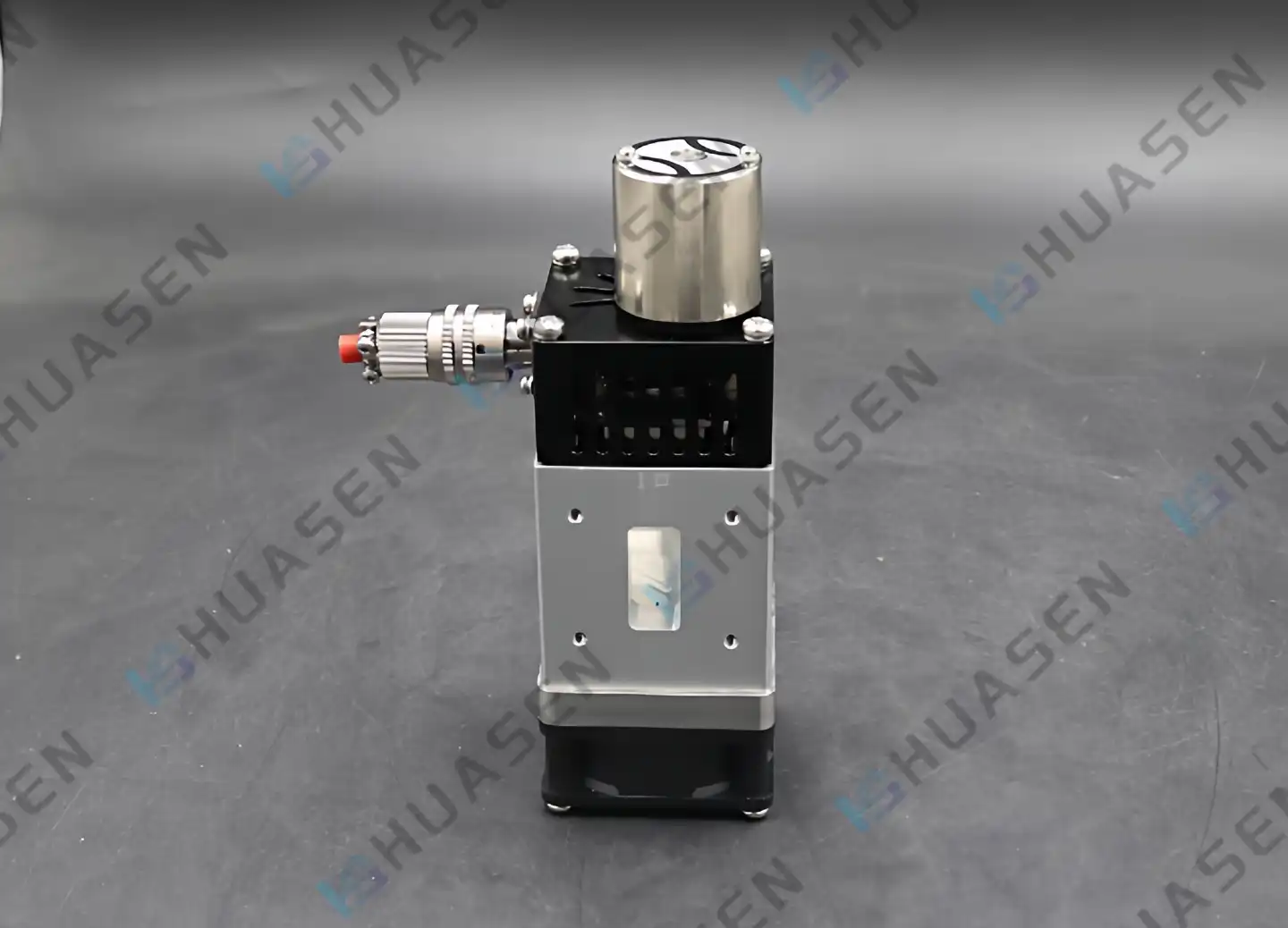
How to Select Electric Waveguide Switches for Radar Systems?
To choose the best electric waveguide switch for radar systems, you need to carefully look at its electromagnetic performance, how long it will last in different environments, and how reliable it is in terms of operation. These precision-engineered devices use motorised mechanisms to send high-frequency microwave signals along different paths. They can handle more power than solid-state options. During the selection process, important specs like insertion loss (usually less than 0.1 dB), isolation performance (>60 dB), switching speed, and environmental resistance must be taken into account. To make an informed purchasing choice that guarantees signal integrity and long-term dependability, you need to know your radar system's frequency range, power needs, and operational conditions.VIEW MORE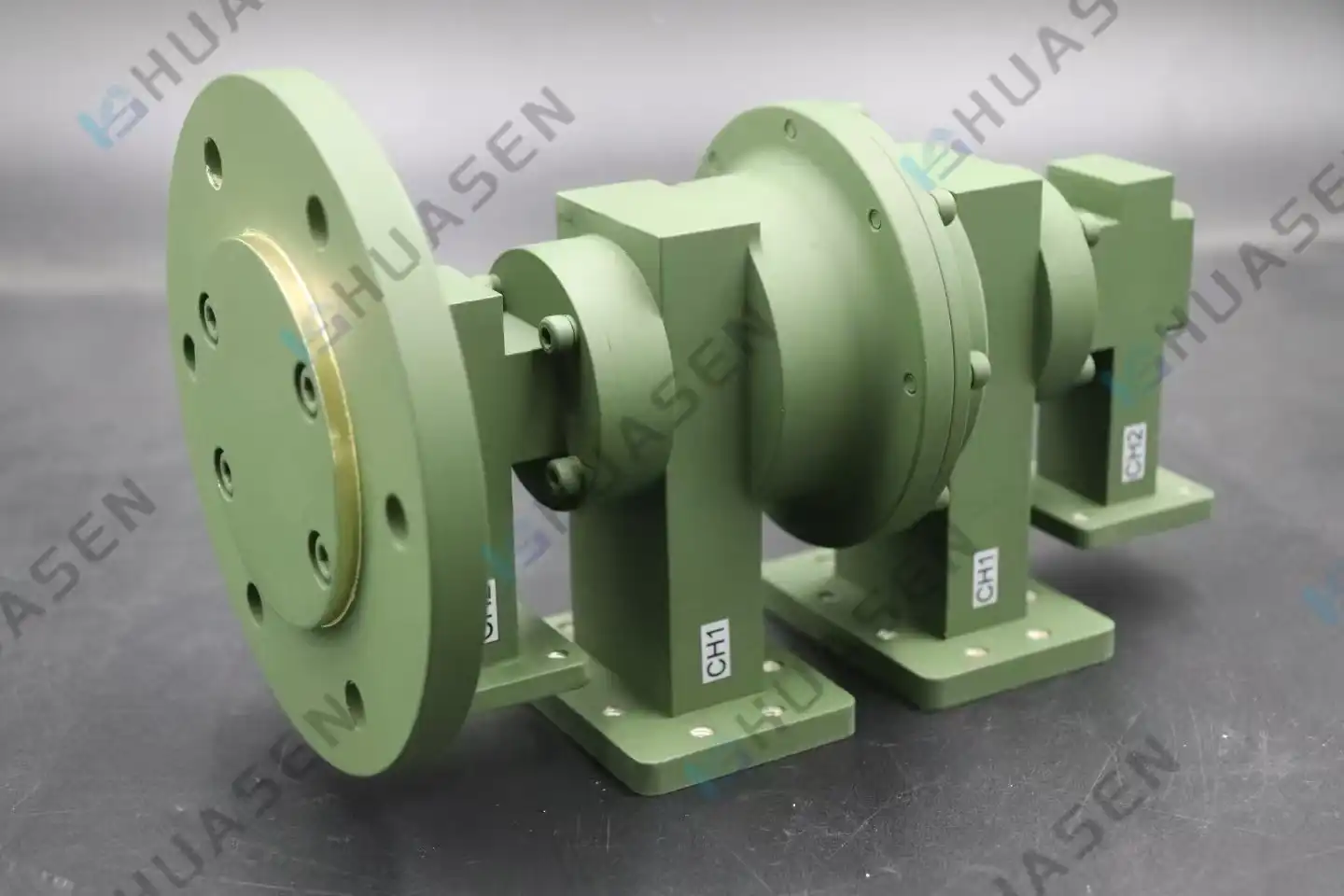
Dual Channel Rotary Joint Selection Guide for Radar Applications
Choosing the right Dual Channel Rotary Joint is a big choice that has a big impact on the performance, dependability, and overall cost of ownership of the radar system. A Dual Channel Rotary Joint is a high-tech electromechanical microwave part that lets two separate RF signal paths stay connected through a rotating mechanical interface. This gets rid of the problems that come with cable wrap and keeps the signal's integrity during 360-degree rotation operations. Modern radar systems are very complicated, and they are used for defence, maritime surveillance, and controlling air traffic. They need parts that work very well in harsh circumstances. Engineers and procurement professionals have to find a balance between technical requirements and budget limits while also making sure that the system will work well in the long run. This complete selection guide solves these problems by giving useful information on how to evaluate parts, how to evaluate suppliers, and how to buy things. The guide stresses that choosing the right rotary joint improves signal quality, lowers the need for maintenance, and maximises operational efficiency in a wide range of radar uses.VIEW MORE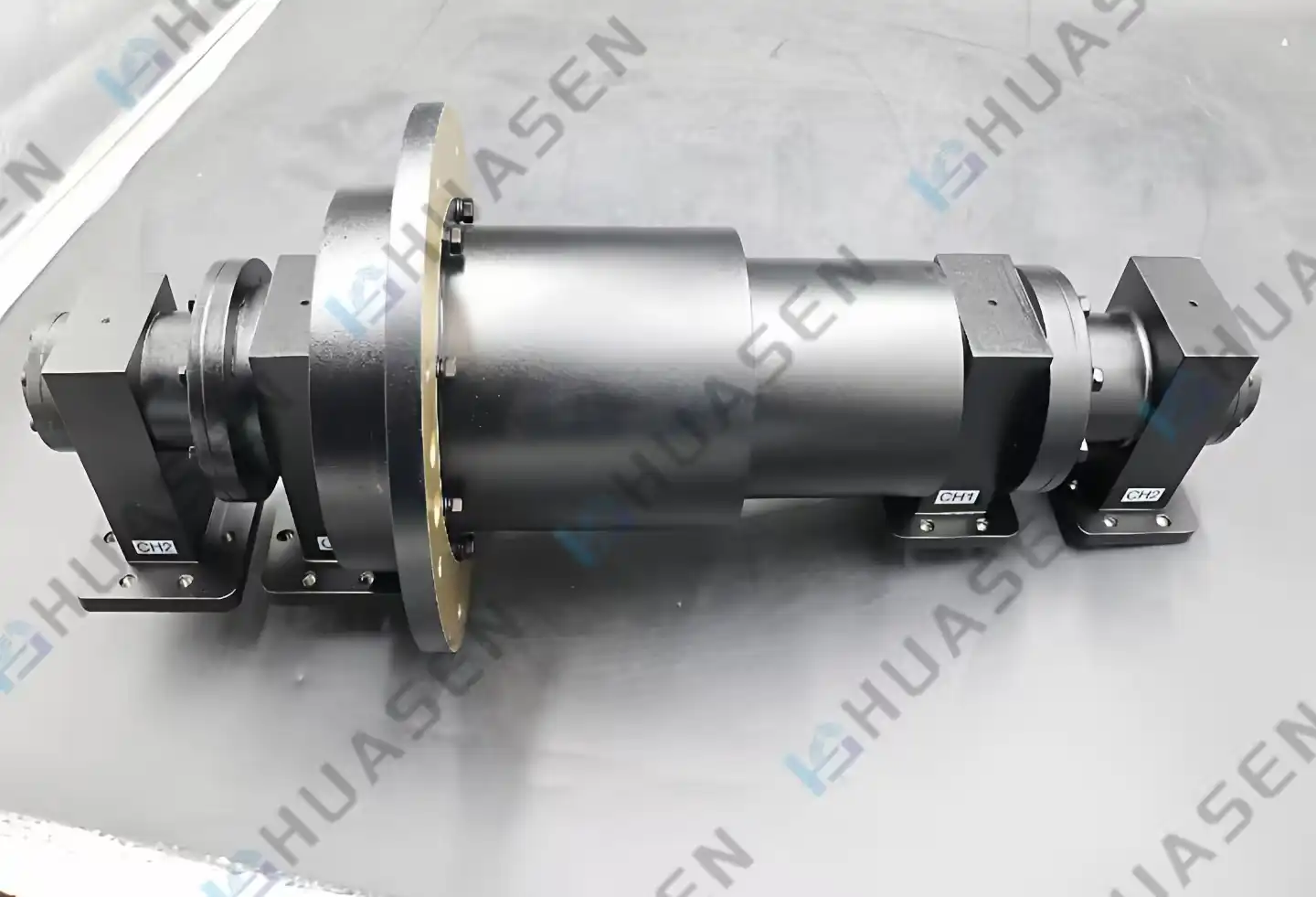
Can a Waveguide Rotary Joint Handle High Power and High Frequency?
if it is planned and built correctly, a waveguide rotary joint can work well for both high power and high frequency applications. Instead of traditional coaxial designs, these high-tech electromechanical parts use hollow metallic waveguide structures. This lets them send high-frequency electromagnetic energy across rotating surfaces while still being able to handle a lot of power. Modern waveguide rotary joints work with frequencies ranging from microwaves to millimetre waves and power levels above several kilowatts. This makes them essential for radar systems, satellite communications, and complex telecommunications infrastructure.VIEW MORE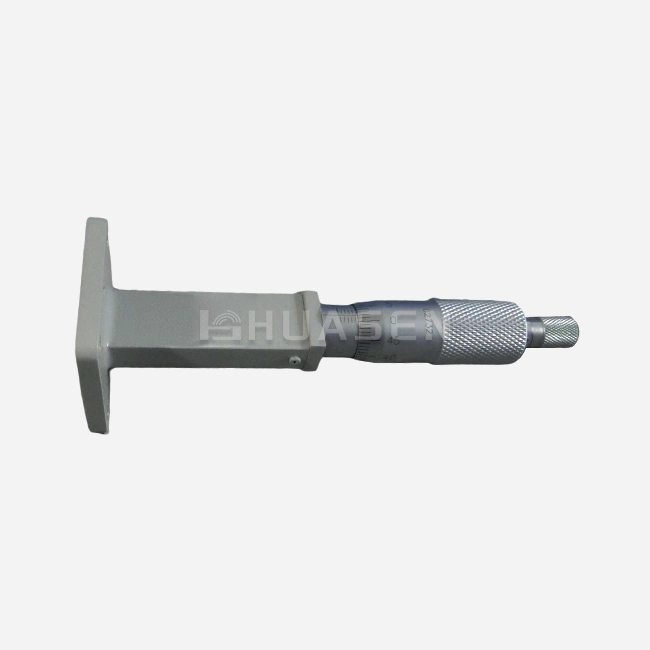
Positioning Accuracy Testing for Millimeter Wave Waveguide Sliding Shorts
Positioning precision testing for millimetre wave waveguide sliding shorts is an important quality control step that makes sure precise signal reflection control in high-frequency settings. To keep their electrical performance uniform across telecommunications, radar, and aerospace systems, these complex microwave components need to have their mechanical positioning abilities carefully checked. As a variable reflector, a waveguide sliding short works, and accurate placement is directly linked to phase stability and measurement repeatability. Specialised testing tools and methods are used to make sure that the sliding mechanism keeps exact positional control across its entire operational range. This is especially important for users who need sub-millimeter accuracy when manipulating signal phases.VIEW MORE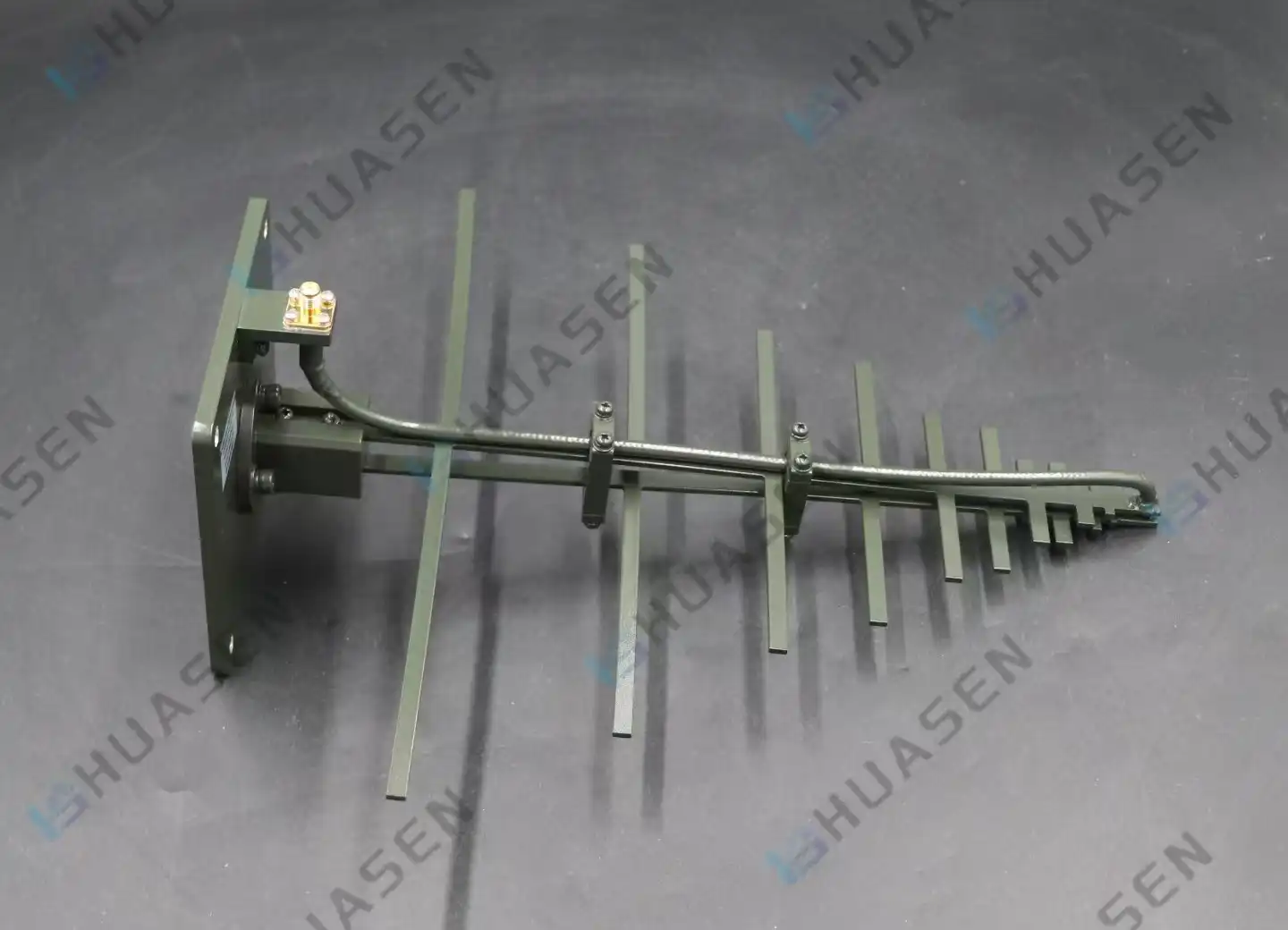
Log Periodic Antenna Features Every RF Engineer Should Know
Log Periodic Antenna technology is one of the most flexible and advanced ways to solve problems in current RF engineering. These broadband directional antennas work great across a wide range of frequencies, which is why they are essential for use in communications, radar systems, and electronic warfare. Their unique logarithmic scaling design makes it possible for stable gain features and great impedance matching across a wide range of operating frequencies. For RF engineers working on complicated communication systems, spectrum tracking gear, and wideband testing applications where frequency flexibility and reliable performance are key, it's important to understand the basic features and functions of log periodic antennas.VIEW MORE
Lens Horn Antenna Benefits in Satellite and Radar Applications
The Lens Horn Antenna technology is a huge step forward in high-frequency transmission systems. It significantly improves performance for satellite and radar uses. Compared to other antenna designs, these high-tech ones have better gain, more precise beam control, and clearer signals because they combine dielectric lenses with horn antenna structures. Modern defence, military, and telecommunications systems face major problems that this technology solves by offering small solutions that are very good at correcting phase and have very little side-lobe interference.VIEW MORE
- 1
- 33
- 34
- 35
- 36
- 37
- 60
