How to Select Electric Waveguide Switches for Radar Systems?






2026-03-22 01:32:50
To choose the best electric waveguide switch for radar systems, you need to carefully look at its electromagnetic performance, how long it will last in different environments, and how reliable it is in terms of operation. These precision-engineered devices use motorised mechanisms to send high-frequency microwave signals along different paths. They can handle more power than solid-state options. During the selection process, important specs like insertion loss (usually less than 0.1 dB), isolation performance (>60 dB), switching speed, and environmental resistance must be taken into account. To make an informed purchasing choice that guarantees signal integrity and long-term dependability, you need to know your radar system's frequency range, power needs, and operational conditions.
Understanding Electric Waveguide Switches in Radar Systems
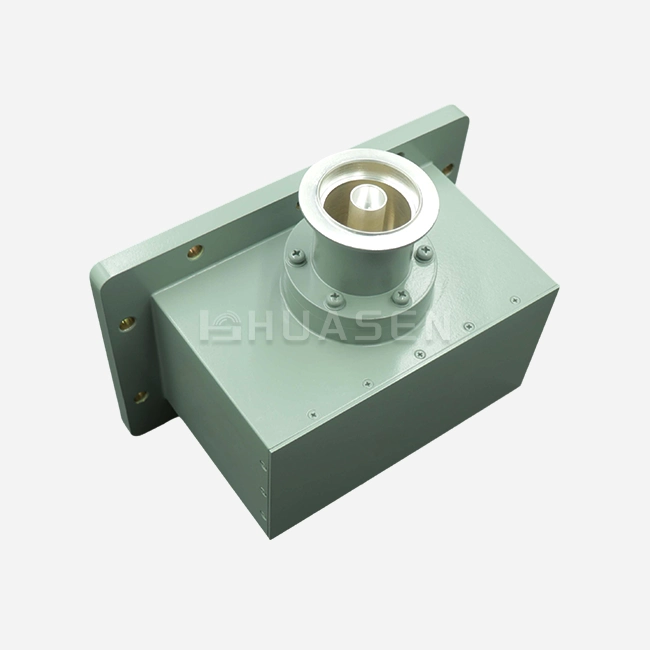
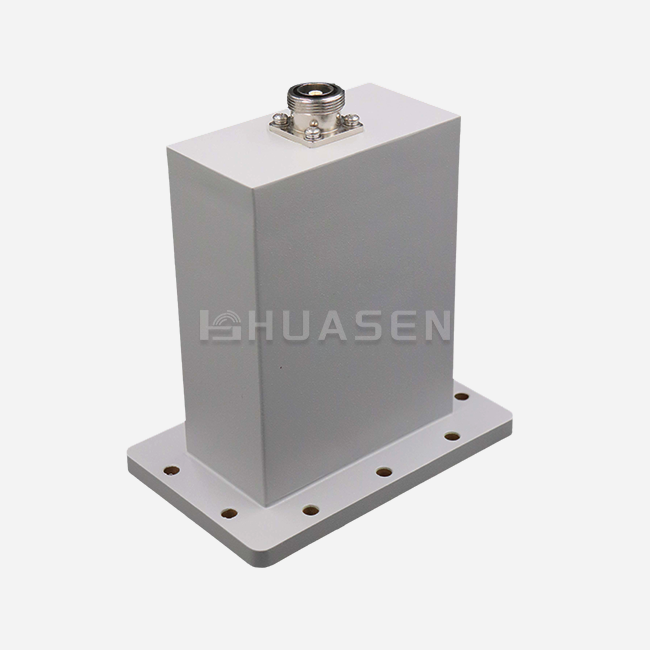
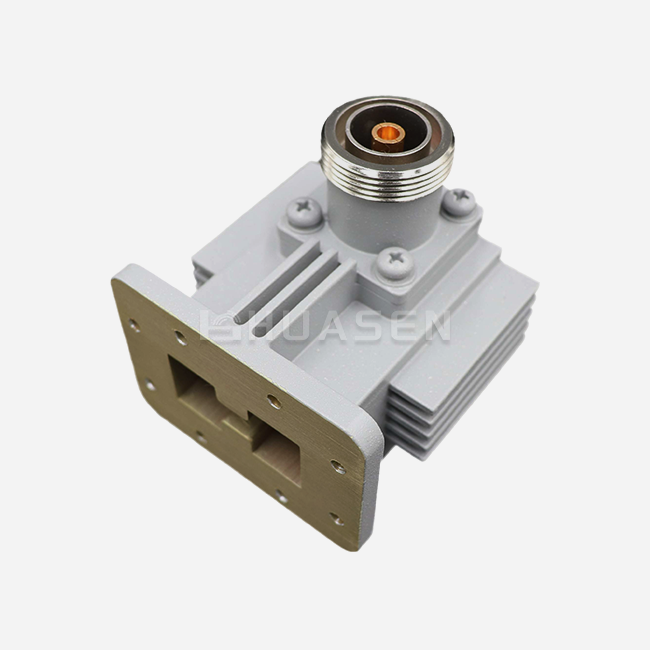
Electric waveguide switches are the most important part of modern radar systems. They reliably route signals and keep the integrity of those signals in harsh operating environments. In high-power situations, these complex devices are much better than their electronic cousins because they use motorised mechanisms to physically move electromagnetic energy between different waveguide ports.
Fundamental Working Principles
Most of the time, DC stepper motors or solenoid actuators power the motorised rotor or shutter device that makes an electric waveguide switch work. The mechanical rotor lines up with different waveguide ports, making a single communication path with metal walls that keep the signal quality high. This mechanical switching method doesn't degrade the signal like semiconductor-based switching methods do. This makes it especially useful for radar uses where signal integrity is very important. Precision engineering in these devices makes sure that they can always be placed exactly where they are supposed to be, usually within ±0.1 degrees. In more advanced designs, detent mechanisms are used to provide tactile feedback and safe positioning, which stops drifting while the device is in use. The motorised control system lets you operate it from afar, which makes automated switching sequences necessary for managing current radar systems.
Key Performance Advantages in Radar Applications
Electric waveguide switches are better than coaxial or solid-state alternatives because they meet important performance standards. The continuous waveguide structure keeps up its great VSWR performance, usually getting ratios better than 1.10:1 across the whole operating bandwidth. This trait is very important for radar systems because reflected power can hurt the performance of the emitter and make measurements less accurate. With many designs being able to handle high power levels above several megawatts, the ability to handle power is another big benefit. This strong power handling is especially helpful for military Electric Waveguide Switch radar systems, especially in pulse applications where sudden power needs can put a strain on regular switching solutions. Galvanic isolation between ports is built into the mechanical design, and isolation levels often go above 70 dB. This keeps sensitive receiver parts safe during high-power transmission cycles.
Types and Configuration Options
Electric waveguide switches come in a number of different forms to fit the needs of different radar system designs. Single-pole double-throw (SPDT) configurations are used for common tasks like transmit/receive switching. More complicated multi-position designs are used for beam-steering or redundancy systems. Transfer switches make switching between the main and backup signal paths smooth, which supports high-availability radar operations. Choosing between the different types of actuators relies on the needs of the application. Stepper motor drives can precisely control where things are placed and do the same thing over and over again, which makes them ideal for uses that need to switch between tasks often. Solenoid-driven designs can switch more quickly, with transition times usually falling between 40 and 100 milliseconds. This is helpful for radar uses that need to be accurate in real time.

Key Criteria for Selecting Waveguide Switches for Radar Systems
Successful waveguide switch selection requires systematic evaluation of technical specifications against operational requirements. This process involves analyzing multiple performance parameters while considering the unique challenges posed by radar system environments.
Frequency Range and Electromagnetic Performance
The frequency coverage represents the most fundamental selection criterion, as the waveguide switch must accommodate your radar system's operational bandwidth with minimal performance degradation. Standard waveguide bands range from L-band (1-2 GHz) through W-band (75-110 GHz), with each requiring specific waveguide dimensions and internal geometries. Insertion loss specifications directly impact radar system sensitivity and range performance. Premium electric waveguide switches typically achieve insertion losses below 0.05 dB, preserving valuable signal power throughout the transmission path. When evaluating specifications, consider the cumulative effect of insertion loss across all system components, as even small losses can significantly impact overall radar performance. Isolation performance becomes critical in applications where receiver protection is essential. Modern radar systems often share antenna apertures between transmit and receive functions, making high isolation (>60 dB) necessary to prevent receiver damage during high-power transmission. The isolation specification should be evaluated across the full operational frequency range, not just at the center frequency.
Power Handling and Environmental Durability
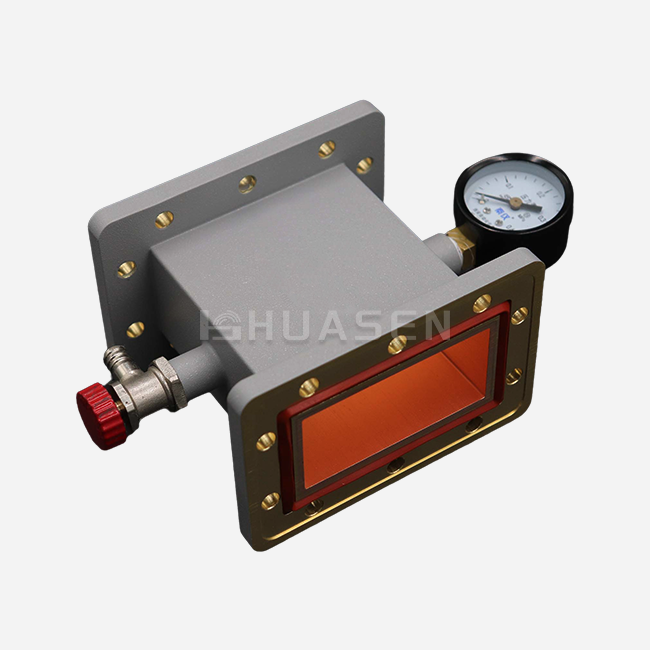
Radar systems frequently operate in challenging environments that demand robust component design. Power handling specifications must accommodate both average and peak power requirements, with particular attention to pulse applications where instantaneous power can exceed average levels by orders of magnitude. Consider the duty cycle and pulse repetition frequency when evaluating peak power ratings. Environmental specifications encompass operating temperature range, humidity tolerance, vibration resistance, and shock survival. Military and aerospace radar applications often require compliance with MIL-STD-810 environmental standards, while commercial radar systems may operate under less stringent but still demanding conditions. Corrosion resistance becomes particularly important for maritime radar applications where salt spray exposure is inevitable. Pressurization capabilities allow operation in humid environments by maintaining dry gas pressure within the waveguide structure. This feature prevents condensation and arcing at high power levels, extending operational reliability in challenging climates. Typical pressurization ratings accommodate 15-30 PSIG using dry nitrogen or compressed air.
Mechanical Integration and Control Interface
Physical dimensions and mounting ofElectric Waveguide Switch configurations must align with available space constraints in radar system installations. Consider both the switch body dimensions and the additional clearance required for waveguide connections and control cable routing. Weight specifications become particularly important for airborne or mobile radar applications where every pound affects overall system performance. Control interface requirements vary depending on system architecture and operational procedures. Simple DC voltage control (12V, 24V, or 28V) suits many applications, while more sophisticated systems may require digital control interfaces or position feedback signals. Remote monitoring capabilities enable centralized system management and fault detection, supporting automated operational procedures.
Procurement Considerations for B2B Buyers
Effective procurement of electric waveguide switches requires understanding supplier capabilities, certification requirements, and total cost of ownership factors that extend beyond the initial purchase price.
Supplier Evaluation and Quality Assurance
Reputable manufacturers typically demonstrate their expertise through comprehensive product documentation, including detailed specifications, test data, and application notes. Look for suppliers with established track records in radar applications, evidenced by customer references and case studies. Manufacturing certifications such as ISO 9001 quality management systems indicate a systematic approach to quality control throughout the production process. Technical support capabilities prove crucial during both initial system integration and ongoing operations. Evaluate the supplier's engineering support resources, including application assistance, custom modification capabilities, and field service availability. Access to experienced technical personnel can significantly reduce integration time and minimize operational issues. Quality documentation should include individual unit test data, covering all critical performance parameters across the specified frequency range. Calibrated test equipment and traceable measurements ensure specification compliance and provide baseline data for future performance monitoring. Reliability data, including mean time between failures (MTBF) calculations, supports long-term operational planning.
Cost Analysis and Delivery Planning
Total cost of ownership encompasses initial purchase price, installation costs, maintenance requirements, and potential downtime expenses. While electric waveguide switches typically command higher initial costs than solid-state alternatives, their superior reliability and performance often justify the investment through reduced maintenance and improved system availability. Bulk ordering advantages become significant for large system deployments or when establishing spare parts inventory. Many manufacturers offer volume discounts and can optimize delivery schedules to match project timelines. Consider the lead time requirements, especially for custom configurations that may require additional engineering and manufacturing time. Global shipping logistics require attention to export control regulations, particularly for military or dual-use applications. Understanding International Traffic in Arms Regulations (ITAR) or Export Administration Regulations (EAR) requirements prevents delays and ensures compliance with applicable trade controls. Proper packaging and handling procedures protect these precision devices during international transportation.

Case Studies: Successful Waveguide Switch Implementation in Radar Systems
Real-world implementations demonstrate the practical benefits and challenges associated with electric waveguide switch deployment in demanding radar applications.
Military Radar Redundancy Systems
In order to provide transmitter redundancy, a big defence contractor put electric waveguide switches in a ground-based air surveillance radar. For the job, they had to switch between main and backup high-power amplifiers, and each one could put out an average of 10 kW of power at X-band frequencies. The chosen switches had insertion loss below 0.03 dB and isolation above 75 dB, which meant that switching activities would have little effect on radar performance. Temperature changes from -40°C to +60°C, and being exposed to blowing sand and salt spray were some of the problems that came with the environment. Pressurised waveguide switches with coatings that resist corrosion worked well for more than five years without losing any of their function. With a remote control, switching operations could be done from the central control center, which protected maintenance workers from RF energy. Over 50,000 switching cycles, the reliability data showed that the switch did not fail. This proved that the mechanical design method was right for important military uses. The good isolation kept sensitive receiver parts from getting damaged while the emitter was being tested and maintained, which cut down on system downtime by a large amount.
Satellite Ground Station Applications
A commercial satellitewaveguide switchesoperator put electric waveguide switches in their teleport ground stations so that they could automatically switch between two different uplink boosters if one failed. For the Ku-band application, low insertion loss was needed to keep the link margin and meet the 99.9% availability standards for commercial satellite services. The chosen switches had an insertion loss of 0.04 dB in the 13.75–14.5 GHz uplink band, which kept important EIRP gaps. The station tracking system controlled automated switching that made failover possible within 200 milliseconds. This kept service interruptions to a minimum when amplifiers failed. In high-power situations, the mechanical design worked better than solid-state alternatives, taking an average of 2 kW of power without any problems with thermal management. Long-term performance data from three years ago showed that the electrical characteristics stayed the same, and there was no discernible change in the insertion loss or separation performance. The strong mechanical design withstood several severe weather events, such as hurricane-force winds and ice loading, showing that it is very durable in harsh environments.
Conclusion
When choosing electric waveguide switches for radar systems, it's important to keep electromagnetic performance, environmental needs, and working factors in mind so that the system works well together. Because mechanical switching technology can handle more power and keep the signal integrity better, these devices are especially useful for demanding radar applications where performance and dependability can't be compromised. To do a good job of procurement, you need to carefully look at what the supplier can do, make sure you understand all the factors that affect the total cost of ownership throughout the whole operating lifecycle.
FAQ
1. What distinguishes electric waveguide switches from coaxial switches in radar applications?
Electric waveguide switches offer superior power handling capabilities and lower insertion loss compared to coaxial alternatives, making them ideal for high-power radar applications. The waveguide structure provides better thermal management and eliminates the dielectric losses associated with coaxial transmission lines, particularly important at microwave and millimeter-wave frequencies.
2. How do I determine the appropriate frequency range for my radar system?
The frequency range should encompass your radar's operational bandwidth plus appropriate margins for temperature and aging effects. Consider both the fundamental operating frequency and any harmonics or spurious signals that must be properly routed. Waveguide switches are inherently bandpass devices, providing excellent harmonic suppression compared to coaxial alternatives.
3. Are custom configurations available for specialized radar applications?
Most manufacturers offer extensive customization options, including modified frequency ranges, specialized mounting configurations, and enhanced environmental specifications. Custom control interfaces and position feedback systems can be integrated to match specific operational requirements. However, custom configurations typically require longer lead times and higher costs compared to standard products.
4. What are the benefits of bulk ordering for large radar system deployments?
Bulk ordering provides cost advantages through volume discounts and ensures consistent specifications across all units. Manufacturers can often optimize delivery schedules and provide dedicated engineering support for large orders. Additionally, bulk purchases help establish spare parts inventory and ensure long-term parts availability for system maintenance.
Partner with Huasen Microwave for Superior Radar Performance
Huasen Microwave Technology delivers precision-engineered electric waveguide switches designed specifically for demanding radar applications. Our three decades of expertise in microwave component manufacturing ensure reliable solutions that meet the stringent requirements of defense, aerospace, and telecommunications markets. Contact our engineering team at sales@huasenmicrowave.com to discuss your specific radar system requirements and discover how our advanced waveguide switch technology can enhance your operational capabilities. As a leading waveguide switch manufacturer, we provide comprehensive technical support, custom configurations, and reliable delivery schedules that support your project success.
References
1. Pozar, David M. "Microwave Engineering, Fourth Edition." John Wiley & Sons, 2012.
2. IEEE Standard 521-2019. "IEEE Standard Letter Designations for Radar-Frequency Bands." Institute of Electrical and Electronics Engineers, 2019.
3. Skolnik, Merrill I. "Introduction to Radar Systems, Third Edition." McGraw-Hill Education, 2001.
4. MIL-STD-810H. "Department of Defense Test Method Standard: Environmental Engineering Considerations and Laboratory Tests." U.S. Department of Defense, 2019.
5. Saad, Tarek S. "Microwave Engineers' Handbook, Volume 2." Artech House Publishers, 2019.
6. IEEE Standard 1560-2005. "IEEE Standard for Methods of Measurement of Radio-Frequency Power-Handling Capability of Passive Waveguide Components." Institute of Electrical and Electronics Engineers, 2005.
Send Inquiry