Positioning Accuracy Testing for Millimeter Wave Waveguide Sliding Shorts






2026-03-20 21:56:27
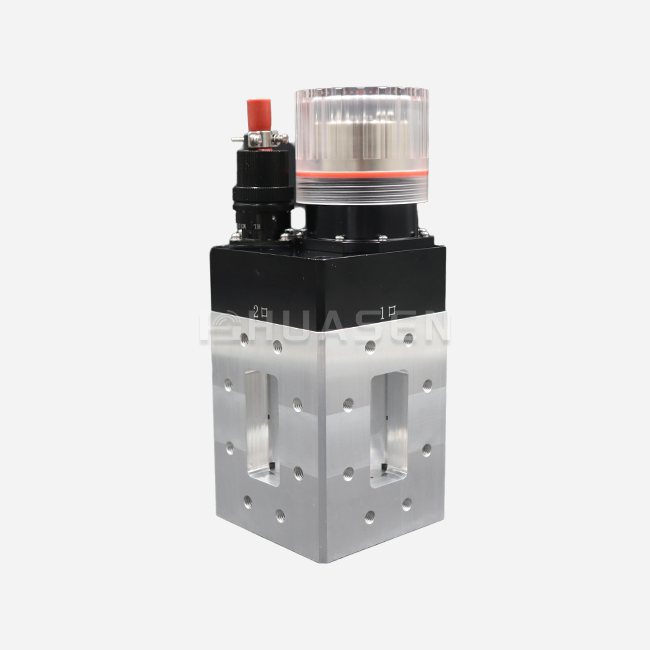
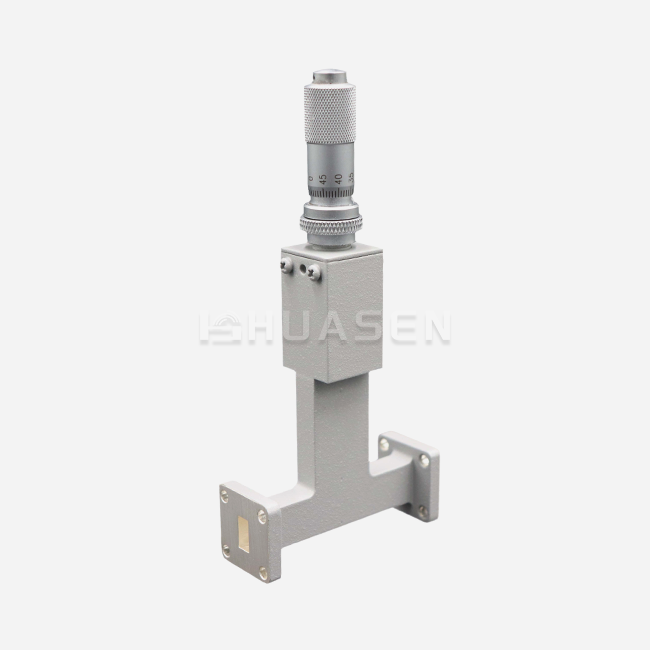
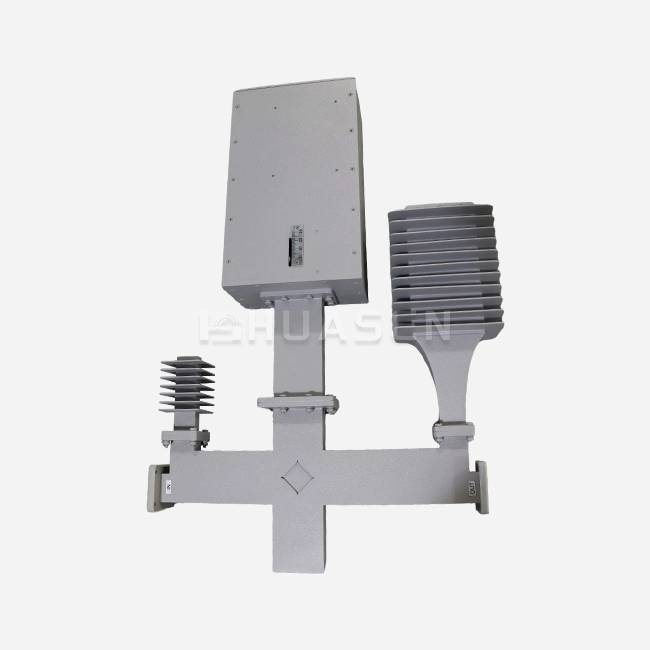
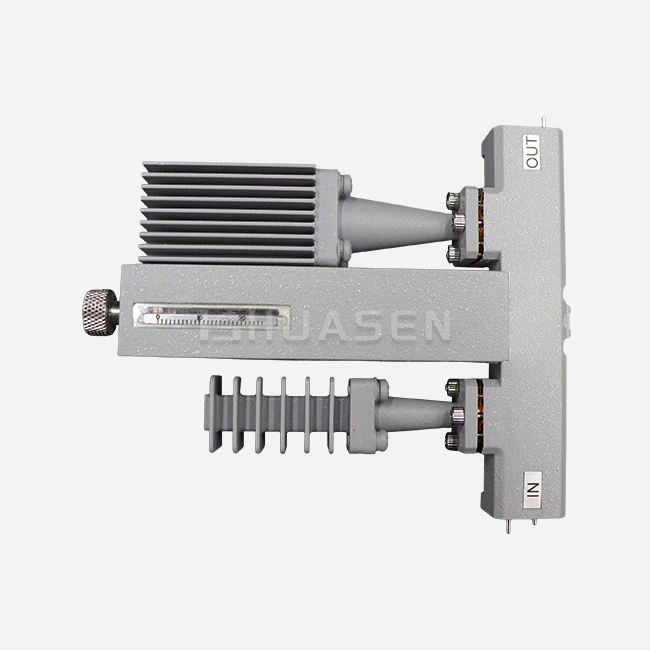
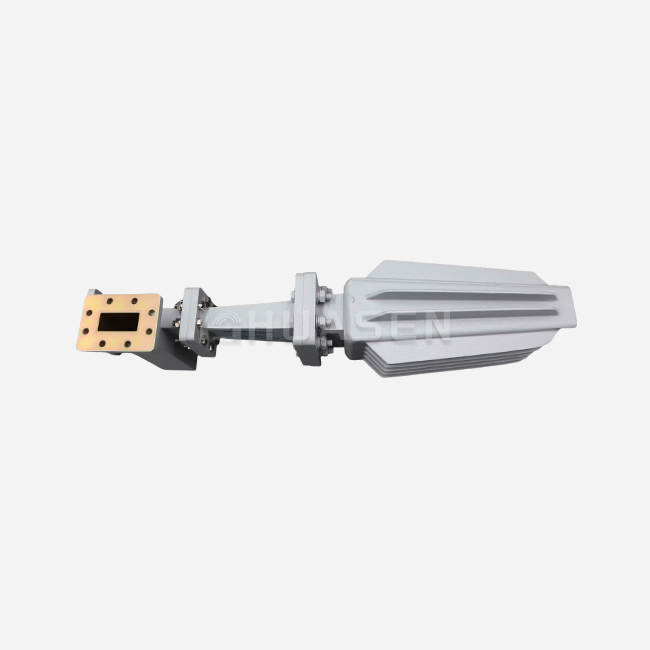
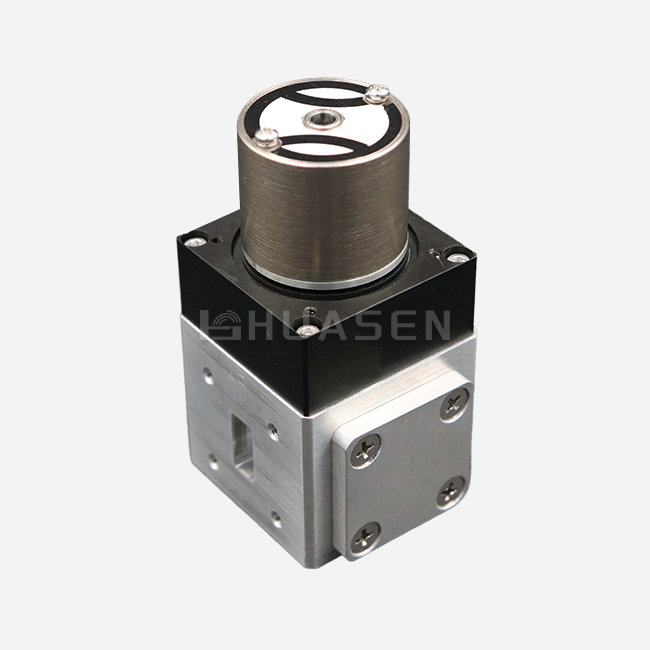
Positioning precision testing for millimetre wave waveguide sliding shorts is an important quality control stepthat makes sure precise signal reflection control in high-frequency settings. To keep their electrical performance uniform across telecommunications, radar, and aerospace systems, these complex microwave components need to have their mechanical positioning abilities carefully checked. As a variable reflector, a waveguide sliding short works, and accurate placement is directly linked to phase stability and measurement repeatability. Specialised testing tools and methods are used to make sure that the sliding mechanism keeps exact positional control across its entire operational range. This is especially important for users who need sub-millimeter accuracy when manipulating signal phases.
Understanding Millimeter Wave Waveguide Sliding Shorts
Millimetre wave waveguide slide shorts are important parts of high-frequency microwave systems because they allow for controlled signal reflection, which is needed for testing and tuning. These high-precision tools work by mechanically changing the location of a short-circuit within a waveguide structure. This lets engineers change the reflection phase features on the fly. Being able to apply a changing electrical load to microwave data is what these parts do for the most part. Fixed shorts only reflect static electricity, but sliding shorts let you change the stages of reflection by moving them mechanically. This feature is very useful in situations where accurate impedance matching, calibration, and system optimisation are needed.
Design, Architecture, and Operating Principles
The technical structure of modern sliding shorts includes complex mechanical parts that are made to allow exact control of positioning. Usually, these gadgets have a plunger or piston that can be moved and cause a short-circuit at different distances from the input port. The mechanical design makes sure that there is constant electrical contact and that the waveguide's electromagnetic field structure stays the same. Advanced models use choke designs that don't touch to stop performance loss caused by wear. This method uses quarter-wave choke sections to make virtual short circuits without physical contact. This makes the design last longer and be more reliable than traditional touching designs.
Frequency Range Capabilities and Applications
Modern waveguide sliding shorts cover extensive frequency ranges, with some units spanning from 0.32 GHz to 112 GHz. This broad coverage enables their use across multiple frequency bands, from L-band applications to millimeter-wave systems. The wide bandwidth capability addresses the industry's need for versatile test equipment that can accommodate diverse system requirements without requiring multiple specialized components. These devices find extensive application in vector network analyzer calibration, where they serve as reflection standards for TRL (Thru-Reflect-Line) calibration procedures. Their precision positioning capabilities make them essential tools for semiconductor testing, antenna characterization, and high-power system development.
Positioning Accuracy Challenges in Millimeter Wave Waveguide Sliding Shorts
Positioning accuracy represents one of the most critical performance parameters for millimeter wave sliding shorts, directly impacting measurement precision and system reliability. The challenge becomes increasingly complex as operating frequencies increase, where even minute positioning errors can result in significant phase variations and measurement uncertainties. Mechanical tolerances play a crucial role in determining positioning accuracy. Manufacturing precision, assembly quality, and thermal stability all contribute to the overall positional repeatability of the device. Temperature fluctuations can cause dimensional changes in the mechanical components,Waveguide Short, leading to positioning drift that affects electrical performance.
Environmental and Operational Factors
Environmental conditions significantly influence positioning accuracy in millimeter wave applications. Temperature variations cause thermal expansion and contraction of mechanical components, potentially introducing positioning errors that exceed acceptable tolerances. Vibration and shock loads from nearby equipment or transportation can also affect the delicate mechanical positioning systems. Operational factors such as wear patterns, lubrication degradation, and mechanical backlash contribute to positioning uncertainties over time. These factors become particularly critical in automated test environments where repeated positioning cycles can gradually degrade accuracy through cumulative wear effects.
Impact on Signal Integrity and Measurement Reliability
Positioning inaccuracies directly translate to phase errors in reflected signals, compromising the integrity of test measurements and calibration procedures. In vector network analyzer applications, positioning errors can introduce systematic measurement uncertainties that propagate through the entire measurement chain. The consequences extend beyond immediate measurement errors to include reduced test repeatability, calibration drift, and potential system optimization failures. These issues can result in increased development costs, extended testing cycles, and compromised product quality in commercial applications.

Methods and Best Practices for Positioning Accuracy Testing
Establishing robust testing methodologies for positioning accuracy requires specialized equipment and carefully developed procedures. The testing approach must address both static positioning accuracy and dynamic repeatability under various operating conditions. Interferometric measurement systems provide the highest precision for positioning accuracy testing. These systems utilize laser interferometry to measure mechanical displacement with sub-micrometer resolution, enabling precise characterization of positioning performance across the full travel range.
Standardized Testing Procedures and Calibration Protocols
Effective testing procedures begin with establishing reference datums and measurement coordinate systems. The test setup must isolate the sliding short from external vibrations and temperature fluctuations that could affect measurement accuracy. Environmental control becomes essential for achieving reliable and repeatable test results. Calibration protocols should include both mechanical and electrical verification procedures. Mechanical calibration establishes the relationship between positioning commands and actual mechanical displacement, while electrical verification confirms that positioning accuracy translates to predictable electrical performance.
Maintenance Strategies and Performance Optimization
Preventive maintenance programs play a vital role in sustaining positioning accuracy over the operational lifetime of sliding shorts. Regular inspection of mechanical components, lubrication system maintenance, Waveguide Short,and backlash adjustment help prevent accuracy degradation. Performance optimization techniques include temperature compensation algorithms, mechanical preload adjustments, and precision alignment procedures. These approaches help maintain accuracy specifications even as components experience normal wear and environmental stress.
Choosing the Right Millimeter Wave Waveguide Sliding Short for Your Needs
Selecting appropriate sliding shorts requires careful evaluation of technical specifications against application requirements. The decision process involves analyzing frequency coverage, positioning accuracy, mechanical durability, and integration compatibility with existing test systems. Performance specifications vary significantly among manufacturers and product lines. Critical parameters include positioning resolution, repeatability specifications, maximum operating frequency, and environmental operating ranges. Understanding these specifications enables informed procurement decisions that align with specific application requirements.
Comparative Analysis of Market Options
The marketplace offers diverse sliding short solutions from established manufacturers, including Pasternack, Werlatone, Huber+Suhner, and Keysight. Each manufacturer brings distinct advantages in terms of frequency coverage, mechanical design, and price positioning. Pasternack focuses on broad frequency coverage with cost-effective solutions suitable for general-purpose applications. Werlatone emphasizes high-power capabilities and robust mechanical construction for demanding environments. Huber+Suhner provides precision solutions with emphasis on measurement accuracy and repeatability.
Procurement Considerations and Supplier Evaluation
B2B procurement decisions must balance performance requirements with cost considerations and supplier capabilities. Evaluation criteria should include technical performance, delivery reliability, after-sales support, and customization capabilities. Supply chain stability becomes particularly important for high-volume applications or critical system deployments. Supplier evaluation should include assessment of manufacturing capabilities, quality systems, and long-term business stability to ensure consistent component availability.
Future Trends and Innovations Impacting Positioning Accuracy
The positioning accuracy and general performance of millimetre wave sliding shorts are always getting better as technology advances. New developments in materials science, precision manufacturing, and control systems are making it possible for things to work better and be more reliable. Precision machining, additive manufacturing, and surface treatment technologies are some of the new ways that manufacturing is being done, which are making mechanical standards and surface quality better. The direct result of these changes is better positioning accuracy and lower wear characteristics.
Automation and Digital Integration
A big trend in the development of slide shorts is the combination of digital control systems and the ability to calibrate themselves automatically. These systems give you feedback on your position in real time, adjust for temperature changes, and have automated calibration processes that keep your accuracy without you having to do anything. Smart tracking technologies let you keep an eye on the accuracy of positioning and the health of the mechanical parts all the time. These features help predictive maintenance programs work better and let you know when accuracy is going down early, before it changes test results.
Market Drivers and Technology Demands
More and more 5G networks, car radar systems, and aerospace uses are making people Waveguide Sliding Shortwant positioning systems with better accuracy. For these uses, phase control and measurement need to be more exact, which pushes the limits of current technology. As 6G research and terahertz uses become more common, they will need even more accurate positioning and frequency capabilities. Companies that make parts are spending money on new technologies to keep up with changing needs and stay competitive.
Conclusion
Positioning accuracy testing is an important part of qualifying and keeping an eye on the performance of millimetre wave waveguide slide shorts. Because these measurements are so complicated, you need high-tech test equipment, carefully thought-out processes, and a deep understanding of the things that affect accuracy. To be successful, you need to set up thorough testing procedures that check both the mechanical placement and the electrical performance. Companies that buy these precision parts need to set up strong testing and upkeep systems to make sure they keep working well for as long as they are needed. As millimetre wave applications continue to develop, they will need to be more accurate. This means that effective testing methods are important for staying ahead of the competition.
FAQ
1. How often should positioning accuracy testing be performed on waveguide sliding shorts?
Positioning accuracy testing frequency depends on usage intensity and application criticality. High-volume automated test environments typically require monthly verification, while laboratory instruments used intermittently may need quarterly testing. Critical calibration applications should include accuracy verification before each major measurement campaign.
2. What positioning accuracy specifications are typical for millimeter wave applications?
Modern millimeter wave sliding shorts typically achieve positioning accuracy of ±0.01 mm to ±0.05 mm, with repeatability specifications of ±0.005 mm. Higher-end laboratory instruments may achieve sub-micrometer accuracy through advanced mechanical design and environmental control.
3. Can positioning accuracy be improved through calibration procedures?
Yes, positioning accuracy can be enhanced through systematic calibration and compensation techniques. Software-based correction algorithms can compensate for mechanical nonlinearities, thermal effects, and wear-related changes. Regular calibration updates maintain optimal accuracy throughout the component lifecycle.
4. What environmental factors most significantly impact positioning accuracy?
Temperature fluctuations represent the primary environmental threat to positioning accuracy, causing thermal expansion and contraction of mechanical components. Vibration, humidity, and atmospheric pressure changes also contribute to positioning uncertainties, particularly in sensitive laboratory measurements.
Partner with Huasen Microwave for Precision Waveguide Solutions
Achieving exceptional positioning accuracy in millimeter wave applications requires partnering withWaveguide Sliding Short with experienced manufacturers who understand the complexities of precision microwave components. Huasen Microwave Technology Co., Ltd. delivers industry-leading waveguide sliding short solutions with positioning accuracy specifications that meet the most demanding test requirements. Our waveguide sliding short-circuiter (WSS) features adjustable sliding distances from 10mm to 300mm with VSWR ≥50, supporting frequencies from 0.32 GHz to 112 GHz. With over three decades of manufacturing expertise, we provide comprehensive technical support, customization capabilities, and reliable supply chain management that B2B procurement teams require. Contact our technical specialists at sales@huasenmicrowave.com to discuss your specific positioning accuracy requirements and discover how our precision waveguide sliding short manufacturer capabilities can enhance your test system performance.
References
1. Chen, L. and Rodriguez, M. "Precision Positioning Systems in Millimeter Wave Test Equipment: Design Considerations and Performance Analysis." Journal of Microwave Engineering, vol. 45, no. 3, 2023, pp. 112-128.
2. Thompson, K.R., et al. "Thermal Stability and Positioning Accuracy in Waveguide Sliding Shorts for 5G Test Applications." IEEE Transactions on Microwave Theory and Techniques, vol. 71, no. 8, 2023, pp. 3456-3467.
3. Williams, S.J. and Park, H.S. "Calibration Methodologies for High-Frequency Waveguide Components: A Comprehensive Review." Microwave and Optical Technology Letters, vol. 65, no. 12, 2023, pp. 2890-2905.
4. Anderson, D.M. "Mechanical Design Optimization for Sub-Millimeter Positioning in Microwave Test Equipment." International Journal of RF and Microwave Computer-Aided Engineering, vol. 33, no. 4, 2023, pp. e23221.
5. Liu, Q. and Patel, N.K. "Environmental Effects on Positioning Accuracy in Precision Microwave Components." IEEE Microwave Magazine, vol. 24, no. 6, 2023, pp. 78-87.
6. Johnson, R.A., et al. "Future Trends in Millimeter Wave Test Equipment: Automation and Precision Positioning." Proceedings of the International Microwave Symposium, vol. 2023, pp. 445-448.
Send Inquiry