Dual Channel Rotary Joint Selection Guide for Radar Applications






2026-03-22 01:32:48
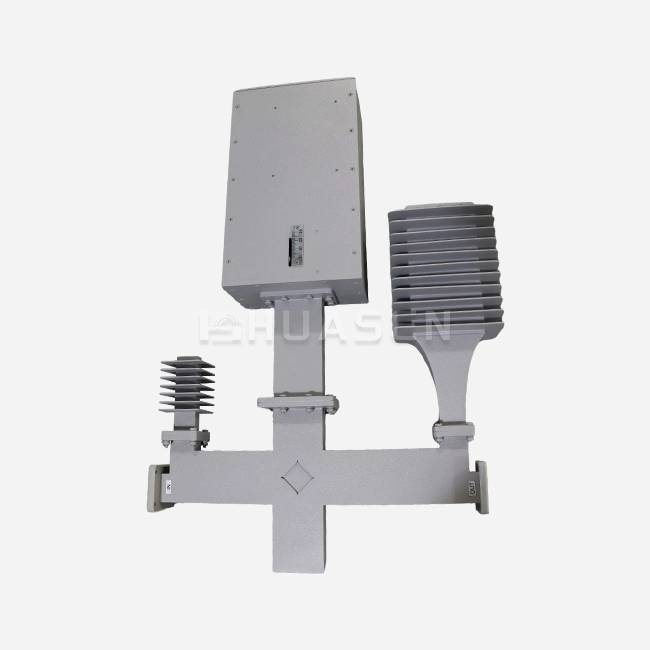
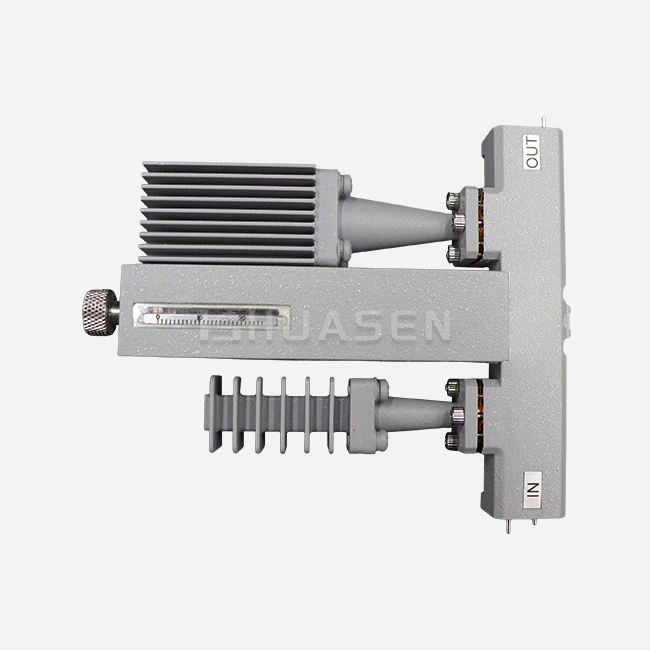
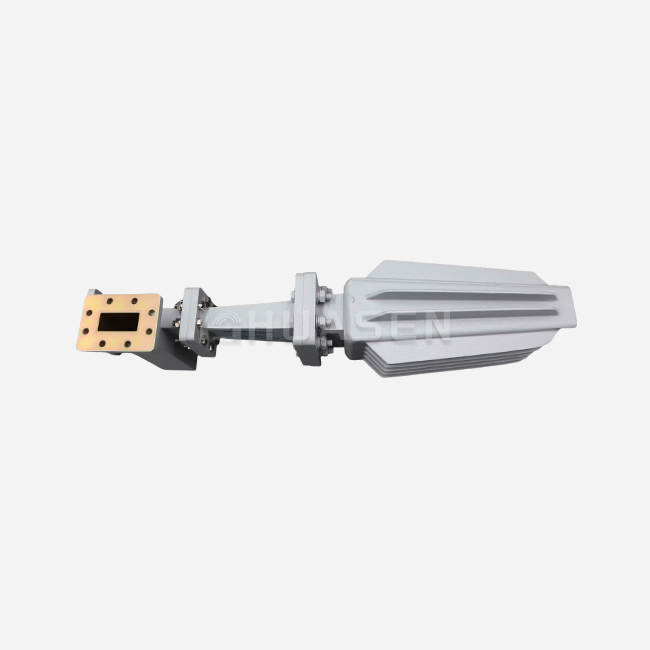
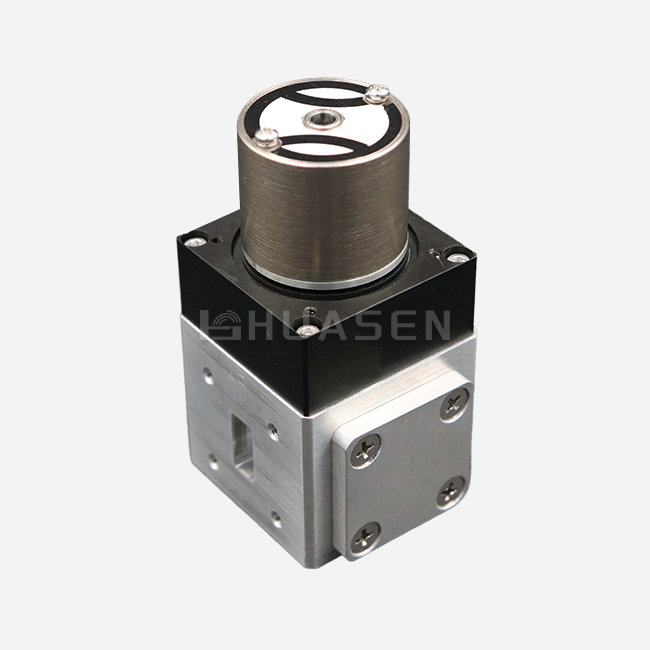
Choosing the right Dual Channel Rotary Joint is a big choice that has a big impact on the performance, dependability, and overall cost of ownership of the radar system. A Dual Channel Rotary Joint is a high-tech electromechanical microwave part that lets two separate RF signal paths stay connected through a rotating mechanical interface. This gets rid of the problems that come with cable wrap and keeps the signal's integrity during 360-degree rotation operations. Modern radar systems are very complicated, and they are used for defence, maritime surveillance, and controlling air traffic. They need parts that work very well in harsh circumstances. Engineers and procurement professionals have to find a balance between technical requirements and budget limits while also making sure that the system will work well in the long run. This complete selection guide solves these problems by giving useful information on how to evaluate parts, how to evaluate suppliers, and how to buy things. The guide stresses that choosing the right rotary joint improves signal quality, lowers the need for maintenance, and maximises operational efficiency in a wide range of radar uses.
Understanding Dual-Channel Rotary Joints in Radar Systems
Dual-channel rotary joints represent sophisticated components engineered to transmit two distinct signal channels through a continuously rotating interface, addressing fundamental challenges in radar system design. These components differ significantly from single-channel alternatives through their ability to handle multiple frequency bands or signal types simultaneously while maintaining strict isolation between channels.
Technical Architecture and Operating Principles
The basic structure of these parts uses either coaxial or waveguide arrangements to allow for the transfer of two signals at the same time. Broadband operation from DC to 18 GHz is possible with coaxial versions, which usually have concentric conductor setups. Waveguide designs, on the other hand, offer better high-frequency performance with less insertion loss. The rotating interface uses precise ball bearings and special contact mechanisms to keep the electricity flowing even when the interface is moving all the time. Modern designs use non-contacting technologies that stop signal degradation caused by wear, so they can be used for more than 10 million spin cycles. The internal geometry makes sure that channel isolation is higher than 60 dB, which stops crosstalk between transmission routes that could hurt radar performance.
Pressure Ratings and Environmental Specifications
Radar applications often require operation in challenging environments, necessitating robust mechanical specifications. These components typically feature pressure ratings suitable for high-altitude applications and can accommodate pressurisation with SF6 or dry nitrogen for high-power radar systems. Operating temperature ranges commonly span -55°C to +85°C, while vibration resistance meets MIL-STD-810 requirements for mobile and airborne applications. The mechanical tolerances directly impact electrical performance, with precision manufacturing ensuring consistent VSWR and insertion loss characteristics throughout the rotation cycle. Understanding these specifications enables procurement teams to match component capabilities with specific radar system requirements.
Key Advantages and Applications of Dual-Channel Rotary Joints in Radar
The deployment of dual-channel rotary joints in radar systems delivers measurable performance improvements and operational benefits that justify their selection over alternative solutions. These advantages become particularly pronounced in applications requiring high reliability and signal integrity.
Enhanced Signal Performance and System Integration
These components offer superior signal fidelity through their ability to maintain low insertion loss—typically below 0.5 dB for coaxial designs and 0.3 dB for waveguide configurations. The excellent channel isolation prevents interference between transmit and receive paths, enabling simultaneous operation without signal degradation. This capability proves essential in modern phased array radar systems where multiple signal paths must operate concurrently. The elimination of cable wrap mechanisms reduces mechanical complexity while enabling unlimited rotation, crucial for surveillance radar applications requiring awaveguide rotary joint withcontinuous 360-degree scanning. Phase stability during rotation ensures consistent beam pointing accuracy, particularly important for tracking radar systems.
Critical Application Environments
Dual-channel rotary joints excel in demanding radar environments where reliability cannot be compromised. Air traffic control radar systems benefit from the ability to transmit both primary and secondary radar signals through a single rotating interface, simplifying antenna design while maintaining operational redundancy. Military surveillance applications leverage the environmental ruggedness and high-power handling capabilities, with some designs accommodating megawatt-class peak power levels. Maritime radar systems utilise these components in stabilised antenna platforms that must track satellites or maintain communication links while compensating for ship motion. The corrosion-resistant coatings and sealed designs ensure reliable operation in saltwater environments. Maintenance practices significantly influence component longevity and system uptime. Regular inspection of bearing assemblies and contact surfaces helps identify wear patterns before they affect electrical performance. Proper lubrication schedules and environmental sealing maintenance extend operational life while preserving signal quality. These proactive approaches reduce unscheduled downtime and maintenance costs over the system lifecycle.

How to Choose the Right Dual-Channel Rotary Joint for Radar Applications
Selecting optimal rotary joint solutions requires systematic evaluation of technical requirements against available component specifications, considering both immediate needs and long-term operational factors.
Frequency Range and Electrical Performance Criteria
The frequency coverage represents the primary selection criterion, as radar applications span diverse frequency bands from L-band through millimetre-wave frequencies. Broadband coaxial designs accommodate multi-frequency radar systems, while waveguide solutions offer superior performance for specific frequency bands. VSWR requirements typically demand ratios below 1.4:1 for acceptable performance, though critical applications may require 1.2:1 or better. Insertion loss directly affects radar range and sensitivity, making low-loss designs essential for long-range surveillance applications. Channel isolation requirements vary with application, but values exceeding 50 dB generally ensure adequate signal separation for most radar systems.
Mechanical and Environmental Specifications
Rotation speed capabilities must match radar scanning requirements, with some applications demanding speeds up to 500 RPM for rapid scanning systems. Starting torque specifications affect servo system design and power consumption, particularly relevant for battery-powered or mobile applications. Environmental factors, including temperature cycling, humidity exposure, and vibration levels, shape material selection and sealing requirements. Military applications often mandate compliance with MIL-DTL-3928 specifications, while commercial radar systems may accept less stringent standards.
Power Handling and Safety Considerations
Peak power ratings become critical for high-power radar applications, particularly those employing magnetron or klystron amplifiers. Continuous power ratings affect thermal management requirements and component sizing. Average power handling capabilities must accommodate duty cycles typical of the intended radar application. Safety certifications, including RoHS compliance and electromagnetic compatibility standards, influence component selection for commercial and export applications. Understanding these requirements early in the selection process prevents costly design changes during system integration.
Comparing Dual Channel Rotary Joints with Competing Solutions
Evaluating dual-channel rotary joints against alternative technologies reveals specific advantages and limitations that influence procurement decisions across different radar applications.
Performance Analysis Against Single-Channel Systems
Single-channel rotary joints offer lower cost and simplified mechanical design but lack the flexibility required for modern radar systems employing separate transmit and receive paths. The need for multiple single-channel components increases system complexity and potential failure points while consuming additional space and weight budgets. Dual-channel solutions eliminate the need for multiple components while providing superior channel isolation and phase matching between paths. This integration reduces interconnect losses and simplifies system calibration procedures, particularly valuable in precision radar applications.
Slip Ring Technology Comparison
A recent study of the market shows that waveguide rotary jointwaveguide-based dual-channel rotary joints are being used more and more in millimetre-wave radar applications. This is because they are being used in more cars and for 5G infrastructure. Due to material inflation, prices are going up slowly, but prices for standard configurations stay fair because of competition between suppliers. Custom design skills play a bigger role in choosing a supplier, as radar systems need more and more custom solutions to fit their unique mechanical and electrical interfaces. Standard products usually have lead times between 6 and 12 weeks, while custom designs can take anywhere from 16 to 20 weeks, based on how complicated they are.
Market Trends and Technology Evolution
To successfully buy dual-channel rotary joints, you need to know what the suppliers can do, how to qualify them, and what affects the long-term support and stability of the parts.
Procurement Guide: Buying Dual-Channel Rotary Joints for Radar Applications
Successful procurement of dual-channel rotary joints requires understanding supplier capabilities, qualification processes, and the factors that influence long-term component reliability and support.
Supplier Evaluation and Qualification
To find qualified suppliers, you have to look at their manufacturing skills, quality certifications, and technical help resources. Suppliers that have been around for a while usually keep their ISO 9001 certification and show that they meet any relevant military or business standards. An evaluation of a manufacturing capability should look at things like production capacity, quality control methods, and the availability of test tools. Having technical support skills is very important during the system integration and troubleshooting stages. Suppliers who offer application engineering help, custom design services, and quick technical consultation go above and beyond the value of the component itself.
Pricing Structures and Commercial Terms
Pricing structures vary a lot between suppliers, and the total cost is affected by things like the size of the order, the level of customisation needed, and the shipping schedule. Volume discounts usually start at 10 to 25 units, and you can save a lot of money with yearly agreements or blanket orders. Managing lead times means getting in touch with suppliers early on, especially for custom designs that need certain types of flanges or electrical specs. Standard catalogue items usually have shorter shipping times, but the best specifications may have to be given up.
Quality Assurance and Testing Requirements
Both mechanical and electrical specs shouldDual Channel Rotary Jointbe included in incoming inspection requirements. Measurements for VSWR, insertion loss, and channel isolation should be given extra attention. Some uses need each component to be tested and certified separately, which adds to the cost but makes sure that performance standards are met. In the test records from suppliers, there should be swept frequency measurements across the operating band, details on rotation testing, and, if needed, environmental qualification results. Knowing how tests are done and what the acceptance criteria are can help you set reasonable goals for performance. Clear communication about future needs, quality standards, and performance feedback is good for long-term relationships with suppliers. Reviewing and evaluating suppliers on a regular basis helps keep quality standards high and find ways to cut costs or improve specifications.
Conclusion
When choosing the right dual channel rotary joints, you have to balance technical performance needs with business concerns like cost, shipping, and the supplier's abilities. The important part these parts play in how well a radar system works means that specs like frequency coverage, power handling, and environmental ratings need to be carefully looked over. Knowing the pros and cons of various technologies, like coaxial vs. waveguide and touching vs. non-contacting designs, helps you make smart choices that improve system performance and lower costs over its lifetime. Early interaction with suppliers, clear communication of requirements, and ongoing relationship management that ensures the availability of parts and technical support throughout the system's lifetime are all important for successful procurement. Buying high-quality parts from reputable companies usually pays off in the long run by lowering upkeep costs and making the system more reliable.
FAQ
1. What factors determine the lifespan of a dual-channel rotary joint in radar applications?
Component lifespan depends primarily on bearing quality, contact design, environmental exposure, and operational duty cycle. Non-contacting designs typically achieve 10 million rotation cycles or more, while contacting designs may require maintenance after 1-5 million cycles. Proper lubrication, environmental sealing, and operating within specified temperature and power ranges significantly extend operational life.
2. Can dual-channel rotary joints be customised for specific radar system requirements?
Most established suppliers offer extensive customisation capabilities, including specific frequency bands, connector types, flange configurations, and mechanical interfaces. Custom designs typically require a 16-20 week lead time and minimum order quantities. Electrical specifications such as power handling, VSWR, and channel isolation can often be optimised for specific applications.
3. How can procurement teams verify supplier authenticity and component quality?
Supplier verification should include checking industry certifications (ISO 9001, AS9100), requesting customer references, and validating manufacturing capabilities through facility audits when practical. Component quality verification requires inspection of test reports, compliance certificates, and physical inspection upon receipt. Established suppliers typically provide traceability documentation and stand behind their products with comprehensive warranties.
Partner with Huasen Microwave for Superior Dual-Channel Rotary Joint Solutions
Huasen Microwave Technology Co., Ltd. brings over three decades of specialised experience in developing high-performance dual-channel rotary joint solutions for demanding radar applications. Our engineering team collaborates with clients to deliver customised components that meet precise specifications while maintaining Dual Channel Rotary Joint'scompetitive pricing and reliable delivery schedules. Whether you require standard catalogue products or specialised designs for unique applications, our comprehensive technical support ensures successful system integration. Contact our sales team at sales@huasenmicrowave.com to discuss your dual-channel rotary joint requirements and discover how our manufacturing capabilities can support your radar system development. As a trusted dual-channel rotary joint manufacturer, we offer competitive bulk pricing, technical consultation, and rapid prototyping services that accelerate your project timeline.
References
1. "Microwave Rotary Joint Design Principles and Applications in Modern Radar Systems," IEEE Transactions on Microwave Theory and Techniques, Vol. 68, No. 4, 2020.
2. "Environmental Testing Standards for Military Radar Components: MIL-STD-810H Requirements and Implementation," Defence Technology Review, 2023.
3. "Comparative Analysis of Waveguide versus Coaxial Rotary Joints in High-Power Radar Applications," International Journal of RF and Microwave Engineering, Vol. 32, 2022.
4. "Procurement Best Practices for Critical Microwave Components in Defence Systems," Defence Procurement Quarterly, Spring 2024.
5. "Signal Integrity Considerations in Multi-Channel Rotating Interfaces for Phased Array Radar Systems," Radar Technology Conference Proceedings, 2023.
6. "Cost-Benefit Analysis of Rotary Joint Technologies for Commercial Marine Radar Applications," Marine Electronics International, Vol. 15, No. 3, 2024.
Send Inquiry