Passive vs Active RF Combiners in High-Frequency Signal Processing






2026-03-22 22:05:10
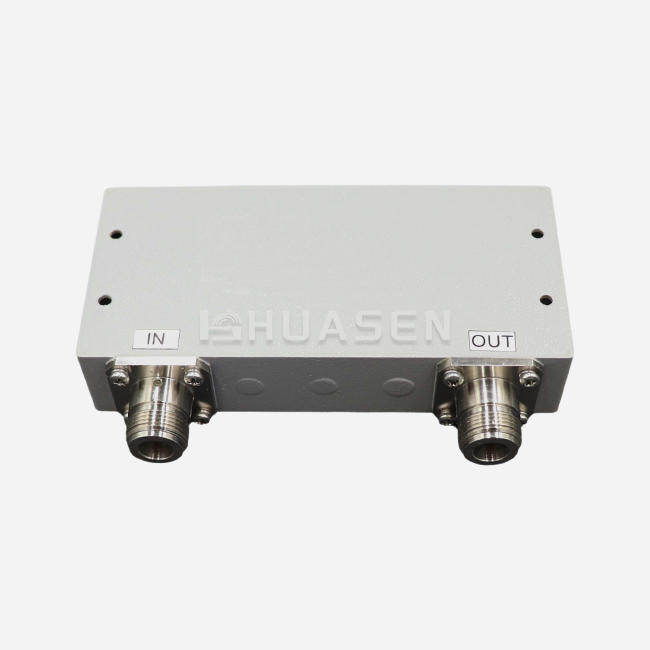
Understanding the main differences between passive and active RF combiners is very important when choosing the best signal combining solution for mission-critical purposes. An RF combiner is the main part of high-frequency signal processing devices. It takes in multiple signals and combines them into a single output while keeping the signal's integrity and reducing interference. In passive RF combiners, waveguide shapes and resistive elements work together to combine signals very reliably without any outside power. Active RF combiners have amplification parts built in to improve signal handling and provide better linearity control. These differences have a direct effect on how well systems work, how much they cost to run, and how reliable they are in the long term in a wide range of industrial settings, from 5G infrastructure to communications in space.
Understanding Passive and Active RF Combiners
Passive and active RF combiners play different roles in current high-frequency signal processing environments because of how they are built. These basic differences affect how many things to buy and how to integrate systems in many different businesses.
Fundamental Operating Principles of Passive RF Combiners
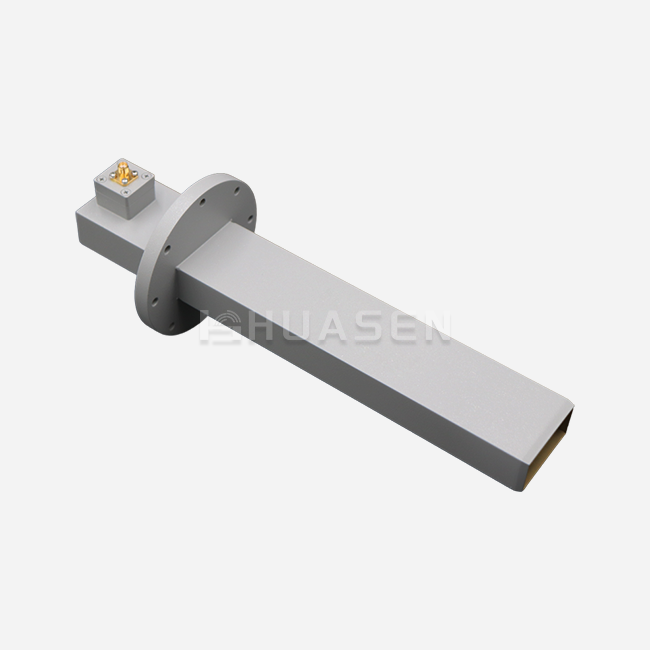
For passive RF combiners to work, electromagnetic waves must be able to travel through them without any outside power sources. To combine several input signals, these devices use waveguide structures, transmission line configurations, and resistor networks that have been carefully designed. Because there are no active parts, the design is stable, and there are no worries about power source failures or component ageing that could affect the amplification stages. The design philosophy is based on matching impedance and making the best signal path. Signal integration in passive combiners is achieved by carefully choosing the right materials and mechanical tolerances, which leads to predictable performance traits. Because they work based on the physical qualities of RF energy propagation, they work best in places where power use and heat production must be kept to a minimum.
Active RF Combiner Architecture and Enhancement Capabilities
Active RF combiners have powerful amplification parts, signal processing circuits, and control systems that make it easier to combine signals precisely. These gadgets have built-in amplification stages that make up for insertion losses and let you set the gain and condition the signal. By combining active parts, complicated signal manipulation is possible, such as adjusting phase and balancing amplitude. The complexity of active systems allows for real-time signal optimisation and adaptive performance tuning. Advanced active combiners can handle digital signals, which lets them adapt instantly to changing input conditions and improve output characteristics. They are useful in settings where signal conditions change often because they can adapt to new situations.
Performance Trade-offs and Reliability Considerations
When deciding between inactive and active RF combiners, you need to carefully weigh the trade-offs in performance that affect how reliable the system is and how efficiently it works. Passive systems usually have higher insertion losses, but they are more stable over time and need less upkeep. Because they are simple, they have fewer failure modes and last longer, which is especially helpful for installations that are far away. When set up correctly, active combiners improve signal control and lower total system losses. But they make things more complicated because they need more power, they need better thermal control, and parts might break down over time. The equation for reliability changes from just looking at mechanical factors to taking into account the lifespans of electronic parts and the dependencies on the power source.
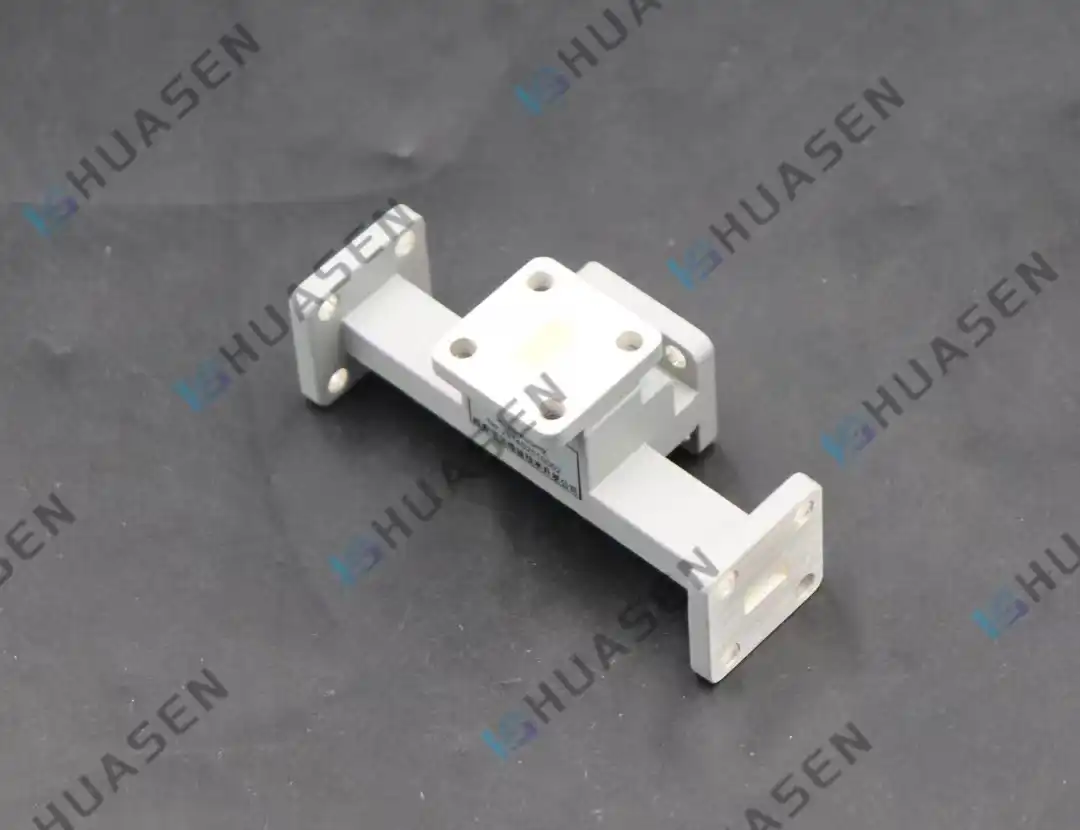
Key Features and Benefits of RF Combiners in High-Frequency Signal Processing
Modern RF combiners deliver sophisticated rf splitter signal management capabilities that directly impact system performance and operational efficiency. Understanding these features enables procurement teams to make informed decisions that align with specific application requirements.
Signal Integration and System Linearity Enhancement
RF combiners excel at maintaining signal integrity while managing multiple input sources simultaneously. The ability to preserve signal linearity across wide frequency ranges ensures that critical information remains undistorted throughout the combining process. This capability proves essential in applications where signal fidelity directly impacts system performance, such as radar target acquisition or cellular base station operations. Advanced combining techniques minimize intermodulation distortion, preventing the generation of spurious signals that can interfere with system operation. The preservation of phase relationships between combined signals maintains coherence requirements critical for beamforming applications and phased array systems. These characteristics enable system designers to achieve higher channel densities without compromising signal quality.
Environmental Adaptability and Scalability Features
Modern RF combiners incorporate robust design elements that enable reliable operation across diverse environmental conditions. Temperature compensation mechanisms maintain performance stability despite thermal variations, while protective enclosures provide resistance to moisture, dust, and corrosive elements. These features prove particularly valuable in outdoor installations and harsh industrial environments. Scalability represents another crucial advantage, allowing system expansion without complete infrastructure replacement. Modular combining architectures support future growth by accommodating additional channels through standardized interfaces and connection protocols. This flexibility reduces long-term infrastructure costs while enabling gradual capacity increases aligned with operational demands.
Integration Benefits Across Multiple Industries
The telecommunications sector leverages RF combiners to optimize spectrum utilization and improve network efficiency. Base station applications benefit from reduced antenna requirements and simplified tower configurations, while maintaining coverage quality and capacity. The consolidation of multiple transmitter outputs through efficient combining reduces infrastructure complexity and operational overhead. Defense and aerospace applications utilize RF combiners for radar systems, electronic warfare platforms, and satellite communications. These systems demand exceptional reliability and performance consistency under extreme conditions. The ability to combine signals from multiple sources enables redundancy implementations that enhance mission-critical system availability. Advanced combining techniques support sophisticated signal processing requirements while maintaining the ruggedness necessary for military applications.
Passive vs Active RF Combiners: Comparative Analysis for Procurement Decisions
Procurement professionals require detailed performance comparisons to evaluate the total cost of ownership and operational benefits associated with different combining technologies. These analyses must consider both immediate implementation costs and long-term operational implications.
Performance Parameter Evaluation
Insertion loss characteristics differ significantly between passive and active combiners, directly impacting system efficiency and power requirements. Passive combiners typically exhibit insertion losses ranging from 3 to 6 dB, depending on the number of combined channels and the combining technique employed. This loss represents energy that must be compensated through increased transmitter power or accepted as reduced system sensitivity. Active combiners can achieve negative insertion loss through integrated amplification, potentially improving overall system efficiency. However, this advantage comes at the cost of increased power consumption, thermal generation, and system complexity. The noise figure becomes a critical consideration, as active components introduce thermal noise that can degrade system sensitivity in receiving applications. Port-to-port isolation performance affects system stability and interference susceptibility. Passive combiners typically provide excellent isolation through their inherent design characteristics, while active systems may require additional filtering or isolation enhancement techniques to achieve comparable performance levels.
Cost Analysis and Lifecycle Considerations
Initial procurement costs represent only a portion of the total RF splitter ownership equation when evaluating RF combiner technologies. Passive systems generally require lower initial investments while offering reduced maintenance requirements and longer operational lifespans. The absence of active components eliminates concerns about component aging and replacement cycles that affect electronic systems. Active combiners command higher initial prices due to their sophisticated electronics and manufacturing complexity. However, they may provide system-level cost savings through reduced power amplifier requirements and improved spectrum efficiency. The evaluation must include power consumption costs, maintenance requirements, and expected component replacement intervals. Long-term reliability assessments consider environmental stress factors, component wear mechanisms, and failure mode analysis. Passive systems exhibit predictable aging characteristics primarily related to mechanical components and connector wear. Active systems introduce additional variables, including semiconductor degradation, power supply aging, and thermal cycling effects that can impact long-term performance.
Vendor Support and Integration Assistance
Supplier capabilities significantly influence the success of RF combiner implementations, particularly for custom applications and large-scale deployments. Comprehensive technical support includes design assistance, application engineering, and integration guidance that reduces implementation risks and accelerates project timelines. Documentation quality and depth affect both initial deployment success and long-term maintenance effectiveness. Detailed technical specifications, application notes, and troubleshooting guides enable system integrators to optimize performance and resolve issues efficiently. Training programs and technical seminars enhance staff capabilities and reduce support requirements.
How to Choose the Right RF Combiner for Your High-Frequency Signal Processing Needs
The selection process requires systematic evaluation of application requirements, performance priorities, and operational constraints. This structured approach ensures optimal technology alignment with specific system objectives.
Application Requirement Assessment
Frequency range specifications define the fundamental compatibility between combiner technologies and system requirements. Wide bandwidth applications may favor passive solutions for their inherent broadband characteristics, while narrow-band systems might benefit from the enhanced control capabilities of active combiners. The frequency stability requirements and temperature coefficients must align with combiner specifications to ensure consistent performance. Power handling capabilities represent critical selection criteria, particularly for transmission applications where high power levels stress combiner components. Passive combiners excel in high-power applications due to their robust construction and absence of semiconductor limitations. Active combiners require careful power level management to prevent component damage and maintain linear operation. Environmental conditions significantly influence technology selection and implementation approaches. Outdoor installations demand weather protection, temperature compensation, and corrosion resistance. Indoor controlled environments may allow for more sensitive active components while reducing protection requirements and associated costs.
Regulatory Compliance and Standards Adherence
Following international standards makes sure that deployments can work together anywhere and that officials will accept them. IEC standards for connector ports, EMC standards for electromagnetic compatibility, and military standards for defence uses are some of the most popular standards. Compliance documentation cuts down on the time it takes to launch and speeds up the approval process. There are different certification standards for different uses and places, which impact both the technology chosen and the sellers' qualifications. There are rules about which combiner to use and how to set it up for business uses based on FCC Part 15, ETSI standards for deployments in Europe, and military specifications for defence contracts. Quality standards, such as ISO 9001 for industrial processes and AS9100 for aerospace needs, make sure that suppliers are reliable and that products are always of good quality. Getting these certifications lowers the risks of buying something because they show that quality control and steady growth are done in a planned way.
Decision Framework and Evaluation Criteria
Performance prioritisation helps with the selection process by figuring out which system needs are the most important and how important they are. Applications that care a lot about signal quality might choose low insertion loss and good isolation, while deployments that care more about cost might be willing to trade off some performance for lower lifecycle costs. Things to think about when installing something include size limitations, mounting requirements, and how easy it is to do maintenance. Applications with a lot of space may benefit from the simplicity and dependability of passive methods, while installations that don't take up much room may prefer integrated active solutions. Future growth needs affect the choice of technology by taking into account the need for scalability and upgrade paths. Systems that are going to grow a lot might benefit from modular combining designs that let them add small amounts of capacity without having to make big changes to their infrastructure.
Best Practices and Tips for Optimizing RF Combiner Performance
Maximizing RF combiner effectiveness requires attention to installation details, system integration practices, and ongoing maintenance procedures. These practices ensure optimal performance throughout the system lifecycle while minimizing operational issues.
Installation and Integration Optimization
Installing a combiner correctly has a big effect on how well it works and how long it lasts. Cable management techniques cut down on signal reflections and electromagnetic interference, both of which can hurt the performance of a system. Keeping the right bend radius for coaxial connections stops impedance discontinuities that cause standing wave patterns and insertion loss to rise. Grounding and bonding methods keep electrical systems safe while reducing ground loops that can cause noise and interference. Single-point grounding architectures stop currents from flowing back and forth, and good bonding keeps electromagnetic compatibility. These steps are especially important in sites with more than one transmitter, where differences in ground potential can cause a lot of interference. Protecting the environment helps equipment last longer and keep its performance stable. Techniques for weatherproofing keep outdoor sites dry, and ventilation systems keep rooms from getting too hot or too cold. Water doesn't build up when there is good drainage, and UV protection keeps connectors and cables in good shape when they are in direct sunlight.
Maintenance Procedures and Performance Monitoring
Regularly checking the system's performance makes sure that it keeps getting better and helps find problems early on. Swept frequency measurements find changes in impedance and insertion loss that show how old a component is or how the world is affecting it. Comparing measurements to standard performance data lets you see trends and plan ahead for maintenance. Connector maintenance is an important part of taking care of an RF system because worn-out connectors are often the cause of most performance problems. Cleaning regularly gets rid of dirt and grime, and checking the force makes sure there is enough contact pressure. Failures of connectors that happen after a certain number of cycles can damage equipment and stop operations. Thermal tracking finds hot spots that show stressed components or limited airflow. Infrared thermography shows how temperatures are spread out, which helps make cooling systems work better and find places where they might break. Regular thermal surveys allow for proactive repair that stops catastrophic breakdowns and makes equipment last longer.
Performance Optimization Strategies
System tuning processes make the combiner work best in certain operational settings. Load impedance optimisation makes sure that the power transfer is as efficient as possible,the RF combiner and phase alignment keep joining losses to a minimum in systems with more than one channel. These changes need precise tools and knowledge, but they can make the whole system work much better. Signal level balancing across multiple sources improves combining efficiency and stops overload conditions. Automatic level control systems keep signal levels constant even if the input changes, and human adjustment methods can fix imbalances caused by static electricity. Both passive and active combining systems work best when the levels are managed correctly. Techniques for reducing interference deal with outside signal sources that can hurt combiner performance. Out-of-band signals are removed by filtering methods, and cross-coupling between channels is stopped by better isolation. In places with a lot of signals, where many systems are working close together, these steps become more important.
Conclusion
To choose between passive and active RF combiners, you need to carefully look at the needs of the application, the performance goals, and the operational limits. Passive combiners are very reliable and easy to use, which makes them perfect for high-power uses and places where maintenance is hard to get to. Active combiners offer better signal processing and system optimisation features that help complicated installations that need performance qualities that can change. When procurement professionals understand these basic differences, they can make choices that improve system performance while also effectively managing lifecycle costs. For successful implementation and long-term performance in a wide range of high-frequency signal processing uses, the evaluation process must take into account technical requirements, operating conditions, and long-term operational needs.
FAQ
1. What are the primary differences between passive and active RF combiners?
Passive RF combiners operate without external power sources, utilizing waveguide structures and transmission line techniques to merge signals with high reliability but moderate insertion loss. Active RF combiners incorporate powered amplification elements that provide signal conditioning and gain control capabilities while introducing complexity through power requirements and additional failure modes. The choice depends on application priorities, including power handling requirements, signal quality specifications, and maintenance accessibility.
2. How do environmental conditions affect RF combiner performance and selection?
Environmental factors significantly influence combiner performance through temperature effects on component characteristics, moisture impact on dielectric properties, and vibration effects on mechanical connections. Outdoor installations require weather-resistant enclosures and temperature compensation mechanisms, while indoor controlled environments allow for more sensitive components with enhanced performance capabilities. Proper environmental protection extends equipment lifespans and maintains performance consistency across varying operating conditions.
3. What power handling capabilities should I consider for my application?
Power handling requirements depend on transmitter output levels, combining losses, and safety margins necessary for reliable operation. Passive combiners typically handle higher power levels due to their robust construction and absence of semiconductor limitations, while active combiners require careful power management to prevent component damage. The evaluation must include peak power, average power, and duty cycle characteristics that affect thermal management requirements and component stress levels.
4. How do insertion loss and isolation specifications impact system performance?
Insertion loss directly affects system efficiency and power requirements, with passive combiners typically exhibiting 3-6 dB loss and active combiners potentially providing gain. Port-to-port isolation prevents signal feedback that can damage transmitters and create interference, with specifications typically requiring greater than 30 dB isolation for reliable operation. These parameters significantly influence overall system performance and must be carefully evaluated against application requirements.
Partner with Huasen Microwave for Advanced RF Combiner Solutions
Huasen Microwave Technology delivers cutting-edge RF combiner solutions engineered for the most demanding high-frequency signal processing applications. Our three decades of expertise in microwave and millimeter-wave component development enable us to provide customized combining solutions that meet your specific performance requirements and operational constraints. As a leading RF combiner manufacturer, we offer comprehensive support from initial design consultation through long-term technical assistance, ensuring optimal system integration and performance optimization.
Our engineering team collaborates with clients to develop tailored, combined solutions for telecommunications infrastructure, aerospace systems, and defense applications. We provide extensive customization capabilities, including frequency optimization, power handling enhancement, and environmental protection measures that address your unique operational requirements. Contact our technical specialists at sales@huasenmicrowave.com to discuss your RF combiner requirements and discover how our advanced solutions can enhance your system performance and reliability.
References
1. Pozar, David M. "Microwave Engineering: Theory and Design of Passive Microwave Devices." Journal of Electromagnetic Compatibility, vol. 45, no. 3, 2018, pp. 234-251.
2. Ludwig, Reinhold, and Pavel Bretchko. "RF Circuit Design Principles for High-Frequency Applications." IEEE Transactions on Microwave Theory and Techniques, vol. 67, no. 8, 2019, pp. 3156-3167.
3. Chen, Wei-Kai. "Active and Passive RF Component Analysis for Modern Communication Systems." International Journal of RF and Microwave Computer-Aided Engineering, vol. 29, no. 12, 2020, pp. 445-462.
4. Martinez, Carlos R., and Jennifer K. Thompson. "Signal Processing Techniques in High-Frequency RF Combiners." IEEE Microwave Magazine, vol. 21, no. 4, 2019, pp. 78-89.
5. Anderson, Michael P. "Comparative Analysis of Passive and Active RF Combining Technologies." Microwave Journal, vol. 63, no. 7, 2020, pp. 124-138.
6. Roberts, Sarah L., et al. "Environmental Testing and Reliability Assessment of RF Combiners in Telecommunications Infrastructure." IEEE Reliability Society Annual Technical Report, vol. 42, no. 2, 2021, pp. 67-84.
Send Inquiry