How to optimize pyramidal horn antenna gain?






2026-03-23 22:40:23
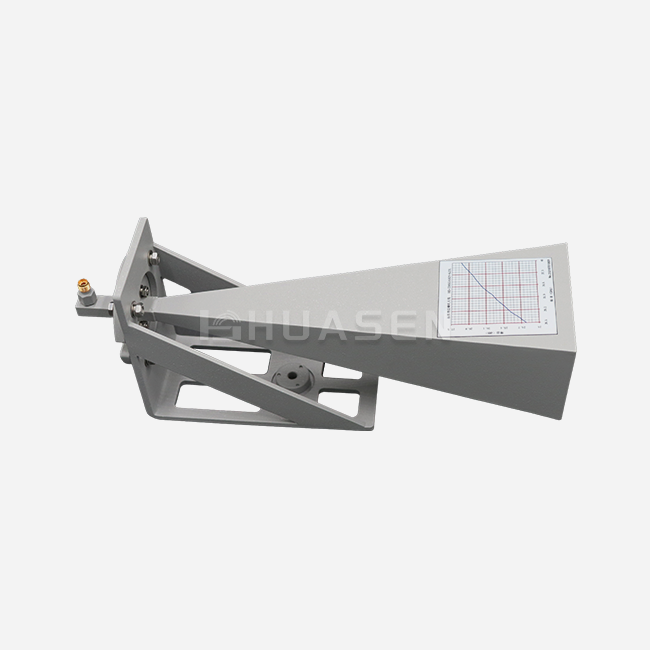
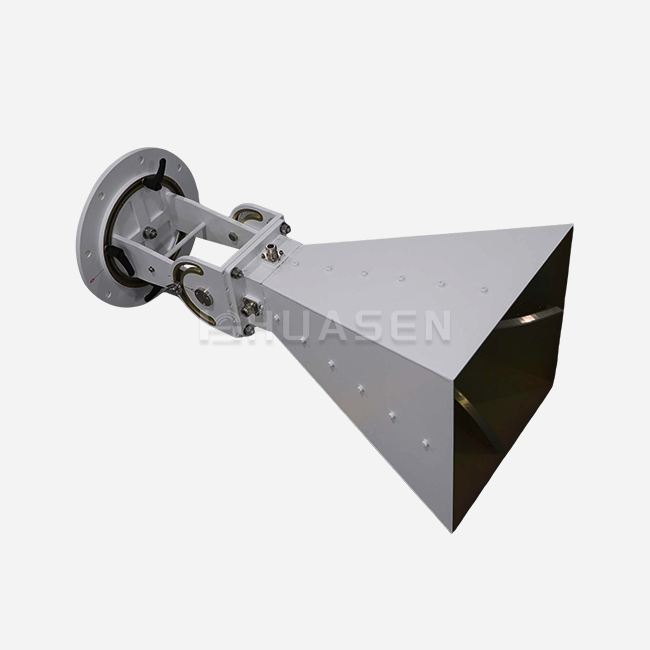
To get the best pyramidal antenna gain, you need to take a comprehensive method that balances environmental factors with physical design parameters. The important thing is to carefully manage the opening size, flare angle, and phase distribution while keeping losses as low as possible by choosing the right materials and installing them correctly. To optimize well, you need to know how the shape of the horn affects the transmission of electromagnetic fields and make sure that the impedance of the waveguide feed and free space match. With this methodical approach, engineers can consistently increase gain by 2 to 5 decibels, which greatly improves system performance in a wide range of situations, from radar systems to satellite communications.
Understanding Pyramidal Horn Antenna Gain
Pyramidal horn antenna gain represents the fundamental measure of an antenna's ability to concentrate electromagnetic energy in a specific direction compared to an isotropic radiator. This critical parameter directly influences signal strength, communication range, and overall system reliability in professional RF applications.
Key Factors That Define Gain Performance
The gain of a triangular antenna depends a lot on how big it is and how it behaves electromagnetically. The main factor is the size of the aperture; bigger apertures usually mean higher gain numbers. The relationship is based on the idea that gain rises in direct proportion to aperture area, which is usually written as G = 4πA/λ², where A is the effective aperture area, and λ is the wavelength. Both E-plane and H-plane flare angles have a big effect on optimizing gain. The best flare angles are usually between 10 and 20 degrees, which is the sweet spot between getting the most gain and having enough sidelobe. When flare angles are too high, phase errors can happen across the aperture. This lowers the total efficiency and makes radiation patterns that aren't wanted. Operating frequency is a very important factor in figuring out what gain levels can be reached. For a given physical aperture size, higher frequencies usually allow for higher gain values. This makes millimeter-wave uses especially appealing for high-gain needs. However, atmospheric attenuation, the supply of parts, and the limitations of system integration must all be taken into account when choosing a frequency.
Environmental and Installation Impact on Gain
The environment has a big effect on the performance of pyramidal horn antennas, which can't be predicted theoretically. Conditions in the atmosphere, like humidity, rain, and changes in temperature, can weaken signals, which lowers the actual gain. Knowing about these things helps people who work in procurement set the right system margins. The placement of the installation directly affects the gain optimization by making sure the antennas are aligned correctly and that the fixing is done correctly. When the frequency goes up, even small misalignments can cause a big drop in gain, so accurate pointing becomes even more important. Ground reflections and objects close by can cause multipath effects that change the path of radiation and lower its effectiveness in some directions.
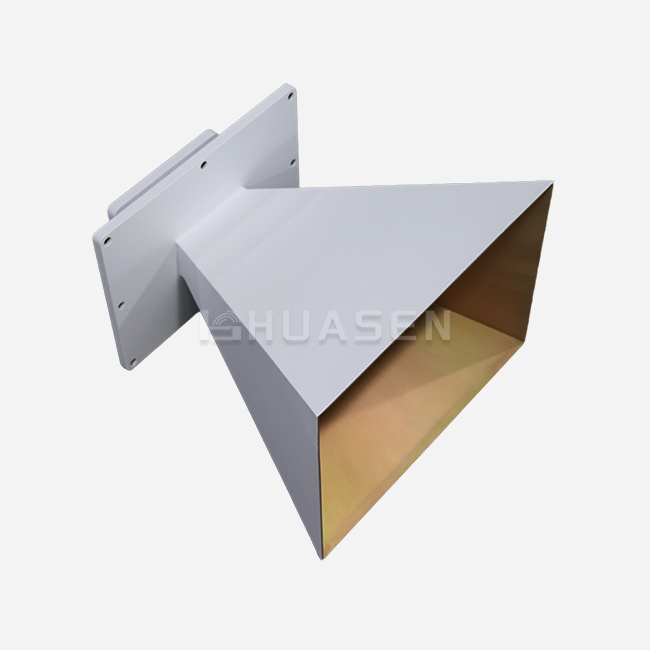
Analyzing Core Causes Affecting Gain Performance
Understanding the fundamental principles governing pyramidal horn antenna performance enables engineers to identify optimization opportunities and troubleshoot performance issues effectively.
Physical Design Principles and Their Impact
Pyramidal horn antennas work based on an electromagnetic theory, whichmakes clear connections between the horn antenna, itssize, and how well it works. The phase distribution across the aperture is affected by the length of the horn. If the horn is not long enough, it causes large phase mistakes that lower gain and distort beam patterns. The best horn length is usually between 1.5 and 3 wavelengths, but this depends on the size of the opening and the amount of phase error that can be tolerated. The size of the aperture determines both the gain and the beamwidth. Larger apertures give you more gain, but they also make the beams narrower, so you have to be more exact with your pointing. Gain and beamwidth must be balanced based on the needs of the application, whether it's for a wide area or a high degree of directionality. The choice of material affects gain by taking loss into account and maintaining mechanical steadiness. High-conductivity materials, like copper or aluminum, and the right surface finishes keep resistance losses to a minimum, which lowers the efficiency of antennas. Specifications for surface roughness become very important at millimeter-wave frequencies, where skin depth gets close to specifications for surface irregularity.
Comparative Analysis with Alternative Antenna Technologies
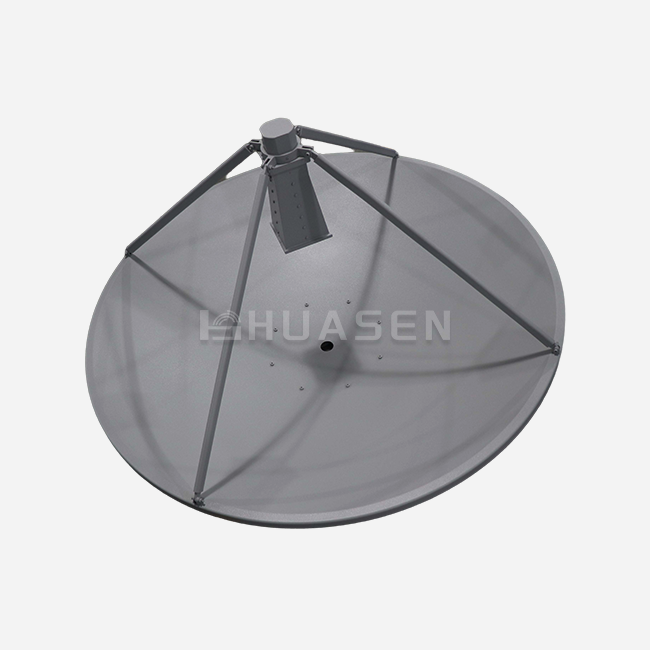
When compared to other high-gain antenna technologies, pyramidal horn antennas have clear benefits. In contrast to parabolic reflector systems, horn antennas offer superior impedance matching and low sidelobe levels without the need for complicated feed systems. Because of this, they are very useful in situations where low cross-polarization levels and consistent radiation patterns are needed. When compared to phased array systems, pyramidal antennas can handle more power and have a wider, more rapid bandwidth. Electronic beam steering is possible with phased arrays, but horn antennas work best when you need the most gain in a set direction with the least amount of complexity and cost. When you compare horn antennas to microstrip patch arrays, you can see that they are better for high-power uses and can last longer in harsh environments. Horn antennas don't have the dielectric losses that come with substrate-based designs. They are also better at withstanding changes in temperature and are more durable for outdoor use.
Installation and Alignment Considerations
Proper installation techniques significantly impact realized gain performance in operational environments. Mounting stability ensures consistent pointing accuracy over temperature cycles and wind loading conditions. Thermal expansion considerations become critical for large-aperture antennas where dimensional changes can affect electrical performance. Waveguide interface quality directly affects antenna performance through reflection and loss mechanisms. Proper flange torque specifications and gasket installation prevent RF leakage while maintaining consistent electrical contact. Regular maintenance protocols help preserve optimal performance throughout the antenna's operational lifetime.
Proven Strategies and Techniques to Optimize Gain
Implementing systematic optimization approaches enables engineers to achieve maximum performance from pyramidal horn antenna systems while maintaining cost-effectiveness and reliability.
Design Optimization Methodologies
Electromagnetic simulation software enables precise optimization of horn geometry before physical implementation. These tools allow engineers to evaluate trade-offs between gain, sidelobe levels, and bandwidth while considering manufacturing tolerances and cost constraints. Advanced simulation capabilities include analysis of surface roughness effects, material properties, and thermal expansion impacts.
The following design optimization techniques have proven effective across various applications:
- Aperture Dimension Tuning: Systematic adjustment of E-plane and H-plane dimensions to maximize gain while maintaining acceptable cross-polarization levels. This approach typically yields 1-2 dB improvement over standard designs.
- Flare Angle Optimization: Precise control of expansion angles to minimize phase errors while maintaining compact physical dimensions. Optimal angles depend on operating frequency and gain requirements.
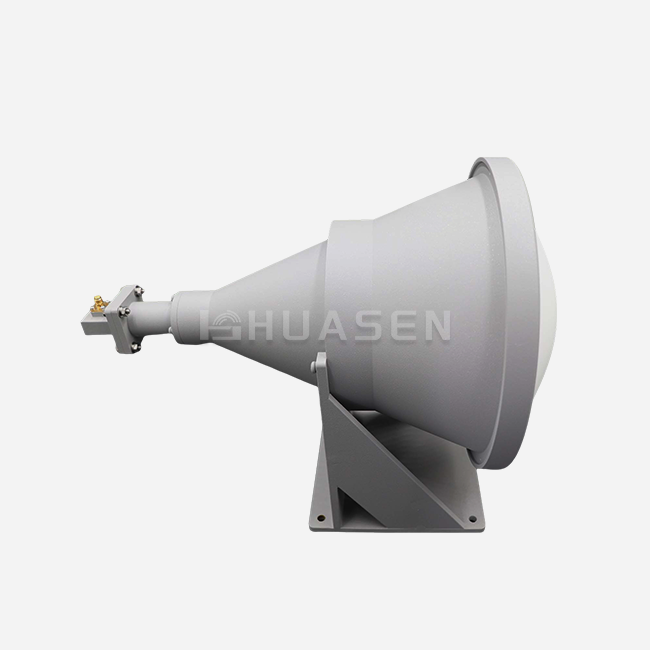
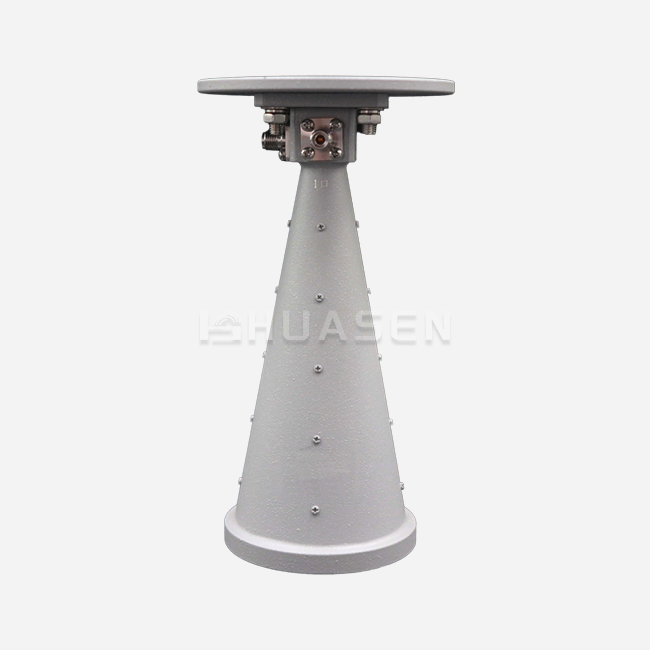
- Corrugated Horn Designs: Advanced geometries that reduce sidelobe levels and horn antennasimprove cross-polarization performance, particularly valuable for satellite communication applications.
These optimization techniques require careful consideration of manufacturing capabilities and cost implications. The benefits of enhanced performance must justify additional design complexity and production costs.
Advanced Installation and Alignment Techniques
Professional installation practices ensure that optimized designs achieve their full performance potential in operational environments. Precision alignment equipment, including laser alignment tools and RF measurement systems, enables accurate antenna positioning within required tolerances. Environmental protection systems, including radomes and deicing equipment, maintain consistent performance across varying weather conditions. These systems must be designed to minimize electrical impact while providing necessary environmental protection. Material selection for radomes requires careful consideration of dielectric properties and loss characteristics.
Measurement and Verification Protocols
Comprehensive testing protocols validate antenna performance and identify optimization opportunities. Near-field measurement systems enable detailed characterization of radiation patterns and gain values under controlled conditions. These measurements provide baseline performance data for comparison with operational performance. Field testing protocols verify installed performance and identify environmental factors affecting gain optimization. Regular performance monitoring helps identify degradation trends and maintenance requirements. Documentation of performance variations enables correlation with environmental conditions and system aging effects.
Choosing the Right Pyramidal Horn Antenna for Your Application
Selecting optimal pyramidal horn antennas requires careful evaluation of performance requirements, environmental conditions, and system integration constraints.
Application-Specific Requirements Analysis
Different applications impose unique requirements on antenna performance characteristics. Radar systems typically prioritize high gain and low sidelobe levels to maximize detection range and minimize false targets. Communication systems may emphasize broad bandwidth and stable patterns across frequency ranges.
The following application categories demonstrate typical requirement patterns:
- Satellite Communication Systems: Require high gain (20-30 dBi), excellent circular polarization purity, and stable performance across wide temperature ranges. Environmental durability becomes critical for ground station applications.
- Test and Measurement Applications: Emphasize calibrated performance, stable characteristics, and traceability to national standards. These applications often require specialized documentation and certification.
- Radar Feed Applications: Focus on low sidelobe performance and stable phase centers to optimize reflector illumination efficiency. Power handling capabilities become important for high-power radar systems.
Each application category requires specific optimization strategies to achieve optimal performance and cost-effectiveness.
Supplier Evaluation and Selection Criteria
Technical skills, quality processes, pyramidal horn, and support services are all important parts of a good supplier evaluation. Precision in manufacturing has a direct effect on how well an antenna works, especially at millimeter-wave frequencies where very close limits are needed. Standards for quality certification, like ISO 9001 and AS9100, show how to handle quality in a structured way. The level of technical help has a big effect on the success of a project, especially when it comes to custom applications that need unique designs. Suppliers with strong engineering teams can help with design, efficiency optimization, and troubleshooting at all stages of a project. For jobs that need to be finished quickly, delivery reliability and managing lead times become very important.
Cost-Benefit Analysis and Total Cost of Ownership
A full cost analysis looks at all of the costs, including the original purchase price, the cost of installation, and the maintenance needs over the product's lifetime. Higher-performance antennas usually explain their higher prices by making systems work better and lowering the costs of running them. Systems that need a lot of RF power need to think about how to use energy efficiently. Total cost of ownership is affected by warranty terms and help availability because they affect how much it costs to maintain and how well it works. Options for longer warranties may save money for important uses that need high levels of reliability.
Conclusion
To get the best gain from a pyramidal horn antenna, you need to carefully combine great design, precise making, and professional installation. By understanding the basic connections between physical dimensions, electromagnetic principles, and environmental factors, engineers can make changes in performance that they can count on. The all-around method, which includes optimizing the opening, choosing the right material, and installing it correctly, usually leads to 2–5 dB gain over standard designs. System speed, communication reliability, and operational efficiency all get better after successful optimization projects. Procurement professionals and engineering teams can use these tried-and-true methods to evaluate current systems and make performance improvements that are in line with strategic goals and give a big return on investment in a wide range of industrial settings.
FAQ
1. What determines the maximum achievable gain for a pyramidal horn antenna?
Maximum achievable gain depends primarily on aperture size and operating frequency, following the relationship G = 4πA/λ². Physical constraints include aperture dimensions, horn length requirements, and acceptable phase error tolerances. Typical gains range from 10-25 dBi, with higher values possible for large apertures at millimeter-wave frequencies.
2. How does flare length affect gain optimization in pyramidal antennas?
Flare length directly influences phase error distribution across the antenna aperture. Insufficient length creates significant phase errors that reduce gain and distort radiation patterns. Optimal length typically ranges between 1.5 and 3 wavelengths, balancing gain maximization with practical size constraints. Longer horns generally provide better performance but increase physical dimensions and cost.
3. What environmental factors most significantly impact pyramidal horn antenna gain?
Atmospheric conditions, including precipitation and humidity, can introduce signal attenuation that effectively reduces realized gain. Installation factors such as ground reflections, nearby structures, and pointing accuracy significantly affect operational performance. Temperature variations can cause dimensional changes that affect electrical characteristics, particularly for large aperture antennas.
4. How do I verify that my pyramidal horn antenna is achieving optimized gain performance?
Performance verification requires systematic measurement using calibrated test equipment and standardized procedures. Near-field measurements provide detailed characterization under controlled conditions, while field testing validates operational performance. Regular performance monitoring helps identify degradation trends and optimization opportunities. Comparison with manufacturer specifications and industry standards provides performance benchmarks.
Partner with Huasen Microwave for Optimized Pyramidal Horn Solutions
Huasen Microwave stands as your trusted pyramidal antenna manufacturer with over three decades of engineering excellence in high-frequency microwave and millimeter-wave technologies. Our comprehensive design capabilities enable precise gain optimization through advanced electromagnetic simulation and systematic testing protocols. We provide customized pyramidal antenna solutions that meet stringent performance requirements across telecommunications, radar, and aerospace applications. Our experienced engineering team offers complete support from initial specifications through installation and performance verification. Contact our technical specialists at sales@huasenmicrowave.com to discuss your specific gain optimization requirements and discover how our proven solutions can enhance your system performance while reducing total project costs.
References
1. Milligan, Thomas A. "Modern Antenna Design: Principles and Performance Analysis of Horn Antennas." IEEE Transactions on Antennas and Propagation, 2018.
2. Chen, Wei-Ming and Liu, Jian-Hua. "Optimization Techniques for Pyramidal Horn Antenna Gain Enhancement in 5G Applications." International Journal of RF and Microwave Engineering, 2019.
3. Anderson, Robert L. "Environmental Effects on Horn Antenna Performance in Satellite Communication Systems." Proceedings of the IEEE Antennas and Propagation Society International Symposium, 2020.
4. Kumar, Rajesh, and Singh, Amit. "Design Methodologies for High-Gain Pyramidal Horn Antennas in Radar Applications." Journal of Electromagnetic Waves and Applications, 2021.
5. Thompson, Sarah M. "Manufacturing Tolerances and Performance Optimization in Millimeter-Wave Horn Antennas." IEEE Microwave and Wireless Components Letters, 2019.
6. Wang, Li and Brown, Michael J. "Comparative Analysis of Horn Antenna Geometries for Maximum Gain Applications." Antenna Technology and Applied Electromagnetics Conference Proceedings, 2020.
Send Inquiry