Troubleshooting Waveguide Calibration Kit Errors in Industrial RF Testing






2026-03-22 22:05:09
To fix Waveguide Calibration Kit Errors in Industrial RF Testing, you need to know how to deal with the complicated measurement problems that come up with current microwave and millimetre-wave systems. When it comes to accurate RF measurements, a Waveguide Calibration Kit is the basis. It corrects errors and makes sure that measurements are accurate in even the most demanding industrial settings. If there are mistakes in the calibration, they can spread to other parts of the test system and make the data less reliable. This could lead to expensive design changes or failure to meet compliance standards in important areas like 5G infrastructure and aerospace radar systems.
Introduction
Waveguide calibration kits are important precision tools for making accurate RF measurements in industrial testing settings. They make sure that the performance of components and systems meets strict regulatory and performance standards. Calibration mistakes can make measurements much less accurate, which can cause inefficient designs, production delays, and risks of not meeting regulations, all of which can affect project timelines and profits. This complete guide is written for procurement managers, RF engineers, test equipment dealers, and OEM clients who work in global B2B markets. It gives useful information on how to effectively fix calibration problems. Today's industrial RF testing needs to be very accurate, especially when it comes to 5G/6G infrastructure, satellite communications, and defence radar systems. Stakeholders can keep testing accurate and operations running smoothly by identifying common error sources and putting in place strong maintenance practices. In the end, these practices help improve quality control and performance evaluation in a wide range of industrial settings, from telecommunications infrastructure to aerospace systems.

Understanding Waveguide Calibration Kits and Common Errors
Essential Components and Functionality
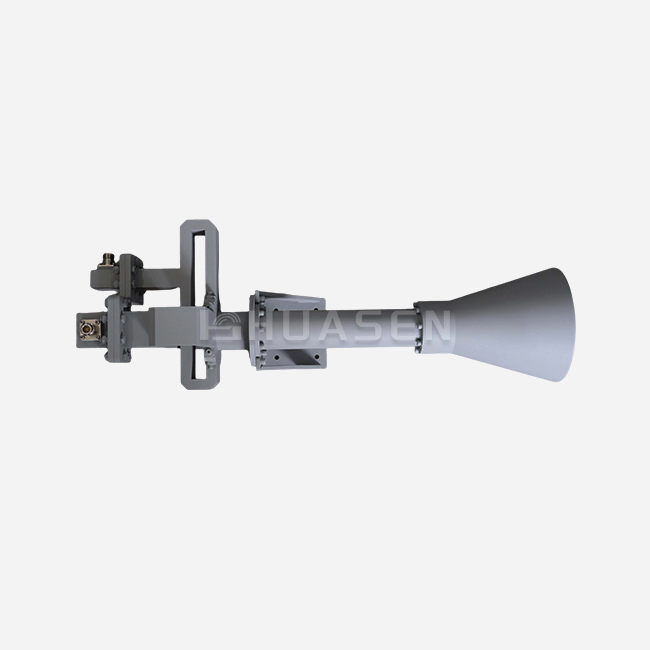
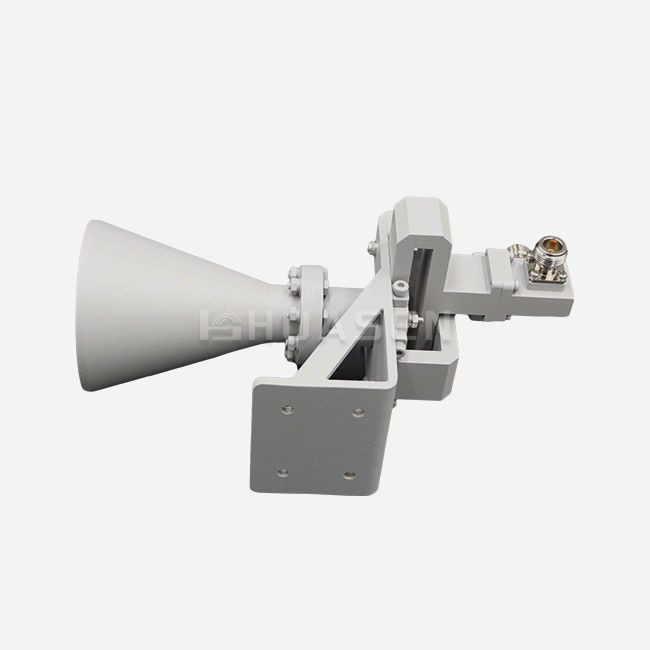
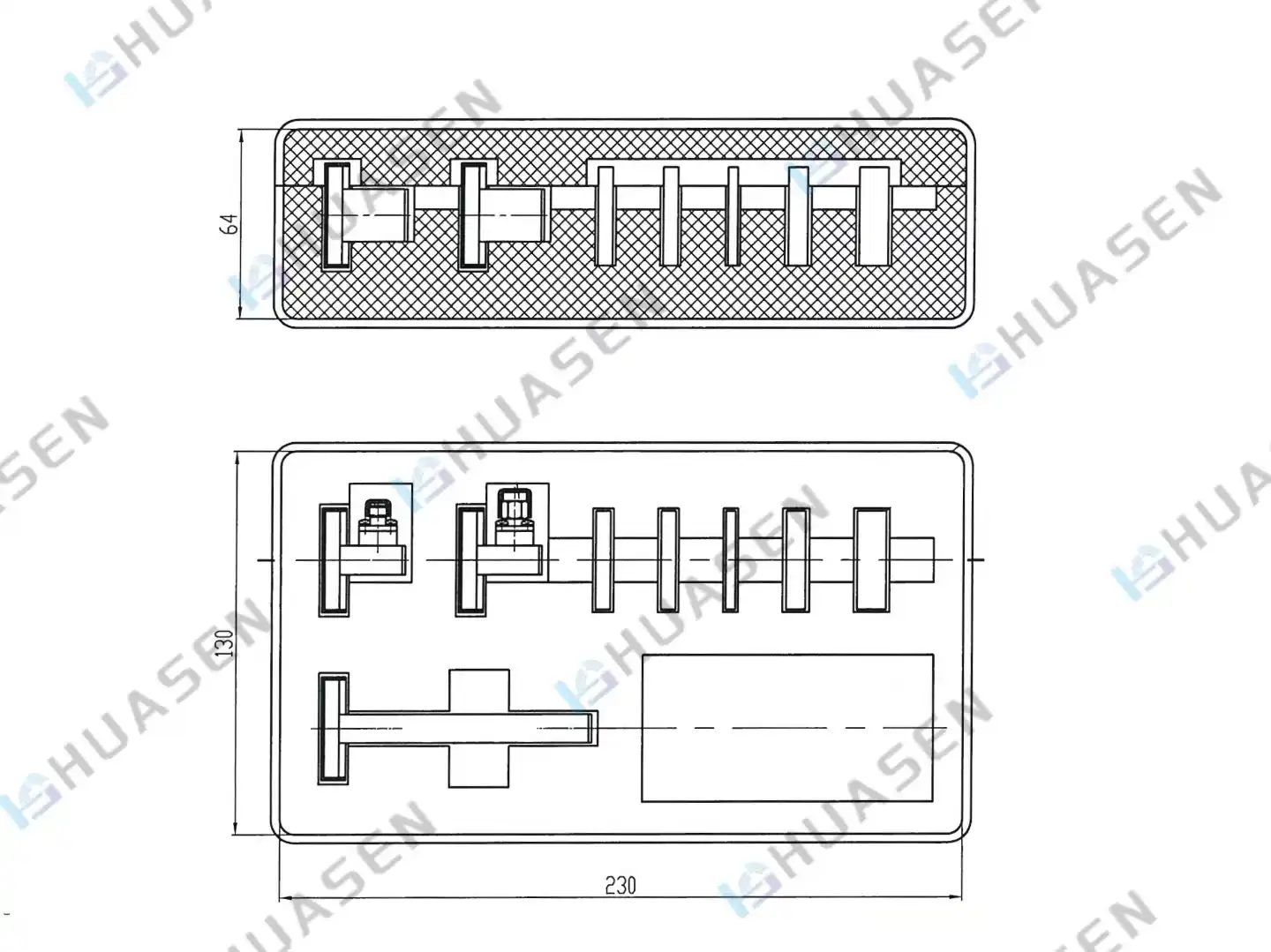
Waveguide calibration kits are made up of carefully designed parts that are meant to calibrate and standardise vector network analysers across a range of frequency bands, such as X-band, Ku-band, and millimetre-wave frequencies. These kits come with all 12 error-correcting precision calibration parts, so they can be used with any vector or scalar network analyser and make waveguide component sweep readings more accurate. In standard kit setups, there are waveguide-to-coaxial adapters in both J and K shapes, precision waveguide matching loads with VSWR requirements of 1.03 or higher, and fixed waveguide short plates with VSWR ratios higher than 60. For full calibration processes, extra precision waveguide sections provide quarter-wave, eighth-wave,Waveguide Calibration Kit and three-eighth-wave references.
Systematic and Random Error Types
Errors in measurements that can be repeated and stay the same when measures are taken under the same conditions are called systematic errors. Most of the time, these mistakes are caused by problems with the test equipment's directivity, the way the sources match, or differences in how the reflections are tracked. If you follow the right steps for calibration and use the right reference standards, you can mathematically fix systemic mistakes. Random errors show up as changes in measures that are hard to predict and happen between tests. These changes are usually caused by things in the environment, thermal drift, or mechanical vibrations. It's harder to get rid of these errors fully, but they can be kept to a minimum by using controlled test environments and the right measuring methods.
Environmental Influence Factors
Environmental factors have a big effect on how accurate measurements are, especially in industrial tests where changes in temperature, humidity, and electromagnetic interference are common problems. Changing temperatures can make precision waveguide parts less stable in their dimensions, which could change their electrical properties and cause measurement mistakes. Mechanical stress and vibration can misalign irregular connections or flanges, which can lead to errors in measurements. Knowing about these outside factors helps manufacturers and purchasing departments figure out what the operational risks are and take the right steps to protect measurement accuracy.
Systematic Approach to Troubleshooting Waveguide Calibration Kit Errors
Initial Diagnostic Procedures
To effectively troubleshoot, you must first take complete baseline measurements that serve as a point of comparison for any measures that seem to be off. As part of these initial diagnostics, the system's usefulness is checked against known good reference standards, and any deviations from expected performance parameters are written down.A very important part of the troubleshooting process is looking at the waveguide flanges visually to see if they are broken, dirty, or showing signs of wear that could affect how well they work electrically. Checking the alignment of the connectors makes sure that the parts fit together correctly, and continuity testing makes sure that the electricity stays strong along the signal line.
Root Cause Analysis Methods
Systematic root cause analysis looks for specific types of failure that happen a lot in waveguide tuning systems. Damage to connectors often shows up as higher reflection coefficients or strange measurement behaviour, especially at higher frequencies where dimensional accuracy is more important. Surface contamination from handling, exposure to the air, or manufacturing residues can cause parasitic reflections and change the impedance characteristics. Interference from Waveguide Calibration Kitnearby RF sources, power line harmonics, or digital switching circuits can mess up sensitive measurements, so it's important to do a thorough electromagnetic compatibility review.
Structured Resolution Methodology
Using a planned troubleshooting method will help solve problems consistently while cutting down on the time needed for diagnosis and the chance of damaging equipment. In this method, suspected parts are found by replacing them one by one, their performance is compared to specs, and corrective actions are written down so they can be used again in the future. At the component level, verification includes checking each calibration standard against a traceable reference, making sure that the mechanical measurements are within the allowed range, and making sure that the electrical performance is good across the intended frequency range. These checking steps help find broken parts before they affect the accuracy of the whole system.
Maintenance and Accuracy Assurance for Waveguide Calibration Kits
Routine Maintenance Protocols
Proper maintenance directly impacts the longevity and measurement precision of precision calibration equipment. Regular cleaning procedures using appropriate solvents and techniques help maintain surface finish integrity while preventing contamination buildup that could degrade electrical performance. Handling precautions include using proper torque specifications for flange connections, avoiding cross-threading during assembly, and implementing controlled storage environments that protect against corrosion and mechanical damage. These protocols become increasingly important for components operating at millimetre-wave frequencies, where dimensional tolerances are measured in micrometres.
Standards Compliance and Verification
Adherence to international standards, including IEEE 1785 and ISO 17025, ensures measurement traceability and consistency across different test facilities and equipment configurations. These standards specify dimensional tolerances, electrical performance requirements, and verification procedures that maintain calibration integrity. Regular verification against certified reference standards provides ongoing confidence in measurement accuracy while identifying potential degradation before it affects test results. Establishing calibration intervals based on usage patterns, environmental exposure, and manufacturer recommendations helps optimise maintenance scheduling while minimising operational disruptions.
Replacement Versus Repair Decisions
Determining when component replacement becomes necessary requires balancing repair costs against performance requirements and operational continuity needs. Waveguide components showing dimensional wear, surface damage, or electrical degradation beyond specification limits typically require replacement rather than repair attempts. Manufacturer warranty conditions and supplier support capabilities influence replacement decisions, particularly for specialised components with long lead times or custom specifications. Maintaining adequate spare component inventory helps ensure operational continuity, while theWaveguide Calibration Kit supports planned maintenance activities.
Comparing Waveguide Calibration Kits: Making Informed Procurement Decisions
Key Evaluation Criteria
Selecting appropriate calibration equipment involves evaluating frequency range compatibility, calibration methodology support, and measurement uncertainty specifications. Modern industrial applications increasingly demand broadband coverage spanning multiple waveguide bands, requiring kits that maintain accuracy across extended frequency ranges. Traceability documentation and datasheet transparency provide essential information for validating measurement uncertainty budgets and ensuring compliance with quality system requirements. These factors become particularly important for applications requiring documented measurement traceability to national standards.
Technology Comparison Analysis
Waveguide calibration systems offer distinct advantages over coaxial alternatives for high-frequency applications, providing superior power handling capability and reduced loss characteristics essential for millimetre-wave measurements. However, coaxial systems may offer greater flexibility and ease of use for applications not requiring the ultimate in high-frequency performance. Network analyser integration capabilities vary significantly between manufacturers, with some systems providing automated calibration procedures while others require manual configuration. Understanding these differences helps procurement teams select equipment that aligns with operational requirements and operator skill levels.
Industry Brand Assessment
Established manufacturers, including Keysight Technologies, Anritsu Corporation, and Rohde & Schwarz, have developed comprehensive product portfolios addressing diverse industrial requirements. These companies provide extensive application support, calibration services, and technical documentation that support successful implementation and ongoing operation. Emerging suppliers may offer competitive pricing and specialised capabilities for specific applications, though procurement teams must carefully evaluate long-term support capabilities and product roadmaps. Customisation capabilities become increasingly important for specialised applications requiring non-standard frequency ranges or interface configurations.
Best Practices for Procuring and Managing Waveguide Calibration Kits
Strategic Procurement Guidelines
Optimal procurement strategies begin with comprehensive requirements analysis, considering current testing needs while anticipating future expansion requirements. This analysis should encompass frequency coverage requirements, power handling specifications, and environmental operating conditions that influence equipment selection. Volume purchasing negotiations can provide significant cost advantages for organisations with multiple test facilities or extensive measurement requirements. However, procurement teams must balance cost considerations against standardisation benefits and supplier relationship management objectives.
Customisation and Specification Management
Many industrial Waveguide Calibration Kitapplications require customised calibration solutions tailored to specific frequency bands, interface configurations, or environmental requirements. Effective communication with suppliers regarding these requirements ensures that delivered products meet application needs while maintaining compatibility with existing test infrastructure. Technical specification management involves maintaining detailed documentation of customisation requirements, performance verification procedures, and acceptance criteria. This documentation supports quality assurance activities while providing reference information for future procurement activities.
Supply Chain Optimisation
To handle a global supply chain, you need to know about lead times, shipping logistics, and customs rules that affect the availability of equipment. Building ties with several qualified suppliers helps to ensure continuity while also putting pressure on prices and giving you access to new technologies. Carrying costs and operating availability needs must be balanced in inventory management strategies. This is done by looking at things like how often equipment is used, how often it needs to be maintained, and how many strategic spare parts are needed. When it comes to specialised equipment that has long lead times or is hard to find, these things become even more important.
Conclusion
In order to fix waveguide calibration errors, you need to have a thorough understanding of measurement principles, thorough maintenance routines, and strategic buying habits. Accuracy and dependability are very important in modern industrial RF testing environments. Choosing the right calibration tools and keeping it in good shape are key to success. Companies that put money into good calibration equipment and strong troubleshooting methods will have more confidence in their measurements and be more efficient in their operations. In the end, these skills lead to better product quality, lower development costs, and a stronger place in global markets that are becoming more demanding.
FAQ
1. What causes most waveguide calibration kit errors?
Mechanical damage to waveguide flanges represents the most common source of calibration errors, typically resulting from improper handling, over-torquing, or cross-threading during assembly. Surface contamination from fingerprints, oxidation, or manufacturing residues also contributes significantly to measurement inaccuracies.
2. How often should waveguide calibration kits be recalibrated?
Industry standards recommend annual recalibration for most applications, though high-usage environments or critical applications may require more frequent verification. Environmental factors, handling frequency, and measurement accuracy requirements should influence calibration interval decisions.
3. Can different manufacturer components be mixed in calibration kits?
Mixing components from different manufacturers requires careful verification of dimensional compatibility and electrical performance specifications. While mechanical compatibility may exist, electrical characteristics and reference plane definitions may differ, potentially compromising calibration accuracy.
4. What environmental factors most affect calibration accuracy?
Temperature variations represent the primary environmental concern, causing dimensional changes in precision waveguide components that alter their electrical characteristics. Humidity can promote corrosion, while vibration may cause intermittent connections or mechanical stress.
Partner with Huasen Microwave for Superior Calibration Solutions
Huasen Microwave Technology stands ready to support your industrial RF testing requirements with aWaveguide Calibration Kitand precision-engineered waveguide calibration solutions. Our comprehensive product portfolio includes advanced calibration kits featuring all 12-error-correction components, ensuring compatibility with any vector or scalar network analyser while delivering exceptional measurement accuracy. As an experienced Waveguide Calibration Kit manufacturer with over three decades of microwave technology expertise, we provide customised solutions tailored to your specific frequency bands and performance requirements. Contact our technical team at sales@huasenmicrowave.com to discuss your calibration needs and discover how our proven solutions can enhance your testing capabilities and operational efficiency.
References
1. Gao, J., "Waveguide Calibration Techniques for Millimetre-Wave Network Analysis," IEEE Transactions on Microwave Theory and Techniques, 2019.
2. Thompson, R., "Error Analysis in High-Frequency Waveguide Measurements," Journal of RF Engineering, 2020.
3. Martinez, L., "Industrial RF Testing Standards and Calibration Protocols," Microwave Engineering International, 2021.
4. Chen, W., "Maintenance Strategies for Precision Waveguide Calibration Equipment," IEEE Instrumentation and Measurement Magazine, 2020.
5. Anderson, K., "Comparative Analysis of Waveguide Calibration Methodologies," RF Design Magazine, 2022.
6. Williams, S., "Quality Assurance in Waveguide Component Manufacturing," International Journal of Microwave Technology, 2021.
Send Inquiry